Unveiling the Drawbacks and Limitations of Engineered Marble: A Comprehensive Analysis
When it comes to selecting the perfect material for countertops, flooring, and other architectural elements, many people are drawn to the elegance and timeless appeal of marble. However, not all marble is created equal. While natural marble has its own set of advantages, engineered marble, often referred to as synthetic or artificial marble, offers a different set of characteristics. This article will explore the various drawbacks and limitations of engineered marble, providing a detailed analysis to help you understand its vulnerabilities and maintenance challenges.

The Nature of Engineered Marble
Engineered marble is a composite material made from a combination of natural stone, typically limestone or granite, bonded with resin. The process involves layering thin slices of stone and binding them together under high pressure and heat. The result is a homogeneous material that mimics the appearance of natural marble but offers different properties.
Aesthetic Concerns
Homogenous Appearance
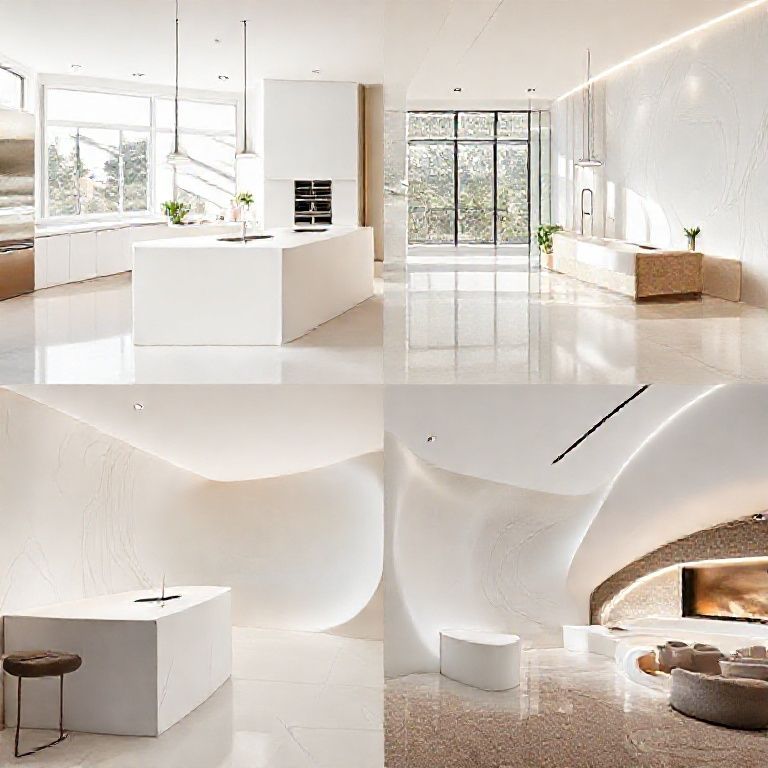
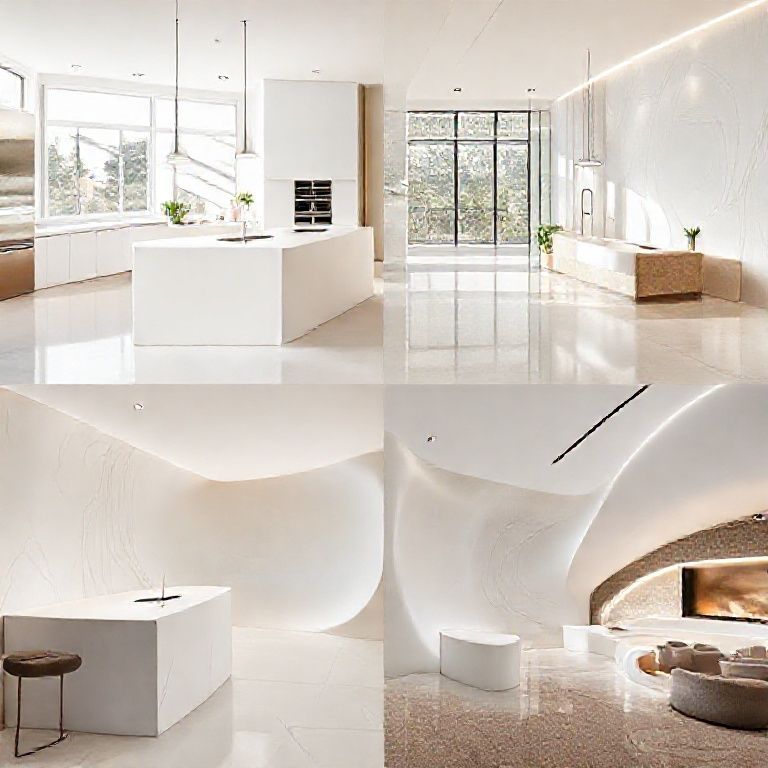
One of the primary aesthetic concerns with engineered marble is its relatively homogenous appearance compared to natural marble. While this uniformity can be seen as an advantage in terms of design flexibility, it can also be a disadvantage. Natural marble features unique veining and color variations that add character and individuality to each piece. Engineered marble, on the other hand, tends to have a more uniform look, which can be less visually striking.
Color Matching
Achieving precise color matching in engineered marble can be challenging. Since it’s a composite material, color consistency can vary between batches. While manufacturers strive to maintain color uniformity, slight variations can still occur, which may be noticeable in large installations or when multiple pieces are used together.
Material Vulnerabilities
Scratches and Chips
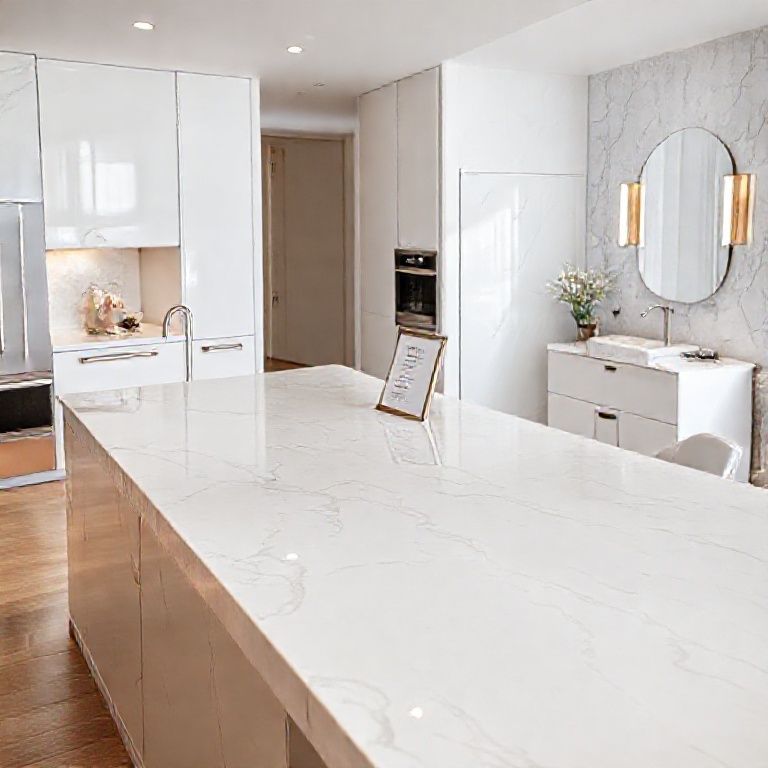
Engineered marble is more prone to scratches and chips compared to natural marble. The resin binder used in its production makes it somewhat softer, which means it is more susceptible to damage from sharp objects or heavy impacts. This vulnerability can lead to a shorter lifespan for engineered marble compared to natural marble, especially in high-traffic areas.
Chemical Resistance
While engineered marble offers a smooth, non-porous surface that is easier to clean, it is not as chemically resistant as natural marble. Acids, alkalis, and certain cleaning agents can cause stains or damage to the surface. This requires careful selection of cleaning products and regular maintenance to prevent chemical reactions.
Maintenance Challenges
Cleaning
Although engineered marble is easier to clean than natural marble due to its non-porous surface, it still requires regular maintenance to maintain its appearance. Daily cleaning with mild soap and water is generally sufficient, but avoiding abrasive cleaners and sponges is crucial to prevent scratches. Special care must be taken with acidic substances, which can leave stains or dull the surface over time.
Repairing Damage
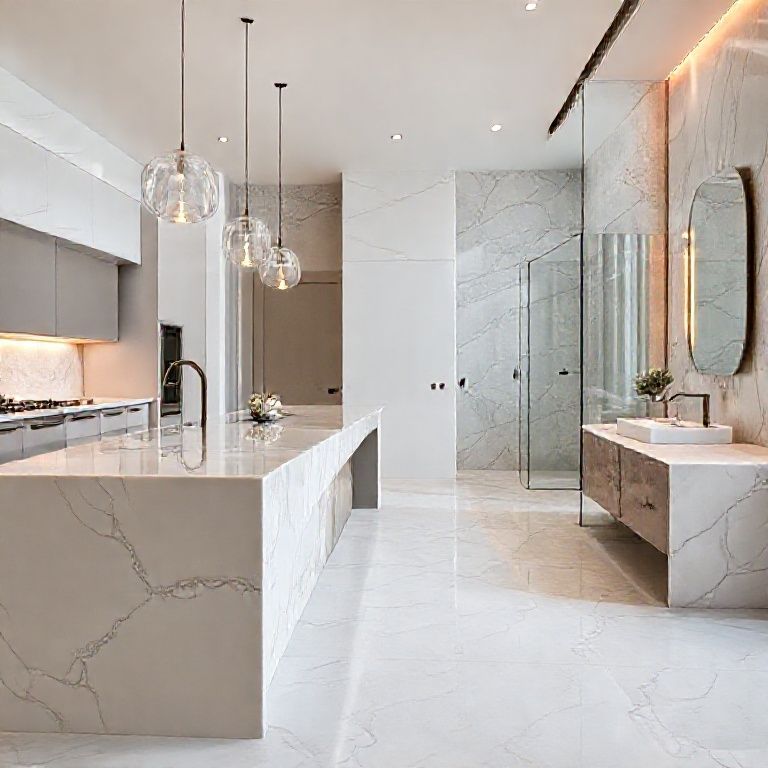
Repairing scratches or chips in engineered marble can be more challenging than with natural marble. While there are repair kits available, the results may not always be perfect, and the repaired area may still show some difference in texture or color. In some cases, replacing a damaged piece might be the best option, especially in high-visibility areas.
Durability Concerns
Long-Term Durability
The long-term durability of engineered marble is often questioned due to its composite nature. While it can be a cost-effective alternative to natural marble, its lifespan may be shorter in high-traffic areas or where heavy objects are frequently placed. Over time, the resin binder can degrade, leading to surface flaking or delamination.
Heat Resistance
Engineered marble has a lower heat resistance compared to natural marble. Prolonged exposure to high temperatures can cause the surface to warp or crack. This makes it less suitable for areas where heat is a frequent concern, such as near stovetops or fireplaces.
Environmental and Ethical Considerations
Resource Use
The production of engineered marble involves the use of natural stone, which raises questions about resource use and sustainability. While it reduces the need for large-scale quarrying of natural marble, it still relies on the extraction of stone, which can have environmental impacts.
Manufacturing Process
The manufacturing process of engineered marble involves the use of resins and binding agents, which can release volatile organic compounds (VOCs) during production and curing. This raises concerns about indoor air quality and potential health impacts from prolonged exposure to these chemicals.
Alternatives to Engineered Marble
Given the various drawbacks and limitations of engineered marble, it’s worth considering alternative materials that might offer better durability, aesthetic appeal, and environmental benefits.
Natural Marble
Natural marble, while more expensive, offers unparalleled beauty and durability. Its unique veining and color variations add a touch of elegance and individuality. However, it requires careful maintenance to prevent staining and etching.
Quartz
Quartz is another popular alternative to engineered marble. It is a durable, non-porous material that is highly resistant to stains, scratches, and heat. Quartz countertops are easy to clean and maintain, making them a practical choice for busy households.
Granite
Granite is another robust option that offers a combination of durability, aesthetic appeal, and relatively low maintenance. Its natural stone composition provides unique patterns and colors, while its hardness makes it resistant to scratches and stains.
Conclusion
Engineered marble offers several advantages, including cost-effectiveness and design flexibility. However, its limitations in terms of aesthetics, material vulnerabilities, and maintenance challenges cannot be overlooked. Understanding these drawbacks can help you make an informed decision when choosing the right material for your renovation project. While engineered marble may be a suitable option for certain applications, exploring alternatives like natural marble, quartz, or granite might provide better long-term benefits and durability.