The Allure, Benefits, and Pricing Factors of Artificial Marble
Introduction to Artificial Marble
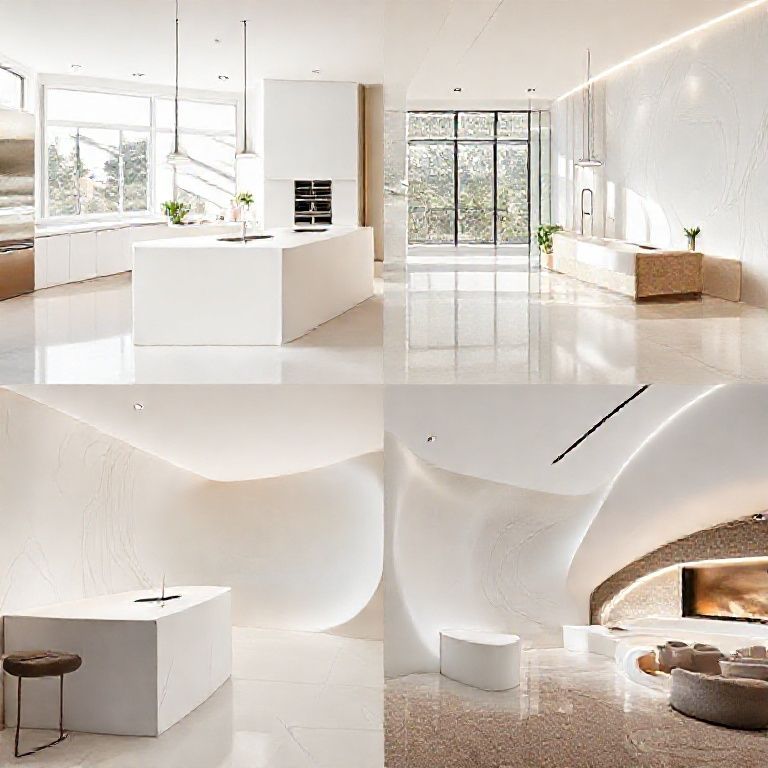
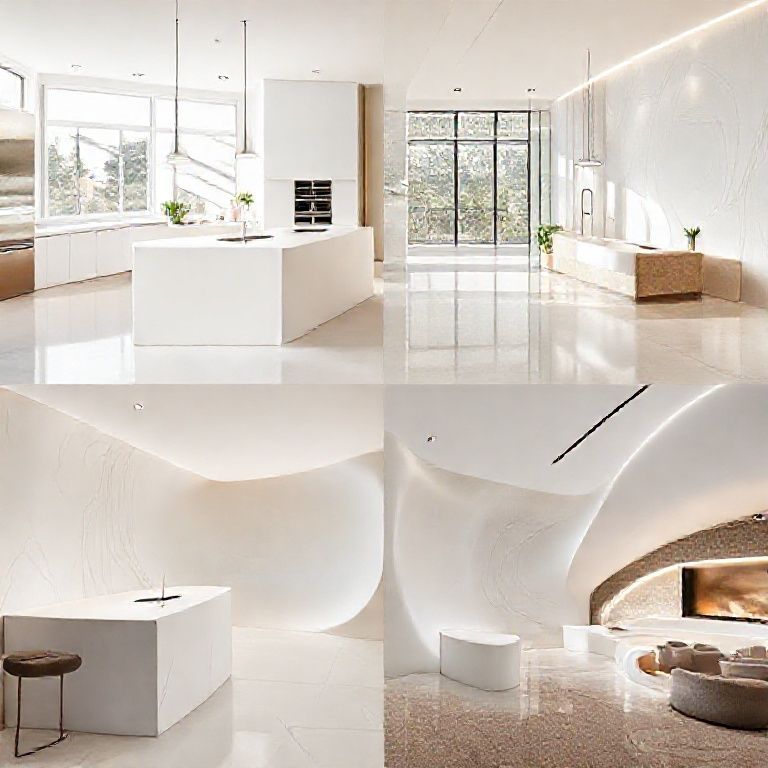
In the realm of modern interior design, artificial marble stands out as a quintessential material, blending the timeless elegance of traditional marble with the practicality and affordability of contemporary alternatives. This innovative material has revolutionized the way we approach home and commercial renovations, offering an exquisite finish that rivals natural stone while being far more versatile and cost-effective.

The Aesthetic Appeal of Artificial Marble
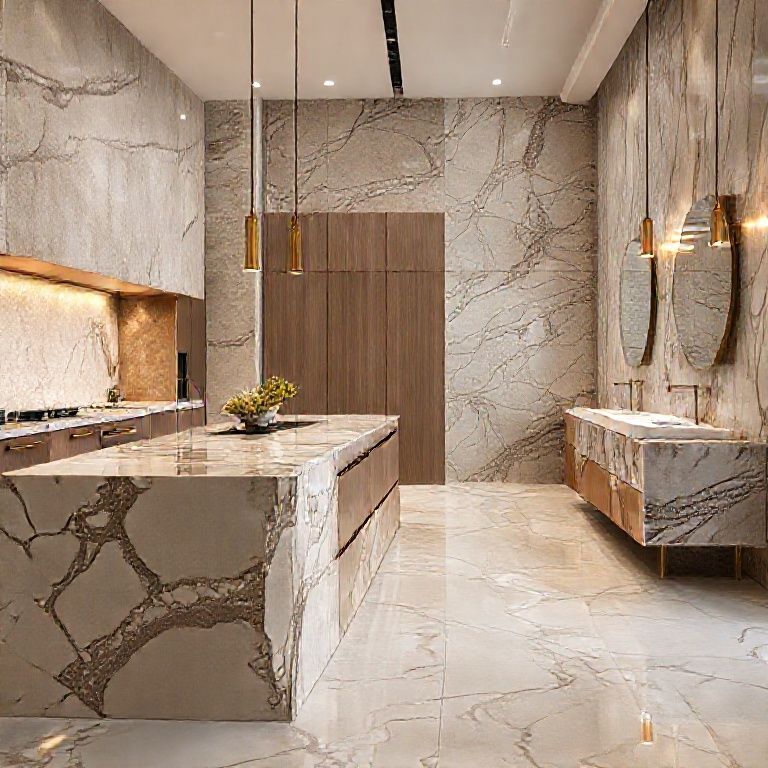
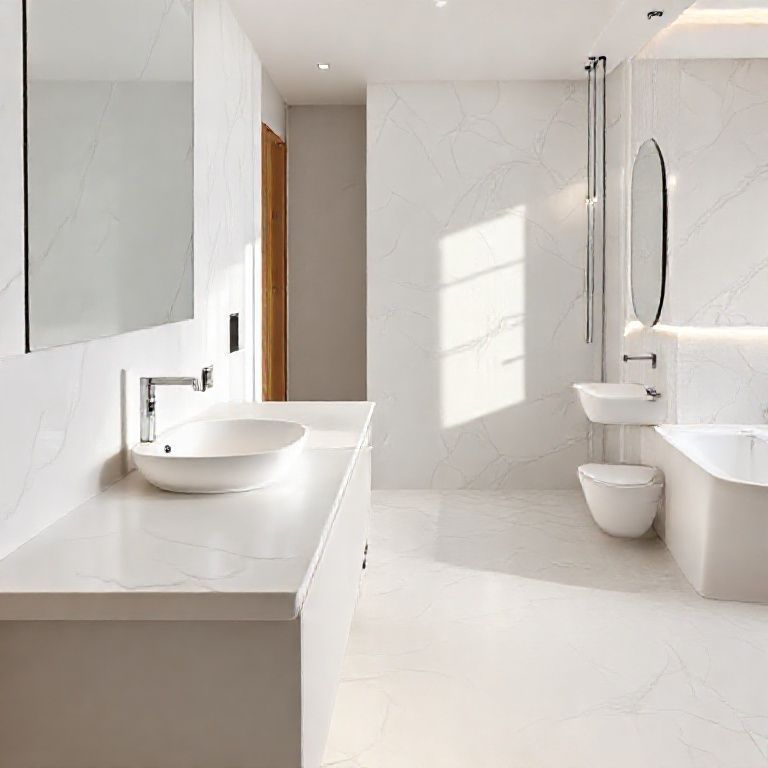
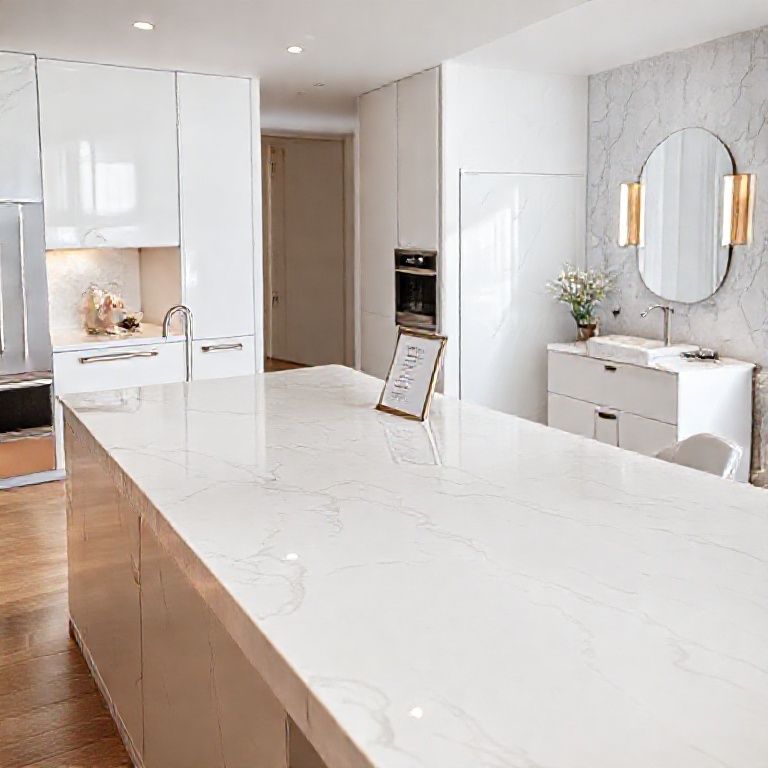
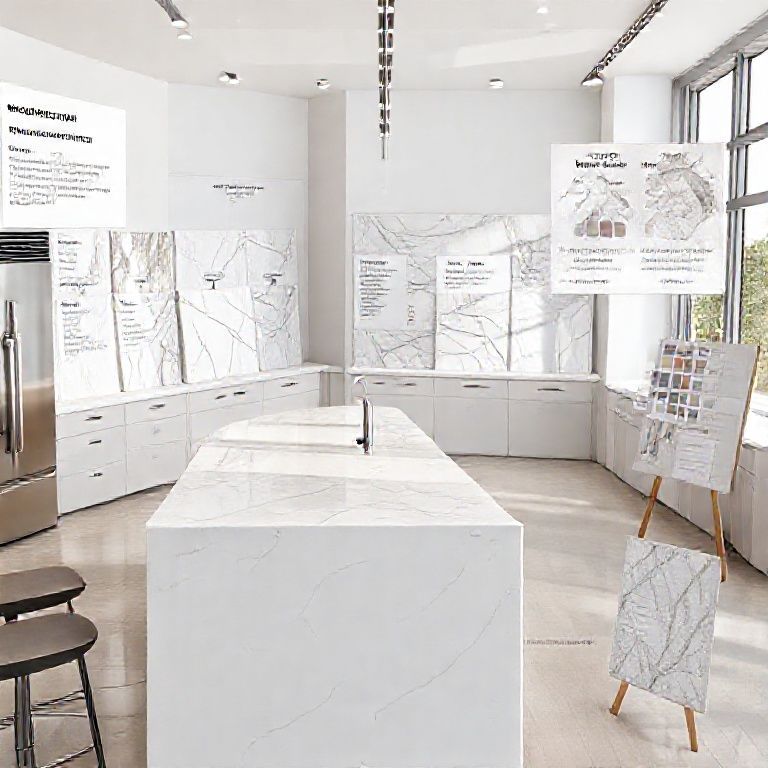
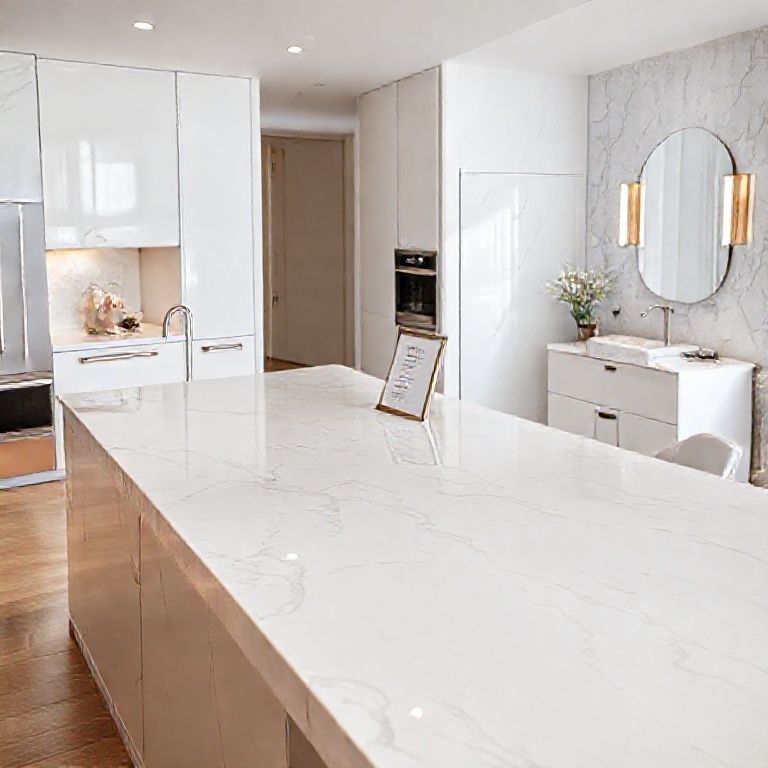
Artificial marble, also known as cultured marble, is a composite material that combines resin, marble chips, pigments, and other additives. This combination creates a stunning, marble-like surface that is both visually captivating and highly durable. The unique beauty of artificial marble lies in its intricate veining and color patterns, which can mimic the complexity and beauty of natural marble while providing a consistent, uniform finish across large surfaces.
Benefits of Artificial Marble
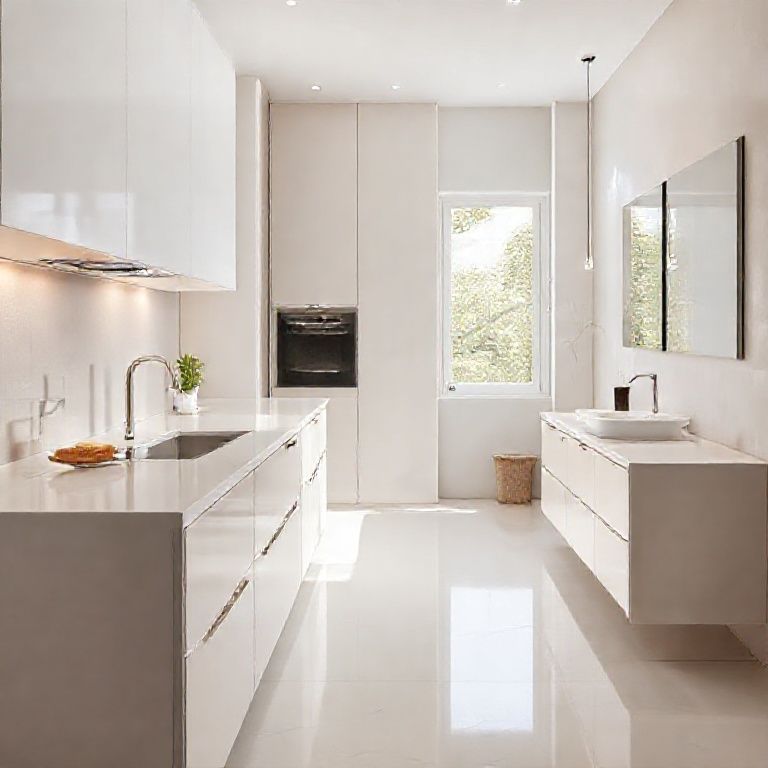
One of the primary reasons artificial marble has gained popularity is its versatility. Unlike natural marble, which comes in a limited range of colors and patterns, artificial marble allows for an almost infinite variety of designs. This means you can choose a color and pattern that perfectly matches your vision for the space, whether it’s a minimalist kitchen countertop or a lavish bathroom feature wall.
Moreover, artificial marble is highly durable. It is resistant to scratches, stains, and heat, making it an excellent choice for high-traffic areas. Unlike natural stone, artificial marble does not require sealing, which simplifies maintenance and ensures longevity.
Pricing Factors of Artificial Marble
When considering the price of artificial marble, several factors come into play. Here’s a closer look at what influences the cost:
Quality of Materials: The quality of resin, marble chips, and pigments used in the artificial marble will significantly impact its price. Higher-quality materials result in a more durable and aesthetically pleasing product.
Color and Design: Custom colors and intricate designs will typically increase the cost. While artificial marble can replicate any color or pattern, creating a unique design can be more expensive than using standard offerings.
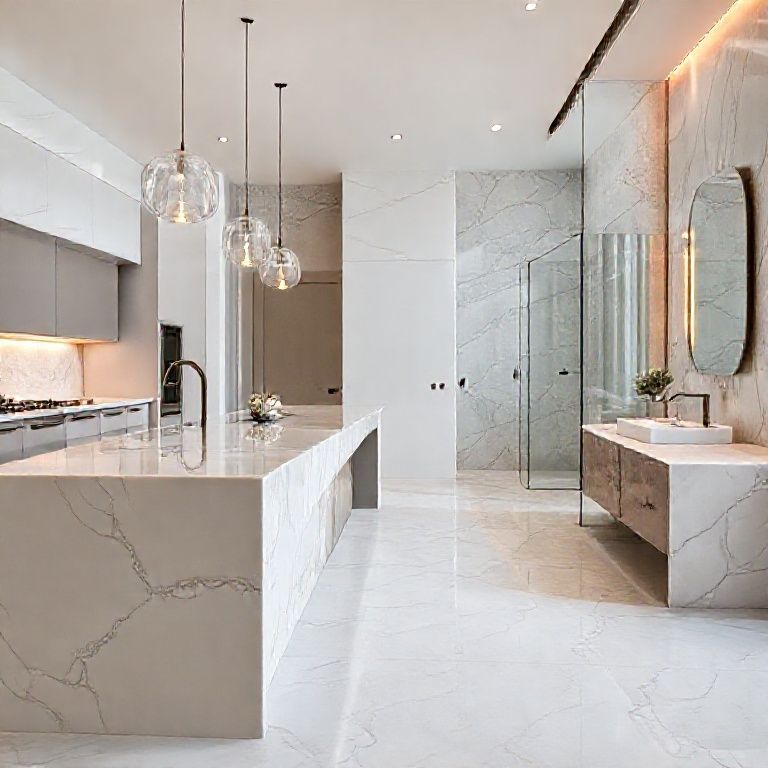
Thickness and Size: The thickness and size of the artificial marble slab will also affect its price. Larger slabs or thicker pieces usually cost more due to the increased amount of material required.
Manufacturer Reputation: Established manufacturers with a strong reputation for quality and reliability will often charge more for their products. However, the premium paid usually reflects the assurance of durability and longevity.
Labor Costs: The cost of installation and labor can vary based on the complexity of the project and the location. Urban areas may have higher labor costs compared to rural regions.
Conclusion
Artificial marble offers a compelling blend of beauty, durability, and affordability that makes it an excellent choice for modern interiors. Its versatility in design and color options, coupled with its ease of maintenance, ensures that it remains a top choice for both residential and commercial projects. While the price of artificial marble can vary based on several factors, understanding these elements can help you make an informed decision and ensure you get the best value for your renovation project.
Comparisons, Trends, and Expert Tips for Navigating Artificial Marble Pricing
Comparing Artificial Marble to Other Materials
When evaluating the cost of artificial marble, it’s important to compare it with other popular materials used in interior design, such as natural marble, granite, and quartz.
Natural Marble: While natural marble is known for its timeless elegance and unique patterns, it comes at a premium price. The cost can vary widely based on the type and quality of the marble. Additionally, natural marble requires sealing to prevent stains and scratches, adding to its maintenance costs.
Granite: Granite is another durable and stylish option, but it tends to be more expensive than artificial marble, especially for large installations. Like natural marble, granite also requires sealing, which can add to its overall cost.
Quartz: Quartz is a relatively affordable material known for its durability and ease of maintenance. However, it lacks the intricate veining and rich color variations that artificial marble can offer. The cost of quartz can vary based on the specific brand and design.
Current Trends in Artificial Marble
The world of artificial marble is constantly evolving, with new trends and innovations emerging regularly. Here are some current trends in artificial marble:
Sustainability: More manufacturers are focusing on eco-friendly materials and production processes. Sustainable artificial marble uses recycled materials and minimizes waste, making it a more environmentally conscious choice.
Customization: The ability to customize colors, patterns, and designs has made artificial marble more versatile than ever. Customers can now choose from a wide range of options to match their unique aesthetic preferences.
Advanced Technology: Advances in technology have improved the durability and appearance of artificial marble. New formulations are more resistant to scratches, stains, and heat, offering longer-lasting and more reliable finishes.
Navigating Artificial Marble Pricing
To get the best value for your artificial marble project, consider the following expert tips:
Get Multiple Quotes: It’s always wise to get quotes from multiple suppliers and manufacturers. This will give you a better understanding of the market rates and help you identify the best deal.
Research Suppliers: Look for reputable suppliers with a proven track record of quality and customer satisfaction. While premium prices may reflect higher quality, there are many reputable manufacturers offering excellent products at competitive prices.
Understand Labor Costs: Include labor costs in your budget when considering the overall price. Installation can vary significantly based on the complexity of the project and the expertise of the installers.
Consider Long-Term Value: While artificial marble may have a higher upfront cost compared to some other materials, its durability and low maintenance can provide significant long-term savings.
Inquire About Warranties: A good warranty can offer peace of mind and ensure that you’re getting a product that stands the test of time. Look for manufacturers that offer warranties on their artificial marble products.
Conclusion
Artificial marble continues to be a top choice for modern interior design due to its stunning aesthetics, durability, and affordability. By understanding the factors that influence its pricing and keeping up with current trends, you can make an informed decision that enhances both the beauty and value of your space. Whether you’re renovating a kitchen, bathroom, or any other area of your home, artificial marble offers a luxurious, long-lasting, and cost-effective solution that will impress and inspire for years to come.