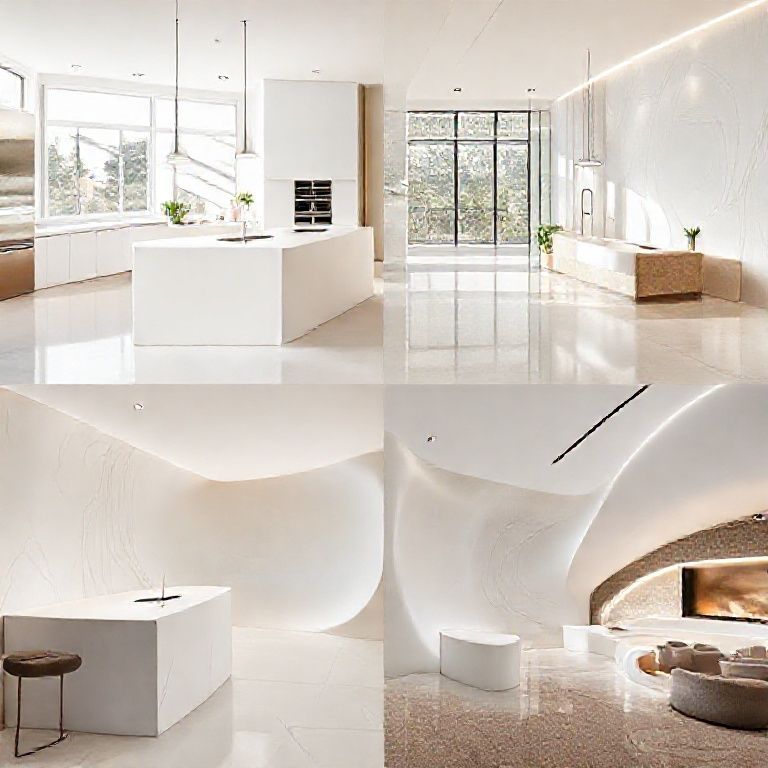
Introduction to Marble: Timeless Elegance and Modern Appeal
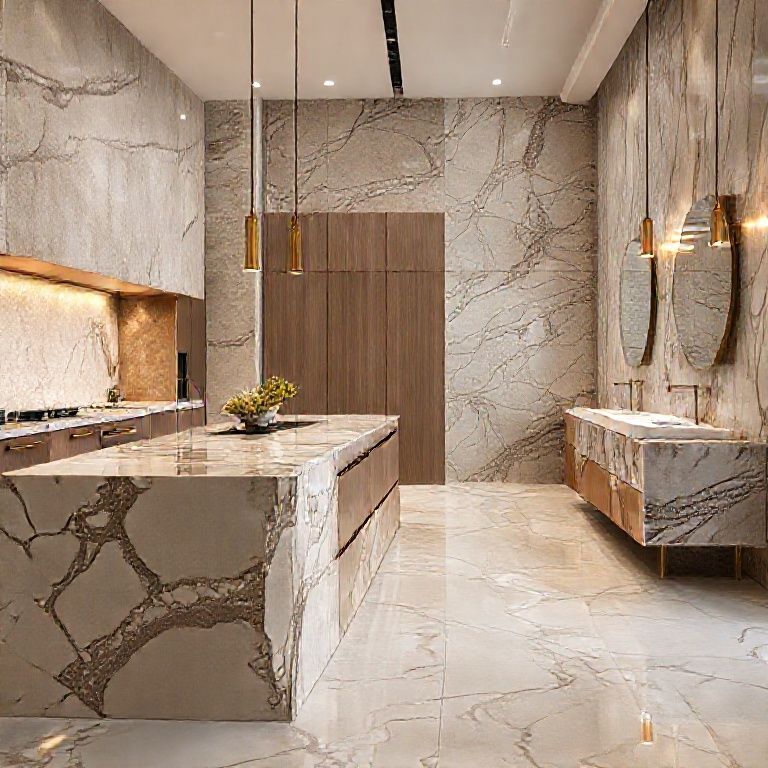
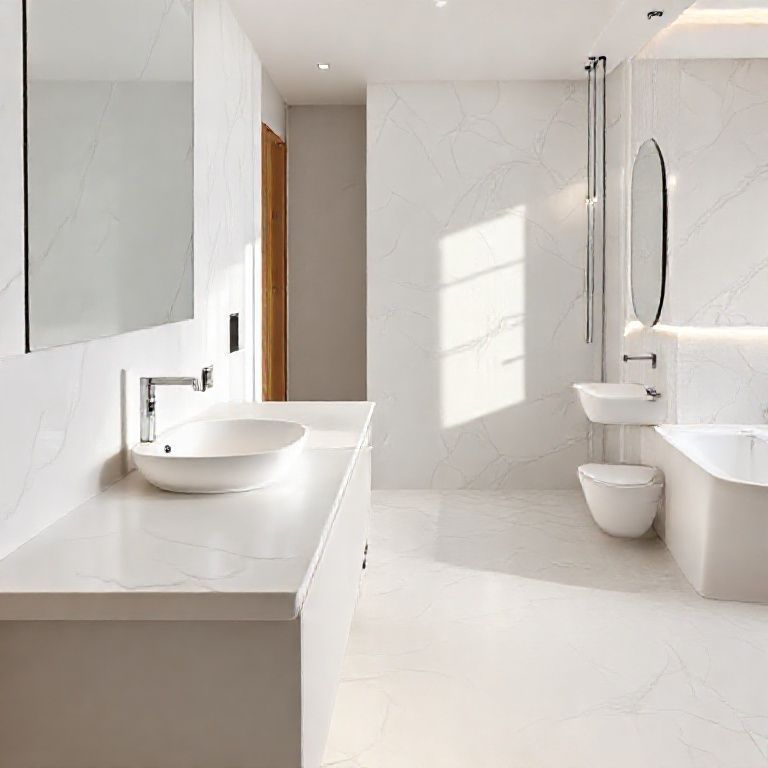
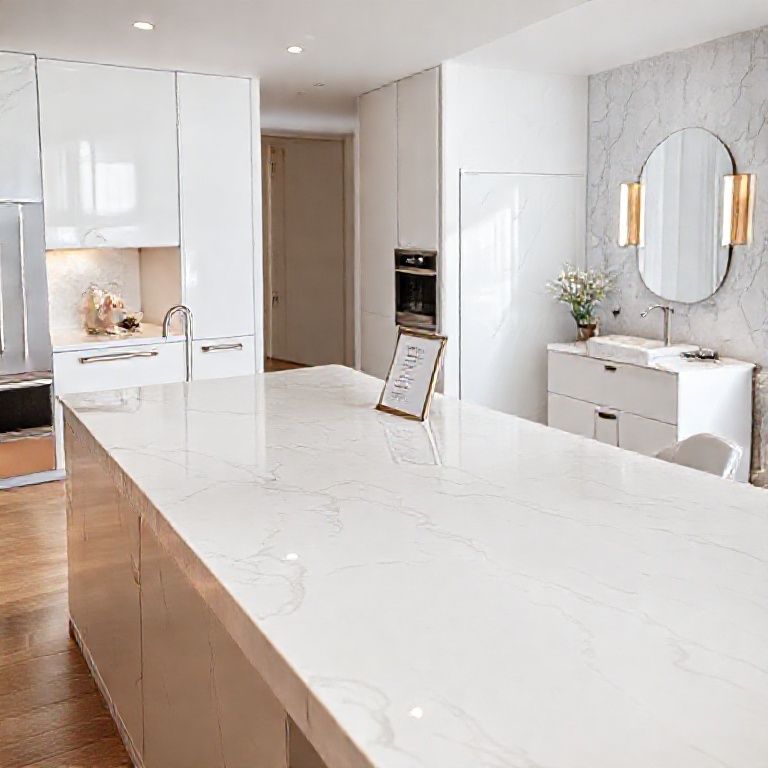
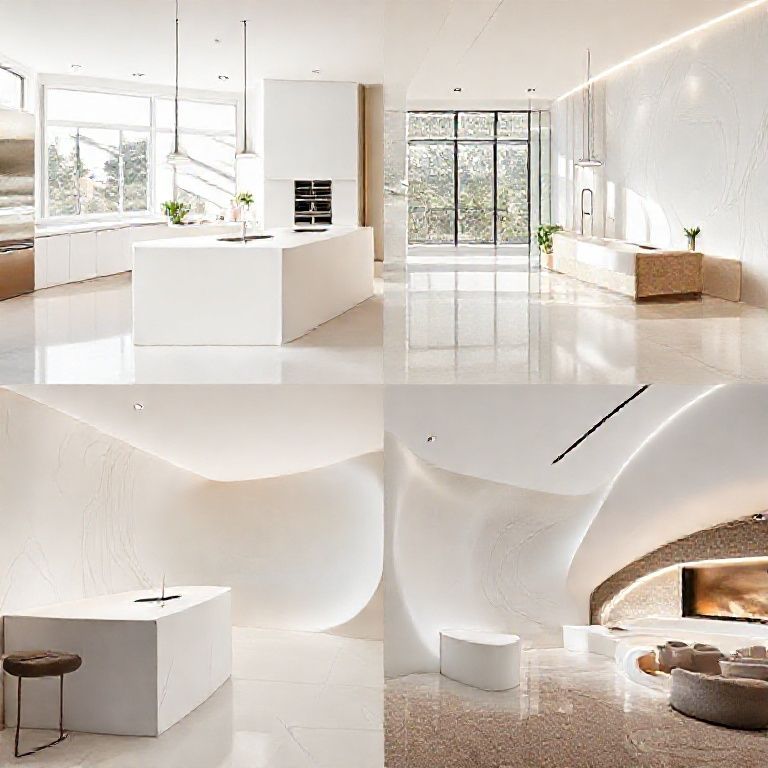
When it comes to interior design, few materials match the timeless elegance and modern appeal of marble. Known for its exquisite natural beauty, marble has been a favorite among architects, designers, and homeowners for centuries. Its unique veining and rich colors make it a versatile choice for various applications, including flooring, countertops, and wall cladding.

The Natural Beauty of Marble
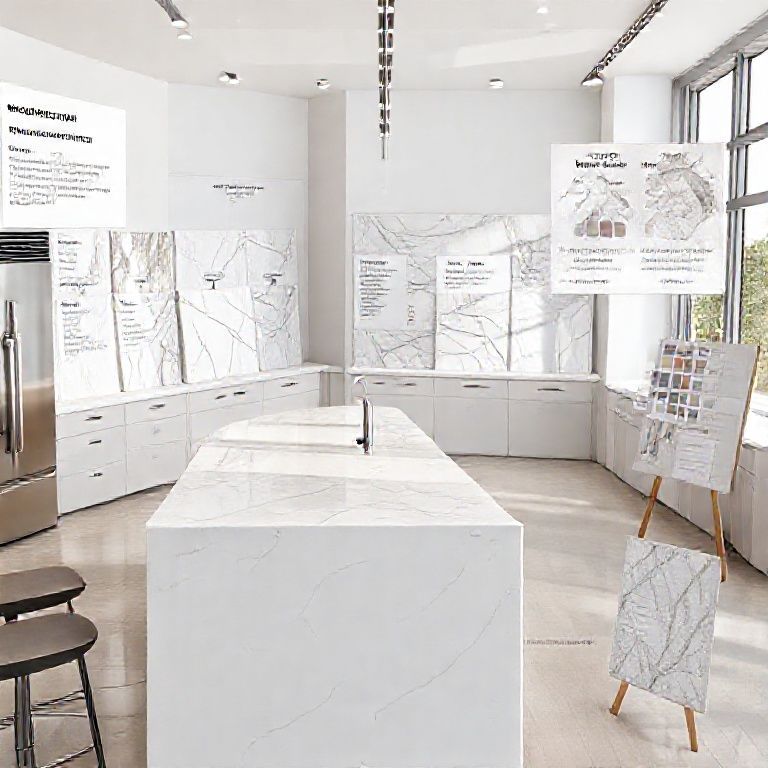
Marble is a metamorphic rock formed from limestone that has been subjected to intense pressure and heat. This transformation process enhances the stone’s texture and color, resulting in the stunning patterns that make marble so desirable. The natural variations in marble’s appearance mean that no two pieces are exactly alike, adding a unique charm to any space.
Applications of Marble
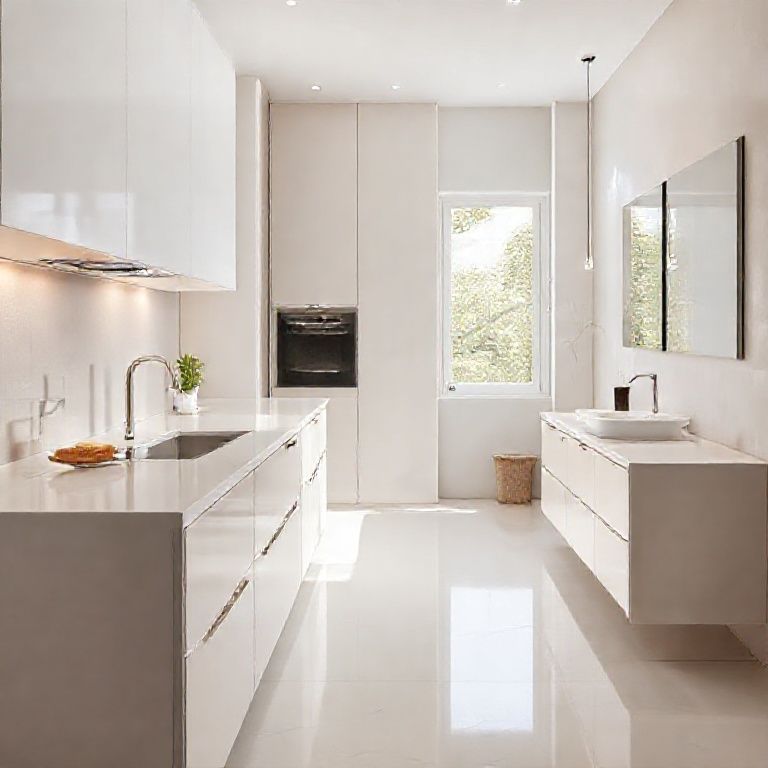
Flooring: Marble flooring offers a luxurious and sophisticated look that enhances the aesthetic appeal of any room. Its timeless elegance makes it an excellent choice for both residential and commercial spaces. Whether used in living rooms, kitchens, or bathrooms, marble flooring creates an inviting and upscale atmosphere.
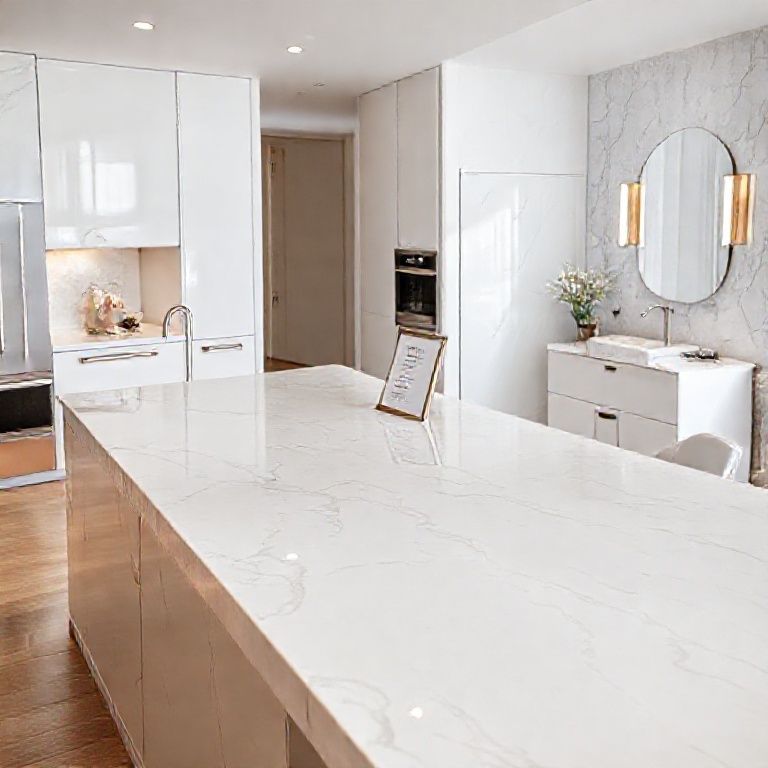
Countertops: Marble countertops are synonymous with luxury and durability. They are perfect for kitchens and dining areas where a blend of style and functionality is desired. The natural beauty of marble adds a touch of elegance, while its durability ensures long-term use.
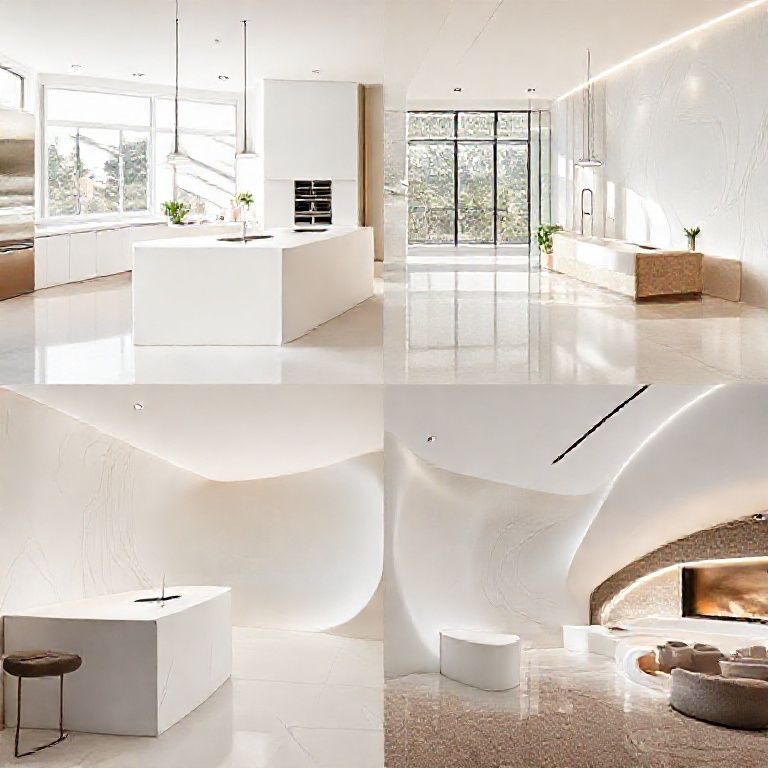
Wall Cladding: For those looking to add a touch of sophistication to their walls, marble cladding is an excellent option. It can be used in both interior and exterior spaces, providing a striking visual impact and a high level of durability.
Factors Influencing Marble Pricing
The cost of marble per square foot varies based on several factors:
Type of Marble: Different types of marble, such as Italian, Egyptian, or Brazilian, come with distinct characteristics and price points. For instance, Italian marble is often more expensive due to its high demand and exquisite quality.
Color and Veining: Marbles with unique, striking colors and intricate veining patterns tend to be more costly. The rarity and complexity of these patterns add to the overall price.
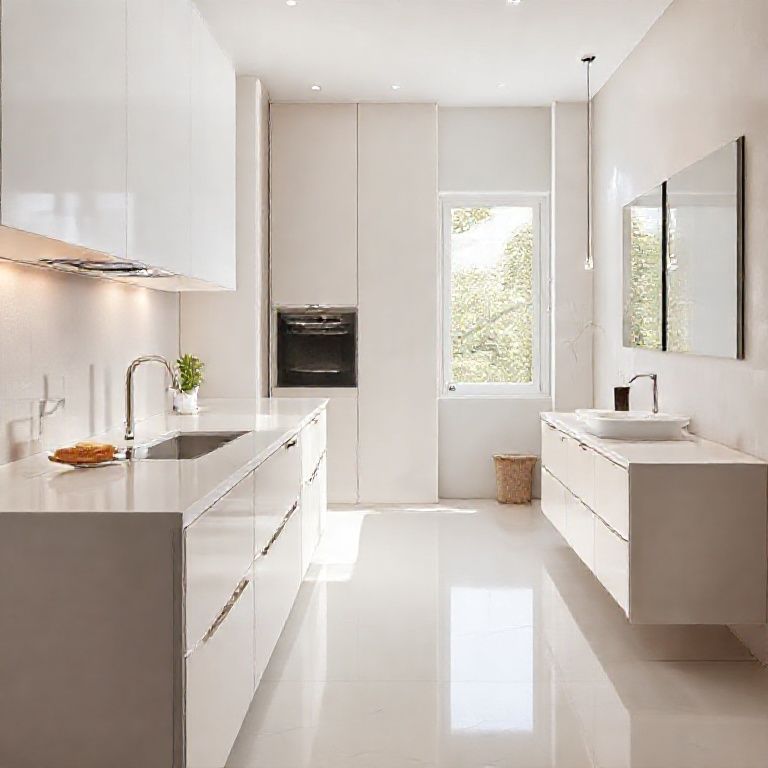
Quality and Grade: The quality of the marble, including its density, hardness, and polishability, affects the cost. Higher-grade marbles that are easier to work with and maintain are priced higher.
Thickness: Thicker marble slabs or tiles generally cost more than thinner ones due to the additional material required.
Labor Costs: The cost of professional installation also impacts the overall price. Skilled labor is necessary to ensure that marble is installed correctly to avoid any potential issues.
Estimating Marble Cost Per Square Foot
To estimate the cost of marble per square foot, it’s essential to consider the following:
Price Range: Marble prices typically range from $15 to $100 per square foot, depending on the type, quality, and application. High-end marbles like Italian Carrara can easily exceed $100 per square foot.
Installation Costs: Adding labor costs to the material price is crucial. Professional installation can increase the overall cost by 10-30%, depending on the complexity of the project.
Additional Costs: Other costs such as transportation, cutting, and finishing should also be factored into the total expense.
Conclusion
Marble remains a coveted choice for those seeking timeless elegance and modern appeal in their design projects. Understanding the various factors that influence its pricing helps in making informed decisions. In the next part, we will delve deeper into specific types of marble, their unique features, and the specific cost per square foot for each type.
Exploring Specific Marble Types and Their Costs Per Square Foot
In this part, we will explore some of the most popular types of marble, highlighting their unique features and average costs per square foot. Understanding these details will help you choose the perfect marble for your project while staying within your budget.
1. Italian Marble
Features: Italian marble, particularly from regions like Carrara, is renowned for its high-quality, fine-grained structure and stunning colors. It boasts a range of hues from creamy whites to rich grays, often with intricate veining.
Average Cost: Italian marble generally ranges from $50 to $100 per square foot. The high demand and superior quality contribute to its premium price.
Applications: Italian marble is commonly used for countertops, flooring, and wall cladding due to its elegance and durability.
2. Egyptian Marble
Features: Egyptian marble, especially from the famous quarries of Aswan, is known for its beautiful colors and fine texture. It comes in shades ranging from warm oranges to vibrant pinks and soft whites.
Average Cost: Egyptian marble typically costs between $20 and $50 per square foot. Its striking appearance and reasonable price make it a popular choice for many projects.
Applications: It’s ideal for countertops, flooring, and decorative wall panels.
3. Brazilian Marble
Features: Brazilian marble, sourced from regions like Bahia and Minas Gerais, is celebrated for its rich colors and unique veining. The hues range from deep reds to creamy whites, with some pieces featuring dramatic black and white patterns.
Average Cost: Brazilian marble usually ranges from $25 to $70 per square foot. The variety and beauty of Brazilian marble make it a versatile option for many applications.
Applications: It’s often used for flooring, countertops, and wall cladding.
4. Chinese Marble
Features: Chinese marble, particularly from regions like Hunan and Sichuan, offers a wide range of colors and patterns. It is known for its durability and affordability.
Average Cost: Chinese marble typically costs between $10 and $30 per square foot. Its affordability without compromising on quality makes it a favorite for budget-conscious projects.
Applications: It’s suitable for countertops, flooring, and wall cladding.
5. Indian Marble
Features: Indian marble, especially from regions like Makrana, is renowned for its fine texture and vibrant colors. It comes in a variety of shades, from soft pastels to bold, rich tones.
Average Cost: Indian marble usually ranges from $15 to $40 per square foot. Its unique patterns and competitive pricing make it a popular choice.
Applications: It’s commonly used for flooring, countertops, and decorative elements.
6. Turkish Marble
Features: Turkish marble, particularly from the region of Tavşanlı, is celebrated for its fine-grained structure and beautiful colors. It offers a range of hues from soft whites to deep reds and vibrant pinks.
Average Cost: Turkish marble generally costs between $15 and $45 per square foot. Its elegance and affordability make it a versatile option.
Applications: It’s ideal for countertops, flooring, and wall cladding.
7. Greek Marble
Features: Greek marble, especially from the island of Paros, is known for its fine-grained texture and timeless beauty. It comes in shades of white, gray, and pink, often with intricate veining.
Average Cost: Greek marble typically ranges from $30 to $60 per square foot. Its classic appeal and quality contribute to its premium price.
Applications: It’s often used for countertops, flooring, and decorative wall panels.
Considerations for Budgeting
When budgeting for marble, consider the following:
Project Size: The total area you plan to cover with marble will significantly impact the overall cost. Larger projects will naturally have higher expenses.
Design Complexity: The complexity of your design, including the number of cuts, shapes, and patterns, will affect the labor cost.
Maintenance: While marble is durable, its maintenance can incur additional costs. Regular cleaning and sealing are necessary to preserve its beauty and longevity.
Special Features: If you opt for special features like polished, honed, or stained finishes, these will increase the overall cost.
Conclusion
Selecting the right type of marble for your project involves considering both its aesthetic appeal and cost-effectiveness. By understanding the various types of marble and their respective prices per square foot, you can make an informed decision that aligns with your design vision and budget. In the next part, we will provide tips on how to maintain marble to ensure its longevity and beauty.
In conclusion, the world of marble is vast and varied, offering a plethora of choices to suit different tastes and budgets. Whether you are designing a luxurious home or a high-end commercial space, marble provides a timeless elegance that stands the test of time. By understanding the factors that influence marble pricing and exploring the unique features of different types, you can make a confident and informed choice for your next project.