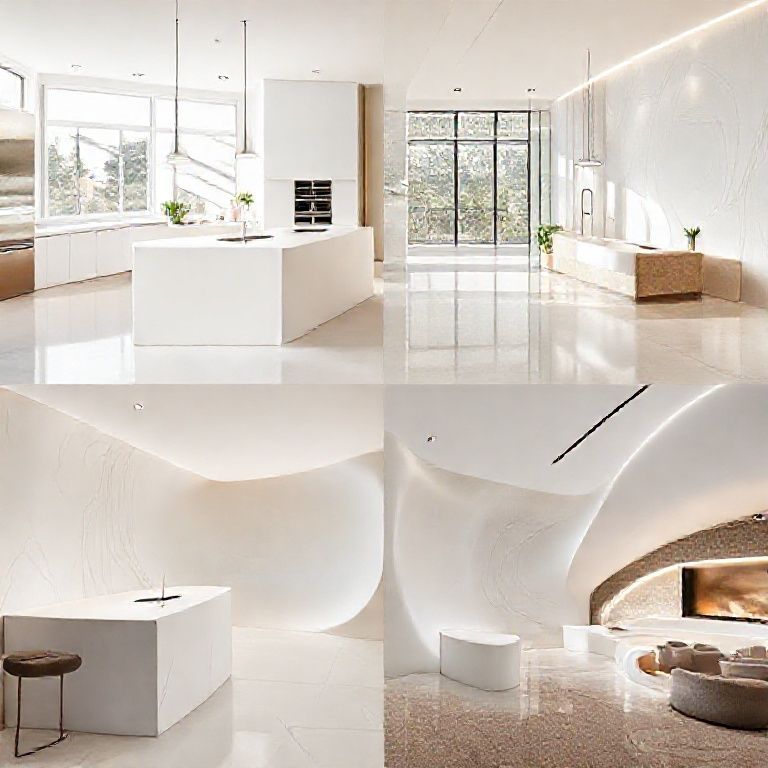
Exploring the Timeless Elegance of Marble Stone Material
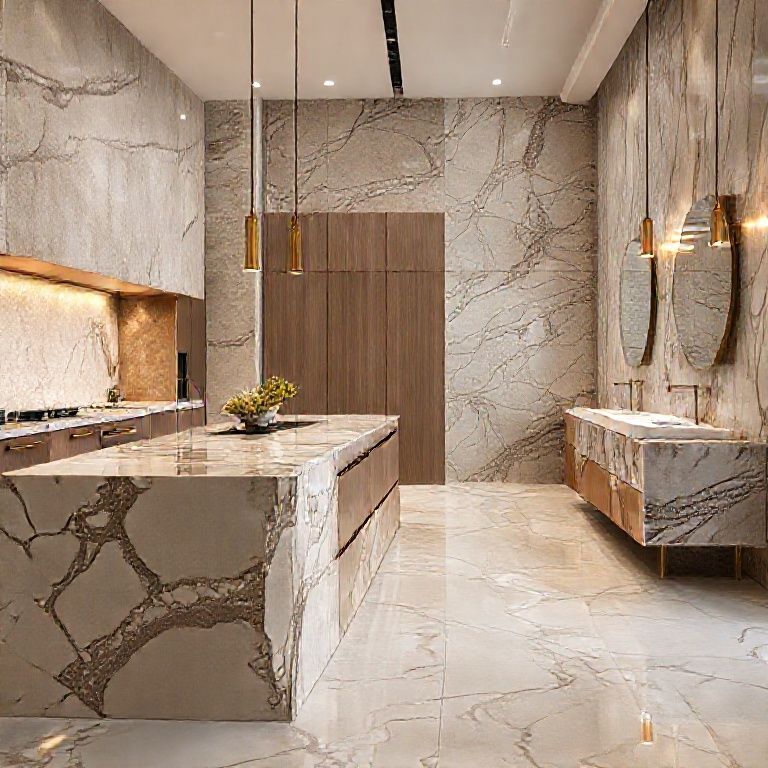
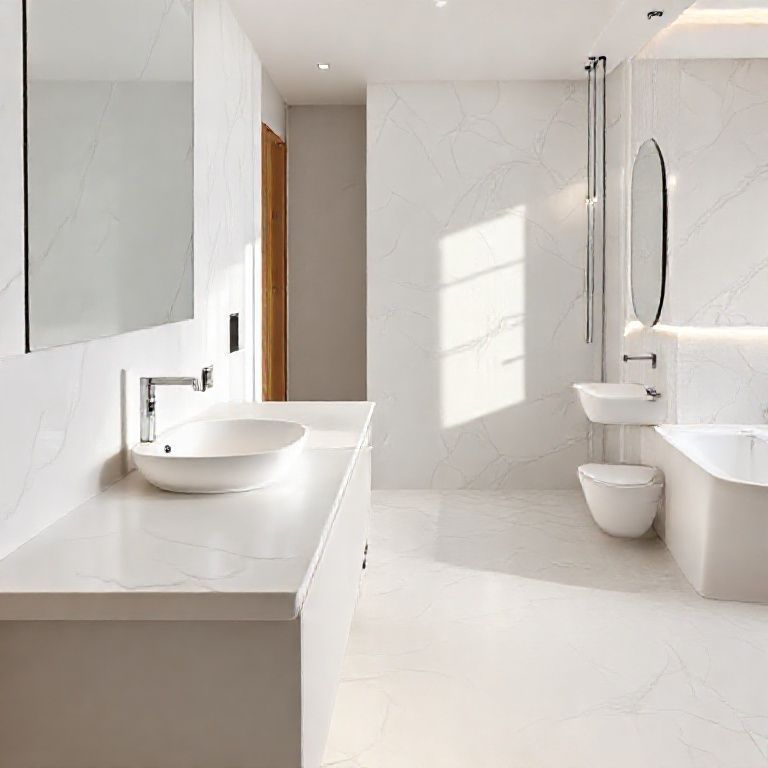
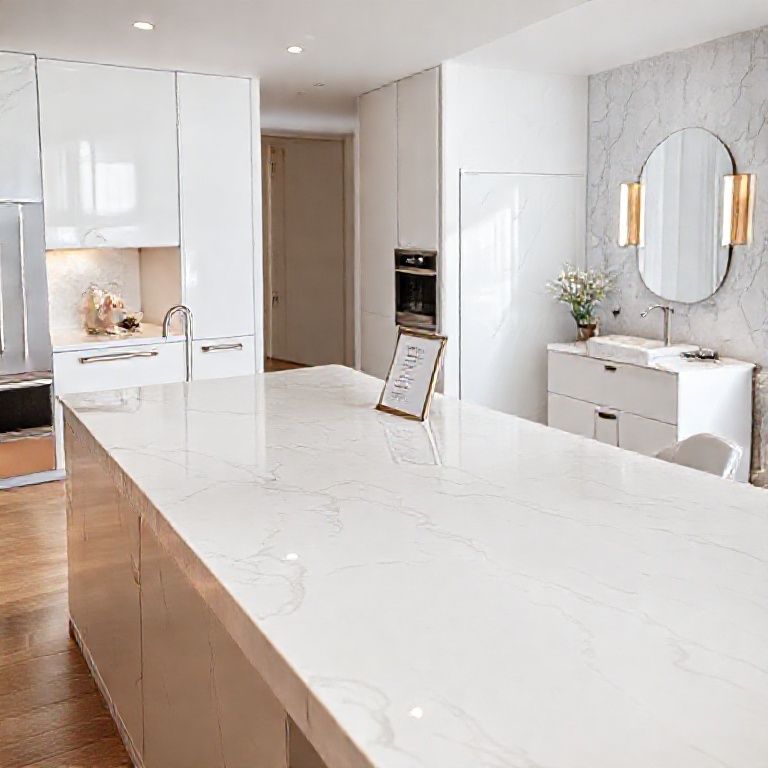
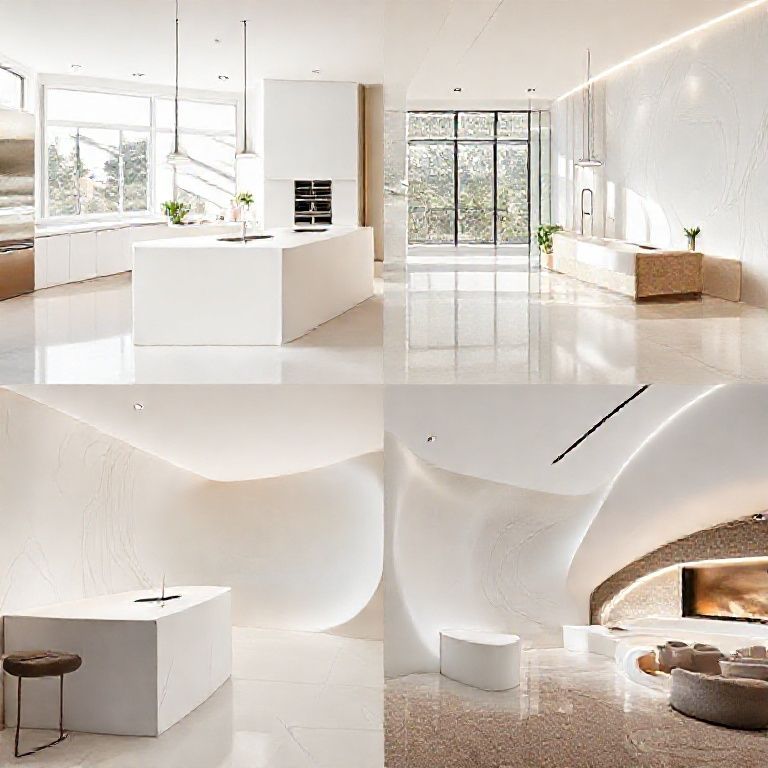
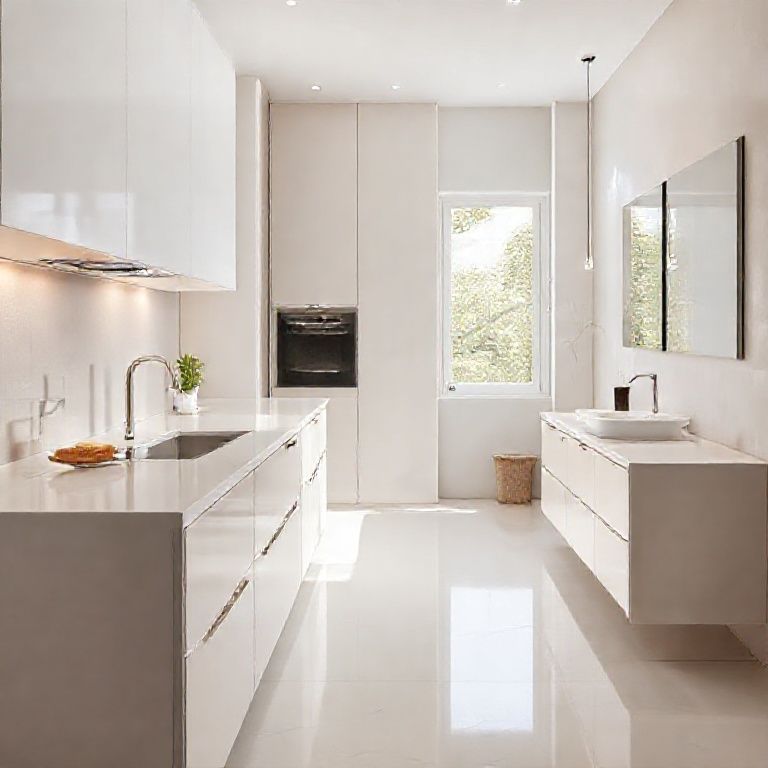
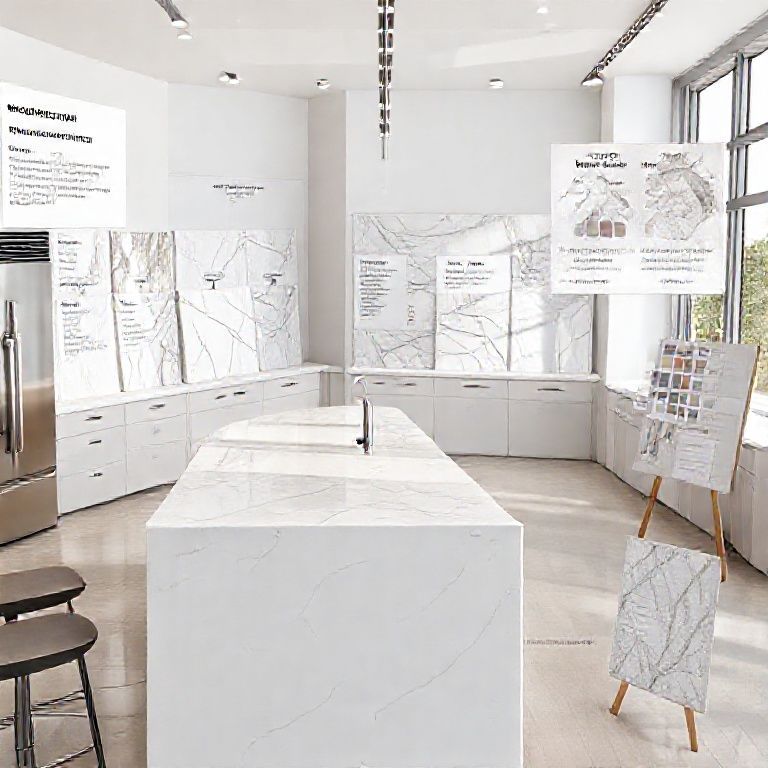
Marble, a symbol of elegance and timeless beauty, has been a coveted choice for centuries, adorning everything from classical sculptures to modern architectural marvels. This naturally occurring metamorphic rock, renowned for its stunning veining and diverse color palettes, continues to captivate designers and homeowners alike. But what truly sets marble apart is not just its aesthetic appeal but also the intricate layers of craftsmanship that go into its creation and application.

Understanding Marble Varieties
To navigate the “Marble Stone Material Per Square Meter Price” landscape, it’s crucial to first understand the different types of marble available. Marble originates from limestone that has undergone metamorphosis, resulting in a rich tapestry of colors and patterns. Some of the most popular varieties include:
Carrara Marble: Famous for its pure white color with intricate veins of gray, Carrara marble has been the gold standard in luxury interiors for centuries. Travertine Marble: Known for its unique, organic patterns, Travertine marble offers a rustic charm that is both modern and timeless. Onyx Marble: Characterized by its striking black and white bands, Onyx marble provides a dramatic contrast that is perfect for bold design statements. Indian Marble: Offering a wide array of colors from white to black, Indian marble is highly sought after for its affordability and diverse aesthetics.
Factors Influencing Marble Pricing
When considering “Marble Stone Material Per Square Meter Price,” several factors come into play that influence the overall cost:
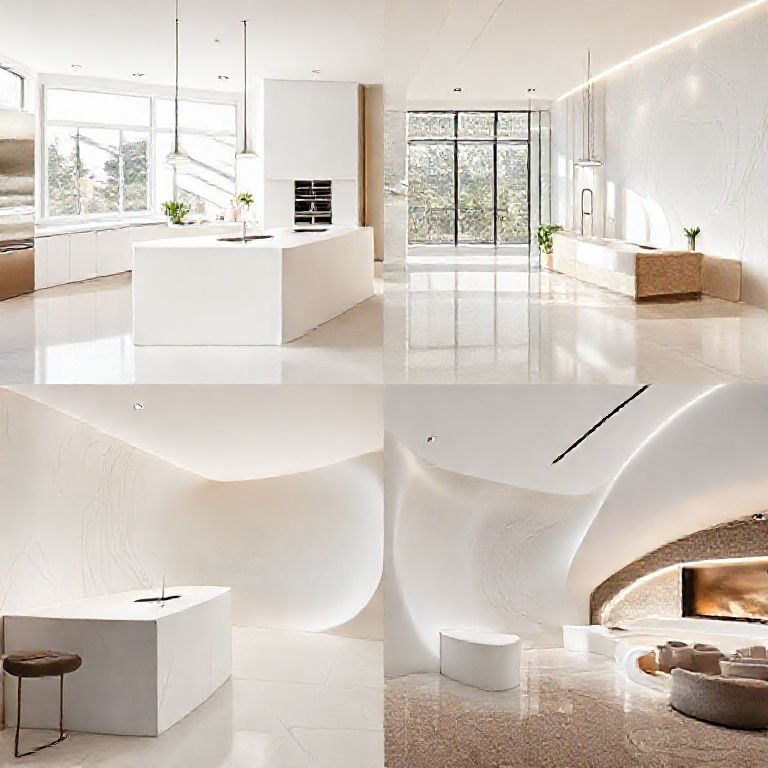
Quality and Color: Marble’s inherent beauty is determined by its color, veining, and overall aesthetic appeal. Higher quality marble with rich, distinct patterns and consistent coloration typically commands a higher price.
Source and Origin: Marble sourced from renowned regions like Carrara in Italy or Makrana in India is often more expensive due to its historical prestige and the meticulous extraction process involved.
Processing and Finishing: The degree of processing and finishing that marble undergoes also affects its price. Polished, honed, or tumbled marble surfaces have different costs based on the level of refinement and the specific finish desired.
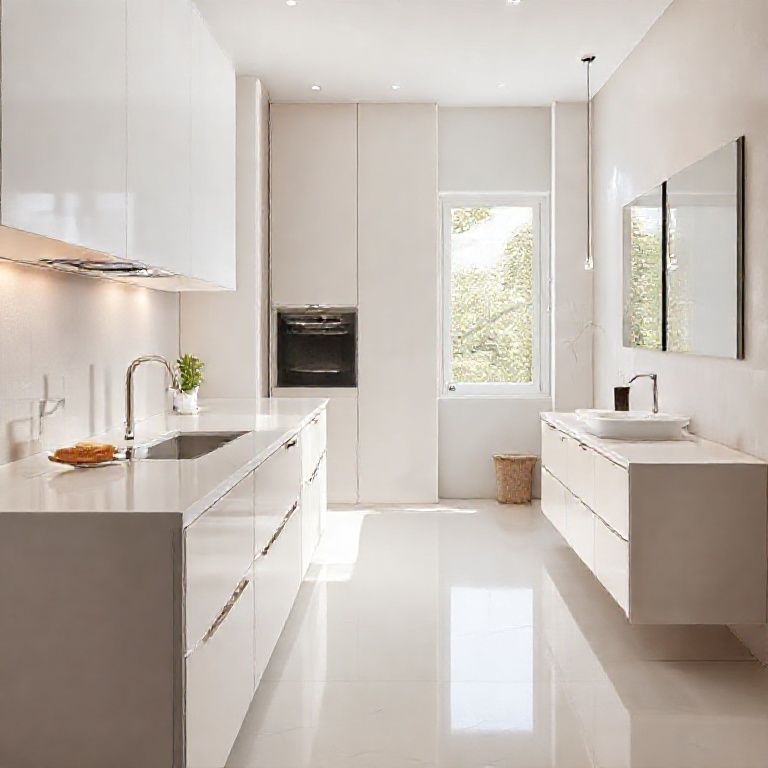
Installation Costs: Professional installation can add to the overall cost. Factors such as the complexity of the installation, the skill level of the craftsmen, and the geographic location can influence these expenses.
The Cost Spectrum: Marble Per Square Meter Price
To give you a clearer picture of “Marble Stone Material Per Square Meter Price,” here’s a broad overview of the cost spectrum:
Budget Marble: Ranging from $10 to $40 per square meter, budget marble varieties are perfect for those seeking a cost-effective yet elegant solution. These marbles often come in more uniform colors and are suitable for less visible areas.
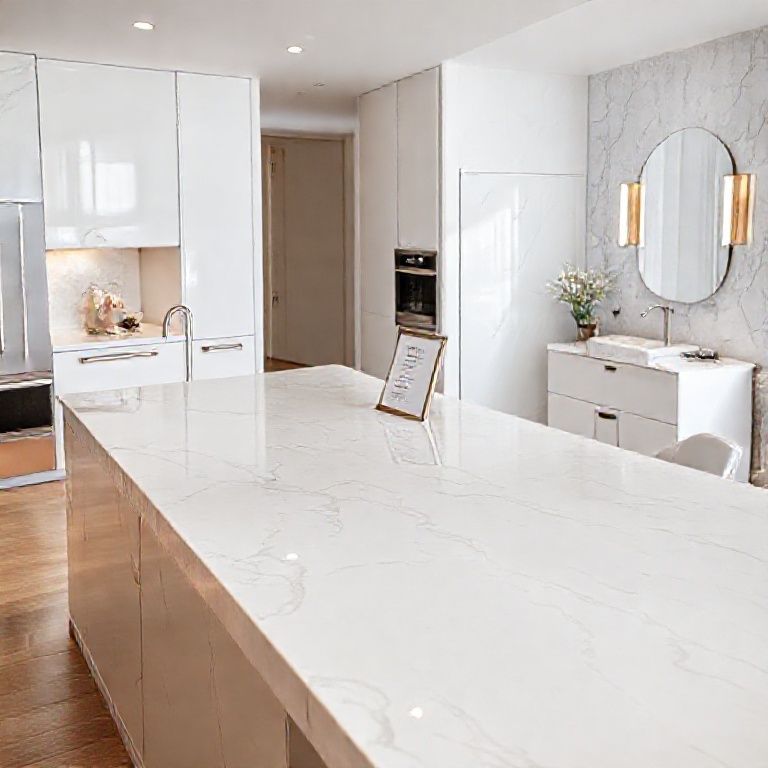
Mid-Range Marble: Priced between $40 and $100 per square meter, mid-range marbles offer a balance of quality and cost. These marbles often feature subtle veining and consistent coloration, making them versatile for various interior design applications.
High-End Marble: With prices soaring from $100 to $500 per square meter, high-end marbles boast exceptional quality, intricate veining, and rare color variations. Carrara and Indian marbles often fall into this category, making them ideal for luxury settings.
Making the Right Marble Selection
Choosing the right marble for your space involves more than just aesthetic considerations. It’s about understanding the durability, maintenance, and suitability of different marble types for specific areas. For instance, marble used in high-traffic areas like kitchens and bathrooms should be chosen carefully to withstand daily wear and tear.
Additionally, consider the environmental impact and sustainability of your marble choice. Many marble suppliers now offer eco-friendly options, ensuring that your luxurious choice doesn’t compromise on ecological responsibility.
Conclusion
Understanding “Marble Stone Material Per Square Meter Price” is a journey that blends art and science. From the variety of marble types to the myriad factors influencing pricing, each decision plays a crucial role in crafting a space that exudes timeless elegance and sophistication. As we delve deeper into the captivating world of marble in the next part, we’ll explore installation techniques, maintenance tips, and the latest trends shaping the future of marble in interior design.
Mastering Marble Installation: Techniques, Maintenance, and Trends
Building on the intricate journey of understanding “Marble Stone Material Per Square Meter Price,” this second part focuses on the practical aspects of marble installation, maintenance, and the ever-evolving trends that shape its use in contemporary interiors. Let’s dive deeper into the world of marble to ensure that your choice not only enhances your space but also stands the test of time.
Installation Techniques: Crafting Perfection
The installation of marble is as much an art form as it is a technical process. Achieving a flawless finish requires precision, skill, and adherence to best practices. Here are some key techniques used in marble installation:
Surface Preparation: Proper surface preparation is crucial for a successful marble installation. The surface where marble will be placed must be clean, smooth, and free of any contaminants. Depending on the material beneath the marble, additional steps such as leveling, filling, or priming may be required.
Adhesive Selection: The choice of adhesive plays a significant role in the longevity of the marble installation. High-quality, flexible adhesives are recommended to accommodate any minor movements in the underlying structure without causing damage to the marble.
Cutting and Fitting: Precision cutting and fitting are essential to ensure that marble fits perfectly into the designated area without any gaps or misalignments. Tools such as wet saws and diamond blades are commonly used for these tasks. Additionally, professional installers often use templates and guides to maintain accuracy during the cutting process.
Securing the Marble: Once the marble is in place, it must be securely fastened to prevent any movement. This is typically achieved using specialized marble clips, screws, or adhesives, depending on the design and structural requirements.
Sealing: Sealing the marble after installation is vital to protect it from stains, moisture, and other potential damage. A high-quality marble sealer provides a protective barrier, enhancing the durability and appearance of the marble surface.
Maintenance Tips: Preserving Marble’s Timeless Beauty
Marble, despite its elegance, requires regular maintenance to preserve its beauty and longevity. Here are some essential tips to keep your marble surfaces looking pristine:
Regular Cleaning: Use a mild, pH-neutral cleaner and a soft cloth to clean marble surfaces regularly. Avoid using abrasive cleaners or sponges that can scratch the marble.
Immediate Stain Treatment: In the event of a spill or stain, act quickly. Blot the spill with a soft cloth and apply a marble cleaner or a mixture of vinegar and water to neutralize the stain. Rinse thoroughly with clean water.
Sealing: Reseal your marble surfaces every 6 to 12 months, depending on the level of exposure and wear. This will help maintain the protective barrier and prevent stains from penetrating the marble.
Avoiding Acidic Products: Acidic products such as vinegar, lemon juice, and some cleaning agents can etch the marble surface. Always avoid using these on marble and opt for marble-safe alternatives.
Latest Trends in Marble Design
The world of marble design is continually evolving, with new trends emerging that push the boundaries of creativity and innovation. Here are some of the latest trends shaping the future of marble in interior design:
Colored Marble: While traditional marble is often associated with white and light colors, colored marble is gaining popularity. Marbles in vibrant colors such as blue, green, and red are being used to create stunning focal points in homes and commercial spaces.
Mixed Materials: Combining marble with other materials such as wood, metal, and glass is a popular trend. This creates unique textures and contrasts that add depth and visual interest to a space.
Geometric Patterns: Geometric patterns and designs are making a strong comeback. Marble is being used to create intricate geometric mosaics, flooring patterns, and wall claddings that add a modern and dynamic feel to interiors.
Sustainable Marble: Sustainability is at the forefront of modern design. Many marble suppliers are now offering eco-friendly options, including recycled marble and marble sourced from responsibly managed quarries.
3D Marble Installations: The use of 3D marble installations is becoming more prevalent. This involves creating three-dimensional structures using marble, adding a sculptural and dynamic element to interiors.
Conclusion
Mastering the art of marble installation, maintenance, and staying abreast of the latest trends ensures that your marble choice not only enhances your space but also stands the test of time. By understanding the intricacies of “Marble Stone Material Per Square Meter Price” and the practical aspects of marble use, you can make informed decisions that blend elegance, durability, and sustainability.
As we conclude this comprehensive exploration继续探讨玛丽布石材的多样性和其在现代建筑和室内设计中的应用,我们可以深入了解其如何融入不同的设计风格和功能需求。无论是古典、现代还是传统,玛丽布都能提供独特的外观和质感,满足各种设计需求。
古典设计中的玛丽布
在古典设计中,玛丽布常被用于雕刻、雕像和宗教建筑。其天然的纹理和色彩能够营造出一种庄重和神圣的氛围。例如,意大利的卡拉拉大理石因其纯白色和细腻的纹理,常被用于制作教堂和宫殿的装饰。
现代设计中的玛丽布
在现代设计中,玛丽布以其简洁、优雅的外观广受欢迎。无论是现代公寓的客厅地板,还是高档办公楼的会议室,玛丽布都能为空间增添一种高贵和时尚的感觉。玛丽布还可以通过不同的处理方式,如打磨、抛光和染色,以适应各种现代设计风格。
传统设计中的玛丽布
在传统设计中,玛丽布常用于制作家具、台面和壁炉。例如,在中国传统家具中,常见的玛丽布材质被用于制作精致的桌椅和书柜,以展示其天然的美感和耐用性。
玛丽布的环保和可持续性
随着环保意识的增强,玛丽布的可持续性也成为了一个重要讨论点。许多玛丽布供应商现在致力于采用可持续的采石和加工技术,以减少对环境的影响。玛丽布的耐用性意味着它可以减少建筑材料的频繁更换,从而降低整体的环境足迹。
玛丽布的未来趋势
未来,玛丽布在建筑和设计中的应用将更加多样化和创新化。随着科技的发展,新型的玛丽布处理技术和复合材料的出现,将为设计师提供更多的可能性。例如,可以通过数字化技术进行精确的雕刻和打磨,以创造出前所未有的复杂和精美的设计。
玛丽布作为一种历史悠久且富有美感的建筑材料,其在现代设计中的应用将继续扩展和创新。无论是古典、现代还是传统风格,玛丽布都能为各种设计项目增添独特的魅力和品质。