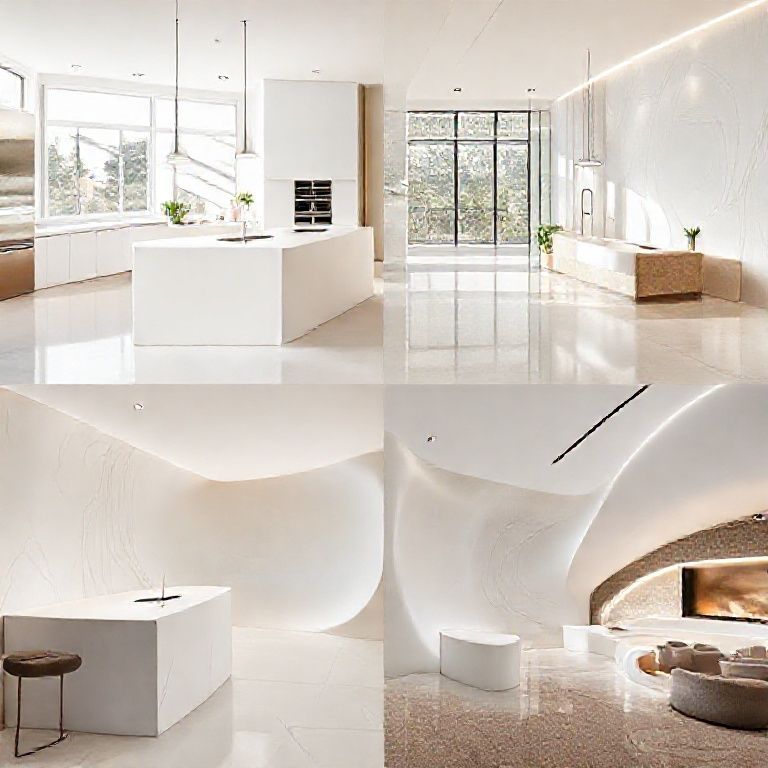
Unveiling the Exquisite World of Marble: How Much Does It Cost Per Square Foot and Per Ton?
Marble has long been revered for its timeless beauty, elegance, and unparalleled durability. From ancient Roman architecture to contemporary high-end interiors, marble remains a symbol of luxury and sophistication. However, understanding the cost dynamics of marble, especially the pricing per square foot and per ton, is crucial for anyone considering it for their renovation or design project. In this comprehensive guide, we will explore the intricacies of marble pricing, its various applications, and how to make informed decisions for your next marble venture.

The Allure of Marble
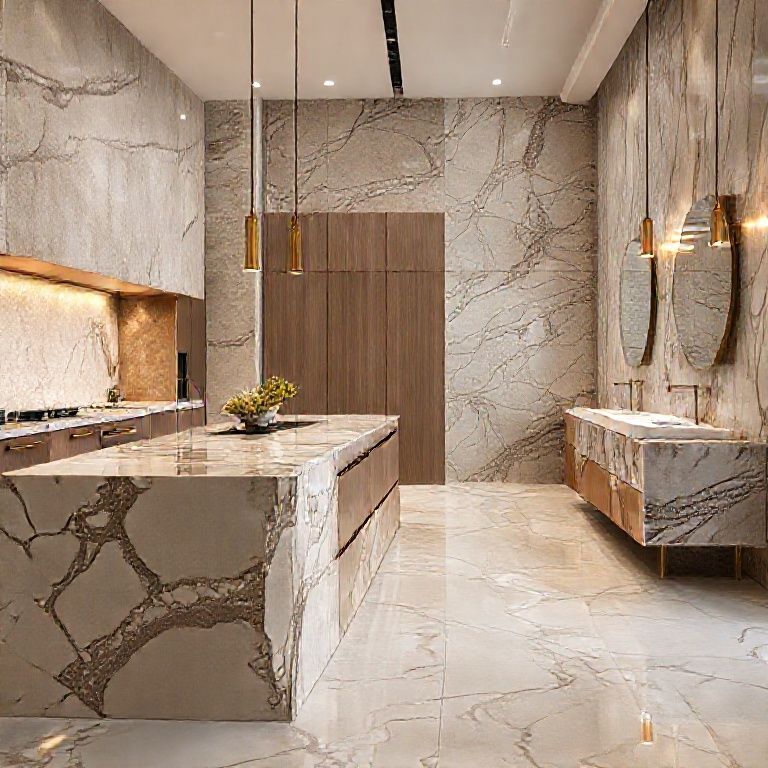
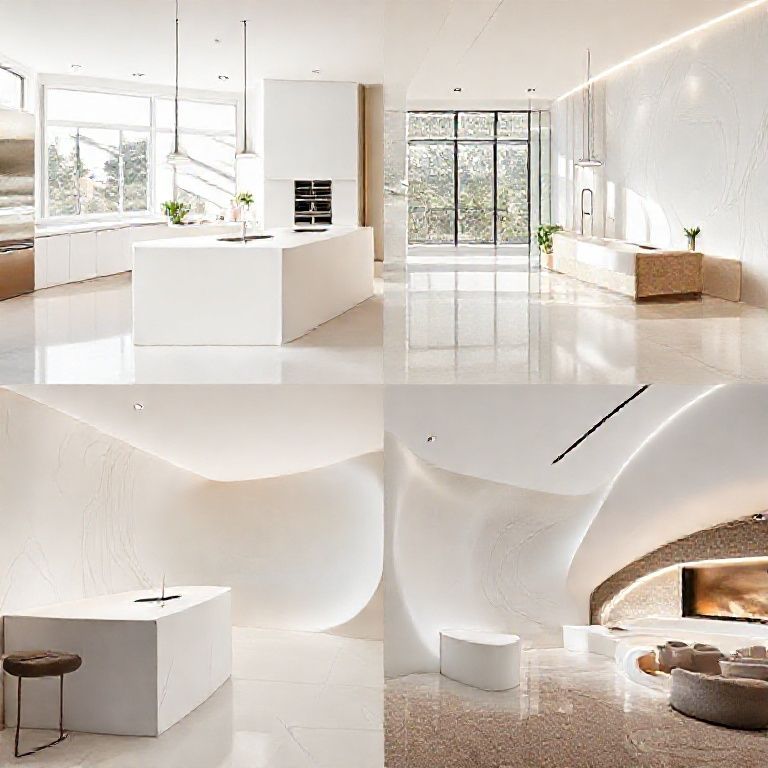
Before diving into the cost specifics, let’s appreciate the allure of marble. Marble is a metamorphic rock composed primarily of recrystallized carbonate minerals, most commonly calcite or dolomite. It is known for its striking color variations, unique veining, and exceptional aesthetic appeal. Marble’s versatility makes it suitable for a wide range of applications, including flooring, countertops, wall cladding, and decorative elements in both residential and commercial spaces.
Factors Influencing Marble Prices
Marble prices can vary significantly based on several factors:
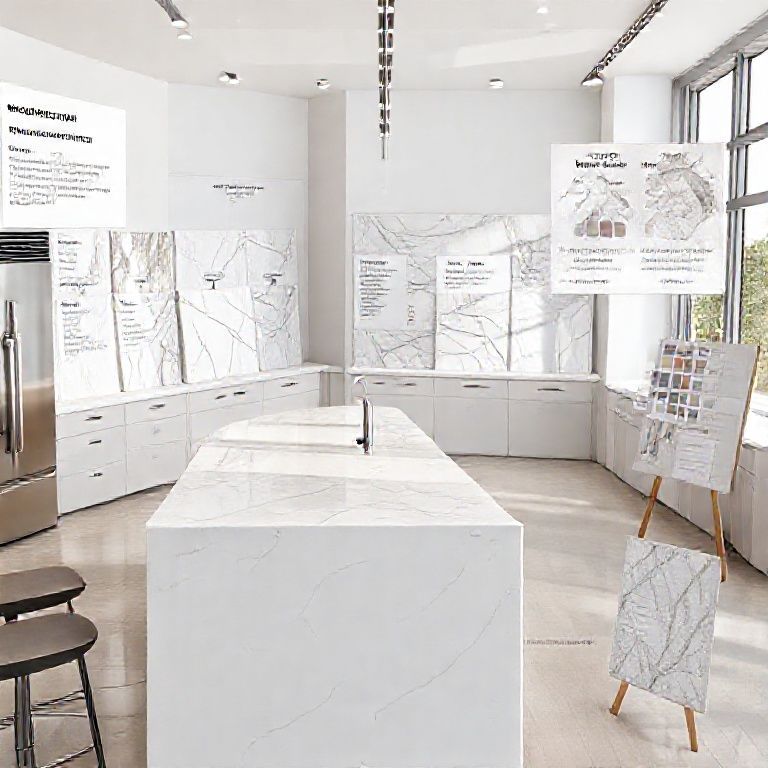
Type of Marble: Marble comes in a wide array of types, each with distinct characteristics. Popular varieties include Carrara (Italy), Bianco Antico, travertine, and onyx. Each type has unique color patterns, veining, and texture, which affects its cost. Generally, rarer and more unique marbles command higher prices. Color and Pattern: The color and pattern of marble play a significant role in its pricing. Marbles with striking, vibrant colors and intricate patterns are often more expensive. The uniqueness of the veining and the overall aesthetic appeal contribute to the premium pricing. Quality and Finish: The quality of the marble, including its density, texture, and uniformity, directly influences its price. High-quality marble with minimal imperfections and a polished finish will cost more. Polished and honed finishes also impact the price, with polished finishes generally being more expensive. Geographical Source: Marble sourced from renowned locations like Italy, Spain, and Turkey tends to be more expensive due to the prestige associated with these origins. Additionally, transportation costs can affect the final price, especially for international purchases. Labor Costs: The cost of installation and maintenance also influences the overall price. Professional installation and specialized labor for intricate designs can add to the final cost.
Marble Price Per Square Foot
Understanding the cost per square foot is essential for budgeting and planning marble installations. Here’s a detailed breakdown:
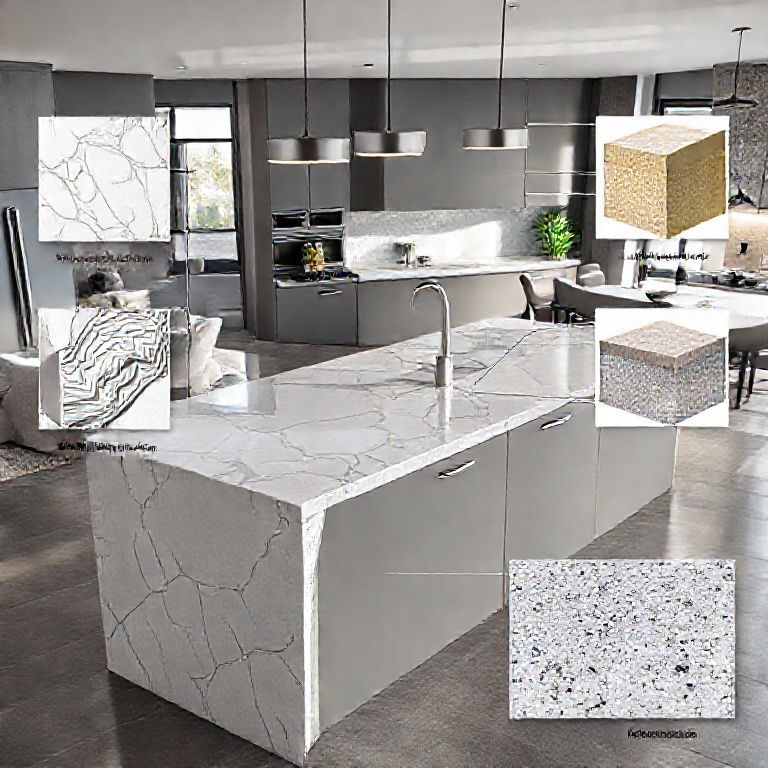
Average Price Range: The cost of marble per square foot can range from $10 to $100 or more, depending on the factors mentioned above. For instance: Budget-Friendly Options: Travertine and onyx marbles typically fall in the lower price range, around $10 to $20 per square foot. Mid-Range Options: Marbles like Calacatta and Statuario generally range from $20 to $40 per square foot. Premium Options: High-end marbles such as Carrara and Bianco Antico can cost between $40 to $100 per square foot or more. Installation Costs: When considering the total cost per square foot, it’s essential to include labor costs for installation. Professional installation can add 10-20% to the overall cost. Therefore, budgeting for labor is crucial for an accurate estimate. Customization and Design: Custom designs, intricate patterns, and specialized installation techniques can significantly increase the cost per square foot. For instance, creating bespoke mosaics or unique wall cladding designs might require additional labor and expertise.
Marble Price Per Ton
For large-scale projects, understanding the cost per ton of marble is vital:
Average Price Range: Marble prices per ton typically range from $500 to $1,500 or more, depending on the type, quality, and geographical source. Here’s a more detailed breakdown: Budget-Friendly Options: Travertine and onyx marbles might cost around $500 to $800 per ton. Mid-Range Options: Marbles such as Calacatta and Statuario generally range from $800 to $1,200 per ton. Premium Options: High-end marbles like Carrara and Bianco Antico can cost between $1,200 to $1,500 per ton or more. Bulk Purchase Discounts: Purchasing marble in bulk can often yield discounts, making it a cost-effective option for large projects. It’s advisable to contact suppliers for bulk purchase quotes to get the best deals. Transportation Costs: For international projects, transportation costs can significantly impact the price per ton. It’s essential to factor in shipping costs, especially for large quantities of marble.
Applications of Marble
Marble’s versatility makes it suitable for various applications:
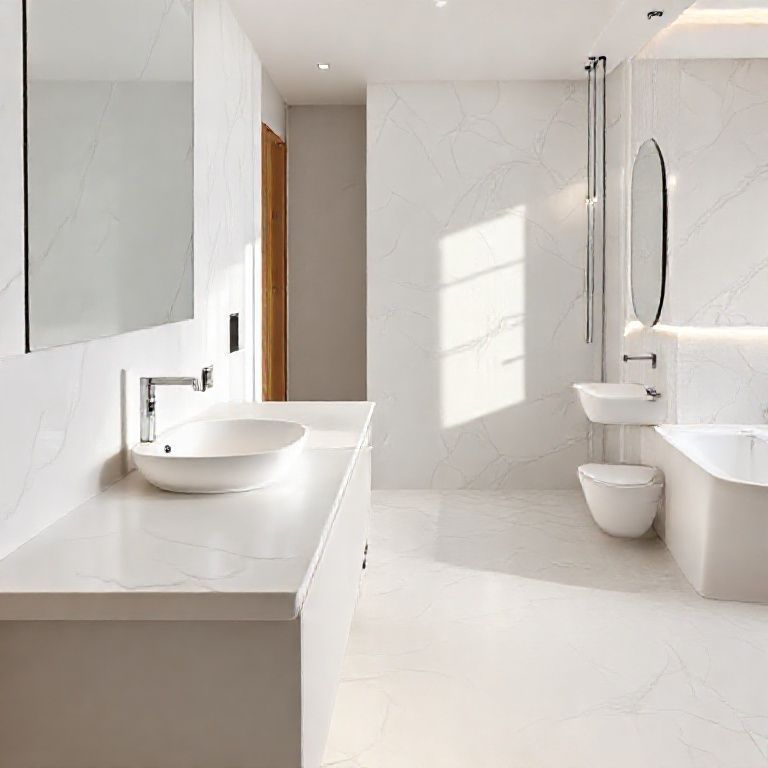
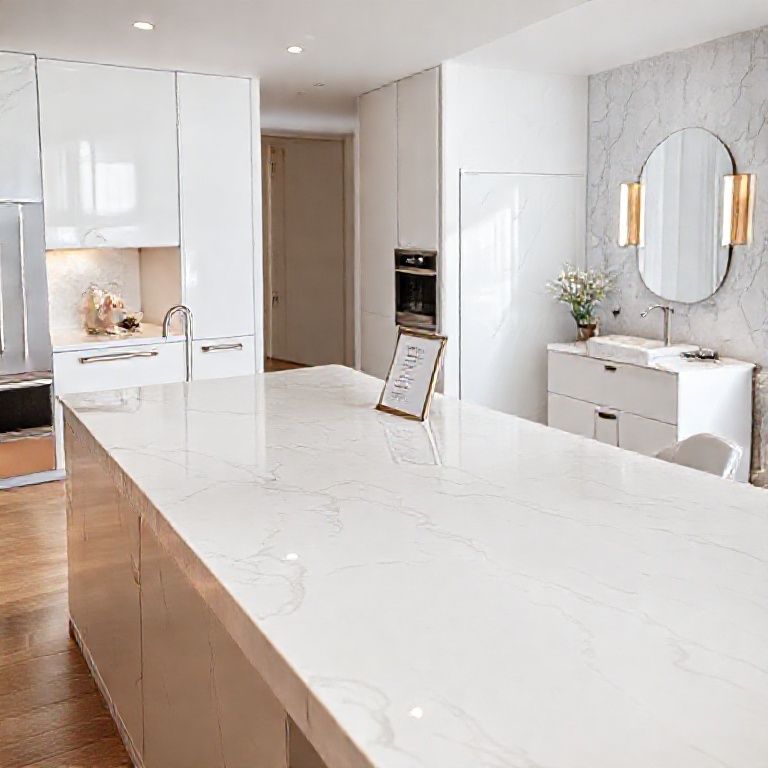
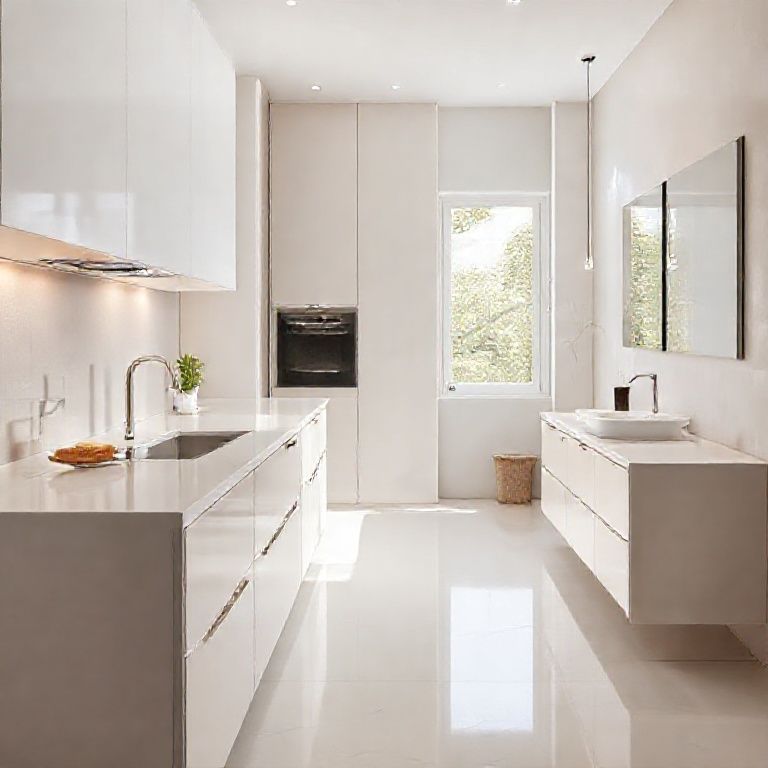
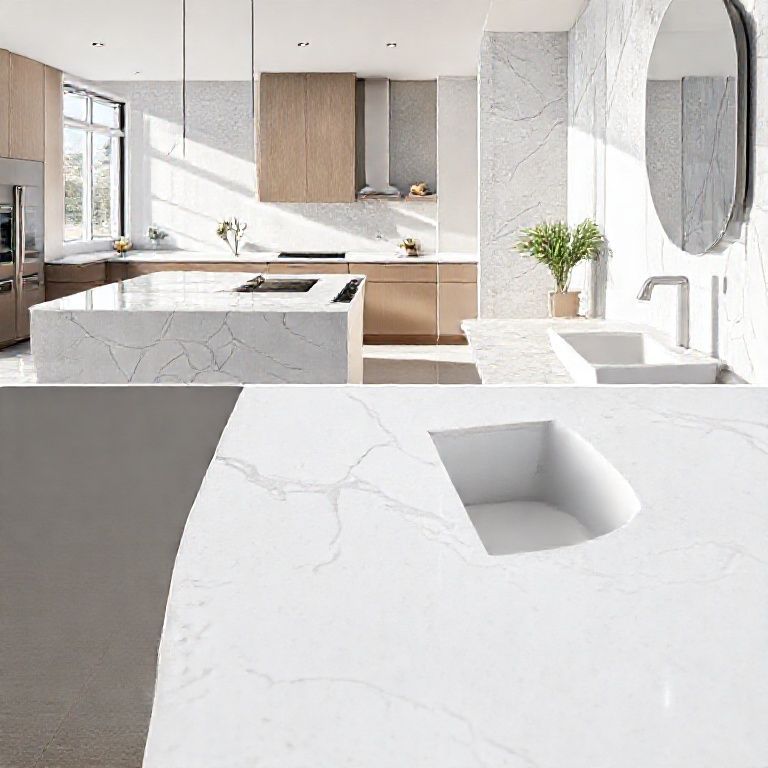
Flooring: Marble flooring is a popular choice for both residential and commercial spaces due to its durability and aesthetic appeal. It adds a touch of elegance and sophistication to any space. Countertops: Marble countertops are a favorite in kitchens and bathrooms for their beauty and durability. However, they require regular maintenance to prevent staining and etching. Wall Cladding: Marble is often used for wall cladding to create striking, luxurious interiors. Its unique patterns and colors can transform a space and add a dramatic focal point. Decorative Elements: Marble is also used for decorative elements like fireplace surrounds, columns, and decorative panels. Its timeless beauty makes it a versatile choice for enhancing interior design.
Making Informed Decisions
When considering marble for your project, here are some tips to help you make informed decisions:
Consult with Professionals: It’s always best to consult with professionals who specialize in marble installation and design. They can provide valuable insights, cost estimates, and help you choose the right type of marble for your needs. Get Multiple Quotes: Obtain quotes from multiple suppliers to compare prices and services. This will help you identify the best deals and ensure you’re getting the most value for your investment. Consider Maintenance: While marble is durable, it requires regular maintenance to keep its beauty intact. Consider the maintenance costs and the effort involved when budgeting for your project. Explore Eco-Friendly Options: With growing environmental concerns, consider eco-friendly marble options that are sustainably sourced and have a lower environmental impact.
Conclusion
Marble remains a timeless choice for luxury interiors, offering unparalleled beauty and durability. Understanding the cost dynamics, including the price per square foot and per ton, is essential for making informed decisions and ensuring a successful renovation project. By considering factors like type, quality, color, and geographical source, you can choose the perfect marble for your space and enjoy its timeless elegance for years to come.
Unveiling the Exquisite World of Marble: How Much Does It Cost Per Square Foot and Per Ton?
In the previous part of our exploration, we delved into the factors influencing the cost of marble per square foot and per ton, and discussed its diverse applications. In this final part, we will provide a more in-depth look at the various types of marble, their unique characteristics, and how to select the best marble for your specific needs. We’ll also explore the long-term benefits and maintenance considerations for marble installations.
The Varieties of Marble
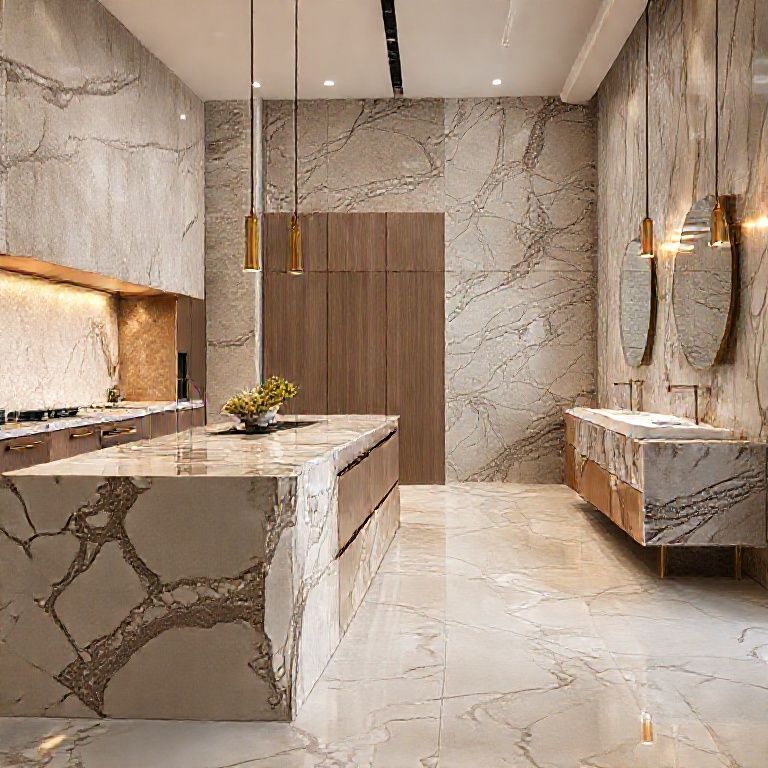
Marble comes in numerous varieties, each with its unique characteristics. Here’s a closer look at some of the most popular types:
Choosing the Right Marble
When selecting marble for your project, consider the following factors:
Purpose: Flooring: Carrara and Bianco Antico are excellent choices for their durability and aesthetic appeal. Countertops: Statuario and Calacatta are popular for their striking patterns and easy maintenance. Walls and Decorative Elements: Onyx and Luz Ultra offer unique and modern looks suitable for various design styles. Maintenance: Marble requires regular maintenance to prevent staining and etching. Use a good quality marble sealant to protect its surface and prolong its life. Budget: Consider your budget when selecting marble. While premium marbles offer unmatched beauty, budget-friendly options like travertine and onyx provide excellent value for money. Installation: Ensure that you work with experienced professionals who can handle the installation of marble. Proper installation is crucial to avoid issues like cracking and uneven surfaces. Sustainability: If you’re environmentally conscious, look for marble that is sustainably sourced. Some suppliers offer eco-friendly options that have a lower environmental impact.
Long-Term Benefits of Marble
Durability: Marble is one of the hardest natural stones, offering excellent durability and resistance to scratches and stains. Low Maintenance: With proper care, marble surfaces can maintain their pristine appearance for many years. Regular cleaning with mild soap and water is usually sufficient. Timeless Aesthetics: Marble’s classic beauty never goes out of style, making it a timeless choice for luxury interiors. Heat Resistance: Marble is highly heat resistant, making it ideal for countertops and other high-traffic areas.
Maintenance Considerations
Sealing: Regularly seal your marble surfaces to protect them from stains, acids, and other potential damage. This is especially important for high-traffic areas like kitchens and bathrooms. Cleaning: Use a soft cloth and a pH-neutral cleaner to clean marble surfaces. Avoid using acidic or abrasive cleaners that can damage the stone. Avoiding Damage: Place protective pads on furniture legs to prevent scratches. Avoid placing hot pots or pans directly on marble countertops. Repairs: In case of damage, such as cracks or chips, consult a professional for repairs. Some damage can be repaired using specialized marble repair techniques.
Conclusion
Marble remains a popular choice for those seeking elegance, durability, and timeless beauty in their interiors. By understanding the different types of marble, their characteristics, and maintenance requirements, you can make an informed decision that suits your design vision and budget. Whether you opt for the classic beauty of Carrara or the modern appeal of Luz Ultra, marble continues to be a luxurious and sophisticated choice for various applications.