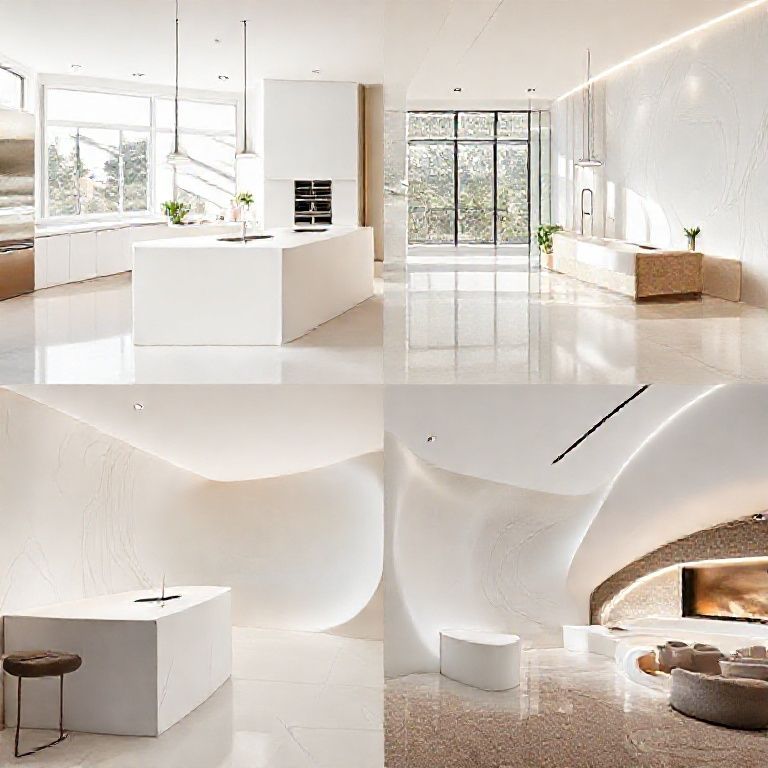
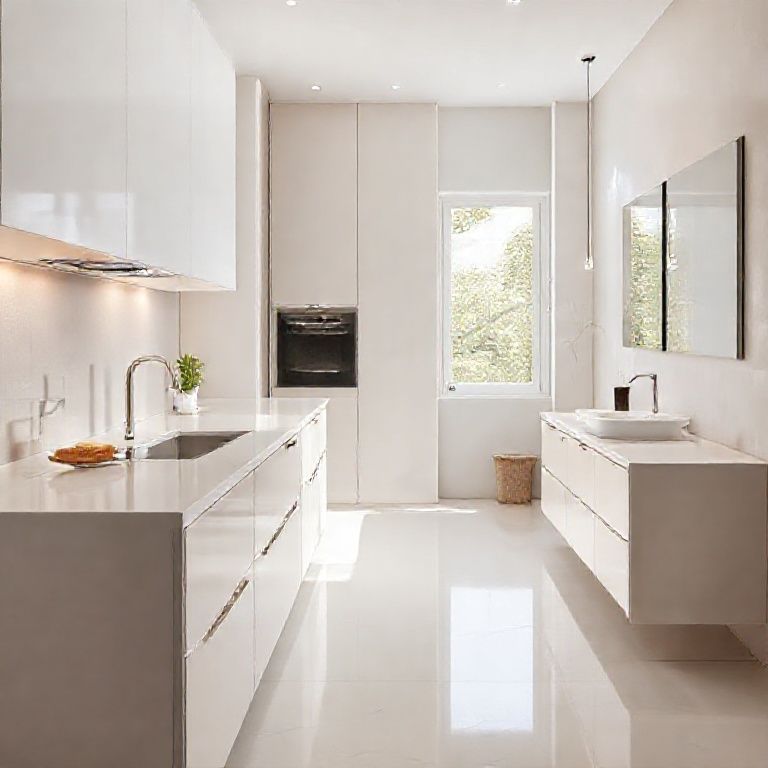
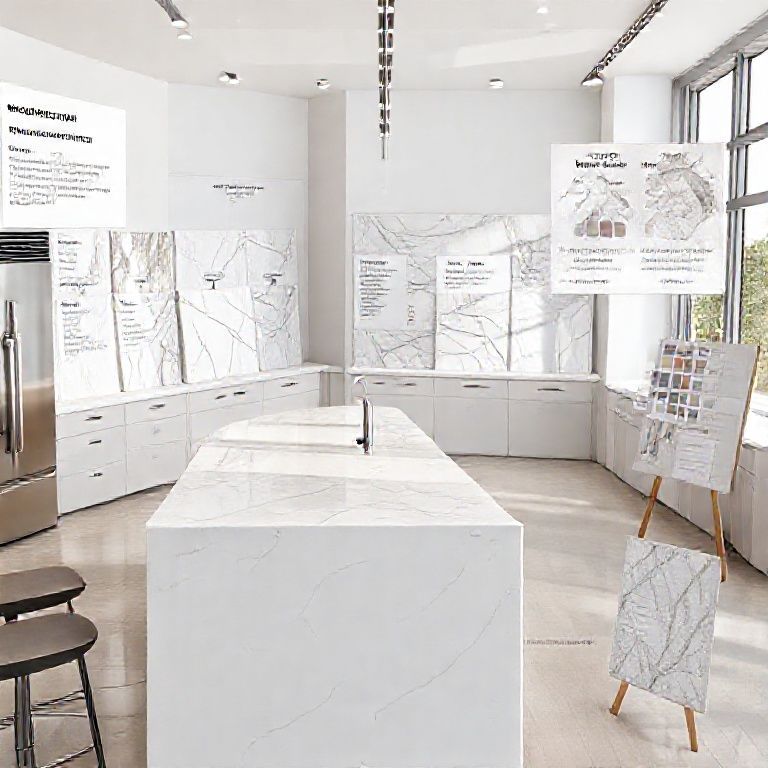
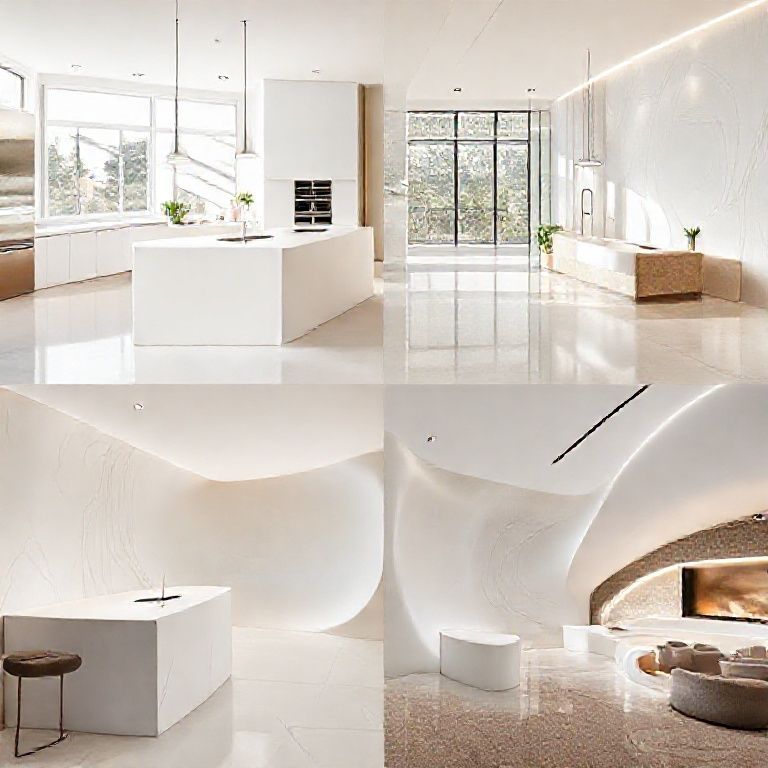
Unveiling the Grand Essence of Slabs: The True Nature of Large-Pieced Paving Stones
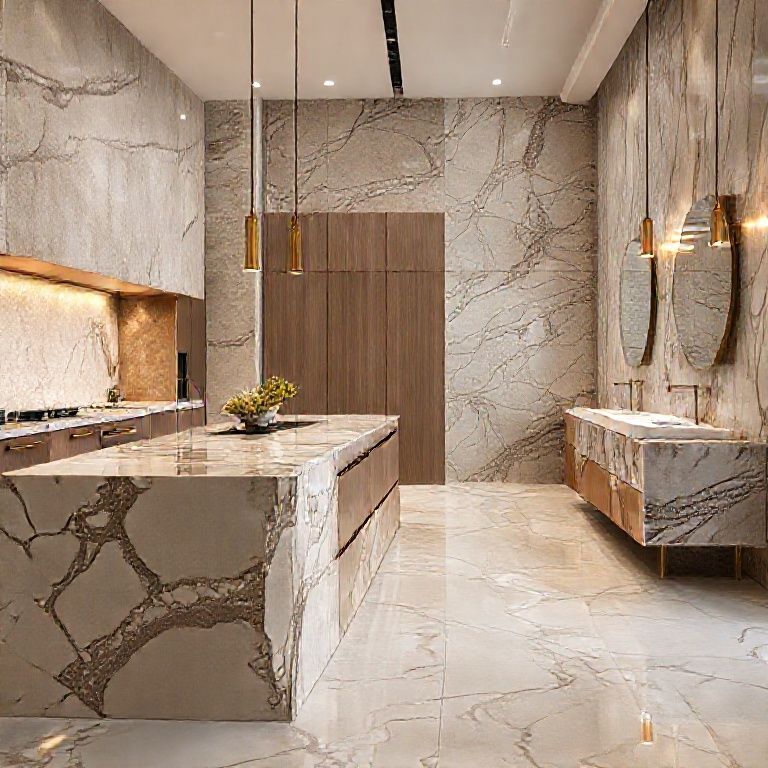
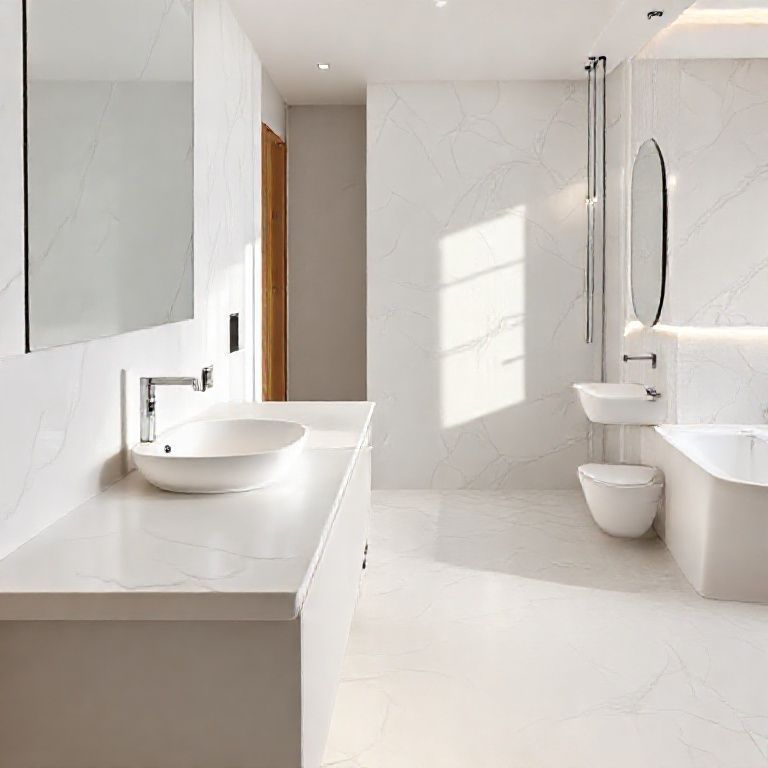
In the realm of outdoor design and landscaping, few elements captivate the eye and enhance the beauty of outdoor living spaces quite like slabs. Often referred to colloquially as “岩板说白了就是大片的砖吗,” these large-pieced paving stones represent a harmonious blend of natural beauty and enduring durability. But what exactly are slabs, and why have they become a cornerstone in modern outdoor design? Let’s embark on this journey to uncover the grand essence of slabs.

The Beauty and Versatility of Slabs
At its core, a slab is a large, solid piece of paving stone, typically made from natural materials such as granite, sandstone, or limestone. These stones are renowned for their aesthetic appeal, offering a range of textures, colors, and patterns that can effortlessly complement various architectural styles. Whether you’re envisioning a sleek contemporary patio or a rustic, timeless garden path, slabs provide unparalleled versatility.
Natural Textures and Colors
One of the most compelling aspects of slabs is their natural texture and color. Each slab is unique, bearing the marks of its natural origin. This individuality contributes to the distinctive charm of outdoor spaces adorned with slabs. The natural hues and patterns create a sense of authenticity and connection to the earth, making them a popular choice for those seeking to integrate natural beauty into their design.
Durability and Longevity
Slabs are not just visually stunning; they are also incredibly durable. Made from high-quality natural stone, they withstand the test of time and the elements. Unlike traditional pavers or smaller stones, slabs offer a seamless, solid surface that resists wear and tear. This durability ensures that your investment in slabs will pay off over the years, providing a long-lasting solution for your outdoor needs.
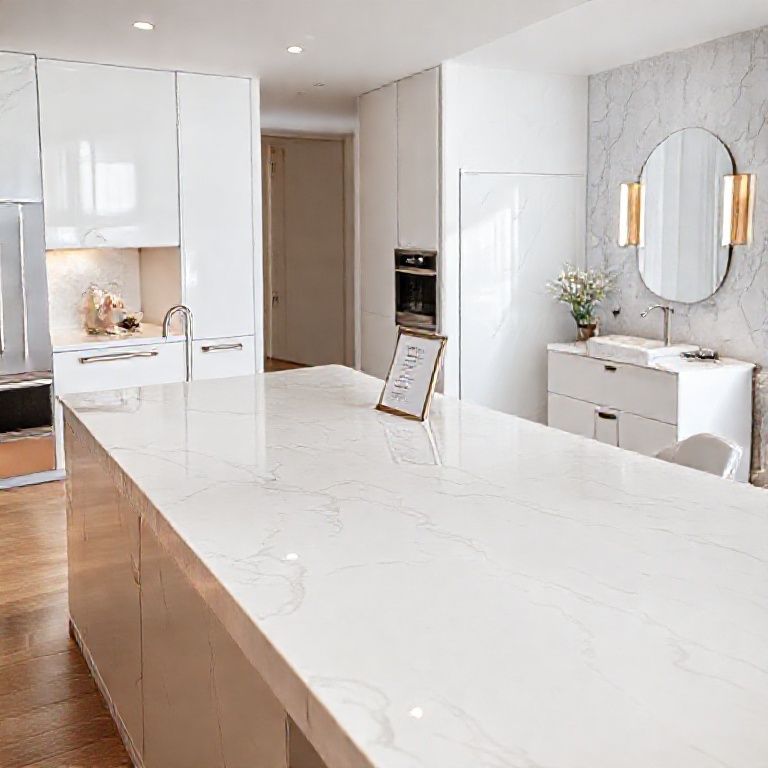
Functionality and Design Flexibility
In terms of functionality, slabs excel. Their large, uniform pieces make them ideal for creating smooth, even pathways and patios. The absence of gaps between slabs minimizes maintenance, as there are fewer spaces where dirt and debris can accumulate. This seamless surface also makes slabs easy to clean and maintain, adding to their practicality.
Moreover, the design flexibility of slabs cannot be overstated. They can be arranged in various patterns to create unique designs and layouts. From simple straight lines to intricate mosaics, the possibilities are endless. Whether you prefer a minimalist, understated look or a bold, artistic statement, slabs offer the flexibility to bring your vision to life.
Eco-Friendly and Sustainable Choices
In today’s environmentally conscious world, slabs also offer a sustainable option for outdoor design. Natural stone is a renewable resource, and when sourced responsibly, slabs provide a low-maintenance, long-lasting alternative to synthetic materials. By choosing slabs, you are not only enhancing the beauty of your outdoor space but also contributing to eco-friendly design practices.
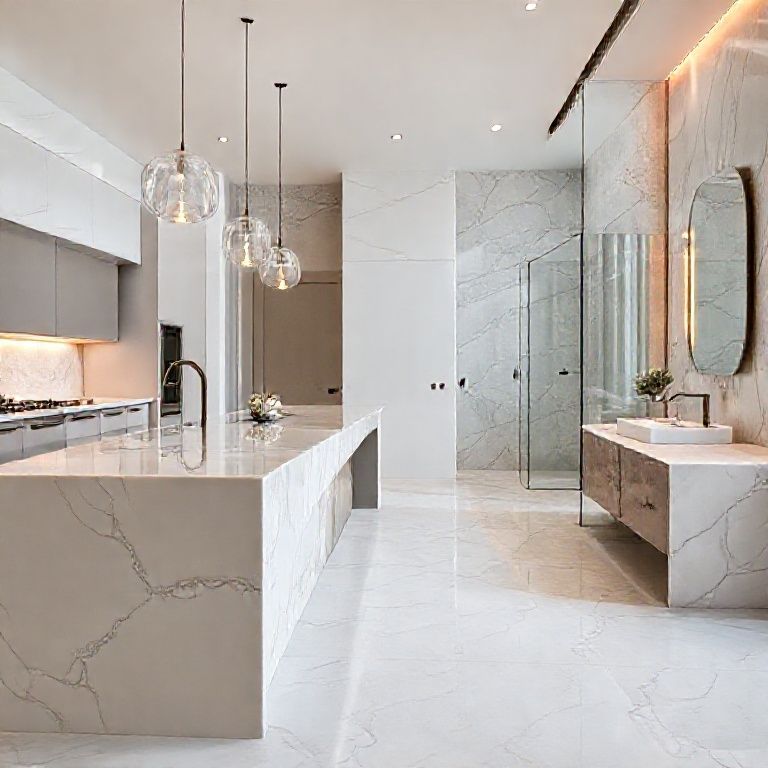
Integrating Slabs into Your Outdoor Living Spaces
When it comes to integrating slabs into your outdoor living spaces, the possibilities are virtually limitless. Here are some ideas to inspire your design:
1. Patios and Decks: Create a stunning patio or deck using slabs to provide a durable, low-maintenance surface perfect for relaxation, dining, and entertainment. The natural beauty of the slabs will complement your outdoor furniture and create a serene atmosphere.
2. Garden Paths: Design elegant garden paths using slabs to guide your way through your garden. The natural textures and colors of the slabs will enhance the beauty of your plants and flowers, creating a harmonious connection between the natural elements.
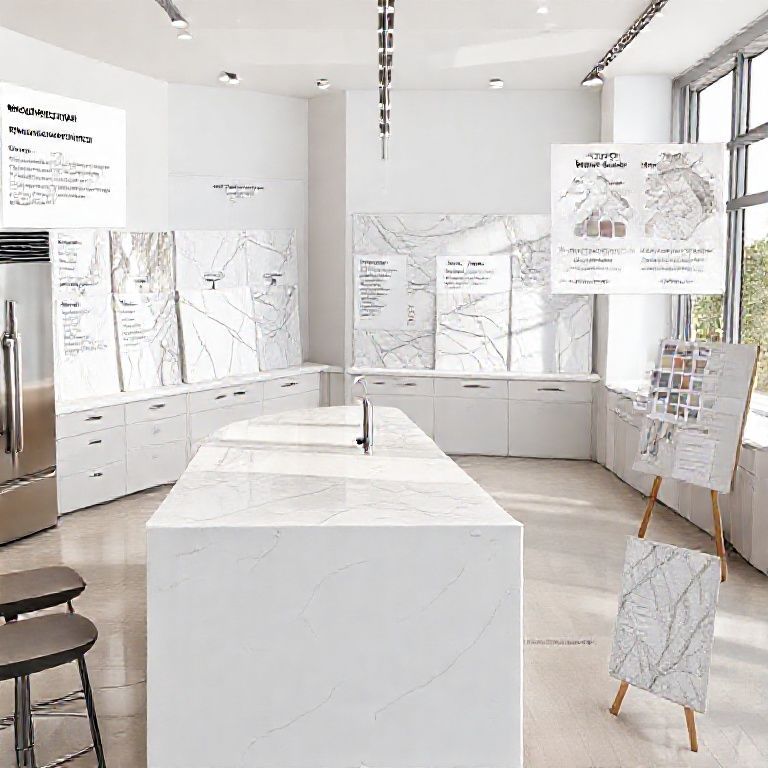
3. Pool Areas: Use slabs to define the space around your pool, creating a polished, professional look that enhances the overall aesthetic of your swimming area. The durability of slabs ensures that they will withstand the constant exposure to water and weather.
4. Outdoor Kitchens: Incorporate slabs into your outdoor kitchen design to create a functional and stylish workspace. The natural beauty of the slabs will add a touch of elegance, while their durability ensures they can withstand the demands of daily use.
5. Entryways and Walkways: Design impressive entryways and walkways using slabs to make a grand entrance. The unique patterns and colors of the slabs will make a lasting impression on visitors and passersby.
Unveiling the Grand Essence of Slabs: The True Nature of Large-Pieced Paving Stones
In the previous part, we explored the beauty, versatility, and durability of slabs, delving into their natural textures, colors, and design flexibility. Now, let’s continue our journey to uncover more about why slabs have become a popular choice for enhancing outdoor living spaces.
The Art of Slab Installation
Installing slabs is an art that requires precision and expertise to achieve the best results. Whether you’re working with a professional installer or planning to do it yourself, understanding the installation process is crucial to ensure a seamless and long-lasting finish.
Preparation and Planning
Before laying the slabs, thorough preparation and planning are essential. Start by assessing the area where the slabs will be installed. Ensure the ground is level, stable, and free from any debris or vegetation. This foundation is critical for the durability and longevity of the slabs.
Next, plan the layout of the slabs. Consider the overall design and flow of the space. Use a chalk line or string to create a guide for the layout, ensuring that the slabs will fit perfectly and create a cohesive design. This planning stage is crucial to avoid any issues during the installation process.
Laying the Slabs
Laying the slabs involves several steps to ensure a smooth and even finish. Begin by placing the first slab in the designated starting position. Use a spirit level to ensure it is perfectly horizontal. The subsequent slabs should be laid in a staggered pattern to create a natural, aesthetically pleasing look.
As you lay each slab, use a mallet to gently tap it into place, ensuring it is level and aligned with the surrounding slabs. This process may require some finesse, especially for intricate designs, but the result will be well worth the effort.
Filling and Finishing
Once all the slabs are laid, it’s time to fill the gaps between them. Use a sand or mortar mix, depending on the type of slabs and the specific requirements of your project. Fill the gaps carefully, ensuring that the slabs remain level and aligned.
After filling, allow the sand or mortar to set according to the manufacturer’s instructions. This setting process is crucial to ensure the stability and durability of the slabs. Once set, sweep away any excess sand or mortar to reveal a clean and polished surface.
Maintenance and Care
Maintaining slabs is relatively straightforward, thanks to their durable nature. Regularly sweep the surface to remove any dirt, leaves, or debris. For deeper cleaning, use a mild detergent and water solution. Avoid using harsh chemicals that can damage the natural stone.
If your slabs are exposed to harsh weather conditions, consider applying a stone sealer to protect them from stains and moisture. This will not only enhance the appearance of your slabs but also prolong their lifespan.
Slabs in Different Design Styles
Slabs can be seamlessly integrated into various design styles, enhancing the overall aesthetic of any outdoor space. Here are some popular design styles that benefit from the use of slabs:
1. Modern and Contemporary: For a sleek, modern look, slabs offer a clean and minimalist aesthetic. Their uniformity and durability make them ideal for contemporary patios and decks that prioritize simplicity and functionality.
2. Rustic and Traditional: Slabs can also lend a rustic charm to outdoor spaces. Their natural textures and colors provide a timeless appeal that complements traditional design elements, creating a cozy and inviting atmosphere.
3. Coastal and Tropical: In coastal and tropical designs, slabs can add a touch of natural elegance. Their natural hues and textures can harmonize with the surrounding greenery and water features, creating a serene and harmonious environment.
4. Urban and Industrial: For urban and industrial designs, slabs offer a rugged, industrial look. Their durability and strength make them perfect for creating bold, statement areas that reflect the raw and rugged nature of industrial design.
Conclusion
Slabs, often referred to colloquially as “岩板说白了就是大片的砖吗,” are more than just large-pieced paving stones. They are a testament to the beauty and durability of natural materials, offering a versatile and sustainable solution for enhancing outdoor living spaces. From their natural textures and colors to their practicality and design flexibility, slabs provide a unique and enduring beauty that can transform any outdoor area.
As we’ve explored, the installation, maintenance, and integration of slabs into various design styles highlight their versatility and appeal. Whether you’re creating a modern patio, a rustic garden path, or an urban outdoor kitchen, slabs offer a timeless and elegant solution that enhances the beauty and functionality of your outdoor space.
Embrace the grand essence of slabs and discover the unparalleled beauty and durability they bring to your outdoor living spaces. With their natural charm, enduring strength, and design flexibilityExtending the Grand Essence of Slabs: The True Nature of Large-Pieced Paving Stones
In the previous parts, we delved into the beauty, versatility, and durability of slabs, exploring their natural textures, installation processes, and integration into various design styles. Now, let’s continue our exploration to uncover even more about why slabs have become a cornerstone in modern outdoor design and how they can elevate your outdoor living experience.
Slabs in Contemporary Landscaping Trends
In today’s rapidly evolving landscape design trends, slabs have proven to be an enduring and versatile choice. Their large, uniform pieces provide a canvas for innovative design ideas that align with contemporary landscaping trends.
Minimalism and Clean Lines
Minimalism has become a prominent trend in contemporary landscaping, emphasizing clean lines, simplicity, and functionality. Slabs fit perfectly into this aesthetic. Their uniform size and natural textures create a sleek, uncluttered look that enhances the simplicity of minimalist designs. The seamless appearance of slabs provides a smooth, even surface that reflects the minimalist ethos.
Biophilic Design
Biophilic design focuses on creating spaces that connect people with nature. Slabs are an excellent choice for biophilic landscaping because they offer a natural, organic look that enhances the connection to the environment. Their natural textures and colors blend seamlessly with plants and natural elements, creating a harmonious and serene outdoor space.
Sustainable and Eco-Friendly Design
Sustainability is at the forefront of modern design, and slabs are a prime example of eco-friendly choices. Made from natural stone, slabs are a renewable resource that provides a low-maintenance, long-lasting alternative to synthetic materials. By choosing slabs, you contribute to eco-friendly design practices that prioritize sustainability and reduce environmental impact.
Slabs in Different Regions and Climates
Slabs are not only versatile but also adaptable to various regions and climates. Their durability ensures that they can withstand the elements, making them a practical choice for outdoor spaces in diverse environments.
Hot Climates
In hot climates, slabs offer a practical solution for creating comfortable outdoor spaces. Their natural stone composition helps to regulate temperature, providing a cool, comfortable surface even on the hottest days. The durability of slabs ensures that they can withstand the constant exposure to high temperatures without fading or degrading.
Cold Climates
In colder climates, slabs provide a reliable and long-lasting solution. Their natural stone composition is resistant to cracking and weathering, ensuring that they maintain their integrity and appearance throughout the year. Additionally, the even, solid surface of slabs makes them ideal for creating safe and stable pathways and patios in snowy and icy conditions.
Wet and Humid Climates
In wet and humid climates, slabs offer excellent drainage and resistance to moisture. Their porous nature allows for proper drainage, preventing water accumulation and reducing the risk of mold and mildew. The durability of slabs ensures that they can withstand the constant exposure to moisture without degrading over time.
Slabs in Unique Design Concepts
Slabs are not only functional but also offer endless possibilities for unique and creative design concepts.
Art Installations and Sculptures
Slabs can be transformed into stunning art installations and sculptures. Their large size and natural textures provide a perfect canvas for artists to create intricate designs and sculptures that enhance the beauty of outdoor spaces. These art installations can serve as focal points, adding a touch of creativity and originality to your landscape.
Interactive and Playful Spaces
For families and communities, slabs can be used to create interactive and playful spaces. They can be arranged to form playgrounds, mazes, and other engaging activities that encourage exploration and creativity. The durability of slabs ensures that they can withstand the wear and tear of children’s play, providing a safe and fun environment for all.
Thermal and Sensory Gardens
Slabs can also be used to create thermal and sensory gardens. By strategically placing slabs in different parts of the garden, you can create areas with varying temperatures and textures. This provides a unique sensory experience for visitors, allowing them to explore and appreciate the natural beauty of the garden through touch and temperature.
Integrating Technology with Slabs
The integration of technology with slabs is another exciting trend in modern outdoor design. Their solid and durable surface makes them an ideal choice for incorporating smart technologies.
Smart Lighting
Slabs can be used to create pathways and patios with integrated smart lighting. LED lights can be embedded within the slabs, providing ambient lighting that enhances the beauty of the landscape while also adding functionality. These smart lighting systems can be controlled remotely, allowing you to adjust the lighting to suit different occasions and preferences.
Solar Power
Slabs can also be used to harness solar power. Photovoltaic cells can be embedded within the slabs, converting sunlight into energy that can be used to power lights, pumps, and other outdoor equipment. This not only provides a sustainable energy solution but also adds a functional element to your outdoor space.
Smart Irrigation
With the integration of smart irrigation systems, slabs can play a role in efficient water management. Sensors can be embedded within the slabs to monitor moisture levels and adjust irrigation accordingly, ensuring that your landscape receives the optimal amount of water without waste.
Conclusion
Slabs, often referred to colloquially as “岩板说白了就是大片的砖吗,” continue to be a cornerstone in modern outdoor design due to their unparalleled beauty, versatility, and durability. Their natural textures and colors provide a unique and enduring aesthetic that enhances the beauty of any outdoor space. From their seamless installation and low maintenance to their adaptability to various regions and climates, slabs offer a practical and sustainable solution for enhancing your outdoor living experience.
As we’ve explored, the integration of slabs into contemporary landscaping trends, their adaptability to different environments, and their potential for unique design concepts highlight their enduring appeal. Whether you’re creating a minimalist design, a biophilic landscape, or integrating technology for smart solutions, slabs provide a versatile and enduring choice that elevates the beauty and functionality of your outdoor living spaces.
Embrace the grand essence of slabs and discover the endless possibilities they bring to your outdoor living experience. With their natural charm, enduring strength, and design flexibility, slabs offer a timeless and elegant solution that enhances the beauty and functionality of any outdoor area.