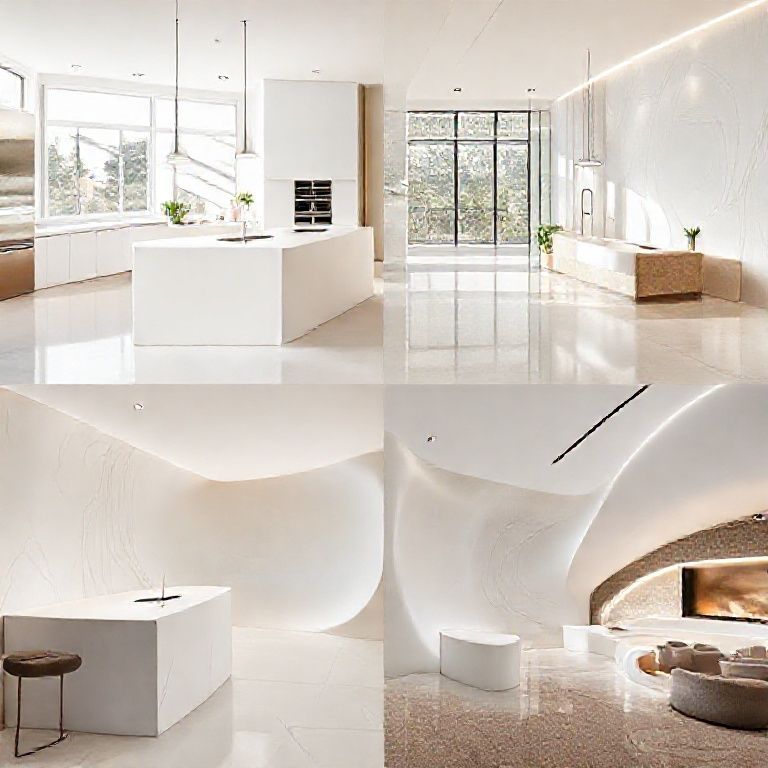
Unveiling the Hidden Dangers of Artificial Marble: Its Components and Health Implications
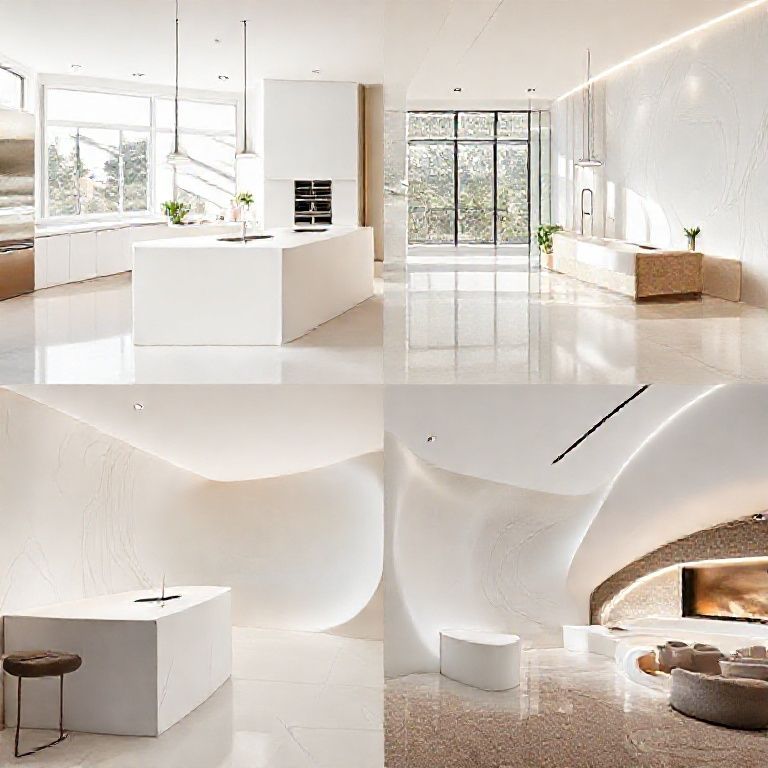
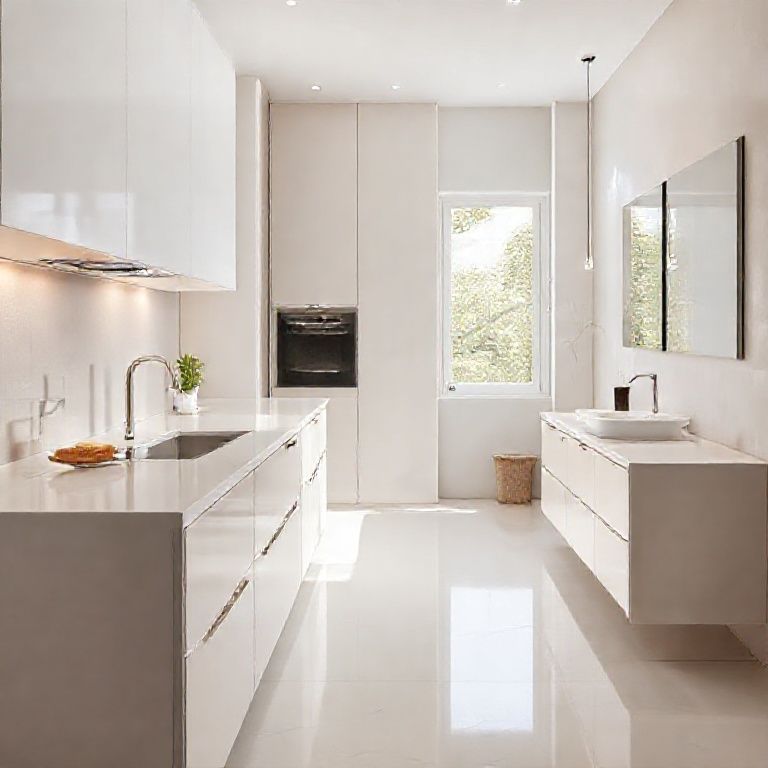
Artificial marble, often lauded for its aesthetic appeal and durability, has become a popular choice for countertops, sinks, and other surfaces in both residential and commercial spaces. However, beneath its polished veneer lies a complex composition of synthetic materials that could pose hidden dangers to health. This article explores the components of artificial marble and their potential health implications.

Understanding Artificial Marble
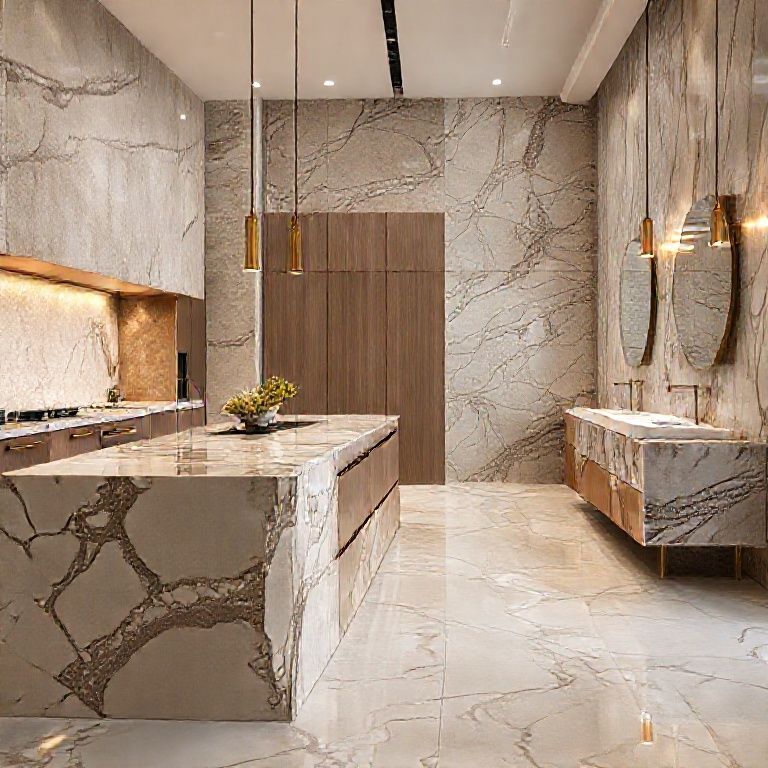
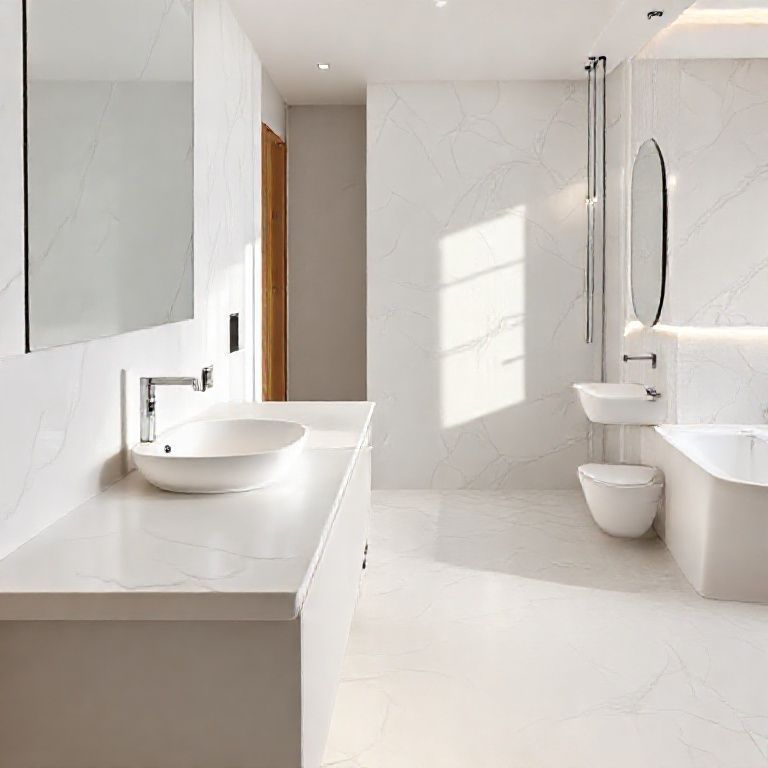
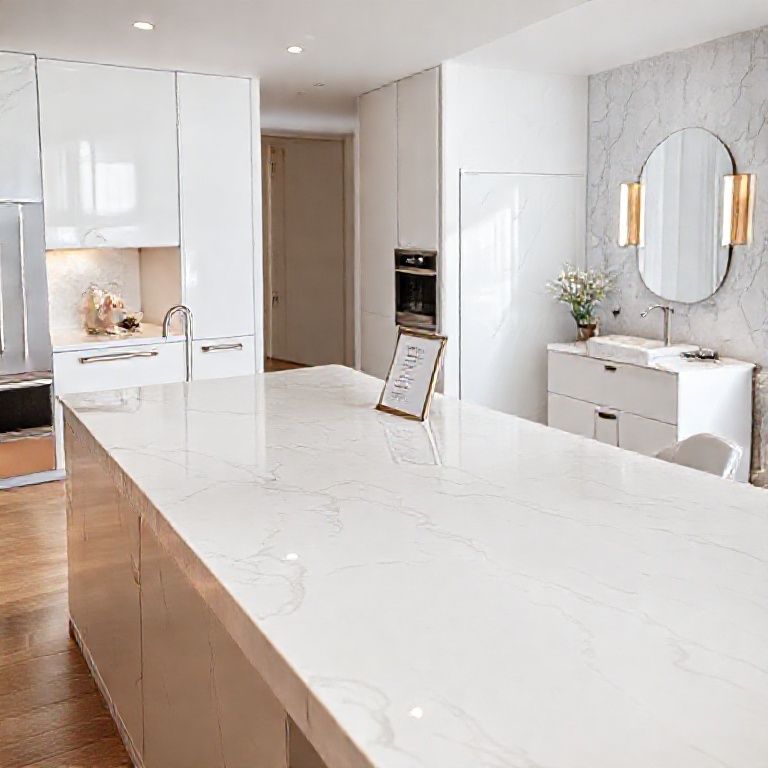
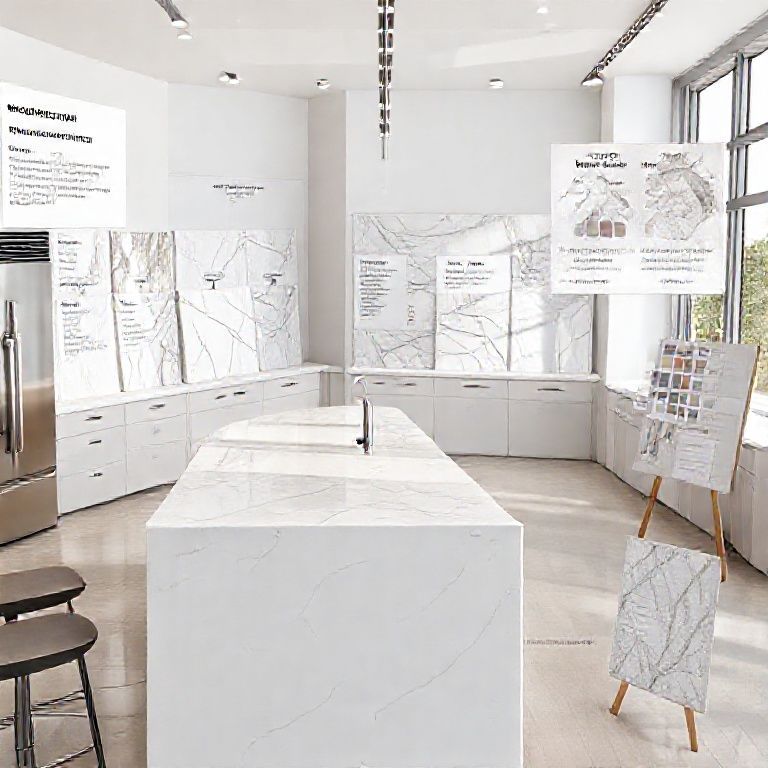
Artificial marble, also known as quartz, is a composite material made primarily from natural quartz crystals bound together with resin. The production process involves mixing crushed quartz with a resin binder, often a type of polymer, and then heating and pressing the mixture under high pressure and temperature. This results in a material that closely mimics the look of traditional marble while offering superior durability and resistance to stains and scratches.
The Components of Artificial Marble
The primary component of artificial marble is crushed quartz, which makes up about 93% of its composition. Quartz is a naturally occurring mineral that is abundant and inexpensive. However, the binding agents used to hold the quartz crystals together are where the health concerns arise.
Resins and Polymers
The resins and polymers used in artificial marble are primarily synthetic compounds. These can include:
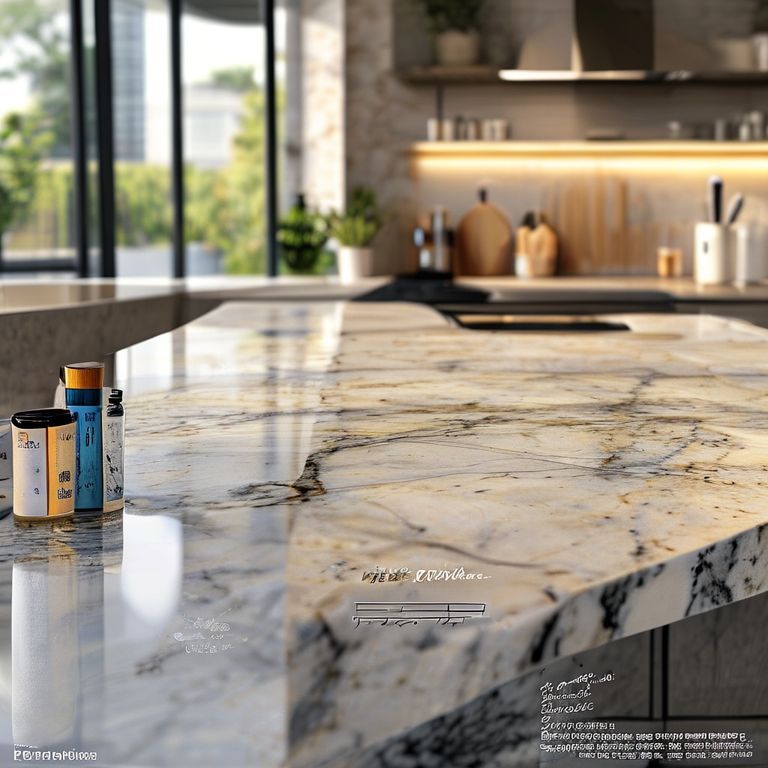
Phenolic Resins: These resins are commonly used due to their strong adhesive properties. However, they can emit volatile organic compounds (VOCs), which include phenols and formaldehyde. These VOCs can contribute to indoor air pollution and pose health risks such as respiratory irritation, headaches, and long-term effects like cancer.
Melamine-Formaldehyde Resins: These are another type of synthetic resin used in the production of artificial marble. Melamine-formaldehyde resins can also release formaldehyde, a known carcinogen, into the air during manufacturing and when the material is cut or sanded.
Colorants and Pigments
To achieve the desired aesthetic, artificial marble often incorporates various colorants and pigments. These can include heavy metals like lead and cadmium, which can leach into water and surfaces, posing serious health risks. Even non-toxic colorants can cause allergic reactions and other health issues for sensitive individuals.
Fillers and Additives
Fillers such as talc, calcium carbonate, and various other minerals are added to enhance the texture and appearance of artificial marble. While these fillers are generally recognized as safe in small quantities, some may still pose risks when released into the environment or inhaled in dust form.
Health Implications of Artificial Marble Components
The health implications of the components used in artificial marble are significant and multifaceted. Here are some of the primary concerns:
Respiratory Issues
The production and installation of artificial marble can release dust and fumes containing harmful chemicals. Inhalation of these particles can lead to respiratory issues such as asthma, bronchitis, and other chronic respiratory diseases. Workers involved in the manufacturing and installation of artificial marble are particularly at risk.
Allergic Reactions
Some individuals may experience allergic reactions to the synthetic resins, colorants, and other additives used in artificial marble. Symptoms can range from skin rashes and irritation to more severe respiratory reactions. Those with pre-existing allergies or sensitivities should be particularly cautious.
Carcinogenic Risks
Formaldehyde and phenols are two of the most concerning components in artificial marble. Both are classified as carcinogens by various health organizations, including the World Health Organization (WHO) and the National Cancer Institute (NCI). Prolonged exposure to these chemicals can increase the risk of developing cancer.
Environmental Impact
The production of artificial marble also has environmental implications. The use of synthetic resins and other chemicals can lead to environmental pollution if not properly managed. Additionally, the manufacturing process consumes significant energy and resources, contributing to environmental degradation.
Safer Alternatives to Artificial Marble
Given the potential health risks associated with artificial marble, many are turning to safer alternatives that offer similar aesthetics without the hidden dangers.
Natural Stone
Natural stone, such as granite, travertine, and onyx, offers a more environmentally friendly and safer option. These materials are composed entirely of natural minerals and do not contain synthetic resins or harmful chemicals. While they may require more maintenance, they offer a timeless and natural beauty that artificial marble cannot replicate.
Sustainable Composite Materials
Newer composite materials, such as recycled glass countertops, provide an eco-friendly alternative. These materials are made from recycled glass and resins, offering durability and resistance to stains while minimizing the use of harmful chemicals.
Low-VOC Products
For those who still prefer the look of artificial marble, opting for low-VOC products can mitigate some health risks. These products use lower levels of volatile organic compounds in their resins and colorants, reducing the release of harmful chemicals into the air.
Conclusion
While artificial marble offers undeniable benefits in terms of aesthetics and durability, its hidden dangers cannot be overlooked. The synthetic resins, colorants, and other additives used in its production pose significant health risks, from respiratory issues and allergic reactions to carcinogenic exposure and environmental impact. By understanding these dangers, consumers can make informed choices and opt for safer alternatives that prioritize both health and sustainability.
In the next part of this article, we will delve deeper into the specific health risks associated with each component of artificial marble and provide further insights into safer, healthier options for home and commercial spaces.
Unveiling the Hidden Dangers of Artificial Marble: Its Components and Health Implications
Deeper Insights into Health Risks and Safer Alternatives
In the previous part, we explored the composition and potential health hazards of artificial marble. Here, we delve deeper into the specific health risks associated with each component and provide further insights into safer, healthier alternatives.
Detailed Health Risks of Artificial Marble Components
Understanding the specific health risks associated with each component of artificial marble is crucial for making informed decisions about its use in home and commercial spaces.
Resins and Polymers: Formaldehyde and Phenol Emissions
The resins and polymers used in artificial marble, such as phenolic and melamine-formaldehyde resins, are primary sources of formaldehyde and phenol emissions. These chemicals are known to have significant health impacts:
Formaldehyde: Formaldehyde is a potent carcinogen and is classified as a Group 1 carcinogen by the International Agency for Research on Cancer (IARC). Exposure to formaldehyde can cause respiratory irritation, nasal cancers, and leukemia. In addition to cancer risks, formaldehyde can also cause allergic reactions, including skin rashes and respiratory symptoms like wheezing and shortness of breath.
Phenol: Phenol is a toxic chemical that can cause skin burns, eye irritation, and respiratory problems. Long-term exposure to phenol can lead to more severe health issues, including liver and kidney damage.
Colorants and Pigments: Heavy Metal Leaching
The colorants and pigments used in artificial marble can include heavy metals such as lead and cadmium. These metals can leach into water and surfaces over time, posing serious health risks:
Lead: Lead exposure can cause neurological damage, particularly in children, leading to learning disabilities, behavioral problems, and reduced IQ. In adults, lead exposure can lead to kidney and reproductive system damage.
Cadmium: Cadmium is a toxic metal that can cause lung and kidney damage. Long-term exposure can lead to bone fractures and osteoporosis.
Fillers and Additives: Dust and Inhalation Risks
Fillers such as talc and calcium carbonate can release dust when the artificial marble is cut, sanded, or polished. Inhalation of these dust particles can lead to respiratory issues:
Talc: In some cases, talc may contain asbestos fibers, which are known carcinogens. Even asbestos-free talc can cause respiratory problems, including lung fibrosis and mesothelioma.
Calcium Carbonate: While generally safe in small quantities, large amounts of inhaled calcium carbonate dust can cause respiratory irritation and other issues.
Environmental and Long-Term Health Impacts
The environmental and long-term health impacts of artificial marble components extend beyond immediate exposure risks. The production and disposal of artificial marble contribute to environmental pollution and pose long-term health risks.
Environmental Pollution
The manufacturing process of artificial marble involves the use of synthetic resins and other chemicals that can contribute to environmental pollution if not managed properly. This includes air pollution from VOCs and water pollution from leaching heavy metals and other chemicals.
Long-Term Health Effects
Long-term exposure to the chemicals in artificial marble can lead to chronic health issues. For instance, prolonged exposure to formaldehyde can increase the risk of developing various cancers and chronic respiratory diseases. Similarly, heavy metals like lead and cadmium can cause lasting damage to vital organs and systems.
Safer Alternatives to Artificial Marble
Given the significant health risks associated with artificial marble, it’s essential to consider safer alternatives that provide similar aesthetic benefits without the hidden dangers.
Natural Stone
Natural stone, such as granite, marble, travertine, and onyx, is a当然,我会继续介绍一些关于如何选择和使用安全、环保的替代材料的信息。
天然石材
优点:天然石材不含有害化学物质,通常是石英、大理石、花岗岩等天然矿物。它们不仅耐用,而且具有独特的美观性和质感。 选择建议:在选择天然石材时,建议选择经过认证的产品,并确保供应商有良好的环保和安全记录。 再生材料 优点:再生材料是从旧建筑材料中回收再利用,减少了对新资源的需求,并减少了建筑垃圾。
选择建议:选择具有环保认证的再生材料,如FSC认证的再生木材或具有高效回收和再利用历史的其他材料。 环保复合材料 优点:这些材料通常由可再生资源制成,并且经过专门设计以减少有害物质的释放。例如,由回收玻璃和塑料制成的复合材料。 选择建议:查看材料的环保认证,如Cradle to Cradle认证,确保材料在整个生命周期中都是环保的。
低VOC(挥发性有机化合物)材料 优点:低VOC材料对室内空气质量有更小的影响,减少了有害气体的释放。 选择建议:选择标有低VOC或无VOC的产品,并查看环保认证,如GREENGUARD或GREENGUARD Gold。 可再生能源 优点:使用可再生能源如太阳能或风能,可以减少对化石燃料的依赖,从而减少碳排放。
选择建议:在选择能源解决方案时,寻找具有环保认证的公司,如LEED认证的建筑项目。
使用和维护
正确使用 确保在使用建筑材料时,遵循制造商的建议和安全指南。 对于一些特定材料,可能需要特殊的保养方法来保持其耐用性和美观性。 定期维护 定期清洁和保养材料,以延长其使用寿命并保持其环保特性。 避免使用含有有害化学物质的清洁剂,选择环保型清洁剂。