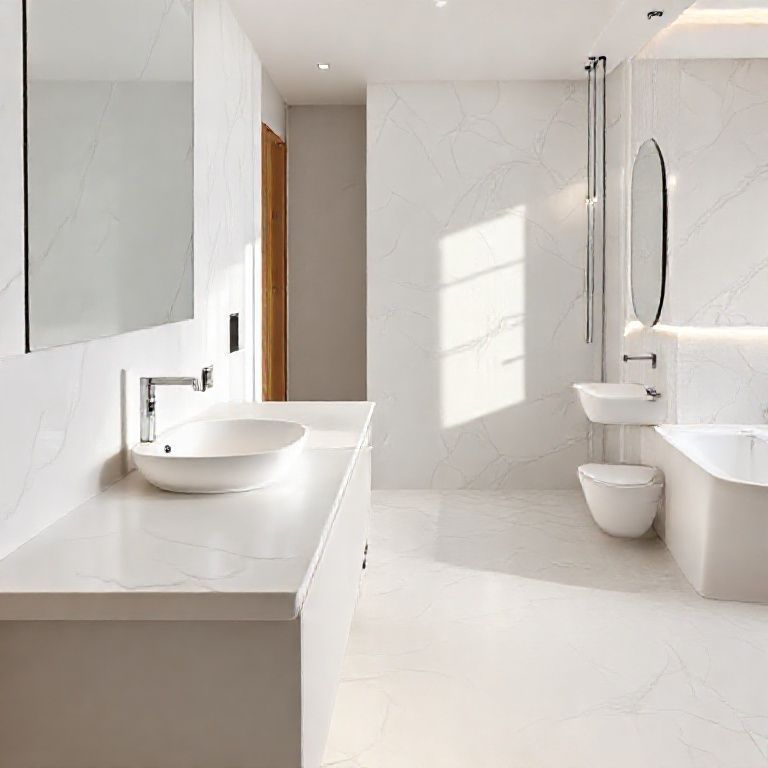
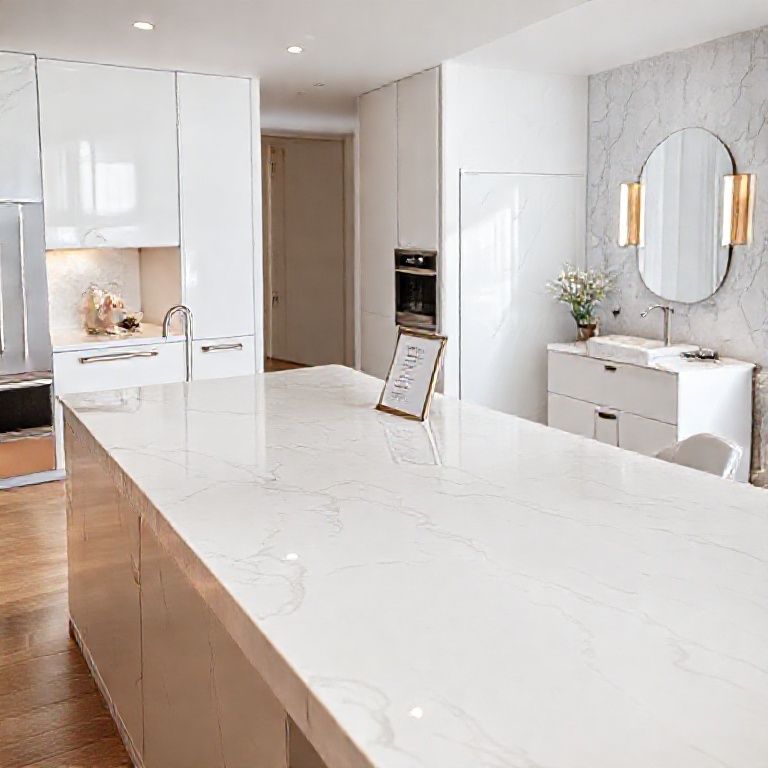
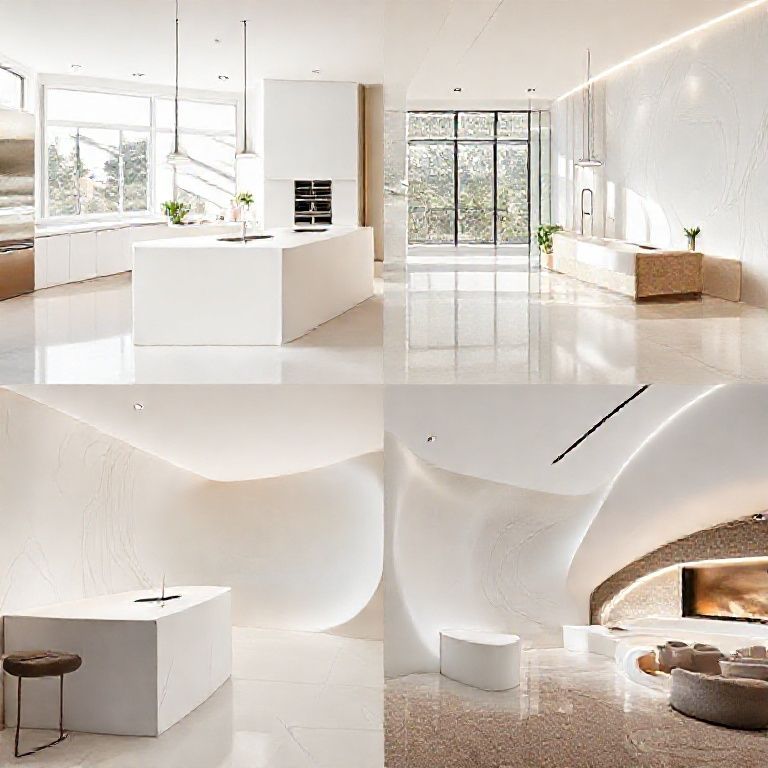
The Ten Hidden Drawbacks of Artificial Marble
${part1}
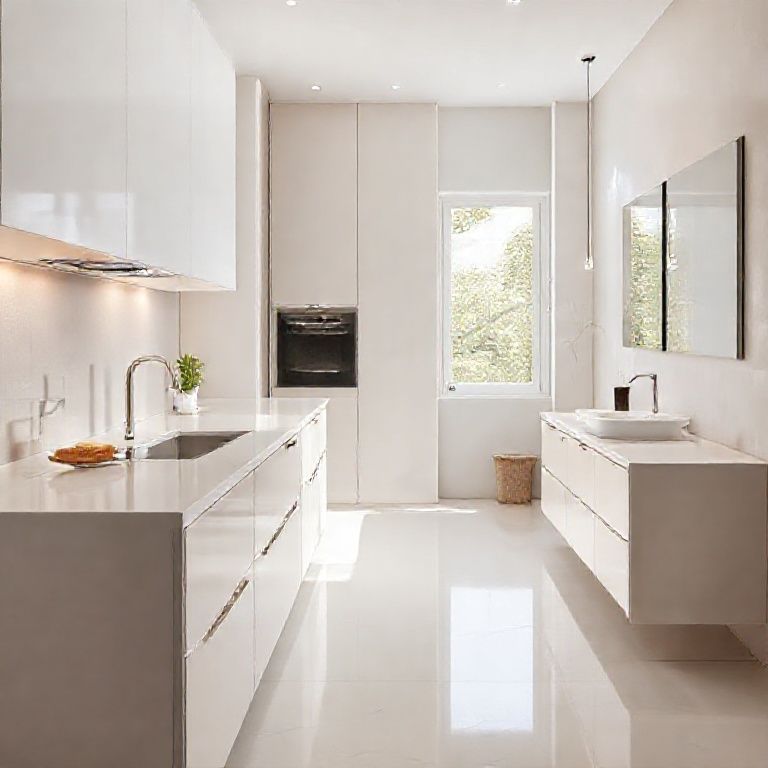
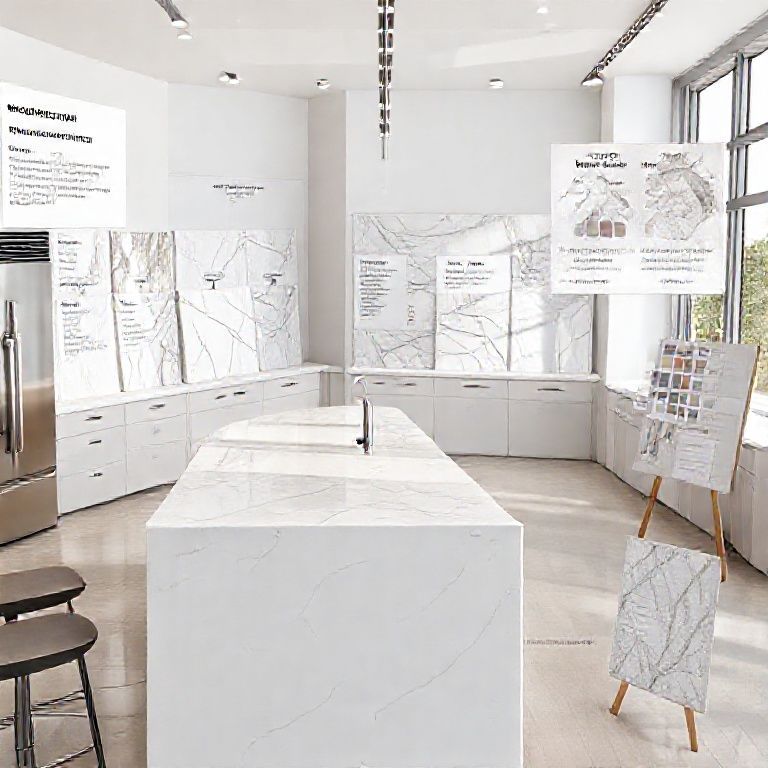
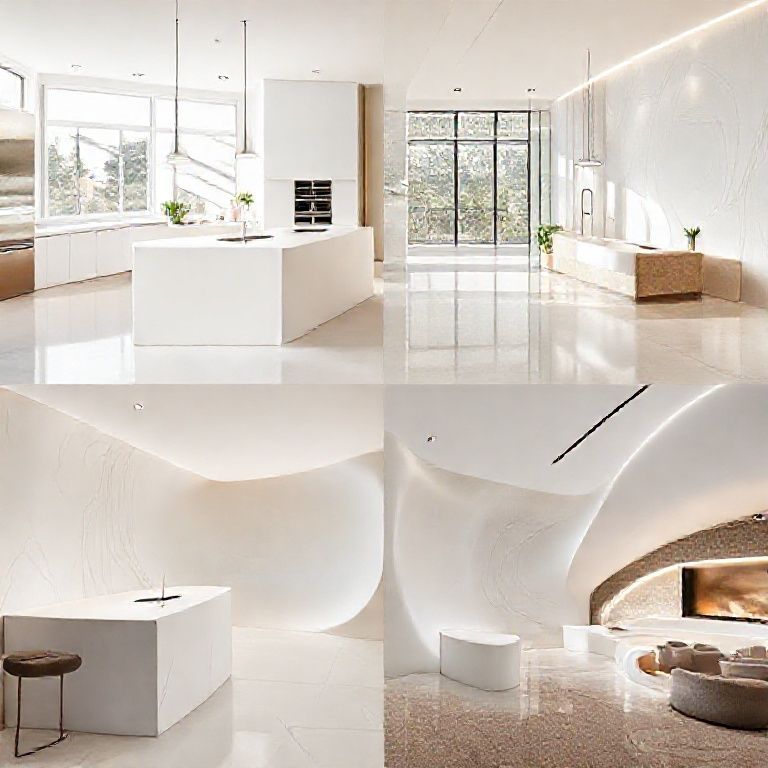
In the realm of interior design and home renovation, artificial marble has gained immense popularity due to its aesthetic appeal and perceived durability. Often touted as a cost-effective alternative to natural stone, artificial marble finds its way into kitchens, bathrooms, and other spaces. However, beneath its shiny surface lies a series of hidden drawbacks that many homeowners and designers overlook. Let’s delve into the top ten disadvantages of artificial marble that you should be aware of.

1. Aesthetic Limitations
While artificial marble offers a variety of colors and designs, it often lacks the natural beauty and unique veining found in natural stone. The uniformity in color and pattern can make artificial marble look artificial and less appealing in certain settings.
2. Low Resistance to Stains
One of the most glaring drawbacks of artificial marble is its low resistance to stains. Unlike natural stone, which can be sealed to repel stains, artificial marble tends to absorb liquids, leaving unsightly marks. This makes it unsuitable for high-traffic areas where spills are common.
3. Scratch and Chip Vulnerability
Although artificial marble is marketed as a durable material, it is surprisingly prone to scratches and chips. Everyday activities such as placing hot pots or sharp objects on the surface can cause significant damage. This makes it a less reliable choice for areas where heavy use is anticipated.
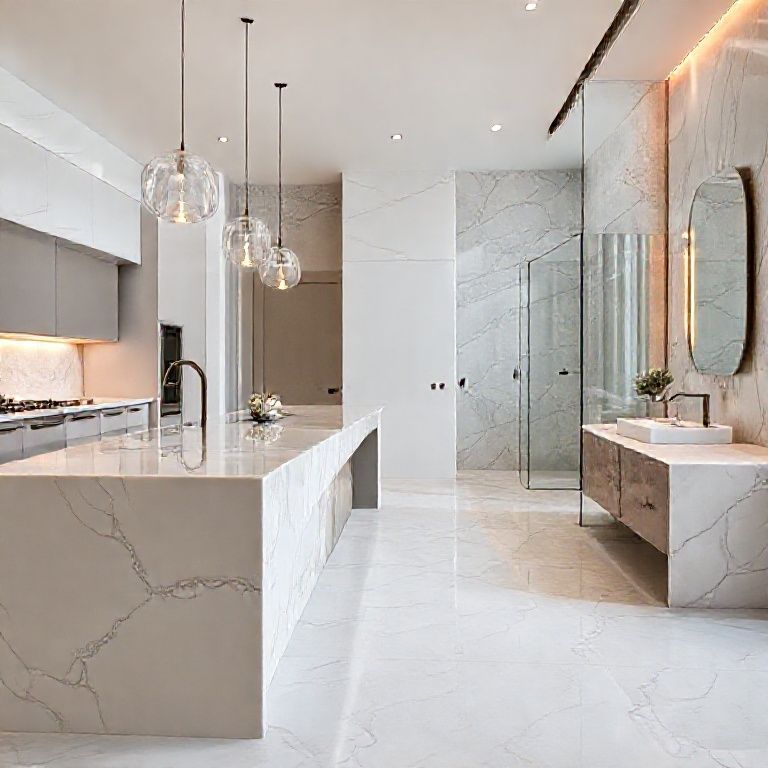
4. Limited Heat Resistance
Artificial marble often has limited heat resistance compared to natural stone. Prolonged exposure to high temperatures can cause the material to deform or crack. This makes it unsuitable for countertops that need to withstand hot cookware.
5. Maintenance Requirements
Maintaining artificial marble requires regular cleaning and sealing. Unlike natural stone, which often only needs occasional maintenance, artificial marble requires frequent cleaning to keep it looking fresh. Failure to maintain it properly can lead to a build-up of grime and stains, further diminishing its appearance.
6. Environmental Concerns
The production of artificial marble involves various chemicals and synthetic materials, which can pose environmental concerns. The manufacturing process often releases volatile organic compounds (VOCs) that can contribute to indoor air pollution. Additionally, the disposal of artificial marble can be problematic, as it is not biodegradable.
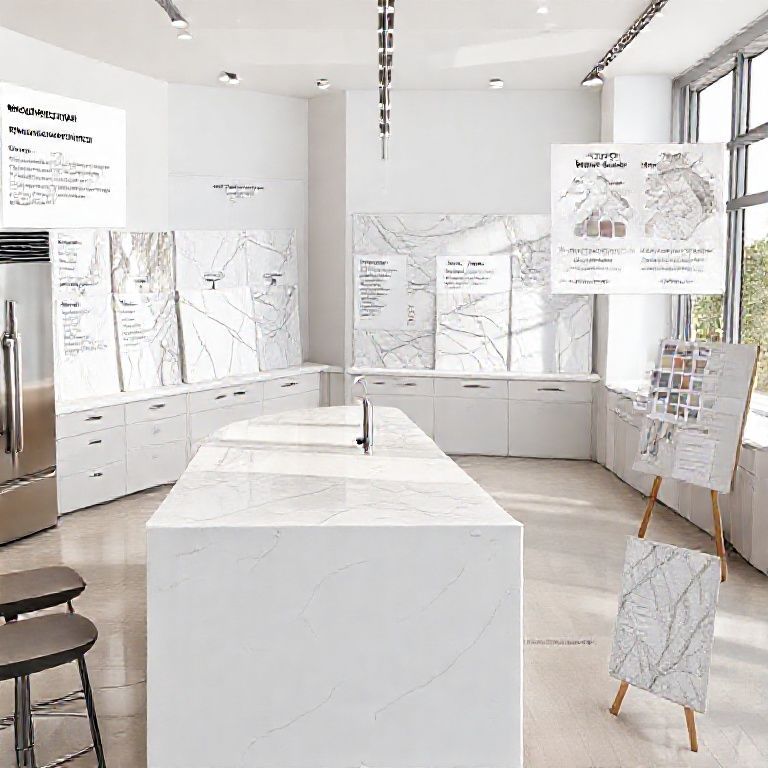
7. Inconsistent Quality
The quality of artificial marble can vary significantly between manufacturers and even batches. Some pieces may have inconsistencies in color, texture, or strength, leading to a less uniform appearance and potential structural weaknesses.
8. Limited Customization Options
While artificial marble offers a range of designs, its customization options are limited compared to natural stone. Achieving a unique, personalized design can be challenging, as the material is primarily manufactured in standard sizes and patterns.
9. Cost of Repairs
Repairing artificial marble can be both time-consuming and costly. Unlike natural stone, which can often be resurfaced or patched, fixing damaged artificial marble usually requires replacing the entire piece, which can be expensive.
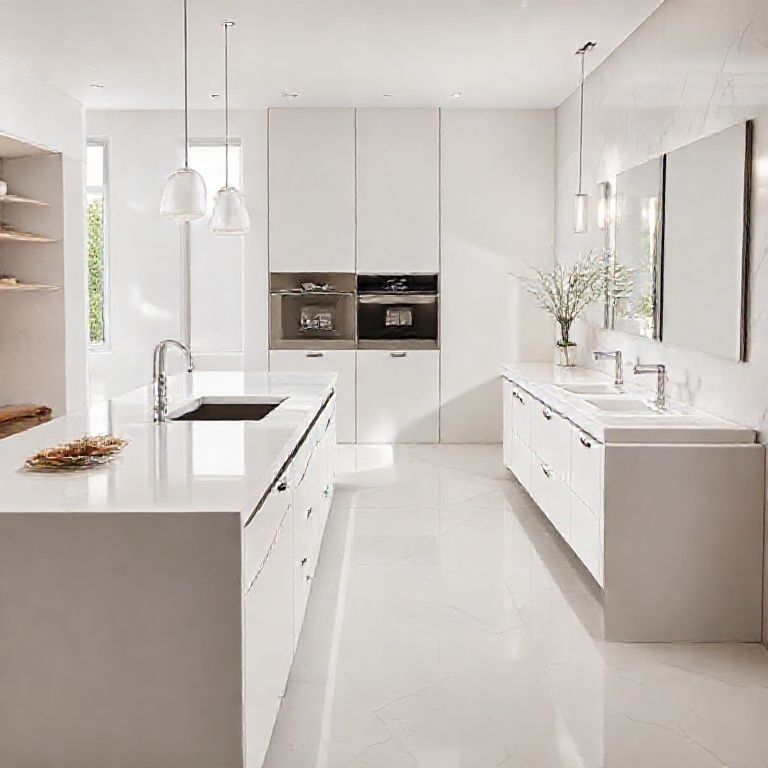
10. Longevity Issues
Artificial marble has a shorter lifespan compared to natural stone. Over time, it can lose its color and texture, requiring frequent touch-ups and re-sealing to maintain its appearance. This continual upkeep can add to the long-term cost of ownership.
By understanding these ten hidden drawbacks, homeowners and designers can make more informed decisions about the use of artificial marble in their spaces. While it may offer an attractive and affordable option initially, the long-term implications may not align with everyone’s expectations.
The Ten Hidden Drawbacks of Artificial Marble
${part2}
Continuing our deep dive into the drawbacks of artificial marble, this part will explore further critical issues that affect its suitability for various applications. From durability concerns to the impact on indoor air quality, we will uncover the hidden pitfalls that often go unnoticed.
11. Poor Chemical Resistance
Artificial marble is not as resistant to chemicals as natural stone. Acids, alkalines, and other household cleaning agents can damage the surface, leading to discoloration and deterioration. This makes it unsuitable for areas where frequent use of cleaning products occurs.
12. Thermal Expansion and Contraction
Artificial marble exhibits significant thermal expansion and contraction compared to natural stone. This can lead to cracking and other structural issues, especially in areas with fluctuating temperatures. It’s crucial to consider this factor when using artificial marble in environments with temperature variations.
13. Poor Sound Insulation
One of the often-overlooked drawbacks of artificial marble is its poor sound insulation properties. Unlike natural stone, which can absorb sound, artificial marble tends to reflect sound, making it less suitable for areas where noise reduction is a priority.
14. Water Absorption
Although artificial marble is marketed as a low-maintenance option, it still absorbs water, which can lead to the growth of mold and mildew over time. This is particularly problematic in bathrooms and other high-humidity areas.
15. Fading Over Time
Artificial marble can suffer from fading over time, especially when exposed to direct sunlight. This can lead to a loss of color and overall aesthetic appeal, requiring frequent touch-ups and maintenance.
16. Installation Challenges
Installing artificial marble can be more challenging than natural stone due to its brittle nature. The process often requires precise cutting and fitting, and any mistakes can lead to significant structural issues. Professional installation is often necessary to ensure the best results.
17. Allergenic Potential
Some components of artificial marble, such as resins and synthetic additives, can release allergens into the air. This poses a risk for individuals with allergies or respiratory conditions, making it a less suitable choice for those concerned about indoor air quality.
18. Ethical Concerns
The production of artificial marble often involves synthetic processes that may raise ethical concerns. The use of non-renewable resources and the potential for environmentally harmful practices can be a consideration for environmentally conscious consumers.