The Aesthetic and Practical Benefits of Artificial Marble
Artificial marble, often referred to as engineered stone, has revolutionized the world of interior design and architecture. This material, known for its luxurious appearance and practical benefits, has become a preferred choice for many homeowners and designers. Let’s delve into the multifaceted advantages of artificial marble and explore its cost per square foot in more detail.

The Aesthetic Allure of Artificial Marble
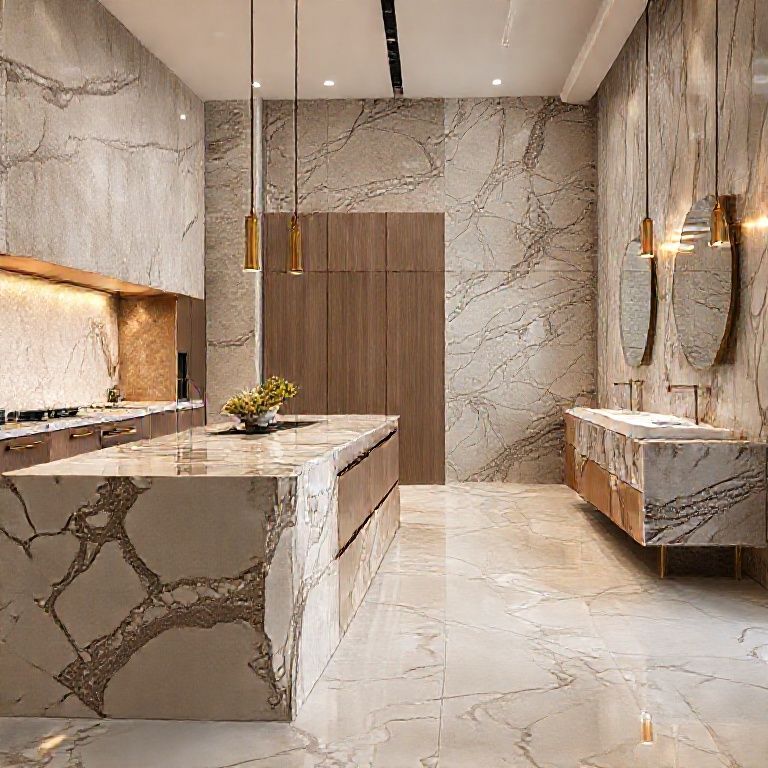
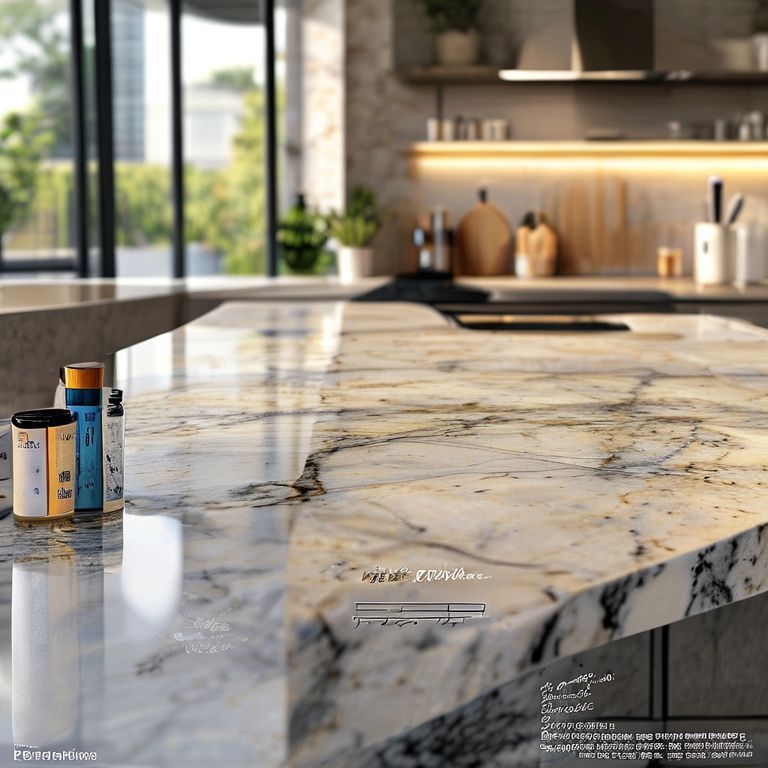
Artificial marble stands out for its stunning visual appeal. This material mimics the natural beauty of traditional marble while offering a broader spectrum of colors and patterns. It’s available in various finishes, from sleek, modern designs to more traditional looks, allowing for endless customization possibilities. The ability to create unique patterns and hues makes artificial marble a versatile option for any design project.
1. Versatility in Design
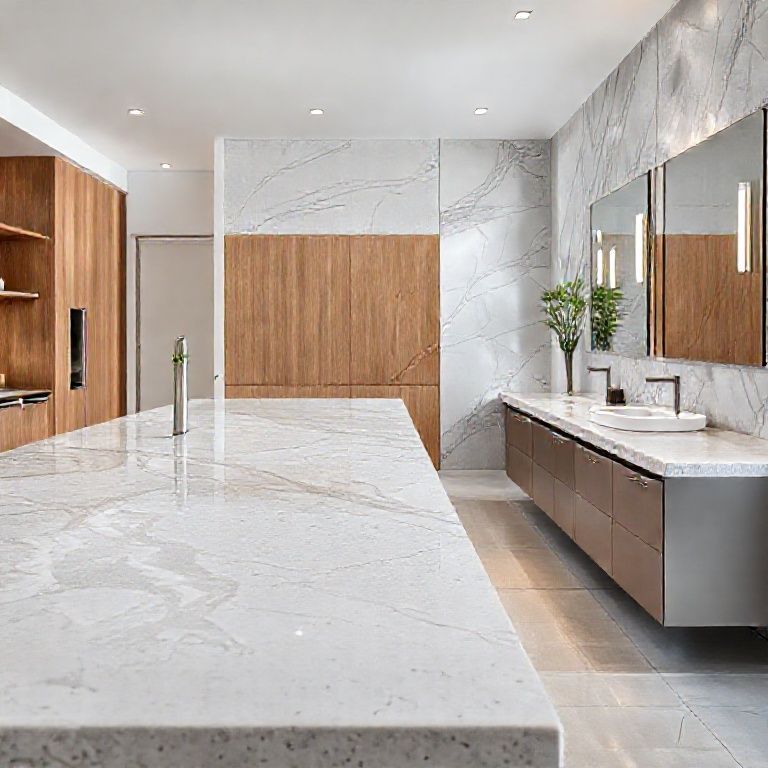
Artificial marble can be crafted to resemble a wide range of natural stones, including marble, granite, and even wood. This versatility allows designers to create custom designs that match specific aesthetic goals. Whether you’re looking for the elegant look of a classic marble countertop or the rustic charm of natural stone, artificial marble can be tailored to fit your vision.
2. Unmatched Durability
One of the key advantages of artificial marble is its durability. Unlike natural stone, which can be prone to scratches, chips, and staining, artificial marble is engineered to withstand everyday wear and tear. This makes it an excellent choice for high-traffic areas such as kitchens and bathrooms. Additionally, it’s resistant to water and heat, ensuring longevity and low maintenance.
Practical Benefits of Artificial Marble
Beyond its aesthetic appeal, artificial marble offers several practical benefits that make it an attractive option for both residential and commercial spaces.
1. Cost-Effectiveness
The cost per square foot of artificial marble is often more competitive compared to natural stone, making it a budget-friendly choice without compromising on quality. The production process of artificial marble is more controlled, which results in more consistent pricing. Additionally, the durability of artificial marble reduces the need for frequent replacement, providing long-term savings.
2. Easy Maintenance
Artificial marble is easy to clean and maintain. It doesn’t require sealing like natural stone, which simplifies the cleaning process. A simple wipe-down with a damp cloth and mild detergent is usually sufficient to keep it looking pristine. This ease of maintenance makes artificial marble a practical choice for busy households and commercial spaces.
3. Environmentally Friendly
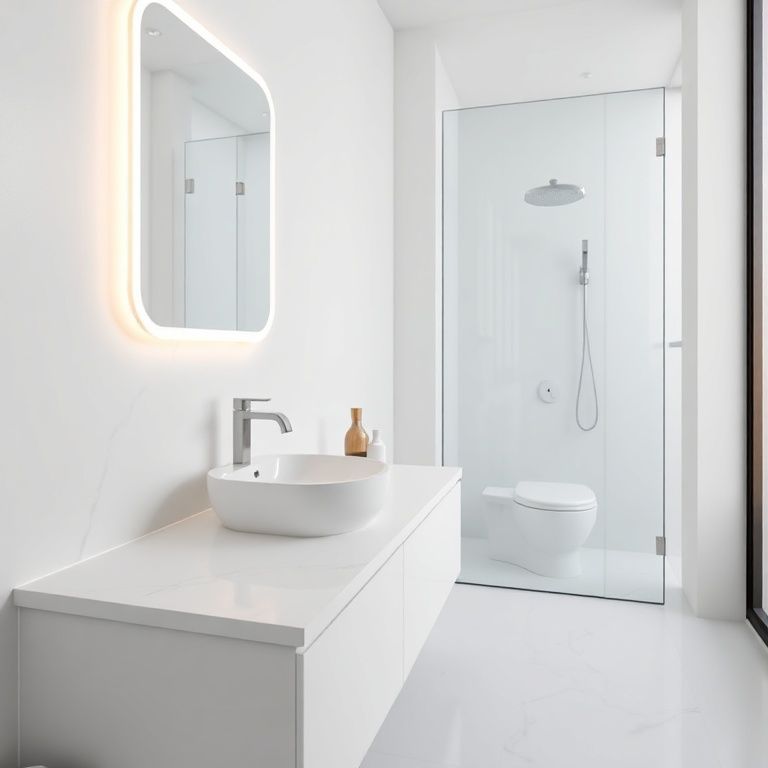
Artificial marble is a more sustainable option compared to natural stone. The production process of natural stone often involves significant environmental impact, including land disruption and water usage. In contrast, artificial marble can be produced with less environmental footprint, making it a more eco-conscious choice.
4. Lightweight and Easy to Install
One of the less obvious but highly beneficial aspects of artificial marble is its lightweight nature. This makes it easier to handle and install compared to heavier natural stone materials. Professional installers can complete projects more efficiently, reducing labor costs and time.
Cost Per Square Foot of Artificial Marble
Understanding the cost per square foot of artificial marble is crucial for anyone considering this material for their project. Here’s a detailed breakdown:
1. Price Range
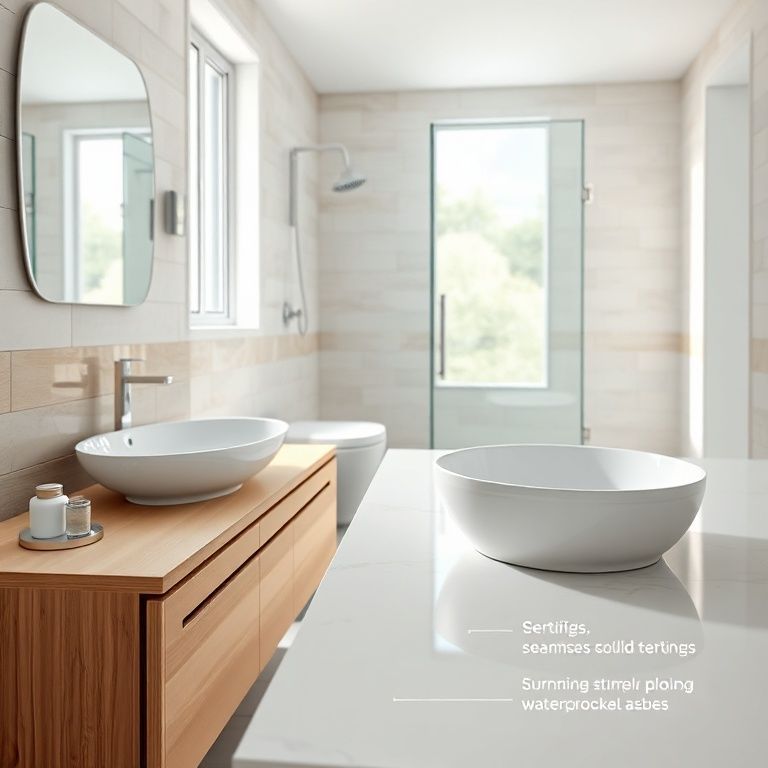
The cost per square foot of artificial marble typically ranges from $15 to $50, depending on the quality, design, and specific type of artificial marble. Higher-end designs and custom colors can push the price higher, while more standard options can be found within the lower end of the spectrum.
2. Factors Influencing Cost
Several factors influence the cost of artificial marble per square foot:
Quality: Higher quality materials with intricate designs and vibrant colors tend to cost more. Design: Custom designs and patterns increase the cost due to the complexity of the manufacturing process. Labor: The cost of installation can vary based on the intricacy of the project and the expertise required. Shipping and Handling: Costs can vary based on the distance and complexity of the shipping process.
Conclusion
Artificial marble is a remarkable material that combines the beauty of natural stone with the practicality and affordability of engineered materials. Its versatility, durability, and ease of maintenance make it an excellent choice for a wide range of applications. While the cost per square foot varies based on several factors, artificial marble offers significant value for both residential and commercial projects. As we continue to explore the advantages of artificial marble in the next part, we’ll delve deeper into specific applications and further cost considerations.
Specific Applications and Long-Term Value of Artificial Marble
Having explored the aesthetic and practical benefits of artificial marble, let’s dive deeper into specific applications where this material truly shines. We’ll also discuss the long-term value and cost-effectiveness of artificial marble, providing a comprehensive understanding of why it’s an excellent choice for various design projects.
Applications of Artificial Marble
Artificial marble’s versatility makes it suitable for numerous applications across different areas of a home or building. Here are some of the most common uses:
1. Countertops
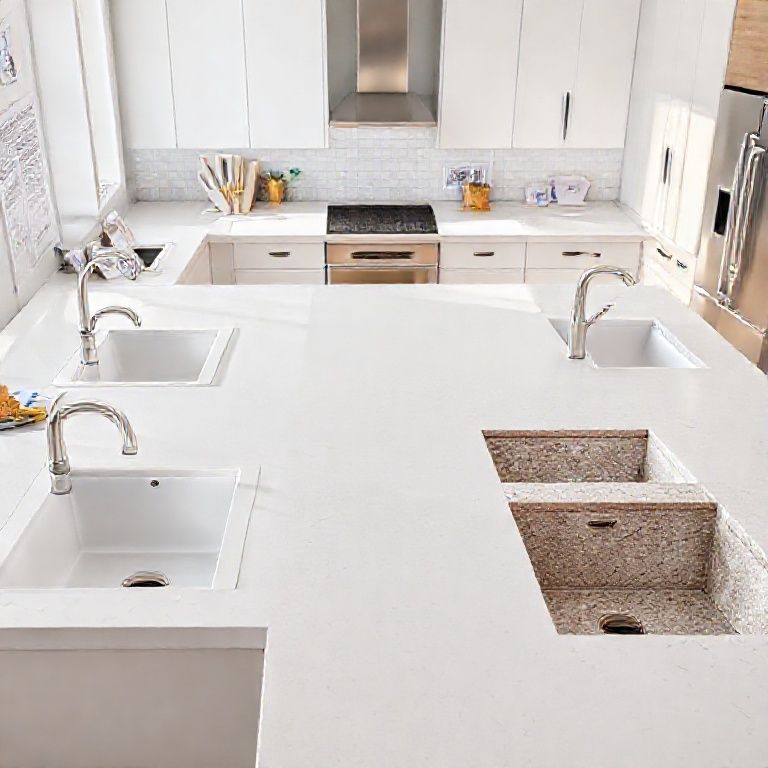
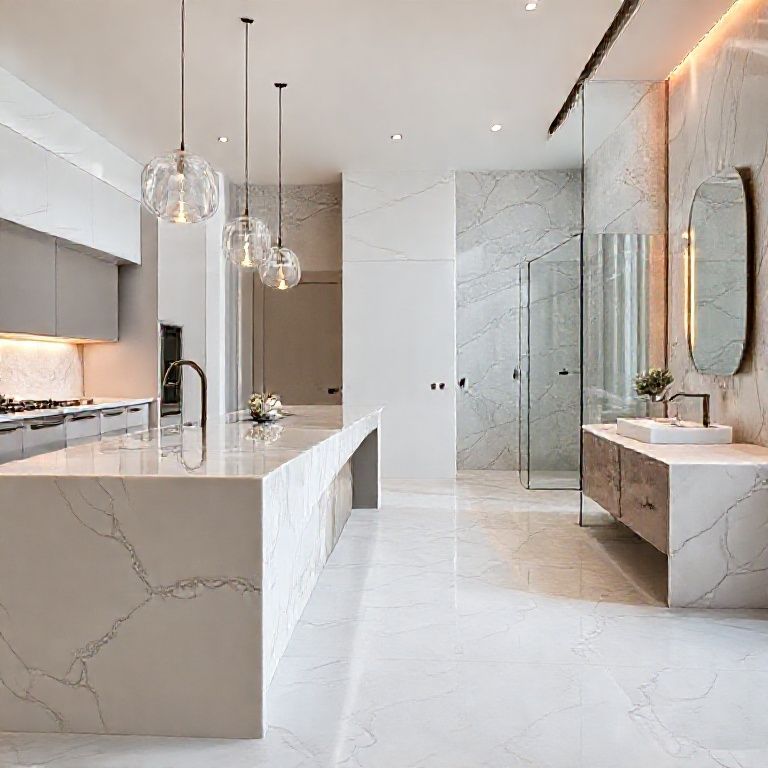
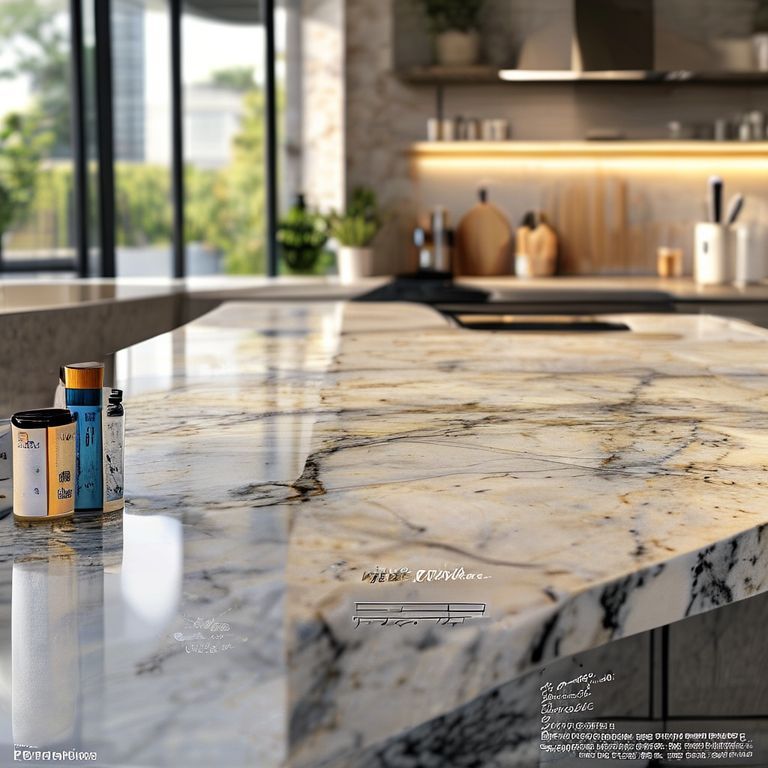
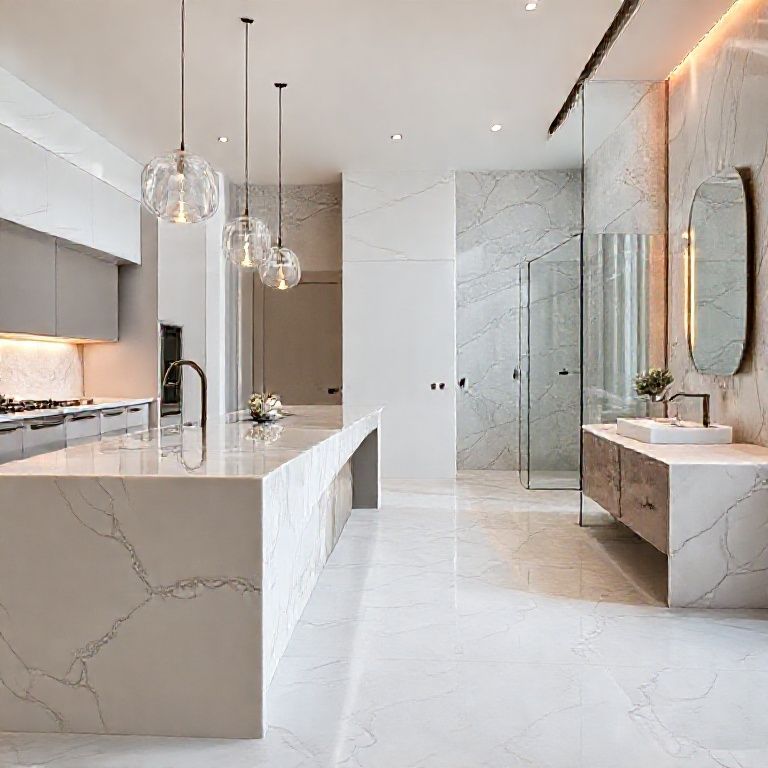
One of the most popular uses of artificial marble is for countertops. Its ability to mimic the beauty of natural marble while being more durable and affordable makes it a favorite in kitchens and bathrooms. Artificial marble countertops are available in a variety of designs, colors, and finishes, allowing for a personalized look that complements any kitchen or bathroom decor.
2. Backsplashes
Artificial marble is also an excellent choice for backsplashes. Its durability and resistance to stains and scratches make it perfect for areas that may experience spills and splashes. The variety of colors and patterns available allows for creative and eye-catching designs that can enhance the overall look of a kitchen or bathroom.
3. Flooring
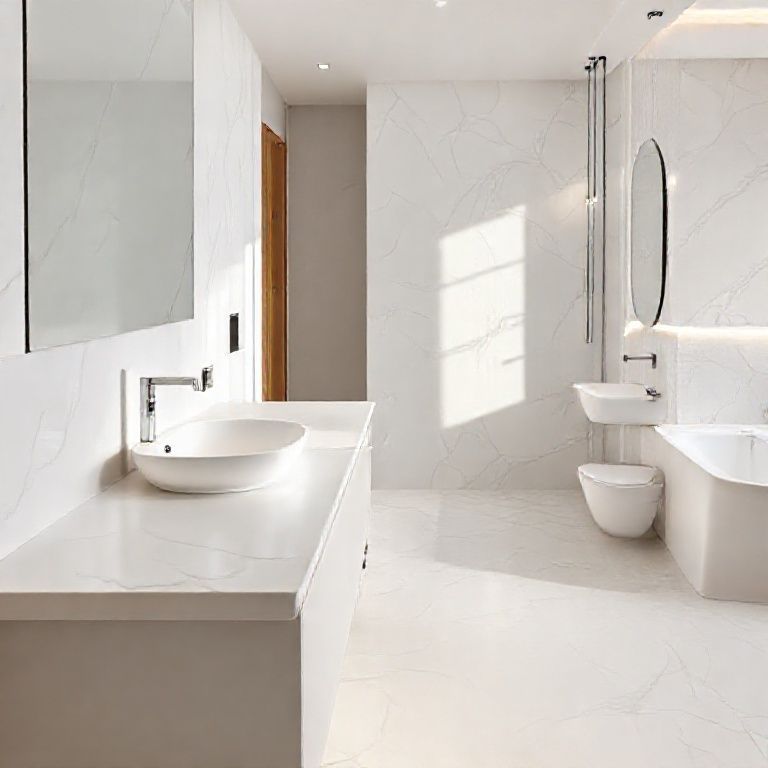
While less common than countertops and backsplashes, artificial marble can also be used for flooring. Its durability and resistance to water make it suitable for bathrooms and other areas that may experience moisture. While traditional marble flooring is often more expensive, artificial marble offers a cost-effective alternative without sacrificing quality.
4. Vanity Tops
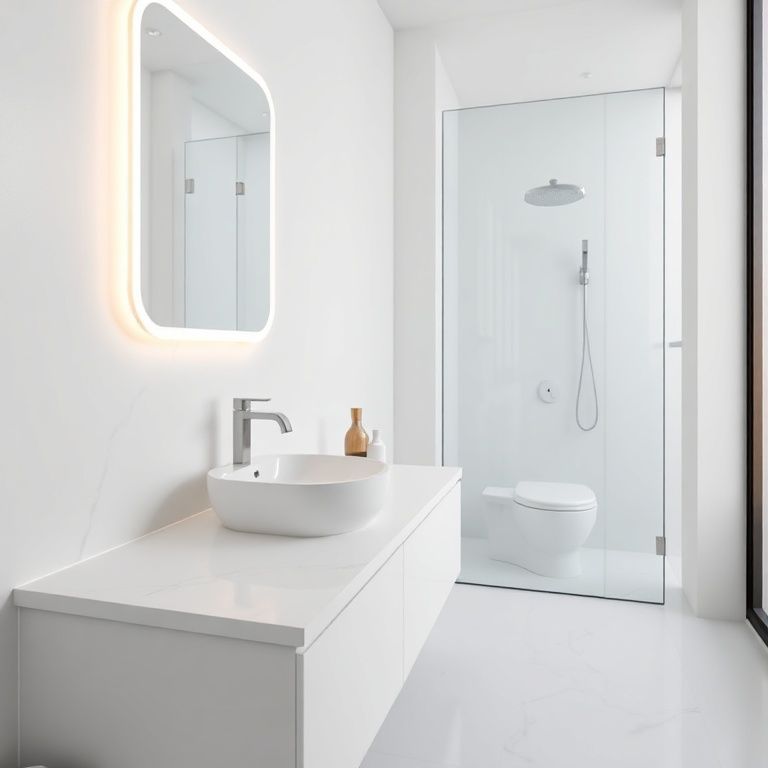
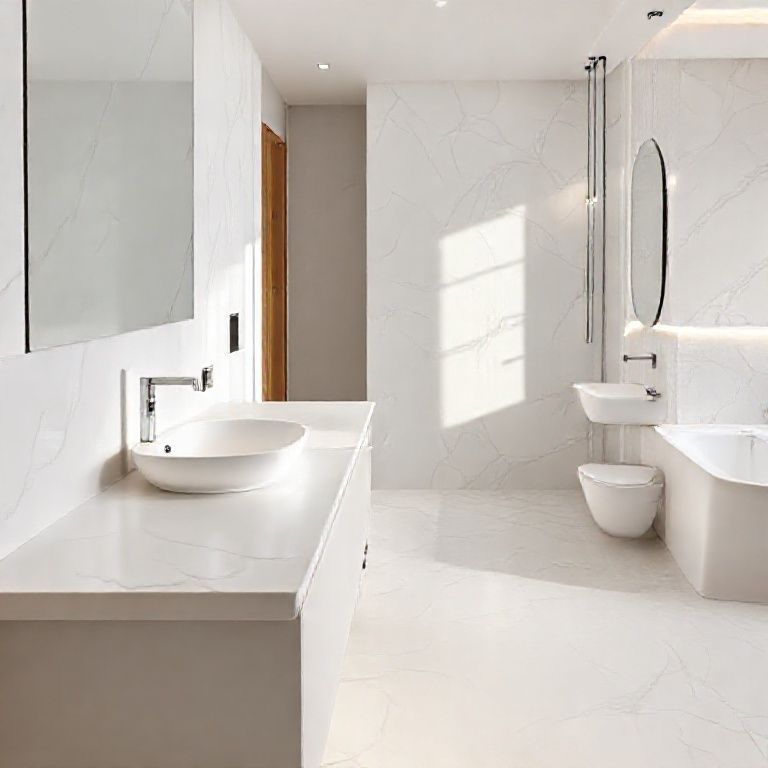
For bathroom vanities, artificial marble provides a luxurious and durable option. Its aesthetic appeal and low maintenance requirements make it ideal for areas where durability and appearance are important. The ability to create custom designs allows for unique vanity tops that can complement the overall bathroom design.
5. Bar Tops
In commercial settings, artificial marble is often used for bar tops. Its durability and resistance to spills make it an excellent choice for high-traffic areas. The variety of designs available allows for creative and stylish bar tops that can enhance the overall ambiance of a bar or restaurant.
Long-Term Value and Cost-Effectiveness
Artificial marble offers significant long-term value and cost-effectiveness compared to other materials. Here’s a closer look at why this material is an excellent investment:
1. Durability and Low Maintenance
Artificial marble’s durability is one of its most significant advantages. Unlike natural stone, which can be prone to scratches, chips, and staining, artificial marble is engineered to withstand everyday wear and tear. This means fewer replacements and lower maintenance costs over time. Additionally, its low maintenance requirements make it an ideal choice for busy households and commercial spaces.
2. Cost Savings Over Time
While the initial cost per square foot of artificial marble may be higher than some other materials, the long-term savings often outweigh this initial investment. The durability of artificial marble means fewer replacements, reducing the need for frequent maintenance and costly repairs. This translates to significant savings over time, making it a cost-effective choice in the long run.
3. Versatility and Customization
The versatility of artificial marble allows for endless customization possibilities. Whether you’re looking for a specific color, pattern, or design, artificial marble can be tailored to fit your exact needs. This flexibility often results in a more personalized and unique look that enhances the overall aesthetic of a space.
4. Environmental Impact
Artificial marble is a more sustainable option compared to natural stone. The production process of natural stone can have significant environmental impacts, including land disruption and water usage. In contrast, artificial marble can be produced with a lower environmental footprint, making it a more eco-conscious choice.
Case Studies and Real-Life Examples
To further illustrate the benefits of artificial marble, let’s look at some real-life examples and case studies:
1. Residential Kitchens
In a recent renovation project, a homeowner opted for artificial marble countertops in their kitchen. The homeowner chose a custom design with intricate patterns and vibrant colors. The result was a stunning, durable countertop that enhanced the kitchen’s overall look while providing low maintenance requirements. The initial cost per square foot was higher than traditional options, but the long-term savings and aesthetic appeal made it a worthwhile investment.
2. Commercial Bars
A popular bar in the city decided to upgrade their bar tops with artificial marble. They selected a unique design that combined multiple colors and patterns to create a vibrant and eye-catching look. The bar tops not only enhanced the ambiance of the bar but also provided durability and resistance to spills and stains. The initial cost was competitive, and the long-term savings from reduced maintenance and fewer replacements made it a cost-effective choice.
3. Luxury Bathrooms
A luxury hotel opted for artificial marble for继续探讨人造大理石(又称工程石或人造石材)的应用和其他潜在优点,可以发现它在现代建筑和家装中的广泛应用。
安全性与健康考虑
无有害化学物质: 与天然大理石和花岗岩等天然石材不同,人造大理石通常不含放射性物质,这对于家庭和办公环境的安全性非常重要。它也不含甲醛等有害化学物质,对人体健康更为安全。
无菌: 由于人造大理石是在工厂中精心制造的,其表面几乎不含细菌和其他微生物,这对于医院、实验室等对卫生要求极高的场所尤其适用。
安装与维护
便于安装: 由于人造大理石的质地相对较轻,安装过程更为简单。专业的安装人员可以轻松完成,减少了施工难度和时间。
易清洁: 人造大理石表面光滑,不易渗漏,清洁也相对简单。只需用中性清洁剂和湿布即可保持其光洁如新,不需要像天然石材那样进行定期的封闭处理。
经济性
性价比高: 尽管人造大理石的初始成本可能高于一些廉价材料,但其耐用性和低维护需求使得其长期使用的成本更为经济。减少了因损坏和维护导致的额外费用。
多样化选择: 人造大理石可以通过不同的工艺和材料配比,制成各种颜色和纹理,满足不同设计需求,同时也提供了多样化的选择,以满足不同预算和设计风格的需求。
环保与可持续性
减少浪费: 由于人造大理石是在工厂中精制的,减少了对天然石材的开采,从而减少了环境破坏和资源浪费。
循环利用: 工业废料和再生材料可以被用于生产人造大理石,这使得其在环保和可持续性方面具有更高的优势。
创新与设计
设计自由度: 由于可以在微观结构和表面处理上进行精细调控,人造大理石可以实现许多传统天然石材无法达到的效果。例如,可以模仿任何一种自然纹理,甚至是一些超现实的效果。
创新应用: 现代科技的进步使得人造大理石可以应用在更多创新领域,比如智能家居、互动屏幕等,为设计师和工程师提供了更多的创作空间。
结论
人造大理石作为一种现代化的建筑材料,不仅在美观性、耐用性和维护方便性上表现出色,还在环保性和经济性方面具有显著优势。无论是在住宅、商业建筑还是公共设施中,它都能为设计师和建筑工程师提供丰富的选择,满足多样化的需求。