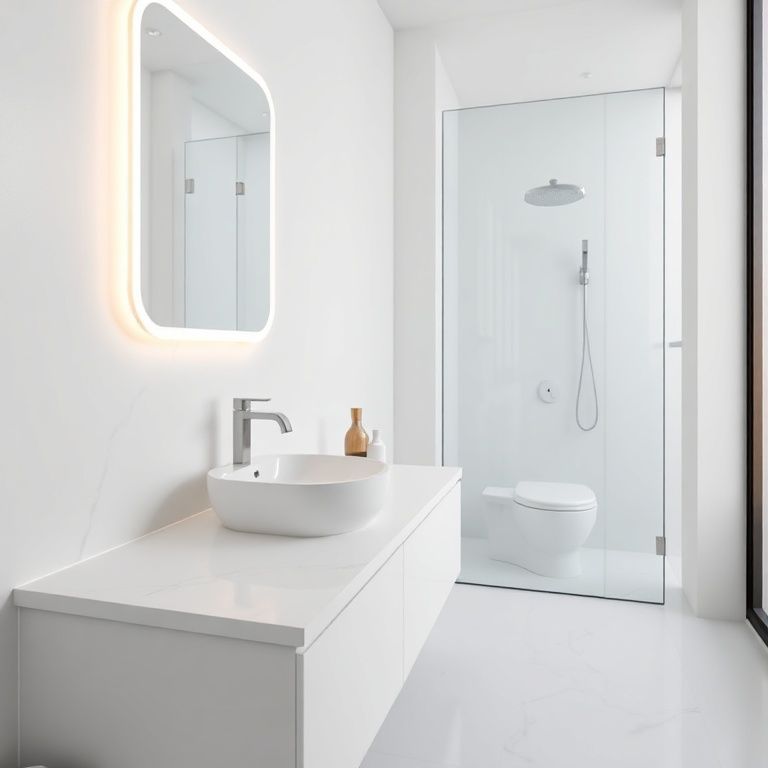
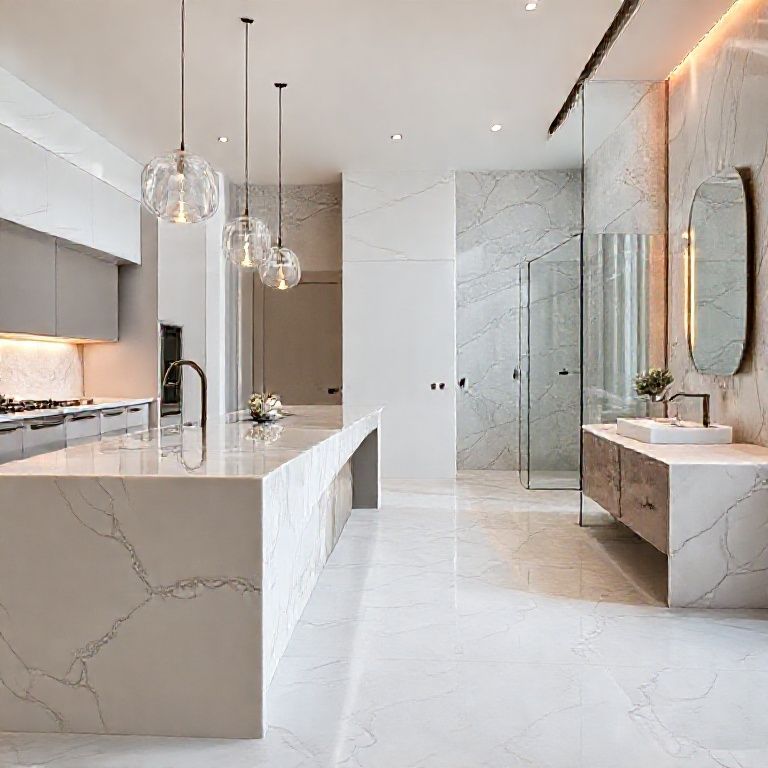
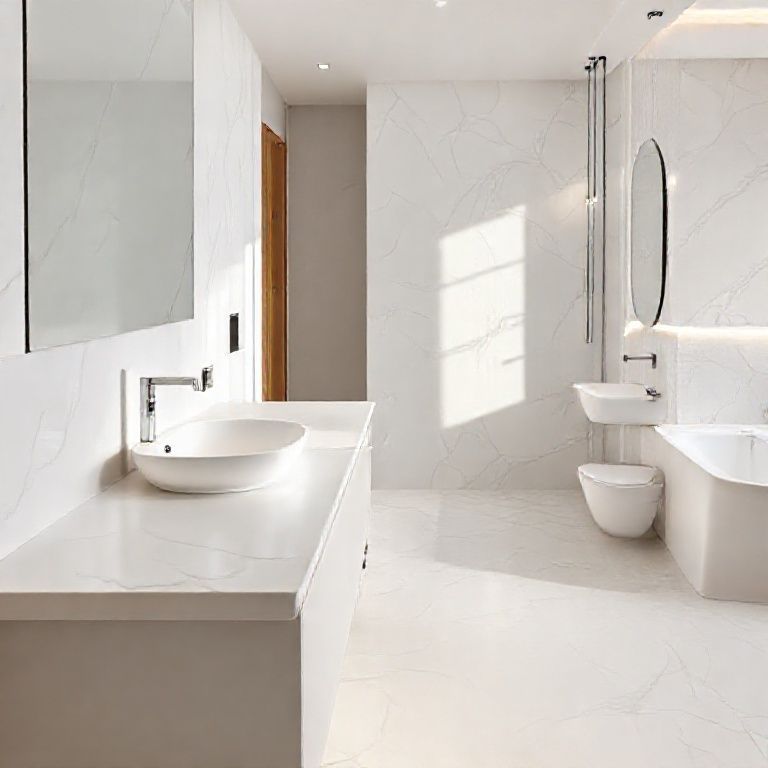
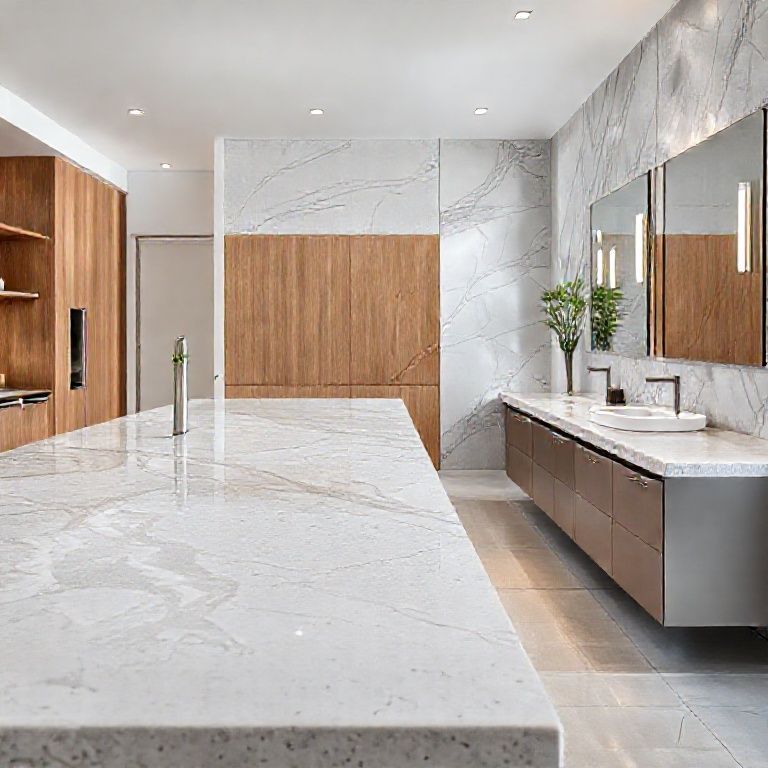
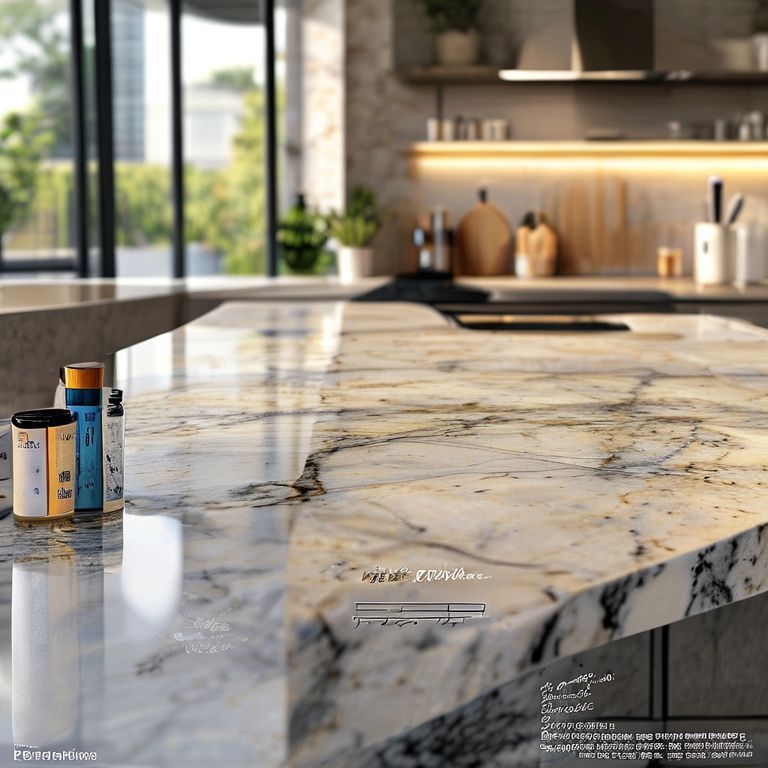
Dive deep into the world of “synthetic marble per meter price” in this comprehensive guide. From the latest trends to the best deals, we cover everything you need to know about the cost, benefits, and application of engineered marble. Discover why this luxurious material is becoming the new standard in interior design.

synthetic marble, engineered marble price per meter, marble countertop cost, luxury flooring, modern design, home renovation, marble alternatives, home decor, high-end materials
Unveiling the Magic of Engineered Marble: A Comprehensive Guide to “Synthetic Marble per Meter Price”
In today’s world of interior design and home renovation, the quest for luxurious, long-lasting, and versatile materials often leads us to “synthetic marble per meter price.” Engineered marble, also known as synthetic or man-made marble, has emerged as a popular alternative to traditional natural marble. This material, celebrated for its beauty, durability, and cost-effectiveness, offers a myriad of benefits that make it an attractive choice for both residential and commercial spaces.
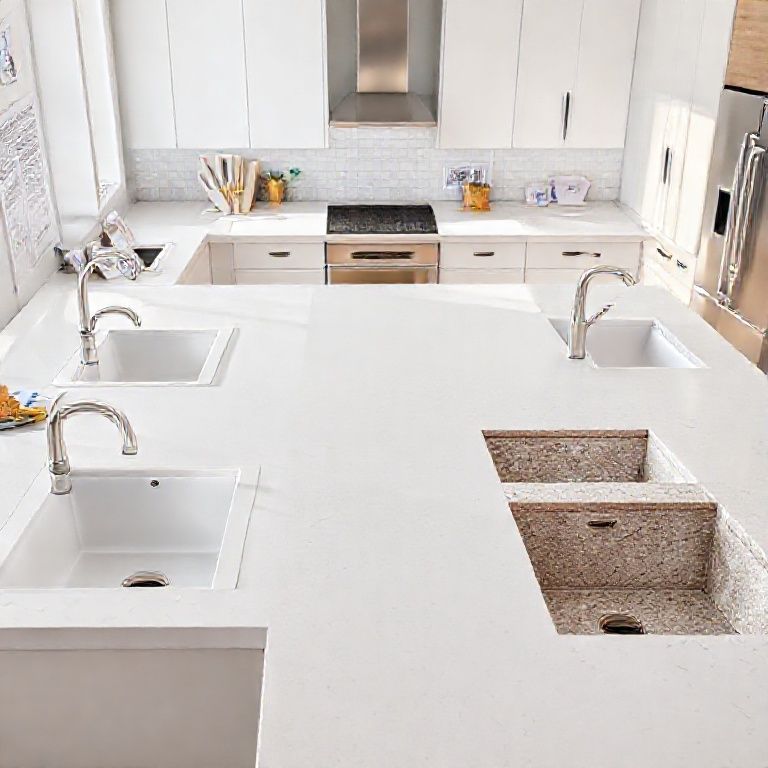
What is Engineered Marble?
Engineered marble is a composite material made from a mixture of marble powder, resins, and other binding agents. This combination creates a solid surface that replicates the appearance of natural marble while offering enhanced durability and resistance to scratches, stains, and heat. Unlike natural marble, which is a natural stone and can vary greatly in color and pattern, engineered marble provides consistent and customizable aesthetics.
Why Choose Engineered Marble?
Cost-Effectiveness: One of the most significant advantages of synthetic marble is its affordability. While natural marble can be quite expensive due to its rarity and the cost of quarrying and transportation, engineered marble offers a more budget-friendly option without compromising on aesthetics. The “synthetic marble per meter price” is generally lower, making it accessible for a wide range of projects.
Durability: Engineered marble is designed to be more resistant to scratches, stains, and thermal damage compared to natural marble. This makes it ideal for high-traffic areas such as kitchens, bathrooms, and commercial spaces where durability is paramount.
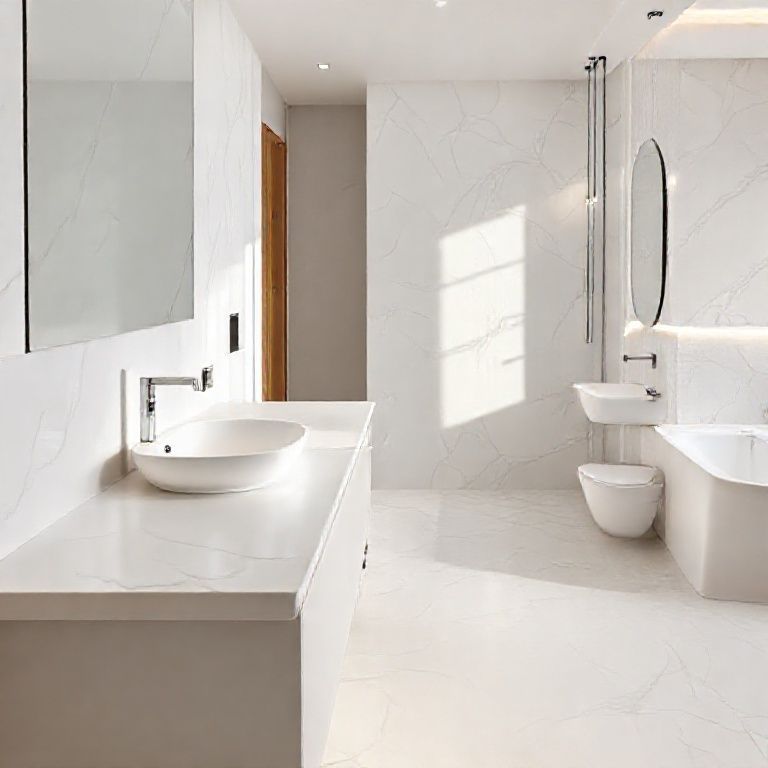
Customizability: The manufacturing process allows for a wide range of colors, patterns, and finishes. Homeowners and designers can choose from pre-designed options or work with manufacturers to create custom designs that perfectly match the desired aesthetic.
Ease of Installation: Engineered marble is typically available in large sheets, making it easier and more efficient to install compared to natural marble, which often requires cutting to fit specific spaces. This ease of installation can also reduce labor costs.
Maintenance: While natural marble requires regular sealing to maintain its beauty and prevent stains, engineered marble often requires minimal maintenance. Its resin-based composition provides a natural barrier against stains, making it easier to clean and maintain.
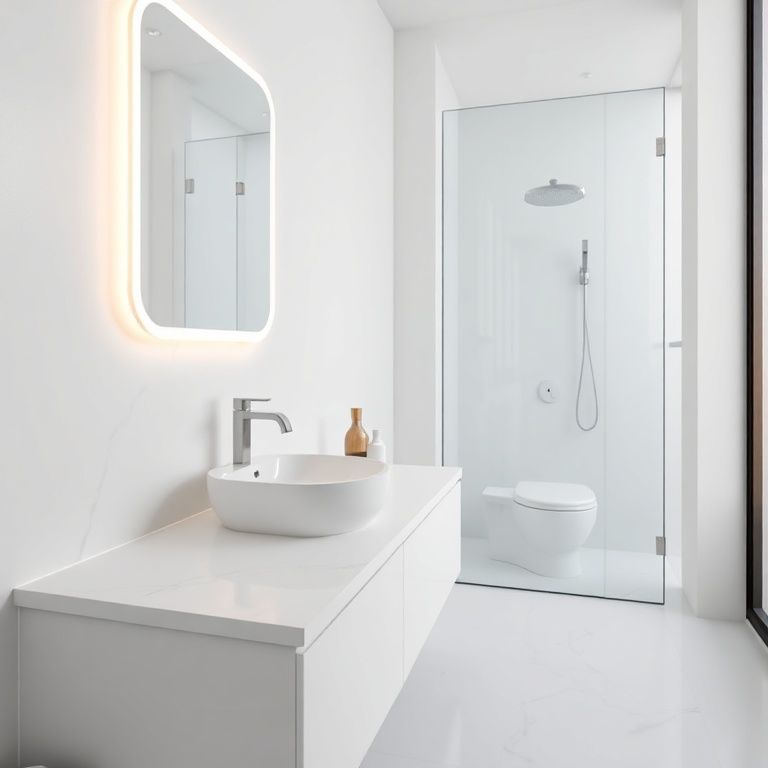
Factors Influencing Synthetic Marble per Meter Price
When considering the “synthetic marble per meter price,” several factors come into play:
Material Quality: The quality of the marble powder and resins used in the manufacturing process can significantly impact the price. Higher-quality materials will naturally cost more.
Design Complexity: Custom designs and intricate patterns can increase the cost. While these designs offer a unique and personalized touch, they also require more time and expertise to produce.
Brand and Manufacturer: Established brands and manufacturers often command higher prices due to their reputation for quality and reliability. However, this also means that you’re likely to receive a product that meets high standards.
Installation Costs: While the material itself is affordable, installation costs can vary based on the complexity of the project and the expertise of the installers. In some cases, DIY installation kits are available, which can help save on professional labor costs.
Trends in Engineered Marble
The market for engineered marble is continually evolving, with new trends and innovations shaping its future. Here are some of the latest trends:
Sustainability: As the demand for eco-friendly materials grows, many manufacturers are focusing on sustainable production processes. This includes using recycled materials and reducing waste in the manufacturing process.
Innovative Designs: Designers are exploring new and creative ways to use engineered marble, from unique patterns to unconventional shapes. This flexibility allows for more innovative and personalized designs.
Smart Technology Integration: Some manufacturers are incorporating smart technology into their engineered marble products, such as integrating sensors and touch-responsive features into countertops and flooring.
Aging and Weathering Effects: To mimic the natural aging process of natural marble, some manufacturers are developing engineered marble that can simulate weathering effects, giving it a more authentic and worn appearance.
Applications of Engineered Marble
Engineered marble is incredibly versatile and can be used in a wide range of applications:
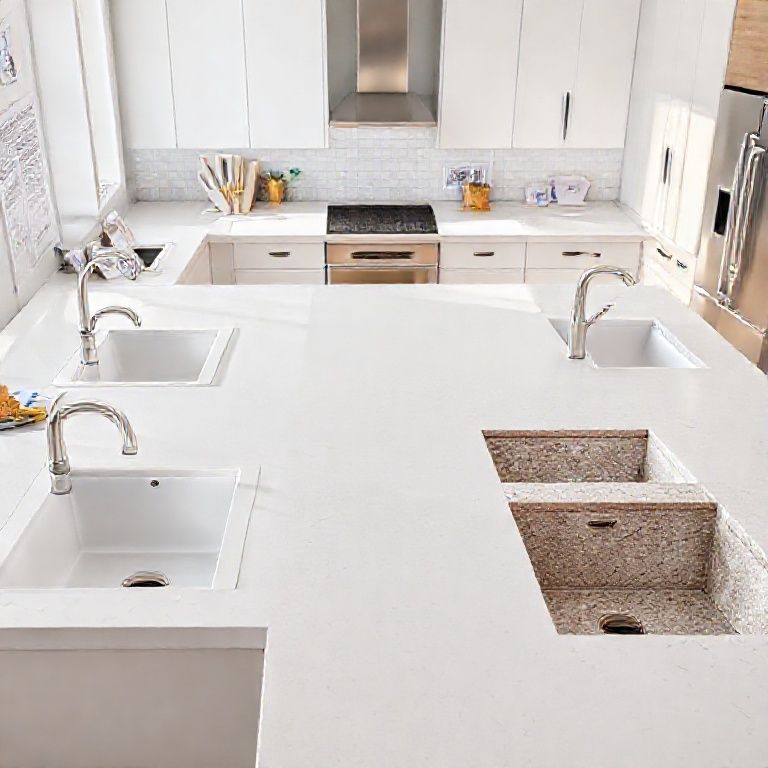
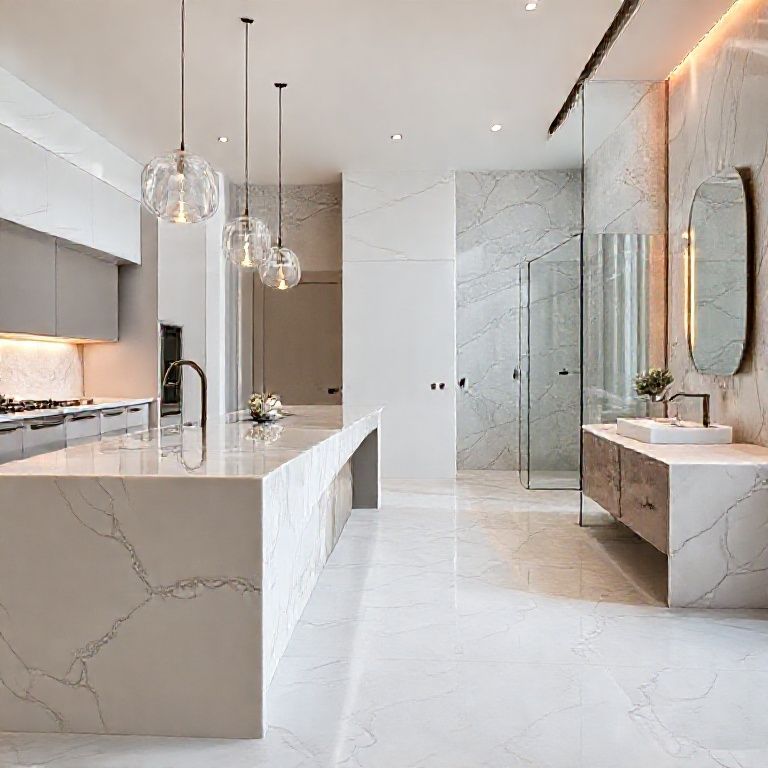
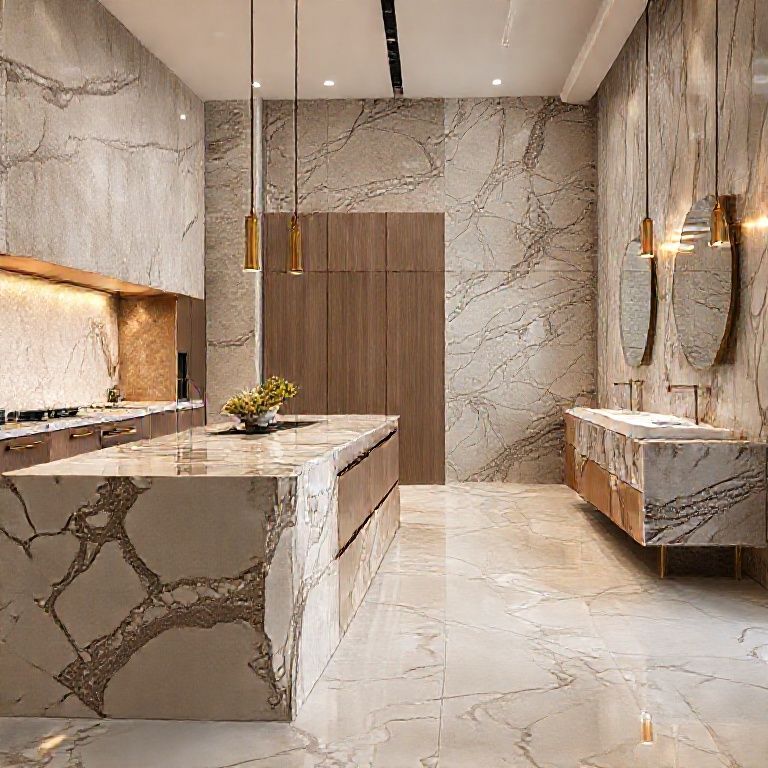
Countertops: One of the most popular uses for engineered marble is in kitchen and bathroom countertops. Its beauty and durability make it an excellent choice for creating stunning, long-lasting surfaces.
Flooring: While natural stone flooring can be expensive, engineered marble offers a cost-effective alternative that looks just as luxurious. It’s also easier to install and maintain.
Wall Cladding: Engineered marble can be used to clad walls, providing a striking and elegant finish that adds a touch of luxury to any space.
Furniture: High-end furniture manufacturers are increasingly using engineered marble for tabletops, shelves, and other elements, combining the aesthetic appeal of marble with practical benefits.
Commercial Spaces: From offices to restaurants, commercial spaces benefit greatly from the durability and design flexibility of engineered marble. It’s an excellent choice for areas where aesthetics and functionality are both important.
Unveiling the Magic of Engineered Marble: A Comprehensive Guide to “Synthetic Marble per Meter Price” (Continued)
In the previous segment, we explored the basics of engineered marble, its benefits, and various applications. Now, let’s delve deeper into the nuances of “synthetic marble per meter price,” providing a comprehensive understanding of what influences its cost and how to make the best choice for your project.
Understanding the Cost Structure
To fully grasp the “synthetic marble per meter price,” it’s essential to understand the cost structure behind this material. Several elements contribute to the overall cost, including material quality, design complexity, and installation.
Material Quality: The primary factor influencing the price is the quality of the materials used. High-grade marble powder and advanced resins are more expensive, resulting in a higher overall cost. However, these materials ensure superior durability and a more authentic marble appearance.
Design Complexity: Custom designs and intricate patterns require more time and expertise to create. This complexity often leads to a higher price per meter. Simpler designs and standard patterns are more cost-effective.
Brand and Manufacturer Reputation: Established brands and manufacturers often charge more due to their reputation for quality and reliability. While this comes at a higher price, it often provides peace of mind and assurance of product longevity.
Installation Costs: Although the material itself is affordable, installation costs can vary significantly. Professional installation ensures a flawless finish but may add to the overall expense. DIY installation kits are available for those comfortable with a hands-on approach, potentially reducing labor costs.
Comparing Synthetic Marble to Natural Marble
When comparing the “synthetic marble per meter price” to that of natural marble, several key differences emerge:
Cost: Natural marble is generally more expensive due to its rarity and the cost of quarrying, cutting, and transporting the stone. Engineered marble, on the other hand, offers a more affordable alternative without sacrificing aesthetics.
Durability: While natural marble is a natural stone and can be beautiful, it is also prone to scratches, stains, and thermal damage. Engineered marble is designed to be more resistant to these issues, providing enhanced durability and longevity.
Customizability: Natural marble comes in a variety of colors and patterns, but these can be inconsistent and unpredictable. Engineered marble allows for precise customization, ensuring consistent and reproducible designs.
Maintenance: Natural marble requires regular sealing to prevent stains and maintain its beauty. Engineered marble often has a natural barrier against stains, making it easier to clean and maintain.
Best Practices for Choosing Engineered Marble
When selecting engineered marble for your project, consider the following best practices to ensure you get the best value and quality:
Define Your Budget: Establishing a clear budget helps narrow down your options and ensures you find a material that meets your financial needs without compromising on quality.
Research Manufacturers: Look for reputable manufacturers with a proven track record of quality and reliability. Read reviews, check certifications, and consider getting multiple quotes to compare prices and offerings.
Evaluate Material Quality: Pay attention to the materials used in the manufacturing process. High-quality marble powder and advanced resins will ensure durability and a more authentic appearance.
Consider Design Needs: Determine whether you need a custom design or a standard pattern. Custom designs will cost more, but they offer unique and personalized aesthetics.
Plan for Installation: Decide whether you’ll hire a professional installer or use a DIY kit. Professional installation ensures a flawless finish but may add to the overall cost.
Innovative Uses of Engineered Marble
Engineered marble continues to push the boundaries of design and functionality, offering innovative uses that were once unimaginable:
实际应用
厨房和浴室台面: 由于其耐用性和易于清洁的特点,工程大理石非常适合用于厨房和浴室的台面。它可以提供现代、时尚的外观,同时减少维护工作量。
地板和墙面: 工程大理石地板和墙面装饰也越来越受欢迎。它们不仅美观,而且耐污、耐磨,适用于各种环境。
家具: 工程大理石也被广泛应用于高端家具,如餐桌、书桌和橱柜台面。其美观和耐用性使其成为家具制造中的热门选择。
商业空间: 在商业空间如办公室、餐馆、酒店和展览中心,工程大理石常被用于地板、墙面和隔断,以提供高端、现代的视觉效果。
最新技术进展
智能材料: 一些新型工程大理石已经开始集成智能技术,如传感器和光伏技术。这些创新不仅增加了材料的功能性,还提升了其市场价值。
可再生材料: 随着环保意识的增强,一些生产商开始探索使用可再生和可回收材料来制造工程大理石。这不仅有助于减少环境影响,还能吸引更多环保意识强的客户。
3D打印: 3D打印技术的进步使得制造复杂的工程大理石产品成为可能。这种技术不仅提高了生产效率,还能创造出以前无法实现的设计。
管理和维护
清洁和保养: 虽然工程大理石比天然大理石更耐用,但仍需适当的清洁和保养。建议使用中性清洁剂和柔软的布进行清洁,避免使用酸性或强碱性清洁剂。
防护涂层: 为了增加耐用性和防污性,可以在表面涂上专业的防护涂层。这些涂层能够有效阻止污渍和油渍的渗透,同时延长材料的使用寿命。
定期检查: 定期检查和维护可以确保工程大理石的持久性和美观。对于高流量区域,如厨房和浴室,更需要频繁的检查和清洁。
市场前景
全球市场: 工程大理石的全球市场正在快速增长,特别是在亚洲和欧洲。随着人们对高品质生活方式的追求增加,工程大理石的需求也在不断增长。
创新设计: 随着设计理念的不断创新,工程大理石的应用领域也在不断扩展。从传统的家居和商业空间到新兴的科技和智能产品,工程大理石都展现出巨大的潜力。
工程大理石凭借其卓越的性能和广泛的应用,正在成为现代建筑和装饰中的热门选择。通过了解其技术进展和管理方法,我们可以更好地利用这一材料,满足多样化的需求。