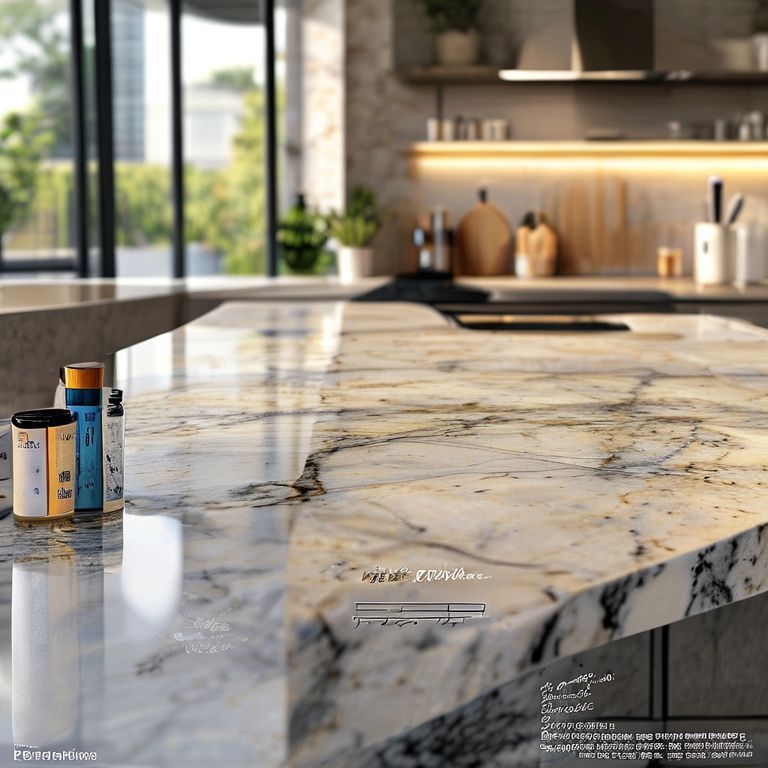
Unveiling the Marvel of Modern Design: What is Artificial Marble?
In the realm of modern design, artificial marble stands out as a versatile and sophisticated choice for those seeking to enhance the beauty and functionality of their living spaces. This synthetic material has garnered immense popularity due to its striking resemblance to natural marble, coupled with superior durability and ease of maintenance. In this first part of our detailed exploration, we will delve into the origins, composition, and advantages of artificial marble.

Origins and Composition
Artificial marble, also known as engineered stone, is a composite material created through a meticulous process of combining natural minerals with resins and pigments. Unlike natural stone, which is mined and can vary in color and texture, artificial marble offers a uniform and consistent appearance. The process begins with selecting high-quality natural minerals such as calcite, quartz, and silica. These minerals are then mixed with a polymer resin and pigments to achieve the desired color and finish. The mixture is heated and compressed under high pressure to form a dense, solid stone that replicates the look and feel of natural marble.
The result is a material that boasts the aesthetic appeal of marble while offering enhanced properties such as greater hardness, resistance to stains and scratches, and a longer lifespan. This combination of luxury and practicality makes artificial marble an excellent choice for a variety of applications, from kitchen countertops to bathroom sinks and beyond.
Advantages of Artificial Marble
One of the most compelling reasons for the widespread adoption of artificial marble is its numerous advantages over traditional natural stone. Here are some of the key benefits:
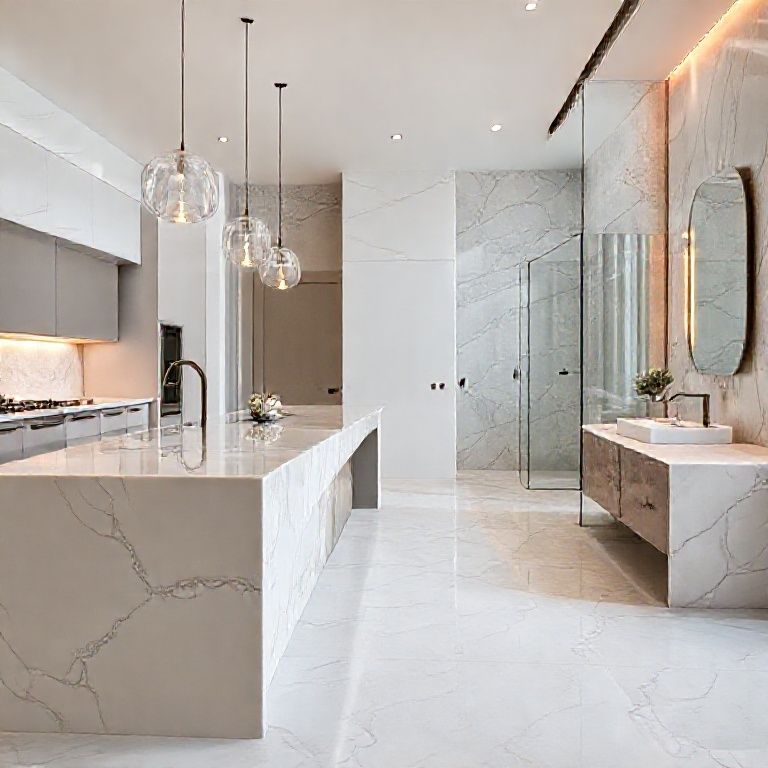
Durability: Artificial marble is significantly more durable than natural stone. It does not react to acids, alkalis, or other chemicals, making it ideal for high-traffic areas where natural stone would wear down more quickly. Its high resistance to scratches and stains ensures that it maintains its pristine appearance over time.
Consistency: Unlike natural marble, which can vary in color and pattern, artificial marble offers a consistent and uniform look. This uniformity is particularly beneficial for designers and homeowners who want a cohesive aesthetic throughout their space.
Ease of Maintenance: Artificial marble is easy to clean and maintain. A simple wipe-down with a damp cloth and mild soap is usually sufficient to keep it looking its best. It does not require sealing or special treatments to prevent staining, unlike natural stone, which may need regular sealing to maintain its appearance.
Cost-Effectiveness: While the initial cost of artificial marble may be higher than some other materials, its durability and low maintenance needs make it a cost-effective choice in the long run. The longevity of artificial marble means that it often requires less frequent replacement, saving both money and time.
Design Flexibility: The ability to mold artificial marble into various shapes and forms allows for greater design flexibility. It can be customized to fit any space, whether it’s a sleek modern kitchen countertop or a unique bathroom vanity.
Applications in Modern Design
Artificial marble’s versatility makes it an ideal choice for various design applications. Here are some of the most popular uses:
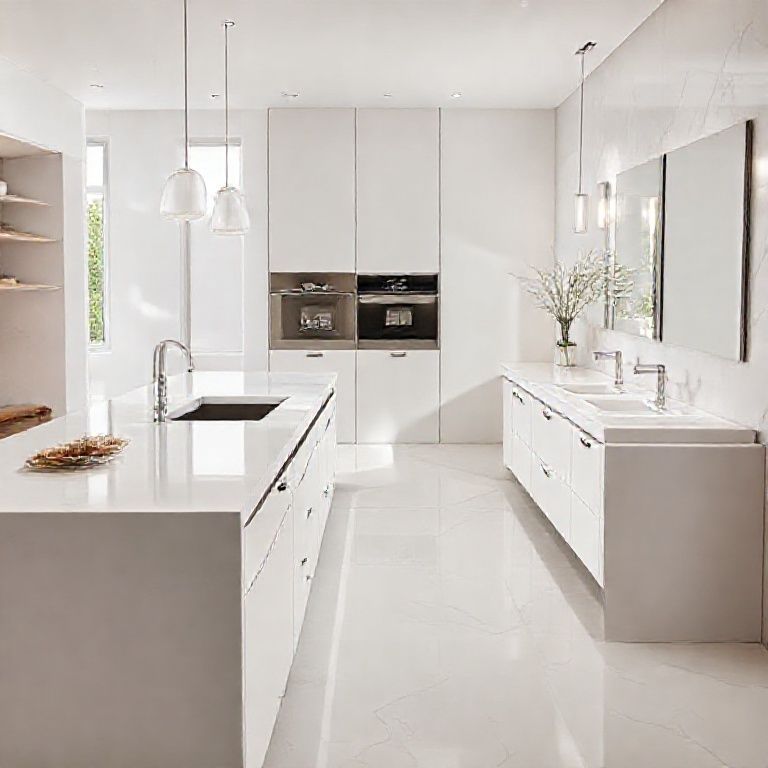
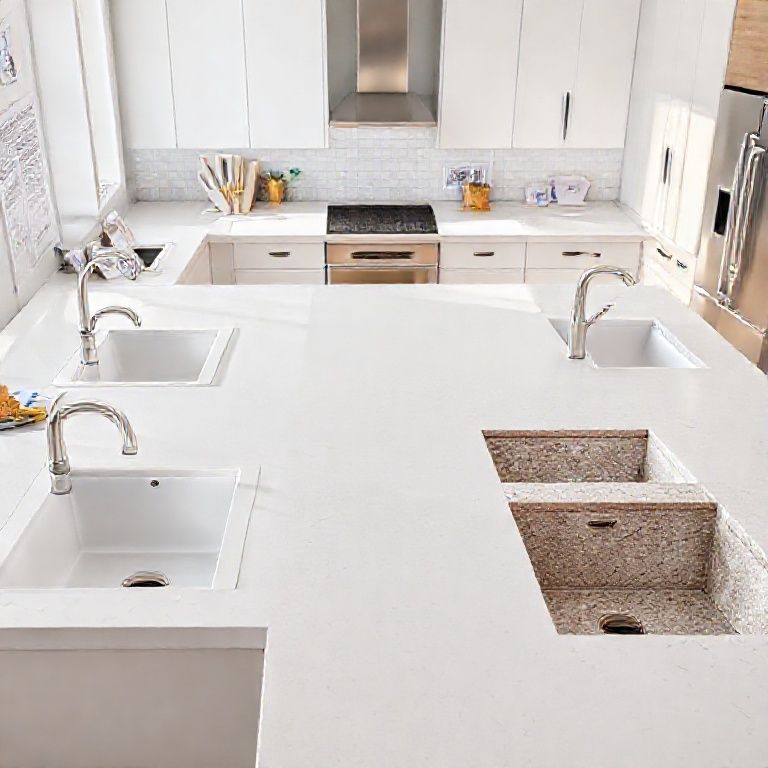
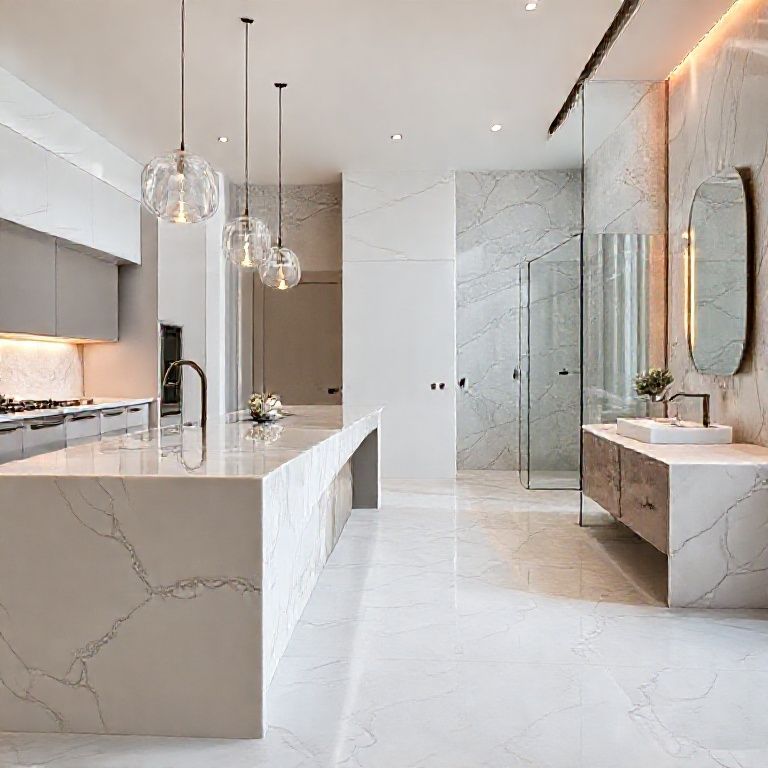
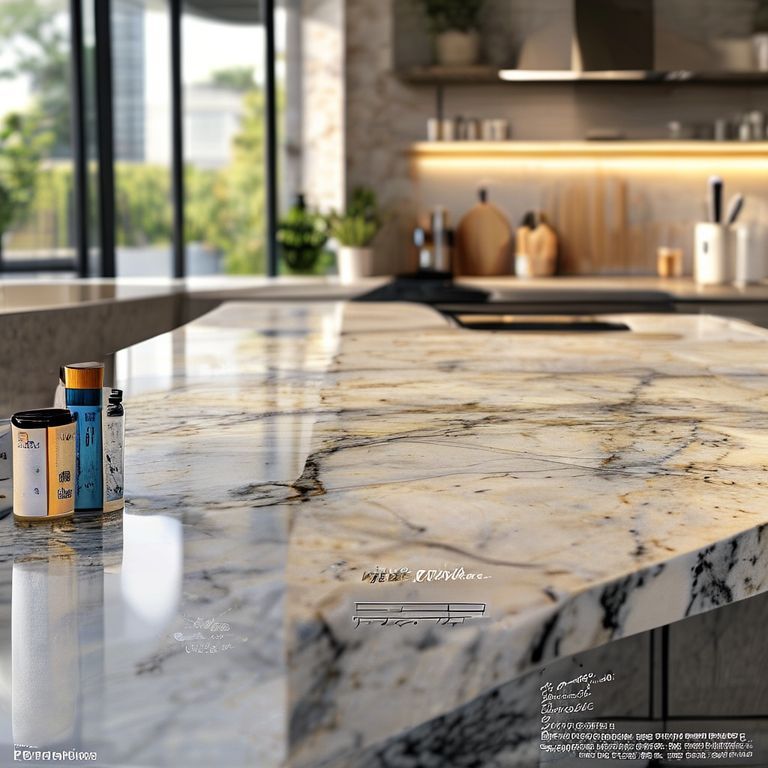
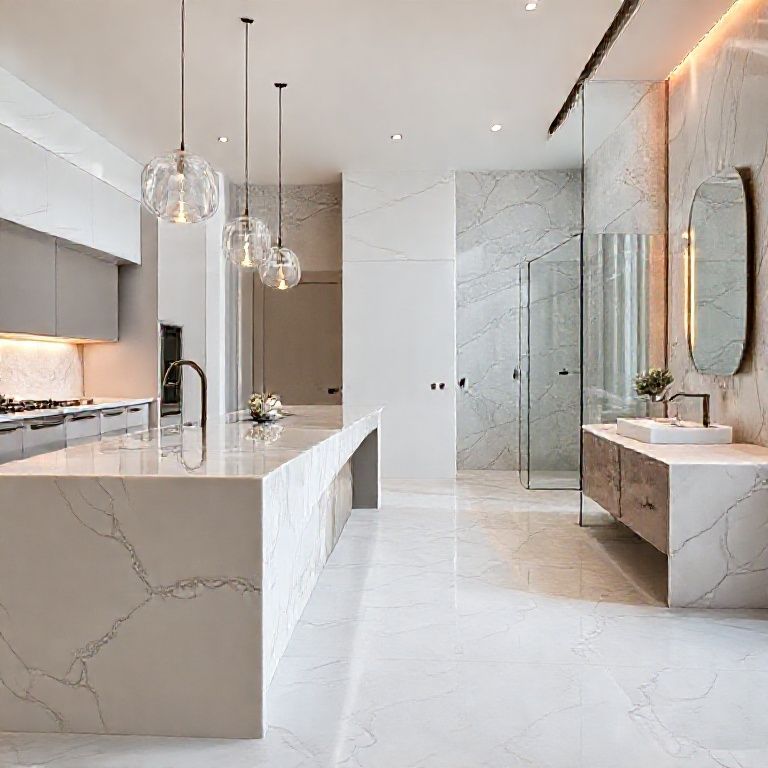
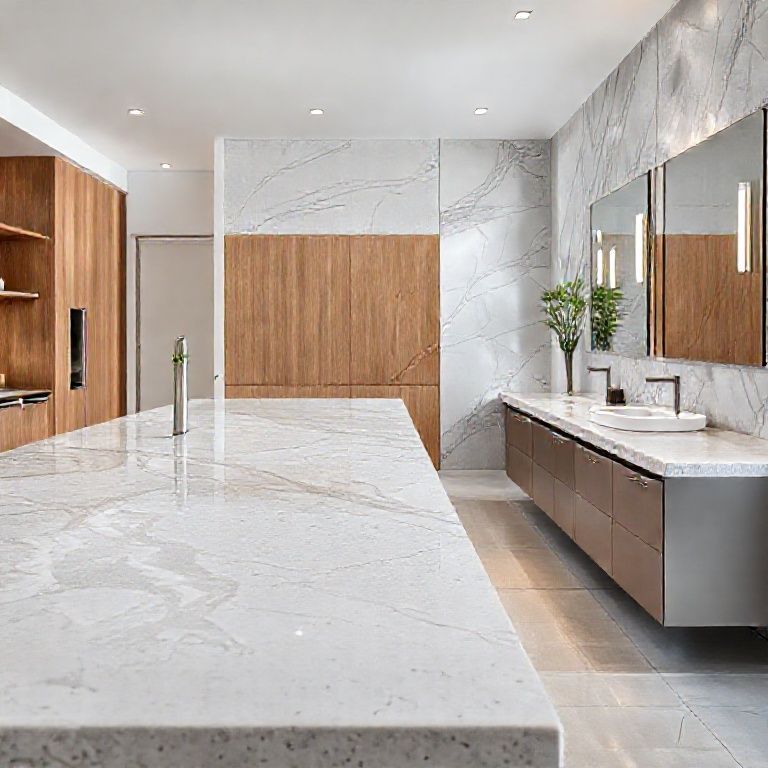
Kitchen Countertops: One of the most common uses of artificial marble is for kitchen countertops. Its luxurious appearance and practical qualities make it an excellent choice for both commercial and residential kitchens. Whether you prefer a classic white look or a bold, exotic color, artificial marble can be tailored to suit your aesthetic needs.
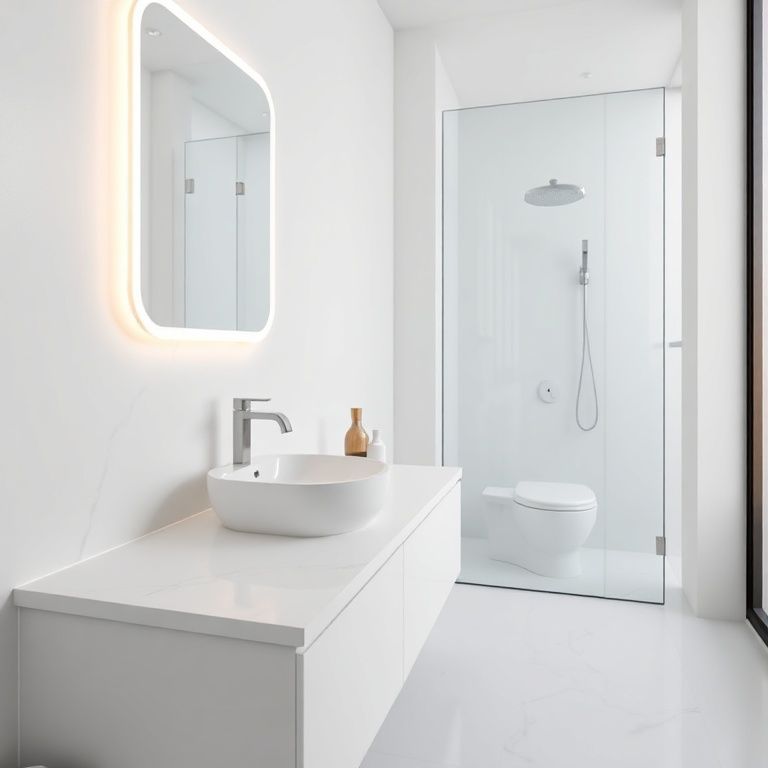
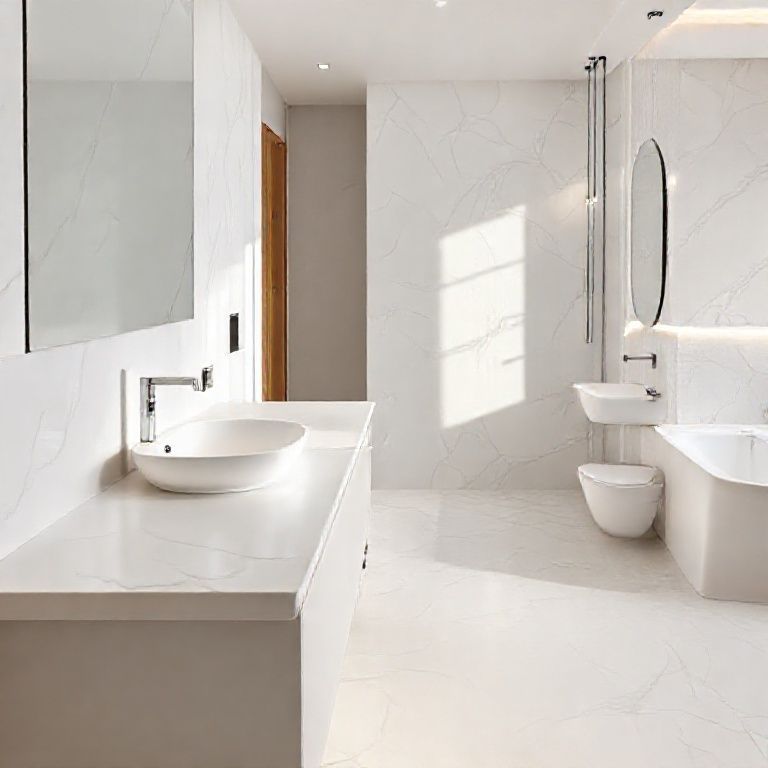
Bathroom Sinks: Bathrooms are another prime area for artificial marble. Its resistance to water and stains makes it perfect for sinks and vanities. Moreover, its sleek and polished finish adds a touch of elegance to any bathroom.
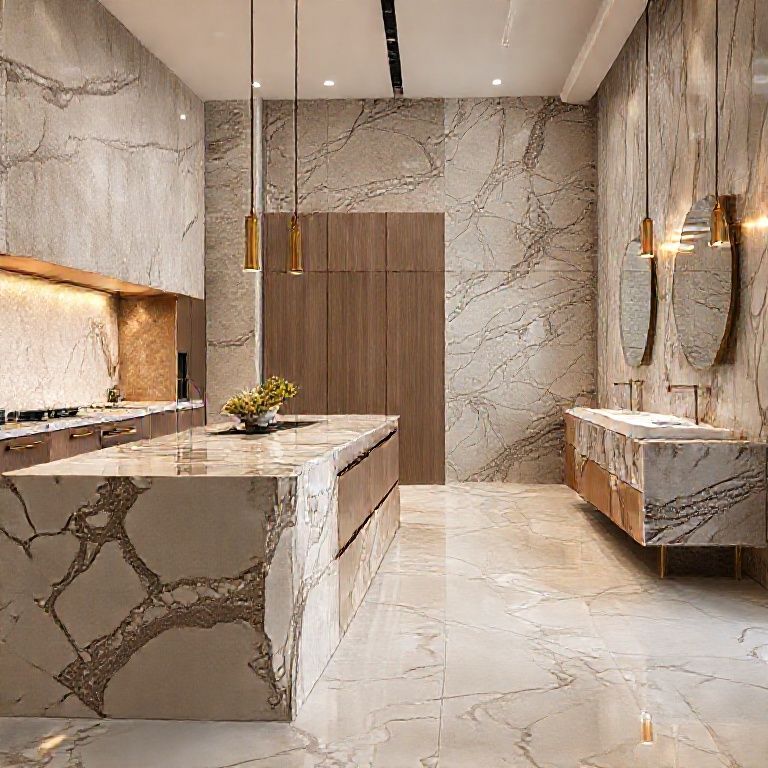
Wall Cladding: Artificial marble can also be used for wall cladding, providing a stunning visual impact. It can be cut into tiles and used to cover walls, adding a luxurious touch to both interior and exterior spaces.
Flooring: While less common, artificial marble can also be used for flooring. Its durability and resistance to wear make it a practical choice for high-traffic areas.
Furniture: Beyond traditional applications, artificial marble is increasingly used in furniture design. From dining tables to bar counters, its versatility allows for creative and innovative designs.
Conclusion
In conclusion, artificial marble represents a remarkable advancement in the world of modern design. Its combination of beauty, durability, and practicality makes it a top choice for both designers and homeowners. As we explore its various applications and benefits, it’s clear that artificial marble is not just a material—it’s a revolution in design. In the next part of our series, we will delve deeper into the installation, maintenance, and future trends of artificial marble in contemporary design.
The Future of Modern Design: Installation, Maintenance, and Trends in Artificial Marble
In the previous part, we explored the origins, composition, and advantages of artificial marble. Now, let’s delve deeper into its practical aspects, including installation, maintenance, and the exciting future trends that are shaping the world of contemporary design. This comprehensive guide will help you understand how to best utilize artificial marble in your home or commercial space.
Installation of Artificial Marble
Proper installation of artificial marble is crucial to ensure its longevity and maintain its stunning appearance. Here are some key steps and considerations for installing artificial marble:
Surface Preparation: Before installing artificial marble, it’s essential to prepare the surface properly. This includes cleaning the area to remove any dust, grease, or debris. The surface should also be level and smooth to provide a stable base for the marble.
Cutting: Artificial marble can be cut using a wet saw or a tile cutter. It’s important to use water to cool the blade while cutting to prevent cracking. For intricate designs or custom shapes, professional help is often recommended to ensure precision.
Adhesive: When installing artificial marble countertops or other large surfaces, a high-quality adhesive is necessary. The adhesive should be applied evenly and allowed to dry according to the manufacturer’s instructions.
Installation: Once the adhesive is set, the artificial marble can be placed onto the surface. It’s important to press down firmly to ensure a good bond. For countertops, the edges should be sealed with caulk to prevent water from seeping underneath.
Curing Time: After installation, the artificial marble needs time to cure. This usually involves leaving the area undisturbed for a specified period, often a few days, to allow the adhesive to fully set.
Maintenance of Artificial Marble
Maintaining artificial marble is straightforward, thanks to its durable and low-maintenance nature. Here are some tips for keeping your artificial marble looking its best:
Cleaning: Regular cleaning is key to maintaining the appearance of artificial marble. Use a soft cloth dampened with water and mild soap to wipe down the surface. For tougher spots, a specialized marble cleaner can be used, but it’s important to test it in a small, inconspicuous area first.
Avoiding Abrasives: To prevent scratches, avoid using abrasive cleaners or utensils with hard surfaces. Instead, opt for soft cloths or non-abrasive cleaning tools.
Immediate Spill Management: For spills, it’s important to clean them up immediately to prevent staining. Most spills can be cleaned with a damp cloth, but for tougher stains, a specialized cleaner may be needed.
Regular Inspection: Periodically inspect the installation for any signs of wear, such as loose edges or cracks. If any issues are found, they should be addressed promptly to prevent further damage.
Future Trends in Artificial Marble
As with any design material, trends in artificial marble are evolving, driven by innovation and changing aesthetic preferences. Here are some of the exciting trends shaping the future of artificial marble:
Customization: One of the most significant trends is the ability to customize artificial marble to meet specific design needs. Advances in technology allow for more intricate designs, colors, and textures, providing endless possibilities for creative expression.
Sustainability: With increasing awareness of environmental issues, sustainability is becoming a key factor in design. Manufacturers are developing more eco-friendly production processes and using recycled materials to create artificial marble, making it a more sustainable option.
Advanced Durability: Researchers and manufacturers are continuously working on improving the durability and strength of artificial marble. This includes developing new resins and composite materials that offer even greater resistance to scratches, stains, and wear.
Smart Integration: The integration of smart technology with artificial marble is another exciting trend. Imagine countertops that can change color with a touch or sinks that can connect to smart home systems for automated cleaning. The future holds many possibilities for integrating technology with this versatile material.
Minimalism: Minimalism continues to be a popular design trend, and artificial marble fits perfectly into this aesthetic. Its clean lines and simple forms make it an ideal choice for modern, minimalist spaces.
Conclusion
Artificial marble is revolutionizing modern design with its combination of luxury, durability, and versatility. From its meticulous creation process to its practical benefits and future trends, artificial marble offers an excellent choice for anyone looking to enhance the beauty的和功能性的家居和商业空间。
无论你是一位设计师、房主还是只是对现代设计感兴趣的人,了解和利用这种材料可以为你的项目带来无限的可能性。
设计与美学
在设计领域,人工大理石的最大吸引力之一是其设计和美学的灵活性。由于其高度定制化的特性,设计师可以创造出各种各样的色彩、纹理和形状。这使得人工大理石成为各种风格和主题的理想选择,从经典和传统到现代和前卫。
实际应用
厨房台面:人工大理石的耐用性和易于清洁的特性使其成为厨房台面的理想选择。它能够抵抗厨房环境中的酸碱和化学物质,同时保持光滑和美观的外观。
浴室台面和水槽:在浴室中,人工大理石可以用于水槽和台面,其防水和抗污性能确保了这些区域的长期美观和易于维护。
地板和墙面:虽然人工大理石通常用于台面,但它也可以用于地板和墙面,特别是在需要高耐用性和美观的区域。它可以被切割成小块,用于装饰墙面或作为地板材料。
家具:由于其硬度和耐用性,人工大理石也被用于制作各种家具,如餐桌、茶几和书柜台面。其表面光滑,适合用于需要精细设计的家具。
环境与可持续性
随着环境意识的增强,人工大理石在可持续性方面也表现出色。传统的大理石开采对环境有显著影响,而人工大理石可以通过回收和再利用材料制成,从而减少对自然资源的依赖。人工大理石生产过程中可以更好地控制,减少废料和污染。
经济效益
虽然人工大理石的初始成本可能高于一些其他材料,但其长久的耐用性和低维护成本使其成为经济上的好选择。由于它不需要频繁的维护和修复,这意味着长期来看,它的成本效益比其他材料更高。
市场前景
随着全球对高品质、耐用和美观建筑材料需求的增加,人工大理石市场前景广阔。特别是在新兴市场,如亚洲和拉丁美洲,建筑和装饰市场的快速发展推动了人工大理石的需求增长。
人工大理石以其独特的美学、功能性和可持续性,在现代建筑和设计领域中占据了重要地位。它不仅为设计师和建筑师提供了创造性的自由,还为使用者带来了长久的耐用性和低维护成本。无论你是从事建筑设计、房地产开发,还是只是一个热爱美学和质量的消费者,人工大理石都将是一个值得探索和利用的材料。