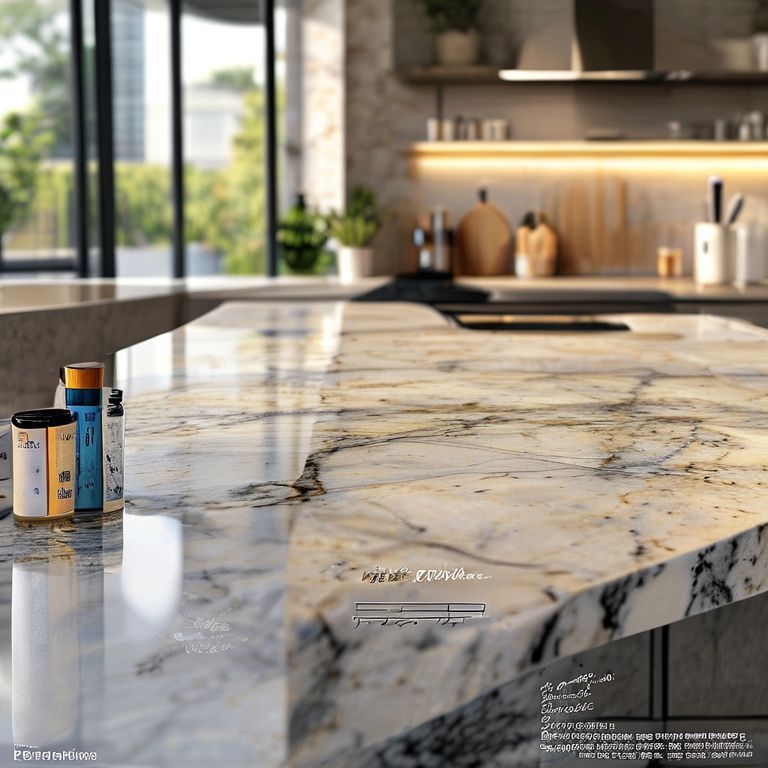
Dive deep into the world of engineered marble with our comprehensive exploration. Discover its advantages, limitations, and distinct characteristics that make it a popular choice in modern architecture and interior design. This two-part article will guide you through everything you need to know about this stunning material.

The Wonders of Engineered Marble
Introduction to Engineered Marble
Engineered marble, also known as synthetic or composite marble, has revolutionized the world of stone materials. This remarkable material combines the best attributes of natural stone with advanced technology to create a product that is both beautiful and practical. In this part, we will explore the myriad advantages of engineered marble, its aesthetic appeal, and the unique features that set it apart from traditional marble.
Advantages of Engineered Marble
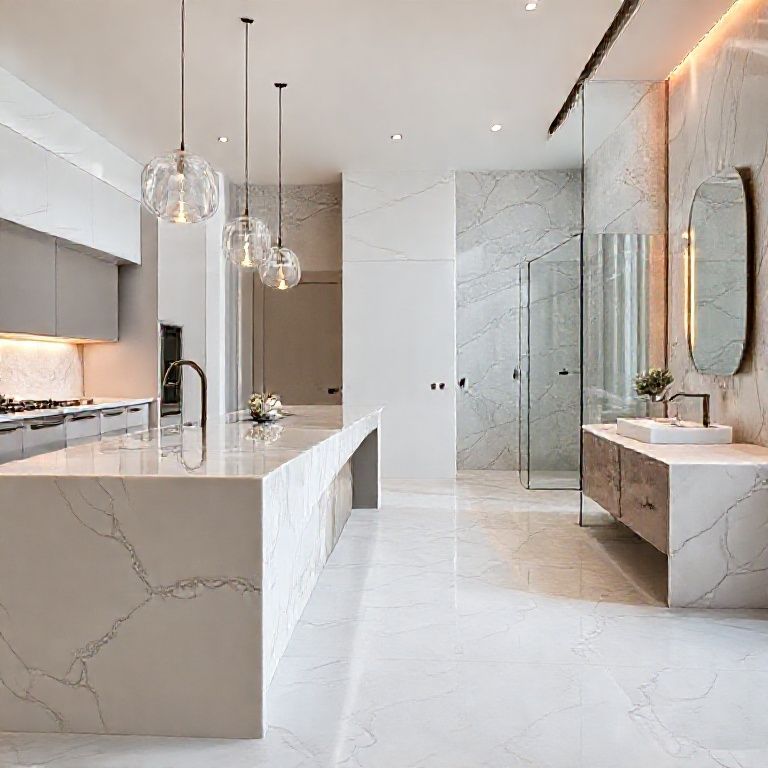
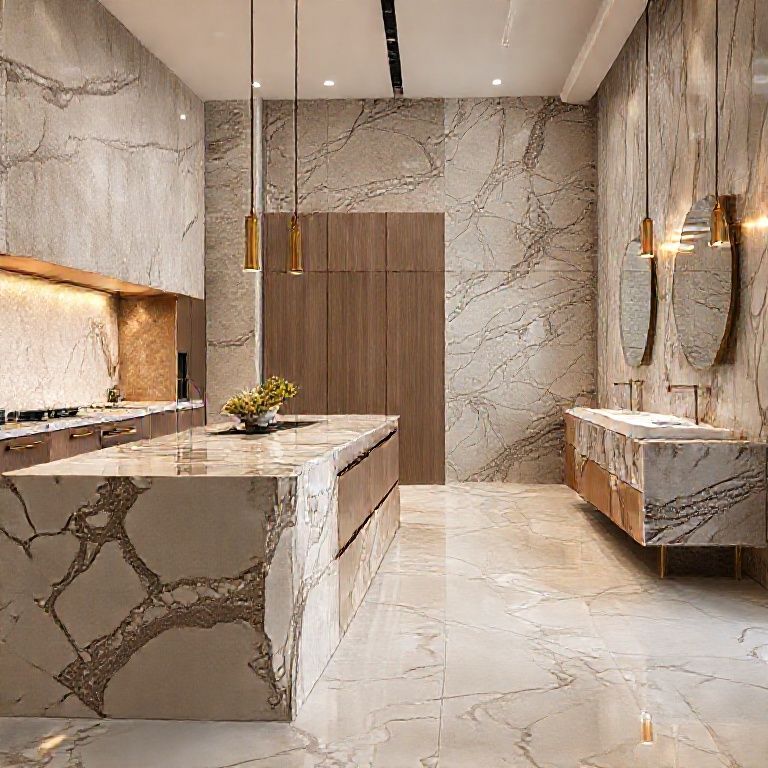
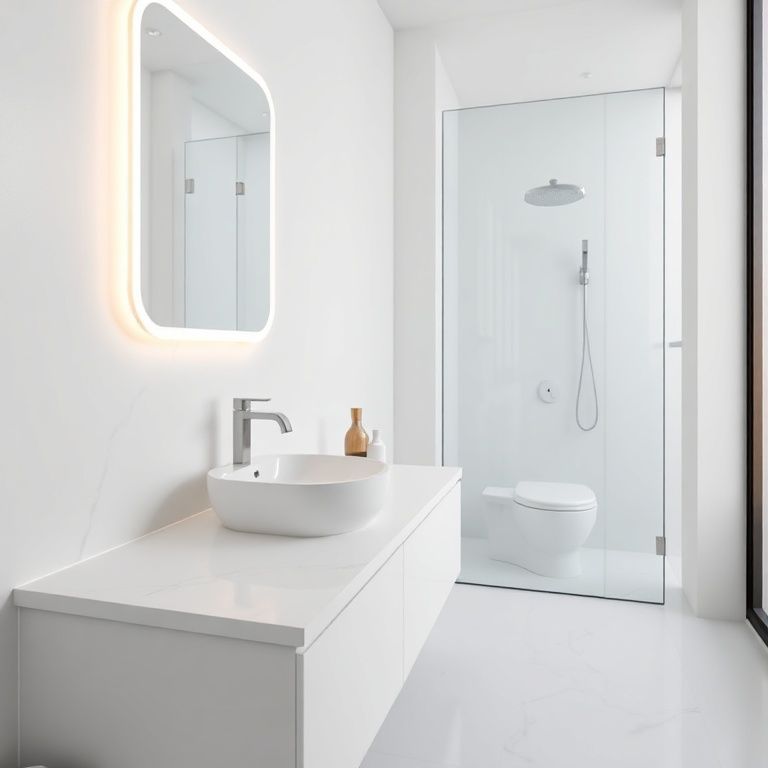
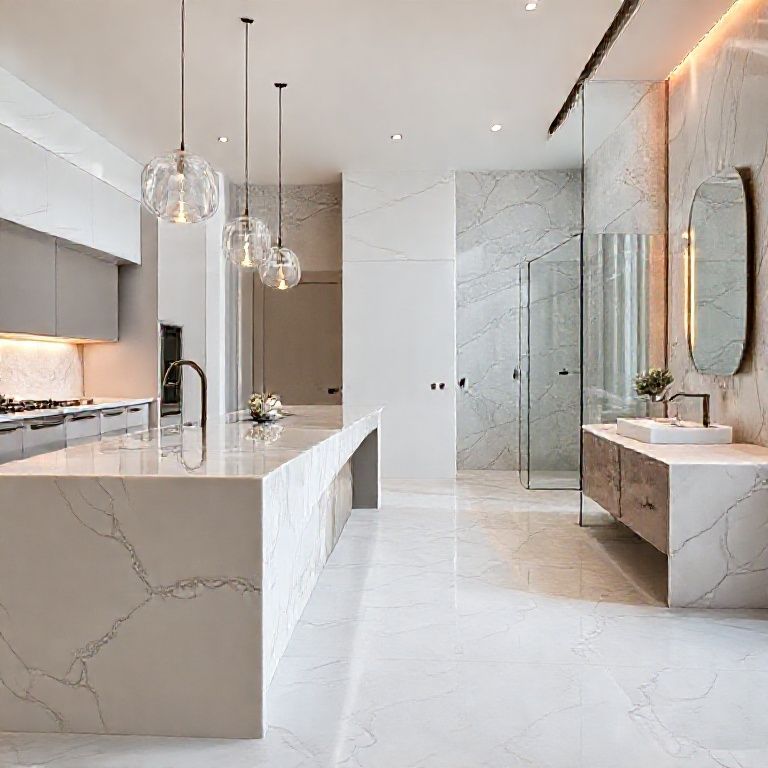
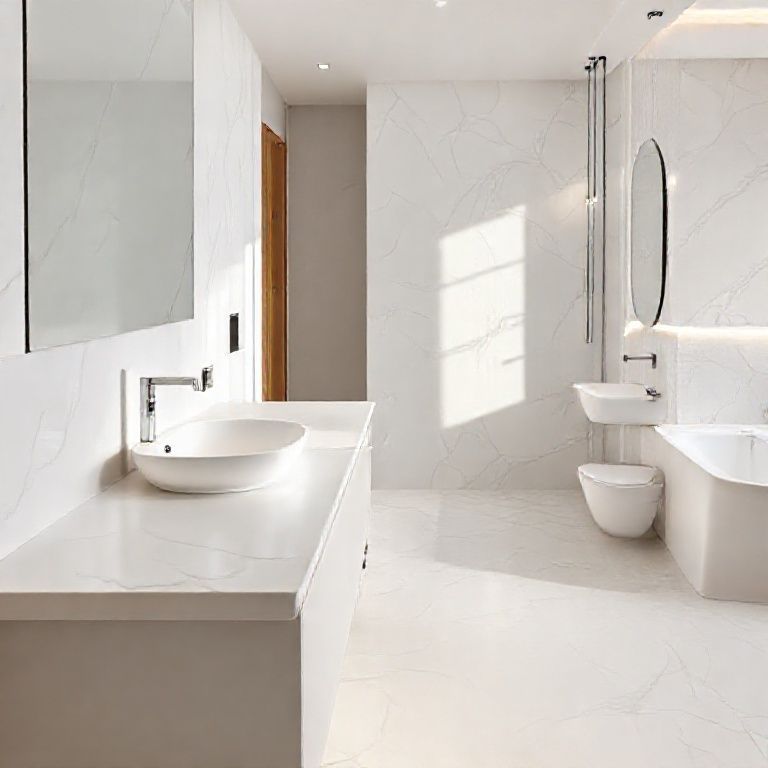
1. Aesthetic Versatility Engineered marble offers a stunning range of colors, patterns, and finishes that can mimic natural marble or even create entirely new designs. This versatility allows architects and interior designers to push creative boundaries, achieving designs that were once unimaginable. Whether you want a classic marble look or something entirely unique, engineered marble can be tailored to fit your vision.
2. Superior Durability One of the most significant advantages of engineered marble is its exceptional durability. Made from a combination of natural stone powder and resin, this material is far more resistant to scratches, chips, and stains compared to traditional marble. This makes it ideal for high-traffic areas such as kitchens, bathrooms, and commercial spaces where wear and tear are common.
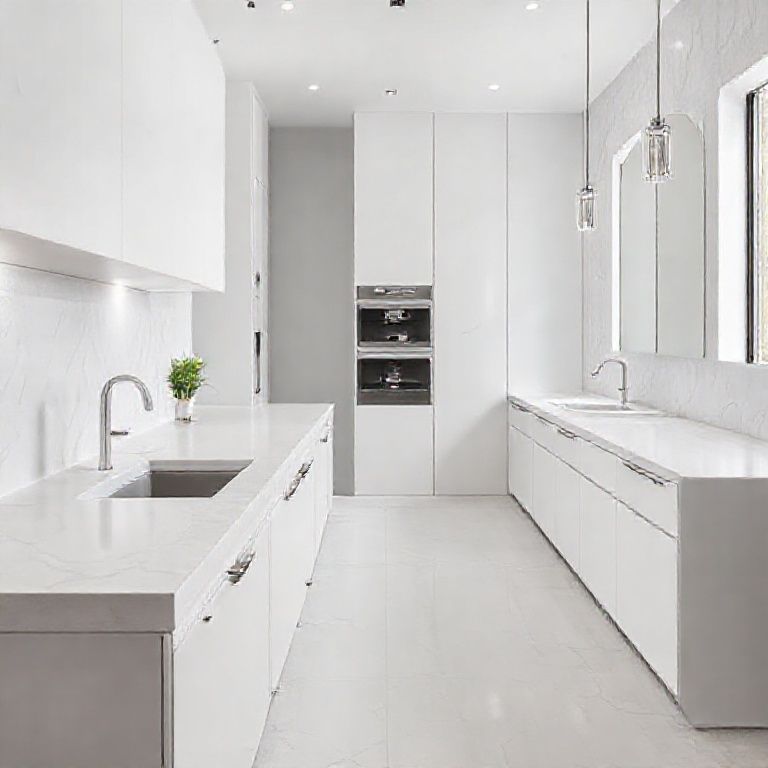
3. Unmatched Strength Engineered marble is known for its impressive strength-to-weight ratio. It is significantly lighter than natural stone, which simplifies installation and transportation. This material is also less likely to crack or break, ensuring a longer lifespan and reducing maintenance costs.
4. Cost-Effective While the initial cost of engineered marble might be slightly higher than some other materials, its durability and low maintenance requirements make it a cost-effective choice in the long run. It eliminates the need for frequent repairs and replacements, which can be costly with natural stone.
5. Environmentally Friendly Engineered marble is an eco-friendly choice as it reduces the demand for natural stone quarrying. This helps in conserving natural resources and minimizing the environmental impact associated with extracting and processing natural marble. Additionally, it often uses less water and energy during production.
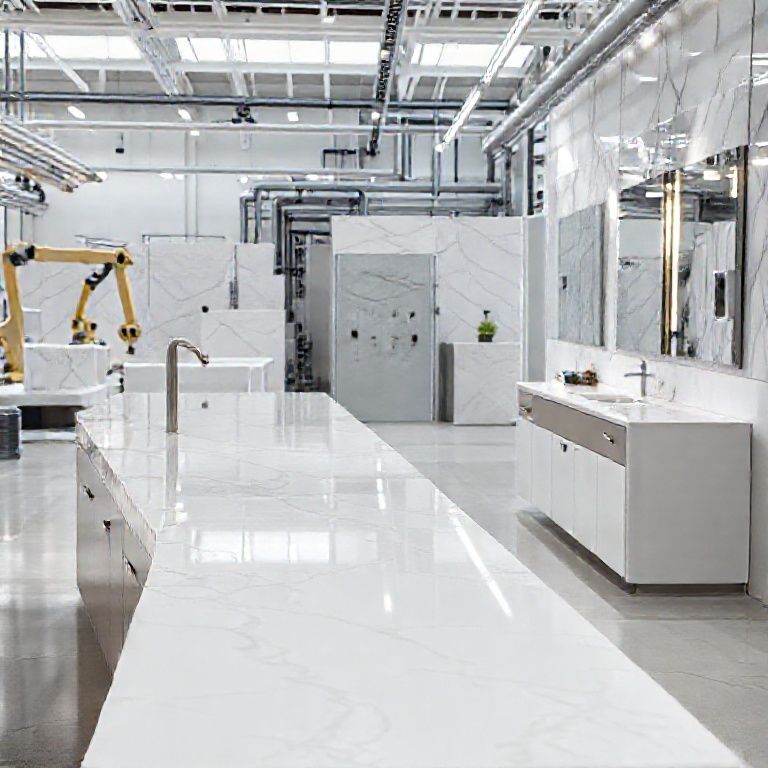
6. Easy Maintenance The low-maintenance nature of engineered marble is another significant advantage. Unlike natural stone, which requires regular sealing to prevent staining, engineered marble can be easily cleaned with a simple wipe-down using a mild detergent and water. This makes it perfect for busy households and commercial spaces where cleanliness is paramount.
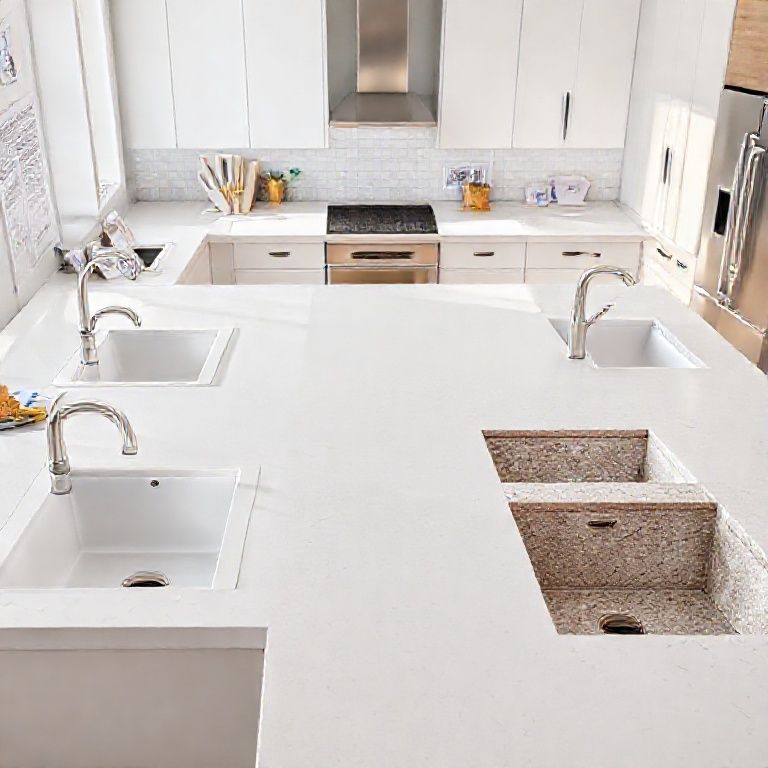
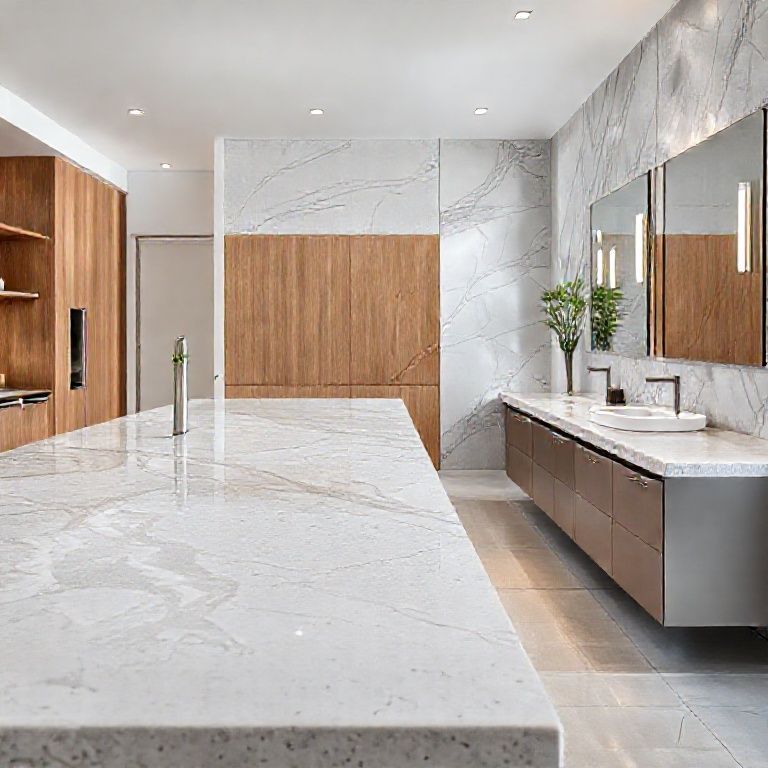
7. Versatile Applications Engineered marble can be used in a variety of applications, from countertops and backsplashes to sinks, fountains, and even decorative elements like candle holders and planters. Its versatility makes it an excellent choice for both residential and commercial projects.
Aesthetic Appeal and Unique Features
1. Customization Engineered marble offers unparalleled customization options. Designers can create specific patterns, colors, and textures that match the exact aesthetic requirements of a project. This flexibility allows for the creation of one-of-a-kind designs that can elevate the visual appeal of any space.
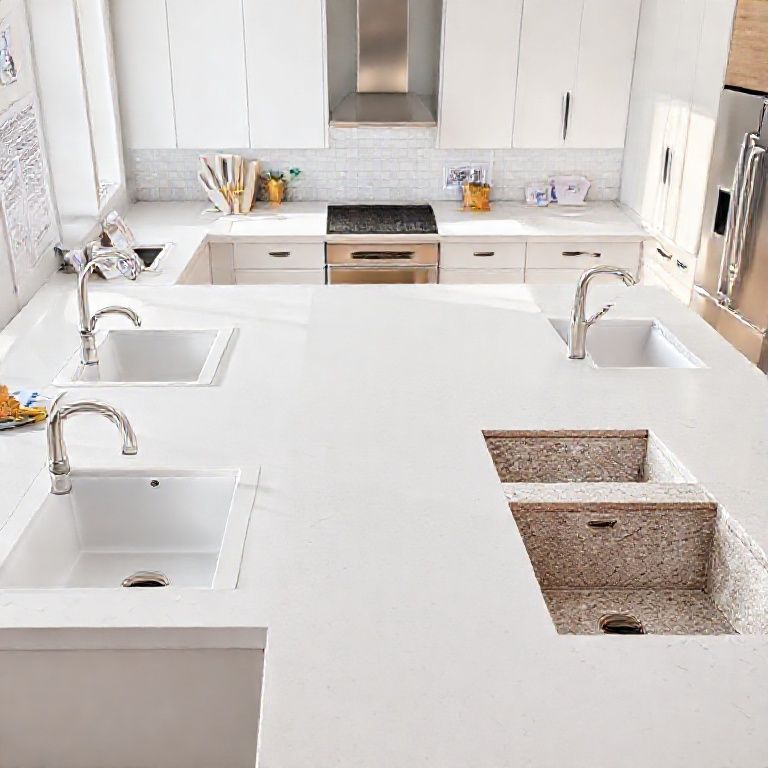
2. Lightweight and Easy Installation The lightweight nature of engineered marble makes it easier to handle and install. It can be cut, shaped, and installed with ease, even by those with minimal construction experience. This feature significantly reduces labor costs and installation time.
3. Innovative Textures and Finishes Engineered marble can mimic the intricate textures and finishes of natural marble, but it also allows for innovative designs that push the boundaries of traditional aesthetics. From polished and honed finishes to unique veining and swirls, the possibilities are endless.
4. Water Resistance Engineered marble is inherently water-resistant, making it an ideal choice for areas prone to moisture. This characteristic is particularly beneficial in kitchens and bathrooms, where water exposure is frequent.
5. Resistance to Chemical Stains One of the standout features of engineered marble is its resistance to chemical stains. Unlike natural stone, it does not easily absorb spills and stains, making it easier to maintain a pristine look over time.
Conclusion
Engineered marble is a game-changer in the world of stone materials. Its aesthetic versatility, superior durability, and cost-effectiveness make it a popular choice for both residential and commercial projects. The ability to customize and the ease of maintenance further enhance its appeal. As we delve deeper into its unique features and limitations in the next part, you’ll gain a comprehensive understanding of why engineered marble is the preferred choice for modern architects and interior designers.
The Drawbacks and Comprehensive Insights of Engineered Marble
Introduction to the Limitations of Engineered Marble
While engineered marble boasts numerous advantages, it is essential to consider its limitations to make an informed decision. In this part, we will explore the cons of engineered marble, its potential drawbacks, and provide a comprehensive insight into its overall performance and suitability for different applications.
Cons of Engineered Marble
1. Initial Cost Although engineered marble is cost-effective in the long run due to its durability and low maintenance, the initial cost can be higher compared to some other materials. This higher upfront expense might be a deterrent for some budget-conscious consumers.
2. Heat Resistance Engineered marble is not as heat-resistant as natural stone. Prolonged exposure to high temperatures can cause it to crack or change color. This makes it less suitable for areas where hot pots and pans are frequently placed directly on the surface, such as countertops.
3. Limited Availability of Colors While engineered marble offers a wide range of colors, the selection is still limited compared to natural stone. There might be instances where a specific color or finish is not available, necessitating a compromise in the design process.
4. Potential for Surface Damage Although engineered marble is more durable than natural stone, it is not invulnerable. Surface scratches and impacts can still occur, particularly in high-traffic areas. While these damages might not be as severe as those on natural marble, they can still affect the appearance of the material.
5. Manufacturing Limitations The manufacturing process of engineered marble involves the use of resin, which binds the stone particles together. While this process enhances durability, it can also limit the material’s flexibility and resistance to certain chemicals. This aspect should be considered when selecting engineered marble for specific applications.
6. Not a True Stone Engineered marble is not a natural stone but a composite material. Some people might prefer natural stone for its authenticity and the idea of using a time-honored material. This preference can influence the choice between engineered and natural marble.
Comprehensive Insights into Engineered Marble
1. Versatility in Design Despite its limitations, engineered marble’s versatility in design makes it an excellent choice for various applications. From countertops to flooring, sinks to decorative items, the possibilities are vast. Its ability to mimic natural marble while offering enhanced durability and customization options makes it a favorite among designers and architects.
2. Maintenance Considerations While engineered marble is low-maintenance, it still requires regular cleaning to maintain its appearance. Unlike natural stone, which often needs sealing, engineered marble only needs occasional wiping with a mild detergent. However, it is crucial to avoid abrasive cleaners that can scratch the surface.
3. Application-Specific Suitability Engineered marble’s suitability depends on the specific application. For example, it is ideal for countertops and backsplashes where durability is paramount but may not be the best choice for areas exposed to high heat. Understanding the material’s properties and limitations helps in making informed decisions about its use.
4. Environmental Impact Although engineered marble is more environmentally friendly than natural stone, its production still has an impact. The manufacturing process involves the use of resins and other chemicals, which can have environmental implications. However, its longevity and reduced need for frequent replacements often offset these concerns.
5. Customization and Innovation The ability to customize engineered marble to specific designs and finishes is a significant advantage. Innovations in this material continue to push the boundaries of what is possible, offering new textures, colors, and finishes that can elevate any space.
6. Installation and Handling The lightweight nature of engineered marble simplifies installation and handling, making it accessible even for those with minimal construction experience. This ease of use is a substantial benefit, especially for large-scale projects where precision is crucial.
Conclusion
Engineered marble is a versatile and durable material that offers numerous benefits, including aesthetic versatility, superior durability, and low maintenance. While it does have some limitations, such as higher initial costs and reduced heat resistance, these drawbacks are often outweighed by its long-term cost savings and environmental benefits. By understanding both the pros and cons, you can make an informed decision about whether engineered marble is the right choice for your project.
In the ever-evolving world of interior design and architecture, engineered marble continues to be a popular and innovative material that blends beauty with practicality. Whether you are a designer, architect, or homeowner, the unique features and advantages of engineered marble make it a compelling choice for modern projects.