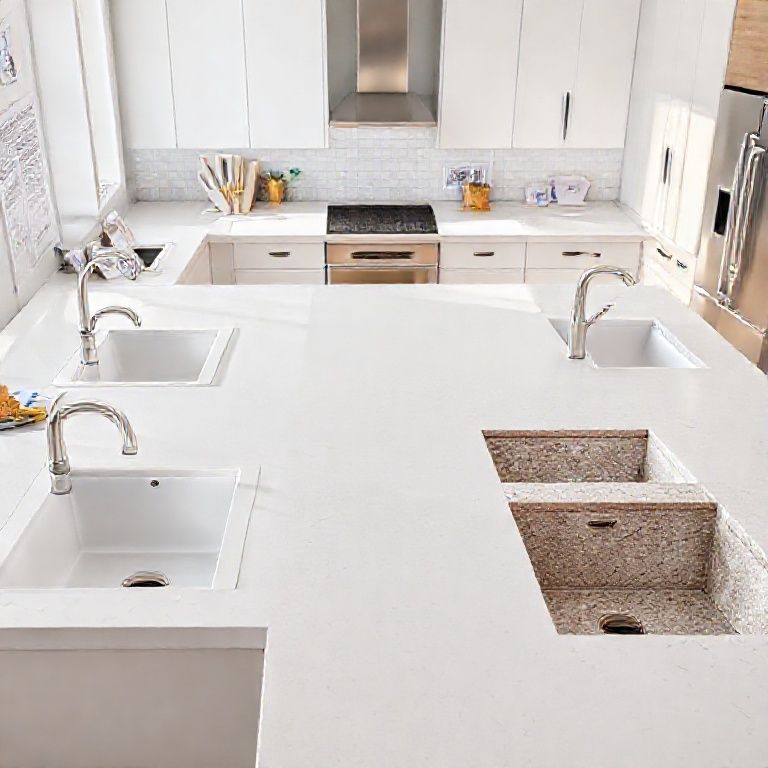
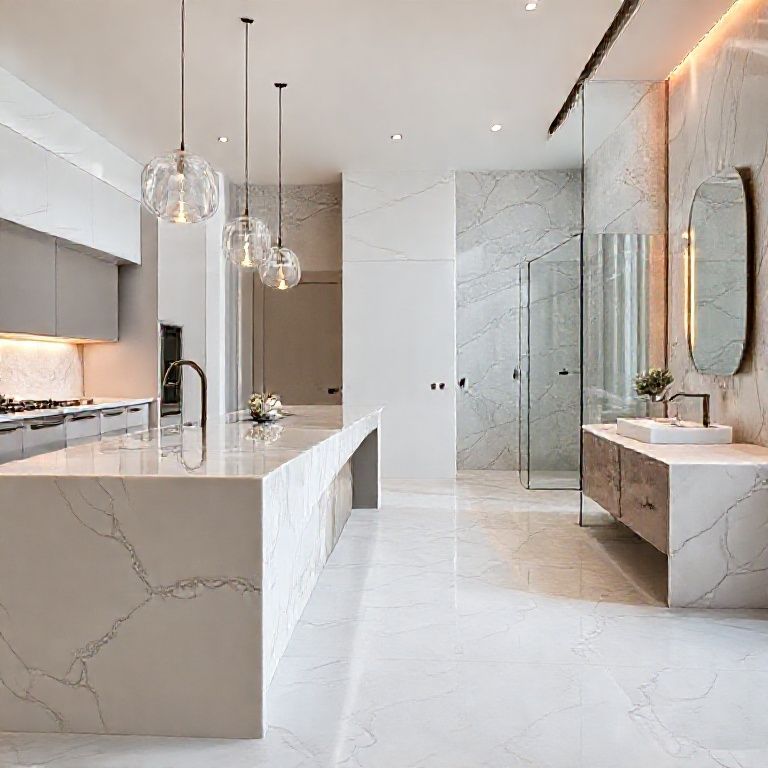
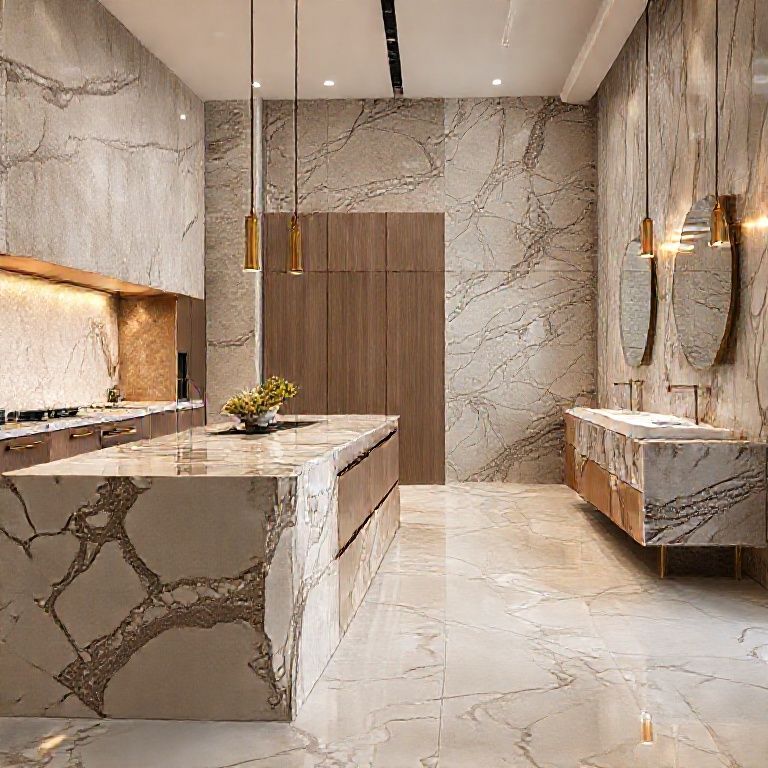
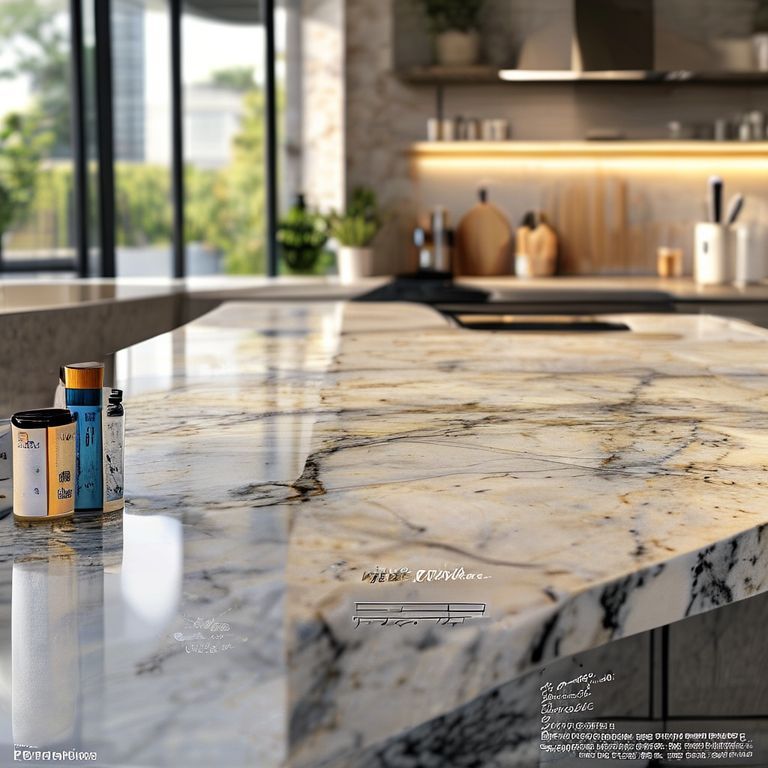
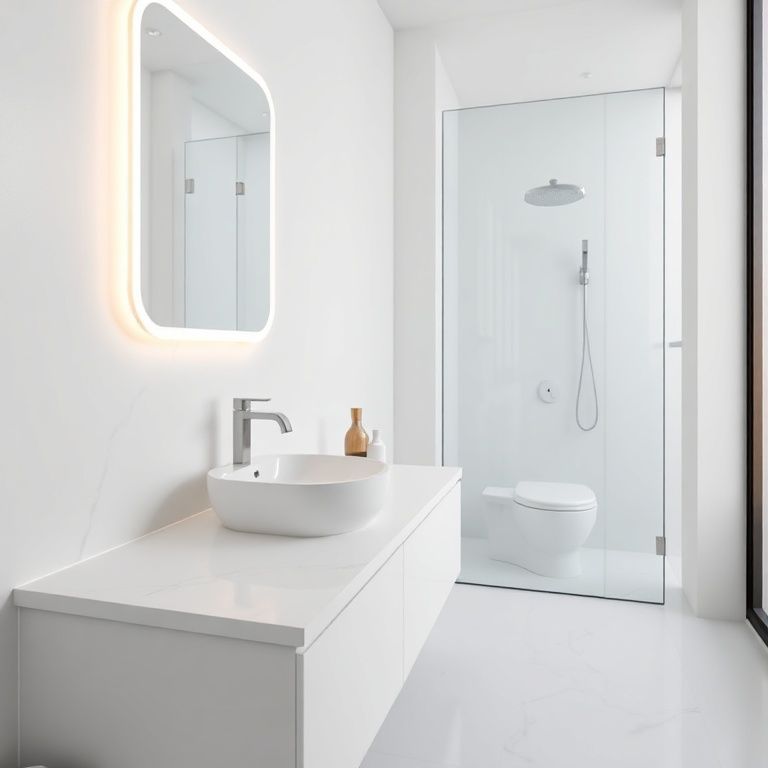
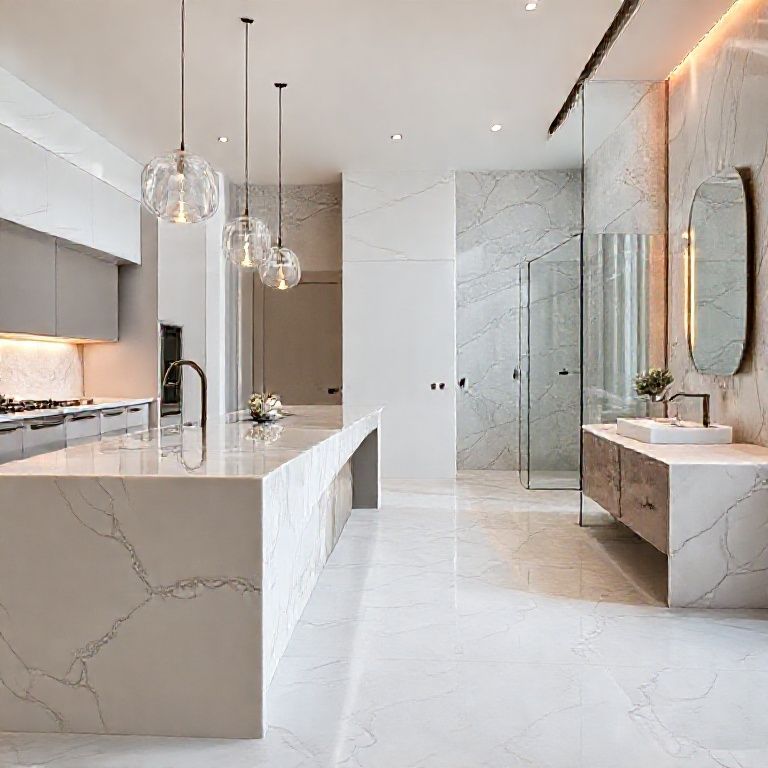
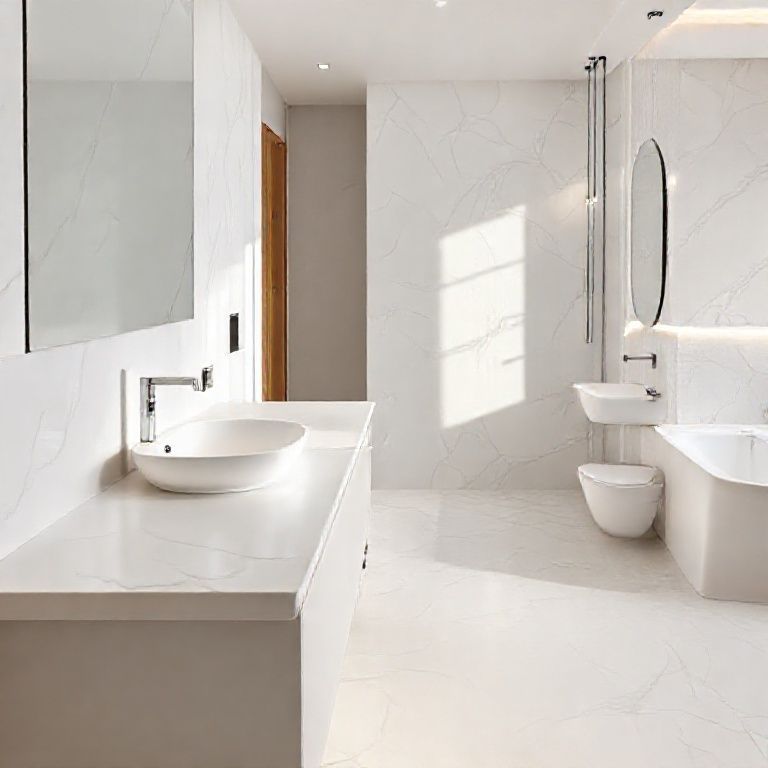
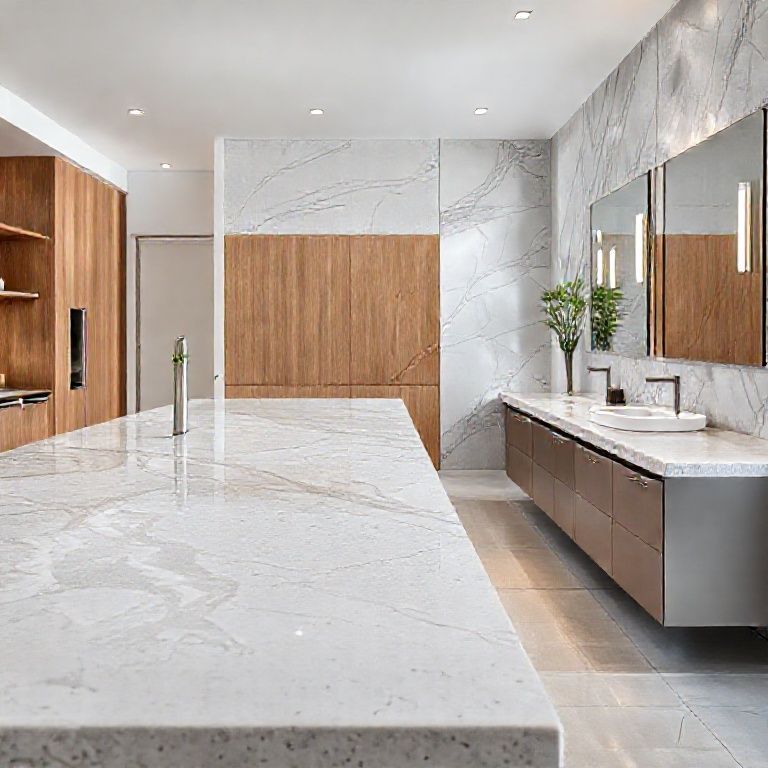
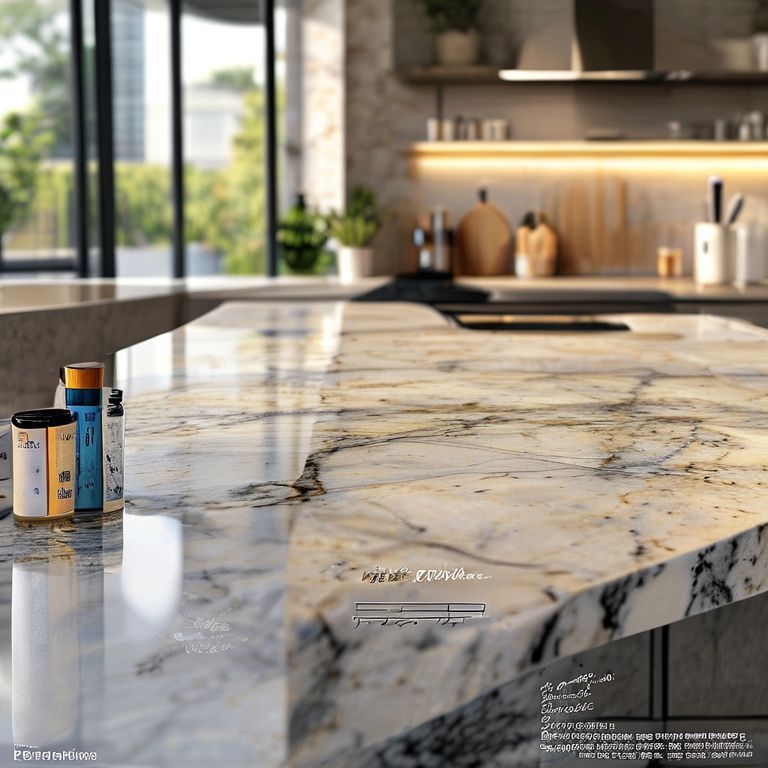
When it comes to modern home and commercial interiors, artificial marble has gained popularity for its aesthetic appeal and durability. Often referred to as engineered stone, this material is a composite made primarily from quartz, other minerals, and resins. The process involves mixing these components at high temperatures and pressures to create a strong, solid stone-like surface.

What is Artificial Marble?
Artificial marble, or engineered stone, is a composite material created by fusing together powdered quartz or other minerals with resins under high heat and pressure. This process results in a material that closely mimics the appearance and durability of natural marble but without the fragility.
Composition of Artificial Marble
The primary components of artificial marble include:
Quartz: This mineral gives the material its characteristic hardness and resistance to scratching. Colorants: Various pigments are added to create the diverse range of colors available in artificial marble. Resins: These act as a binding agent, holding the mineral particles together and giving the material its structural integrity.
Manufacturing Process
The manufacturing process of artificial marble involves several key steps:
Mixing: Quartz and other minerals are finely ground and mixed with colorants and resins. Molding: The mixture is placed in molds and subjected to high pressure and temperature, usually around 200°C (392°F). Cooling: After the material has set, it is cooled and removed from the mold, resulting in a solid, stone-like surface.
Safety Concerns: Addressing Radiation Fears
One of the most common questions regarding artificial marble is whether it emits radiation. To understand this, it’s essential to look at the materials involved and the manufacturing process.
Materials and Radiation
The components used in artificial marble—quartz, resins, and colorants—do not inherently emit radiation. Quartz is a naturally occurring mineral that is abundant in the Earth’s crust and is commonly used in electronics, watches, and jewelry without any radiation concerns. Similarly, the resins used in the manufacturing process are synthetic polymers that do not emit radiation.
Manufacturing Process and Radiation
The high-pressure and high-temperature processes used in creating artificial marble do not involve any radioactive materials or processes. The heat used in the manufacturing process is a form of thermal energy, not ionizing radiation. Therefore, it does not pose a radiation risk.
Regulatory Standards
Artificial marble is subject to various safety and quality standards. In many countries, the materials and processes used in manufacturing artificial stone are rigorously tested and regulated to ensure they do not pose health risks. For example, the United States Consumer Product Safety Commission (CPSC) and the European Union’s Restriction of Hazardous Substances Directive (RoHS) both have regulations that apply to consumer products, including countertops made from artificial stone.
Myth-Busting: Radiation in Artificial Marble
Several myths and misconceptions surround the question of radiation in artificial marble. Here are a few common myths debunked:
Misconception: Artificial marble contains radioactive elements that cause it to emit radiation. Fact: The materials used in artificial marble do not contain radioactive elements. Misconception: The high-pressure and high-temperature manufacturing process creates radiation. Fact: The process used in manufacturing artificial marble is a physical process, not a nuclear process, and does not produce radiation. Misconception: Artificial marble is unsafe because it is artificial. Fact: Many everyday products, such as plastics and synthetic fabrics, are also artificial materials that are safe for everyday use.
Environmental and Health Impact
While the question of radiation is often a primary concern, it’s also important to consider the environmental and health impact of artificial marble production and use.
Environmental Impact
The production of artificial marble involves the use of natural minerals, which can have an environmental footprint if not managed sustainably. However, the environmental impact is generally lower compared to natural stone mining, which can lead to significant ecological disruption.
Health Impact
From a health perspective, the materials and processes used in artificial marble manufacturing do not pose any significant health risks. The components used are widely considered safe, and extensive testing has not identified any adverse health effects related to their use.
Conclusion
In summary, artificial marble is a composite material made from quartz, resins, and other minerals, created through high-pressure and high-temperature processes. The materials used do not emit radiation, and the manufacturing process does not involve radioactive materials or processes. Regulatory standards ensure that artificial marble is safe for use in various applications, making it a reliable and popular choice for countertops and decorative surfaces.
Stay tuned for the second part of our article where we will delve deeper into the environmental and health aspects of artificial marble, and further address any lingering concerns you may have about this popular material.
Sustainability and Environmental Impact
When considering the overall impact of artificial marble, it’s essential to evaluate both its environmental footprint and its sustainability. Unlike natural stone, which involves mining processes that can have significant ecological consequences, artificial marble production offers a more controlled and potentially less harmful alternative.
Resource Utilization
One of the key advantages of artificial marble is its use of abundant, naturally occurring materials like quartz. The quartz used in artificial marble production is sourced from mines where it is already extracted for other industrial uses, such as electronics and watches. This reuse helps minimize the need for additional mining and reduces the ecological disruption associated with new extraction sites.
Manufacturing Processes
The manufacturing process for artificial marble is energy-intensive but typically less so compared to natural stone cutting and polishing. The process involves heating and pressing, which, as we’ve previously discussed, does not involve radioactive materials or processes. Modern manufacturing facilities often implement energy-efficient technologies to reduce their overall environmental impact.
End-of-Life Considerations
When it comes to the end-of-life of artificial marble products, recycling and disposal options are limited compared to other materials like plastics. However, advancements in material science are continually being made to improve the recyclability and sustainability of composite materials.
Health Aspects: Safety and Regulations
While artificial marble does not emit radiation, it’s still important to consider its health impact comprehensively, including the materials used and the manufacturing process.
Material Safety
The primary components of artificial marble—quartz, resins, and colorants—are generally recognized as safe for use in consumer products. Quartz is a common mineral used in various industries without raising health concerns. The resins used are synthetic polymers that have been extensively tested for safety and are commonly used in a wide range of applications, including food packaging and medical devices.
Manufacturing and Worker Safety
The manufacturing process for artificial marble involves high temperatures and pressures, which require strict safety protocols to protect workers. Modern manufacturing facilities employ safety measures to ensure that the processes do not pose health risks to employees. Additionally, the materials used are not known to cause adverse health effects when handled properly.
Consumer Safety
For consumers using artificial marble in their homes or businesses, the risk is minimal. The materials and processes involved do not release harmful substances into the environment or air. However, as with any material, proper care and maintenance are important to ensure long-term safety and durability. This includes avoiding exposure to extreme temperatures, which can cause the material to crack or break, and using appropriate cleaning products that do not contain harsh chemicals that could damage the surface.
Comparison to Natural Stone
When comparing artificial marble to natural stone, it’s important to consider several factors, including durability, cost, environmental impact, and health safety.
Durability and Maintenance
Artificial marble is known for its durability and resistance to scratches, stains, and thermal damage. Natural stone, on the other hand, can be prone to scratches, chips, and staining, especially if it’s not properly sealed. Artificial marble also does not require the same level of maintenance as natural stone### Comparison to Natural Stone (continued)
Cost
One significant advantage of artificial marble is its cost-effectiveness. Natural stone can be expensive due to the cost of extraction, transportation, and processing. Artificial marble, being a composite material, is generally more affordable. This makes it an attractive option for both commercial and residential projects where budget is a concern.
Environmental Impact
Natural stone mining can have a considerable environmental impact, including habitat destruction, water usage, and pollution. Artificial marble production, while energy-intensive, is typically more controlled and can be designed to minimize environmental disruption. Additionally, the use of recycled quartz and other materials in artificial marble production can reduce the overall ecological footprint.
Health Safety
As previously discussed, artificial marble does not emit radiation and does not contain radioactive materials. The same can be said for natural stone, which also does not emit radiation. However, natural stone can contain trace amounts of minerals that may pose health risks if not properly processed and handled. For instance, some natural stones contain asbestos or other hazardous materials, which requires careful management during extraction and processing.
Alternatives and Future Trends
In addition to artificial marble, there are other alternatives and innovations in the field of synthetic stone that are worth considering.
Other Synthetic Stones
Ceramics and Porcelain: These materials are also popular for countertops and decorative surfaces. They are made by heating clay and other minerals at high temperatures, resulting in a hard, durable material that is resistant to stains and scratches.
Glass: While not a stone, glass is another popular alternative for countertops. It is easy to clean, durable, and available in various colors and designs. However, glass can be more prone to breaking compared to artificial marble.
Composite Materials: Innovations in material science continue to produce new composite materials that combine the best properties of natural and synthetic materials. These materials often offer improved durability, sustainability, and aesthetic versatility.
Innovations and Future Trends
The field of synthetic stone is continuously evolving with advancements in material science and technology. Here are some trends and innovations to watch:
Nanotechnology
Nanotechnology is being explored to enhance the properties of synthetic stone. Nanomaterials can improve the strength, durability, and stain resistance of artificial marble, making it even more resistant to everyday wear and tear.
Bio-based Materials
Research is ongoing into the use of bio-based materials in synthetic stone production. These materials could offer a more sustainable alternative by using renewable resources and reducing the environmental impact of production.
Smart Materials
The integration of smart materials into synthetic stone is another exciting trend. These materials could include sensors, heating elements, or even self-cleaning properties, offering new functionalities and conveniences for users.
Conclusion
In conclusion, the question of whether artificial marble emits radiation (“人造大理石有辐射吗”) can be confidently answered with a definitive “no.” The materials and processes used in its production do not involve radioactive elements or processes that could result in radiation.
Artificial marble offers numerous advantages over natural stone, including cost-effectiveness, durability, and lower environmental impact. While it’s important to consider all aspects of material use, including sustainability and health safety, the evidence suggests that artificial marble is a safe and practical choice for a wide range of applications.
As technology continues to advance, we can expect further innovations in synthetic stone that will continue to enhance its properties and sustainability, making it an even more compelling option for the future.
By understanding the full picture of artificial marble—from its composition and safety to its environmental and health impacts—you can make informed decisions about its use in your home, business, or any project where durability and aesthetic appeal are paramount.