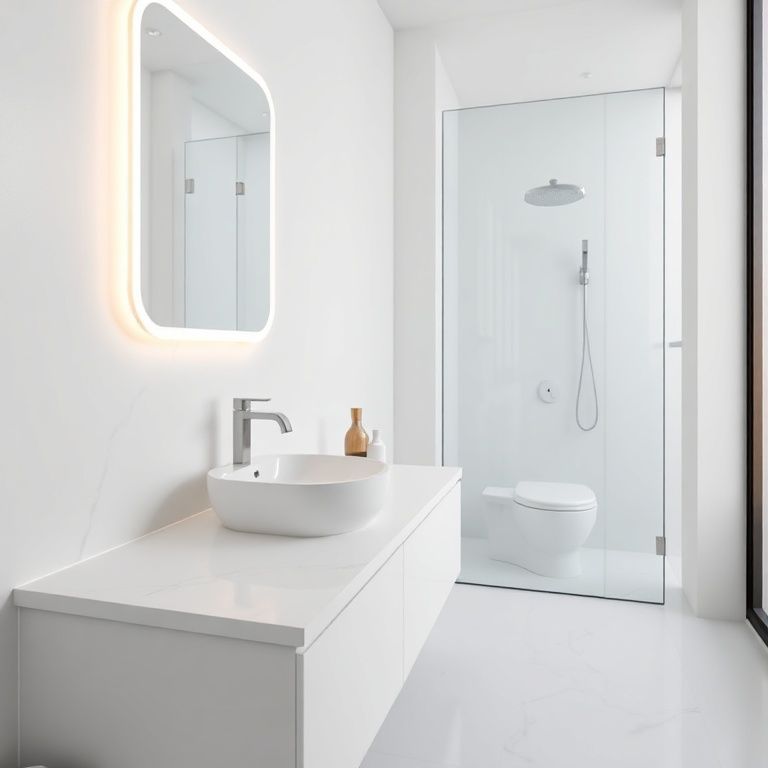
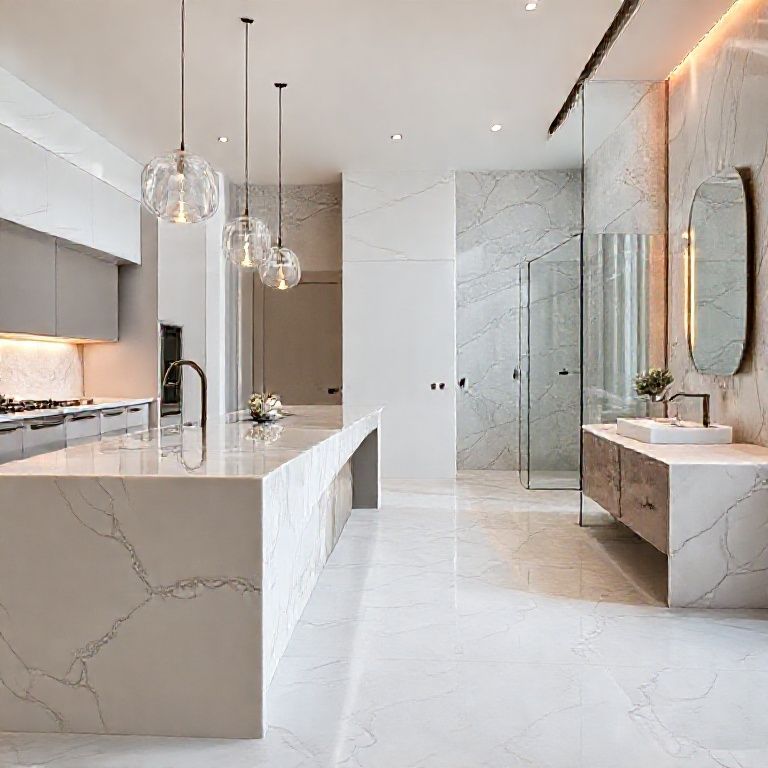
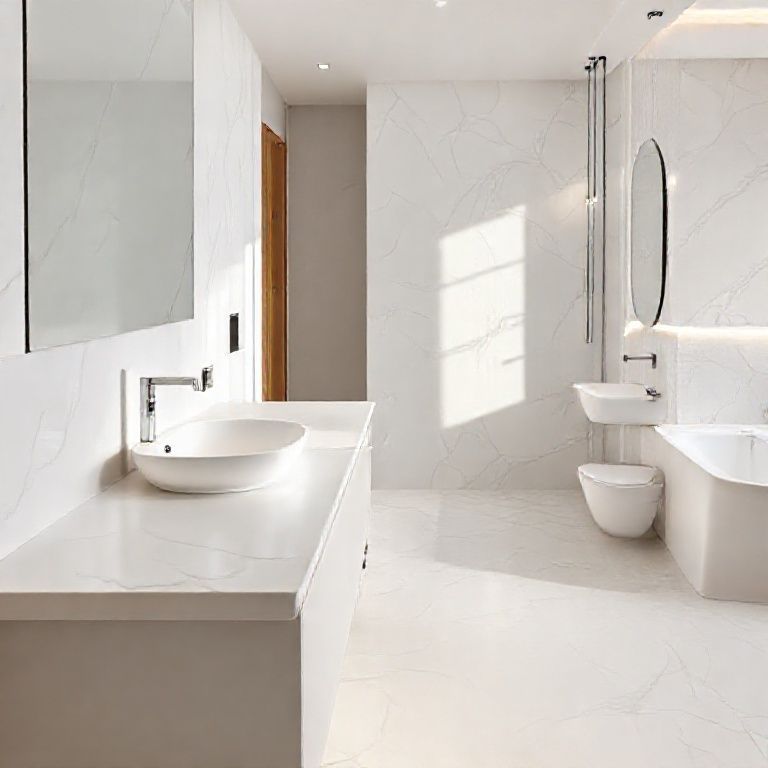
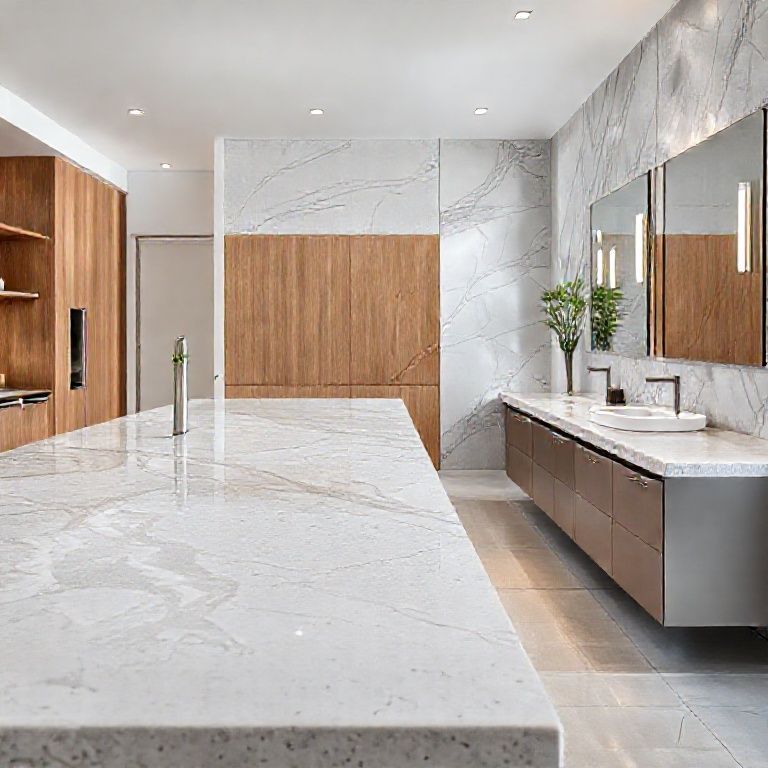
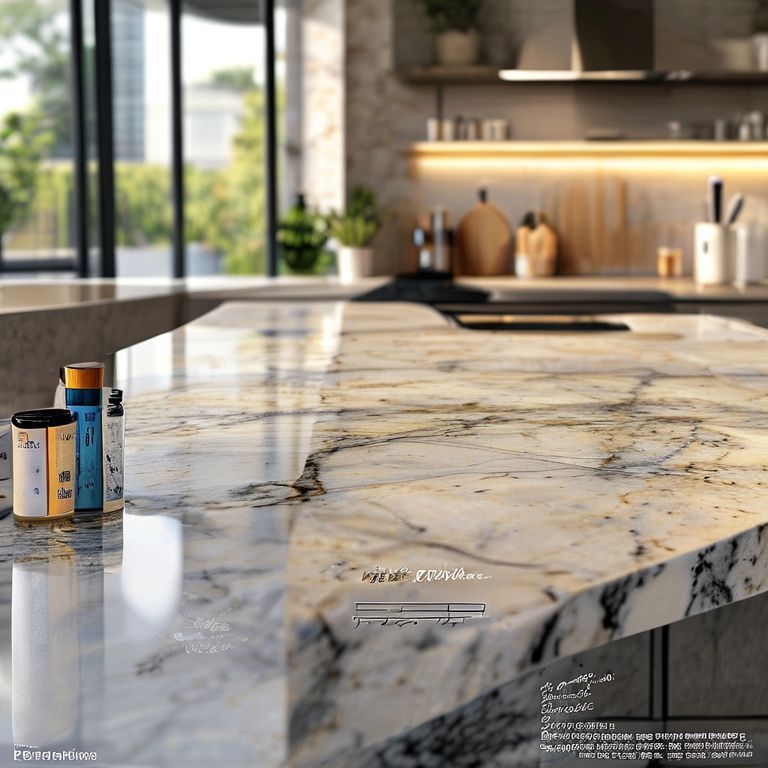
Dive into the world of marble prices with our comprehensive guide. Understand the factors that influence marble pricing, and learn how to make informed decisions when selecting marble for your projects. This article breaks down the nuances of marble costs, providing you with the insights you need to navigate this sophisticated market.

marble price, marble cost, marble pricing factors, marble types, marble quality, marble installation, marble selection, marble market trends, marble durability
Unveiling the Mysteries of Marble Prices: What You Need to Know
When it comes to choosing marble for your home or business, understanding marble prices is crucial. Marble is a timeless, elegant material used in a variety of applications, from countertops to flooring and even sculptures. But how do you determine the price of marble? Let’s explore the intricate factors that influence marble pricing, and why knowing these can help you make the best choice for your project.
Understanding Marble Varieties and Their Pricing
The first step in understanding marble prices is to recognize the different types of marble available. Each variety has unique characteristics that impact its cost.
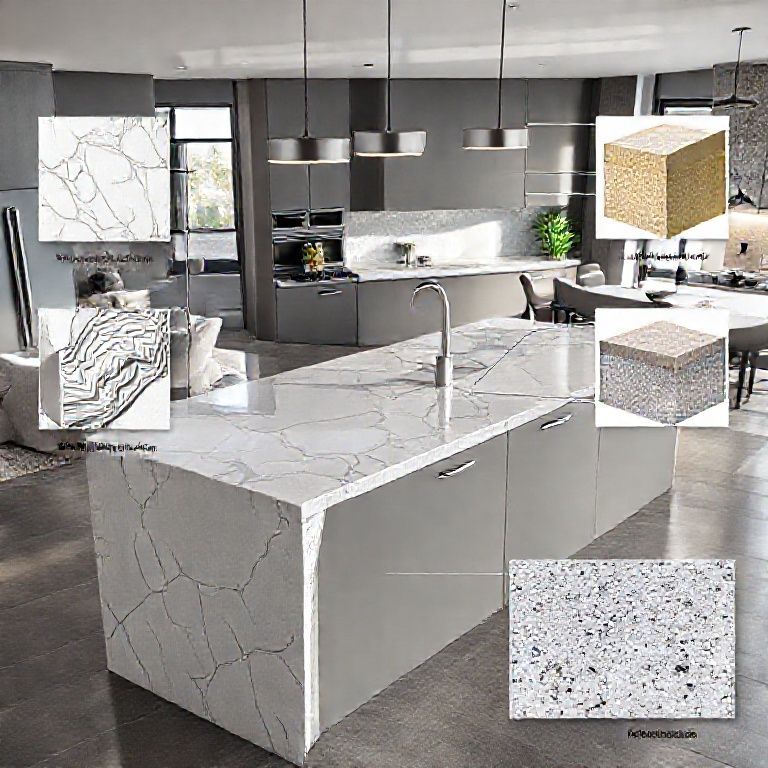
1. Popular Marble Types:
Italian Marble: Known for its rich colors and fine grains, Italian marble such as Botticino and Carrara is highly sought after. Its high demand and exquisite appearance often drive its price up.
Indian Marble: With a wide range of colors, Indian marble is popular for both commercial and residential projects. Varieties like White Jaipur and Black Marble are well-known for their vibrant hues.
Turkish Marble: Renowned for its unique patterns and colors, Turkish marble like Diba and Sivas often features intricate veining that makes it stand out.
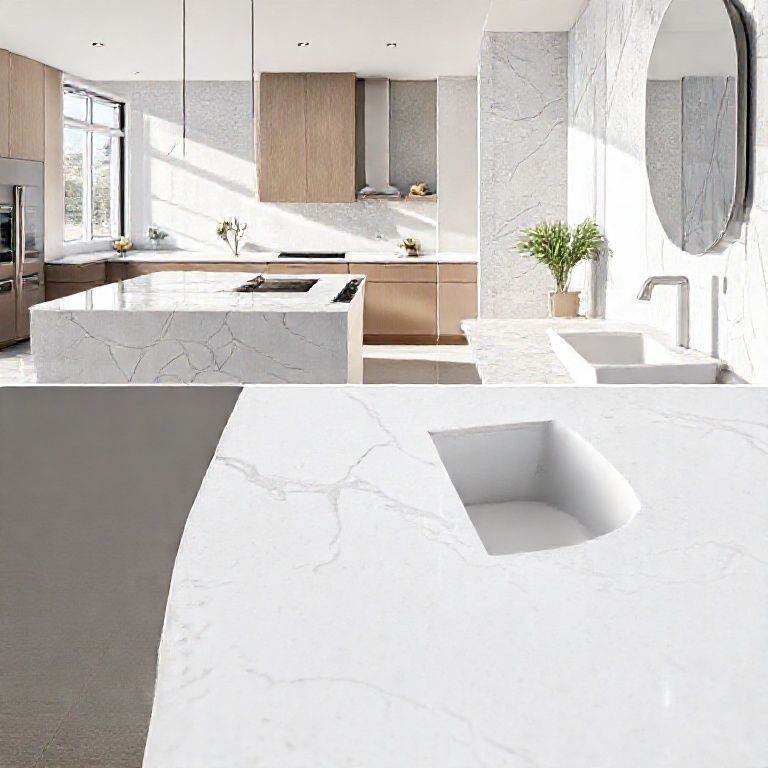
Brazilian Marble: Brazilian marble is famous for its dazzling colors and patterns. Types like Verde Marmore and Preto Marmore are top choices for luxury projects.
2. Marble Grades and Quality:
Marble is graded based on its quality, which significantly affects its price. Higher grades, such as Prime and Select, are more expensive due to their superior appearance and fewer imperfections. Conversely, Standard and Commercial grades are more affordable but still offer excellent aesthetic appeal.
Factors Influencing Marble Prices
To truly understand marble prices, it’s essential to look at the various factors that contribute to their cost. Let’s break down these elements in detail.
1. Quarry Location:
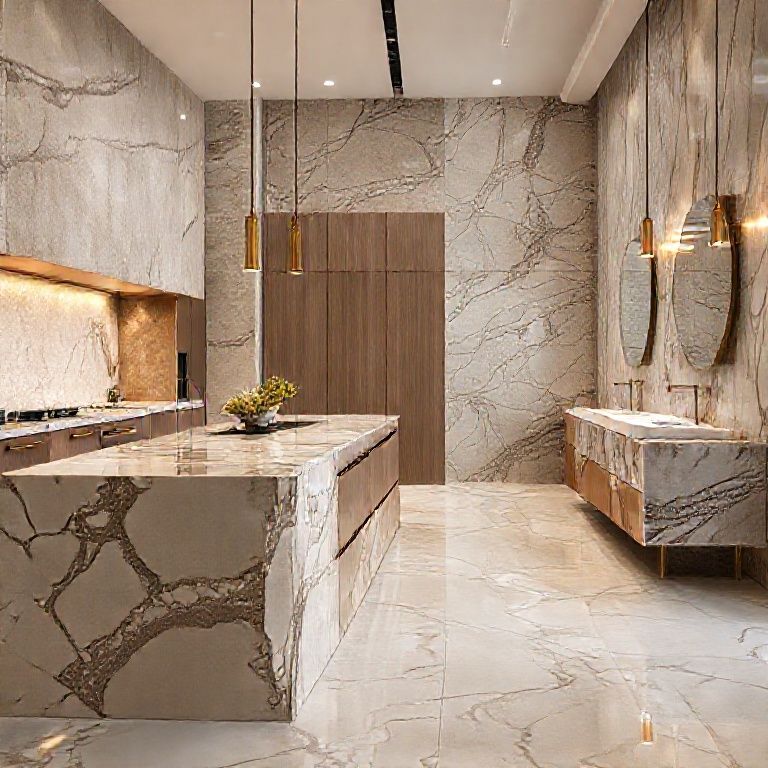
The place where marble is quarried plays a significant role in determining its price. Marble from well-known, high-quality quarries, such as Carrara in Italy, tends to be more expensive due to its established reputation and the expertise required to extract and process it.
2. Processing and Finishing:
The extent of processing and finishing required also affects the price. Polished marble, which has been smoothed and given a glossy finish, will cost more than honed or rough-cut marble. Additionally, treatments like sealing and etching can add to the overall cost.
3. Color and Veining:
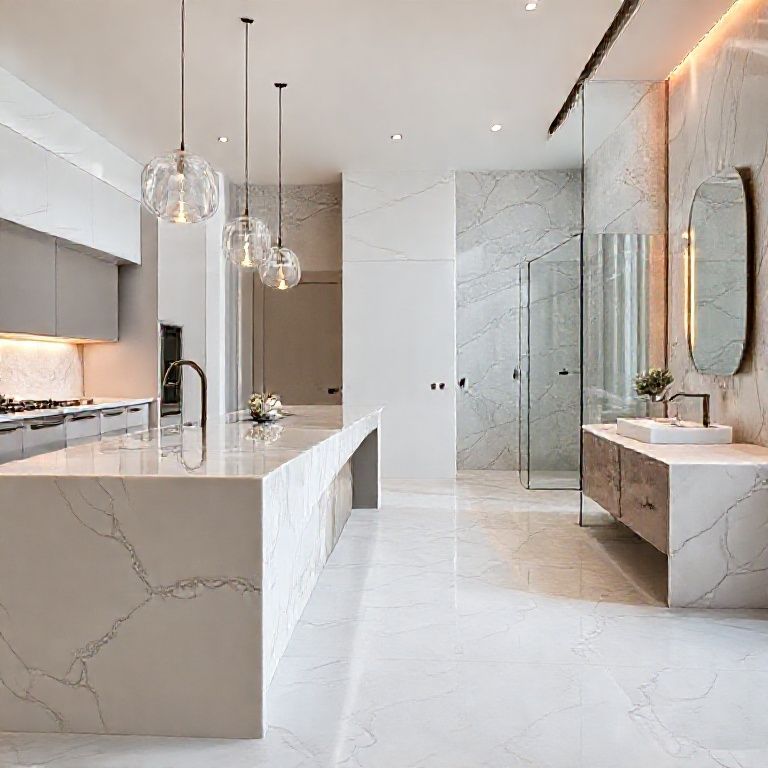
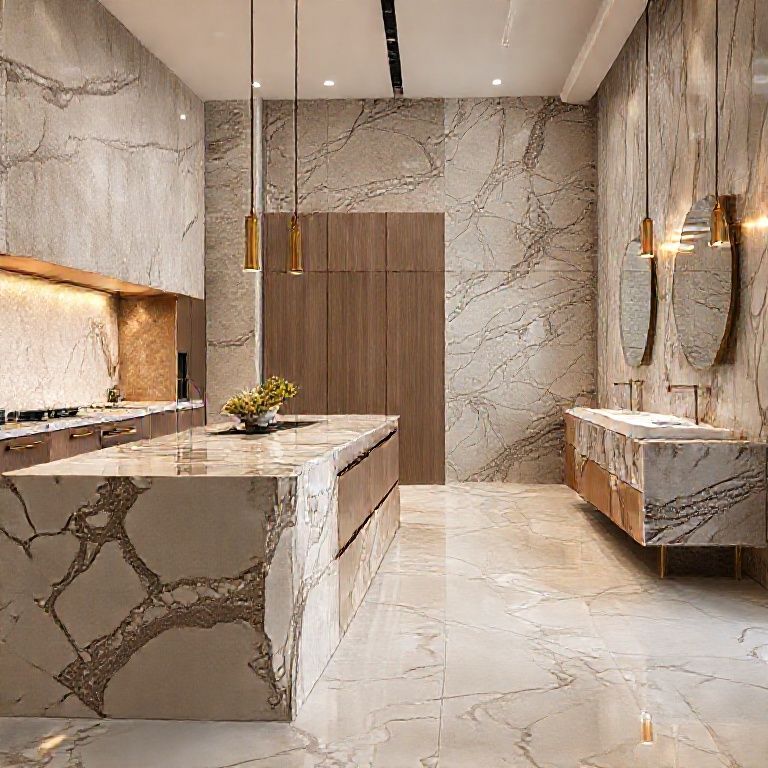
Marble’s natural beauty is one of its most appealing features, but this very characteristic can also affect its price. Marble with rare or vibrant colors and unique veining patterns tends to be more expensive. For example, marble with a striking blend of colors like White Calacatta or the intricate patterns of Emperor Grey often command higher prices.
4. Size and Dimensions:
The size of the marble pieces you need will also influence the price. Larger slabs and custom cuts generally cost more due to the additional labor and material required. Standard sizes are often more affordable.
5. Transportation Costs:
Given that marble is a heavy and bulky material, transportation costs can add up, especially for international shipments. Distance from the quarry to the point of sale is a crucial factor here. Marble that needs to travel long distances will have higher transportation costs, which are often passed on to the consumer.
6. Market Demand:
Market demand is another significant factor. Popular marble types that are in high demand can see price increases due to supply and demand dynamics. Conversely, less popular types may be cheaper due to lower demand.
Making Informed Decisions: The Role of Professional Guidance
Navigating the world of marble prices can be complex, but with the right information, you can make informed decisions that suit your needs and budget.
1. Consult with Marble Experts:
Professionals who specialize in marble can provide invaluable insights. They can help you understand the nuances of different types of marble, guide you through the pricing process, and suggest cost-effective options without compromising on quality.
2. Get Multiple Quotes:
Don’t settle for the first quote you receive. Obtain multiple quotes from different suppliers to compare prices and find the best deal. Remember, prices can vary based on the factors we’ve discussed.
3. Consider Long-Term Value:
While it’s tempting to go for the cheapest option, consider the long-term value of your investment. Higher-quality marble, though more expensive upfront, often offers better durability and a more striking appearance, which can save you money and hassle in the long run.
Conclusion
Understanding marble prices involves more than just a simple calculation. It requires knowledge of different marble types, grades, processing methods, and market dynamics. By delving into these factors, you can make informed decisions that ensure you get the best quality marble at a price that fits your budget.
In the next part, we’ll explore how to select the right marble for your specific needs and the importance of considering installation and maintenance costs.
Unveiling the Mysteries of Marble Prices: What You Need to Know
In our last section, we explored the intricate factors that influence marble prices. Now, let’s delve deeper into how to select the right marble for your specific needs and the importance of considering installation and maintenance costs. Understanding these aspects will help you make well-informed decisions and ensure that you achieve the perfect balance between quality and cost.
Selecting the Right Marble for Your Needs
Choosing the right type of marble for your project requires careful consideration of several key factors. Here’s a detailed guide to help you navigate this process.
1. Determine Your Project Type:
The type of project you’re undertaking will significantly influence your choice of marble. Here’s a breakdown:
Residential Projects: For homes, marbles with a more subdued color palette and even texture, such as Botticino or Calacatta, are often preferred. These types of marble offer elegance without overwhelming the space.
Commercial Projects: In commercial spaces, marbles with bold colors and unique patterns, like Emperor Grey or Black Marble, are popular. These choices add a touch of luxury and sophistication to high-end spaces like restaurants, hotels, and offices.
Outdoor Projects: For outdoor applications, choose durable marbles that can withstand weather conditions. Marbles like Carrara or Imperial Green are excellent choices for outdoor flooring and patios.
2. Consider the Design and Aesthetics:
The design and aesthetic of your space will also guide your marble selection. For example:
Modern Spaces: Opt for sleek, monochromatic marbles like White Calacatta or Travertine for a modern, minimalist look.
Classic Spaces: For traditional or classical designs, marbles with rich, deep colors and intricate veining like Rosso Verona or Black Marble are ideal.
Industrial Spaces: For a more rugged, industrial look, consider using marbles with unique textures and colors like Imperial Green or Nero Marquina.
3. Evaluate the Functionality:
The functionality of your space should also guide your choice. For areas that see high foot traffic, such as entryways and kitchens, choose durable marbles like Imperial Green or Bianco Carrara. For more decorative spaces, such as bathrooms or living rooms, you have more flexibility in your choices.
Installation Costs: Understanding Hidden Expenses
While the cost of the marble itself is crucial, the installation costs can often be a significant portion of your overall budget. Here’s what you need to know about these hidden expenses.
1. Professional Installation:
Hiring professional installers can ensure that your marble is installed correctly, which is essential for longevity and appearance. However, professional installation can add to the overall cost. When budgeting, consider the cost of installation as part of your total expenditure.
2. Transportation:
Transportation costs can vary greatly depending on the distance between the quarry and your location. For long-distance shipments, these costs can be substantial. Always factor in these costs when comparing different suppliers.
3. Custom Cutting and Shaping:
If you require custom cuts or shapes, this will add to the overall cost. Custom work often involves additional labor and may require specialized tools, both of which contribute to higher expenses. Plan for these costs when considering your budget.
4. Additional Materials:
Installation often requires additional materials like adhesives, sealants, and grout. These materials contribute to the overall cost and should be included in your budget. It’s wise to purchase these materials from the same supplier as your marble to ensure compatibility and quality.
Maintenance and Longevity: Ensuring Long-Term Value
To get the most out of your marble investment, proper maintenance is essential. Here’s how you can ensure the longevity and beauty of your marble.
1. Regular Cleaning:
Regular cleaning is crucial to maintaining the appearance and longevity of marble. Use a pH-neutral cleaner to avoid damaging the marble’s surface. Avoid abrasive cleaners and tools that can scratch the marble.
2. Sealing:
3. 避免使用锋利或重物:
大理石是一种相对脆弱的石材,使用锋利的物品或将重物直接放在大理石表面上可能会造成凹痕或划痕。因此,在大理石表面上使用餐具时,建议使用木制或硅胶垫,并避免将重物直接放在大理石表面上。
4. 及时处理溢出物:
大理石容易吸收液体,这可能导致永久性污渍。如果在大理石表面上溢出了液体,应立即用干布擦干,然后用pH中性的清洁剂清洗。如果液体已经渗入石材,及时处理非常重要。
5. 定期检查和维护:
定期检查大理石表面是否有磨损、裂缝或其他问题,并及时进行维护。如果发现问题,应立即采取行动,以防止问题恶化。
6. 避免过度暴晒:
长时间暴露在阳光下可能会导致大理石上的颜色褪色。如果大理石暴露在阳光下,建议使用遮阳网或其他遮阳设施来保护大理石。
市场趋势与未来展望
了解大理石市场的趋势和未来展望,有助于预测未来的价格走势,从而做出更明智的决策。
1. 全球市场需求:
全球对大理石的需求不断增长,尤其是在建筑、室内设计和家具制造等领域。随着经济发展和城市化进程的加快,对高品质大理石的需求将进一步增加。
2. 环保与可持续性:
随着环保意识的提升,市场上对可持续性和环保材料的需求也在增加。一些大理石供应商已开始采用更加环保的采石和加工方法,以满足市场需求。
3. 新材料与技术:
新的材料和技术正在不断涌现,这可能会对传统大理石市场产生影响。例如,人造石材和复合材料等替代品正在逐渐受到关注。大理石的天然美感和独特质感仍然吸引着许多消费者。
结论
了解大理石的价格、选择合适的类型、考虑安装和维护成本,并关注市场趋势,是做出明智购买决策的关键。通过全面的信息和专业的建议,您可以确保选择适合您需求且具有长期价值的大理石材料。
希望这些信息对您有所帮助!如果您有任何其他问题,欢迎继续提问。