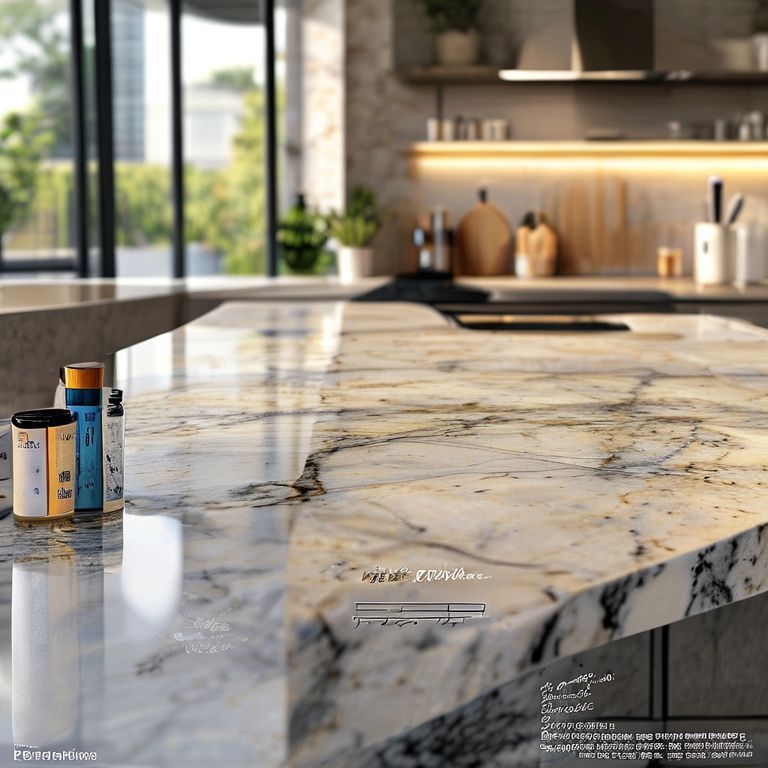
Understanding Artificial Stone and Its Durability
Artificial stone, often referred to as engineered stone, has revolutionized the world of countertop materials. Known for its stunning aesthetics and versatile applications, it has become a preferred choice for kitchens, bathrooms, and commercial spaces. However, one common concern that surfaces frequently is whether artificial stone can change color over time.

What is Artificial Stone?
Artificial stone, primarily composed of quartz and other minerals bonded together using resins, is engineered to mimic the appearance of natural stone. The process involves mixing powdered quartz with a polymer resin, followed by heating and pressing to form solid blocks. These blocks are then cut and polished to achieve the desired finish.
Why Is Color Change a Concern?
Color change in artificial stone can occur due to various factors, leading to potential concerns about its longevity and aesthetic appeal. The primary reasons include:
Chemical Exposure: Acids and Alkalis: Artificial stone can react to strong acids and alkalis, which may cause discoloration. This is particularly relevant for surfaces exposed to acidic foods or cleaning agents. Oils and Grease: Cooking oils, food stains, and cleaning products can penetrate the surface, leading to color changes. Heat and UV Exposure: Heat: Prolonged exposure to high temperatures can cause color shifts. This is less common but may happen in areas with intense heat sources, such as stovetops. UV Light: While artificial stone is generally resistant to UV light, prolonged exposure to direct sunlight can cause fading over time. Manufacturing Variations: Color Uniformity: Even minor variations in the manufacturing process can lead to slight differences in color across different batches of stone.
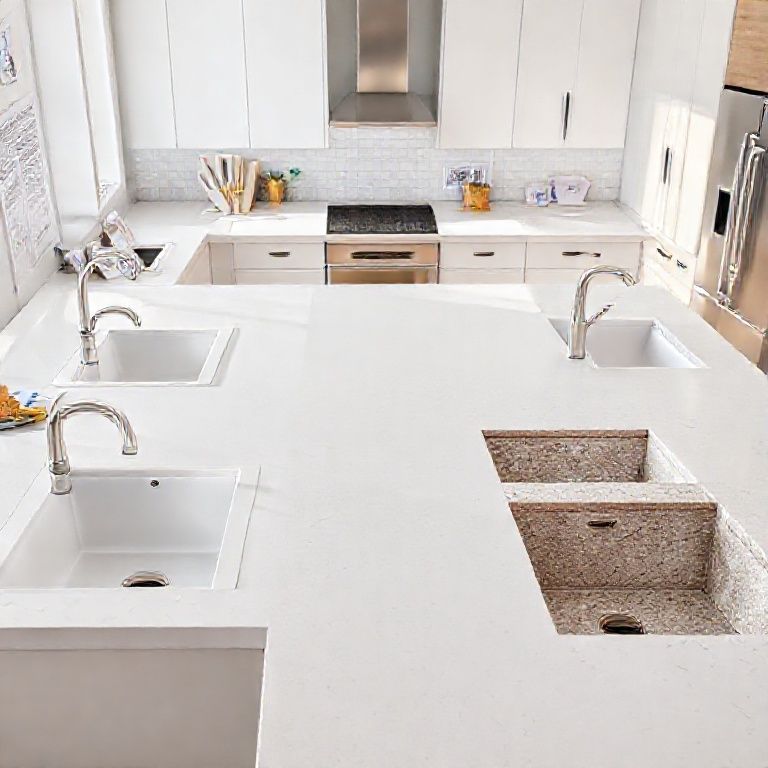
Durability and Maintenance
Understanding the durability of artificial stone is crucial for assessing its resistance to color change. Here are some key points:
Surface Treatment: Polished Finish: A polished surface is highly resistant to staining and color change. It is the most durable option for maintaining the stone’s aesthetic. Sealants: Applying a quality sealant can further enhance the stone’s resistance to stains and color shifts. Regular reapplication of sealants can prolong the life of the stone. Cleaning and Care: Mild Detergents: Use mild detergents and avoid abrasive cleaners that can scratch the surface. Sponges and soft cloths are recommended for cleaning. Immediate Stain Removal: Promptly address spills and stains to prevent them from embedding into the surface.
Advancements in Artificial Stone Technology
Recent advancements in artificial stone technology have significantly improved its color stability and durability. Manufacturers are continually refining the materials and processes to produce more consistent and long-lasting stone.
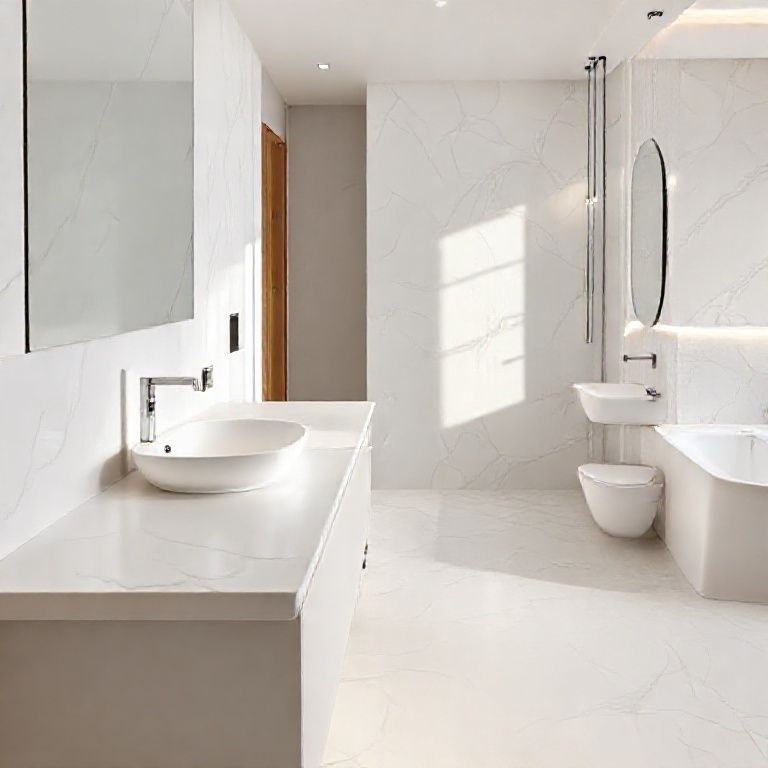
Enhanced Resins: Advanced Polymers: New formulations of resins and polymers provide better resistance to chemical reactions and color changes. Surface Coatings: Nano-coatings: These advanced coatings offer superior protection against stains, scratches, and UV damage, maintaining the stone’s color and appearance over time.
Conclusion
While artificial stone can experience color changes due to various factors such as chemical exposure, heat, and UV light, modern advancements in manufacturing techniques and surface treatments have significantly minimized these risks. Proper maintenance, including regular cleaning and the use of quality sealants, can further enhance the stone’s durability and color stability. By understanding the factors that contribute to color change, homeowners and businesses can make informed decisions about using artificial stone for their aesthetic and functional needs.
Innovations and Expert Insights on Artificial Stone Color Stability
In the second part of our exploration into whether artificial stone changes color, we will delve deeper into the innovations that are pushing the boundaries of color stability. We will also look at expert insights and advice from industry professionals to provide a holistic understanding of this material.
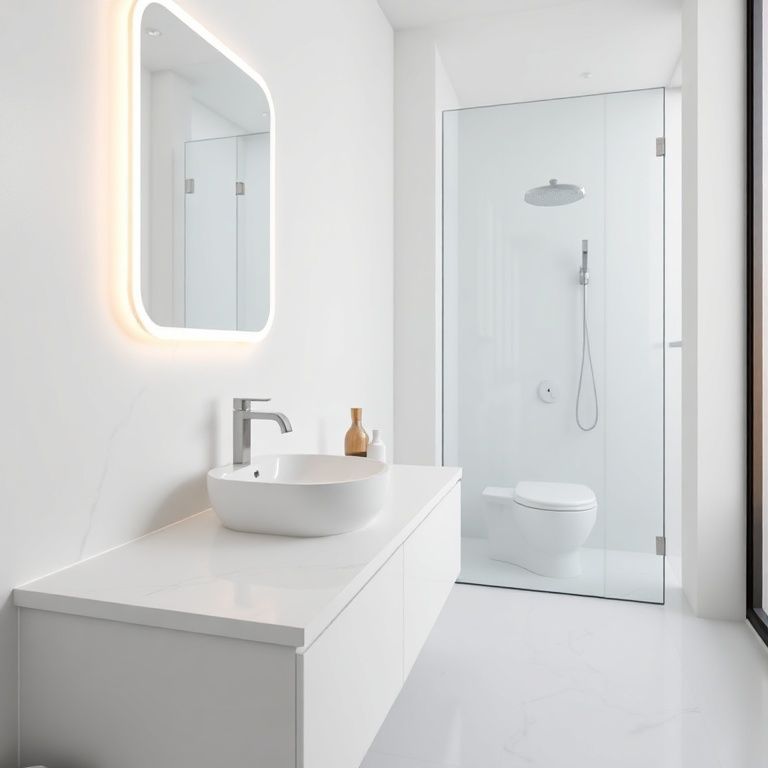
The Science Behind Color Stability
Color stability in artificial stone is a complex interplay of material science, chemistry, and manufacturing precision. Here’s a closer look at the science behind it:
Mineral Composition: Quartz Content: The high percentage of quartz in artificial stone contributes to its overall color stability. Quartz is a naturally occurring mineral known for its durability and resistance to discoloration. Resin Matrix: The polymer resin used in the manufacturing process also plays a critical role. Advanced resins are designed to bond the quartz particles tightly, reducing the likelihood of color shifts. Manufacturing Techniques: Heating and Pressing: The process of heating and pressing the quartz and resin mixture at high temperatures ensures a strong bond and uniform color distribution. This controlled environment minimizes variations in color. Polishing and Finishing: The final polishing and finishing processes contribute to the stone’s surface quality and color consistency. High-quality polishing techniques ensure a smooth, even surface that reflects light uniformly.
Innovations in Color Stability
Manufacturers are constantly innovating to improve the color stability of artificial stone. Here are some of the latest advancements:
Nano-coatings: Protective Layers: Nano-coatings provide a microscopically thin, yet highly durable, protective layer over the stone surface. These coatings are designed to resist stains, scratches, and UV-induced fading. Enhanced Longevity: By creating a barrier against external factors, nano-coatings significantly extend the lifespan of the stone’s color and appearance. Advanced Resin Formulas: Superior Bonding: New resin formulas offer stronger bonding between quartz particles, reducing the potential for color shifts due to chemical reactions or environmental factors. Environmental Resistance: These advanced resins are formulated to resist various environmental conditions, including heat, UV light, and chemical exposure.
Expert Insights on Color Maintenance
To provide a comprehensive understanding, we’ve gathered insights from industry experts who specialize in artificial stone production and maintenance:
Industry Professionals: Manufacturer Recommendations: Leading manufacturers recommend regular maintenance routines, including periodic cleaning and the application of high-quality sealants. Custom Solutions: Experts advise that custom solutions, tailored to specific environments and usage patterns, can further enhance color stability. Installation Best Practices: Proper Installation: Ensuring proper installation techniques, such as using high-quality adhesives and avoiding overloading surfaces, can prevent issues that may lead to color changes. Environmental Considerations: Taking into account the specific environmental conditions of the installation site—such as exposure to heat, chemicals, or UV light—can help in selecting the most appropriate stone type and treatment.
Real-World Applications and Case Studies
To further illustrate the practical aspects of color stability in artificial stone, we’ll explore some real-world applications and case studies:
Commercial Kitchens: High-Traffic Areas: In commercial kitchens, where surfaces are frequently exposed to oils, grease, and cleaning agents, the use of high-quality artificial stone with advanced resin and nano-coatings can significantly reduce color changes. Maintenance Regimens: Case studies show that implementing stringent maintenance regimens, including regular cleaning and sealant reapplication, can maintain the stone’s aesthetic for extended periods. Residential Spaces: Home Environments: In residential settings, artificial stone countertops are popular due to their aesthetic appeal and low maintenance. Homeowners can enjoy their stone’s color stability by following basic care guidelines and using recommended cleaning products. Long-Term Durability: Long-term studies indicate that with proper care, artificial stone can maintain its color and appearance for many years, providing a durable and attractive surface.
Conclusion
Artificial stone’s journey from a novelty material to a mainstream choice for countertops and other surfaces is a testament to its versatility and durability. While color change can be a concern, modern innovations and expert insights have significantly mitigated these issues. By understanding the science behind color stability, adopting advanced manufacturing techniques, and following expert maintenance advice, homeowners and businesses can confidently use artificial stone, knowing that its color and appearance will remain intact for years to come.
In the next part, we will explore the various types of artificial stone, their specific characteristics, and how they fare in different environments to further understand the material’s capabilities and limitations.