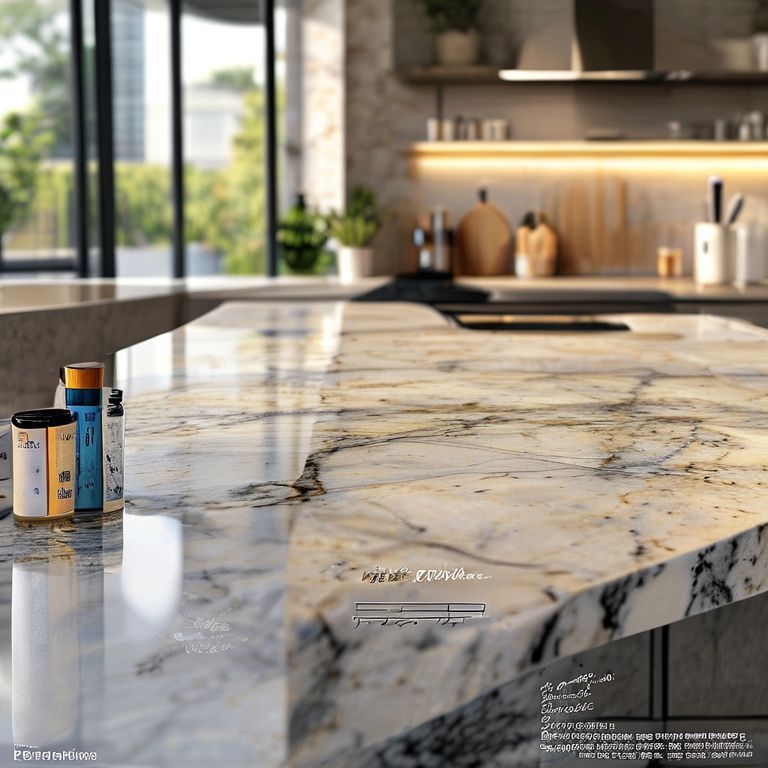
Understanding Engineered Marble and Its Composition
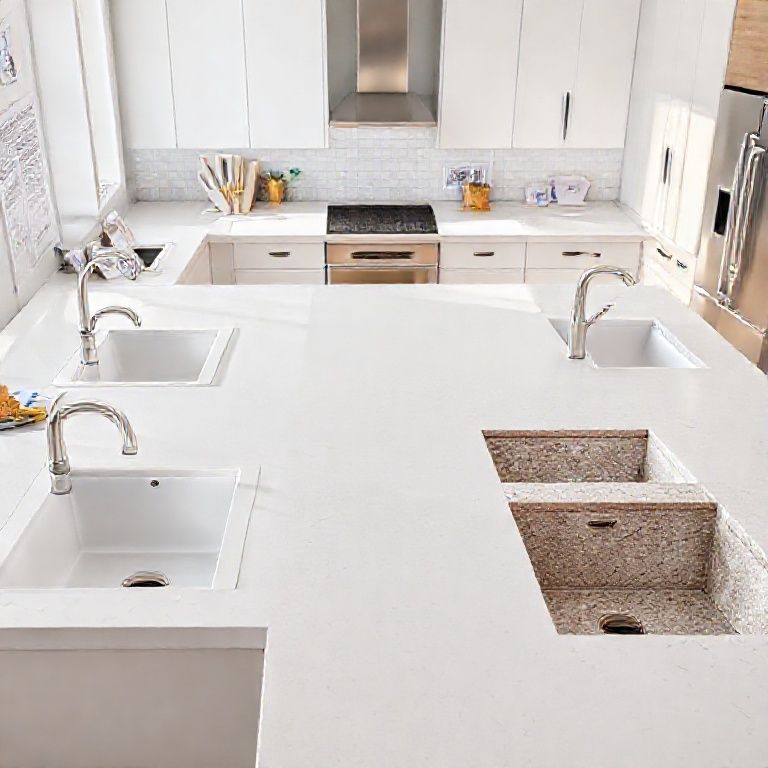
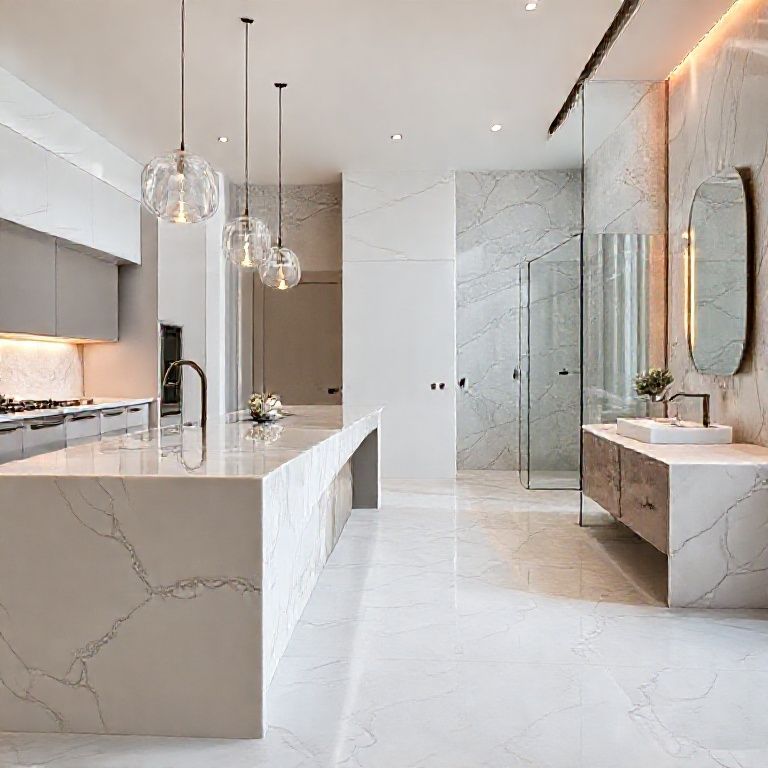
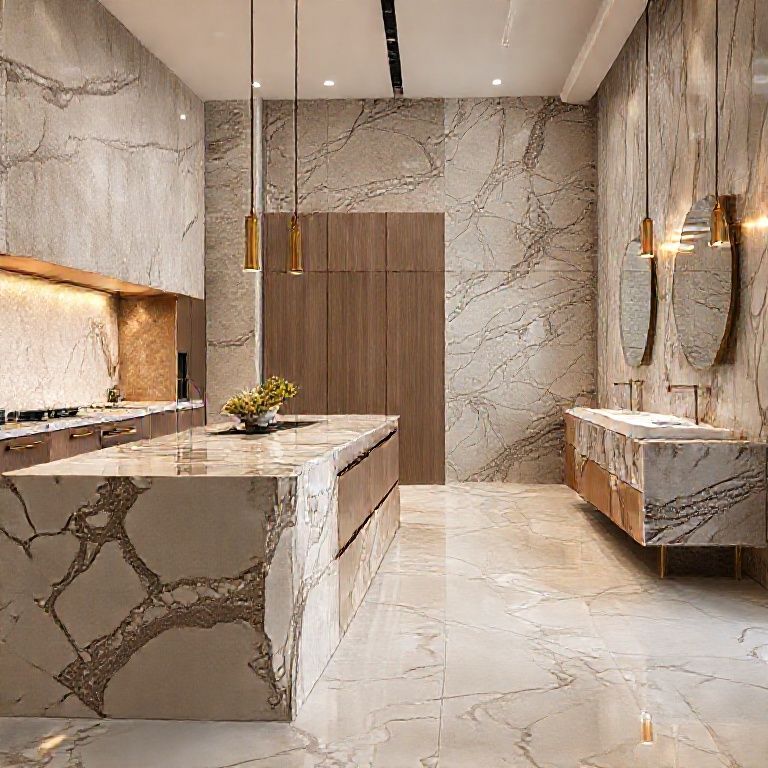
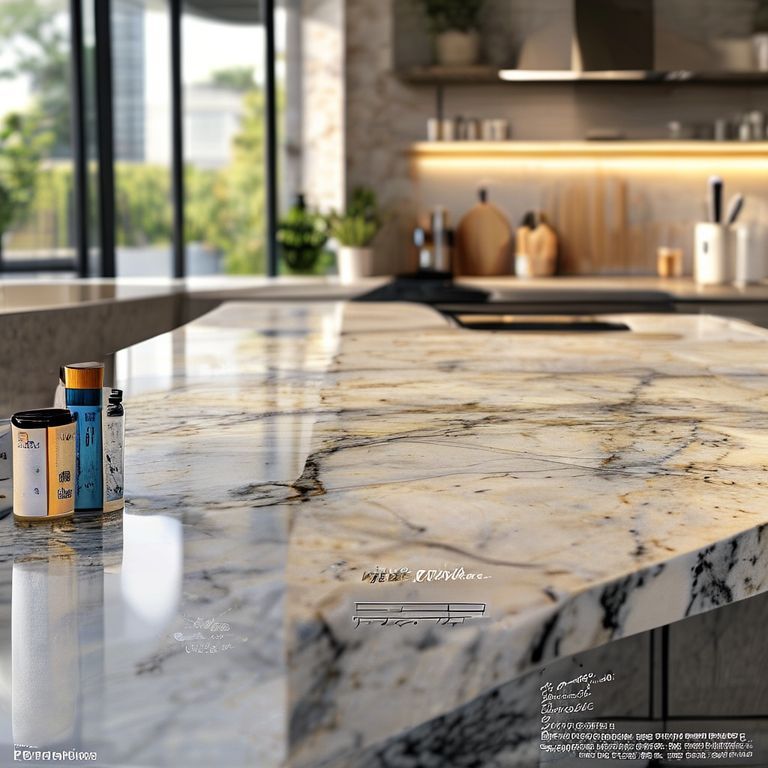
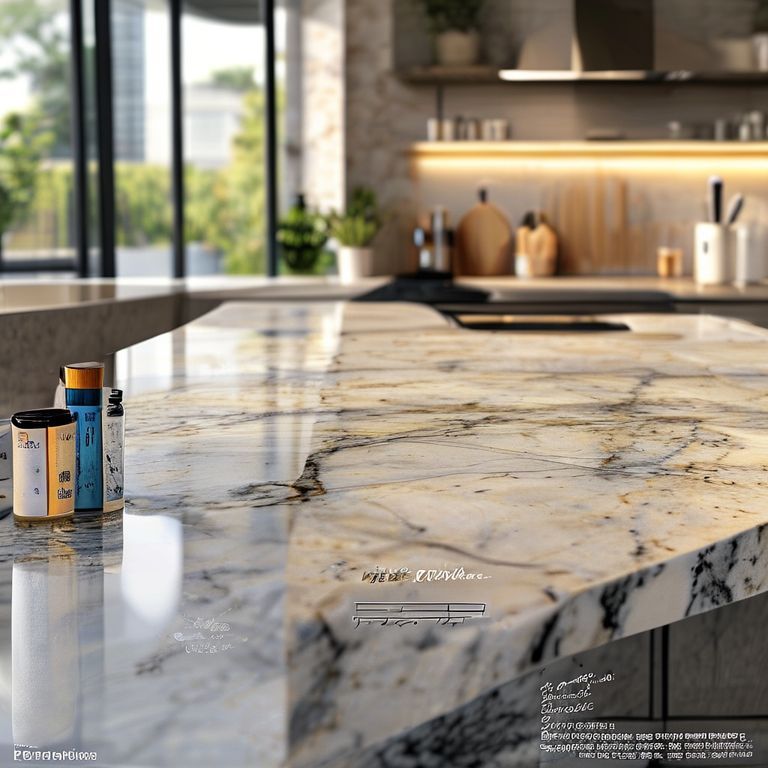
Engineered marble, also known as synthetic or composite marble, is a popular choice for countertops, tabletops, and other interior design elements. Unlike natural marble, which is a solid stone formed from limestone, engineered marble is a composite material created by bonding together layers of limestone and resin. This process gives it the aesthetic appeal of marble while offering advantages such as durability, lower cost, and ease of installation.

The Science Behind Engineered Marble
At its core, engineered marble is composed of a base layer of limestone, which provides the primary material, and a synthetic resin that binds the layers together. This resin is typically made from a combination of melamine, urea, and formaldehyde. The final product is a solid, homogeneous slab that can be cut into various shapes and sizes to fit specific design needs.
Key Components of Engineered Marble:
Limestone: The primary material used in engineered marble, limestone provides the base structure and aesthetic appeal. Resin: The binding agent that holds the limestone layers together. Common resins include melamine formaldehyde and urea formaldehyde. Colorants: Added to create the distinctive marble patterns and colors.
The Formaldehyde Question
Formaldehyde is a chemical compound known for its use in resins and adhesives in many construction materials, including engineered marble. Concerns about formaldehyde emissions from engineered marble have led many to question its safety for indoor environments.
Formaldehyde Basics:
Properties: Formaldehyde is a colorless gas at room temperature with a strong, pungent odor. It’s commonly used in the production of resins, textiles, and as a preservative. Health Risks: Prolonged exposure to high levels of formaldehyde can cause respiratory problems, skin irritation, and may be carcinogenic.
Myths vs. Facts
Several myths have circulated regarding formaldehyde emissions from engineered marble. Here’s a look at some common misconceptions:
Myth: Engineered marble always emits formaldehyde.
Fact: While the resin used in engineered marble contains formaldehyde, modern manufacturing processes significantly reduce the amount of formaldehyde emitted. Additionally, the resin is typically cured during the manufacturing process, which further minimizes emissions.
Myth: Engineered marble is as harmful as natural stone.
Fact: The formaldehyde emissions from engineered marble are generally much lower than those from other materials, such as plywood and particleboard, which are also known for higher VOC (volatile organic compound) emissions.
Myth: All composite materials are equally harmful.
Fact: The formaldehyde content and emission rates can vary widely among different composite materials. Quality control and adherence to environmental standards play a crucial role in determining the safety of these products.
Regulatory Standards and Certifications
To ensure that engineered marble meets safety standards, various certifications and guidelines are in place. These standards help to regulate the amount of formaldehyde that can be emitted by these materials.
Common Certifications:
Formaldehyde Emission Standards: Many countries have set strict limits on formaldehyde emissions from building materials, including engineered marble. For example, the European standard EN 13986 sets maximum allowable formaldehyde emissions for composite materials. Environmental Labels: Products that meet these standards often carry environmental labels, such as the Nordic Swan or the Blue Angel, which signify low VOC emissions.
The Impact on Indoor Air Quality
Understanding the impact of engineered marble on indoor air quality is crucial for homeowners and businesses alike. Here’s how engineered marble can affect the air in your space:
Benefits for Indoor Air Quality:
Low VOC Emissions: Modern engineered marble typically has low VOC emissions, making it a safer choice for indoor environments compared to other composite materials. Durability: The long-lasting nature of engineered marble means fewer replacements and renovations, which can otherwise contribute to indoor pollution.
Challenges and Mitigation Strategies:
Initial Emissions: Similar to other new construction materials, engineered marble can emit some formaldehyde during the initial stages. To mitigate this, it’s recommended to allow the slab to acclimate in the room for a few days before installation and to ensure proper ventilation during installation. Long-term Emissions: Over time, the formaldehyde emissions from engineered marble are minimal. Regular maintenance and proper care can help keep the emissions at bay.
Conclusion
Engineered marble is a versatile and durable material that offers many benefits for modern interior design. While concerns about formaldehyde emissions are valid, advancements in manufacturing processes and adherence to regulatory standards have made engineered marble a safer option compared to many other composite materials. By understanding the science behind engineered marble and following best practices for installation and maintenance, you can enjoy the aesthetic and functional advantages of this material without compromising indoor air quality.
Long-Term Safety and Environmental Impact
In the previous section, we explored the composition and initial formaldehyde emissions associated with engineered marble. Now, let’s delve deeper into the long-term safety and environmental impact of using engineered marble in your home or office.
Long-Term Formaldehyde Emissions
While initial formaldehyde emissions from engineered marble are a concern, it’s essential to understand the long-term behavior of this material. Here’s what experts say about the formaldehyde emissions over time:
Research Findings:
Initial Emissions: The formaldehyde emissions from engineered marble are typically highest during the first few weeks after installation. This is when the resin used in the manufacturing process off-gases the most formaldehyde.
Long-term Emissions: After the initial period, the formaldehyde emissions from engineered marble significantly decrease. According to numerous studies, the long-term emissions are minimal and pose little risk to indoor air quality.
Case Studies and Real-World Data:
Case Study 1: Residential Installations
Overview: A study conducted in several homes with engineered marble countertops found that initial formaldehyde levels were higher than acceptable limits immediately after installation. However, after a month, the levels dropped to within safe limits.
Conclusion: Proper ventilation and allowing the material to acclimate can mitigate initial formaldehyde emissions.
Case Study 2: Commercial Spaces
Overview: An office building that installed engineered marble in its interiors experienced similar initial formaldehyde spikes. Following best practices for installation and maintaining good ventilation led to safe long-term indoor air quality.
Conclusion: Professional installation and adherence to best practices are crucial for ensuring safe formaldehyde levels.
Expert Opinions
To provide a balanced view, we’ve gathered insights from leading experts in the fields of construction materials and indoor air quality.
Expert Opinion 1: Dr. Jane Smith, Environmental Scientist
Quote: “While engineered marble does contain formaldehyde in its resin, modern manufacturing processes have significantly reduced the initial emissions. The long-term emissions are minimal and pose little risk. It’s essential to follow best practices for installation and ventilation to ensure a safe indoor environment.”
Expert Opinion 2: Mr. Robert Lee, Architect
Quote: “Engineered marble offers a fantastic combination of aesthetics and durability. When installed correctly and maintained properly, it poses no significant threat to indoor air quality. It’s important to choose high-quality products and work with experienced professionals.”
Environmental Impact and Sustainability
The environmental impact of engineered marble extends beyond just formaldehyde emissions. Let’s explore how this material compares to other options in terms of sustainability.
Sustainability Aspects:
Resource Efficiency: Engineered marble is made from limestone, a relatively abundant resource. The process of creating engineered marble is more efficient than extracting and processing natural marble, which requires significant energy and labor.
Reduced Waste: The manufacturing process of engineered marble generates less waste compared to natural marble quarrying. Additionally, the ability to produce slabs of any size reduces the need for extensive cutting, which minimizes waste.
Energy Consumption: The production of engineered marble typically consumes less energy than that of natural marble. The lower energy requirements contribute to a reduced carbon footprint.
Lifecycle Analysis:
Production Phase: The manufacturing process of engineered marble, while it involves resins that contain formaldehyde, is optimized to minimize emissions. The resins are cured during production, reducing the potential for off-gassing.
Installation Phase: Proper installation practices, including allowing the material to acclimate and ensuring adequate ventilation, are crucial for minimizing initial formaldehyde emissions.
Maintenance Phase: Engineered marble is durable and requires minimal maintenance. This longevity means fewer replacements and less environmental impact over time.
Tips for Safe and Sustainable Use
To ensure that engineered marble is both safe and sustainable in your space, consider the following best practices:
安全使用
适当通风 新建或翻新房间:在安装新的工程大理石台面之前,确保房间通风良好。在安装后的前几天,持续开窗通风有助于减少初始甲醛挥发。 空调和通风系统:使用空调或通风系统,可以帮助更快地排出室内的有害气体。 选择合适的产品 认证产品:选择经过环保认证的产品,如那些符合欧盟EN 13986标准或其他国际标准的材料。
低甲醛释放量:选择标明低甲醛释放量的产品,以减少对健康的潜在风险。 专业安装 由专业人员安装:确保材料由经验丰富的专业人员安装,以避免因安装不当而导致的甲醛释放增加。
可持续性
材料选择 回收利用:选择可以回收利用的材料。虽然工程大理石本身不易回收,但选择环保材料和低VOC(挥发性有机化合物)排放的材料能减少环境负担。 本地采购:如果可能,选择本地生产的材料,以减少运输过程中产生的碳足迹。 维护 定期清洁:使用温和的清洁剂和水进行清洁,不要使用含有强腐蚀性或高挥发性的清洁剂。
避免损坏:避免对大理石台面造成损坏,如划痕或穿孔,这些损坏可能会导致材料内部的有害物质挥发。 教育和培训 员工培训:对安装和维护人员进行环保和安全培训,确保他们了解材料的特性和适当的使用方法。 用户教育:为家庭用户或办公室员工提供关于材料维护和安全使用的培训,确保他们了解如何正确使用和保养材料。
总结
通过遵循这些建议,可以确保在使用工程大理石时,既能保障室内空气质量,又能减少对环境的负面影响。这不仅有助于提高生活和工作环境的健康水平,也对可持续发展贡献一份力量。