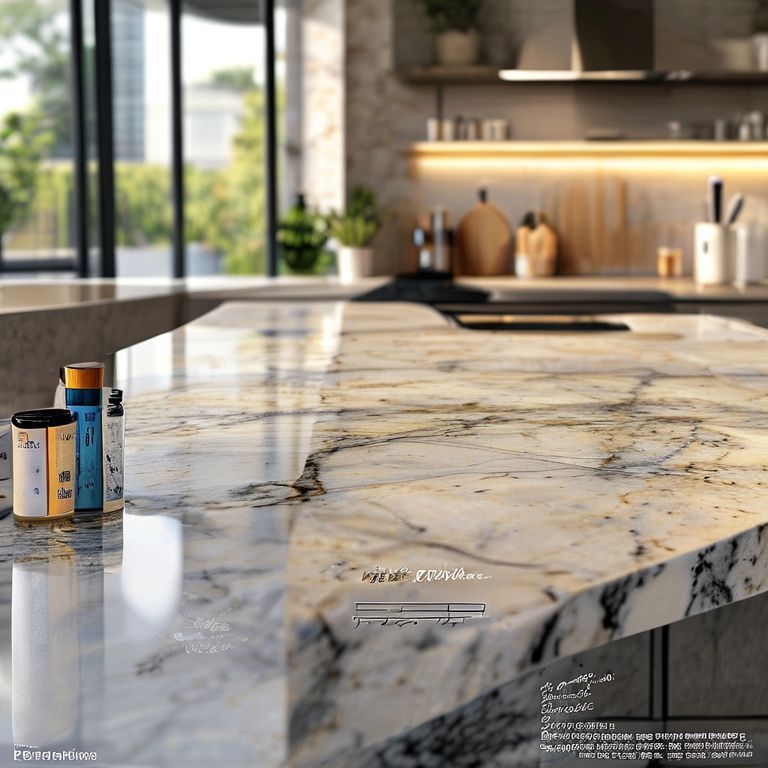
The Composition and Characteristics of Artificial Marble
Artificial marble, often referred to as composite stone, is a contemporary material that has been gaining significant traction in the world of interior design and construction. Unlike its natural counterpart, artificial marble is a man-made substance that combines the aesthetic appeal of marble with the practical benefits of modern technology.

What Is Artificial Marble Made Of?
Artificial marble is primarily composed of a mixture of various minerals and resins. The core ingredients typically include:
Calcium Carbonate: This is the primary mineral that gives artificial marble its characteristic texture and appearance. It mimics the look of natural marble while providing superior durability. Resins: Epoxy or polyester resins are used to bind the calcium carbonate and other particles together. These resins enhance the strength and flexibility of the final product. Color Pigments: To replicate the rich, veined patterns of natural marble, artificial marble is infused with a variety of color pigments. These pigments are meticulously mixed to create a realistic marble look. Fillers and Additives: Additional materials like silica, talc, and wax are often included to adjust the texture and finish of the stone.
The Manufacturing Process
Creating artificial marble involves several key steps:
Mixing: The raw materials are combined in precise proportions to form a thick paste. This mixture is carefully stirred to ensure uniformity. Molding: The paste is then poured into molds that replicate the desired shape and design. These molds are often made from metal or silicone. Curing: After molding, the mixture is allowed to cure. During curing, the resins harden and bind the minerals together, forming a solid stone-like material. Finishing: The cured stone is finished with a protective coating or sealant to enhance its durability and resistance to stains and scratches.
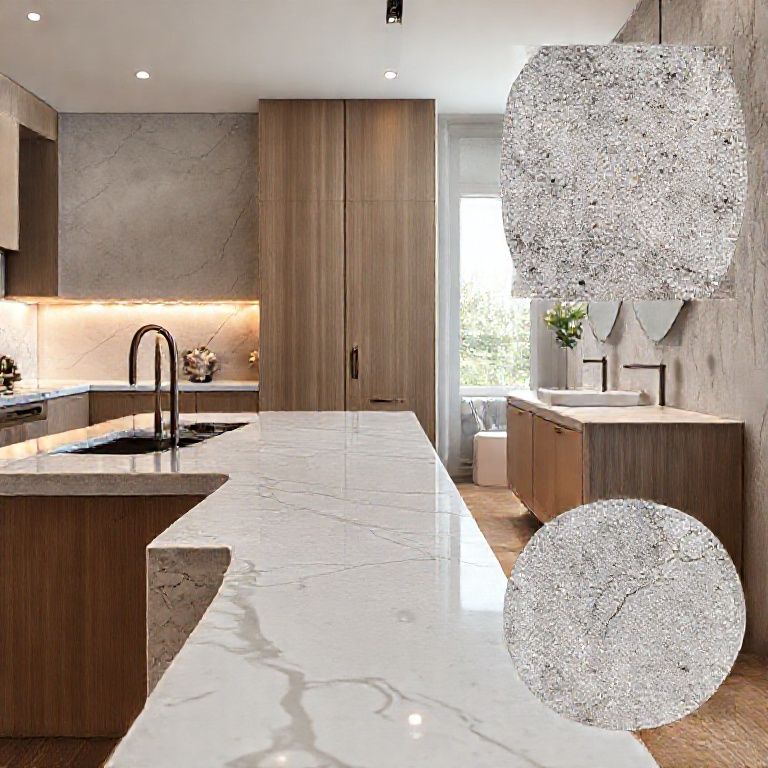
Why Choose Artificial Marble?
Artificial marble stands out for several reasons:
Durability: Unlike natural stone, artificial marble is highly resistant to scratches, stains, and thermal damage. It doesn’t etch easily, making it an ideal choice for high-traffic areas. Maintenance: Artificial marble requires minimal maintenance. A simple wipe-down with a damp cloth and mild cleaner is usually sufficient to keep it looking pristine. Aesthetic Versatility: With a wide range of colors and patterns available, artificial marble offers unparalleled versatility. It can mimic almost any natural stone, providing a luxurious appearance without the high cost. Cost-Effectiveness: Since artificial marble is a manufactured product, it is often more affordable than natural marble, offering a cost-effective solution for luxury interiors.
Applications of Artificial Marble
Artificial marble finds applications in various domains:
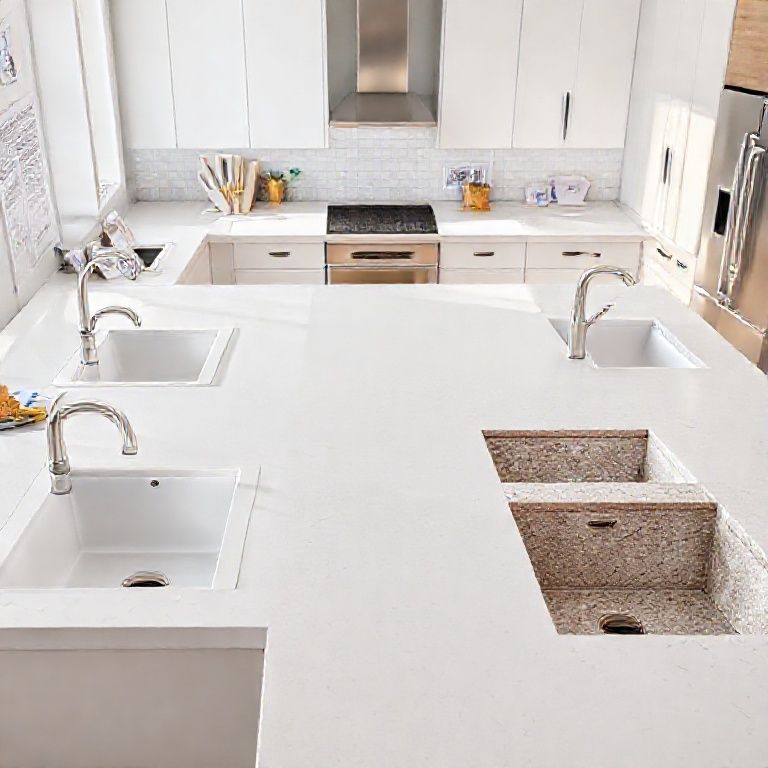
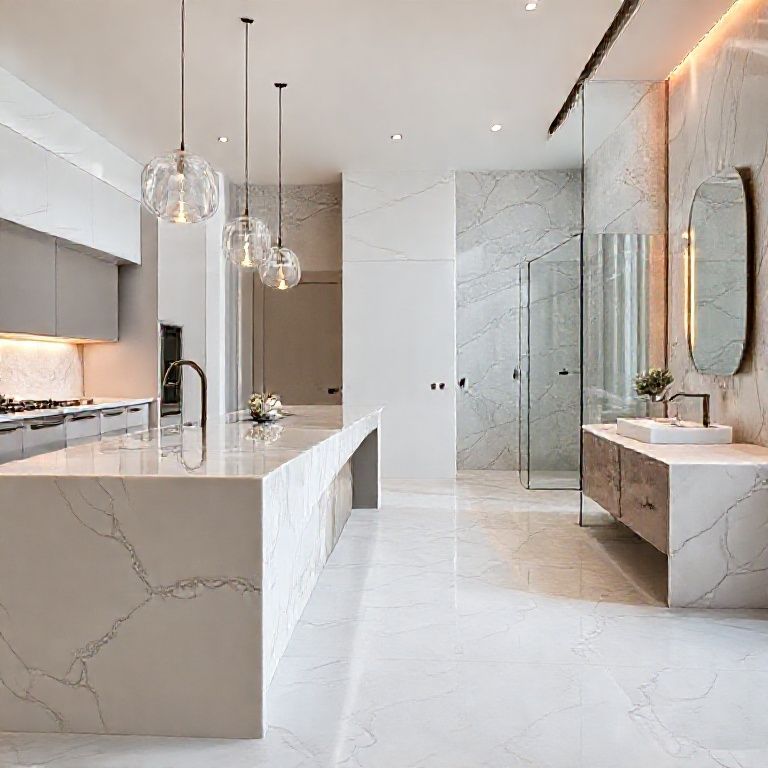
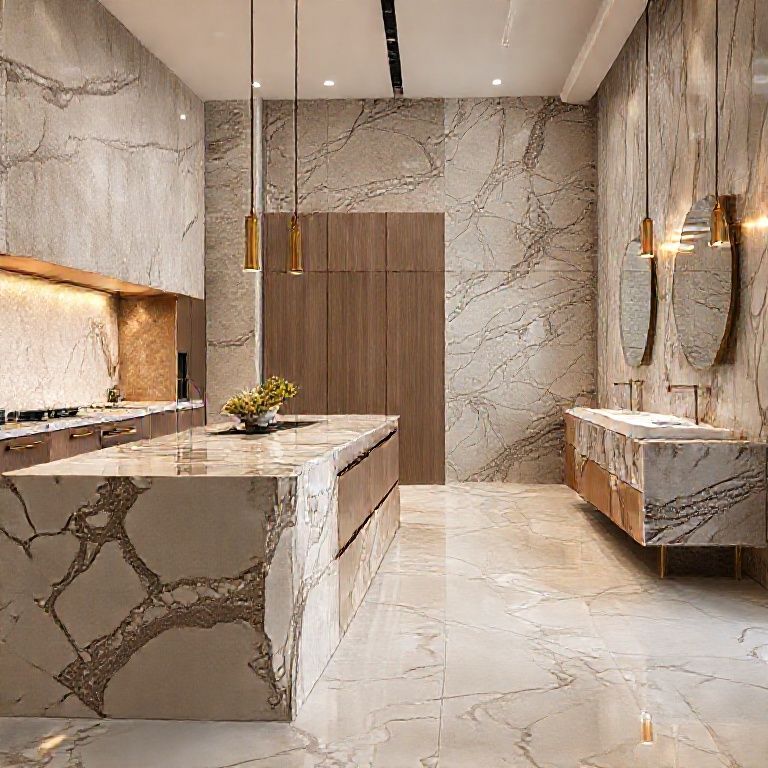
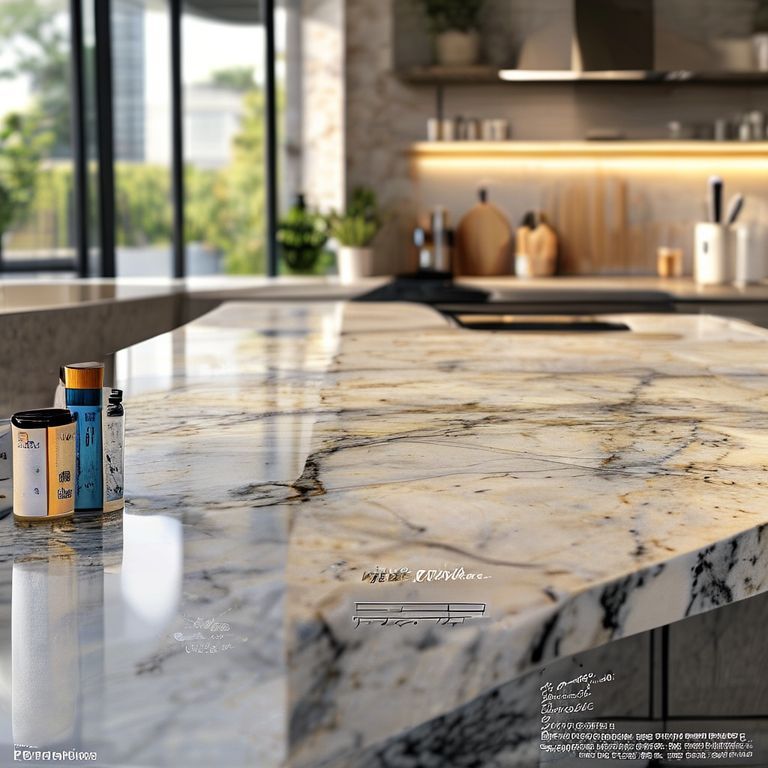
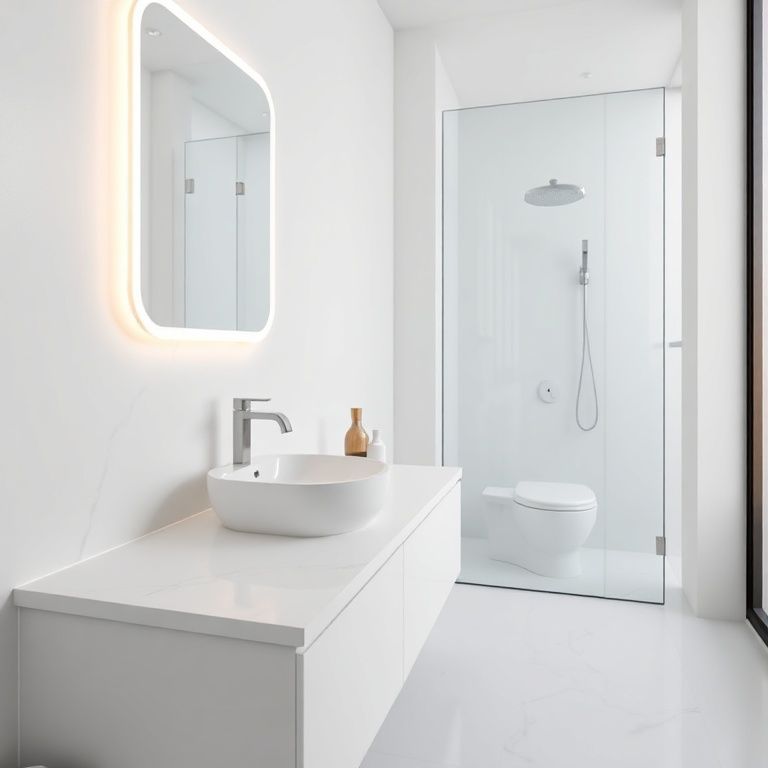
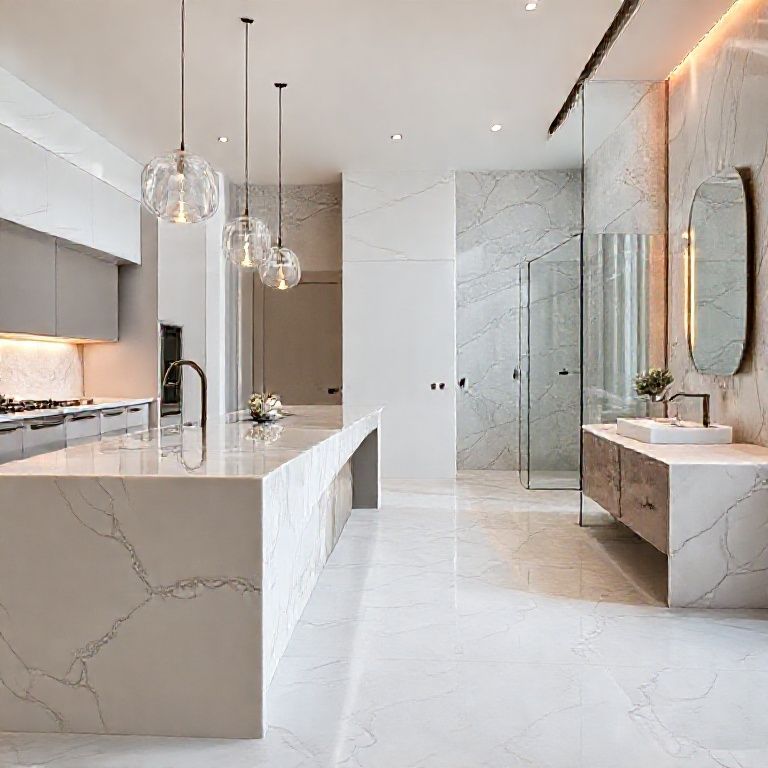
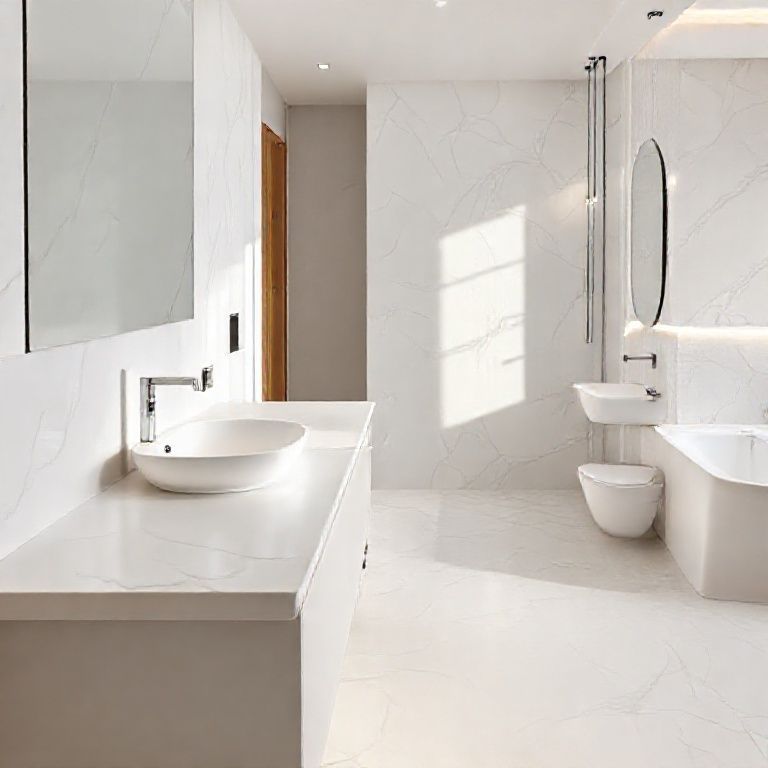
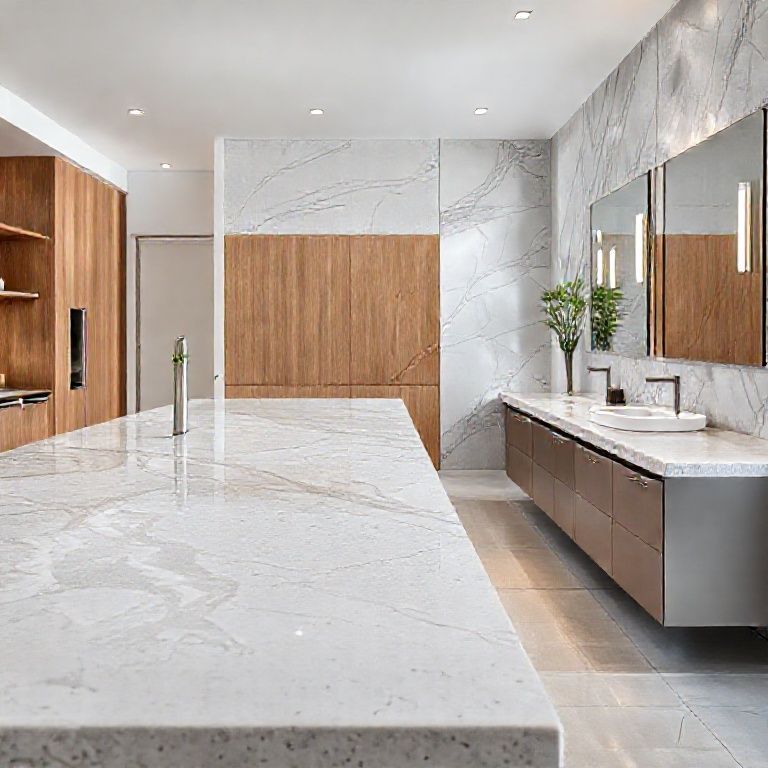
Countertops: It is widely used for kitchen and bathroom countertops due to its durable and easy-to-clean surface. Furniture: High-end furniture such as dining tables and bar counters are often crafted from artificial marble for its elegant appearance and resilience. Interior Design: Artificial marble is popular in interior design for creating stunning focal points in walls, floors, and decorative elements. Commercial Spaces: Offices, hotels, and retail spaces benefit from the sophisticated look and practical benefits of artificial marble.
The Advantages and Future of Artificial Marble in Modern Interiors
Artificial marble continues to revolutionize the world of interior design, offering both aesthetic and functional benefits that have made it a preferred choice for many. Let’s delve deeper into its advantages and explore its future potential.
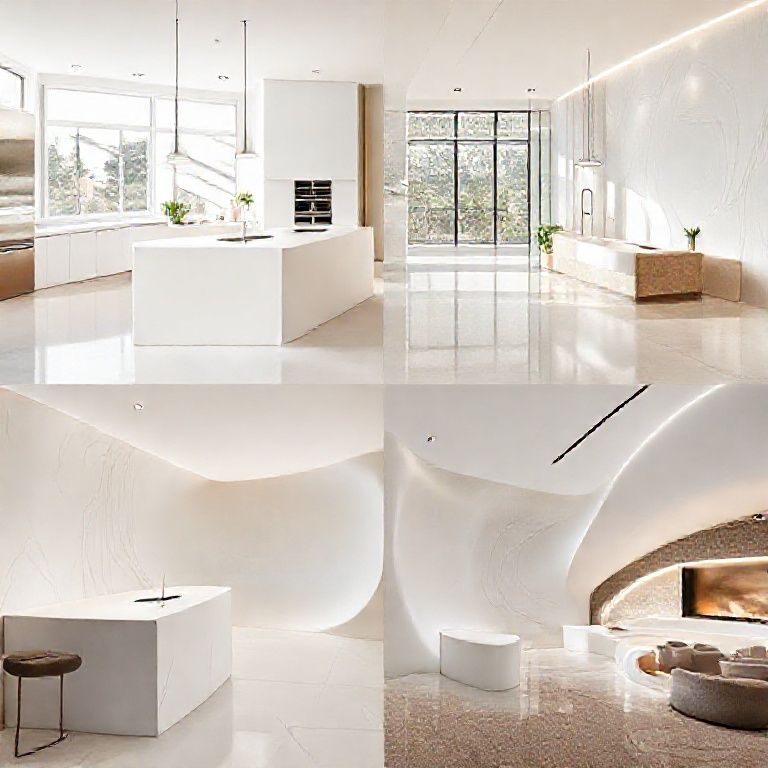
Enhanced Benefits of Artificial Marble
Environmental Impact: Artificial marble is an eco-friendly alternative to natural stone. The extraction and processing of natural marble often have significant environmental impacts, including deforestation and habitat destruction. In contrast, artificial marble production is generally more sustainable and has a lower carbon footprint. Customizability: One of the most significant advantages of artificial marble is its customizability. Manufacturers can create virtually any design or pattern, allowing for infinite possibilities in interior design. This flexibility means that artificial marble can be tailored to fit any aesthetic vision, from minimalist to ornate. Weight and Handling: Unlike natural stone, which can be heavy and cumbersome to transport and install, artificial marble is lightweight. This makes it easier to handle, install, and even move if needed, reducing labor costs and installation time. Cost Savings: While the initial cost of artificial marble may be higher than some alternatives, its long-term durability and low maintenance requirements often result in significant cost savings. The reduced need for repairs and replacements translates to a more economical choice over time.
The Future of Artificial Marble
As technology advances, the potential for artificial marble continues to expand:
Innovation in Materials: Ongoing research and development in material science are likely to introduce new resins and additives that further enhance the properties of artificial marble. This could lead to even greater durability, aesthetic options, and sustainability. Smart Integration: The integration of smart technology with artificial marble could open up new possibilities. For instance, marble countertops with built-in sensors for cooking or cleaning could revolutionize kitchen design. Sustainability: With a growing emphasis on sustainability, manufacturers are likely to focus on creating even more eco-friendly artificial marble. This could involve using recycled materials, reducing energy consumption during production, and creating biodegradable options. Customization and Design: Advanced manufacturing techniques like 3D printing could allow for unprecedented levels of customization. Imagine bespoke pieces that are uniquely designed for each client, combining custom shapes, colors, and even embedded features.
The Role of Artificial Marble in Modern Interior Design
Artificial marble has firmly established itself as a leading material in modern interior design. Its blend of aesthetics and functionality makes it an excellent choice for both residential and commercial projects. Here’s how it continues to shape modern interiors:
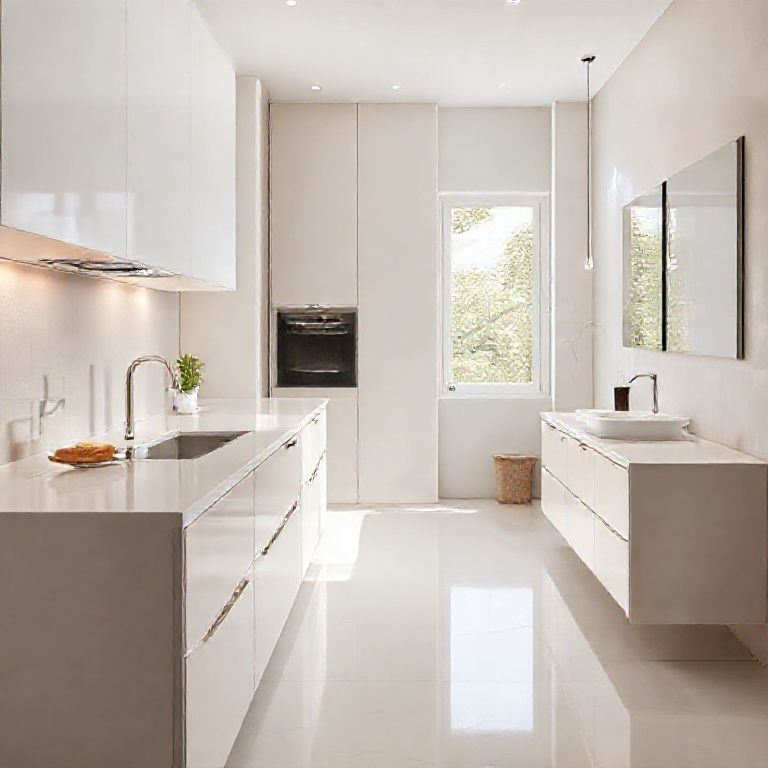
Luxury and Sophistication: Artificial marble provides a luxurious, sophisticated look that is often associated with high-end interior design. Its realistic replication of natural marble allows designers to create opulent spaces without the hefty price tag. Functional Spaces: Beyond its visual appeal, artificial marble’s practical benefits make it ideal for functional spaces. In kitchens and bathrooms, where surfaces are exposed to water, heat, and daily use, artificial marble’s resistance to stains and scratches ensures longevity and ease of maintenance. Versatility in Design: The versatility of artificial marble allows it to be used in a wide range of applications. From sleek countertops to intricate wall cladding, its ability to mimic various natural stones provides designers with endless creative possibilities. Innovation and Trends: As interior design trends evolve, artificial marble’s adaptability ensures it remains at the forefront of innovation. Designers can leverage its customizable nature to create cutting-edge designs that align with current trends.
Conclusion
Artificial marble represents a remarkable fusion of technology and design, offering the beauty of natural stone with the practicality of modern materials. Its composition of calcium carbonate, resins, pigments, and additives results in a durable, low-maintenance, and versatile material that continues to redefine luxury interiors. As innovation drives further advancements in its production and applications, artificial marble is poised to play an even greater role in shaping the future of interior design. Whether for residential homes or commercial spaces, artificial marble stands as a testament to the harmonious blend of aesthetics and functionality in contemporary architecture and design.