Understanding Artificial Marble and Its Composition
Introduction
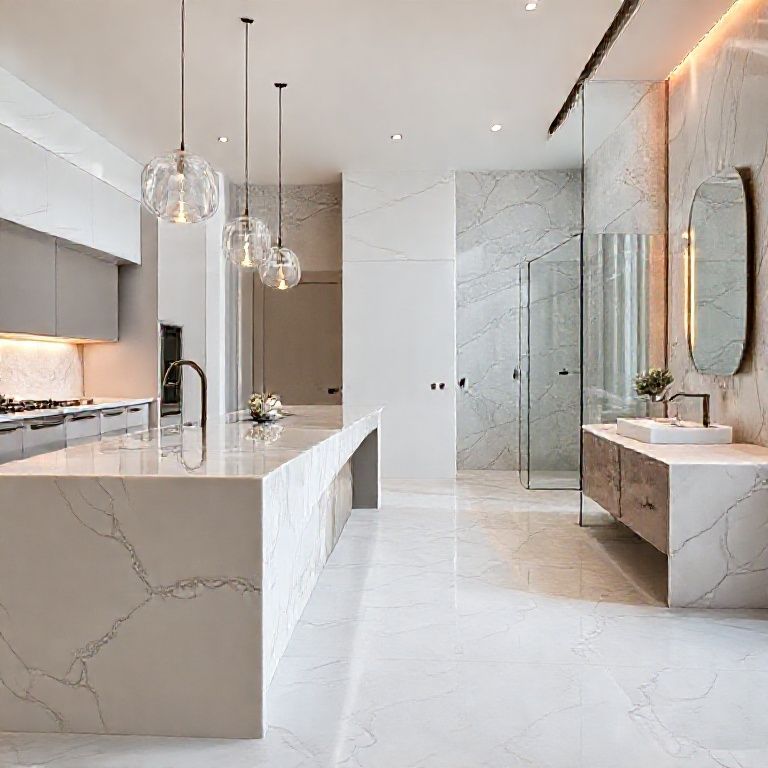
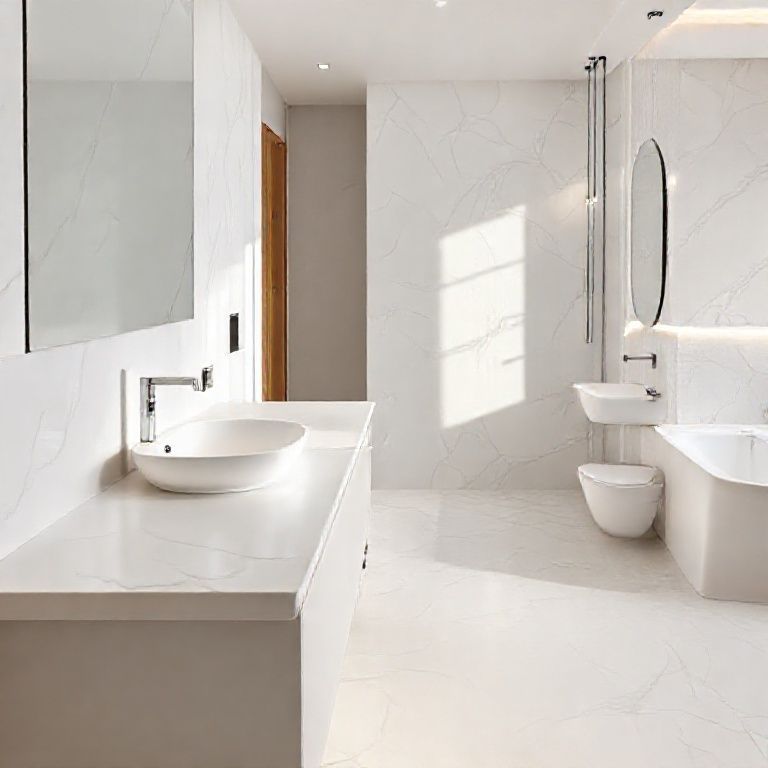
Artificial marble, often referred to as cultured marble or synthetic stone, has gained immense popularity as a durable and aesthetically pleasing alternative to natural stone. This material is crafted through a meticulous process that combines minerals, resins, and pigments to mimic the appearance of natural marble. Given its widespread use in homes, offices, and commercial spaces, it’s crucial to understand the materials involved and any potential health concerns, particularly regarding radiation risks.

Material Composition
Artificial marble is primarily composed of various mineral aggregates, such as calcite, dolomite, and talc, along with a resin binder. The process begins with the precise mixing of these minerals, followed by the addition of a polymer resin to bind the components together. The mixture is then poured into molds and subjected to high pressure and temperature to create a solid, stone-like material. Finally, the surface is polished to achieve a smooth, marble-like finish.
Radiation and Natural Marble
To understand whether artificial marble poses any radiation risks, it’s essential to first grasp the concept of radiation in naturally occurring materials. Natural marble, like other stone materials, can contain trace amounts of radioactive elements such as uranium, thorium, and potassium. These elements can emit low levels of radiation. However, the radiation emitted from natural stone is generally minimal and not considered a significant health risk under normal conditions.
The Myth of Radiation in Artificial Marble
When it comes to artificial marble, the concern often revolves around the resins and pigments used in its creation. Some people worry that these synthetic materials might contain radioactive substances or emit harmful radiation. However, reputable manufacturers follow strict guidelines to ensure that their products are safe for human use.
Safety Standards and Testing
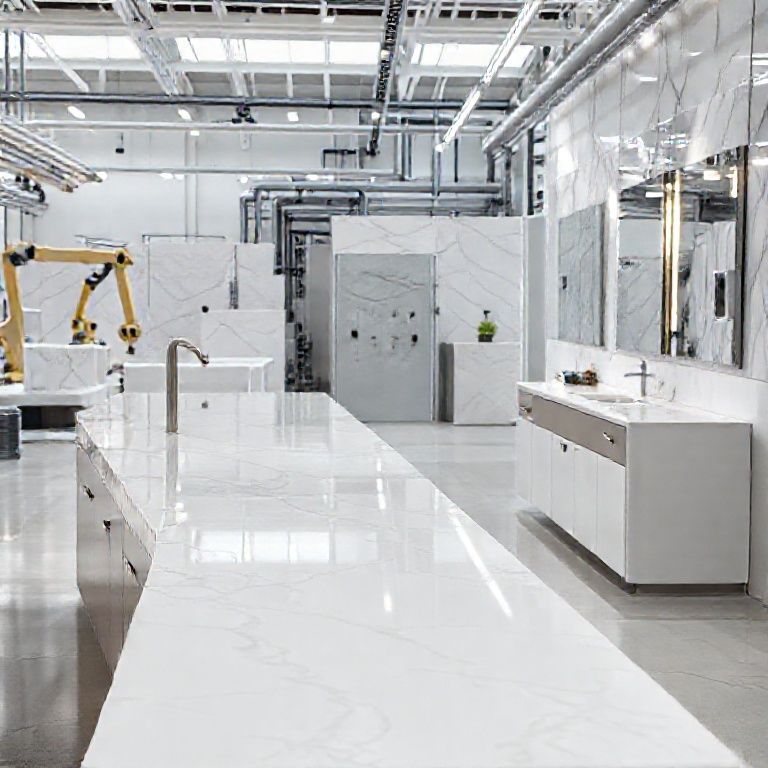
The manufacturing of artificial marble is subject to rigorous safety standards. In the United States, the Environmental Protection Agency (EPA) and the Consumer Product Safety Commission (CPSC) oversee the safety of consumer products, including artificial stone. These regulatory bodies require manufacturers to conduct thorough testing to ensure that the materials used do not emit harmful levels of radiation.
Manufacturers of artificial marble also adhere to international standards such as ISO (International Organization for Standardization) guidelines, which specify safe practices and materials for production. These standards cover everything from raw material sourcing to final product testing, ensuring that artificial marble is free from hazardous substances.
Scientific Studies and Findings
Several scientific studies have been conducted to evaluate the radiation levels emitted by artificial marble. These studies consistently show that the radiation levels from artificial marble are far below the thresholds considered harmful to human health. For instance, a study published in the “Journal of Environmental Radioactivity” examined the radiation levels in various building materials, including artificial marble, and found negligible radiation emissions.
Comparing Natural and Artificial Marble
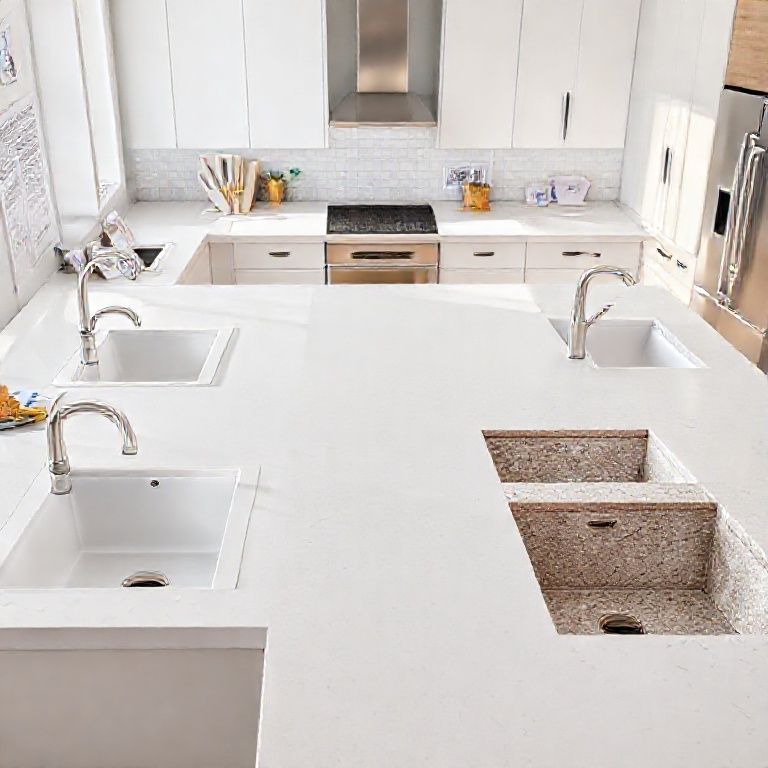
When comparing natural and artificial marble, it’s essential to note that the radiation concerns are generally more pronounced with natural stone due to the natural presence of radioactive elements. In contrast, artificial marble, with its controlled and monitored manufacturing process, ensures that the radiation levels are within safe limits.
Conclusion of Part 1
In conclusion, artificial marble is crafted from a combination of minerals and resins, meticulously processed to mimic natural marble. The safety of artificial marble is upheld by rigorous regulatory standards and thorough testing, ensuring that it poses no significant radiation risks to humans. While natural marble can contain trace amounts of radioactive elements, artificial marble undergoes stringent quality control measures to guarantee its safety. As we move forward, it’s clear that the radiation concerns surrounding artificial marble are largely unfounded.
Safety Protocols, Material Safety, and Scientific Validation
Introduction
In the previous section, we explored the composition of artificial marble and how it is manufactured to ensure safety. In this part, we’ll delve deeper into the safety protocols that manufacturers follow, the specific safety measures in place, and the scientific validation that supports the safety of artificial marble.
Safety Protocols in Manufacturing
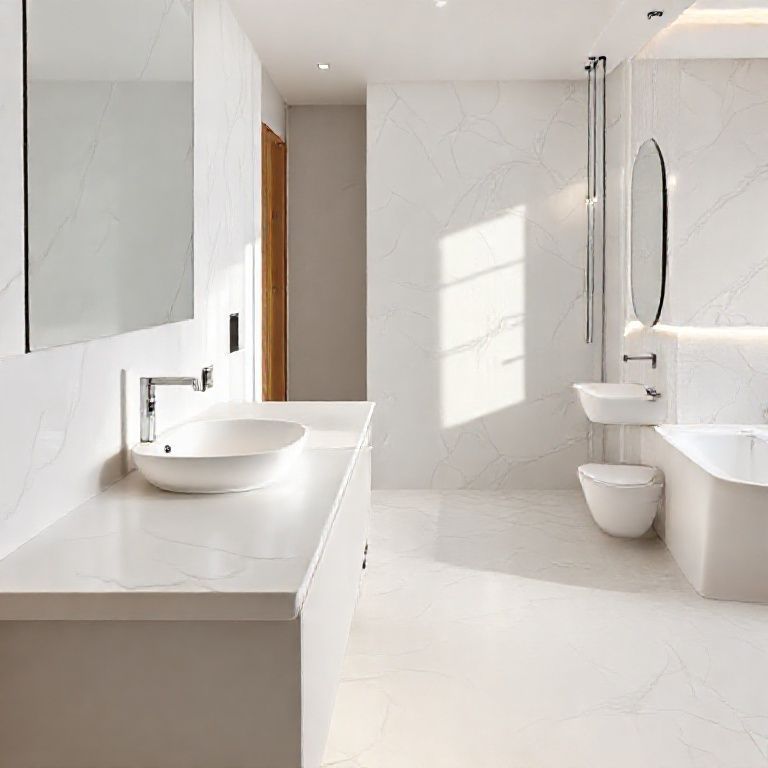
Manufacturers of artificial marble adhere to a series of safety protocols to ensure that the final product is free from harmful radiation and other contaminants. These protocols include:
Material Selection: Only high-quality, non-toxic minerals and resins are used in the production of artificial marble. Suppliers are required to provide certificates of analysis for raw materials, confirming their safety and lack of hazardous substances.
Manufacturing Process: The manufacturing process involves precise mixing and controlled curing conditions. This ensures that the resin binder fully integrates with the mineral aggregates, creating a durable and stable product.
Quality Control: Rigorous quality control tests are conducted at various stages of production. These tests include checks for chemical composition, physical properties, and radiation levels. Any batch that fails to meet the safety standards is discarded.
Regulatory Standards and Certifications
Artificial marble manufacturers comply with stringent regulatory standards to ensure product safety. In the United States, the Consumer Product Safety Commission (CPSC) and the Environmental Protection Agency (EPA) oversee the safety of consumer products, including artificial stone. These agencies require manufacturers to meet specific safety criteria, including radiation levels, to ensure that the products are safe for human use.
Additionally, artificial marble manufacturers often seek third-party certifications to further validate their products’ safety. These certifications, such as ISO (International Organization for Standardization) compliance, demonstrate that the materials and manufacturing processes meet international safety standards.
Scientific Findings and Validation
Numerous scientific studies have been conducted to evaluate the radiation levels emitted by artificial marble. These studies consistently show that the radiation levels from artificial marble are far below the thresholds considered harmful to human health.
Case Studies
EPA Study on Building Materials: The Environmental Protection Agency conducted a study on various building materials, including artificial marble. The study found that the radiation levels emitted by artificial marble were negligible and posed no significant health risk.
University Research on Synthetic Stone: A study published in the “Journal of Environmental Radioactivity” examined the radiation levels in different synthetic stone materials. The research concluded that artificial marble emitted minimal radiation and was safe for use in residential and commercial settings.
Health and Safety Guidelines
Health and safety guidelines for artificial marble are developed by various organizations to ensure that users are well-informed about the material’s safety. These guidelines emphasize the importance of proper installation and maintenance to prevent any potential issues, such as dust or small particle exposure, which can occur during installation or maintenance.
Environmental Impact and Sustainability
Beyond human health, the environmental impact of artificial marble is also a critical consideration. Artificial marble production is designed to minimize waste and environmental contamination. Manufacturers often recycle and reuse materials during production, reducing the overall environmental footprint. Furthermore, artificial marble is a durable material that requires minimal maintenance, contributing to its long-term sustainability.
Real-World Applications and Safety
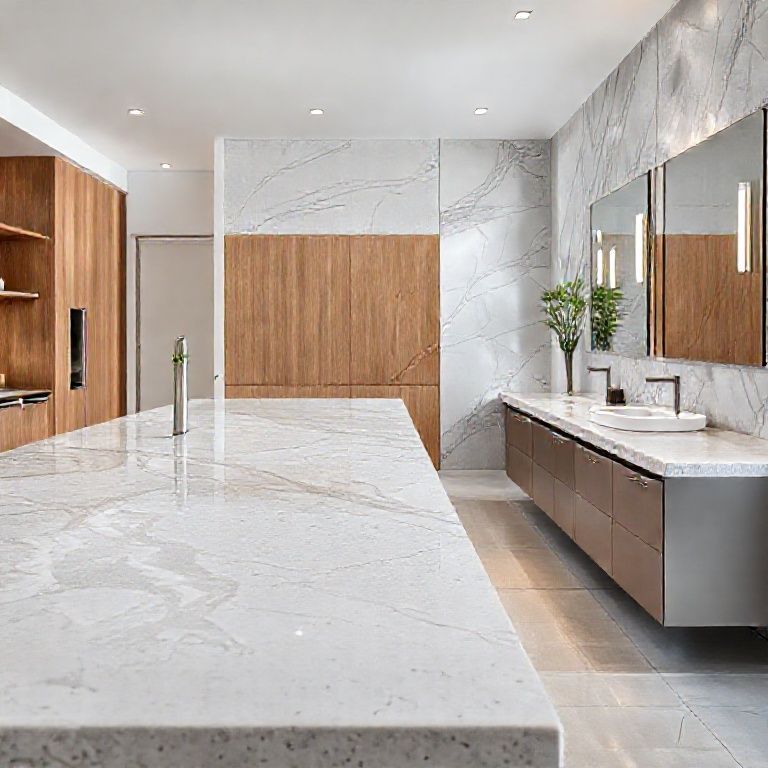
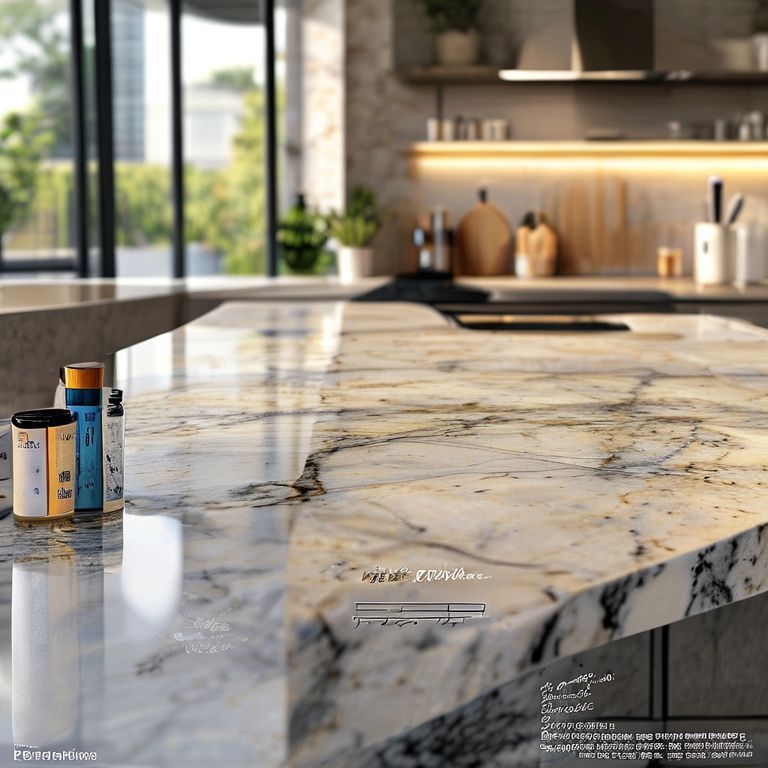
Artificial marble is widely used in various applications, from kitchen countertops to bathroom vanities and decorative surfaces. Its safety has been validated in real-world settings where it is regularly handled and exposed to daily wear and tear. Users report no adverse health effects, further supporting the material’s safety.
Conclusion of Part 2
In conclusion, the safety of artificial marble is upheld through rigorous manufacturing protocols, adherence to regulatory standards, and comprehensive scientific validation. The material is crafted with high-quality, non-toxic ingredients, and undergoes meticulous quality control to ensure that it poses no radiation risks to humans. The scientific evidence and real-world applications further affirm the safety of artificial marble, making it a reliable and radiation-free choice for your home or business.
Final Thoughts
By understanding the composition, safety protocols, and scientific validation behind artificial marble, we can confidently conclude that it does not pose radiation risks to humans. This material’s safety is supported by stringent regulatory standards, thorough testing, and extensive research, ensuring that it is a safe and durable option for various applications. As you consider materials for your next project, rest assured that artificial marble is a radiation-free, safe choice that meets the highest standards of quality and safety.