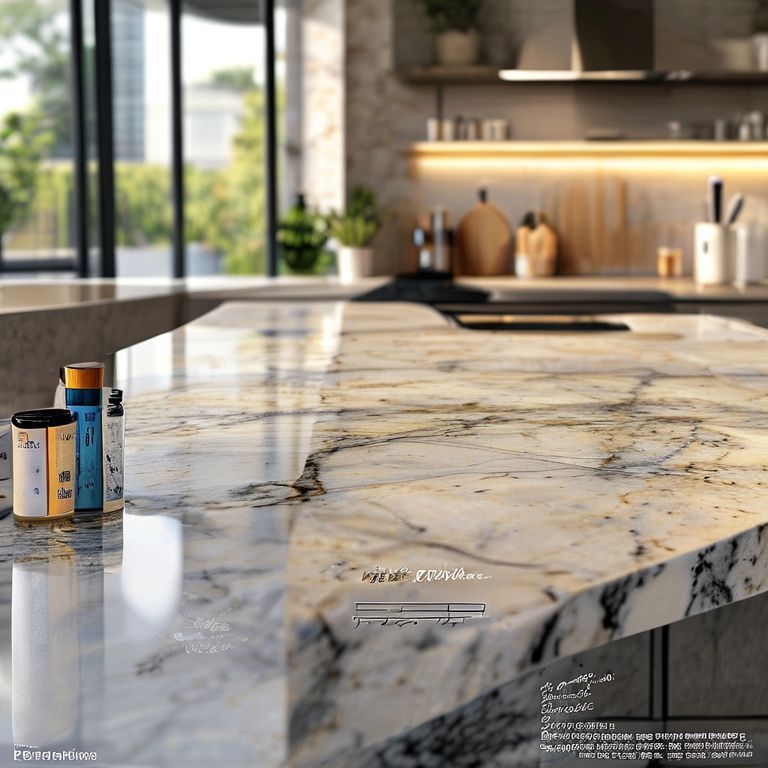
Understanding Artificial Marble: Composition and Production
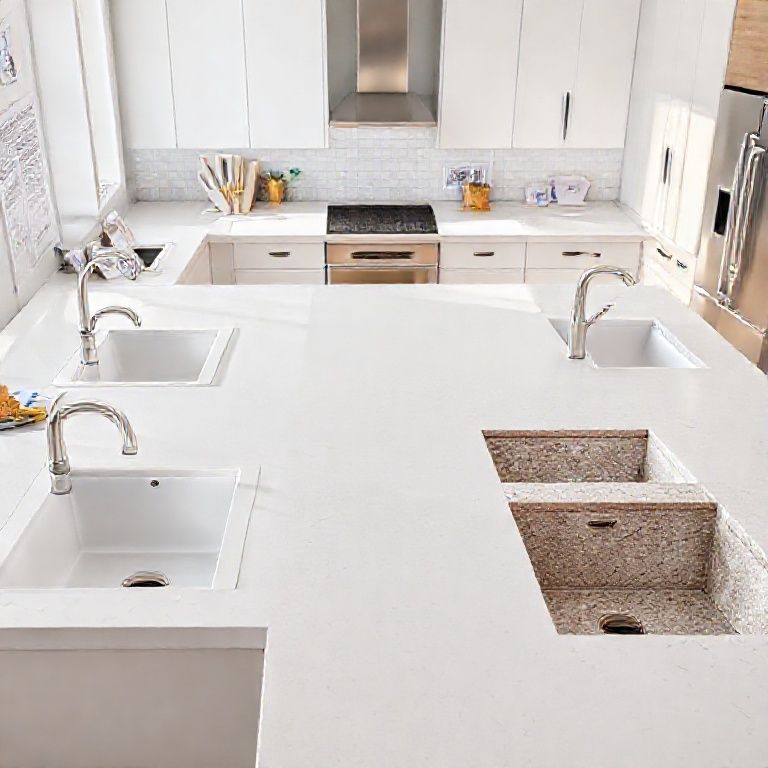
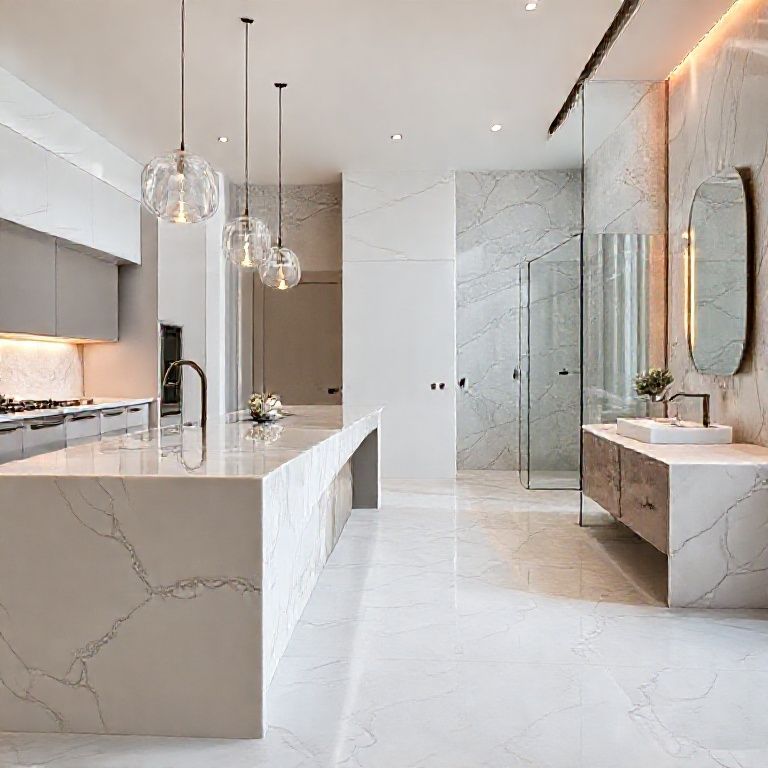
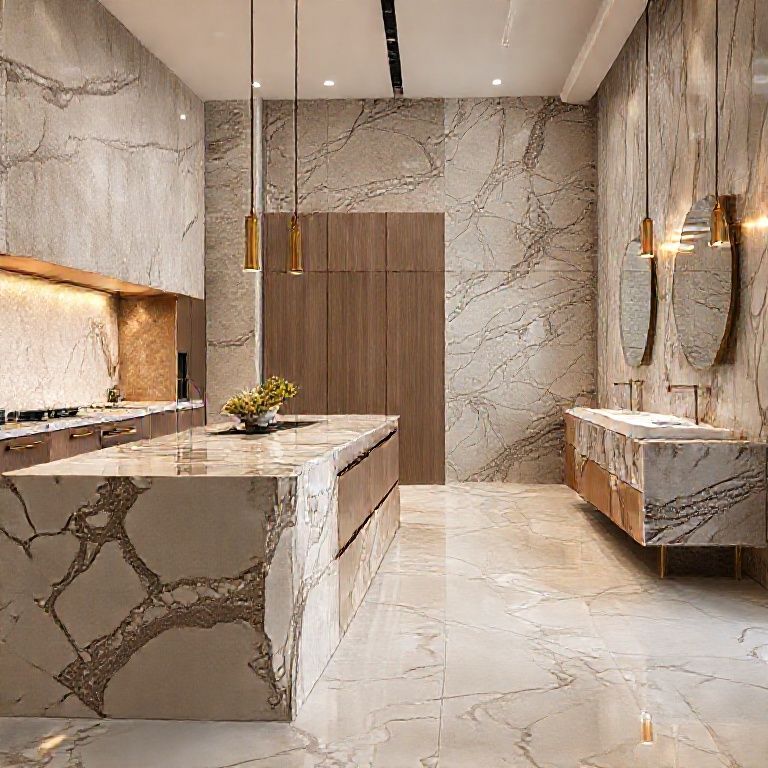
Artificial marble, often lauded for its aesthetic appeal and durability, has become a popular choice for kitchen countertops, bathroom vanities, and other interior design elements. But what exactly is artificial marble, and how is it produced? Understanding its composition and production process is crucial for assessing its safety regarding radiation and formaldehyde.

What is Artificial Marble?
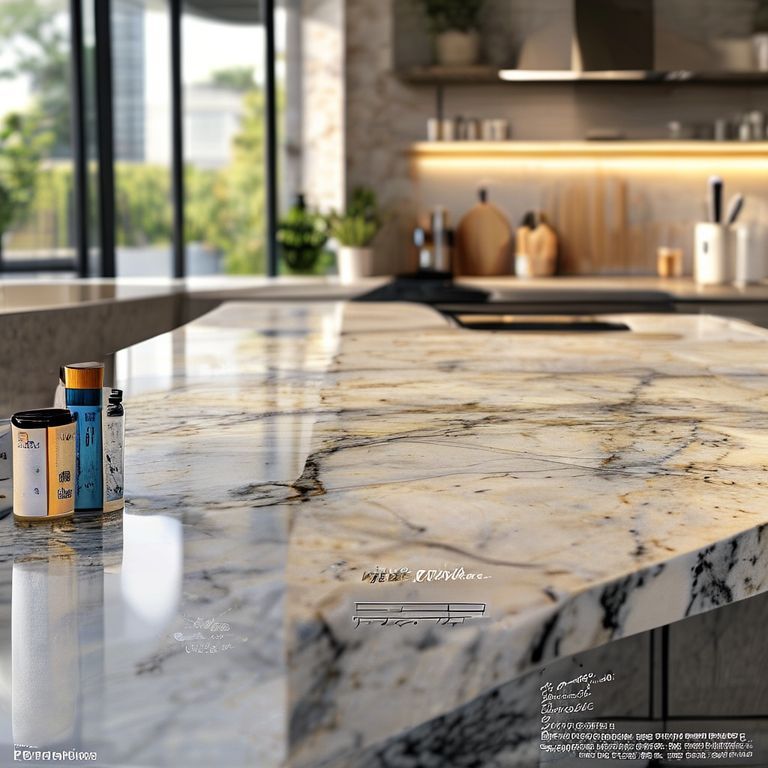
Artificial marble, also known as cultured marble or composite marble, is a synthetic stone created by combining natural materials such as marble dust, limestone, and a polymer resin. This combination is meticulously crafted to mimic the appearance and texture of natural marble while offering superior strength and resistance to scratches and stains.
Material Composition
The primary components of artificial marble include:
Marble or Limestone Dust: These natural materials contribute to the stone’s aesthetic appeal and give it a rich, authentic look. Resin: A polymer resin acts as the binding agent that holds the marble dust together. This resin is typically made from melamine, acrylic, or polyurethane, which provides the material with its unique strength and flexibility.
Production Process
The production of artificial marble involves several meticulous steps to ensure a high-quality end product:
Mixing: Marble dust and the resin are thoroughly mixed to create a homogeneous compound. Molding: The mixture is then poured into molds that replicate the desired shapes and forms. The molds are carefully designed to achieve the exact contours of the final product. Curing: Once the mold is filled, the material is allowed to cure. During curing, the resin hardens and binds the marble dust, resulting in a solid and cohesive piece of artificial marble. Finishing: After curing, the artificial marble is polished and finished to enhance its appearance and provide a smooth, user-friendly surface.
Radiation Concerns
To address the question of radiation, it’s essential to understand the nature of artificial marble’s components.
Natural Materials and Radiation
The primary materials used in artificial marble—marble dust and limestone—are naturally occurring minerals. These minerals, in their pure form, do not emit radiation. The process of combining these materials with a resin does not introduce any radioactive elements. Therefore, artificial marble does not inherently produce radiation.
Safety Standards and Regulations
Artificial marble manufacturers adhere to strict safety standards and regulations to ensure the material is safe for use in homes and commercial spaces. These standards cover the entire production process, from the sourcing of raw materials to the curing and finishing stages. Regulatory bodies in various countries, such as the United States Environmental Protection Agency (EPA) and the European Union’s REACH (Registration, Evaluation, Authorisation and Restriction of Chemicals), oversee these processes to ensure that artificial marble does not emit harmful radiation.
Formaldehyde Concerns
Now, let’s shift our focus to formaldehyde, a common concern among consumers regarding the safety of artificial marble.
What is Formaldehyde?
Formaldehyde is a colorless gas that is commonly used in the production of resins, adhesives, and other industrial chemicals. It is known for its preservative and disinfectant properties but can pose health risks when released into the environment.
Formaldehyde in Artificial Marble Production
In the production of artificial marble, formaldehyde can be a byproduct of the resin used to bind the marble dust. However, modern manufacturing techniques aim to minimize formaldehyde emissions through the following methods:
Low-Formaldehyde Resins: Manufacturers often use low-formaldehyde or formaldehyde-free resins to reduce the risk of formaldehyde release. These resins are designed to provide the necessary binding properties without emitting harmful levels of formaldehyde. Ventilation and Curing: Proper ventilation during the curing process helps to dissipate any residual formaldehyde gases. Additionally, the curing process itself can reduce formaldehyde emissions over time.
Safety Measures and Standards
To ensure that artificial marble does not pose a formaldehyde risk, manufacturers implement rigorous safety measures and adhere to international safety standards. For instance:
ISO Certification: Many artificial marble products are ISO (International Organization for Standardization) certified, indicating they meet global safety and quality standards. VOC Limits: Volatile Organic Compounds (VOCs), including formaldehyde, are tightly regulated. Artificial marble products often comply with VOC limits set by regulatory bodies, ensuring minimal release of these compounds.
Consumer Guidance
For consumers looking for the highest level of assurance, third-party testing and certification can provide additional peace of mind. Look for products that have been tested by reputable organizations and bear certifications such as:
GREENGUARD Gold: This certification indicates that a product has been tested for low emissions of VOCs and harmful chemicals. GREENGUARD Certified: This certification signifies that a product meets stringent standards for indoor air quality.
Debunking Myths and Ensuring Safety
Having explored the composition and production process of artificial marble, it’s time to address the myths and misconceptions surrounding its potential emission of radiation and formaldehyde. By understanding the science behind these concerns and the measures taken to mitigate them, we can ensure that artificial marble remains a safe and popular choice for modern interiors.
Debunking Radiation Myths
Natural vs. Synthetic Materials
A common misconception is that synthetic materials inherently emit radiation. However, the natural materials used in artificial marble—marble dust and limestone—do not emit radiation. The process of combining these materials with resin does not introduce any radioactive elements. Therefore, artificial marble does not produce radiation, making it safe for everyday use in homes and offices.
Scientific Studies and Research
Extensive scientific research supports the safety of artificial marble. Studies examining the radiation levels in various building materials have found no significant radiation emissions from artificial marble. These findings are consistent with the understanding that the natural components of the material do not emit radiation, and the manufacturing process does not introduce any radioactive substances.
Regulatory Oversight
Governmental and international regulatory bodies oversee the production and sale of artificial marble to ensure it meets stringent safety standards. These regulations help to guarantee that radiation levels in artificial marble remain within safe limits, further debunking the myth of radiation emission from this material.
Addressing Formaldehyde Concerns
Low-Formaldehyde and Formaldehyde-Free Options
One of the primary concerns regarding artificial marble is its potential formaldehyde emission. Modern manufacturing techniques have made significant advancements in reducing formaldehyde emissions through:
Low-Formaldehyde Resins: The use of low-formaldehyde resins is a standard practice in the artificial marble industry. These resins provide the necessary binding properties while releasing minimal formaldehyde. Formaldehyde-Free Alternatives: Some manufacturers have developed formaldehyde-free alternatives that achieve the desired structural integrity without using formaldehyde.
Ventilation and Curing Process
Proper ventilation during the curing process is essential to dissipate any residual formaldehyde gases. The curing process itself also helps to reduce formaldehyde emissions over time, further ensuring the safety of the final product.
Third-Party Testing and Certification
To provide additional assurance, many artificial marble products undergo third-party testing and certification. These tests assess the levels of formaldehyde and other VOCs emitted by the material, confirming that it meets or exceeds safety standards. Certifications such as GREENGUARD Gold and GREENGUARD Certified indicate that a product has been rigorously tested for indoor air quality, offering peace of mind to consumers.
Consumer Tips for Ensuring Safety
When selecting artificial marble for your home or office, consider the following tips to ensure the highest level of safety:
Choose Certified Products: Look for artificial marble products that bear certifications from reputable organizations. These certifications indicate that the product has undergone rigorous testing and meets stringent safety standards. Check Manufacturer Information: Reputable manufacturers provide detailed information about their materials and production processes. This transparency helps you make informed decisions about the safety of the product. Ventilation: Proper ventilation in areas where artificial marble is installed can help to reduce any potential emissions of VOCs, including formaldehyde.
Final Thoughts
In conclusion, artificial marble is a safe and durable choice for modern interiors when it comes to radiation and formaldehyde concerns. The natural materials used in its production do not emit radiation, and modern manufacturing techniques have significantly reduced the risk of formaldehyde emissions. By adhering to strict safety standards and offering certified products, the artificial marble industry ensures that this popular material remains a safe option for homeowners and businesses alike.
By understanding the science behind these concerns and the measures taken to mitigate them, you can confidently choose artificial marble for your next renovation project, knowing it provides both aesthetic appeal and safety.