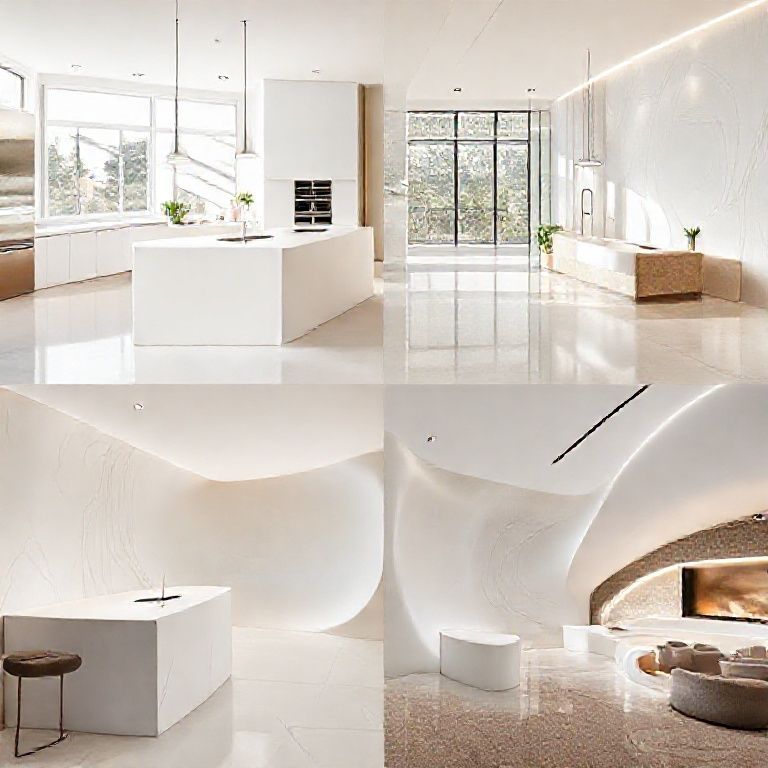
The Beauty and Cost of General Marble per Square Foot
Marble, a timeless and elegant stone, has long been a favorite for architects, designers, and homeowners who appreciate its unique beauty and versatility. The question that often arises is: how much does general marble cost per square foot? To answer this, we must first understand the intricate factors that influence its price.

The Allure of Marble
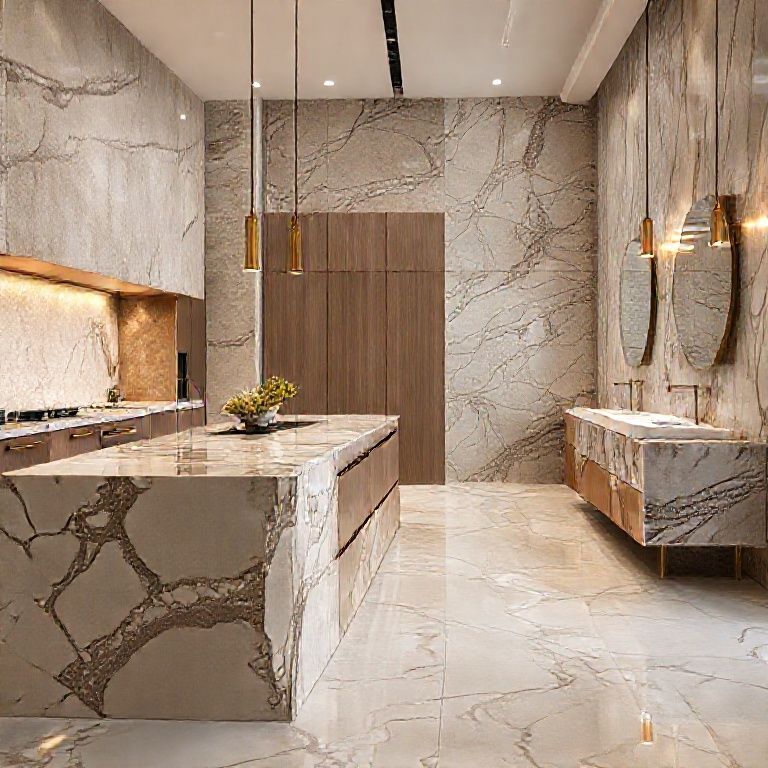
Marble is renowned for its striking veins and colors, which create a sense of opulence and luxury. This natural stone has been used for centuries in the construction of iconic buildings and monuments, from the Parthenon to the Vatican. Its timeless appeal is what makes it a sought-after material for both interior and exterior applications.
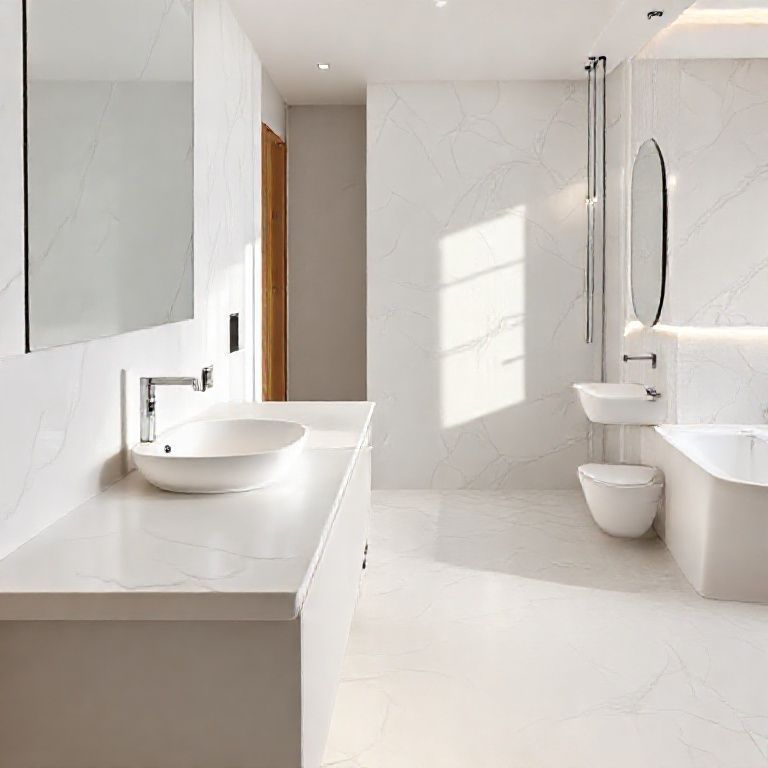
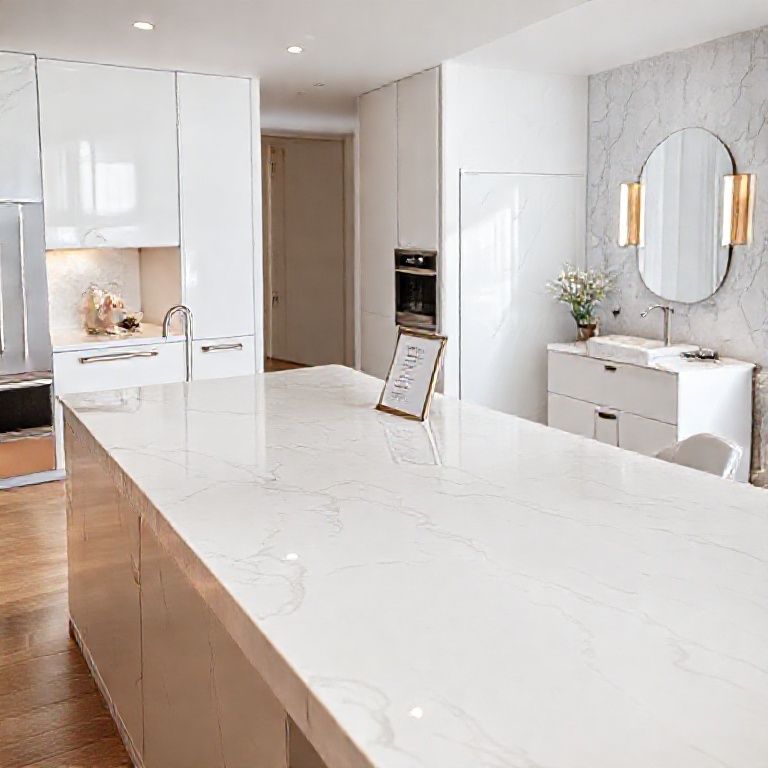
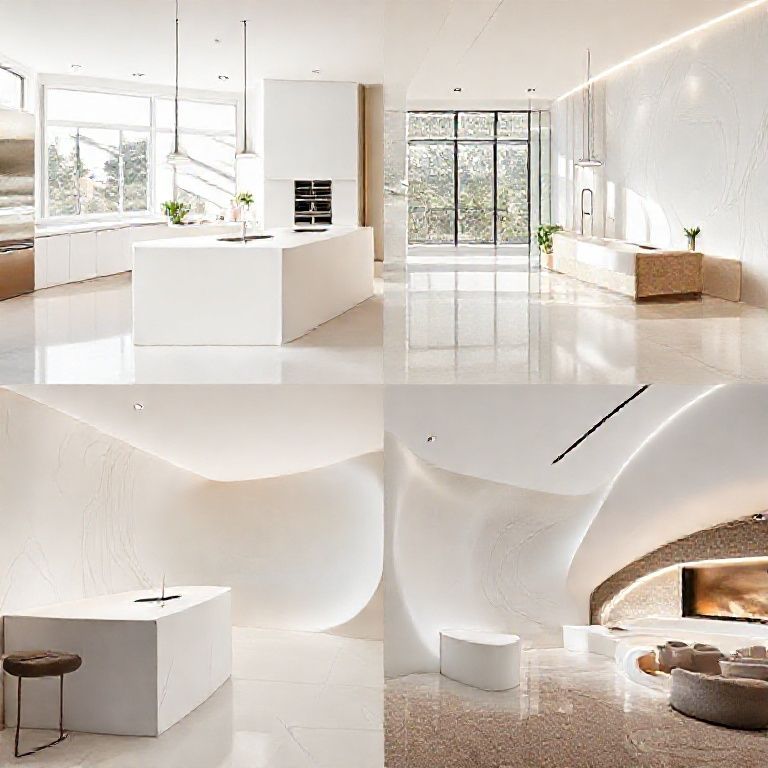
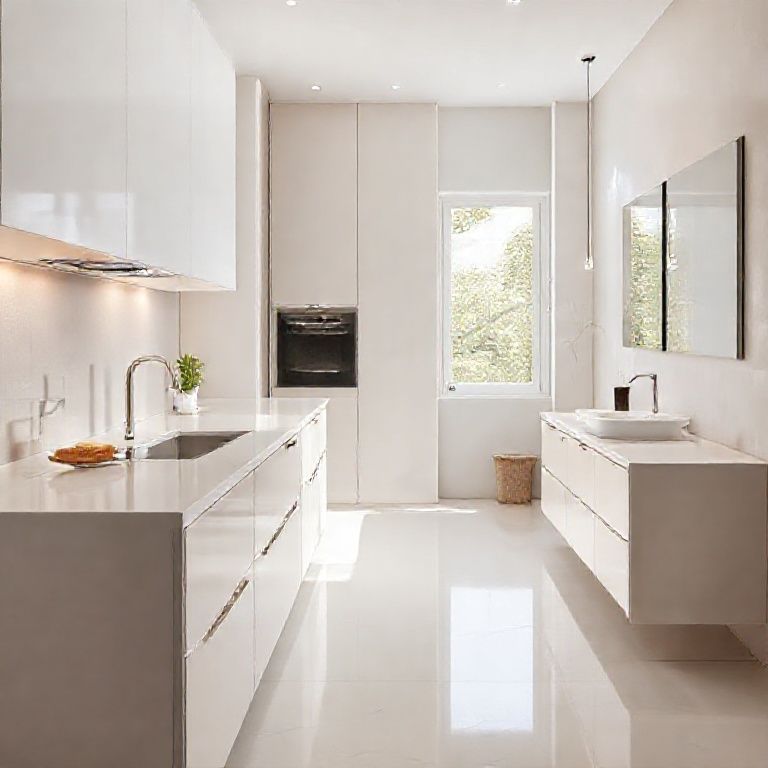
Marble’s aesthetic versatility allows it to complement a wide range of design styles, from minimalist modern to traditional classical. Whether used in flooring, countertops, walls, or statues, marble adds a touch of sophistication and elegance to any space.
Factors Influencing Marble Prices
The cost of general marble per square foot can vary widely based on several factors. Here are some key elements that influence the price:
Type of Marble: Different types of marble, such as Carrara, Bianco Carrara, Travertine, and Onyx, each come with their own unique characteristics and price points. Carrara marble, known for its pure white color and fine grain, tends to be more expensive than other varieties.
Color and Veining: Marble’s natural beauty is largely due to its color and veining patterns, which are unique to each piece. Marbles with more intricate and striking patterns are generally more costly.
Quality: The quality of the marble, which includes factors like density, grain, and surface finish, also affects the price. Higher quality marble with fewer imperfections and a smoother finish will cost more.
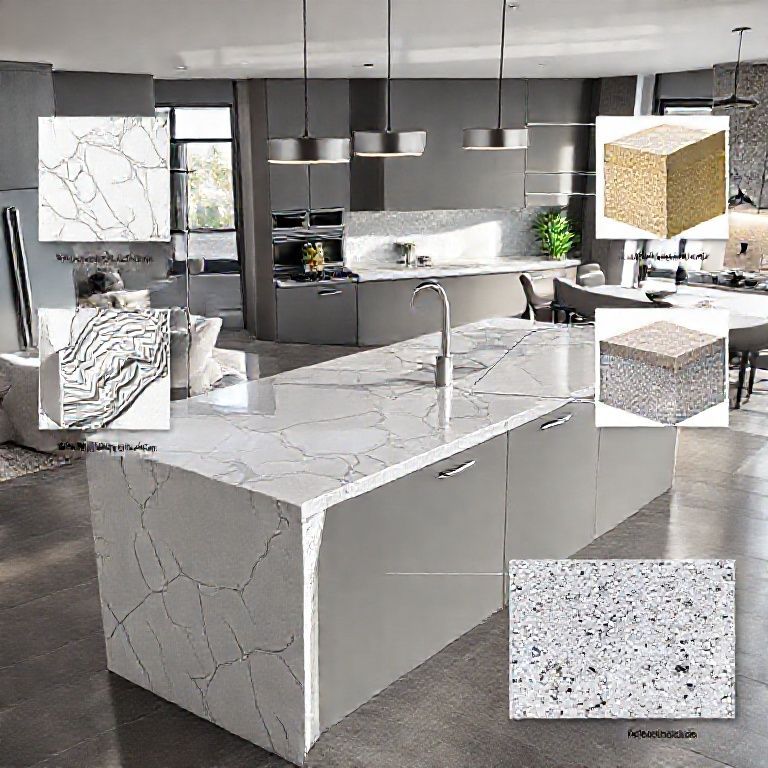
Location: The place where the marble is sourced can impact its cost. Marble from well-known and historically significant quarries often fetches a higher price due to its reputation.
Processing and Finishing: The amount of work required to process and finish the marble can also affect its cost. For instance, marble that needs extensive cutting, polishing, or special treatments to achieve the desired look will be more expensive.
The Cost Breakdown
To give you a better understanding, let’s break down the cost of general marble per square foot based on these factors. On average, the price of marble can range from $15 to $300 per square foot, depending on the type and quality. Here’s a more detailed look at some popular marble varieties:
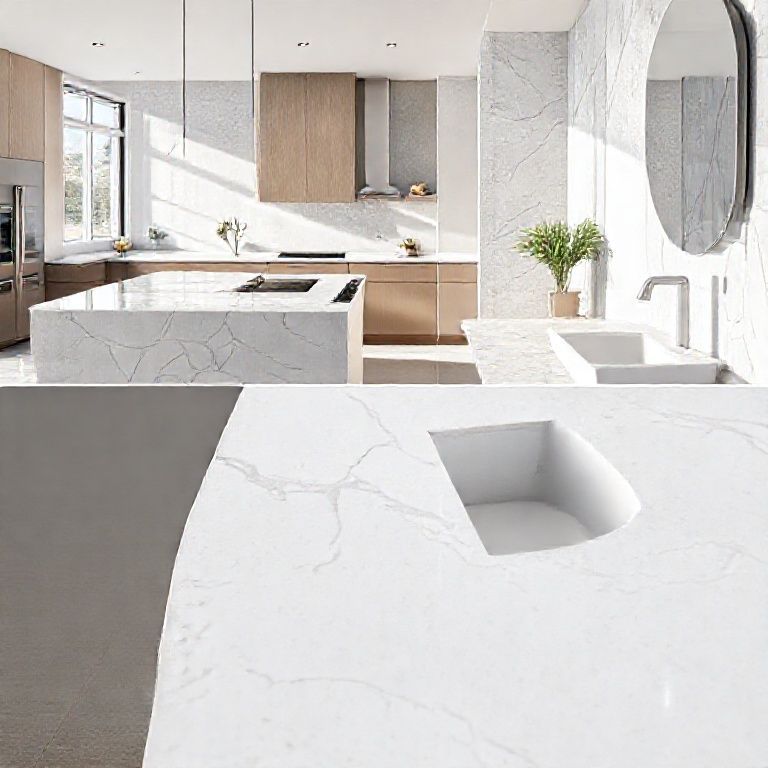
Carrara Marble: $200-$300 per square foot. Known for its pure white color and fine grain, Carrara marble is often used in high-end applications. Bianco Carrara: $150-$250 per square foot. Similar to Carrara but with slightly less intense whiteness and more visible veins. Travertine: $30-$80 per square foot. This marble has a natural, rustic look and is popular for flooring and walls. Onyx: $50-$150 per square foot. Onyx marble is known for its sleek, polished surface and rich, dark colors. Imperial Marble: $20-$60 per square foot. A popular choice for flooring, this marble offers a mix of colors and patterns.
Installation Costs
In addition to the cost of the marble itself, installation costs can also add to the overall expense. Professional installation is recommended to ensure the marble is laid correctly and to avoid any potential damage. The cost of installation typically ranges from $5 to $15 per square foot, depending on the complexity of the project.
Why Choose Marble?
Despite the higher upfront cost, marble offers several long-term benefits that make it worth the investment:
Durability: Marble is one of the hardest natural stones available, making it highly durable and long-lasting. With proper maintenance, marble can last for decades, if not centuries. Low Maintenance: While marble requires regular cleaning to maintain its beauty, it is relatively low maintenance. It does not need sealing like some other natural stones, which simplifies upkeep. Timeless Elegance: The timeless elegance of marble ensures that it remains a fashionable choice for years to come. Its classic look never goes out of style, making it a smart investment for those looking to add lasting luxury to their space. Versatility: Marble’s versatility allows it to be used in a variety of applications, from flooring and countertops to walls and even decorative elements.
Conclusion
Understanding the cost of general marble per square foot involves considering several key factors, including type, quality, and processing. While the price can range widely, the benefits of choosing marble – from its durability and low maintenance to its timeless elegance and versatility – make it a worthwhile investment for those looking to enhance the beauty and value of their space.
In the next part of this series, we will explore how to choose the right marble for your specific needs, as well as tips for maintaining its pristine condition to ensure it remains a stunning feature in your home or business for years to come. Stay tuned for more insights into the world of marble!
Selecting and Maintaining General Marble per Square Foot
In the previous part, we explored the various factors that influence the cost of general marble per square foot and the reasons why it remains a popular choice for luxury interiors. Now, let’s dive deeper into how to select the right type of marble for your specific needs and the best practices for maintaining its pristine condition.
Choosing the Right Marble
Selecting the perfect marble for your project involves more than just choosing a beautiful color; it requires understanding your specific needs and the environment in which the marble will be used. Here are some tips to help you make an informed choice:
Determine the Application: Consider where the marble will be used. Different applications require different types of marble. For instance, marble used in high-traffic areas like kitchen countertops or entryways should be harder and more durable.
Evaluate the Budget: Set a budget for your project and keep in mind that higher-quality marble will generally cost more. However, investing in a high-quality marble can save you money in the long run due to its durability and low maintenance.
Research Varieties: There are many types of marble available, each with unique characteristics. Research different varieties and their specific qualities. For example:
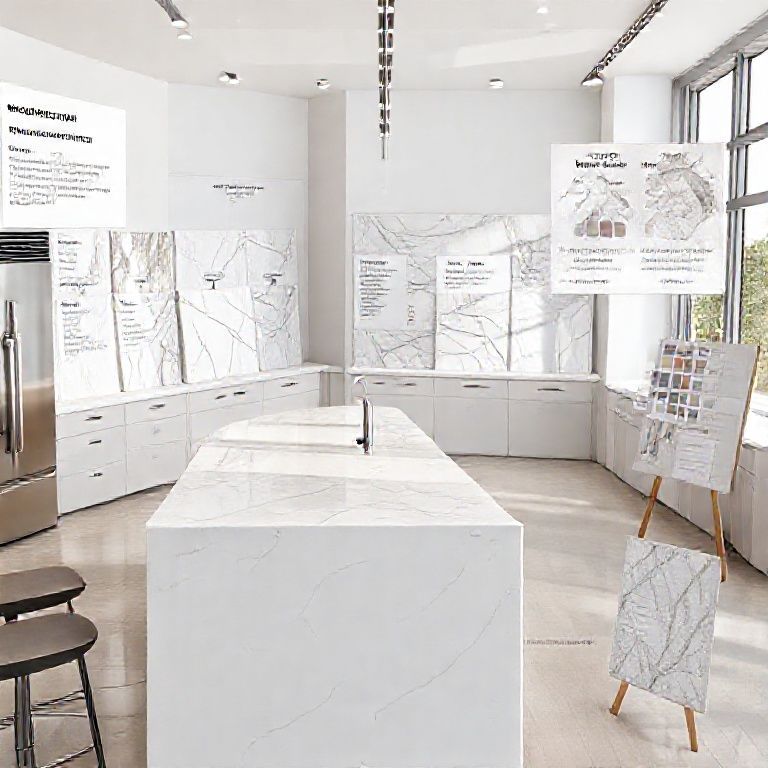
Carrara Marble: Known for its pure white color and fine grain, it’s ideal for high-end, luxurious applications. Travertine: Offers a rustic, natural look and is excellent for flooring and walls. Onyx: Known for its sleek, polished surface and rich, dark colors, it’s perfect for countertops and decorative elements. Consult with Suppliers: Work with reputable suppliers who can provide samples and advice tailored to your project’s needs. They can help you understand the nuances of different marble types and how they might best suit your requirements.
Latest Trends in Marble
Marble continues to evolve and adapt to contemporary design trends while maintaining its timeless appeal. Here are some of the latest trends in marble:
Colored Marble: While traditional marble is white, colored marbles such as pink, blue, and green are gaining popularity. These marbles offer a modern twist and can add a unique touch to your space. Marble Composites: These are blends of marble and resin that offer a more affordable alternative to natural marble. They mimic the look of marble without the high cost and maintenance. Sustainable Marble: With a growing emphasis on sustainability, some marble suppliers are offering eco-friendly options. This includes marble made from recycled materials or sourced from sustainable quarries.
Maintaining Marble
Proper maintenance is essential to keep marble looking its best and to ensure its longevity. Here are some tips for maintaining marble:
Regular Cleaning: Use a soft cloth and a mild pH-neutral cleaner to clean marble surfaces. Avoid abrasive cleaners that can scratch the stone.
Avoiding Acidic Substances: Acidic substances like citrus juice, vinegar, and tomato sauce can damage marble. Always use coasters under drinks and place mats under dishes.
Sealing: While marble does not need to be sealed like some other natural stones, a good quality marble sealer can protect it from stains and extend its life. Apply it according to the manufacturer’s instructions.
Immediate Cleaning: Clean up spills immediately to prevent stains and damage. The longer a洒落的液体在石材表面停留时间越长,它越容易渗入石材的纹理中,从而导致污渍和颜色的变化。
因此,及时清理是保持大理石表面光洁和美观的关键。
使用专用工具和产品:在清洁和维护大理石时,尽量使用专门为这种石材设计的清洁剂和工具。普通的清洁剂可能会对大理石表面造成损害。
定期保养:定期进行专业的大理石保养,可以帮助延长其使用寿命,并保持其美观。专业的保养服务通常包括清洁、打磨和重新密封。
避免高温和化学物质:高温和强烈的化学物质都会对大理石造成损害。例如,将热锅直接放在大理石台面上,或者在其表面使用强力清洁剂,都可能导致永久性的损害。
适当的保护措施:如果大理石表面是经常接触的地方,比如厨房台面或浴室柜台,可以考虑使用垫圈或护具来防止损坏。
通过遵循这些维护建议,你可以确保大理石的美观和耐用性,让其成为你家或办公室的一道亮丽风景线。