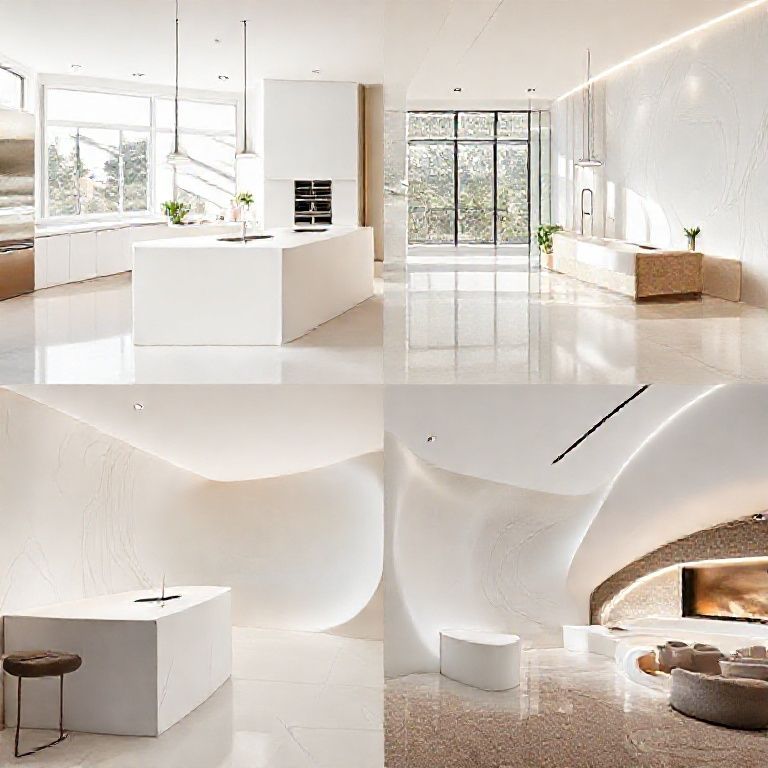
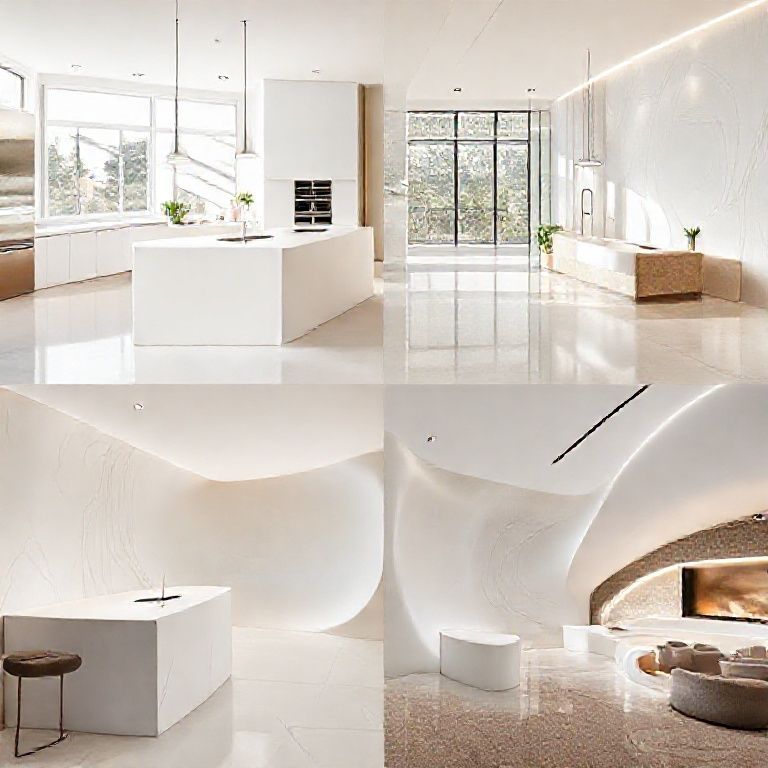
Engineered marble has become a popular choice for both residential and commercial spaces due to its stunning aesthetics, durability, and versatility. But how much does engineered marble cost per square meter? This guide will provide you with a detailed understanding of the pricing, benefits, and applications of engineered marble.

Understanding Engineered Marble
Engineered marble is a composite material made by combining natural stone, such as quartz or marble, with resin or other binding agents. Unlike solid surface materials, engineered marble features a top layer of natural stone that is bonded to a core substrate, usually made of wood or synthetic materials. This combination allows for a product that mimics the appearance and texture of natural marble while offering improved durability and flexibility.
The Cost of Engineered Marble
The cost of engineered marble per square meter can vary based on several factors, including the type of stone used, the quality of the resin, and the manufacturer’s reputation. Here’s a closer look at the variables that influence the pricing:
1. Type of Stone
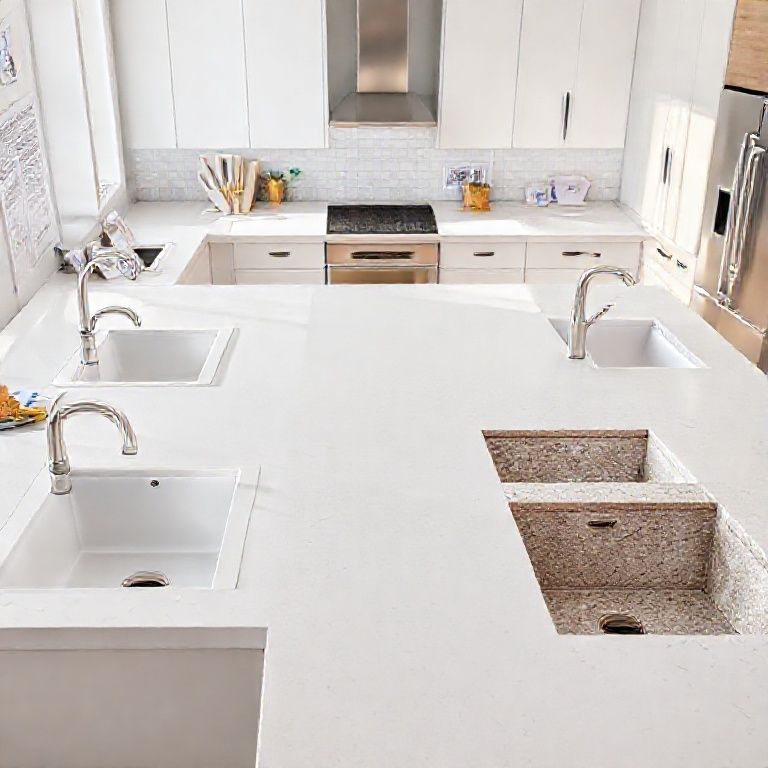
Engineered marble can be made from various natural stones, each with its unique characteristics and cost implications. For instance, marble-based engineered stone is typically more expensive than quartz-based versions due to the higher cost of natural marble.
2. Resin Quality
The quality of the resin used in the manufacturing process significantly affects the price. High-quality resins provide better durability, resistance to stains, and overall longevity, justifying a higher price point.
3. Manufacturer Reputation
Established manufacturers with a strong reputation for quality and innovation often charge more for their products. However, these higher prices are often justified by the superior craftsmanship and warranty offered by these brands.
Average Prices
On average, the cost of engineered marble per square meter ranges from $20 to $100, depending on the aforementioned factors. Luxury brands or high-end collections can exceed $100 per square meter, while budget-friendly options may start around $20.
Benefits of Engineered Marble
Engineered marble offers a range of benefits that make it an attractive choice for various applications:
1. Aesthetic Appeal
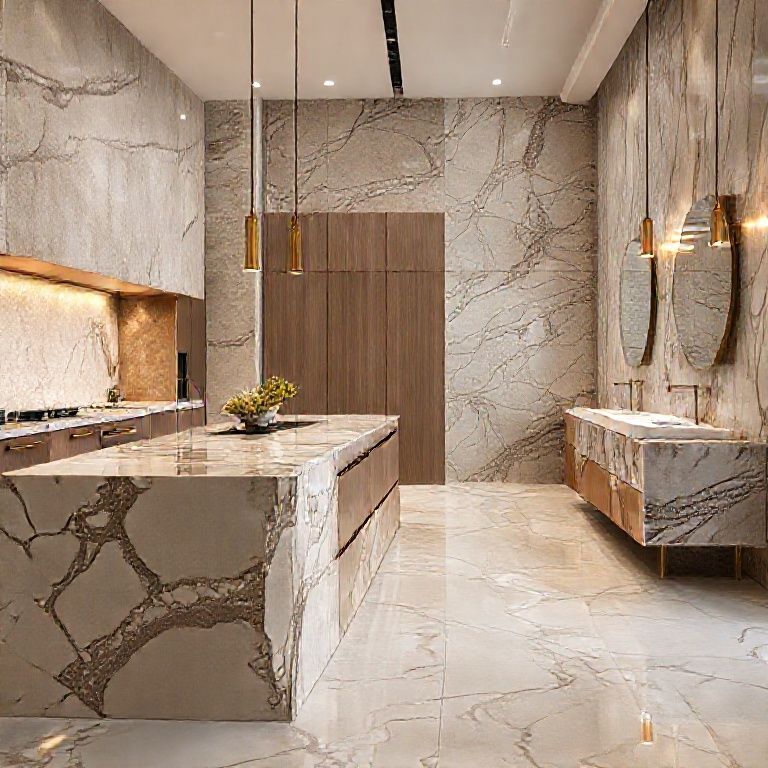
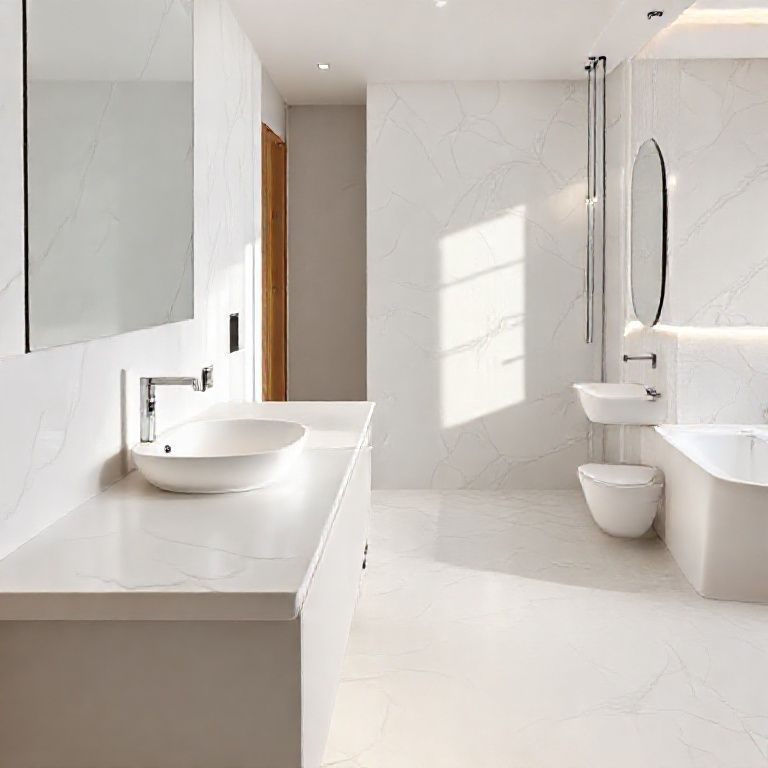
Engineered marble provides the rich, natural look of traditional marble without the high maintenance requirements. It comes in an array of colors and patterns, allowing for endless design possibilities.
2. Durability
While natural marble is prone to staining, scratching, and chipping, engineered marble offers superior resistance to these issues. This makes it an ideal choice for high-traffic areas such as kitchens and bathrooms.
3. Flexibility
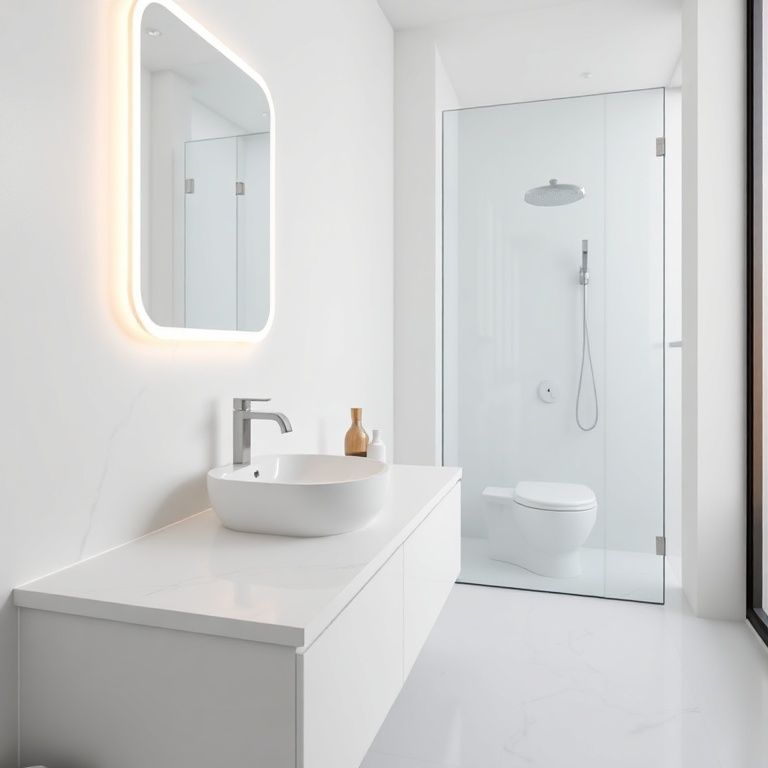
Engineered marble can be cut and shaped easily, making it versatile for various applications. It can be used for countertops, backsplashes, tiles, and even decorative elements.
4. Cost-Effectiveness
Despite its premium look, engineered marble is often more cost-effective than solid marble. The durability and lower maintenance requirements help offset the initial investment.
Applications of Engineered Marble
Engineered marble’s versatility makes it suitable for a wide range of applications. Here are some of the most common uses:
1. Kitchen Countertops
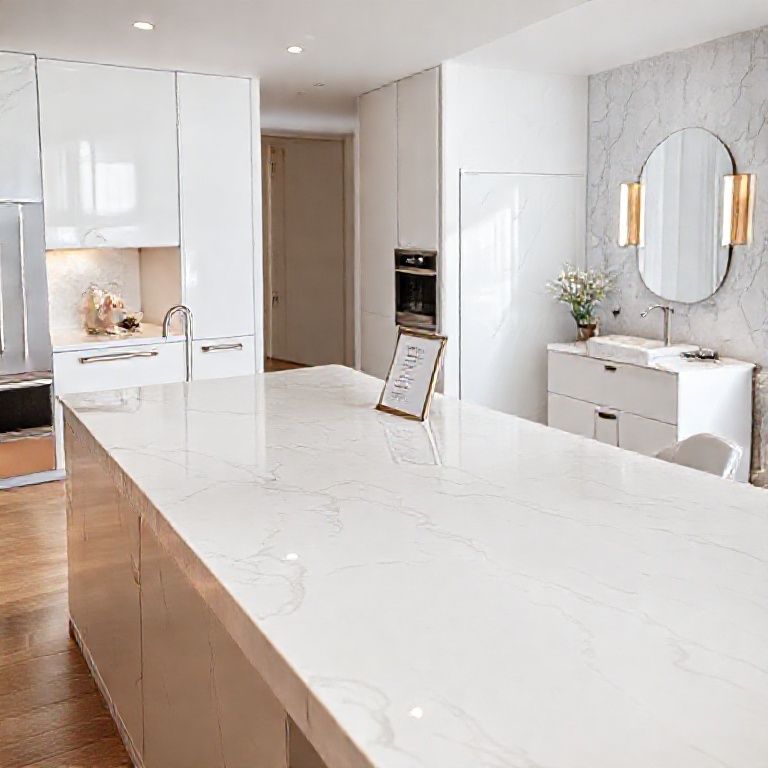
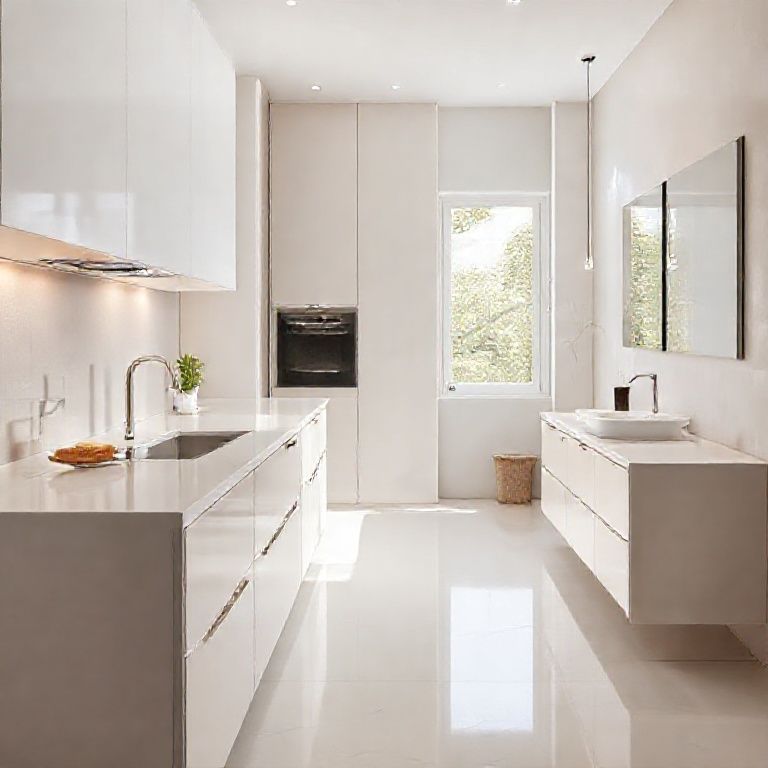
Engineered marble is a popular choice for kitchen countertops due to its beauty and durability. It provides a luxurious appearance while being resistant to everyday spills and stains.
2. Bathroom Vanities and Backsplashes
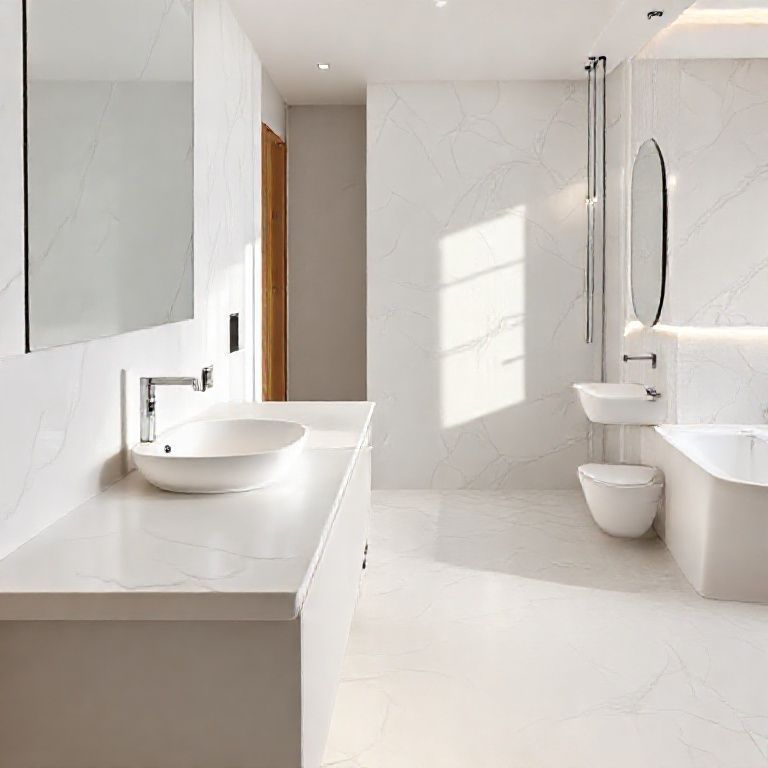
Bathrooms benefit greatly from engineered marble, especially for vanities and backsplashes. Its water resistance and ease of cleaning make it an excellent choice for this high-moisture environment.
3. Flooring
While less common, engineered marble can be used for flooring in both residential and commercial spaces. Its durability and aesthetic appeal make it a stylish option for entryways and other areas.
4. Furniture
Engineered marble can also be used to create stunning pieces of furniture, such as dining tables, bar tops, and side tables. Its flexibility allows for creative and unique designs.
Engineered marble continues to be a top choice for those seeking a blend of beauty and functionality in their home and commercial projects. In this part, we’ll delve deeper into the advantages of engineered marble, compare it with other materials, and provide tips on how to choose the right engineered marble for your needs.
Comparing Engineered Marble to Other Materials
When considering materials for your renovation project, it’s essential to compare engineered marble with alternatives like natural marble, granite, quartz, and solid surface materials. Here’s a breakdown of how engineered marble stacks up:
1. Natural Marble
Pros: Authentic look, timeless elegance, unique patterns.
Cons: High cost, maintenance-intensive, prone to staining and chipping.
Engineered Marble Comparison: While natural marble offers a classic and luxurious look, engineered marble provides similar aesthetics at a lower cost with added benefits like stain resistance and durability.
2. Granite
Pros: Strength, durability, wide range of colors.
Cons: High cost, requires sealing, can be prone to staining.
Engineered Marble Comparison: Granite is robust and long-lasting, but engineered marble offers a more affordable option with less maintenance and higher resistance to stains.
3. Quartz
Pros: Affordable, durable, easy to clean.
Cons: Less aesthetic appeal compared to marble.
Engineered Marble Comparison: Both materials are durable and easy to maintain, but engineered marble provides a more luxurious appearance that rivals natural marble.
4. Solid Surface Materials
Pros: Wide color and texture options, easy to install.
Cons: Less durable than natural stone, can chip over time.
Engineered Marble Comparison: Solid surfaces are easy to work with and come in a variety of styles, but engineered marble offers a superior blend of durability, aesthetics, and ease of maintenance.
Choosing the Right Engineered Marble
Selecting the right engineered marble for your project involves considering several factors to ensure you get the best value and performance. Here are some tips to guide your choice:
1. Define Your Budget
Determine how much you’re willing to spend. Keep in mind that higher-end engineered marbles will offer better quality and durability but at a higher price.
2. Consider the Application
Think about where the engineered marble will be used. Kitchens and bathrooms, which are more prone to spills and moisture, benefit from high-quality, stain-resistant engineered marble.
3. Look for Certifications
Choose products that come with warranties and certifications from reputable organizations. This ensures that the material meets high standards for quality and performance.
4. Evaluate the Finish
Engineered marble comes in various finishes, from matte to high gloss. Choose a finish that complements your decor while providing the desired durability.
5. Test Samples
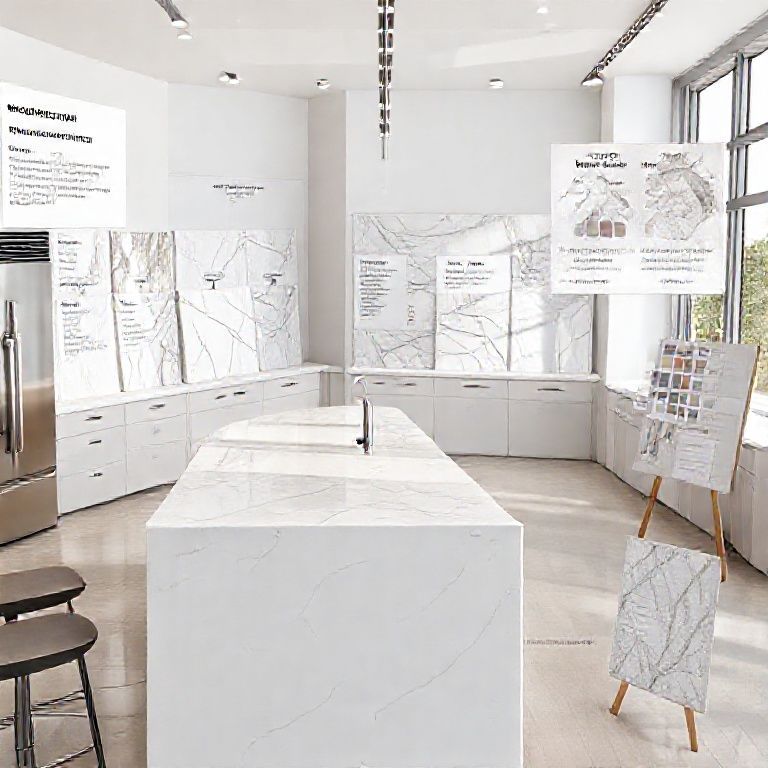
Before finalizing your choice, test samples to see how the engineered marble holds up to daily wear and tear. Pay attention to how it handles stains and scratches.
Maintenance and Care
Proper maintenance ensures that your engineered marble remains beautiful and functional for years to come. Here are some tips for maintaining your engineered marble surfaces:
1. Regular Cleaning
Wipe surfaces with a soft, damp cloth to remove daily grime. For tougher spots, use a mild cleaner and avoid abrasive scrubbers that can scratch the surface.
2. Stain Prevention
Apply a suitable sealant periodically to protect the surface from stains. Regular sealing helps maintain the marble’s aesthetic appeal.
3. Immediate Stain Treatment
If a spill occurs, treat it immediately with a neutral cleaner to prevent staining. Avoid using acidic cleaners that can etch the surface.
4. Avoid Heat and Sharp Objects
Keep hot pots and pans away from countertops to prevent thermal damage. Use cutting boards to protect the surface from scratches.
Conclusion
Engineered marble is an excellent choice for those looking to add luxury and durability to their spaces without the high maintenance of natural marble. With its diverse range of colors and patterns, it offers a versatile and cost-effective solution for countertops, vanities, flooring, and more. By understanding the factors that influence its cost and choosing the right type for your needs, you can create a stunning and long-lasting design that enhances both residential and commercial environments.
Whether you’re planning a kitchen renovation or updating your bathroom, engineered marble provides a beautiful, practical, and enduring option that stands out in any setting.