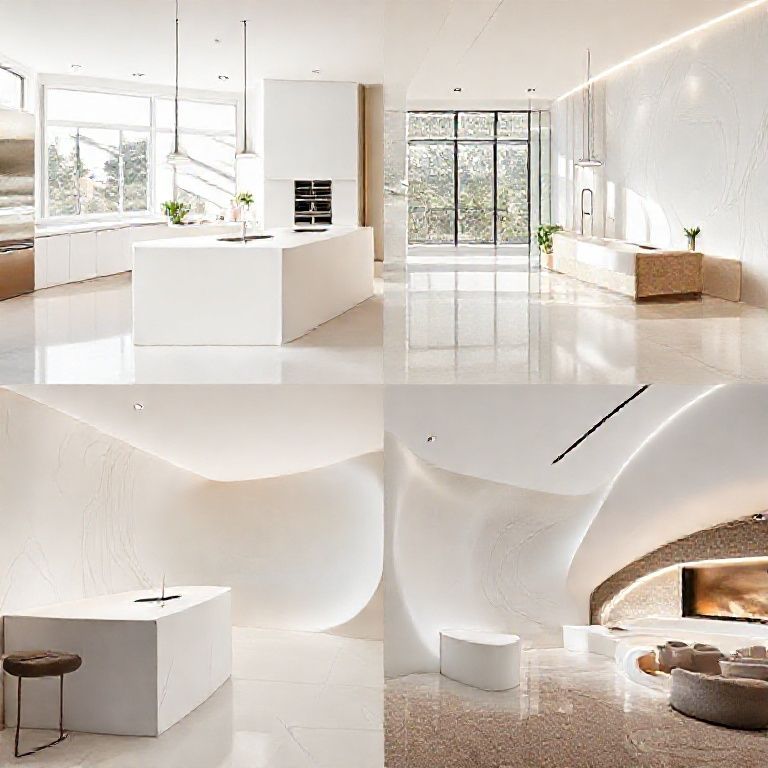
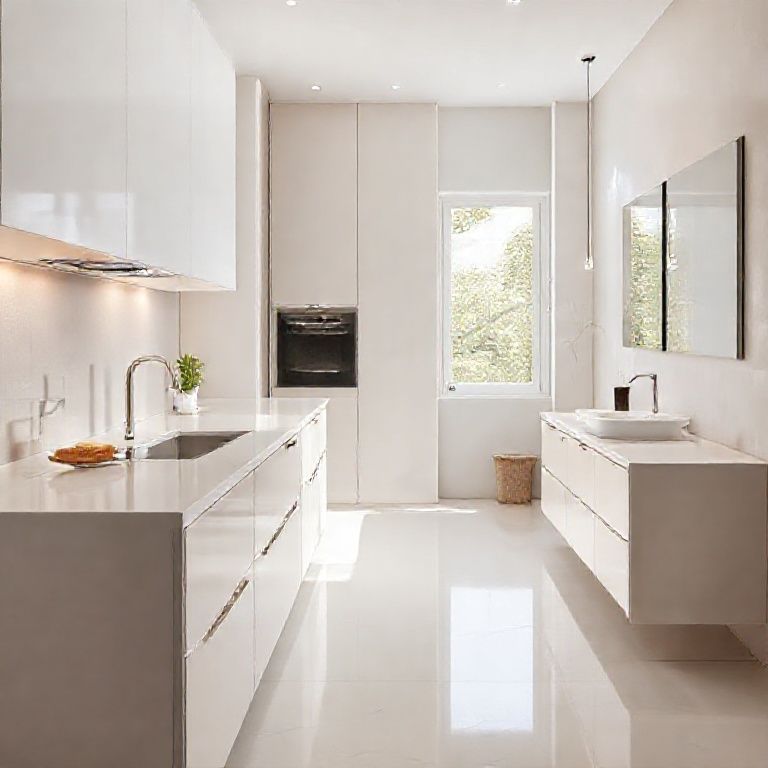
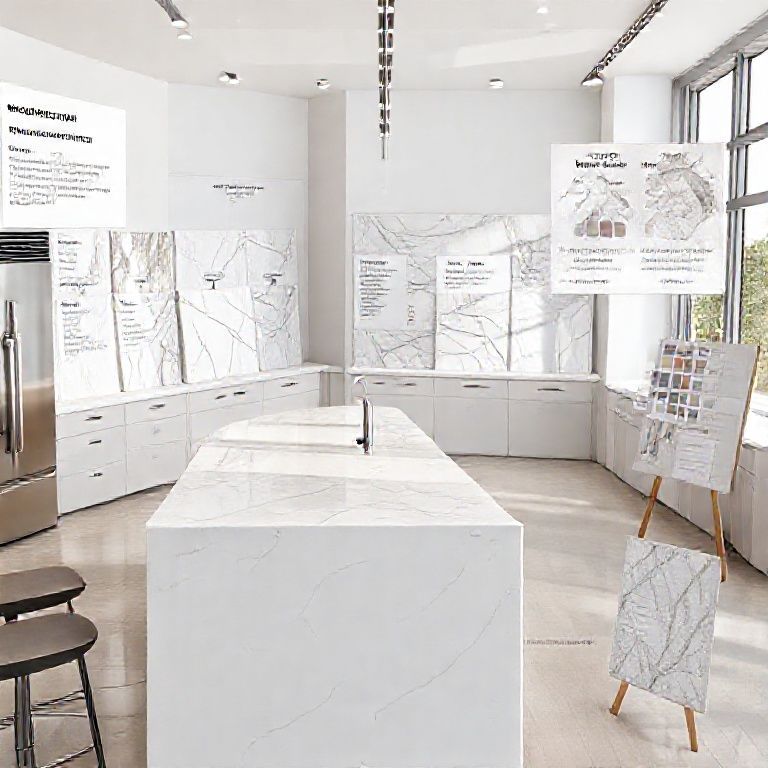
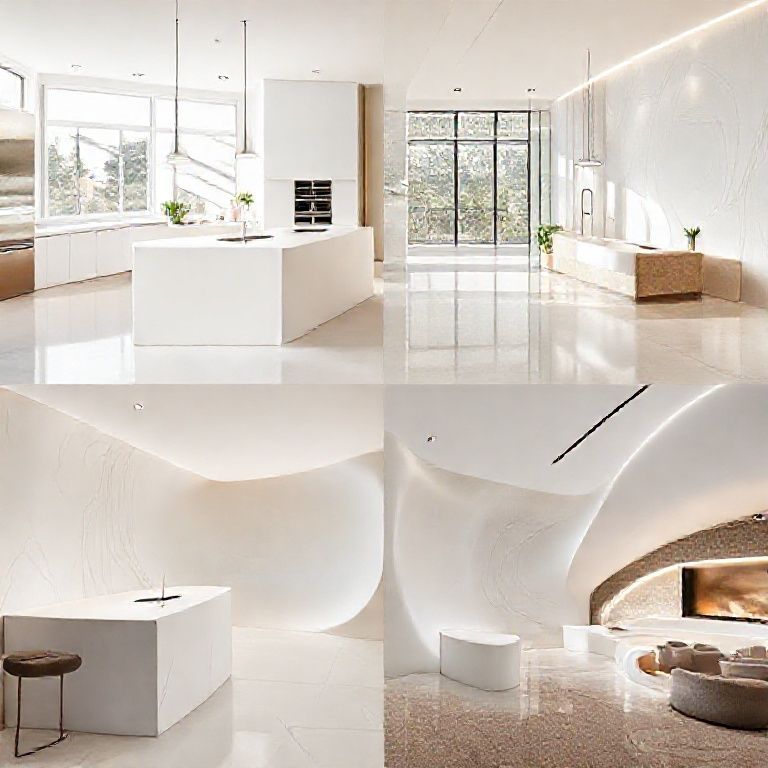
Introduction: Marble has long been revered for its timeless elegance and natural beauty. Whether you are considering it for a kitchen countertop, bathroom vanity, or an expansive flooring project, the choice between synthetic and natural marble can significantly impact your budget. This first part of our exploration will delve into the cost factors, quality considerations, and the initial price difference between synthetic and natural marble. Understanding these elements will provide a solid foundation for making an informed decision.

Cost Factors Influencing Synthetic and Natural Marble Prices:
1. Production Costs: The production cost of marble is a critical factor that influences its overall price. Natural marble is quarried from the earth, which involves significant labor, machinery, and transportation costs. These expenses are then reflected in the final price of the marble. On the other hand, synthetic marble is manufactured in a controlled environment using advanced technology. The production process for synthetic marble is more economical because it can be precisely engineered to mimic the appearance of natural marble without the logistical and environmental challenges of quarrying.
2. Sourcing and Transportation: Natural marble must be sourced from specific quarries around the world, and its transportation can be costly, especially if it needs to travel long distances. This process incurs additional costs that are often passed on to the consumer. Synthetic marble, produced in specialized facilities, typically incurs lower transportation costs since it can be manufactured near the point of use.
3. Raw Material Costs: The raw materials used to create natural marble are finite and subject to fluctuations in global supply and demand. The extraction of these materials can also be affected by geopolitical factors and environmental regulations. In contrast, synthetic marble can use recycled materials or easily replaceable components, which often results in more stable and predictable raw material costs.
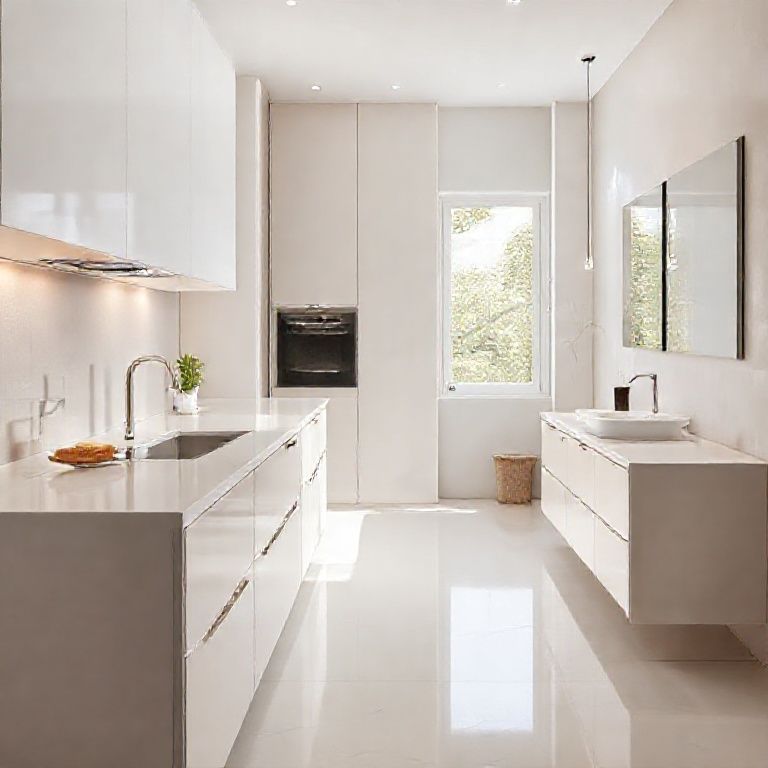
Initial Price Difference: When comparing the initial price, synthetic marble generally offers a more affordable option. The cost of synthetic marble typically ranges from $15 to $30 per square foot, depending on the brand and quality. In contrast, natural marble prices can vary widely, often ranging from $50 to $200 per square foot, or even higher for rare or exotic varieties. This significant price gap makes synthetic marble an attractive choice for budget-conscious consumers.
Quality Considerations:
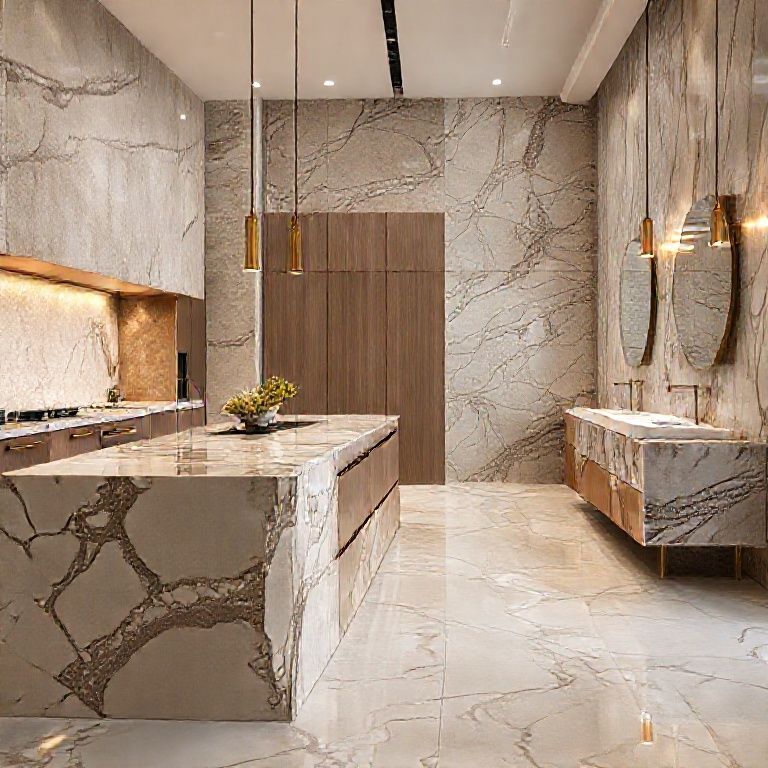
1. Aesthetic Quality: One of the main reasons for the higher price of natural marble is its unique aesthetic quality. Natural marble features intricate veining and color variations that are difficult to replicate. The beauty of natural marble lies in its natural imperfections, which add character and uniqueness to any space. Synthetic marble, while capable of mimicking the appearance of natural marble, often lacks this organic, one-of-a-kind quality.
2. Durability and Maintenance: Natural marble is renowned for its durability and timeless appeal. However, it also requires regular maintenance to prevent staining and etching, which can be labor-intensive and costly. Synthetic marble, on the other hand, is designed to be more resistant to stains and scratches, requiring less maintenance and offering a more hassle-free option for many homeowners and businesses.
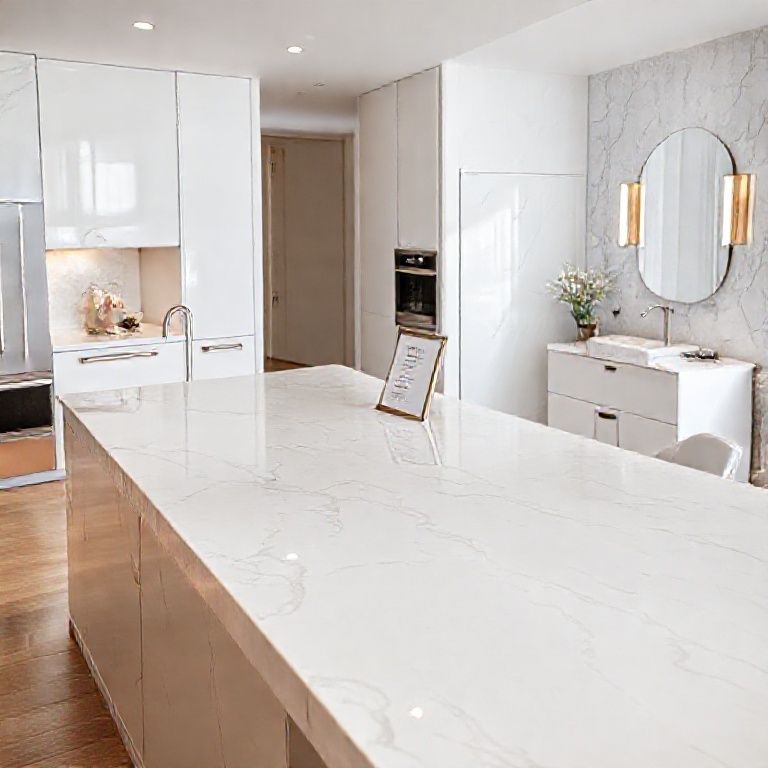
3. Environmental Impact: The environmental impact of producing natural marble is another important consideration. Quarrying natural marble can lead to significant environmental degradation, including habitat destruction and pollution. Synthetic marble, particularly when produced using sustainable practices, can offer a more environmentally friendly alternative. Many manufacturers of synthetic marble focus on reducing their carbon footprint and using recycled materials, which can contribute to a more sustainable choice.
Conclusion: Understanding the initial price difference between synthetic and natural marble involves a careful consideration of production costs, sourcing, transportation, raw materials, and quality factors. While natural marble offers unparalleled aesthetic quality and durability, synthetic marble provides an affordable, low-maintenance, and often more sustainable alternative. In the next part of our exploration, we will further examine the long-term costs, maintenance, and environmental impact of both materials to provide a more comprehensive comparison.
Introduction: Having explored the initial price differences between synthetic and natural marble, we now turn our attention to the long-term costs, maintenance, and environmental impacts of these materials. This second part will delve deeper into the total cost of ownership for each type of marble, helping you understand the full financial and ecological picture. This comprehensive analysis will empower you to make a well-informed decision that balances beauty, budget, and sustainability.
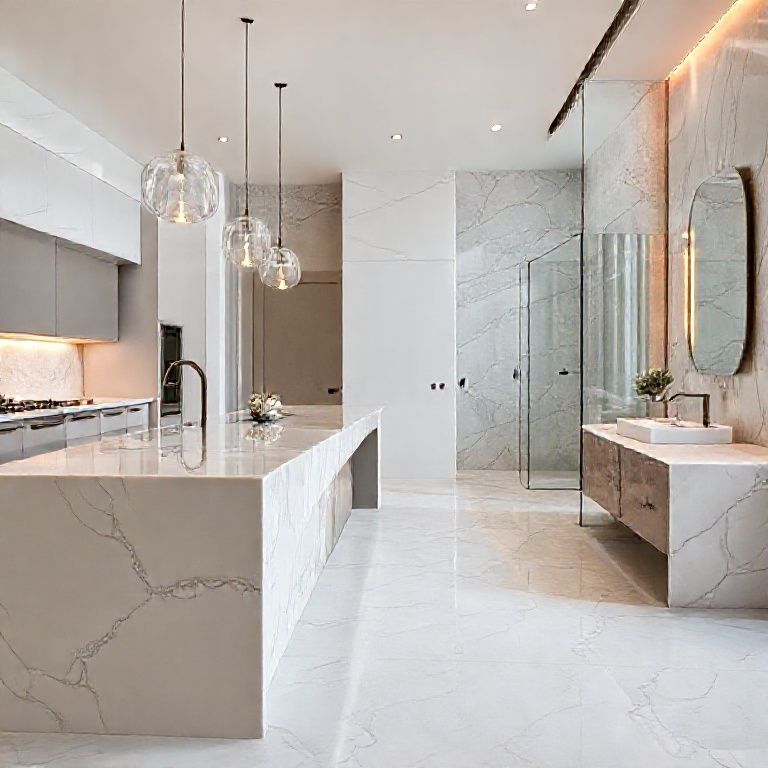
Long-Term Costs:
1. Maintenance and Repair: The long-term cost of maintaining natural marble is a significant factor to consider. Natural marble requires regular sealing and re-polishing to prevent staining and etching, which can be both time-consuming and expensive. Depending on the quality of the marble and the frequency of use, these maintenance costs can add up over time. In contrast, synthetic marble is designed to be more resistant to stains and scratches, reducing the need for frequent maintenance and lowering long-term costs. For many homeowners and businesses, the lower maintenance requirements of synthetic marble can result in substantial savings over time.
2. Durability and Lifespan: While natural marble is known for its durability and long lifespan, its susceptibility to staining and etching can lead to more frequent repairs and replacements. Over time, these repairs can accumulate and add to the overall cost. Synthetic marble, with its engineered resistance to stains and scratches, tends to have a longer lifespan and requires fewer repairs. This durability can result in lower long-term costs, as synthetic marble often requires less frequent replacement compared to natural marble.
3. Replacement Costs: The cost of replacing natural marble, especially in large installations such as countertops or flooring, can be prohibitively expensive. The process of sourcing, transporting, and installing new natural marble can incur significant costs. Synthetic marble, due to its more affordable initial price and ease of installation, offers a more cost-effective option for replacement. If a piece of synthetic marble needs to be replaced, the lower cost and ease of sourcing make it a more practical choice for many consumers.
Maintenance and Care:
1. Cleaning and Protection: Natural marble requires regular cleaning and protection to maintain its beauty and prevent damage. This includes using specialized cleaning agents and periodic sealing to protect against stains and etching. The need for these regular maintenance tasks can add to the overall cost of owning natural marble. Synthetic marble, with its designed resistance to stains and scratches, typically requires less frequent cleaning and protection. This can result in lower maintenance costs over time.
2. Handling and Usage: Natural marble is often more sensitive to heat and acidic substances, which can lead to damage if not handled properly. This sensitivity means that natural marble may not be suitable for areas with high foot traffic or heavy use. Synthetic marble, on the other hand, is designed to withstand more wear and tear, making it a more versatile option for a variety of applications. The ability to use synthetic marble in areas where natural marble might not be practical can result in more cost-effective design choices.
Environmental Impact:
1. Quarrying and Resource Extraction: The environmental impact of quarrying natural marble is significant. The process can lead to habitat destruction, water pollution, and other forms of environmental degradation. Additionally, the transportation of natural marble from distant quarries adds to its carbon footprint. Synthetic marble, particularly when produced using sustainable practices, can offer a more environmentally friendly alternative. Many manufacturers focus on reducing their carbon footprint and using recycled materials, which can contribute to a more sustainable choice.
2. Manufacturing and Waste: The manufacturing process for natural marble involves substantial energy use and waste generation. In contrast, the production of synthetic marble can be more efficient, with less waste and lower energy consumption. Furthermore, synthetic marble can be produced in a more controlled environment, which allows for better management of waste and emissions. This efficiency can result in a lower overall environmental impact for synthetic marble.
3. End-of-Life Considerations: The end-of-life considerations for natural marble are often less favorable, as it is not easily recyclable. The disposal of natural marble can contribute to landfill waste and environmental degradation. Synthetic marble, however, can often be recycled or repurposed at the end of its life cycle. This recyclability can reduce its environmental impact and contribute to a more sustainable choice.
Conclusion: Understanding the long-term costs, maintenance requirements, and environmental impact of synthetic and natural marble is crucial for making an informed decision. While natural marble offers unparalleled aesthetic quality and durability, synthetic marble provides a more affordable, low-maintenance, and often more sustainable alternative. By considering the full lifecycle costs and environmental impacts, you can make a choice that aligns with your budget, lifestyle, and values. Whether you choose natural or synthetic marble, both options offer unique benefits and can enhance the beauty and functionality of any space.
In summary, the price difference between synthetic and natural marble is not just about initial costs but encompasses a broader spectrum of factors including long-term maintenance, durability, and environmental impact. By weighing these considerations, you can make a well-informed decision that balances beauty, budget, and sustainability.