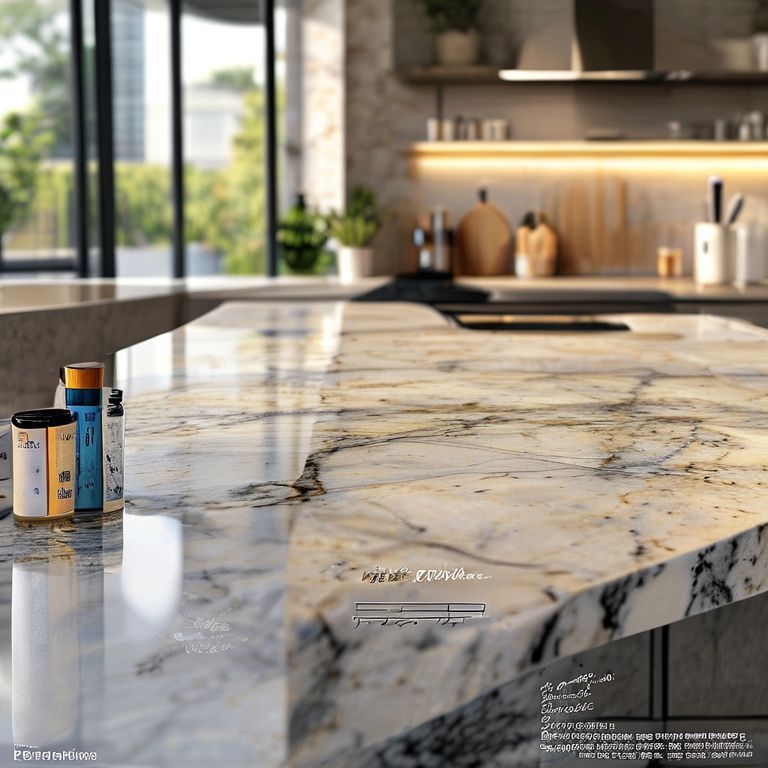
The Allure and Cost of Marble Flooring
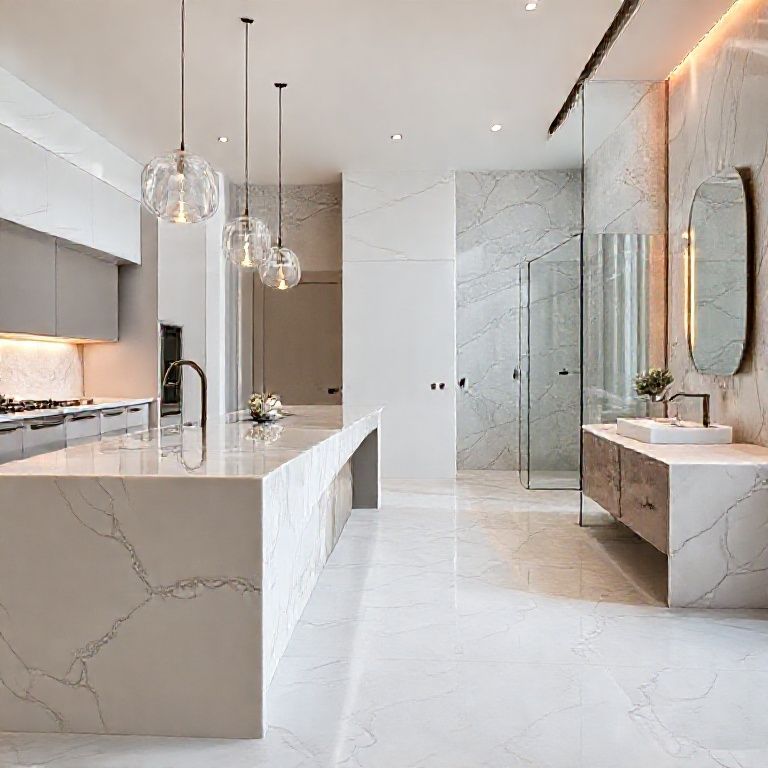
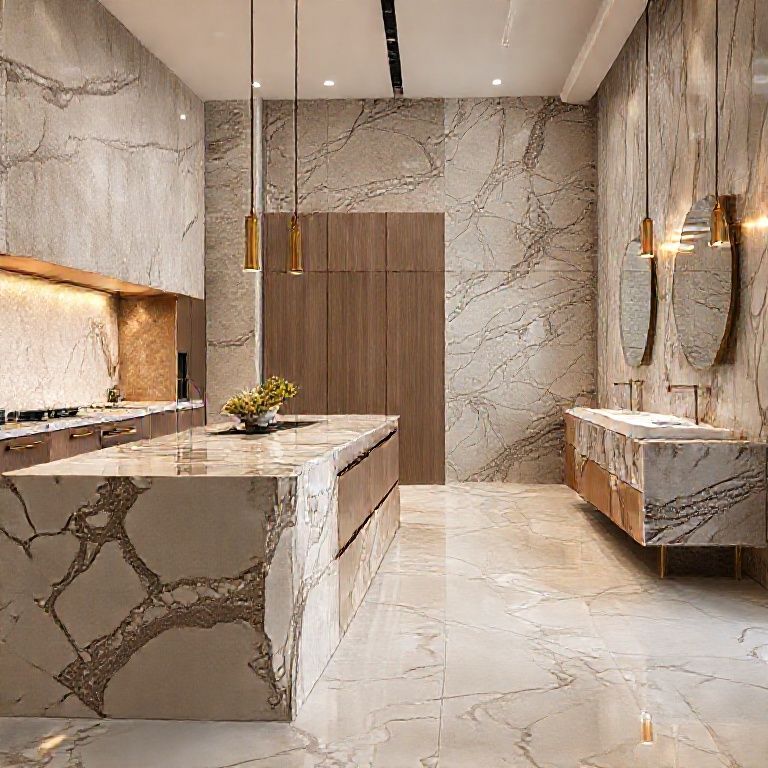
When it comes to creating a luxurious and timeless interior, marble flooring stands out as an unparalleled choice. Renowned for its elegance, durability, and natural beauty, marble has been a favorite among designers and homeowners alike for centuries. But how much does marble cost per square meter? This question is pivotal for anyone considering this exquisite material for their home or commercial space.

The Beauty of Marble
Marble is a metamorphic rock that has been sculpted over millions of years by natural forces. Its unique characteristics, including its rich colors, intricate patterns, and smooth, polished surface, make it a highly coveted material. Marble comes in various types, each with its own distinct aesthetic. Some popular varieties include:
Italian Marble: Known for its fine grains and high polish, Italian marble is a classic choice for luxury settings. Brazilian Marble: Famous for its stunning veining and color variations, Brazilian marble adds dramatic flair to any space. Egyptian Marble: With its historical significance and timeless beauty, Egyptian marble is often used in high-end architecture. Indian Marble: Renowned for its vibrant colors and unique patterns, Indian marble offers a distinctive touch to any design.
Factors Influencing Marble Pricing
The cost of marble per square meter can vary widely based on several factors. Understanding these can help you make an informed decision:
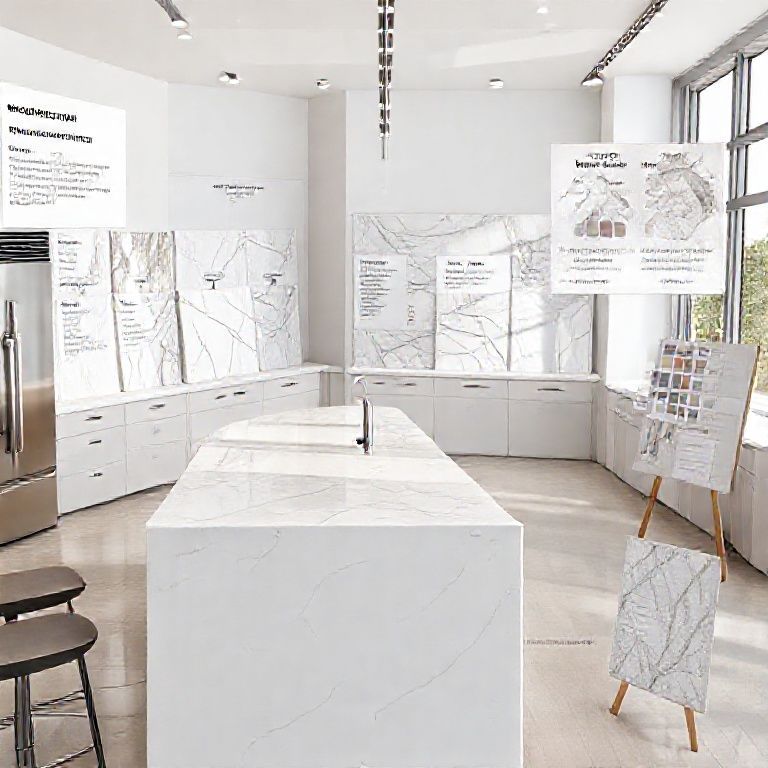
1. Quality and Type
The quality and type of marble significantly impact its price. Higher-grade marble, which has fewer impurities and more uniform coloration, typically costs more. The rarer and more exclusive the type, the higher the price.
2. Color and Veining
Marble with unique and rare colors or intricate veining patterns often comes at a premium. Designers and homeowners who seek marble with striking visual appeal are usually willing to pay a higher price.
3. Polishing and Finish
The finish of the marble also affects its cost. Polished marble, which has a glossy, smooth surface, tends to be more expensive than honed or matte finishes. The level of detail in the polishing process can also influence the price.
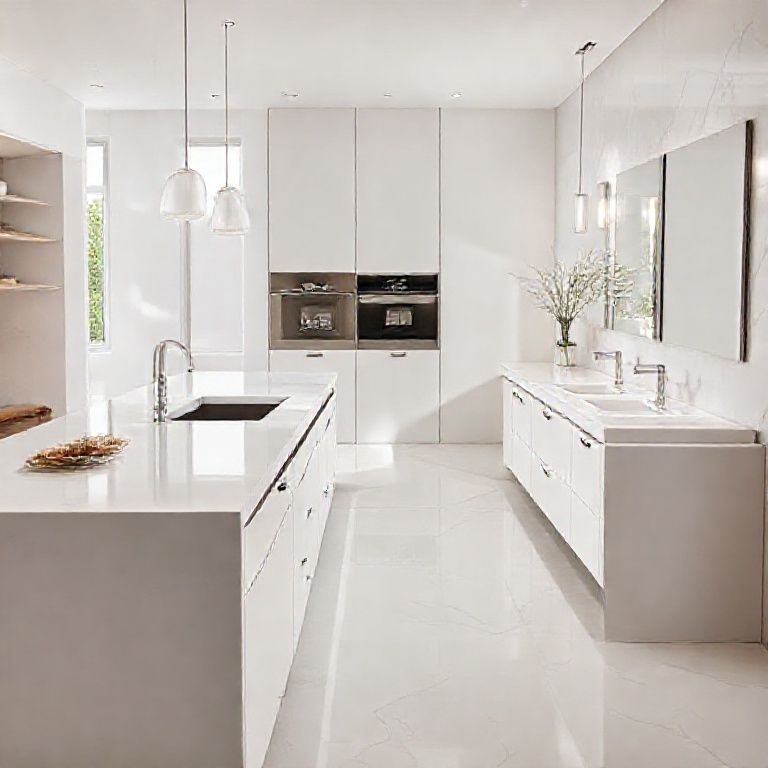
4. Source of Marble
The origin of the marble plays a crucial role in its cost. Marble sourced from well-known, high-quality quarries, especially those with a long history of producing top-tier marble, typically costs more. Conversely, marble from lesser-known sources may be more affordable.
5. Labor Costs
The cost of installation and maintenance also affects the overall price of marble flooring. High-quality marble requires skilled labor for installation and regular maintenance to preserve its beauty and longevity.
Budgeting for Marble Flooring
When budgeting for marble flooring, it’s important to consider not just the cost per square meter but also the total investment required. Here are some tips to help you plan effectively:
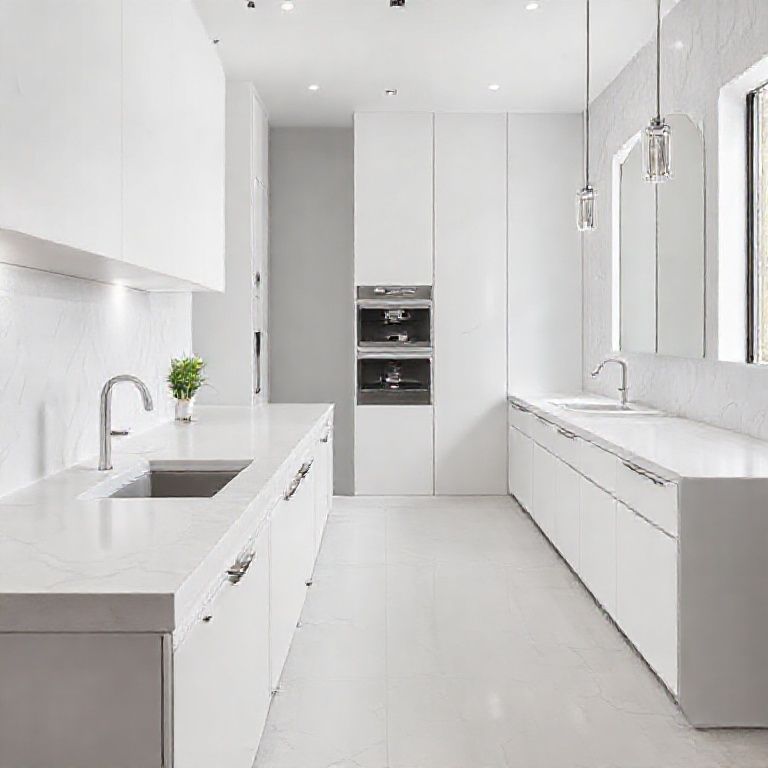
1. Estimate Total Area
Calculate the total area you intend to cover with marble flooring. This will give you a clear picture of the overall cost.
2. Get Multiple Quotes
Obtain quotes from several suppliers and installers to compare prices. Be sure to ask for detailed breakdowns that include the cost of the marble, installation, and any additional services.
3. Consider Long-Term Value
While marble may have a higher upfront cost, its durability and timeless appeal often result in long-term savings. Invest in high-quality marble to ensure its longevity and maintain its value over time.
4. Explore Financing Options
If the cost seems daunting, explore financing options that can spread the payment over time. This can make the investment more manageable without compromising on quality.
Conclusion to Part 1
Marble is more than just a flooring option; it’s a statement of luxury and elegance. The cost of marble per square meter can vary greatly depending on several factors, including quality, type, color, and installation. By understanding these elements, you can make a well-informed decision that aligns with your budget and design vision. In the next part of our series, we will delve deeper into specific marble types, installation techniques, and maintenance tips to help you make the most of your marble flooring investment.
Installation and Maintenance of Marble Flooring
Once you’ve chosen your exquisite marble flooring, the next crucial steps are installation and maintenance. Proper installation ensures the longevity and beauty of your marble flooring, while regular maintenance keeps it looking pristine. In this part, we will explore the nuances of marble installation, maintenance tips, and additional considerations to ensure your marble flooring remains a stunning focal point for years to come.
Installation Techniques
Installing marble flooring requires precision and expertise to ensure a flawless finish. Here are some key aspects to consider:
1. Professional Installation
Given the delicacy and beauty of marble, it’s highly recommended to hire professional installers. Professionals have the necessary skills and tools to handle the intricacies of marble installation, ensuring a seamless and durable finish.
2. Preparation and Subflooring
Proper preparation of the subfloor is crucial for marble flooring. The subfloor must be level, clean, and dry to provide a stable base for the marble. In some cases, a moisture barrier may be needed to prevent water damage.
3. Adhesives and Fixings
High-quality adhesives are essential for securing marble tiles or slabs. Choose adhesives specifically designed for marble to ensure optimal adhesion and durability. Additionally, the method of fixing (such as epoxy resin or mechanical fixing) should be chosen based on the specific requirements of the project.
4. Cutting and Fitting
Marble requires precise cutting to fit the dimensions of your space. Professionals use specialized tools to cut marble accurately, ensuring a neat and professional finish.
Maintenance Tips
Proper maintenance is key to preserving the beauty and longevity of your marble flooring. Here are some essential maintenance tips:
1. Regular Cleaning
Marble is naturally resistant to stains but requires regular cleaning to maintain its shine. Use a pH-neutral cleaner and a soft cloth to clean the surface. Avoid using abrasive cleaners or scrubbing too harshly, as this can scratch the marble.
2. Sealing
Sealing your marble flooring is essential to protect it from stains and water damage. Regular sealing will create a protective barrier that helps maintain the marble’s appearance. Follow the manufacturer’s instructions for the best results.
3. Avoiding Acidic Substances
Marble can be damaged by acidic substances such as vinegar, lemon juice, and tomato sauce. Use coasters and placemats to protect the marble from these substances, especially in high-traffic areas.
4. Repairing Chips and Cracks
If your marble flooring sustains chips or cracks, it’s important to repair them promptly. Professional marble repair services can restore the beauty and integrity of your marble surface.
Additional Considerations
When considering marble flooring, there are a few additional factors to keep in mind:
1. Environmental Conditions
Marble is sensitive to temperature and humidity fluctuations. In areas with extreme weather conditions, it’s important to consider the potential impact on the marble. Proper sealing and maintenance can help mitigate these effects.
2. Footwear
Marble can be slippery when wet. Use non-slip mats and ensure that high-traffic areas are well-maintained to prevent accidents.
3. Future Renovations
If you plan to renovate or redecorate your space in the future, consider how your marble flooring will fit into the new design. Marble is a long-term investment, so choose a style that complements your overall aesthetic for years to come.
Conclusion to Part 2
Marble flooring is a luxurious and timeless choice that can elevate the beauty of any space. Proper installation by professionals and diligent maintenance are key to ensuring that your marble flooring remains stunning for years to come. By following our tips and guidelines, you can make the most of your marble investment, creating a sophisticated and elegant atmosphere in your home or business. Whether you’re a homeowner, designer, or simply an admirer of marble’s beauty, understanding the intricacies of marble flooring will help you make informed decisions and enjoy its timeless charm.
In conclusion, the cost of marble per square meter can vary greatly based on several factors, but the beauty and elegance it brings to any space make it a worthwhile investment. By considering quality, type, and maintenance, you can ensure that your marble flooring enhances your space for years to come.