Introduction to Marble Pricing
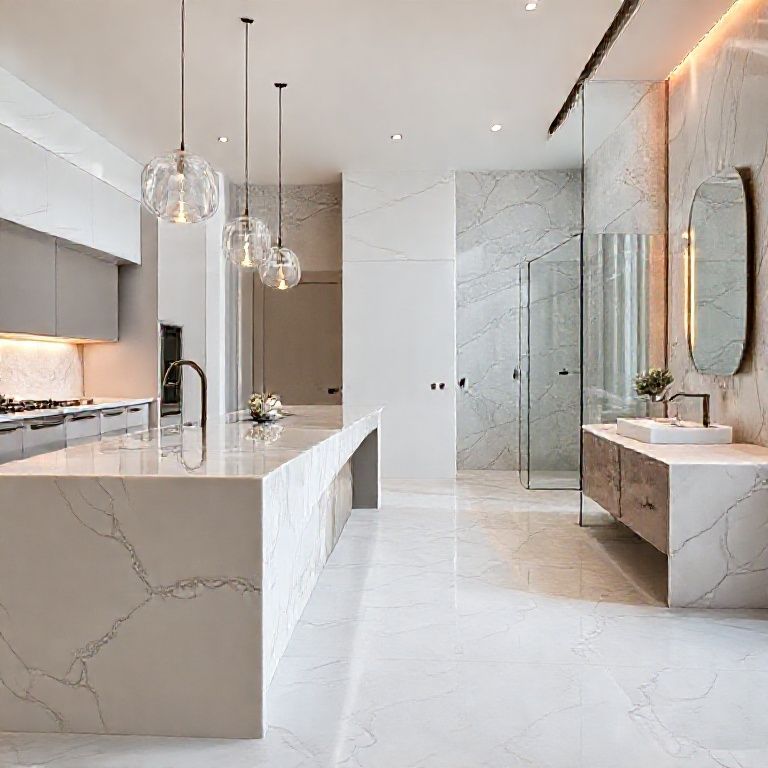
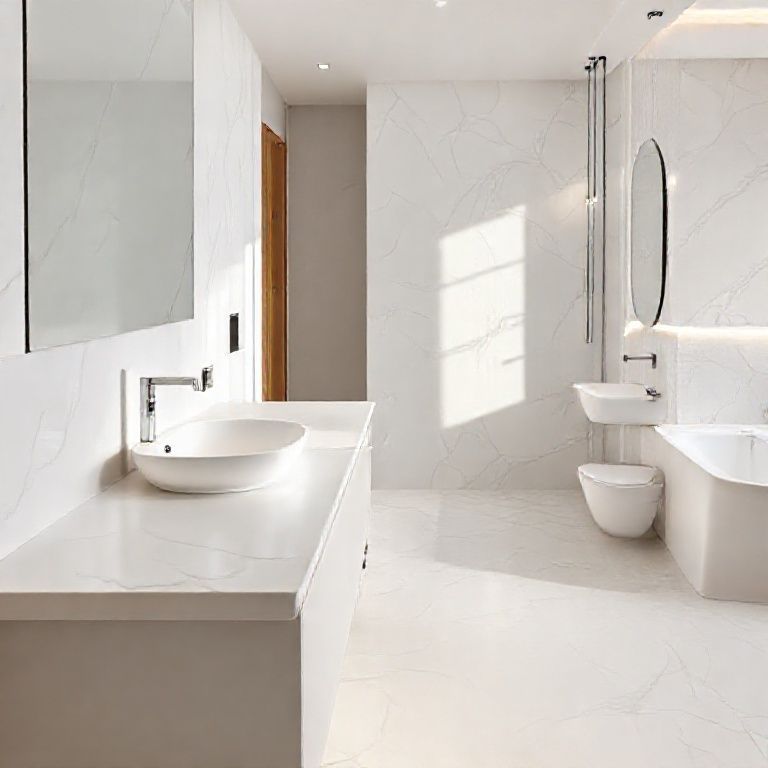
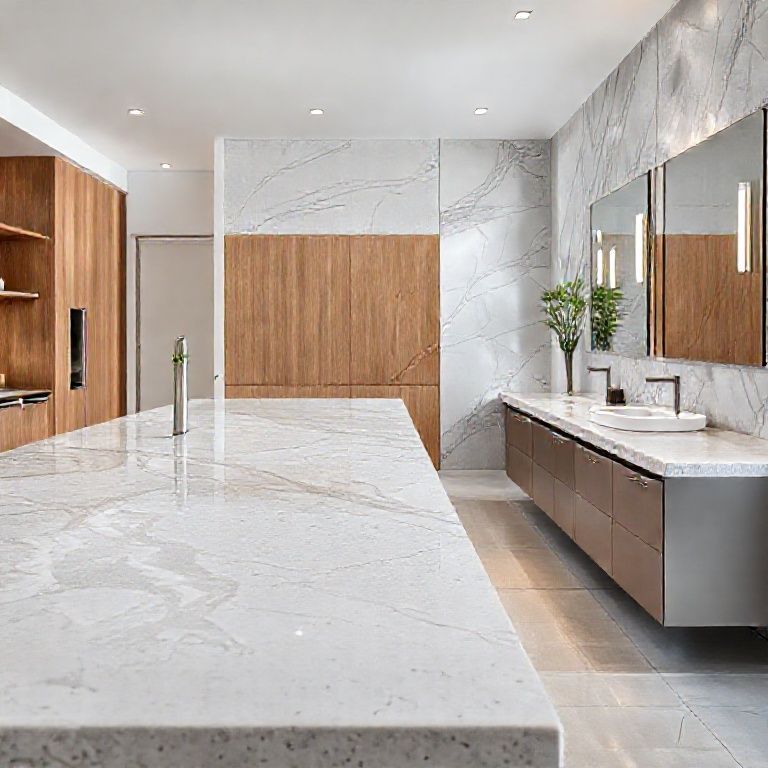
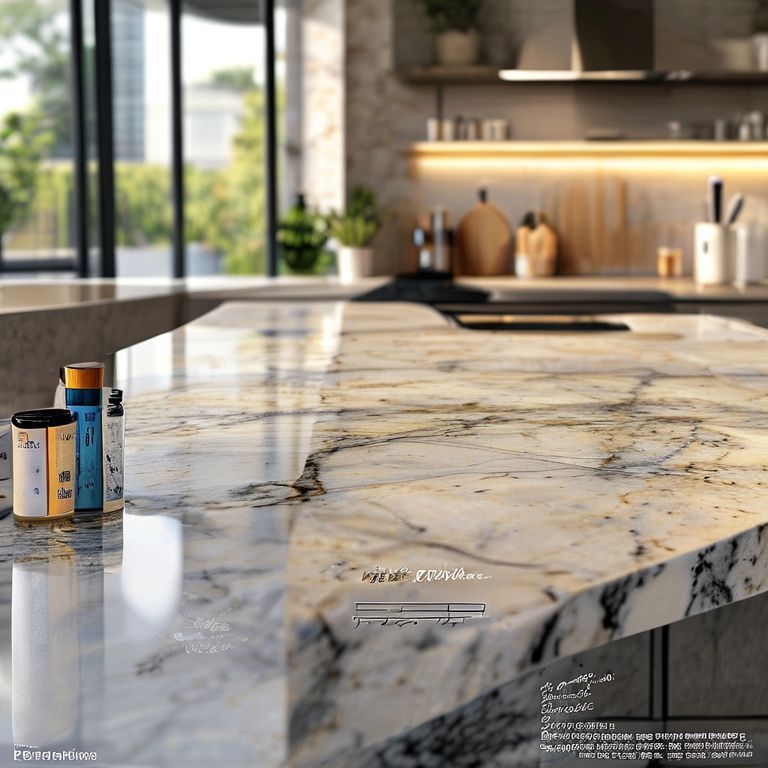
When it comes to selecting materials for flooring, countertops, or any high-end interior design, marble often stands out as a top choice. Known for its natural beauty and durability, marble is a timeless material that can elevate any space. However, the question of “How much does marble cost per square meter?” is a common one that many prospective buyers grapple with. Understanding the pricing of marble involves diving into various elements that contribute to its overall cost.

Factors Influencing Marble Prices
Quality and Grade: The first and most crucial factor is the quality and grade of the marble. Marble comes in a variety of grades, from top-tier to standard. Higher grades feature fewer veins and more uniform coloring, making them more expensive. Marbles like Carrara, Bianco Statuario, and Emperador are often pricier due to their superior quality and aesthetic appeal.
Color and Pattern: The color and pattern of marble significantly influence its price. Marbles with rare and unique colors or intricate veining patterns fetch higher prices. For instance, marbles with bold, striking colors or complex veining patterns are often more expensive than those with more muted tones and simple patterns.
Thickness and Size: The thickness and size of the marble slabs also play a vital role in determining the cost. Thicker slabs, which are generally more durable and require less cutting, tend to be more expensive. Similarly, larger slabs that minimize cutting and waste are typically more costly than smaller ones.
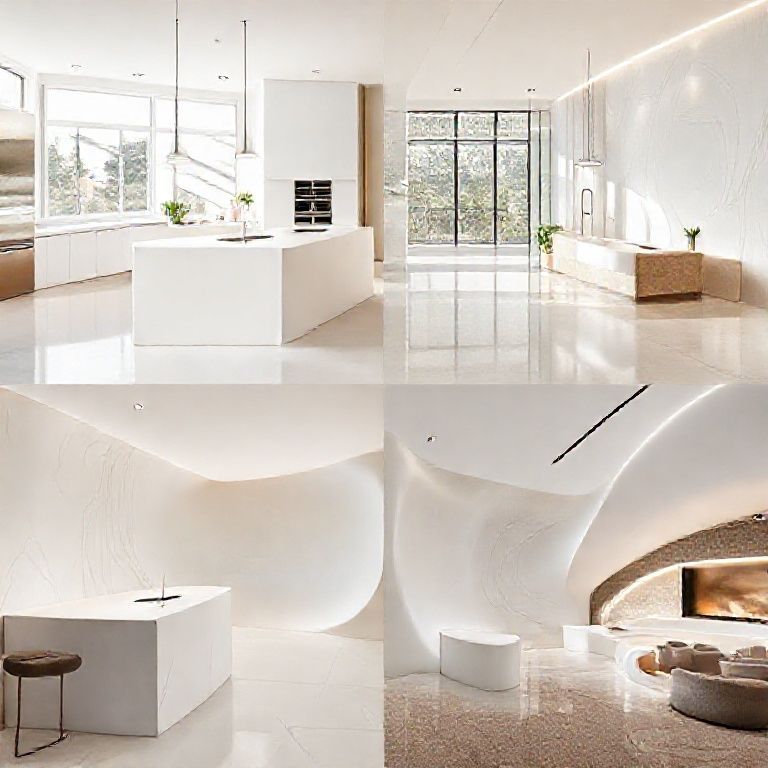
Cut and Finish: The way marble is cut and finished can greatly affect its price. For example, slabs that have been polished to a high sheen will cost more than those that have a matte finish. The complexity of the cut, such as whether it’s a straight cut or a beveled edge, also impacts the price.
Source and Origin: The geographic origin of the marble can impact its cost. Marbles from certain regions, such as Italy, Greece, and Turkey, are renowned for their quality and often come with a premium price tag due to their established reputation and the craftsmanship associated with these locations.
Transport and Import Costs: The cost to transport marble from its origin to the final destination also influences the overall price. Imported marbles, especially those from distant countries, can incur higher costs due to shipping and customs fees.
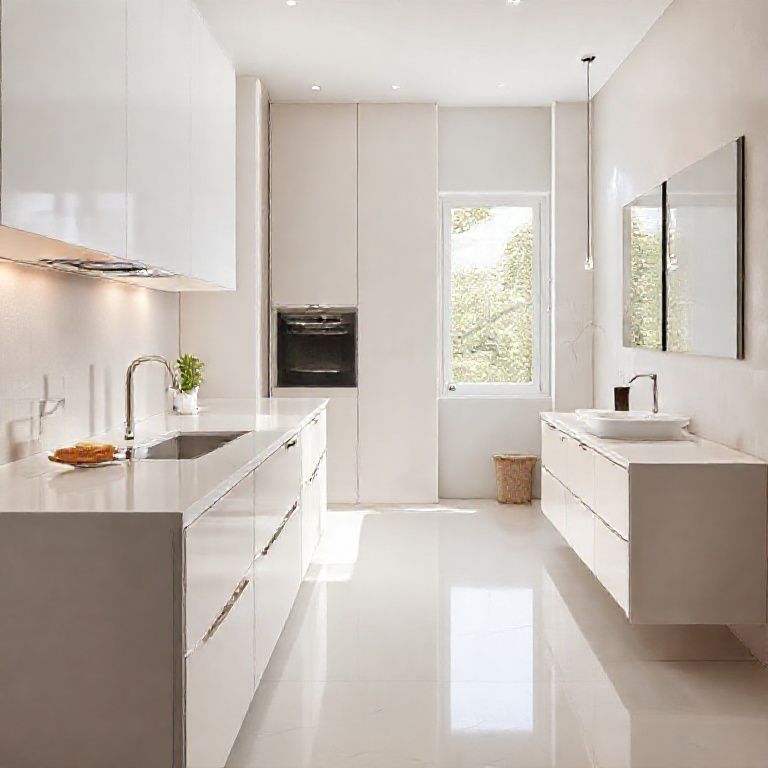
Common Types of Marble and Their Prices
Carrara Marble: Often considered one of the finest marbles in the world, Carrara marble from Italy is highly sought after for its pristine white color and classic beauty. Prices for Carrara marble can range from $30 to $80 per square meter, depending on the quality and specific variety.
Bianco Antico: Known for its creamy white color and intricate veining, Bianco Antico marble is a popular choice for luxury projects. Prices typically range from $35 to $70 per square meter.
Emperador Marble: This Spanish marble is celebrated for its unique black color and subtle veining. It’s a versatile option that’s perfect for both contemporary and traditional designs. Prices for Emperador marble generally range from $30 to $60 per square meter.
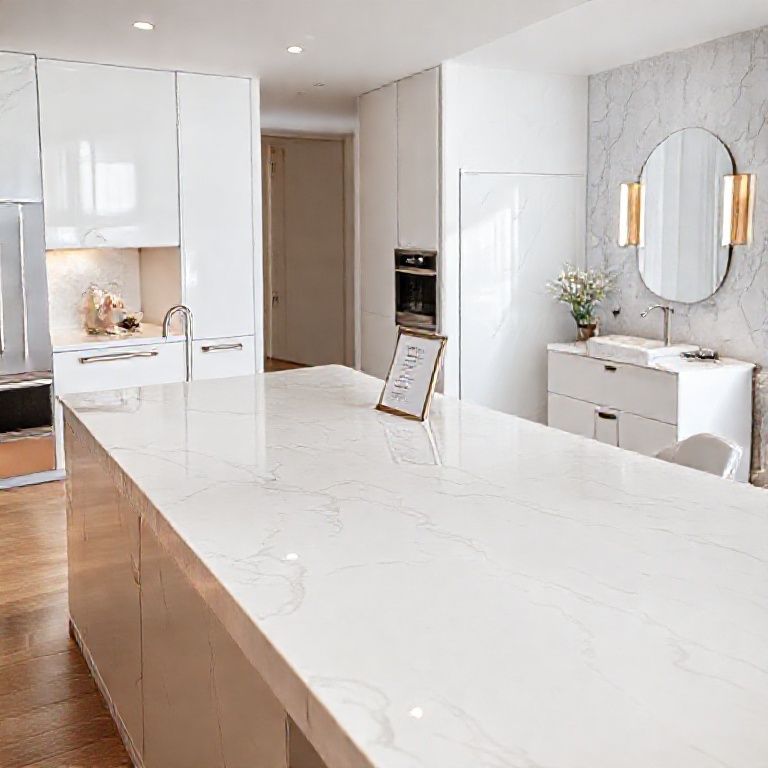
Venetian Marble: Originating from the famous quarries in Italy, Venetian marble is known for its soft, warm tones and intricate veining. Prices typically range from $35 to $75 per square meter.
Black Marble: As the name suggests, Black Marble is prized for its striking, deep black color and elegant veining. Prices for this type of marble can range from $40 to $80 per square meter.
Conclusion to Part 1
Understanding the pricing of marble involves recognizing the multifaceted factors that contribute to its cost. From the quality and color to the source and finish, each element plays a role in determining the price of marble per square meter. In the next part, we will delve deeper into additional factors that affect marble pricing and provide a comprehensive breakdown of how to get the best value for your marble purchase.
Advanced Insights into Marble Pricing
Having covered the basic elements influencing marble pricing, it’s time to dive deeper into the intricacies that can affect the final cost. This part will explore additional factors, market trends, and practical tips to help you navigate the complexities of marble pricing effectively.
Additional Factors Influencing Marble Prices
Labor Costs: The cost of labor, including cutting, polishing, and installation, significantly affects the overall price of marble. Regions with higher labor costs will naturally see higher prices for marble projects.
Customization and Design: Custom designs, intricate patterns, and unique cuts require more time and skill, leading to higher costs. If you’re looking for bespoke marble pieces, expect to pay a premium compared to standard slabs.
Environmental and Ethical Considerations: Sustainable and ethically sourced marble can be more expensive. Marbles that are sourced responsibly and produced with eco-friendly processes often come with a higher price tag due to the additional efforts involved.
Maintenance and Care: The ease of maintenance and care also plays a role in the perceived value of marble. High-maintenance marbles that require special cleaning and care can be more expensive due to the additional costs and effort involved.
Seasonal Variations: Like many industries, the marble market is subject to seasonal fluctuations. Prices can vary depending on the time of year, with demand often driving up costs during peak seasons.
Market Trends and Economic Factors
Supply and Demand: The fundamental economic principle of supply and demand heavily influences marble pricing. If there is a high demand for a particular type of marble and limited supply, prices will rise. Conversely, if supply exceeds demand, prices may drop.
Global Economic Conditions: Global economic conditions, such as trade policies, inflation, and currency exchange rates, can impact the cost of importing marble. Economic instability in key marble-producing countries can lead to price fluctuations.
Advancements in Technology: Technological advancements in quarrying, cutting, and polishing can reduce production costs and, consequently, lower the price of marble. Innovations that improve efficiency and reduce waste can make high-quality marble more accessible.
Market Competition: The level of competition in the marble market can also affect pricing. In highly competitive markets, suppliers may lower their prices to attract customers, leading to more affordable options.
Tips for Navigating Marble Pricing
Do Your Research: Before committing to a marble purchase, thoroughly research the different types and prices. Understanding the market and comparing prices from various suppliers can help you make an informed decision.
Consult with Professionals: Engaging with experienced professionals, such as architects, interior designers, and marble suppliers, can provide valuable insights into the best choices for your project. They can offer advice on selecting the right type of marble based on your budget and design needs.
Consider Long-Term Value: While it’s tempting to opt for the cheapest option, considering the long-term value and durability of the marble can save you money in the future. Investing in high-quality marble can reduce the need for frequent repairs and replacements.
Negotiate and Compare: Don’t hesitate to negotiate with suppliers and compare prices. Sometimes, negotiating a bulk purchase or negotiating for specific customizations can lead to significant savings.
Stay Updated on Trends: Keeping abreast of the latest trends in the marble industry can help you make timely decisions. Understanding which types of marble are currently in high demand can give you an advantage in planning your project.
Conclusion to Part 2
Understanding the full spectrum of factors that influence marble pricing is crucial for making informed decisions. From labor costs to market trends and technological advancements, each element contributes to the final price per square meter. By staying informed and seeking expert advice, you can navigate the complexities of marble pricing and select the perfect marble for your project. Whether you’re designing a high-end home or a commercial space, these insights will help you achieve both aesthetic beauty and value.
In this comprehensive exploration of marble pricing, we’ve delved into the myriad factors that determine the cost of marble per square meter. From understanding the quality and origin to recognizing market trends and practical tips, you now have a thorough understanding of what influences the price of marble. By applying this knowledge, you can make well-informed decisions that align with your design goals and budget.