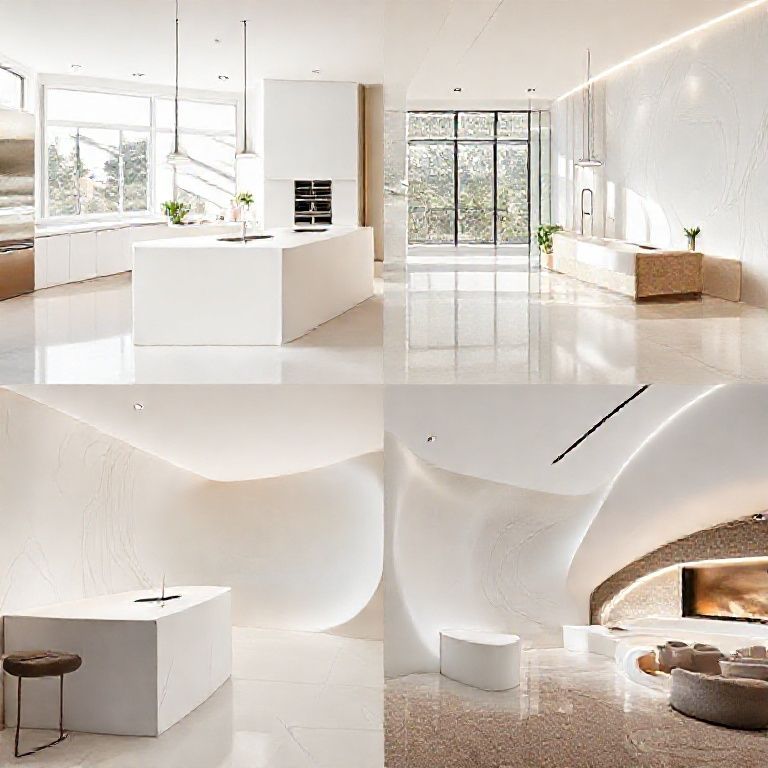
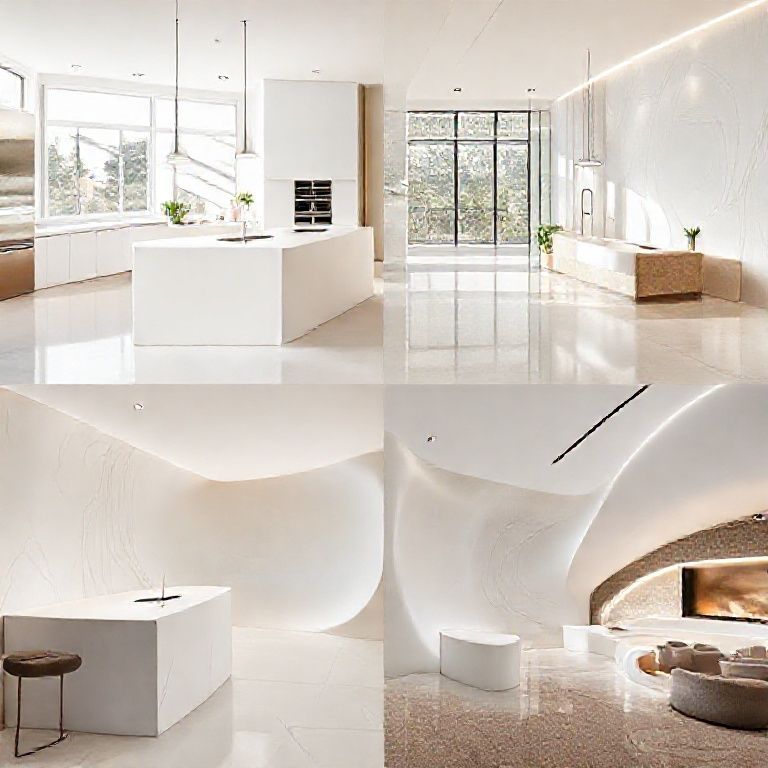
Dive deep into the world of Kanili, a renowned brand celebrated for its exquisite craftsmanship and unparalleled elegance. This article explores the remarkable material used in Kanili products, unveiling its unique properties and the meticulous process behind its creation. Join us on this fascinating journey to discover the heart and soul of Kanili’s enduring legacy.

Kanili, luxury material, exquisite craftsmanship, fine textiles, high-end fashion, sustainable materials, artisan techniques, luxury goods, premium quality
Unveiling the Secrets Behind Kanili’s Exquisite Craftsmanship: The Material Marvel
When it comes to luxury goods, Kanili stands out as a paragon of elegance and sophistication. But what truly sets Kanili apart from the rest is the exceptional material it uses to craft its exquisite pieces. Let’s embark on a journey to uncover the mystery behind the materials that form the backbone of Kanili’s timeless legacy.
The Essence of Kanili’s Luxury:
Kanili has always been synonymous with high-end fashion and superior quality. The brand’s commitment to using only the finest materials ensures that each piece not only looks stunning but also feels incredibly luxurious. Kanili’s philosophy revolves around blending timeless elegance with cutting-edge craftsmanship, a balance achieved through the meticulous selection of materials.

The Foundation of Fine Textiles:
The heart of Kanili’s collection lies in its fine textiles. These are not just fabrics; they are the canvases upon which artisans paint their most intricate designs. The materials used in Kanili’s textiles are chosen for their exceptional quality, durability, and the sheer pleasure they offer to the touch. Let’s explore some of the key materials that make up these luxurious textiles.
Silk: The Queen of Fabrics:
Silk is often referred to as the “queen of fabrics,” and for good reason. Known for its luxurious feel and lustrous appearance, silk is a natural protein fiber produced by silkworms. Kanili harnesses the finest silks from around the globe, often sourced from regions renowned for their silk production, such as China, Italy, and Japan.
Silk is celebrated for its unique properties, including its light weight, smoothness, and exceptional drape. These characteristics make silk ideal for creating garments that are both comfortable and elegant. Silk’s natural sheen and breathability also ensure that Kanili pieces remain comfortable to wear, even during the most sweltering days.
Wool: The Warmth and Comfort:
Wool is another cornerstone of Kanili’s textile selection. Known for its warmth, comfort, and natural elasticity, wool is a fiber derived from the fleece of sheep. Kanili sources its wool from the finest sheep farms around the world, ensuring that every piece crafted with wool is not only stylish but also exceptionally cozy.
Wool’s ability to regulate temperature makes it an ideal material for garments that need to adapt to varying climates. The natural oils in wool provide moisture-wicking properties, keeping the wearer dry and comfortable. Kanili’s woolen pieces are often treated with advanced techniques to enhance their durability and ease of care.
Cotton: The Timeless Classic:
Cotton is a fabric that never goes out of style. Known for its comfort, breathability, and versatility, cotton is a natural fiber that is harvested from the cotton plant. Kanili’s use of cotton is particularly noteworthy in its casual and everyday wear collections.

High-quality cotton used by Kanili is often organic or sustainably sourced, reflecting the brand’s commitment to environmental stewardship. The cotton’s natural softness and hypoallergenic properties make it an excellent choice for garments that prioritize comfort and health.
Exploring Exotic Materials:
Kanili’s commitment to innovation and excellence extends beyond traditional textiles. The brand also explores exotic materials that add a unique touch to its collections. These materials often include rare fibers and blends that offer a distinct texture and appearance.
For example, Kanili may incorporate materials like alpaca, known for its soft, warm, and hypoallergenic properties. Alpaca fibers are smoother and finer than sheep’s wool, providing a luxurious feel that is both comfortable and elegant.
Advanced Material Treatments:
Kanili’s dedication to quality doesn’t stop at the choice of materials. The brand also invests heavily in advanced material treatments to enhance the performance and longevity of its textiles. Techniques such as anti-wrinkle, water-repellent, and antimicrobial treatments are commonly used to ensure that Kanili pieces maintain their pristine condition and performance over time.
These advanced treatments not only improve the functionality of the garments but also add to their aesthetic appeal. For instance, water-repellent treatments give Kanili’s pieces a sleek, modern look, while anti-wrinkle treatments ensure that the garments retain their shape and appearance even after multiple wears and washes.
Sustainability in Material Selection:
In today’s world, sustainability is more than just a trend; it’s a responsibility. Kanili understands the importance of using materials that are not only high-quality but also environmentally friendly. The brand prioritizes the use of sustainable materials, such as organic cotton, recycled polyester, and Tencel (a sustainable fiber made from wood pulp).
Kanili’s commitment to sustainability extends to its entire production process, from sourcing materials to manufacturing and distribution. By choosing sustainable materials and practices, Kanili ensures that its products have a minimal environmental footprint, allowing customers to indulge in luxury without compromising their values.
The Artisan’s Touch:
The materials used in Kanili’s textiles are only part of the story. The true magic lies in the hands of the artisans who transform these materials into stunning pieces of art. Kanili’s artisans are skilled craftsmen who bring centuries-old techniques to the modern world. Their expertise in weaving, embroidery, and other textile crafts ensures that each Kanili piece is a masterpiece of craftsmanship.
The artisans’ dedication to quality and attention to detail is what sets Kanili apart from other luxury brands. Their ability to infuse traditional techniques with modern innovation results in garments that are not only beautiful but also durable and timeless.
Conclusion:
The materials used in Kanili’s exquisite collections are a testament to the brand’s commitment to quality, innovation, and sustainability. From the finest silks and wools to the most advanced material treatments, every element of Kanili’s textiles is carefully selected and crafted to create pieces that are both luxurious and enduring. As we continue to explore the world of Kanili, we’ll delve deeper into the intricate processes and technologies that make each piece a work of art.
Unveiling the Secrets Behind Kanili’s Exquisite Craftsmanship: The Material Marvel
In our first part, we explored the diverse range of materials that form the foundation of Kanili’s luxurious textiles. From silk and wool to cotton and exotic fibers, we saw how each material brings unique properties that contribute to the brand’s timeless elegance. Now, let’s continue our journey by delving into the advanced techniques, sustainable practices, and the meticulous artistry that elevate Kanili’s materials to new heights of excellence.
Advanced Technological Integration:
Kanili’s commitment to innovation extends beyond the selection of materials. The brand integrates advanced technological processes into its textile production, ensuring that each piece not only looks stunning but also performs exceptionally well. Here are some of the cutting-edge technologies that play a crucial role in Kanili’s material innovation.
Nanotechnology:
Nanotechnology involves the manipulation of matter on an atomic, molecular, and supramolecular scale. In Kanili’s production process, nanotechnology is used to enhance the properties of materials at a microscopic level. For instance, nanotechnology can be used to create fabrics with superior water-repellent properties, making them ideal for outdoor wear.
The use of nanotechnology also allows for the development of antimicrobial fabrics. These fabrics are treated with nanoparticles that kill bacteria and other pathogens, ensuring that Kanili’s garments remain fresh and hygienic even after multiple wears.
Digital Printing:
Digital printing has revolutionized the textile industry by allowing for more intricate and vibrant designs. Unlike traditional printing methods, digital printing uses inkjet technology to apply designs directly onto fabrics. This method offers several advantages, including the ability to produce highly detailed and colorful patterns without the need for multiple printing stages.
Kanili leverages digital printing to create unique and customizable designs that reflect the brand’s commitment to individuality and innovation. The precision of digital printing ensures that every Kanili piece is not only visually stunning but also meticulously crafted.
Smart Textiles:
Smart textiles are fabrics that incorporate electronic components or technologies to provide additional functionality. In Kanili’s collections, smart textiles can include features such as temperature regulation, UV protection, and even built-in lighting.
For instance, Kanili’s smart textiles might include fabrics that can adjust to the wearer’s body temperature, providing a comfortable and adaptive experience. This level of innovation ensures that Kanili’s garments are not only luxurious but also highly functional.
Sustainable Practices:
Sustainability is at the core of Kanili’s material selection and production processes. The brand is committed to minimizing its environmental impact through various sustainable practices.
Eco-Friendly Sourcing:
Kanili sources its materials from eco-friendly suppliers who adhere to sustainable farming and production practices. The brand prioritizes organic cotton, recycled polyester, and other sustainable fibers to reduce the environmental footprint of its products.
Eco-friendly sourcing ensures that Kanili’s materials are not only high-quality but also ethically produced. By working with suppliers who share the brand’s commitment to sustainability, Kanili can ensure that its继续我们对可耐丽(Kanili)材料的深入探讨,我们需要了解其在可持续发展方面的努力以及如何通过先进的技术和手工艺将这些材料转化为极具艺术价值的产品。
循环经济:
在全球环保意识不断增强的今天,可耐丽(Kanili)积极推动循环经济的发展。这一经济模式强调资源的循环利用和废物的最小化,以减少对环境的影响。可耐丽(Kanili)通过回收和再利用材料来制造其产品,从而减少对原始资源的依赖。
例如,可耐丽(Kanili)可能会使用回收的塑料瓶制成的再生聚酯纤维。这种材料不仅环保,还具有出色的耐用性和舒适性,非常适合高端时装市场。
绿色染色技术:
传统的染色工艺往往会对环境造成严重污染,但可耐丽(Kanili)采用绿色染色技术来减少这些负面影响。绿色染色技术使用天然染料或低污染的化学染料,并采用水处理和废水再利用系统来减少废水排放。
这些技术不仅保护了环境,还确保了染色过程中使用的染料对人体无害。可耐丽(Kanili)的绿色染色技术体现了其对可持续发展的承诺。
传统手工艺与现代技术的结合:
可耐丽(Kanili)的成功不仅在于其高品质的材料和先进的技术,还在于其对传统手工艺的尊重和传承。可耐丽(Kanili)的设计师和工匠们通过融合现代技术与传统手工艺,创造出独具匠心的作品。
例如,在制作丝绸制品时,可耐丽(Kanili)会结合先进的纺织技术和传统的丝绸织造方法。这不仅保留了丝绸的天然光泽和质感,还通过现代技术提高了其耐用性和舒适性。
创新设计:
可耐丽(Kanili)的设计团队不断创新,将现代时尚趋势与传统工艺相结合。通过这种创新设计,可耐丽(Kanili)能够不断推出既现代又经典的时尚单品。
例如,可耐丽(Kanili)可能会设计出一件将现代剪裁与传统刺绣相结合的服装。这种设计不仅在视觉上令人惊叹,还能够在保持高舒适性的同时展现出极高的时尚性。
品牌价值观:
可耐丽(Kanili)的品牌价值观深深植根于环保和社会责任。品牌不仅关注产品本身的品质和设计,还关注其对环境和社会的影响。可耐丽(Kanili)通过透明的供应链管理和社会责任项目来确保其生产过程的可持续性。
例如,可耐丽(Kanili)可能会支持社区发展项目,通过培训和资助当地工匠来提高他们的技能和经济状况。这不仅有助于提升当地经济,还能确保工匠们在生产过程中获得公平的待遇。
结论:
可耐丽(Kanili)通过其卓越的材料选择、先进的技术和对可持续发展的承诺,成功地将高端时尚与环保理念相结合。无论是在材料的选择、染色技术、手工艺传承还是在设计创新方面,可耐丽(Kanili)都展现了其对品质和环保的双重追求。通过这种全面的方法,可耐丽(Kanili)不仅创造了极具艺术价值的产品,还为时尚产业的可持续发展树立了标杆。