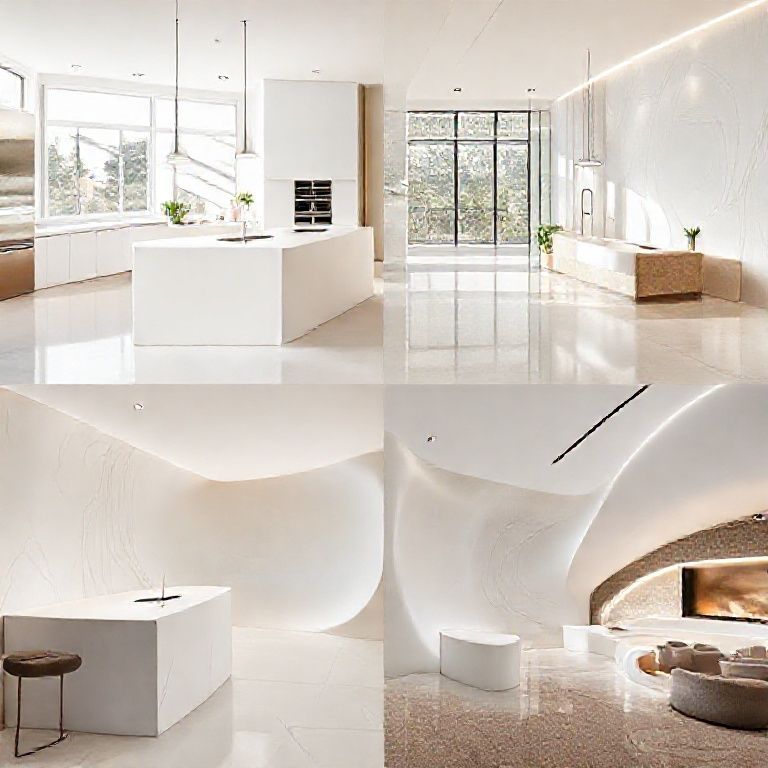
Unveiling the Secrets of Artificial Marble Creation: A Journey into Craftsmanship and Innovation
Artificial marble, a term that encapsulates both the artistry of traditional marble and the innovation of modern materials science, has become a cornerstone in the world of luxury and design. But how exactly is this remarkable material created? In this first part of our exploration, we will delve into the origins of artificial marble, the raw materials involved, and the cutting-edge technology that transforms these materials into stunning, high-quality products.

The Origins of Artificial Marble
Artificial marble, often referred to as cultured stone, has its roots in the early 1970s. The idea was born out of a need for a durable, cost-effective alternative to natural marble. Traditional marble, prized for its beauty and durability, comes with a hefty price tag and a host of logistical challenges, including transportation and the environmental impact of quarrying. Enter artificial marble – a material designed to mimic the aesthetic qualities of natural marble while offering superior performance and sustainability.
The Raw Materials: A Symphony of Science and Art
The creation of artificial marble begins with a careful selection of raw materials. The primary component is usually a mixture of calcium carbonate (CaCO3), which gives the stone its strength and durability. This is often combined with other substances such as quartz, resin, and pigments. The result is a composite material that not only replicates the look of marble but also surpasses it in many ways.
Calcium Carbonate: This compound forms the backbone of artificial marble. It’s derived from natural sources like limestone and dolomite, and it provides the stone with its hardness and resistance to scratching.
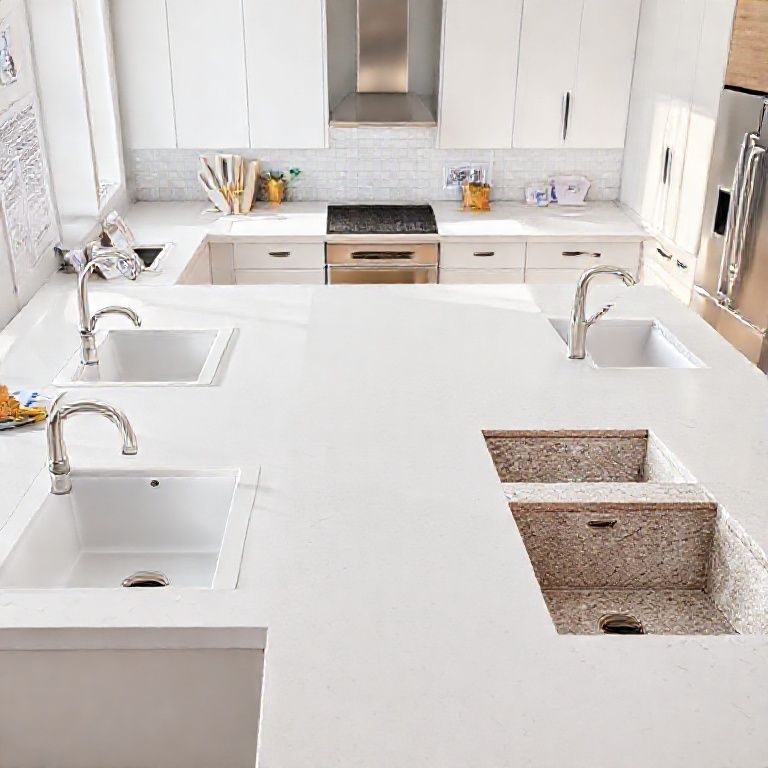
Quartz: Adding quartz to the mix enhances the durability and resistance of the artificial marble. It also contributes to the stone’s beautiful, natural-looking finish.
Resins and Pigments: These are crucial for achieving the desired aesthetic qualities. Resins act as a binder, holding the other materials together, while pigments provide the color and texture that mimic the intricate patterns found in natural marble.
The Craftsmanship Process: From Laboratory to Masterpiece
Creating artificial marble is as much an art as it is a science. The process begins in a laboratory where the raw materials are meticulously combined and mixed to form a homogeneous slurry. This slurry is then poured into molds that replicate the desired shape and design of the final product.
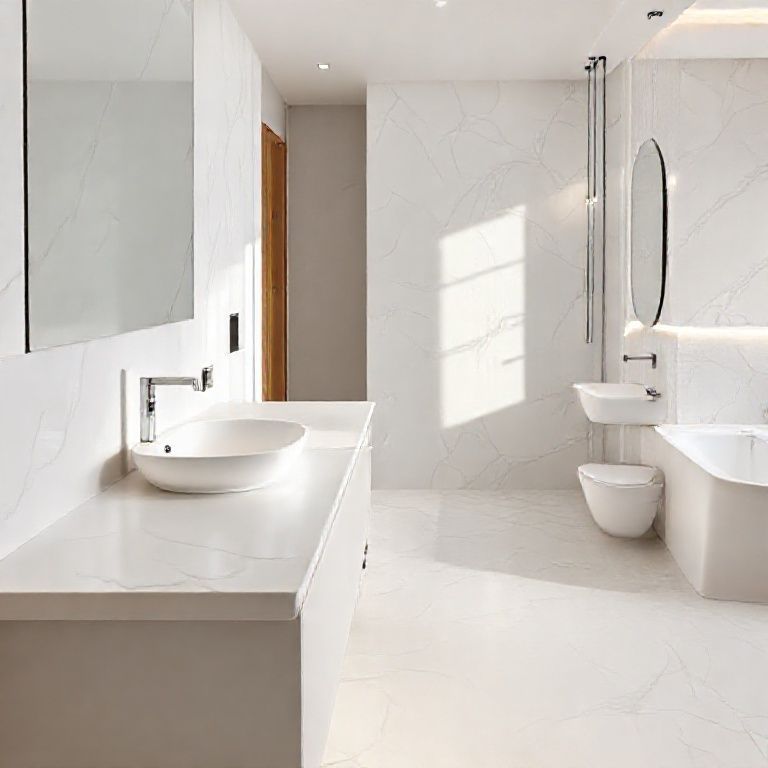
Molding and Curing: Once poured into the molds, the slurry is left to cure. This process can take anywhere from a few hours to several days, depending on the specific formulation. During curing, the resin binds the materials together, forming a solid, cohesive structure. The molds are carefully removed once the material has set, leaving behind a rough, unpolished slab.
Polishing and Finishing: The raw slabs undergo a series of polishing and finishing processes to achieve their final, elegant look. This involves a series of sanding and buffing steps that smooth out the surface and bring out the intricate patterns. High-precision machines are used to achieve a flawless finish that rivals the beauty of natural marble.
Quality Control: Every piece of artificial marble goes through rigorous quality control checks to ensure it meets the highest standards of durability and appearance. This includes testing for hardness, scratch resistance, and color uniformity.
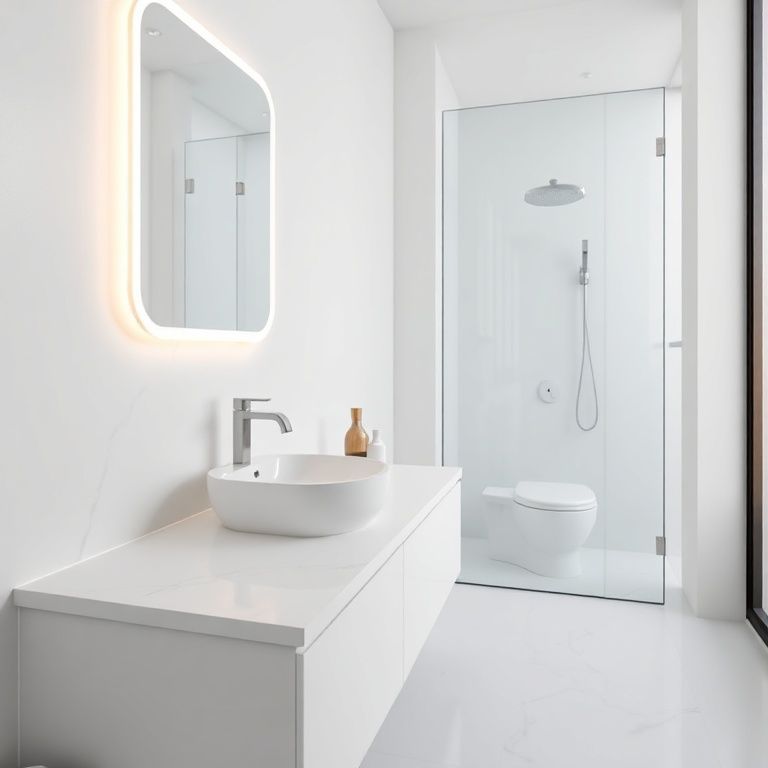
Technological Advancements in Artificial Marble Creation
The field of artificial marble creation has seen significant technological advancements over the years. Innovations in material science and manufacturing processes have led to the production of artificial marble that is not only visually stunning but also highly functional.
Nanotechnology: One of the most exciting advancements in this field is the use of nanotechnology. By incorporating nanoparticles into the resin and other materials, manufacturers can create artificial marble with enhanced properties such as increased strength, better resistance to chemicals, and improved durability.
3D Printing: Another groundbreaking development is the use of 3D printing technology in the production of artificial marble. This allows for the creation of complex, custom shapes and designs that would be nearly impossible to achieve with traditional manufacturing methods. The precision and versatility of 3D printing open up new possibilities for designers and architects.
Sustainability: Modern artificial marble production is also increasingly focused on sustainability. The use of recycled materials and eco-friendly resins helps to reduce the environmental impact of the manufacturing process. Additionally, the longevity and low maintenance requirements of artificial marble mean that it offers a more sustainable option compared to natural marble.
Conclusion
The journey of creating artificial marble is a fascinating blend of science, art, and innovation. From the careful selection of raw materials to the advanced manufacturing techniques that bring these materials to life, every step in the process is designed to produce a product that not only looks like marble but performs like it too. In the next part of our exploration, we will delve deeper into the applications of artificial marble, its advantages over natural marble, and its future in the world of design and architecture. Stay tuned for an exciting continuation of our journey into the captivating world of artificial marble creation.
Unveiling the Secrets of Artificial Marble Creation: A Journey into Craftsmanship and Innovation (Continued)
In this second part, we will continue our exploration of artificial marble by diving into its applications, comparing it to natural marble, and looking ahead to its future in the realms of design and architecture. We’ll also highlight the environmental benefits and maintenance advantages of using artificial marble.
Applications of Artificial Marble: Versatility Meets Durability
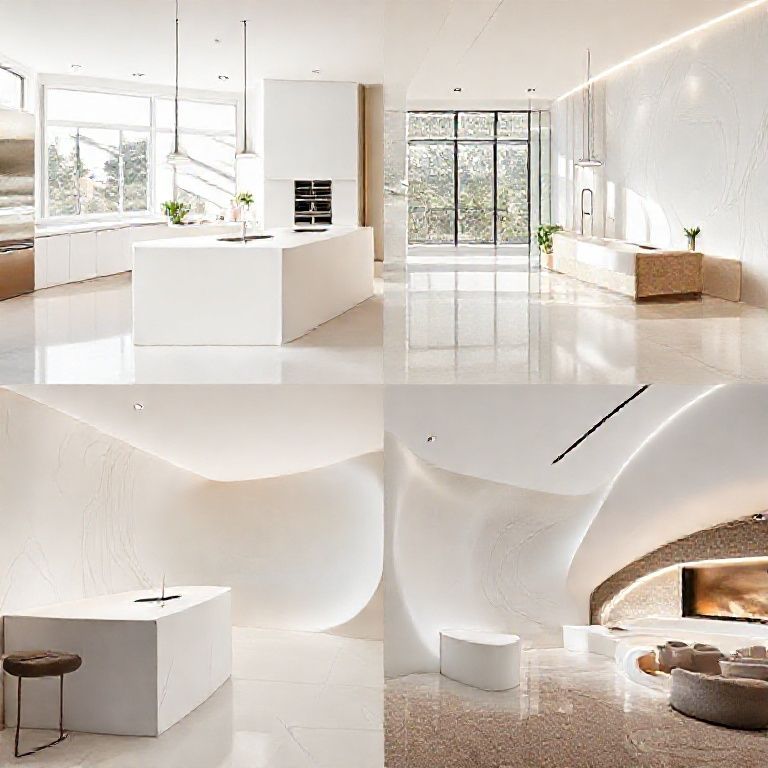
Artificial marble’s aesthetic appeal and superior durability make it an ideal choice for a wide range of applications. Whether it’s for home interiors, commercial spaces, or outdoor projects, artificial marble offers versatility that can meet diverse design needs.
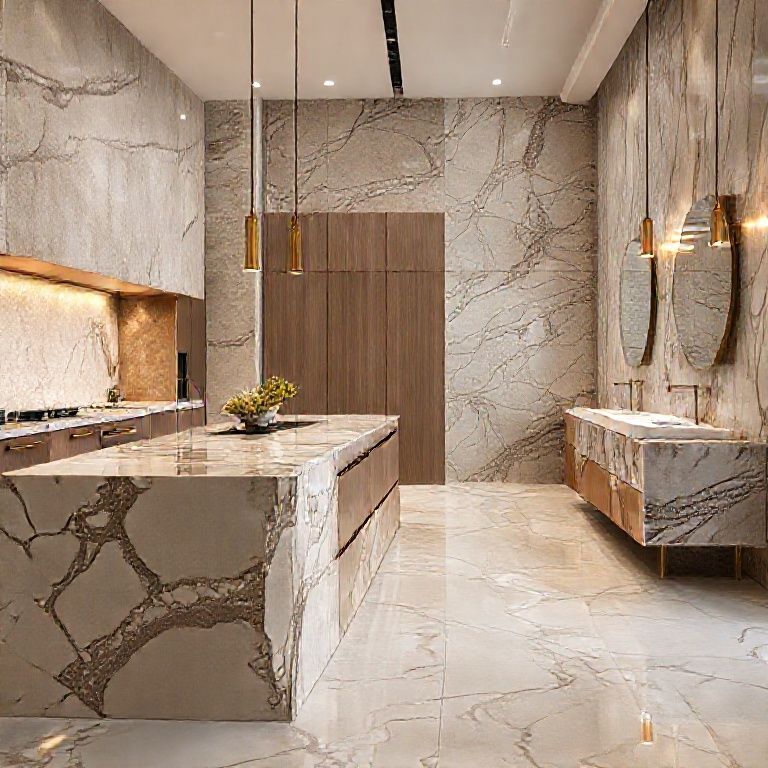
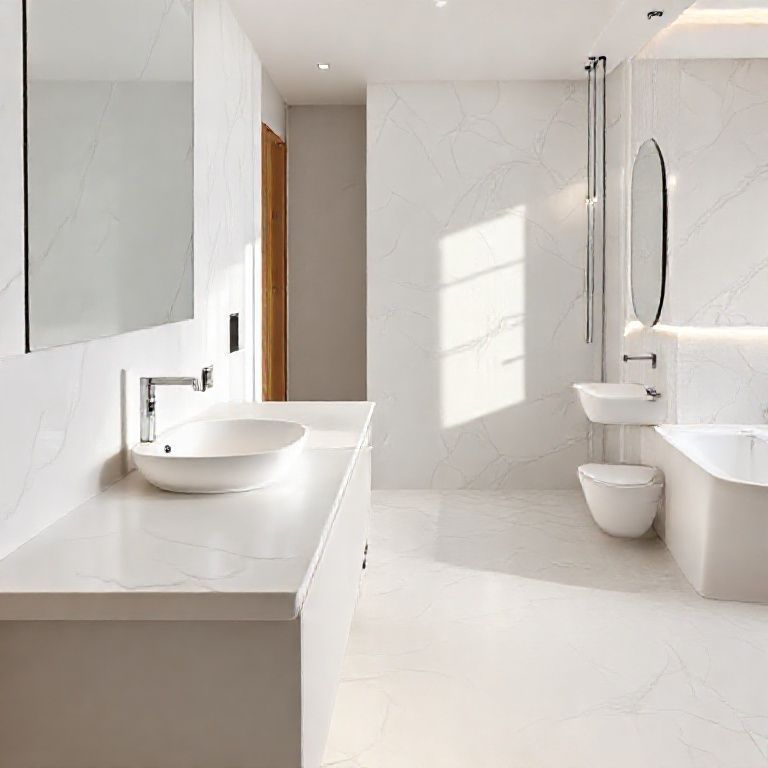
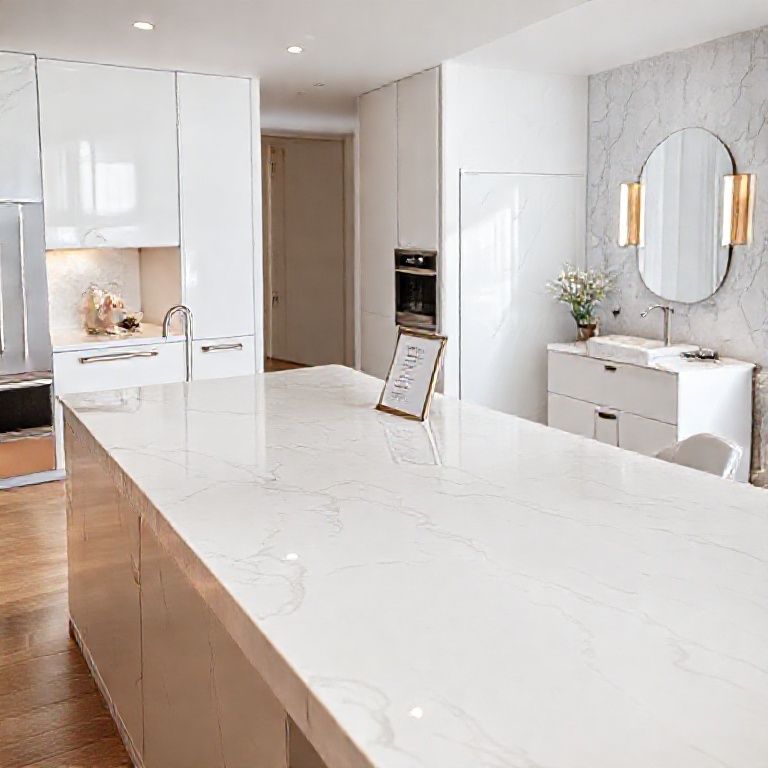
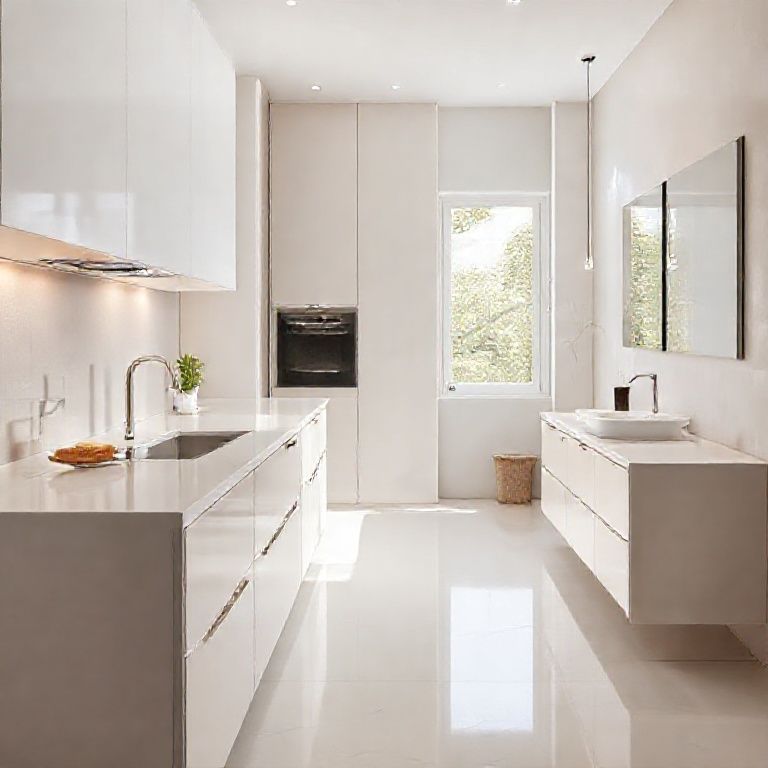
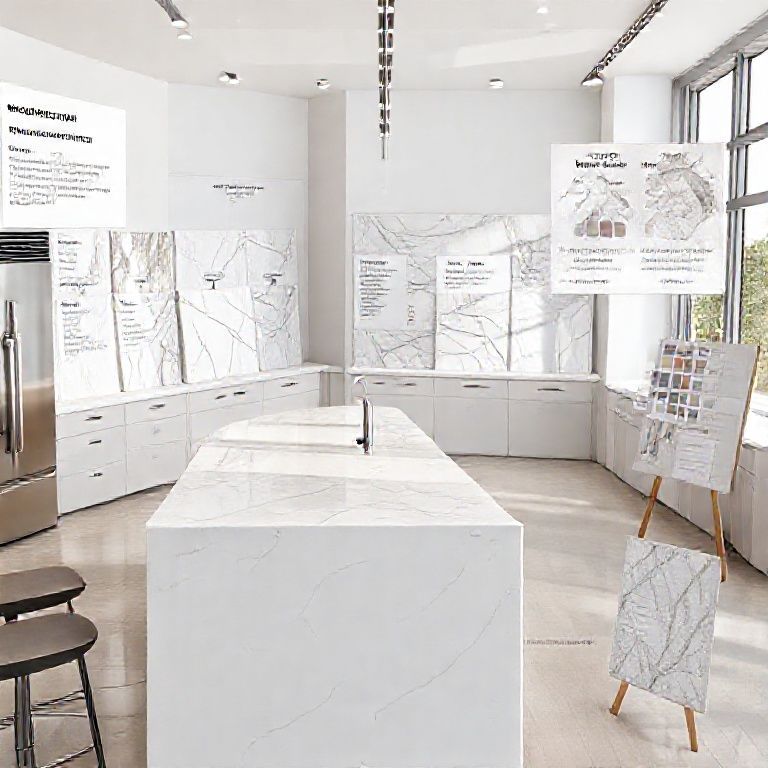
Interior Design: In homes and offices, artificial marble is often used for countertops, backsplashes, and sinks. Its beautiful, natural-looking patterns and finishes provide a luxurious touch that enhances the overall aesthetic of the space. Unlike natural marble, artificial marble is less prone to staining and cracking, making it a practical choice for high-traffic areas.
Commercial Spaces: In commercial settings such as restaurants, hotels, and spas, artificial marble is used extensively for flooring, wall cladding, and decorative elements. Its resistance to moisture, stains, and scratches makes it an excellent choice for environments where durability is paramount.
Outdoor Projects: Artificial marble is also popular in outdoor projects such as garden fountains, outdoor kitchens, and patios. Its weather resistance and low maintenance requirements make it suitable for outdoor use, where natural marble would quickly deteriorate.
Custom Designs: Thanks to advancements in manufacturing technology, artificial marble can be molded into custom shapes and designs. This allows architects and designers to create unique, one-of-a-kind pieces that can stand out in any setting.
Comparing Artificial Marble to Natural Marble: Advantages and Disadvantages
While artificial marble is designed to mimic the look of natural marble, there are several key differences between the two materials that are important to consider.
Durability: One of the most significant advantages of artificial marble is its durability. Unlike natural marble, which is prone to scratching, chipping, and staining, artificial marble is highly resistant to these issues. It maintains its appearance and integrity over time, making it a practical choice for both residential and commercial applications.
Cost: Natural marble can be extremely expensive, especially high-end varieties. Artificial marble, on the other hand, offers a cost-effective alternative without compromising on aesthetics. This makes it an attractive option for those looking to achieve a luxurious look without the high price tag.
Sustainability: The production of natural marble involves quarrying, which can have significant environmental impacts. Artificial marble, by contrast, can be produced using recycled materials and eco-friendly processes. This makes it a more sustainable choice for environmentally conscious consumers.
Maintenance: Natural marble requires regular sealing and maintenance to prevent staining and maintain its beauty. Artificial marble, with its low maintenance requirements, is much easier to care for. This convenience adds to its appeal, especially in high-traffic areas.
The Future of Artificial Marble in Design and Architecture
The future of artificial marble looks promising, with ongoing advancements in material science and manufacturing technology. Here are some trends and innovations that are shaping the future of this remarkable material.
Enhanced Aesthetics: With the use of nanotechnology and advanced printing techniques, the aesthetic quality of artificial marble continues to improve. New formulations are being developed to create more intricate patterns and colors, pushing the boundaries of what is possible.
Smart Materials: The integration of smart materials into artificial marble is an exciting area of research. This includes developing marble that can change color, self-clean, or even respond to environmental changes. These innovations could open up new possibilities for interactive and dynamic design elements.
Sustainability: As the demand for sustainable materials grows, the production of artificial marble is becoming increasingly eco-friendly. New processes and materials are being developed to further reduce the environmental impact of manufacturing, making artificial marble an even more sustainable choice.
Customization: Advances in 3D printing and mold-making technology are enabling more customization options for artificial marble. This allows designers and architects to create unique, one-of-a-kind pieces that can be tailored to specific projects and designs.
Environmental Benefits and Maintenance Advantages
One of theEnvironmental Benefits and Maintenance Advantages
Artificial marble, also known as cultured stone, stands out not only for its aesthetic and durability but also for its significant environmental benefits and low maintenance requirements. Here’s a closer look at why artificial marble is an eco-friendly and practical choice.
Environmental Benefits
Reduction in Quarrying: The production of natural marble involves extensive quarrying, which can lead to significant environmental degradation. This includes deforestation, habitat destruction, and soil erosion. In contrast, artificial marble production typically requires fewer raw materials and can utilize recycled materials, reducing the need for extensive mining activities.
Energy Efficiency: The manufacturing process for artificial marble is generally more energy-efficient than that of natural marble. The creation of artificial marble involves controlled conditions in laboratories, which can be optimized for energy use. In contrast, natural marble requires extensive mining and transportation, both of which are energy-intensive processes.
Waste Reduction: The production of natural marble generates a considerable amount of waste, including rock and dust from the quarrying process. Artificial marble manufacturing can be designed to minimize waste, leading to a cleaner production process. Additionally, artificial marble can be recycled at the end of its life, reducing landfill waste.
Sustainable Sourcing: As the demand for sustainable materials grows, manufacturers of artificial marble are increasingly using sustainable sourcing practices. This includes the use of eco-friendly resins and pigments that reduce environmental impact. Some companies are also exploring the use of biodegradable materials in their formulations.
Maintenance Advantages
Low Maintenance: Artificial marble is renowned for its low maintenance requirements. Unlike natural marble, which needs regular sealing to prevent staining and maintain its appearance, artificial marble requires minimal care. This makes it ideal for high-traffic areas where cleaning and maintenance can be cumbersome.
Resistance to Stains and Scratches: Artificial marble’s durability is one of its key selling points. It is highly resistant to stains, scratches, and chips, which means it can maintain its pristine appearance over time. This resistance extends to a wide range of chemicals, making artificial marble suitable for use in kitchens, bathrooms, and other areas where exposure to liquids and cleaning agents is frequent.
Easy to Clean: Cleaning artificial marble is straightforward. A simple wipe with a damp cloth and mild soap is often sufficient to keep it looking new. Unlike natural marble, which can be damaged by harsh chemicals or abrasive cleaners, artificial marble can withstand a range of cleaning products without losing its finish.
Versatility in Design: The low maintenance nature of artificial marble also extends to its versatility in design. It can be polished, honed, or left in a rough finish, depending on the desired aesthetic. This flexibility allows designers to create custom pieces that meet specific project requirements without worrying about maintenance issues.
Cost-Effectiveness: The low maintenance requirements of artificial marble translate into cost savings over time. While the initial cost of artificial marble may be higher than some cheaper alternatives, the reduced need for maintenance and cleaning chemicals over time makes it a cost-effective choice. Additionally, its durability means it will likely require less frequent replacement compared to materials that are prone to damage.
Conclusion
Artificial marble is a remarkable material that combines the beauty of natural marble with the practical advantages of modern manufacturing. Its environmental benefits, low maintenance requirements, and versatility in design make it an excellent choice for a wide range of applications. As technology continues to advance, the future of artificial marble looks even brighter, promising even more innovative and sustainable options for designers and architects around the world.
In the next part, we will delve deeper into specific case studies and real-world applications of artificial marble, showcasing how it is transforming various industries and spaces. Stay tuned for an exciting continuation of our journey into the captivating world of artificial marble creation.