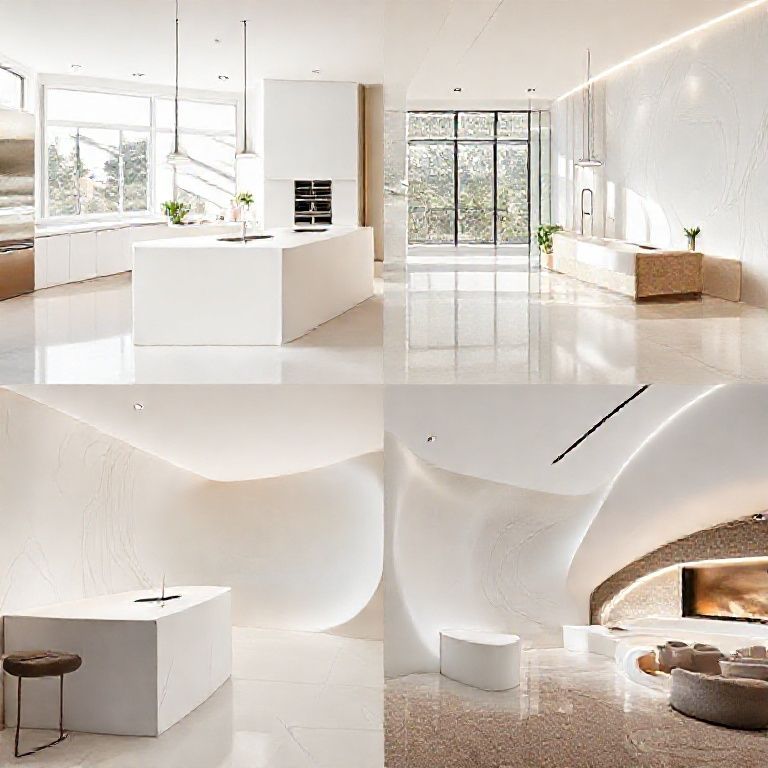
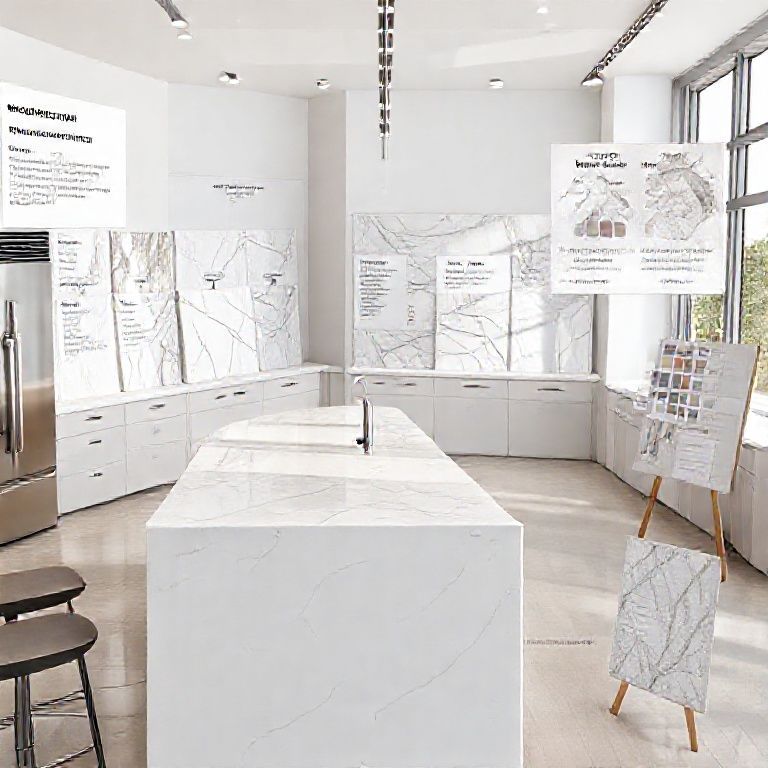
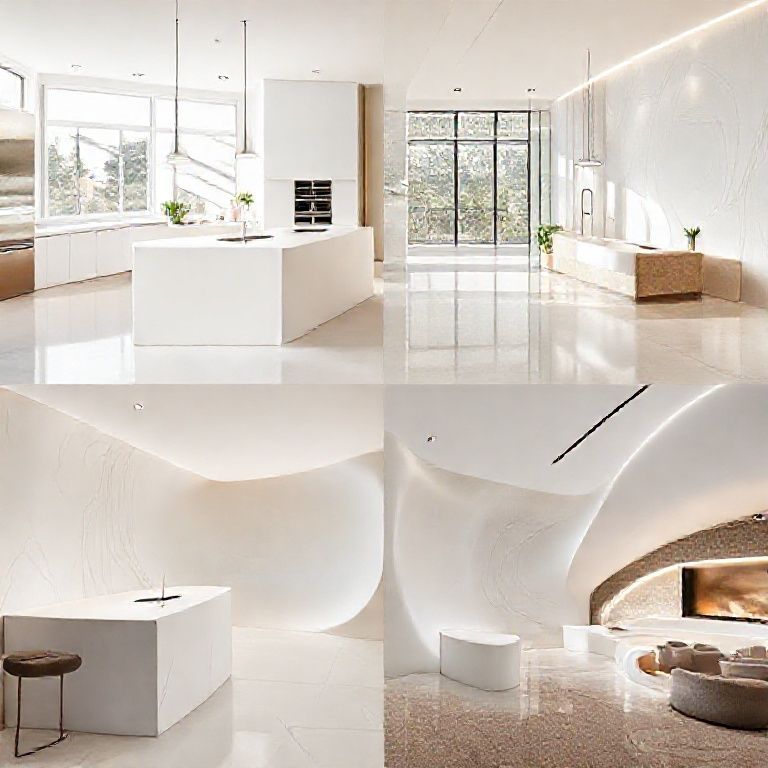
Introduction to Artificial Marble
Artificial marble, or “人造大理石” (synthetic marble), has revolutionized the world of interior design and luxury living. Its popularity stems from its remarkable resemblance to natural marble, coupled with superior durability and a wide range of aesthetic options. This article delves into the complex “人造大理石配方” (artificial marble formula) and the sophisticated “工艺揭秘” (craftsmanship secrets) that make artificial marble a preferred choice for countertops, tabletops, and other decorative surfaces.

The Composition of Artificial Marble
At the heart of artificial marble lies a meticulously crafted “人造大理石配方” (formula). This formula typically includes a combination of high-quality resins, pigments, and other additives. The primary ingredient is usually a type of acrylic or epoxy resin, chosen for its durability and resistance to wear, scratches, and stains.
Key Components:
Resins: The foundation of artificial marble, resins provide the material with its structural integrity. Epoxy resins are often preferred due to their high strength and resistance to chemicals.
Pigments: These are responsible for the stunning, lifelike color and texture of artificial marble. Advanced pigments ensure that the colors remain vibrant and true over time, even when exposed to UV light and other environmental factors.
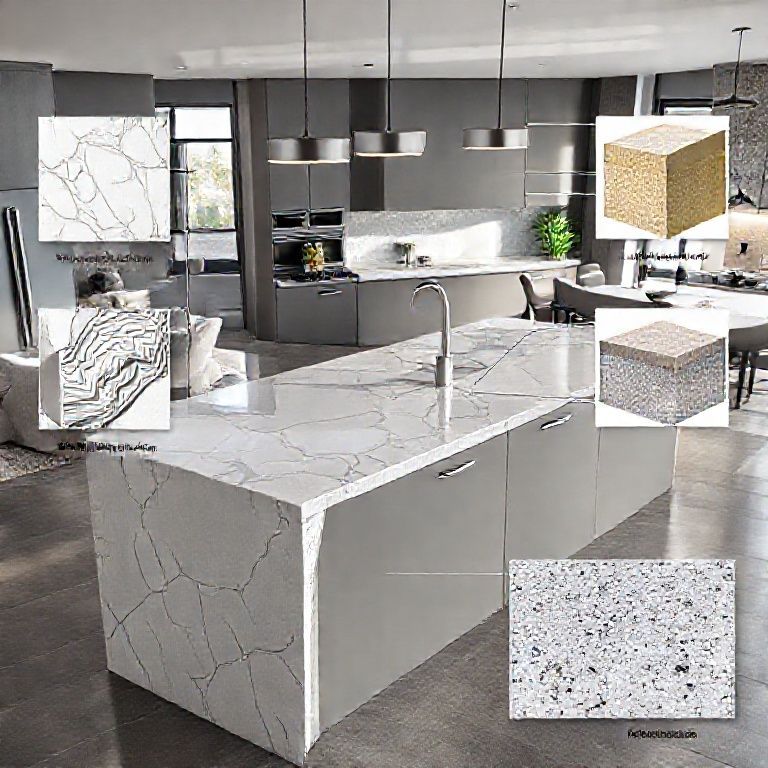
Fillers: To mimic the natural stone’s texture and appearance, fillers such as quartz, calcium carbonate, and other fine minerals are added. These fillers enhance the material’s aesthetic appeal and contribute to its durability.
Hardeners and Catalysts: These chemicals initiate and control the curing process, ensuring that the material reaches its optimal strength and hardness.
Crafting the Artificial Marble
The “工艺揭秘” (craftsmanship secrets) behind artificial marble are as intricate as the formula itself. The production process is a delicate balance of science and artistry, designed to achieve the perfect combination of strength, beauty, and ease of maintenance.
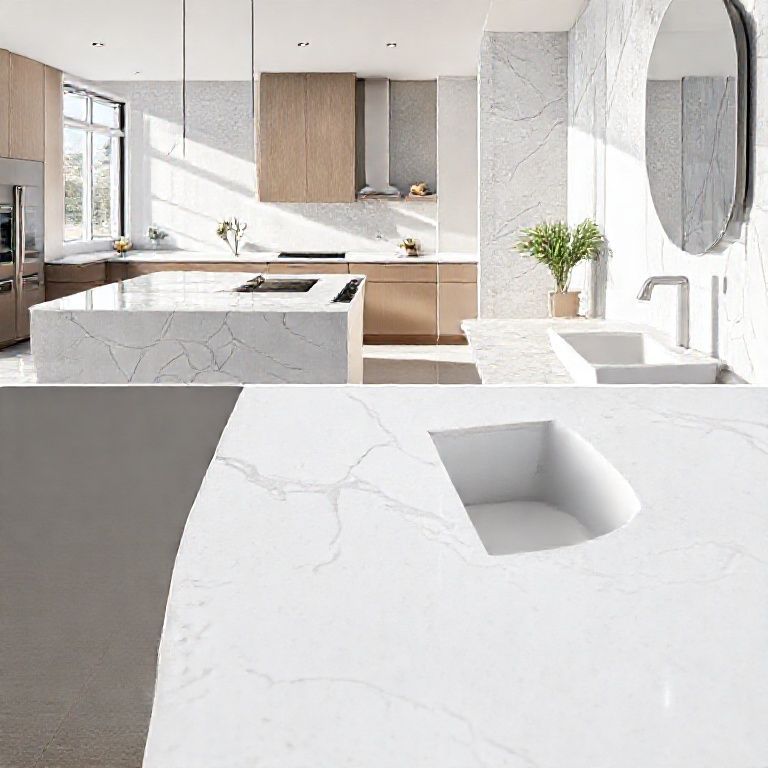
Step-by-Step Process:
Mixing: The first step involves meticulously mixing the resin, pigments, fillers, and hardeners in precise proportions. This process requires exacting measurements and careful attention to ensure uniformity and consistency.
Molding: Once mixed, the material is poured into molds. These molds are often designed to mimic the contours and textures of natural marble, allowing for the creation of intricate patterns and designs. Advanced techniques like vacuum pressing can help eliminate air bubbles and ensure a smooth finish.
Curing: After molding, the material undergoes a curing process where it is exposed to heat and pressure. This step is crucial as it hardens the resin and sets the final texture and color of the artificial marble.
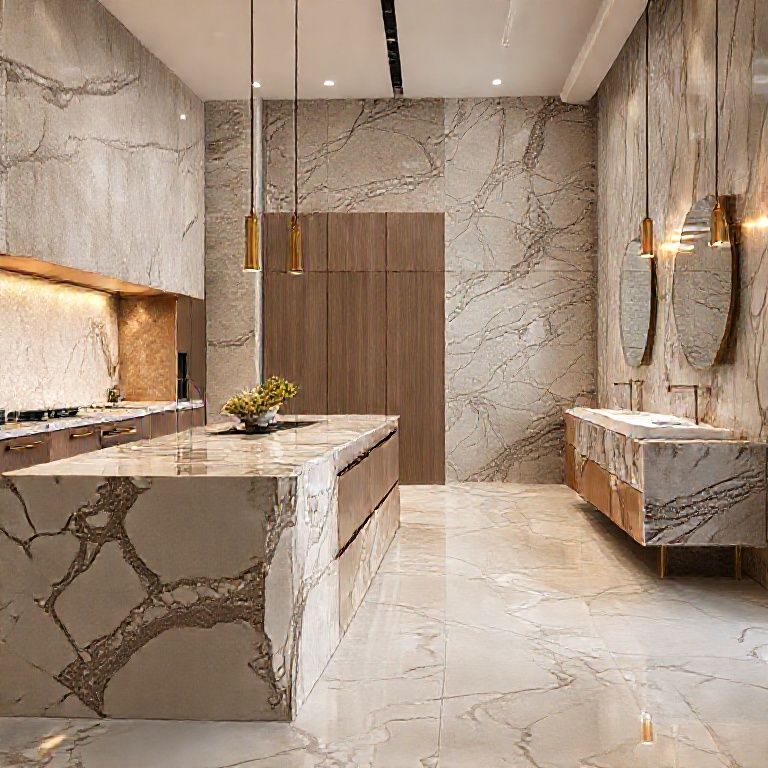
Finishing: Once cured, the artificial marble slabs are polished and finished to achieve the desired sheen and surface texture. This stage often involves grinding and polishing to create a flawless, mirror-like finish that rivals natural marble.
Advantages of Artificial Marble
Artificial marble offers several advantages over its natural counterpart:
Durability: Unlike natural marble, artificial marble is highly resistant to stains, scratches, and impact. It maintains its pristine appearance over time, even in high-traffic areas.
Cost-Effectiveness: The production process for artificial marble is more economical than that of natural marble, making it a more affordable option for luxury applications.
Customizability: The “工艺揭秘” (craftsmanship secrets) allow for a wide range of colors, patterns, and textures, enabling designers to create unique and bespoke designs.
Sustainability: Artificial marble is a more sustainable option as it can be produced using recycled materials and does not require the extraction of natural stone.
Applications of Artificial Marble
The versatility of artificial marble makes it suitable for a wide range of applications:
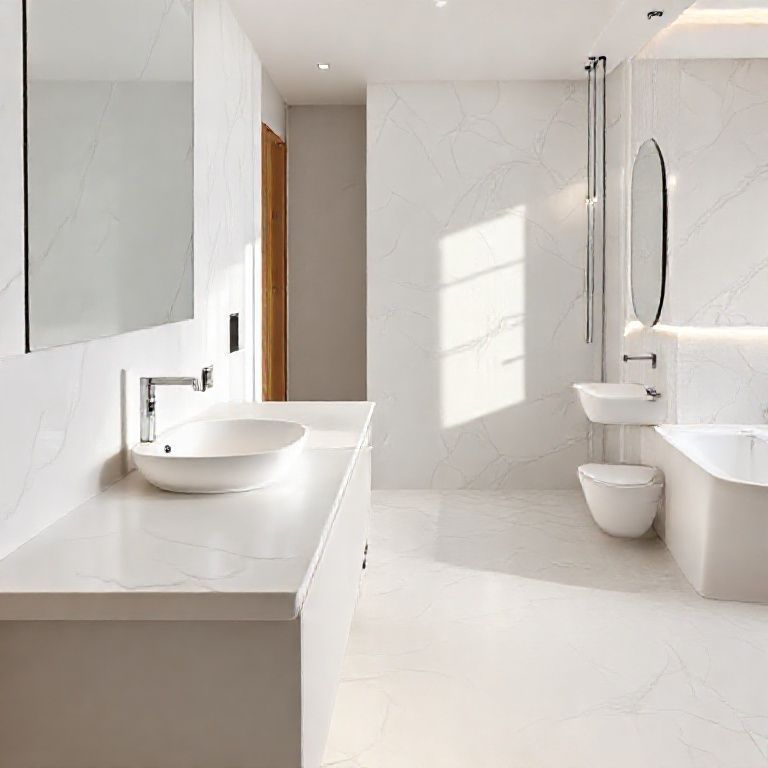
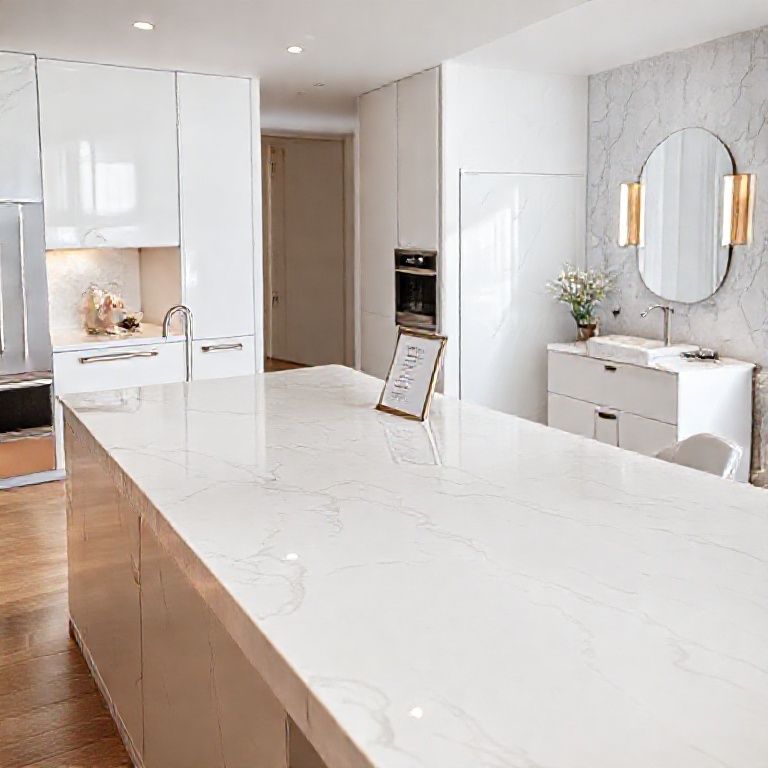
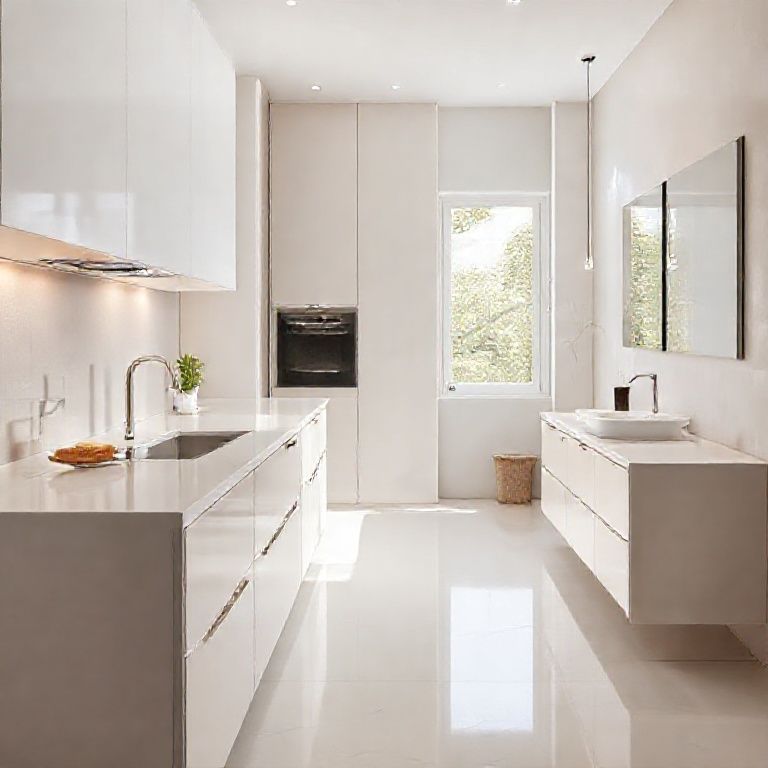
Countertops: Artificial marble is widely used for kitchen and bathroom countertops due to its durability and aesthetic appeal.
Tabletops: From dining tables to coffee tables, artificial marble’s beauty and strength make it an ideal choice for tabletops.
Interior Design: Its customizable nature allows it to be used in various interior design elements, from walls to floors, adding a touch of luxury and elegance.
Commercial Spaces: Offices, hotels, and restaurants often opt for artificial marble for its high-end appearance and low maintenance requirements.
Conclusion
The “人造大理石配方” (artificial marble formula) and “工艺揭秘” (craftsmanship secrets) are the backbone of this remarkable material. Through a combination of advanced chemistry and skilled craftsmanship, artificial marble offers a luxurious, durable, and versatile alternative to natural stone. As we continue to explore and refine these processes, artificial marble will undoubtedly remain a top choice for those seeking the best in beauty and performance.
Innovations in Artificial Marble Production
Advancements in Formula and Techniques
The production of artificial marble has seen significant advancements over the years, driven by ongoing innovations in both the “人造大理石配方” (artificial marble formula) and the “工艺揭秘” (craftsmanship secrets). These innovations have not only enhanced the material’s aesthetic appeal and durability but have also made the production process more efficient and sustainable.
Enhanced Formulas
Eco-Friendly Ingredients: Modern formulations now incorporate eco-friendly and recyclable materials. This shift is crucial for sustainability and reducing the environmental impact of production.
High-Performance Resins: Advanced resins have been developed to offer superior strength, chemical resistance, and longevity. These resins provide artificial marble with a longer lifespan and a more robust appearance.
Nano-Technology: The integration of nano-technology in pigments and fillers has resulted in more vibrant colors and textures. These enhancements ensure that artificial marble closely mimics the natural stone while offering improved durability and resistance to wear.
Innovative Crafting Techniques
3D Printing: The use of 3D printing technology in artificial marble production allows for the creation of complex designs and structures that would be challenging to achieve with traditional methods. This innovation has opened up new possibilities in design and customization.
Digital Molding: Digital molding techniques, such as those using CNC (Computer Numerical Control) machines, have improved precision and consistency in the molding process. These methods allow for intricate patterns and detailed designs that closely replicate natural marble.
Laser Cutting: Laser cutting technology provides an extremely precise method for cutting artificial marble slabs. This technique ensures clean, smooth edges and allows for intricate designs that are difficult to achieve with traditional cutting tools.
Benefits of Modern Techniques
Consistency: Advanced techniques ensure a higher degree of consistency in the final product. This consistency is essential for mass production and maintaining quality standards.
Efficiency: Innovations in production processes have significantly increased efficiency, reducing production time and costs. This efficiency allows manufacturers to meet growing demand without compromising on quality.
Customization: The ability to easily incorporate digital designs and 3D printing technology means that artificial marble can be customized to meet specific aesthetic requirements and design preferences.
The Future of Artificial Marble
As technology continues to evolve, the future of artificial marble looks promising with several potential advancements on the horizon:
Smart Materials: The integration of smart materials into artificial marble could introduce functionalities such as self-cleaning surfaces, antimicrobial properties, and even energy-harvesting capabilities.
Enhanced Sustainability: Future formulations will likely focus on further reducing environmental impact, using more recycled materials and renewable resources. Innovations in this area will make artificial marble even more sustainable.
Advanced Aesthetics: With ongoing advancements in pigment technology and digital design, artificial marble will continue to offer even more realistic and diverse aesthetic options. This will enable designers and architects to push the boundaries of creativity and innovation.
Real-World Applications and Case Studies
To understand the impact and versatility of modern artificial marble, let’s explore some real-world applications and case studies where cutting-edge techniques and formulations have been applied.
Case Study 1: High-End Kitchens
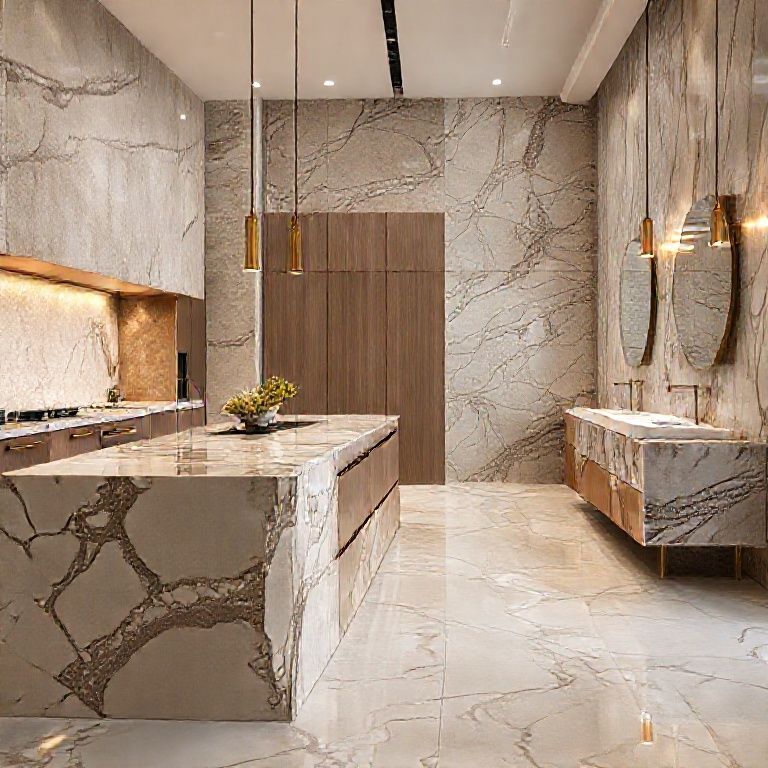
In a luxury kitchen renovation project, architects and designers opted for artificial marble countertops to combine durability with aesthetic appeal. Using advanced resins and pigments, they achieved a countertop that not only resembled the most exquisite natural marble but also offered unmatched resistance to heat, stains, and scratches. The use of digital molding techniques allowed for a custom design that perfectly matched the kitchen’s overall theme.
Case Study 2: Modern Offices
In a contemporary office space, artificial marble was used for both the reception area and the private offices. The material’s ability to be customized with precise digital designs made it possible to create a cohesive yet dynamic interior design. The eco-friendly formulations used ensured that the继续展示如何在现代建筑和室内设计中应用先进的人造大理石技术:
Case Study 3: Hotel Lobby Design
在一家豪华酒店的大堂设计中,人造大理石被用于地板和墙面,以提供高端的视觉效果和持久的耐用性。通过使用先进的工艺技术,设计师们能够创造出复杂的图案和颜色,使地板和墙面看起来与天然大理石无异。这些表面还具有抗污、防刮擦的特性,适合高人流量的公共区域。
Case Study 4: Commercial Spaces
在商业空间,如购物中心和零售店,人造大理石常常被用于地面和装饰墙。这不仅因为其美观性,还因为它的耐用性和易于清洁的特点。在这些环境中,人造大理石能够承受高频率的使用和清洁,保持其美观和整洁。
Case Study 5: Artistic Installations
人造大理石在艺术领域也展现出了巨大的潜力。艺术家们利用其高度可塑性,创造出复杂的雕塑和装置艺术。通过精确的切割和打磨技术,以及高级的颜料,艺术作品可以呈现出惊人的细节和色彩,挑战天然石材的艺术表现力。
环保与可持续性
随着环保意识的增强,人造大理石的生产也在朝着更加可持续的方向发展。生产过程中采用的材料越来越多地是回收和再生的,这不仅减少了对自然资源的依赖,还降低了对环境的负面影响。未来,随着技术的进步,人造大理石的可持续性将进一步提升。
结论
人造大理石的发展,正在以惊人的速度和创新性地改变建筑和室内设计的面貌。从其复杂的“人造大理石配方”和“工艺揭秘”到应用于各种现代应用的前沿技术,人造大理石已经超越了传统材料的限制,提供了一种既美观又实用的解决方案。无论是在高端住宅、商业空间还是公共设施中,人造大理石都展现出了其卓越的性能和无限的设计潜力。
通过不断的创新和技术进步,人造大理石将在未来继续引领建筑和室内设计的潮流,为我们的生活空间带来更多的美丽和便利。