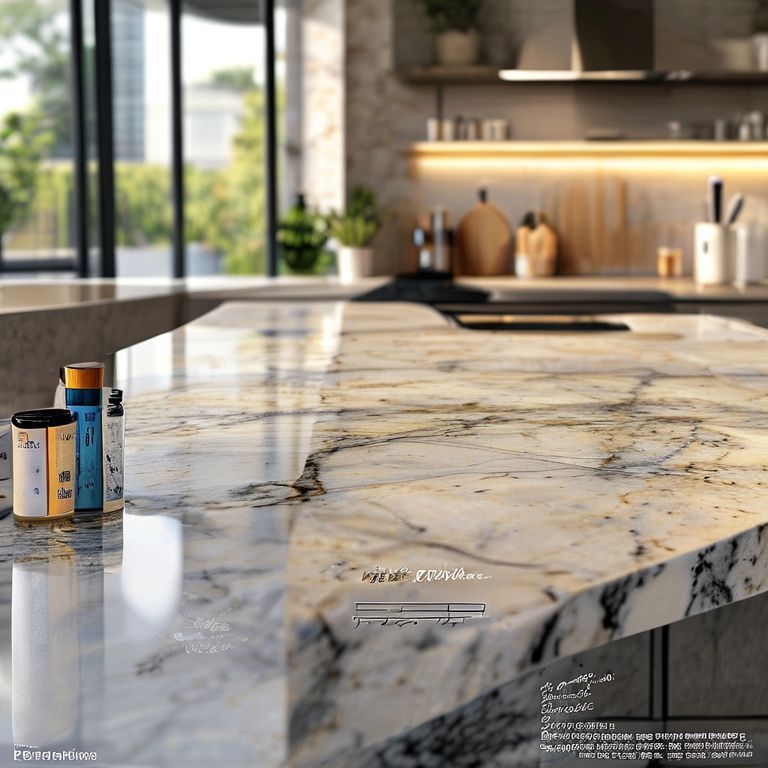
The Beauty and Versatility of Artificial Marble
Introduction to Artificial Marble
In the realm of interior design and home renovation, artificial marble has emerged as a stunning alternative to traditional natural marble. Known for its exquisite aesthetic appeal and versatile functionality, artificial marble is gaining popularity for its luxurious look and practical benefits. This guide delves into the specifications, versatility, and pricing of artificial marble, offering a comprehensive overview to help you make an informed decision for your next project.

Specifications of Artificial Marble
Artificial marble, also known as engineered stone or cultured marble, is a composite material crafted from a mixture of natural marble dust, resin, and pigments. Here are some key specifications that highlight its quality and versatility:
Composition and Quality: Artificial marble is typically made from a combination of 70-90% natural marble dust, which gives it a realistic marble appearance, and a synthetic resin binder. This combination ensures durability, strength, and a high-quality finish.
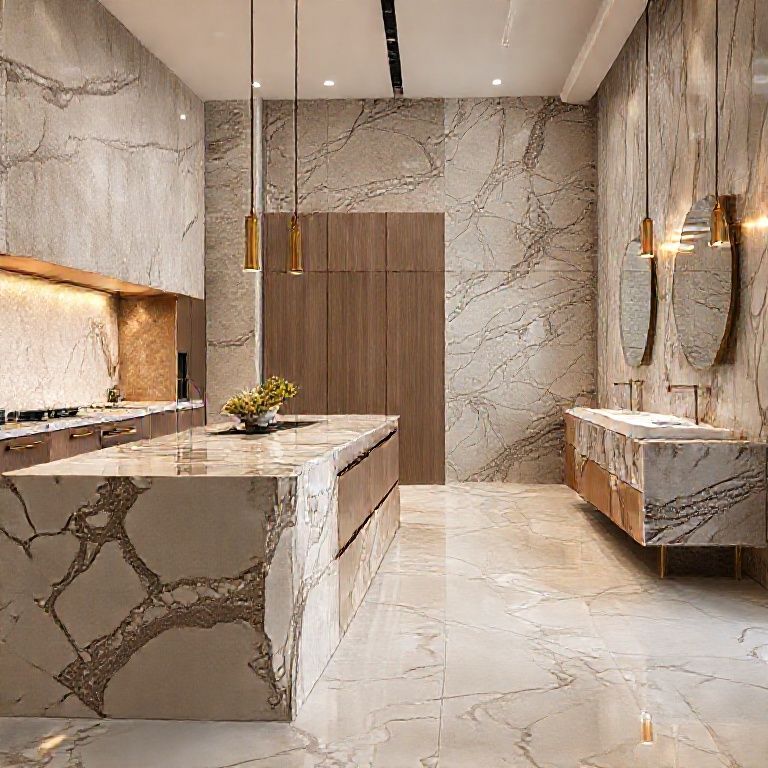
Color and Design Options: The color and design possibilities are virtually limitless. Artificial marble can mimic any natural marble pattern or be customized to create unique designs. This flexibility allows designers to push creative boundaries and achieve bespoke finishes.
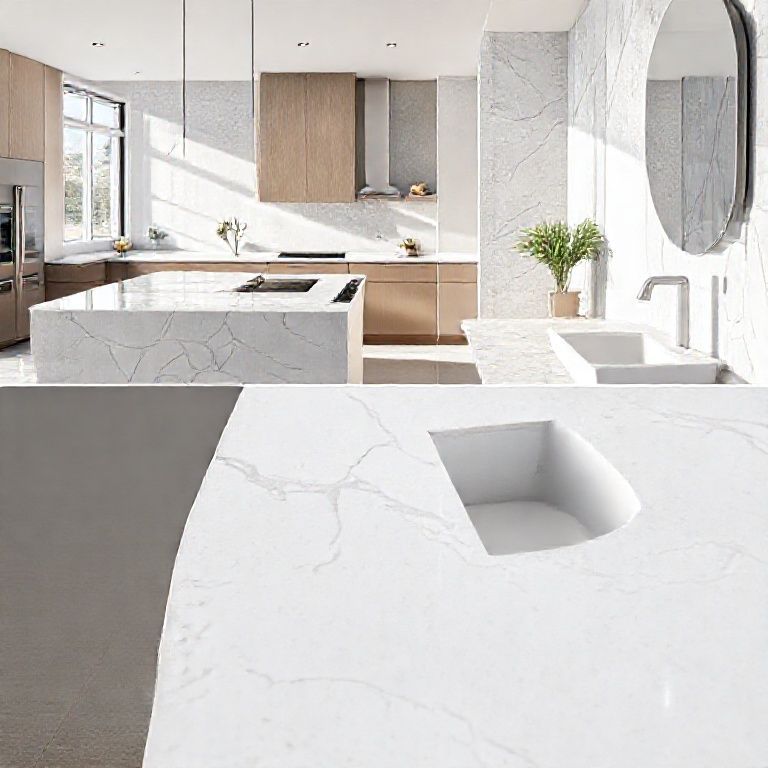
Thickness and Size: Available in various thicknesses, typically ranging from 1/2 inch to 3/4 inch, artificial marble slabs can be cut to any size needed for countertops, sinks, and other applications. The thickness ensures stability and durability.
Water Resistance: Unlike natural stone, artificial marble is highly resistant to water, stains, and scratches. This makes it an ideal choice for high-traffic areas such as kitchens and bathrooms where maintenance is crucial.
Installation and Maintenance: Artificial marble is relatively easy to install and maintain. It doesn’t require sealing, unlike natural stone, which can fade or crack over time. Regular cleaning with mild soap and water is usually sufficient to keep it looking pristine.
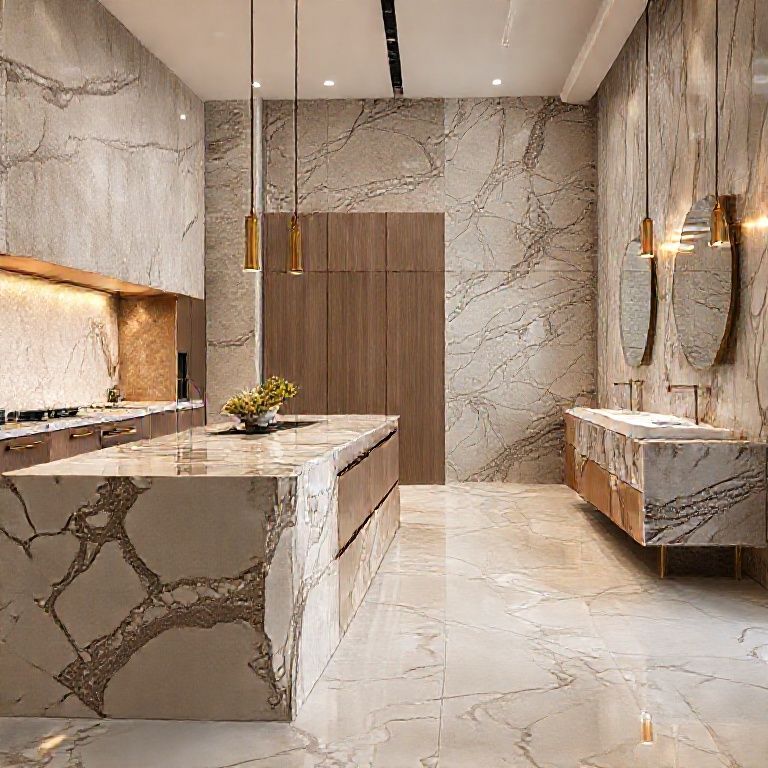
Versatility of Artificial Marble
Artificial marble’s versatility makes it an excellent choice for a wide range of applications:
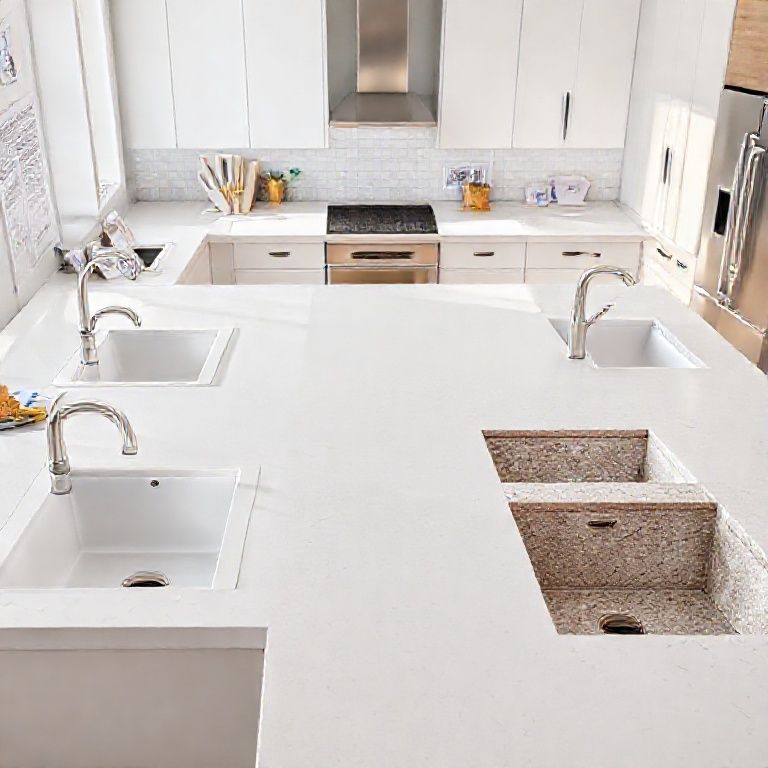
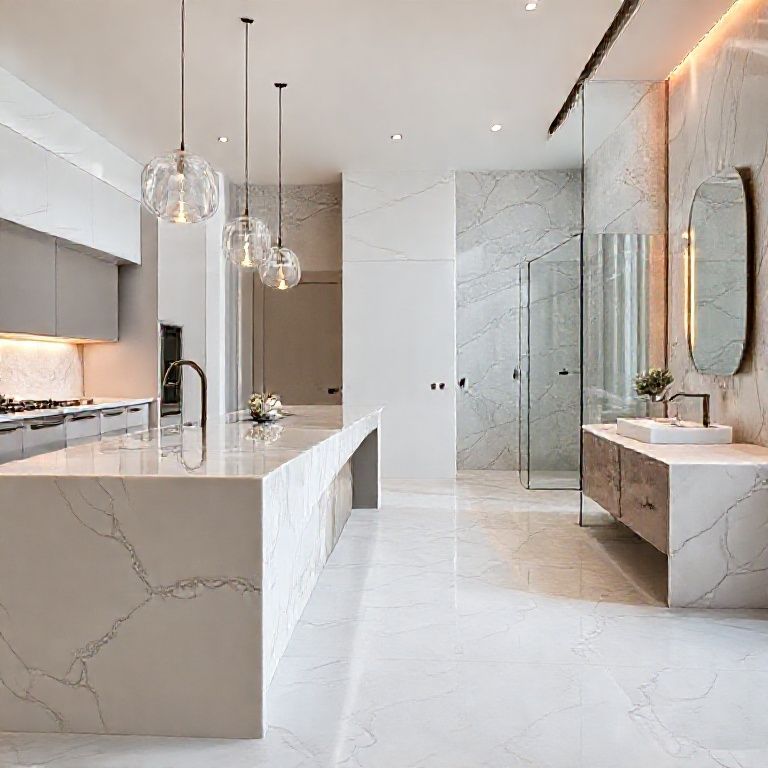
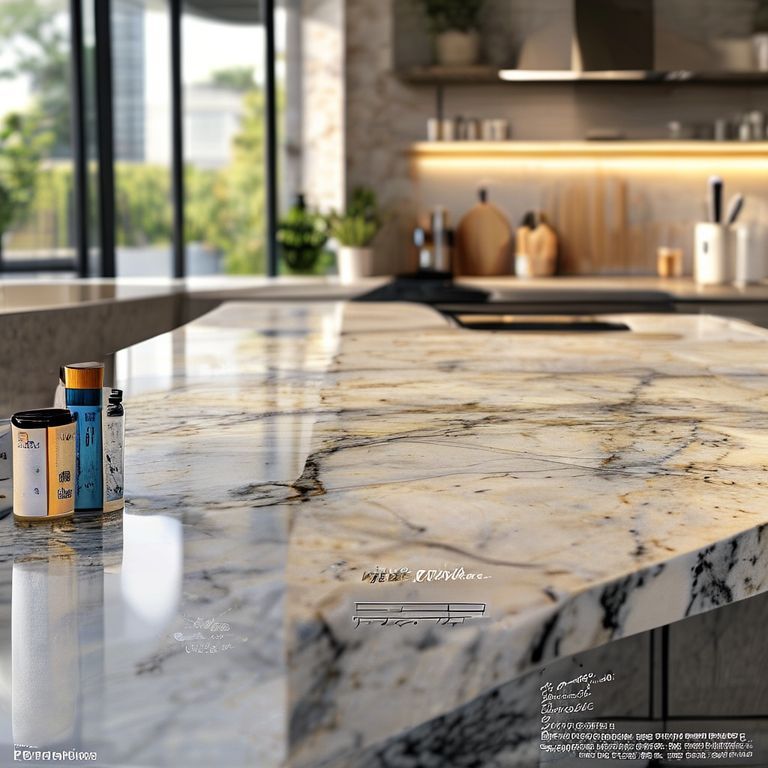
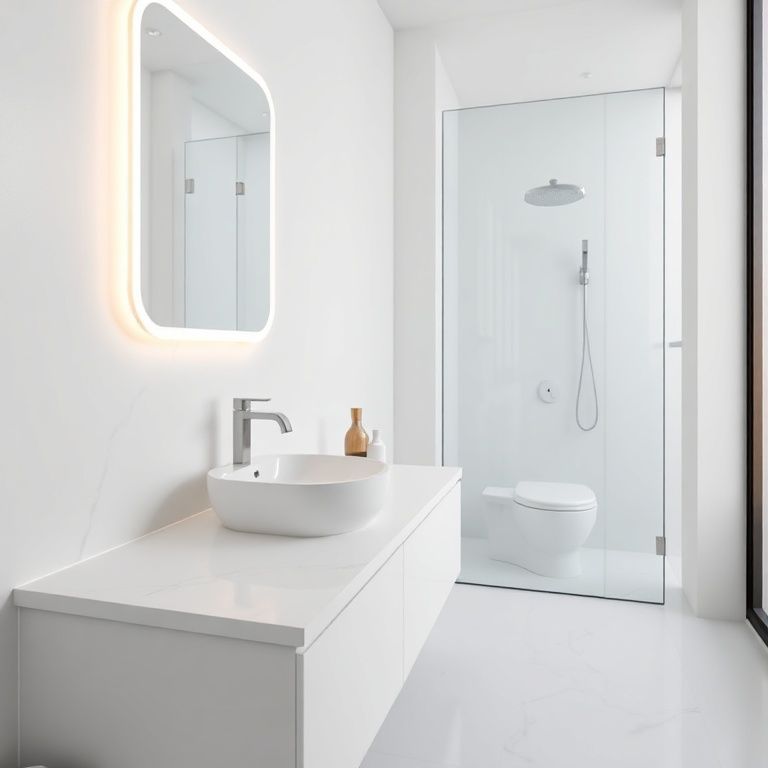
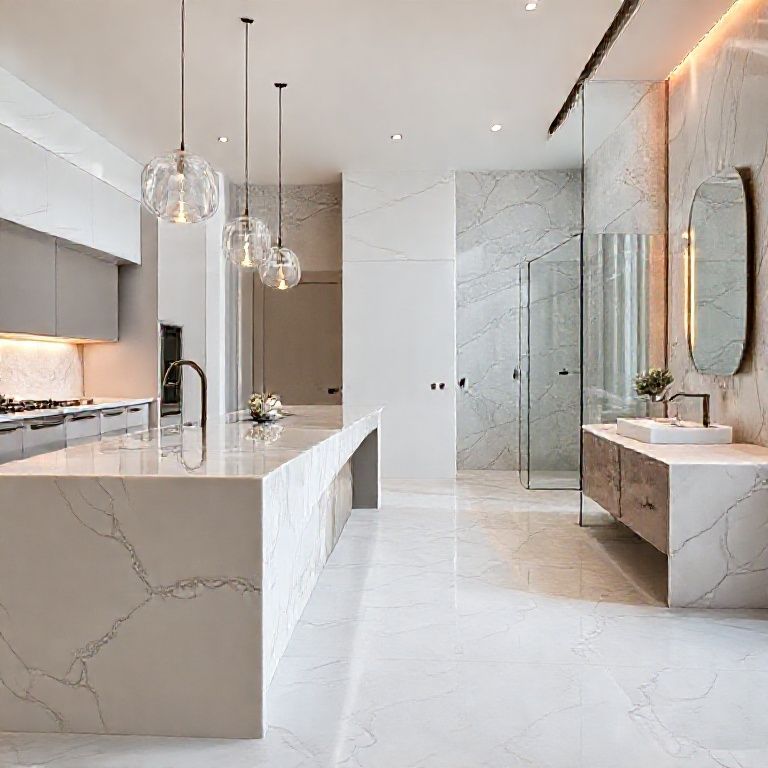
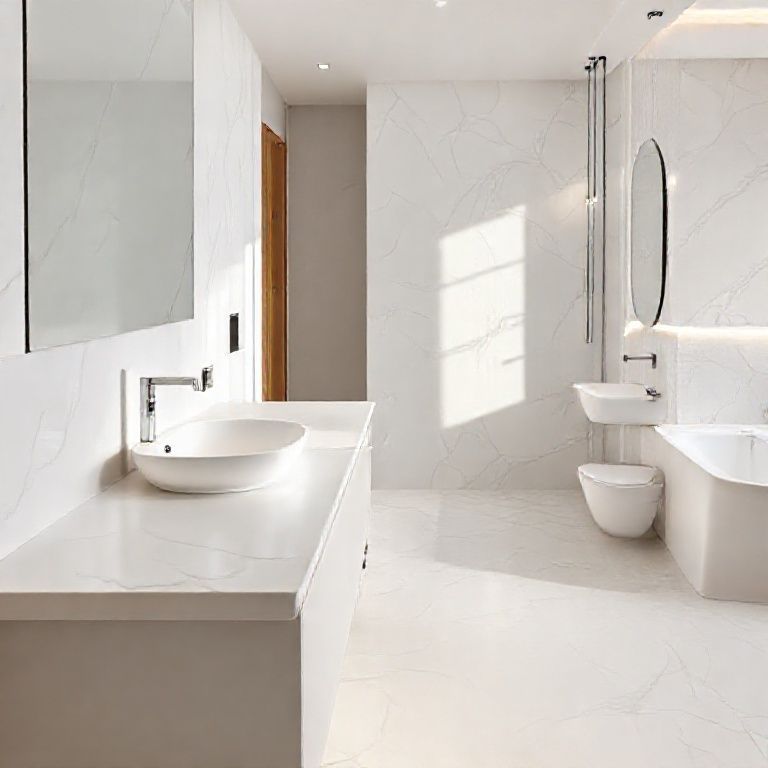
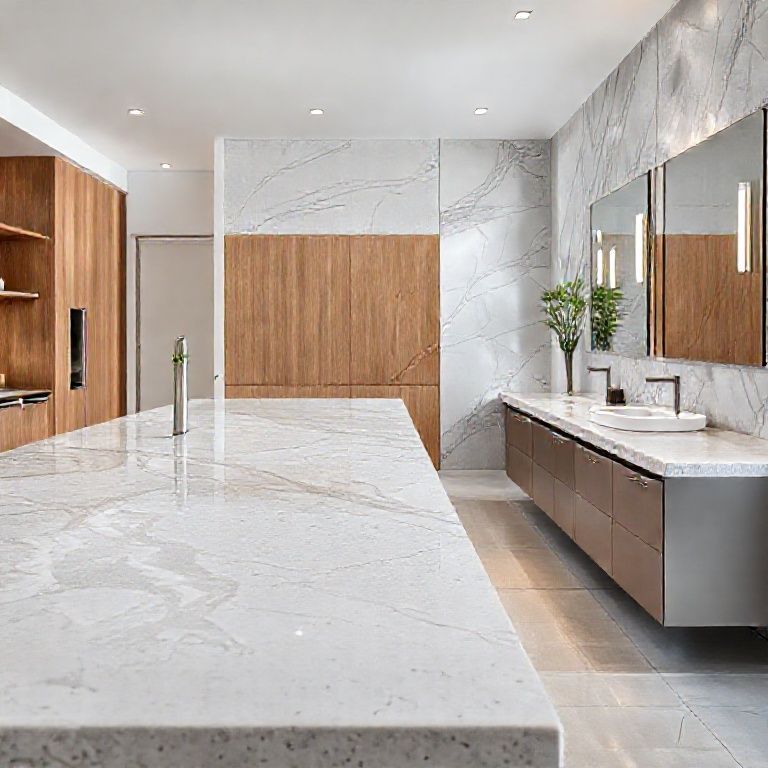
Countertops: Artificial marble countertops offer a luxurious look at a fraction of the cost of natural marble. They are ideal for kitchens, bathrooms, and commercial spaces where durability and low maintenance are essential.
Sinks and Faucets: Many modern homes and businesses opt for artificial marble sinks and faucets. The material’s resistance to water and stains makes it perfect for these high-moisture areas.
Flooring: While less common, artificial marble can also be used for flooring. Its durability and aesthetic appeal make it an attractive option for residential and commercial spaces.
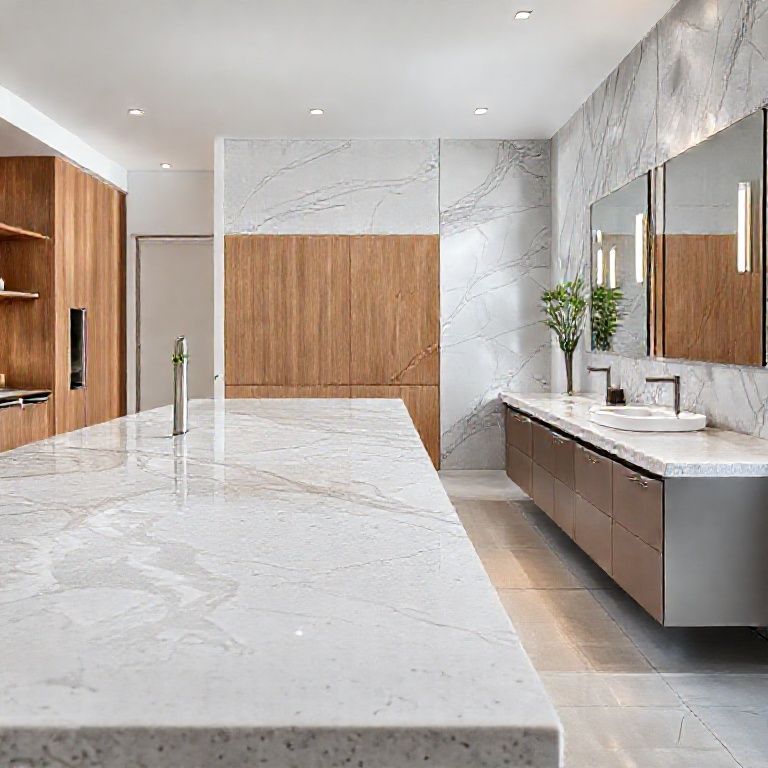
Furniture: Artificial marble can be used to create stunning furniture pieces such as tables, bars, and benches. Its versatility allows for creative design possibilities and a high-end finish.
Architectural Elements: Beyond traditional applications, artificial marble is used in architectural elements like wall cladding, decorative panels, and even decorative fountains. Its versatility extends to both interior and exterior design projects.
Conclusion to Part 1
Artificial marble stands out as a remarkable material for modern design, blending luxury with practicality. Its superior quality, extensive design options, and ease of maintenance make it a preferred choice for many homeowners and designers. In the next part, we will explore the pricing aspects of artificial marble, comparing it with natural marble and other alternatives to help you understand its value and affordability.
Pricing Insights and Value of Artificial Marble
Understanding Artificial Marble Pricing
When considering artificial marble for your next project, understanding its pricing is crucial. Let’s delve into the factors that influence the cost of artificial marble and compare it with other materials to provide a clearer picture of its value.
Factors Influencing Artificial Marble Pricing
Quality and Brand: The quality of the artificial marble and the brand behind it can significantly impact pricing. Higher quality materials with finer marble dust and better manufacturing processes will naturally cost more. Established brands often command higher prices due to their reputation and proven quality.
Color and Design: Custom colors and intricate designs can increase the cost of artificial marble. While standard colors and patterns are relatively affordable, bespoke designs and unique color combinations can add to the overall price.
Thickness and Size: Thicker slabs generally cost more than thinner ones, as they require more material and effort to produce. Similarly, larger slabs or custom sizes may incur additional charges due to the extra work involved in cutting and fabrication.
Installation Costs: Although artificial marble is relatively easy to install, professional installation can add to the overall cost. Labor rates vary by region and the complexity of the installation project.
Surface Finish: The type of surface finish can also affect pricing. High-gloss finishes are more expensive than matte or semi-gloss finishes due to the additional steps required to achieve the desired look.
Comparing Artificial Marble Pricing with Other Materials
When evaluating the cost of artificial marble, it’s helpful to compare it with other popular materials used in interior design and home renovation.
Natural Marble: Natural marble is known for its beauty and timeless appeal, but it comes with a higher price tag. The cost of natural marble varies widely depending on the type, with exotic marbles like Carrara and Travertine being the most expensive. Maintenance requirements, including sealing, also add to the overall cost.
Quartz: Quartz countertops, made from 93% quartz and reinforced with resin, offer a durable and low-maintenance alternative. While quartz is more affordable than natural marble, it is slightly more expensive than artificial marble, especially for custom colors and designs.
Granite: Granite is another popular choice for countertops and flooring. It is known for its strength and durability but comes at a premium price. Maintenance is relatively low, but the cost can be higher than artificial marble, particularly for customized designs.
Wood: Wood countertops offer a warm and natural look but require more maintenance and can be prone to scratches and stains. The cost of wood varies depending on the type and quality, with high-end woods being significantly more expensive than artificial marble.
Value of Artificial Marble
Artificial marble offers significant value for both residential and commercial projects. Here are some key points that highlight its worth:
Affordability: Compared to natural marble and other high-end materials, artificial marble is remarkably affordable. Its cost-effectiveness makes it accessible for a wide range of budgets without compromising on quality and aesthetics.
Durability and Low Maintenance: Artificial marble’s resistance to water, stains, and scratches ensures long-lasting durability. Its low maintenance requirements mean that it remains pristine with minimal effort, saving you time and money in the long run.
Customization and Versatility: The ability to customize colors, patterns, and designs allows you to create unique, one-of-a-kind finishes that match your personal style and project requirements. This level of customization is not always possible with natural materials.
Environmental and Sustainability Factors: Artificial marble is an eco-friendly alternative to natural stone, as it reduces the demand for natural marble quarries. It also offers a sustainable option for those looking to minimize environmental impact in their design choices.
Conclusion to Part 2
In conclusion, artificial marble stands out as a highly valuable material for modern design, offering a perfect balance of luxury, affordability, and versatility. By understanding its pricing and comparing it with other materials, you can make an informed decision that aligns with your budget and design goals. Artificial marble not only enhances the aesthetic appeal of your space but also provides practical benefits that make it a wise investment for any renovation project.
Artificial marble is more than just a material; it’s a transformative option for anyone looking to elevate their home or business with a touch of luxury and practicality. Whether you’re a homeowner, designer, or business owner, the specifications, versatility, and pricing of artificial marble make it a compelling choice for your next project.