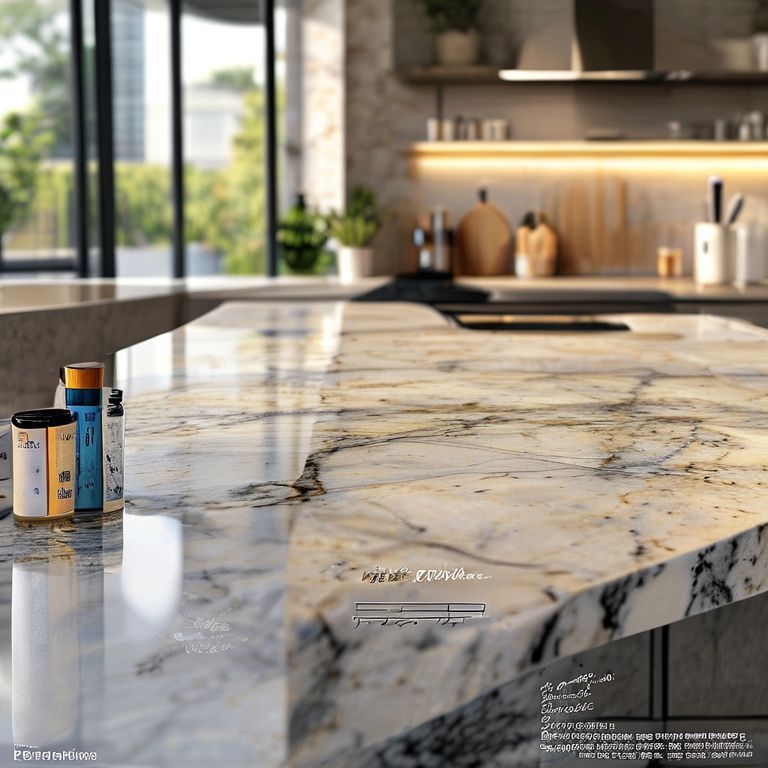
The Origins and Composition of Artificial Marble
Artificial marble, often referred to as cultured or man-made stone, has emerged as a groundbreaking material in the realm of modern design and construction. This innovative substance combines the aesthetic appeal and durability of natural marble with the flexibility and versatility of synthetic materials. To truly appreciate the marvel that is artificial marble, it is essential to understand its origins, composition, and the meticulous process behind its creation.

The Genesis of Artificial Marble
The idea of creating a material that mimics the beauty of natural marble dates back to the early 20th century when scientists and engineers began experimenting with composite materials. The breakthrough came with the development of a resin-based matrix, which allowed for the creation of a stone-like surface that could rival the elegance and strength of natural marble. The first commercial production of artificial marble took place in the 1950s, and since then, the material has undergone significant advancements, evolving into the sophisticated product we know today.
The Composition of Artificial Marble
Artificial marble is primarily composed of resin, which serves as the binding agent, and a mixture of fine minerals and pigments. The resin, typically made from acrylic or polyester, provides the structural integrity and durability that make artificial marble a superior choice for various applications. Finely ground minerals such as calcite, aragonite, and dolomite are added to the resin to replicate the appearance of natural stone. These minerals also contribute to the hardness and resistance of the material.
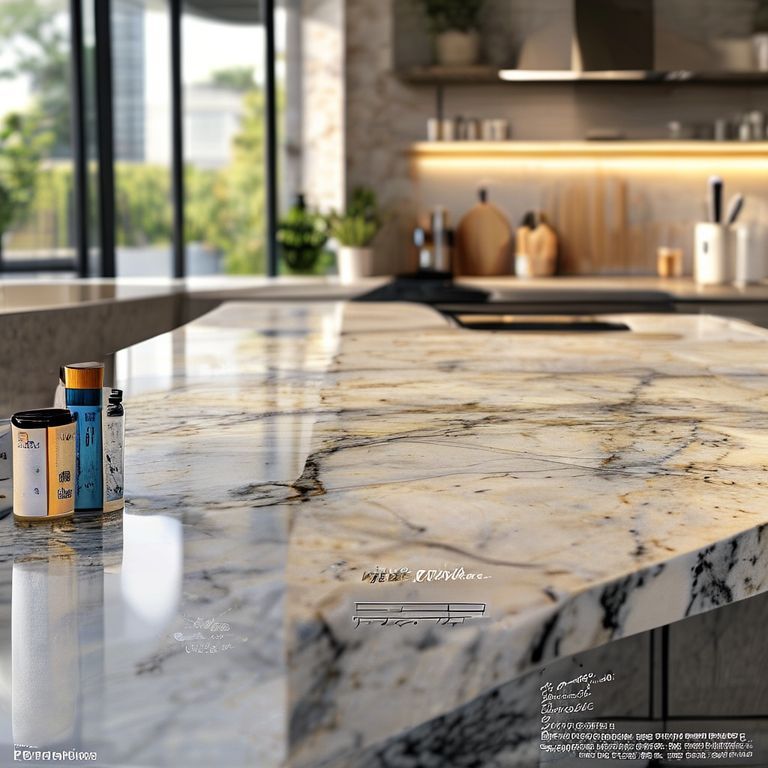
Pigments are incorporated into the mixture to achieve the stunning color variations and intricate veining patterns that are characteristic of natural marble. The combination of resin, minerals, and pigments is then meticulously blended and poured into molds to form the artificial marble slabs. Once set, the slabs undergo a polishing process to achieve the smooth, glossy surface that is synonymous with high-quality stone.
The Manufacturing Process
The creation of artificial marble involves a series of precise and controlled steps to ensure the final product meets the highest standards of quality and performance. The process begins with the selection of high-grade resin and mineral components, which are carefully measured and mixed to form a homogeneous slurry. This slurry is then poured into molds that have been precisely designed to replicate the desired shape and dimensions of the finished product.
Once poured, the material is allowed to cure, a process that involves both chemical and thermal reactions that harden the resin and bind the minerals together. The curing process is crucial for achieving the desired strength and durability of the artificial marble. After curing, the slabs are removed from the molds and undergo a series of quality checks to ensure they meet the specifications for color, texture, and surface finish.
The final step in the manufacturing process is polishing. This involves the use of abrasive tools and polishing compounds to achieve the smooth, reflective surface that is characteristic of artificial marble. The polishing process not only enhances the aesthetic appeal of the material but also contributes to its resistance to scratches, stains, and impact.
The Versatility and Applications of Artificial Marble
Artificial marble is a material of remarkable versatility, offering a wide range of applications across various industries. Its unique combination of beauty, durability, and functionality has made it a popular choice for both commercial and residential projects. In this second part, we will explore the diverse applications of artificial marble and the reasons behind its widespread adoption.
Commercial Applications
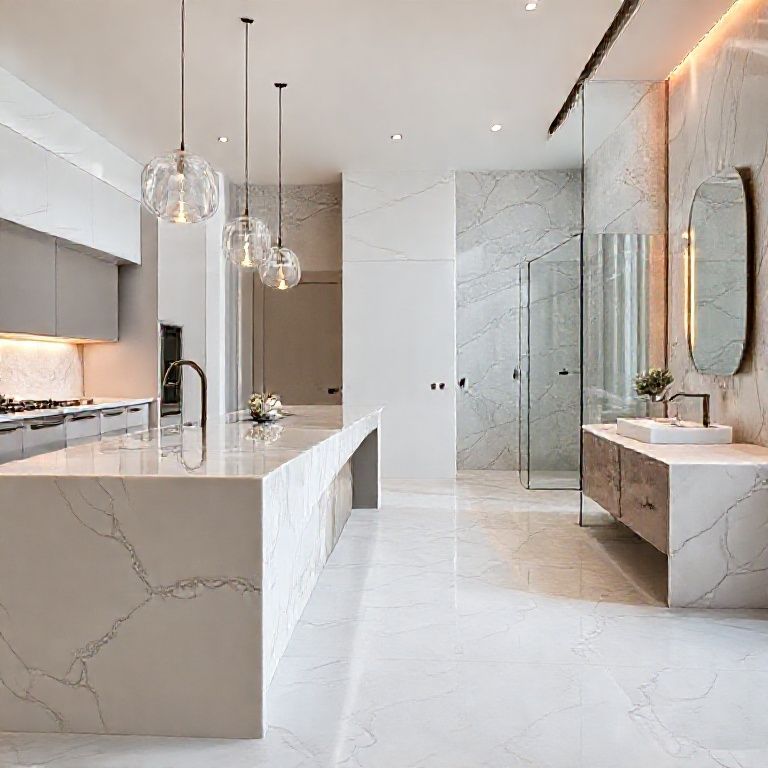
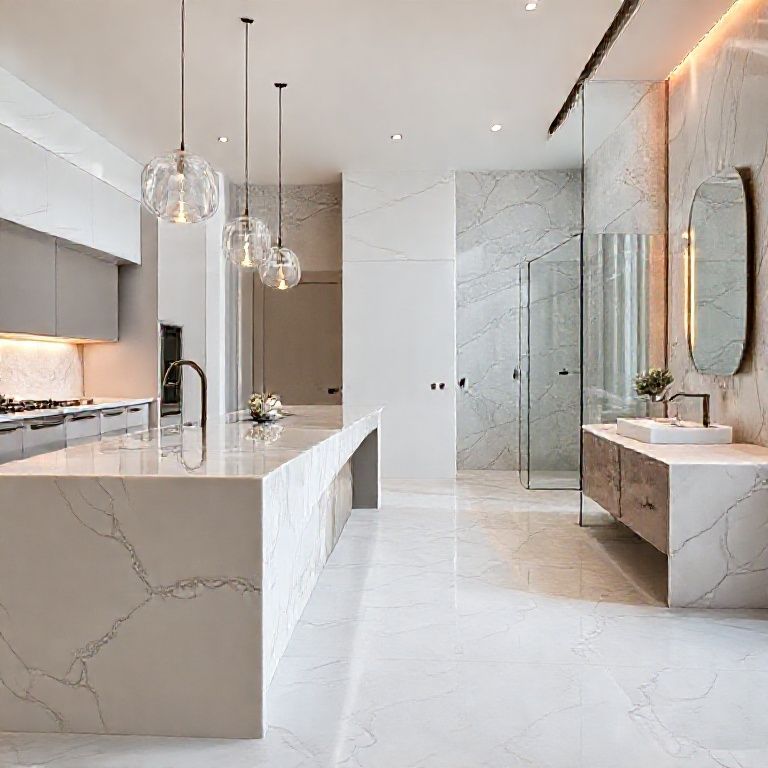
In the commercial sector, artificial marble has become a staple material for countertops, backsplashes, and other high-traffic areas. Its durability and resistance to stains, scratches, and impact make it an ideal choice for kitchens, bathrooms, and reception areas where surfaces are subject to frequent use and exposure to harsh chemicals.
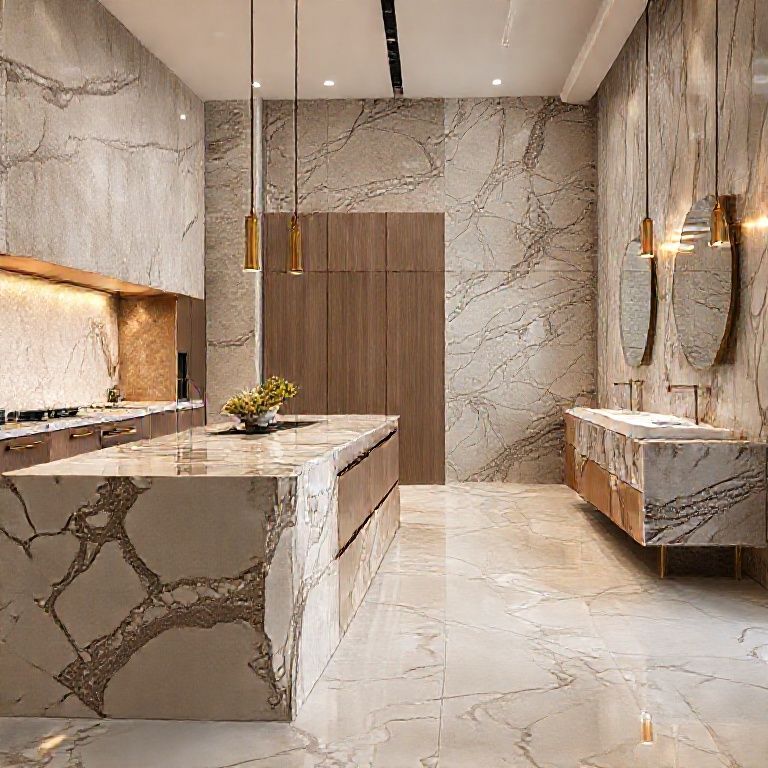
One of the most notable applications of artificial marble in the commercial sector is in the hospitality industry. Hotels, restaurants, and cafes often use artificial marble to create elegant and high-end dining spaces. The material’s ability to replicate the intricate veining and rich colors of natural marble, combined with its low maintenance requirements, makes it an attractive option for these environments.
Artificial marble is also widely used in the healthcare sector, including hospitals and clinics. Its resistance to bacteria and other pathogens makes it a hygienic choice for surfaces that require frequent cleaning and sterilization. Moreover, the material’s durability ensures that it can withstand the rigorous demands of a healthcare environment without showing signs of wear and tear.
Residential Applications
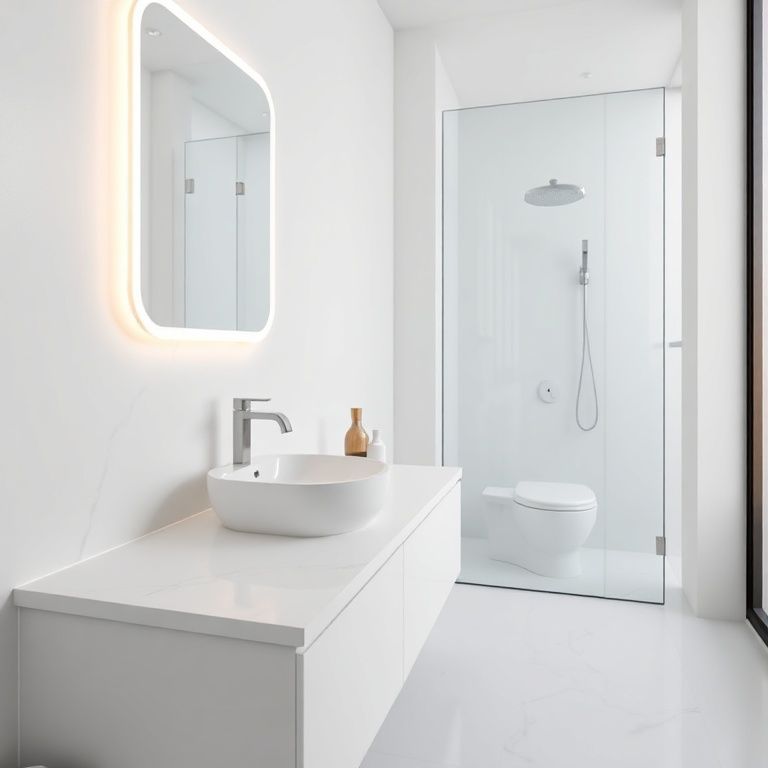
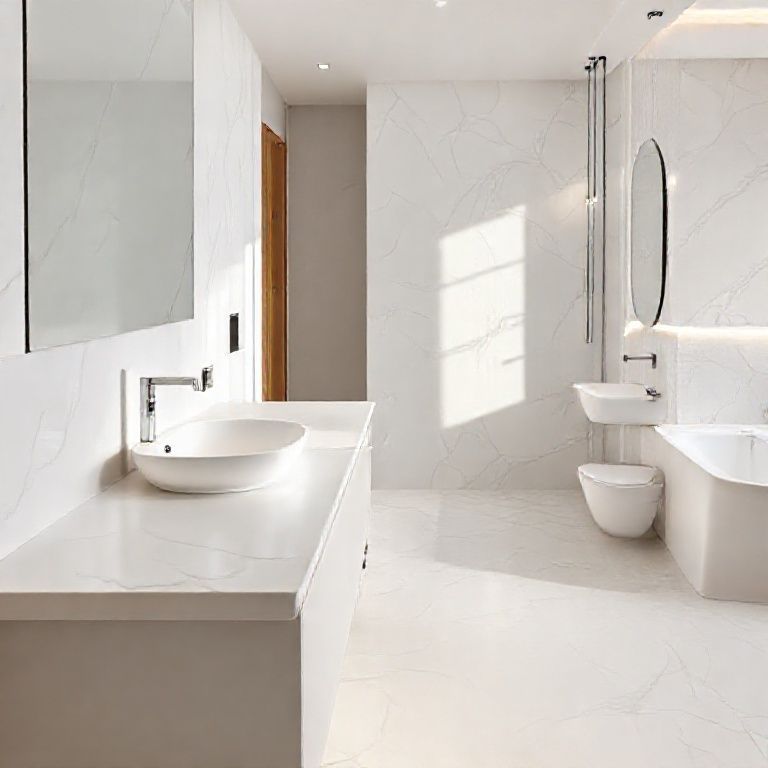
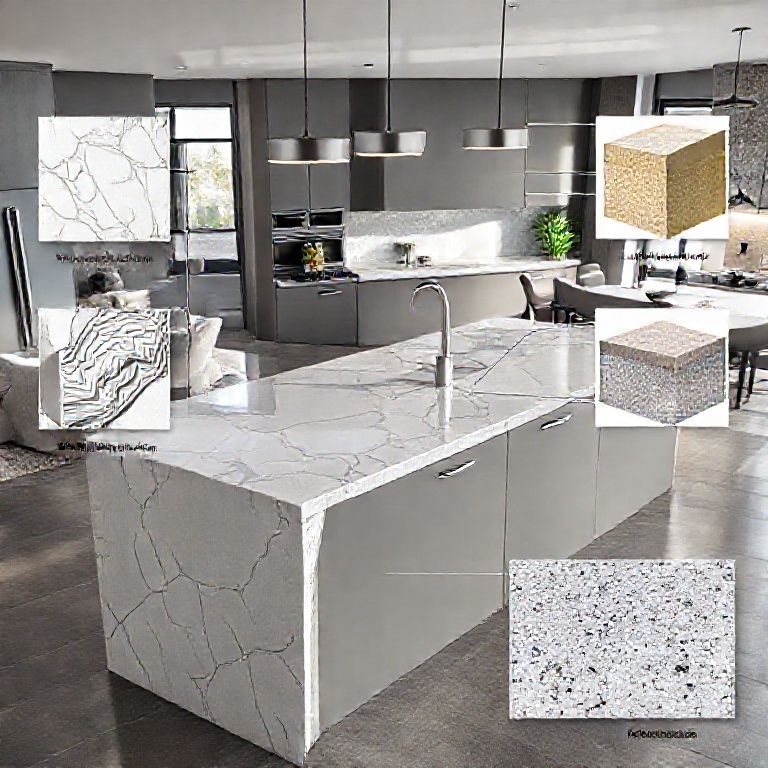
In the residential realm, artificial marble has found a place in homes as a stylish and practical material for countertops, vanity tops, and other decorative elements. Homeowners appreciate the material’s ability to offer the timeless beauty of marble without the high maintenance and cost associated with natural stone. The versatility of artificial marble allows it to be used in a variety of design styles, from modern and minimalist to classic and traditional.
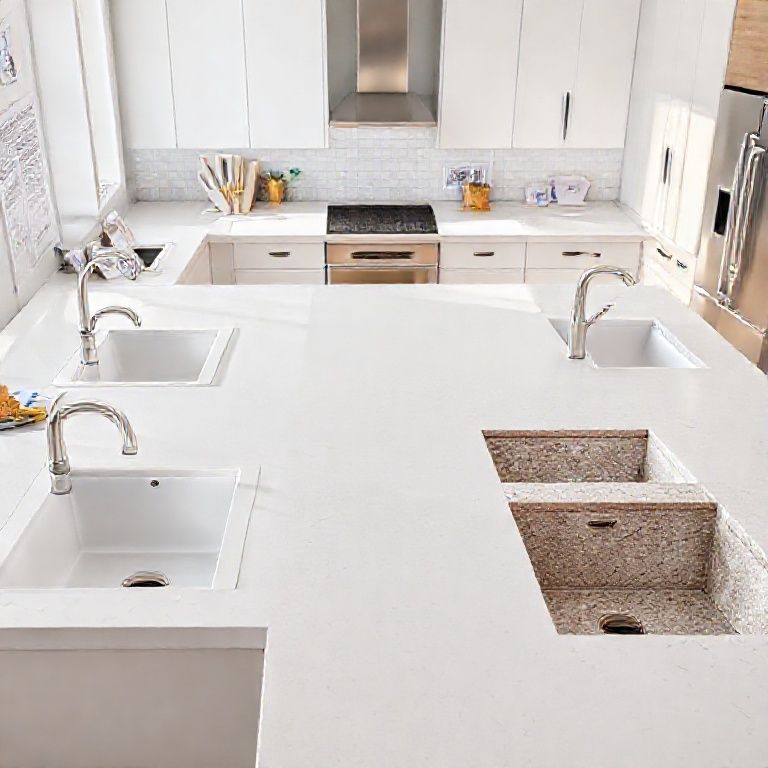
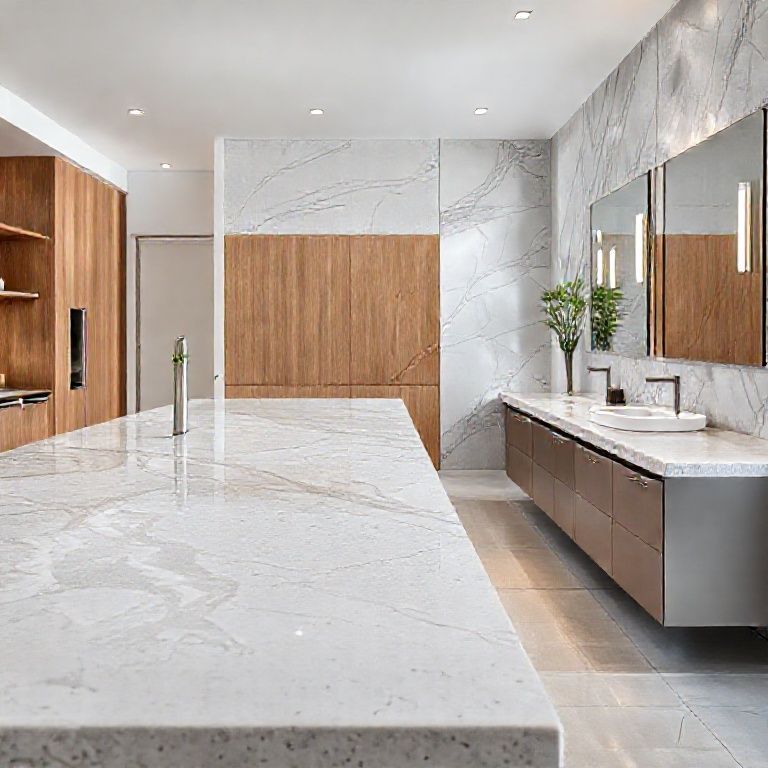
One of the most popular residential applications of artificial marble is in kitchen and bathroom countertops. These areas benefit greatly from the material’s durability and resistance to heat, moisture, and stains. Artificial marble countertops provide a sleek, elegant look that is easy to clean and maintain, making them an ideal choice for busy households.
Artificial marble is also used in the creation of decorative elements such as tabletops, bar tops, and even outdoor furniture. The material’s ability to mimic the appearance of natural stone while offering enhanced durability makes it a popular choice for both indoor and outdoor settings. Additionally, the customizable nature of artificial marble allows designers and homeowners to create unique and personalized pieces that reflect their individual tastes and preferences.
Sustainability and Environmental Considerations
As the world becomes increasingly conscious of environmental sustainability, artificial marble has emerged as a more eco-friendly alternative to natural stone. The production of natural marble involves significant environmental impacts, including land disruption, water usage, and the extraction of non-renewable resources. In contrast, the manufacturing process of artificial marble is more controlled and can be designed to minimize waste and reduce the environmental footprint.
Moreover, artificial marble is recyclable, which further enhances its sustainability profile. The material can be broken down and repurposed for new products, reducing the need for virgin materials and contributing to a circular economy. This makes artificial marble an attractive option for environmentally conscious consumers and businesses.
Conclusion
Artificial marble represents a remarkable achievement in the field of materials science, combining the aesthetic appeal and luxury of natural marble with the practicality and durability of synthetic materials. Its versatile applications in both commercial and residential settings highlight its importance in modern design and construction. As we continue to explore and innovate in the realm of artificial materials, artificial marble stands out as a testament to human ingenuity and the quest for beauty and functionality in everyday life.
The journey of artificial marble from its humble beginnings to its current status as a preferred material in various industries is a testament to the power of innovation and the relentless pursuit of excellence. Whether you are a designer, contractor, or homeowner, understanding the origins, composition, and applications of artificial marble can help you make informed decisions and appreciate the beauty and benefits this remarkable material offers.