Understanding Engineered Marble and Its Radiation Concerns
Engineered marble, an innovation in the world of home and commercial décor, has revolutionized how we perceive and utilize stone materials. This sophisticated material combines the aesthetic allure of natural marble with the durability and versatility of synthetic components. However, as with any new technology, questions arise regarding its potential impact on health and safety. One primary concern that often surfaces is the radiation spectrum associated with engineered marble.

The Composition of Engineered Marble
Engineered marble, often referred to as artificial or cultured marble, is a composite material. It is primarily made from a mixture of natural stone powder, typically quartz, and a resin binder. This combination not only mimics the appearance of natural marble but also enhances its resistance to scratches, stains, and thermal damage. Despite its advantages, the radiation concern stems from the materials used in its production.
Radiation in Engineered Marble: The Basics
Radiation in the context of engineered marble refers to the potential release of low-level radiation from the stone’s components. This is particularly relevant due to the use of natural stone powder, which may contain trace amounts of naturally occurring radioactive materials (NORM). These materials include uranium, thorium, and potassium, which emit radiation in the form of alpha, beta, and gamma rays.
The Science Behind Radiation Emission
To understand the radiation spectrum of engineered marble, it’s essential to delve into the science of radioactivity. Natural stone powder used in engineered marble can contain small amounts of radioactive elements. When these materials are processed and combined with resin, they can release a minuscule amount of radiation. This radiation, however, is significantly lower than that emitted by natural stone and is generally considered safe for everyday use.
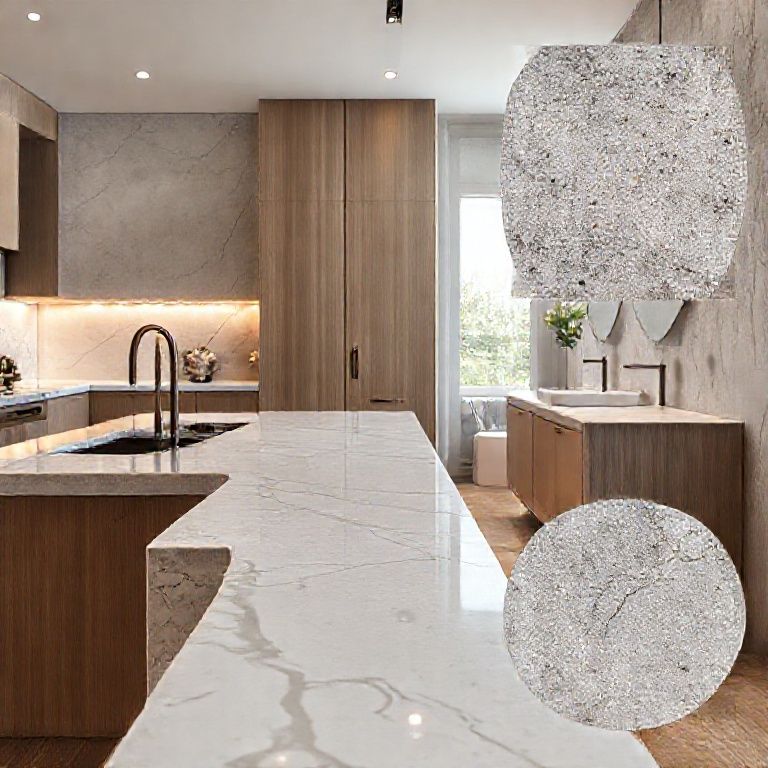
Regulatory Standards and Safety Measures
Given the potential radiation concerns, regulatory bodies and industry standards play a crucial role in ensuring the safety of engineered marble. Agencies such as the International Atomic Energy Agency (IAEA) and national standards organizations set guidelines to monitor and limit radiation levels in construction materials. These guidelines ensure that the radiation emitted by engineered marble remains within safe limits.
Manufacturers of engineered marble adhere to these standards by conducting rigorous testing and quality control measures. This ensures that the radiation levels are consistently monitored and remain well below the threshold that could pose any health risk. Additionally, the resin binder used in engineered marble is typically non-radioactive, further reducing the overall radiation output.
Real-World Implications and Safety
The real-world implications of engineered marble’s radiation spectrum are minimal due to the low levels of radiation emitted. The primary concern, therefore, is more about awareness and understanding rather than a significant health hazard. Most users of engineered marble are unaware of these radiation concerns, which underscores the importance of educating consumers and professionals about this aspect of the material.
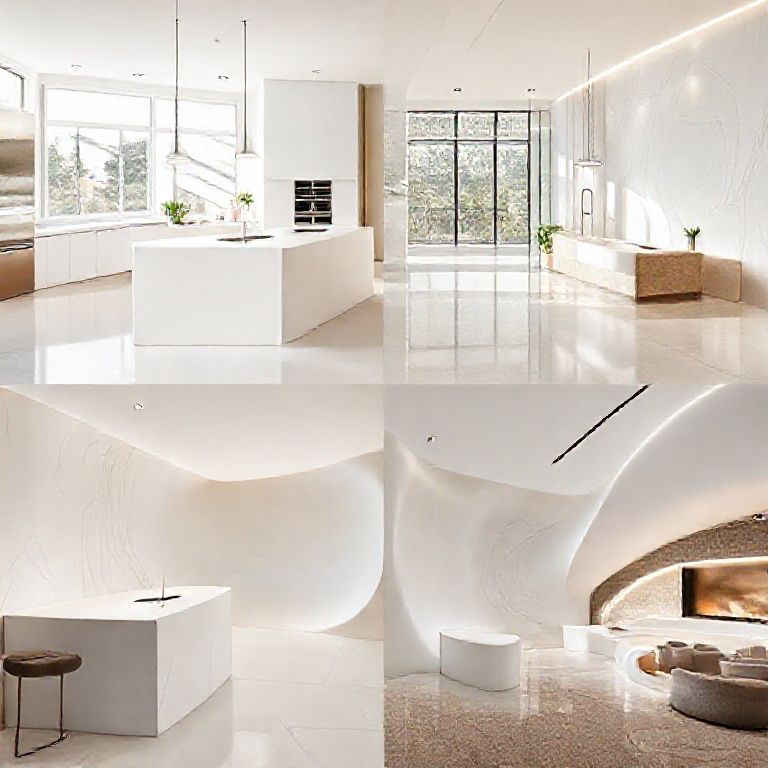
When installed and used correctly, engineered marble is safe for both residential and commercial applications. Its use in countertops, sinks, and other surfaces does not pose a significant radiation risk. The radiation levels are so low that they are comparable to natural stone and do not contribute to any notable health concerns.
Addressing Common Misconceptions
There are several common misconceptions about the radiation spectrum of engineered marble. One prevalent myth is that engineered marble emits harmful radiation that can cause cancer or other health issues. This is largely unfounded given the stringent safety measures and regulatory oversight. Another misconception is that because engineered marble is synthetic, it must be inherently dangerous. This overlooks the fact that the material is carefully formulated to mimic natural stone while enhancing its durability and reducing maintenance.
Conclusion of Part 1
In summary, the radiation spectrum of engineered marble is a topic of legitimate concern but is generally manageable within safe limits. The combination of natural stone powder and resin binder, while potentially emitting low levels of radiation, is tightly regulated and monitored. Understanding the science behind this radiation, along with the safety measures in place, allows us to appreciate the benefits of engineered marble without undue concern for health risks. In the next part, we will delve deeper into the specific factors that influence radiation levels and explore the future of engineered marble in terms of safety and innovation.

Exploring the Future and Innovations in Engineered Marble Safety
In the previous part, we explored the fundamental aspects of engineered marble and its radiation spectrum. Now, we turn our attention to the broader landscape of engineered marble, focusing on the factors influencing radiation levels and the future innovations aimed at enhancing its safety and sustainability.
Factors Influencing Radiation Levels
Understanding the factors that influence radiation levels in engineered marble is crucial for both manufacturers and consumers. Several elements play a role in determining the radiation spectrum of this material.
Source of Natural Stone Powder
The primary source of natural stone powder in engineered marble significantly impacts its radiation levels. Regions with naturally higher concentrations of radioactive materials in their geology may produce stone powder with higher radiation content. However, this is typically rare, and most natural stone powders used in engineered marble come from regions with naturally low radiation levels.
Production and Processing Techniques
The methods used in the production and processing of engineered marble can also influence radiation levels. Advanced manufacturing techniques that involve thorough quality control and radiation monitoring help ensure that any radiation emitted remains within safe limits. These techniques include rigorous testing of raw materials, precise mixing ratios, and careful handling during the curing process.
Quality Control and Testing
Quality control and testing are essential components in managing radiation levels in engineered marble. Manufacturers employ a variety of tests to measure radiation levels accurately. These tests include gamma spectroscopy, which can detect and quantify the presence of radioactive elements. By conducting regular and stringent tests, manufacturers can maintain high standards of safety and compliance with regulatory guidelines.
Consumer Awareness and Usage Guidelines
Consumer awareness plays a vital role in the safe usage of engineered marble. Proper installation and maintenance are crucial in ensuring that the radiation levels remain within safe limits. Users should follow manufacturer guidelines for cleaning, handling, and using engineered marble to minimize any potential exposure to radiation.
Future Innovations and Safety Enhancements
Looking ahead, the future of engineered marble holds promising innovations aimed at further enhancing its safety and sustainability. Several advancements are on the horizon that could revolutionize how we perceive and use this versatile material.
Advanced Resin Technologies
One of the key areas of innovation is the development of advanced resin technologies. These resins are designed not only to enhance the durability and aesthetic appeal of engineered marble but also to minimize radiation levels. Research is underway to create resins that are inherently non-radioactive and do not contribute to the overall radiation spectrum of the material.
Sustainable Sourcing of Natural Stone Powder
Sustainability is becoming a focal point in the engineered marble industry. Efforts are being made to source natural stone powder from environmentally friendly and low-radiation regions. This approach not only ensures safety but also supports sustainable practices. Manufacturers are exploring ways to reduce their environmental footprint while maintaining high-quality standards.
Smart Monitoring Technologies
The integration of smart monitoring technologies is another exciting development. These technologies can continuously monitor radiation levels in real-time, providing instant feedback and ensuring that any deviations from safe levels are promptly addressed. This proactive approach to safety can significantly enhance the reliability and trustworthiness of engineered marble.
Health and Safety Certifications
Future innovations also include obtaining and displaying health and safety certifications from reputable organizations. These certifications provide additional assurance to consumers about the safety of engineered marble products. Certifications from recognized bodies can help build trust and confidence in the material.
Conclusion of Part 2
In conclusion, while the radiation spectrum of engineered marble is a topic of legitimate concern, it is largely manageable within safe limits. The combination of stringent regulatory standards, advanced manufacturing techniques, and continuous monitoring ensures that any potential radiation risk is minimized. As we look to the future, ongoing innovations in resin technology, sustainable sourcing, and smart monitoring technologies promise to further enhance the safety and sustainability of engineered marble.
By understanding the factors that influence radiation levels and staying informed about future advancements, consumers and professionals can appreciate the benefits of engineered marble without undue worry about health risks. Engineered marble continues to be a versatile and durable choice for various applications, backed by a robust framework of safety and innovation.
This two-part article aims to provide a comprehensive and engaging exploration of the radiation spectrum of engineered marble, addressing both immediate concerns and future innovations to ensure informed and safe usage.