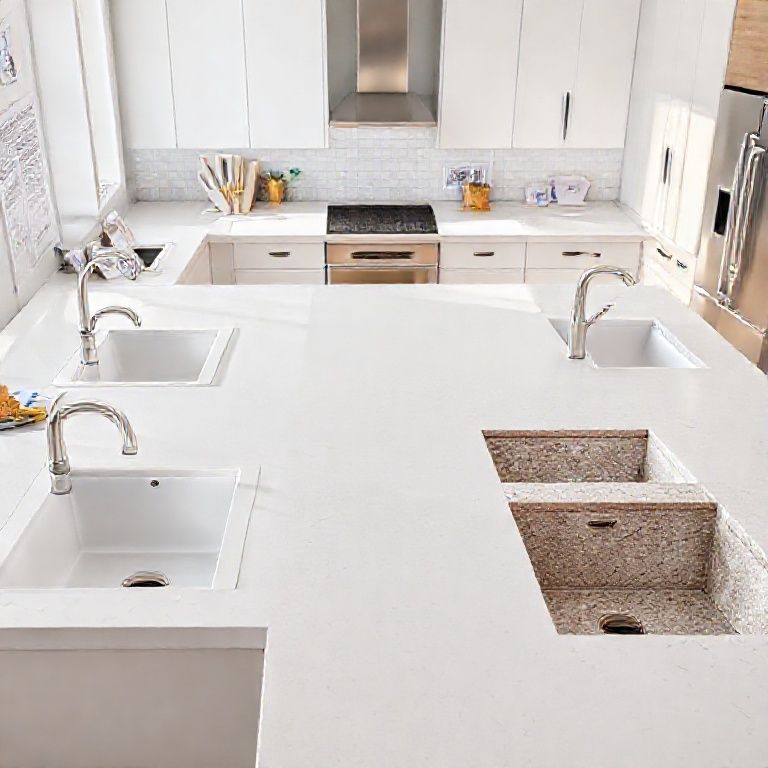
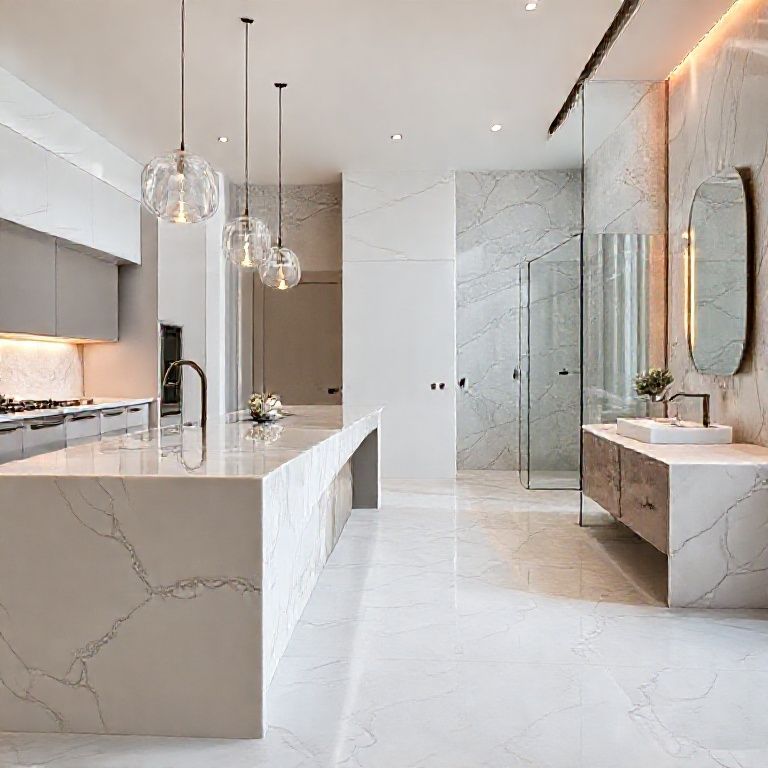
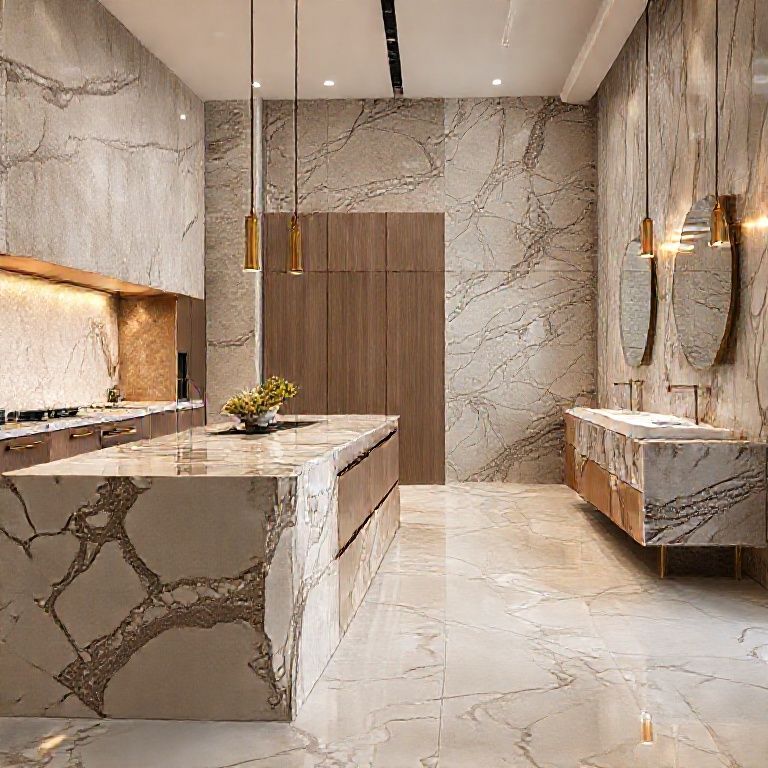
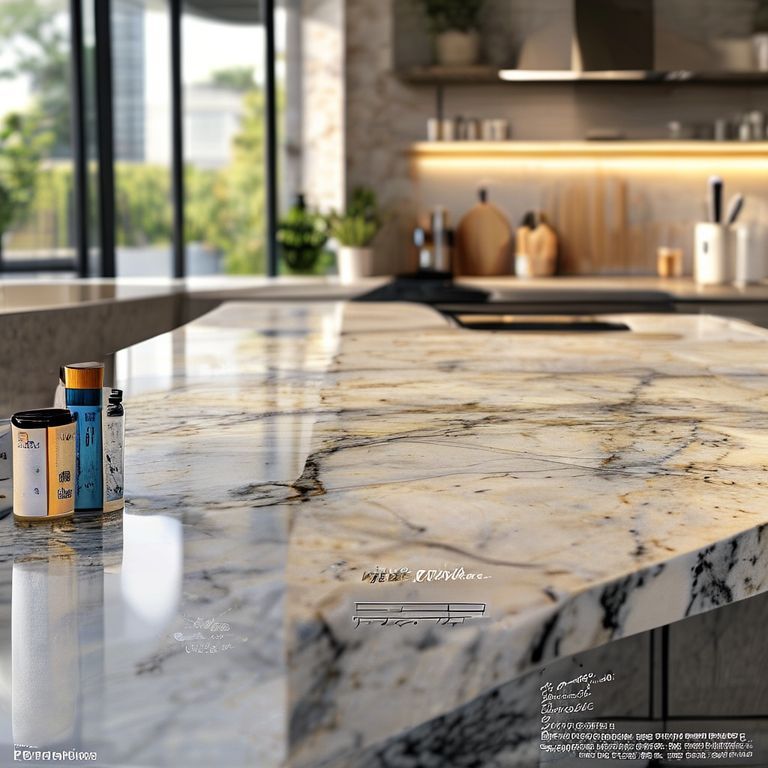
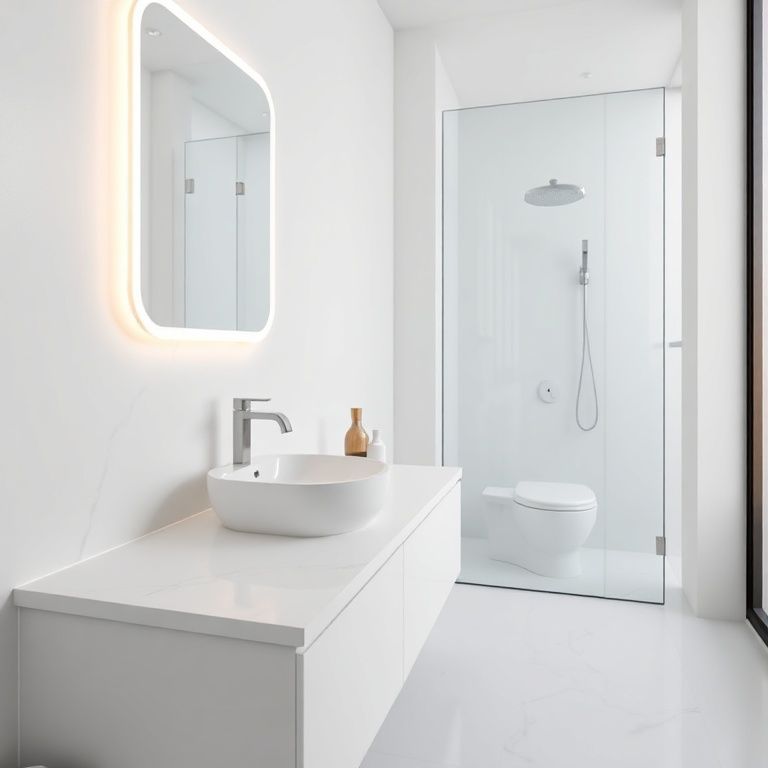
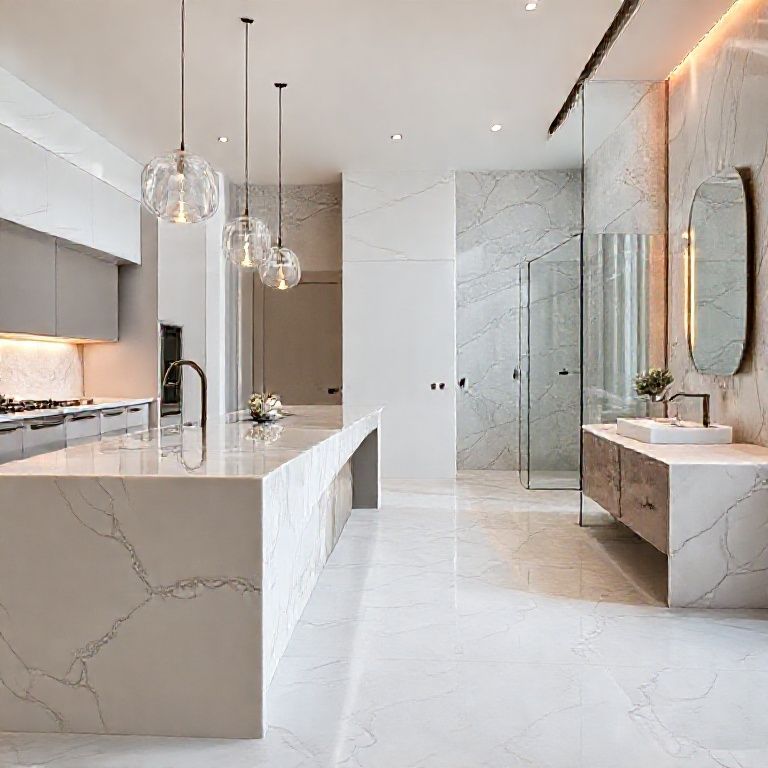
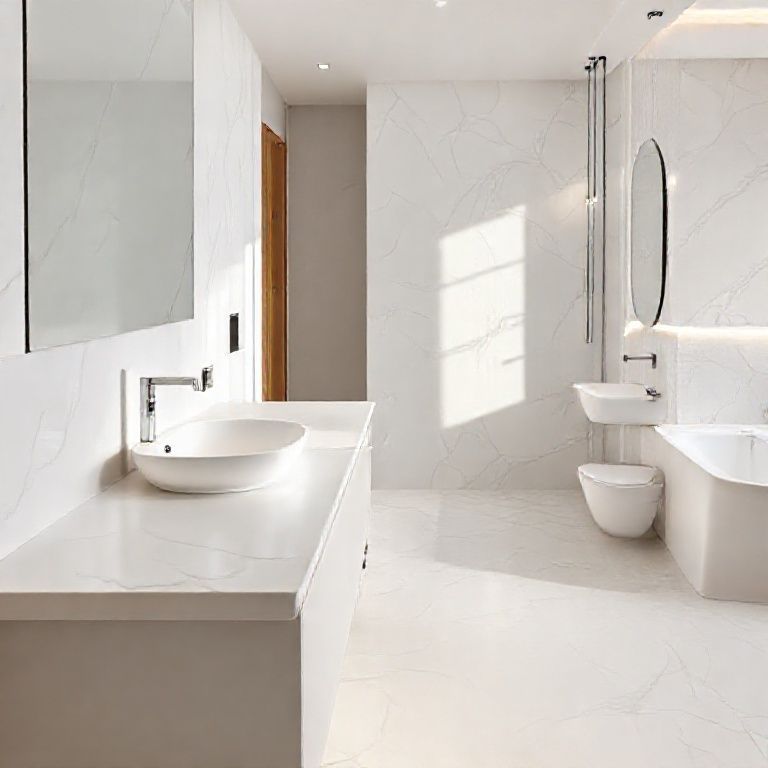
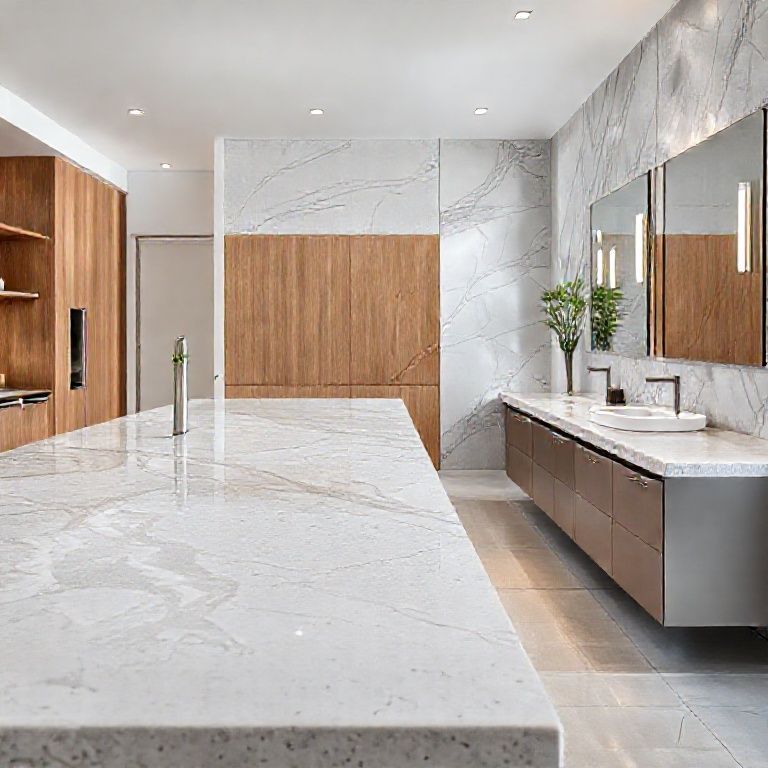
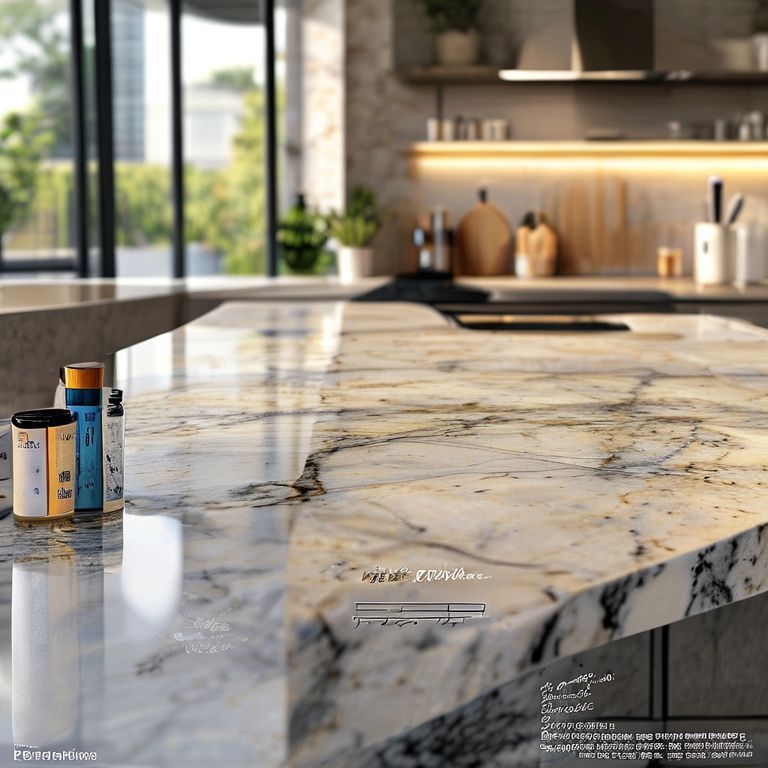
In the world of modern kitchen and bathroom design, artificial marble has become a popular choice due to its aesthetic appeal, affordability, and ease of installation. However, beneath its glossy surface lie several drawbacks that can impact its longevity and performance. Let’s delve into the top 10 disadvantages of artificial marble, illustrated with high-definition images to give you a clear understanding.

1. Maintenance Issues
Artificial marble requires specific care to maintain its appearance and longevity. Unlike natural stone, it is not impervious to scratches and stains. High-definition images show how even minor spills can leave permanent marks. Regular cleaning with specialized products is essential to prevent discoloration and ensure the surface remains pristine.
2. Limited Heat Resistance
While artificial marble looks like natural stone, it lacks its natural heat resistance. High-definition images highlight how hot items can easily scorch the surface, leading to discoloration and damage. To prevent this, it’s advisable to use hot pads when placing hot dishes on the surface.
3. Aging and Fading
Artificial marble can suffer from fading over time, especially when exposed to direct sunlight. High-definition images illustrate how UV rays can cause the color to dull and lose its vibrant look. To mitigate this, placing artificial marble away from direct sunlight or using UV-protective coatings can be beneficial.
4. Low Impact Resistance
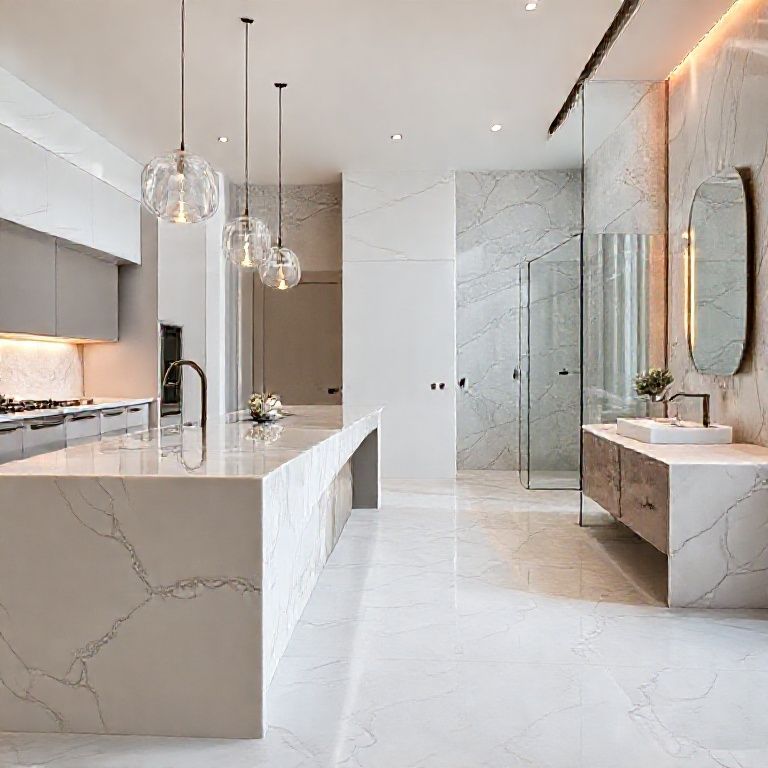
Despite its durability, artificial marble is more prone to chipping and cracking compared to natural stone. High-definition images showcase how heavy objects or sharp impacts can easily damage the surface. This makes it less suitable for high-traffic areas where durability is a priority.
5. Chemical Sensitivity
Artificial marble is sensitive to certain chemicals, including bleach, ammonia, and other strong cleaning agents. High-definition images reveal how these chemicals can cause the surface to deteriorate and develop unsightly stains. It’s crucial to use mild, non-abrasive cleaners to avoid damage.
6. Non-Biodegradable Nature
Unlike natural stone, artificial marble is not biodegradable. High-definition images show the environmental impact of disposing of artificial marble waste. The production and disposal of artificial marble contribute to environmental pollution, making it a less sustainable choice for eco-conscious consumers.
7. Inconsistent Quality
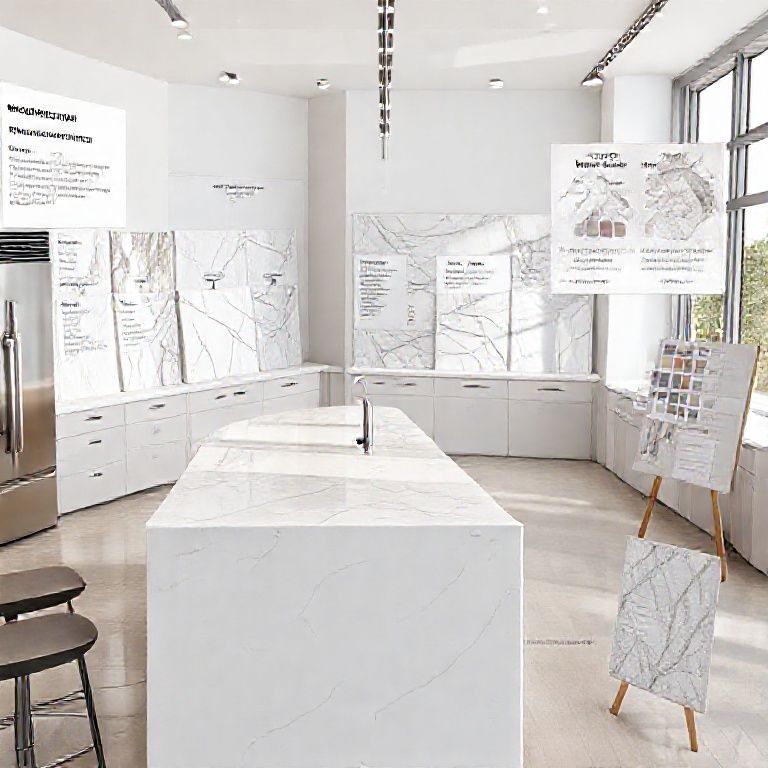
The quality of artificial marble can vary significantly between different manufacturers and even batches. High-definition images highlight inconsistencies in color, texture, and durability. This inconsistency can lead to mismatched pieces and a less cohesive look in a designed space.
8. Limited Customization
While artificial marble offers a wide range of colors and patterns, its customization options are limited compared to natural stone. High-definition images demonstrate how it’s challenging to achieve highly specific designs or intricate patterns. This can be a drawback for those seeking unique, customized designs.
9. Higher Upfront Costs
Although artificial marble is generally more affordable than natural stone, the cost of high-quality, durable pieces can be significant. High-definition images show the premium materials used in top-grade artificial marble, which can drive up the initial cost. It’s essential to balance cost with quality when making a selection.
10. Installation Challenges
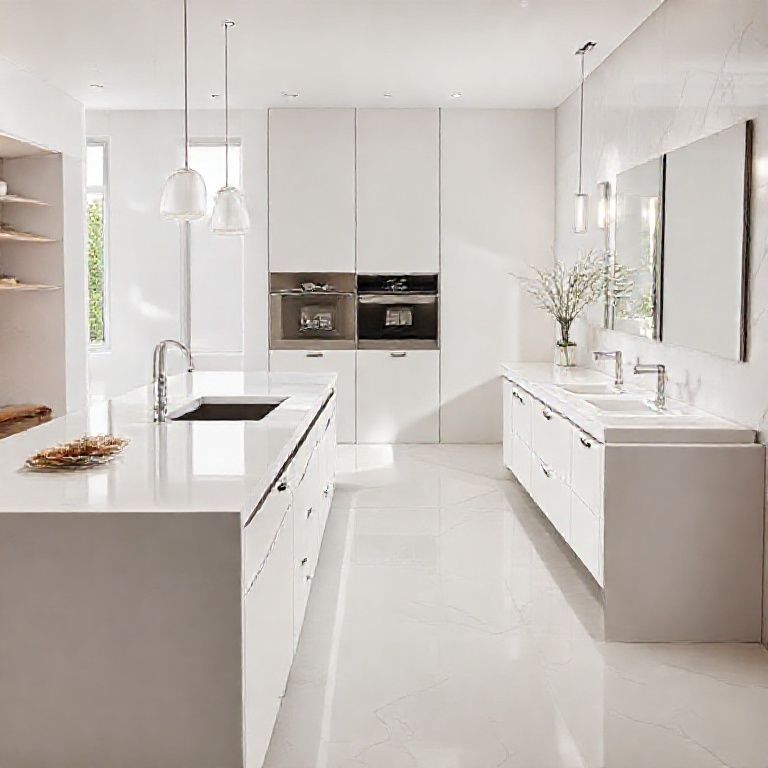
Artificial marble can be more challenging to install compared to some other materials due to its brittle nature. High-definition images illustrate the precision required in cutting and fitting pieces, which can complicate the installation process. It’s often best left to professional installers to ensure a flawless finish.
In our ongoing exploration of the disadvantages of artificial marble, this second part sheds light on the remaining top 10 drawbacks. From installation challenges to environmental concerns, high-definition images provide a clear and detailed view of each issue, helping you understand the full picture.
11. Water Absorption
Artificial marble may appear water-resistant, but it can still absorb water, leading to potential stains and warping over time. High-definition images show how prolonged water exposure can cause the material to swell and develop unsightly marks, compromising its aesthetic appeal.
12. Surface Imperfections
Although artificial marble can mimic the look of natural stone, it often has surface imperfections that can be noticeable up close. High-definition images reveal tiny inconsistencies and uneven textures that can detract from its polished appearance, especially in high-traffic areas.
13. Inconsistent Performance
The performance of artificial marble can vary based on the manufacturer’s quality control processes. High-definition images demonstrate how pieces from different batches can exhibit significant differences in strength and durability, leading to potential issues in long-term use.
14. Limited Color Options
While artificial marble offers a wide range of colors, the options are often limited compared to natural stone. High-definition images show that achieving a perfect match in color can be challenging, especially when combining multiple pieces or incorporating different shades into a design.
15. Aging Appearance
Over time, artificial marble can develop an aged appearance. High-definition images highlight how prolonged exposure to everyday wear and tear can cause the surface to dull and lose its vibrant look, requiring frequent maintenance to keep it looking new.
16. Lack of Authenticity
Artificial marble, despite its realistic appearance, lacks the authenticity and uniqueness of natural stone. High-definition images show how it can sometimes feel less genuine, which may be a consideration for those who value the natural beauty and character of real stone.
17. Potential for Allergic Reactions
Some individuals may experience allergic reactions to the resins and adhesives used in artificial marble. High-definition images demonstrate how these reactions can manifest as skin irritation or respiratory issues, making it important to consider this potential health risk.
18. Higher Maintenance Costs
While initial installation costs might be lower, the maintenance costs of artificial marble can add up over time. High-definition images show the need for regular cleaning and specialized products to keep the surface in top condition, which can lead to additional expenses.
19. Difficult Repairs
Repairing artificial marble can be challenging due to its brittle nature. High-definition images illustrate how even minor chips or cracks can be difficult to fix, often requiring professional assistance to ensure a seamless repair.
20. Uneven Wear
Artificial marble is not immune to uneven wear, especially in high-traffic areas. High-definition images show how certain areas might wear down faster than others, leading to an uneven and unsightly surface over time. Regular maintenance is essential to address this issue and ensure a consistent look.
By understanding these drawbacks, you can make a more informed decision when selecting materials for your kitchen or bathroom, ensuring that you choose the best option for your specific needs and lifestyle.