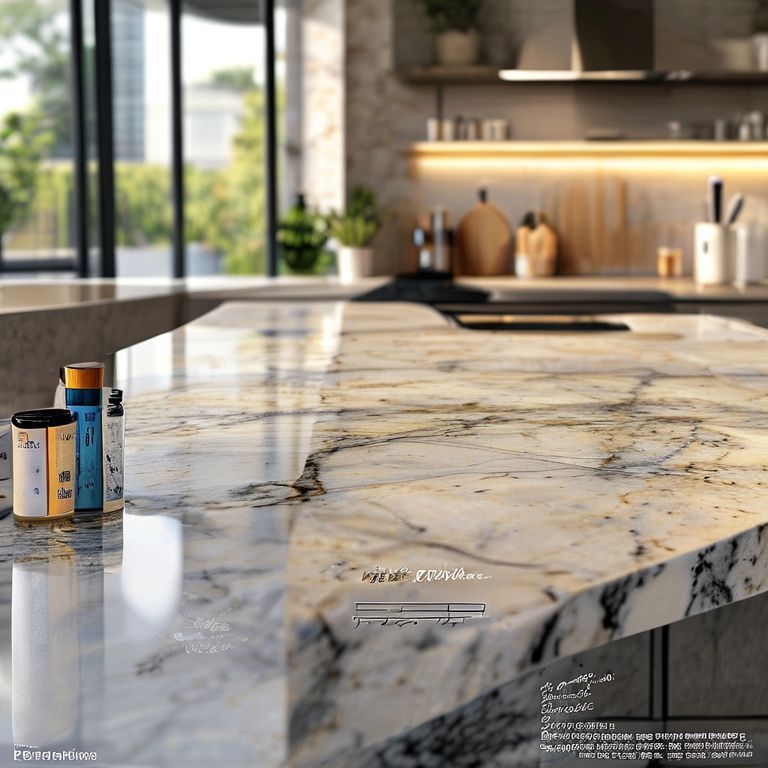
Unveiling the True Cost and Benefits of Artificial Marble: How Much Does It Cost Per Square Meter?
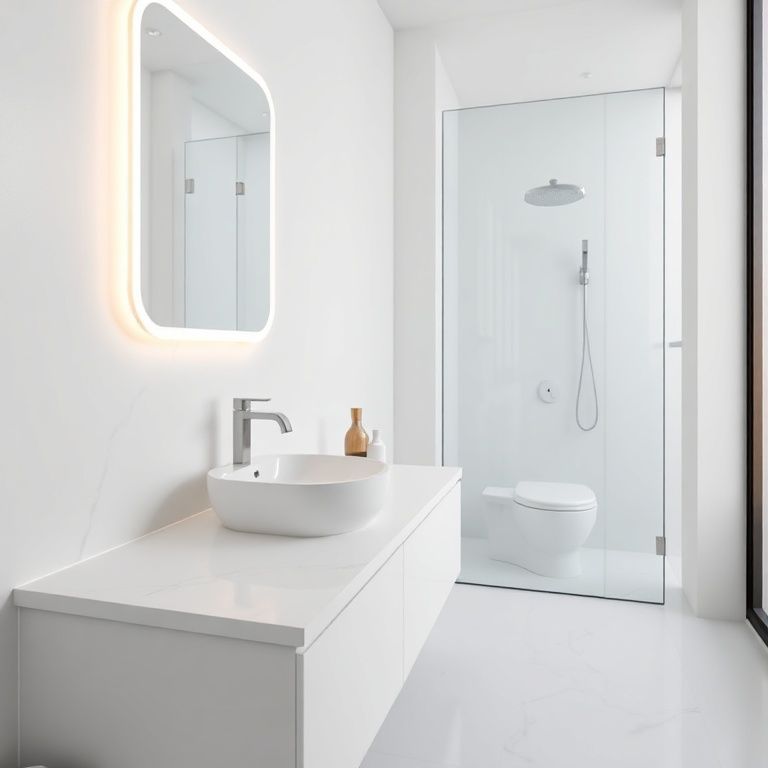
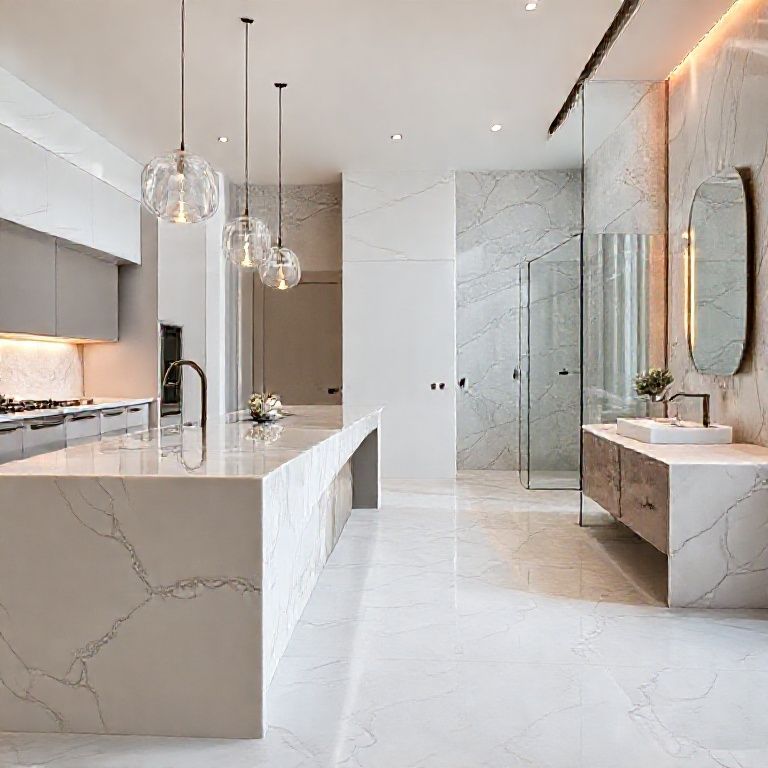
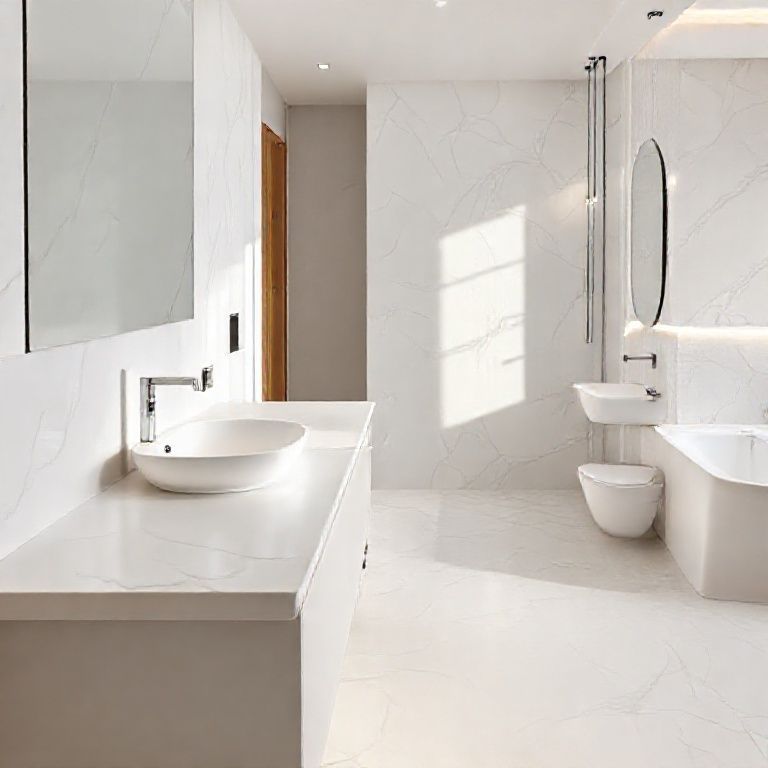
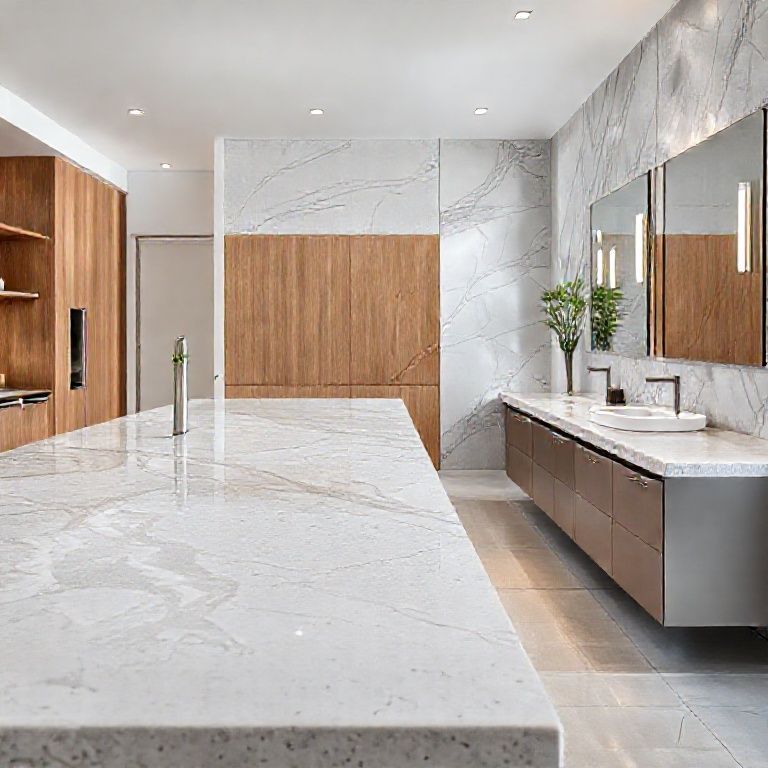
Artificial marble, often hailed as a luxurious alternative to natural stone, has gained immense popularity in both residential and commercial settings. Known for its stunning aesthetics and durability, this material has become a favorite among architects, designers, and homeowners alike. However, one of the most frequently asked questions is: “How much does artificial marble cost per square meter?”

Understanding Artificial Marble
Before delving into the cost aspect, it’s essential to understand what artificial marble is. Artificial marble, also known as engineered stone, is a composite material made primarily from silica sand, mixed with colors and other binding agents, then compressed and cured at high temperatures. This process results in a material that closely mimics the appearance and feel of natural marble while offering superior durability and a wider range of colors.
Factors Influencing Cost
The price of artificial marble per square meter can vary significantly based on several factors:
Quality and Composition: The quality of artificial marble is largely determined by the grade of silica sand used, the binding agents, and the manufacturing process. Higher-quality materials, which include more sophisticated binding agents and superior production techniques, generally come at a higher price.
Design and Color: Custom designs and unique color blends can increase the cost substantially. While standard colors and patterns are relatively affordable, bespoke designs often involve additional costs for custom molds and special dyes.
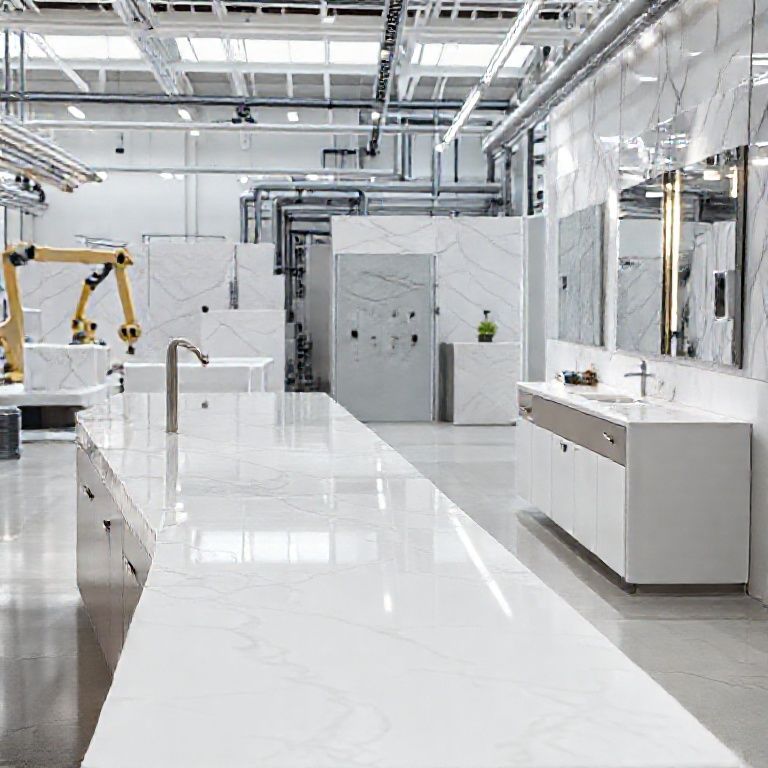
Surface Finish: The finish of the artificial marble can also impact the price. Polished, brushed, and honed surfaces each have different manufacturing processes, with polished surfaces usually costing more due to the additional labor required for the finishing process.
Thickness and Size: The thickness and size of the slabs can influence the cost per square meter. Larger slabs or thicker pieces might be more expensive due to the higher amount of material required and the complexity of the cutting process.
Brand and Reputation: Established brands with a strong reputation for quality and reliability often charge a premium for their products. While this may seem higher upfront, the assurance of quality and longevity can offset the initial cost.
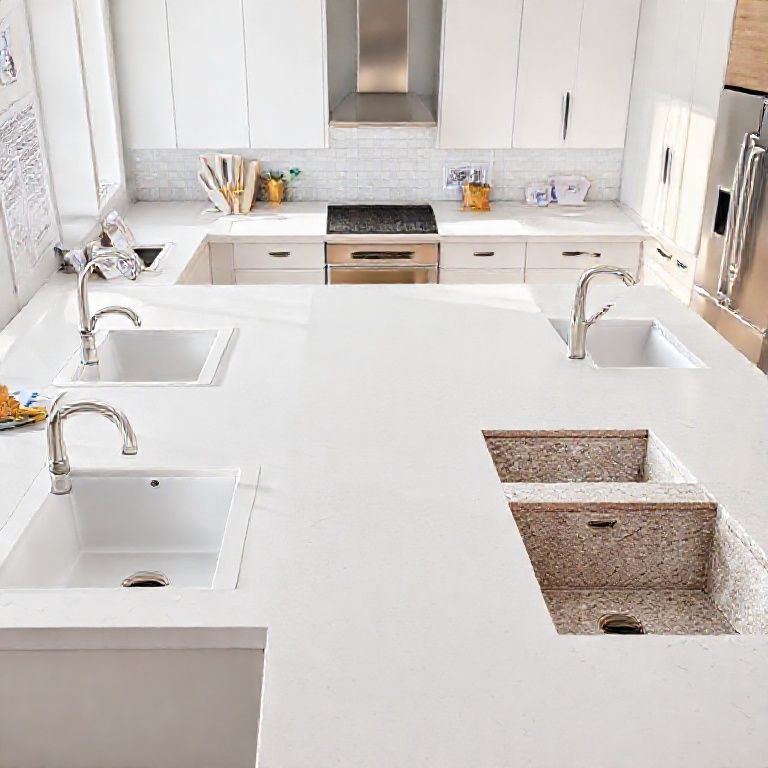
Cost Comparison: Natural vs. Artificial Marble
To put the cost of artificial marble into perspective, it’s useful to compare it with natural marble:
Natural Marble: Natural marble is known for its unique veining and color variations, making each piece distinct. This uniqueness comes at a price, with natural marble generally costing more per square meter than artificial marble. The cost can vary widely depending on the type of marble and its rarity. For example, Italian Carrara marble can cost significantly more than common varieties.
Artificial Marble: Artificial marble provides a more consistent appearance since it is manufactured in controlled environments. This consistency allows for a more uniform pricing structure. Typically, artificial marble costs between $20 and $50 per square meter, depending on the factors mentioned above.
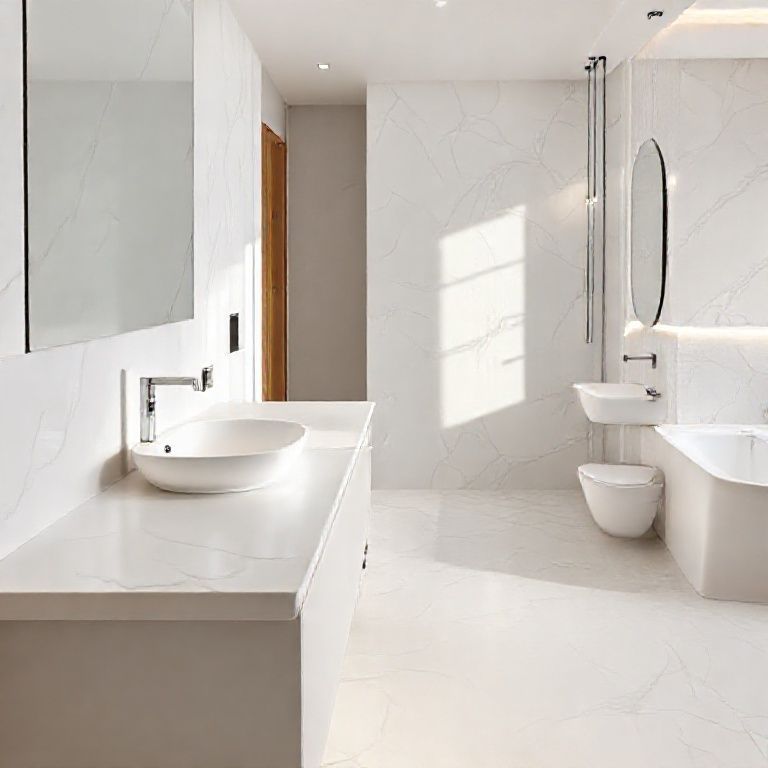
Benefits of Choosing Artificial Marble
Choosing artificial marble offers several advantages that make it an appealing option for many:
Durability: Artificial marble is known for its exceptional durability. It is highly resistant to scratches, stains, and thermal shock, making it an ideal choice for high-traffic areas.
Maintenance: Unlike natural stone, artificial marble does not require sealing or special maintenance. A simple wipe-down with a damp cloth suffices, making it a low-maintenance option.
Variety and Customization: The ability to create custom designs and colors provides a level of customization that is hard to achieve with natural marble. This flexibility allows designers to bring unique visions to life.
Cost-Effective: While the initial cost may be lower than some types of natural stone, the long-term benefits in terms of durability and maintenance can make artificial marble a more cost-effective choice over time.
Conclusion
When considering the cost of artificial marble per square meter, it’s crucial to take into account the various factors that influence pricing. While the upfront cost may vary, the long-term benefits in terms of durability, maintenance, and design flexibility often make artificial marble a wise investment. Whether you’re planning a high-end kitchen renovation or a commercial space, understanding these factors can help you make an informed decision that aligns with your aesthetic and budgetary goals.
Unveiling the True Cost and Benefits of Artificial Marble: How Much Does It Cost Per Square Meter?
Artificial marble continues to be a compelling choice for many due to its combination of beauty and practicality. In this part, we will delve deeper into the cost factors, benefits, and considerations to help you navigate the world of artificial marble with confidence.
Detailed Cost Analysis
While the broad cost range of artificial marble is generally between $20 and $50 per square meter, a detailed analysis reveals how various elements contribute to this price.
Material Grade: The primary component of artificial marble is silica sand, but the quality of this sand and the inclusion of other materials can greatly affect the price. Premium grades of silica sand, along with advanced binding agents, will naturally increase the cost. Higher-grade materials ensure better durability and a more refined finish.
Color and Design Complexity: The complexity of the color and design plays a significant role in the cost. Artificial marble can be engineered to mimic a wide range of natural stone colors and patterns, but creating unique and intricate designs often involves additional expenses. Custom dyes and intricate color blends can raise the price, as can the creation of specialized molds.
Surface Finish: The type of surface finish also impacts the cost. Polished finishes, which are smooth and glossy, generally cost more than brushed or honed finishes due to the labor-intensive process required. Polished surfaces not only look more luxurious but also offer greater resistance to stains and scratches.
Thickness and Size: The thickness of the slabs can affect the cost. Thicker slabs may require more material and thus are more expensive. Additionally, larger slabs are more costly to produce due to the increased labor and machinery required for cutting and shaping.
Labor and Installation Costs: The cost of installation should not be overlooked. While artificial marble is easier to install than natural stone due to its uniformity and pre-cut slabs, professional installation still incurs labor costs. The complexity of the installation, such as the need for special techniques or additional materials like adhesives, can also influence the overall price.
Comparative Analysis: Artificial vs. Natural Stone
To further understand the value of artificial marble, let’s compare it with other popular types of stone:
Granite: Granite is known for its strength and durability, but it can be significantly more expensive than artificial marble. The cost of granite per square meter can range from $30 to $100 or more, depending on the type and quality. Additionally, granite requires sealing and regular maintenance, adding to the overall cost.
Quartz: Quartz, another engineered stone, is often compared to artificial marble. While quartz is slightly more expensive, it offers a very high level of durability and a wide range of colors and finishes. The cost per square meter for quartz typically ranges from $20 to $40, depending on the specific product and its features.
Travertine: Travertine is a natural stone that offers a unique look but comes with a higher price tag. The cost per square meter for travertine can range from $30 to $80. Like other natural stones, travertine requires sealing and regular maintenance to preserve its beauty.
Benefits of Artificial Marble
The advantages of choosing artificial marble extend beyond its cost-effectiveness:
Aesthetic Versatility: Artificial marble allows for a vast array of colors, patterns, and textures that can be tailored to fit any design vision. This versatility makes it a popular choice for both residential and commercial projects.
Durability and Longevity: The durability of artificial marble is one of its standout features. It is highly resistant to scratches, stains, and thermal shock, ensuring a long-lasting finish that requires minimal maintenance. This longevity can save money over time, as there is less need for replacements or repairs.
Easy Maintenance: One of the most significant advantages of artificial marble is its low maintenance. Unlike natural stone, it does not require sealing or special treatments to maintain its appearance. A simple wipe-down with a damp cloth is usually sufficient, making it an ideal choice for busy households and commercial spaces.
Environmental Impact: Artificial marble is often considered more environmentally friendly compared to natural stone. The production process for artificial marble does not involve the extensive quarrying and transportation associated with natural stone, reducing its carbon footprint.
Making an Informed Decision
When deciding whether to use artificial marble for your project, consider the following:
Budget: Determine your budget and understand the cost per square meter. Keep in mind that while artificial marble may have a higher initial cost than当然,可以继续讨论你关心的话题。
技术与创新
人工智能的最新进展 区块链技术及其应用 新兴的科技趋势,如量子计算 商业与经济 全球经济趋势 创业与创新企业的成功案例 投资与金融市场分析 健康与生活方式 新的医疗技术 健康生活方式和营养建议 心理健康与自我提升 环境与可持续发展 气候变化及其影响 可再生能源的发展 环保技术与创新 文化与社会 当代社会趋势 全球文化交流 社会问题与解决方案