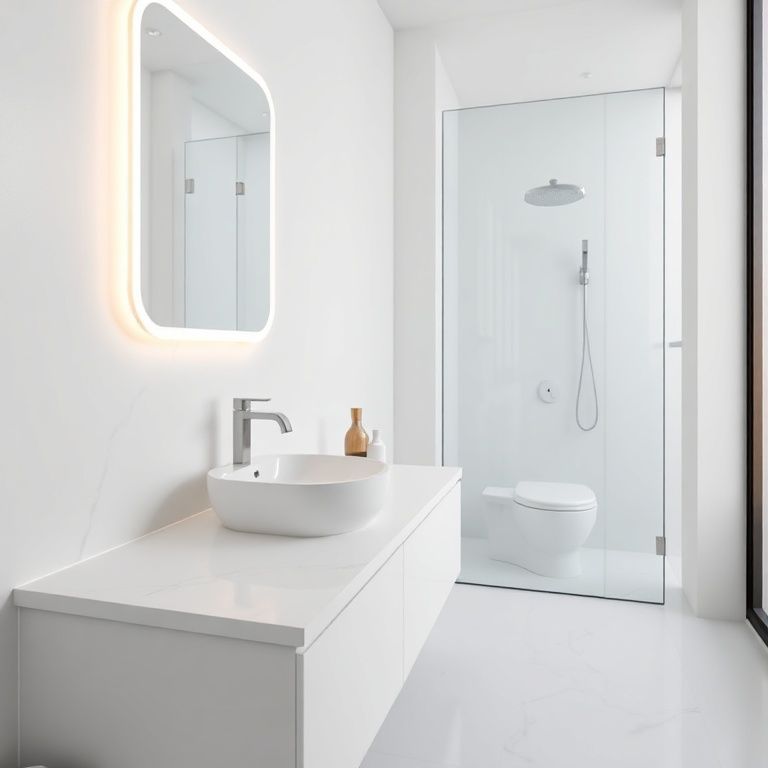
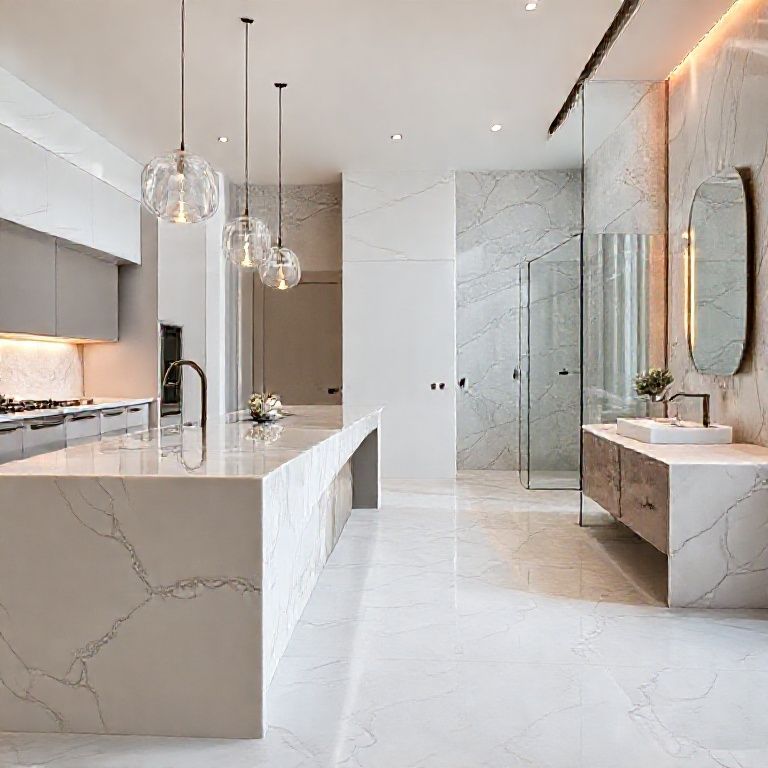
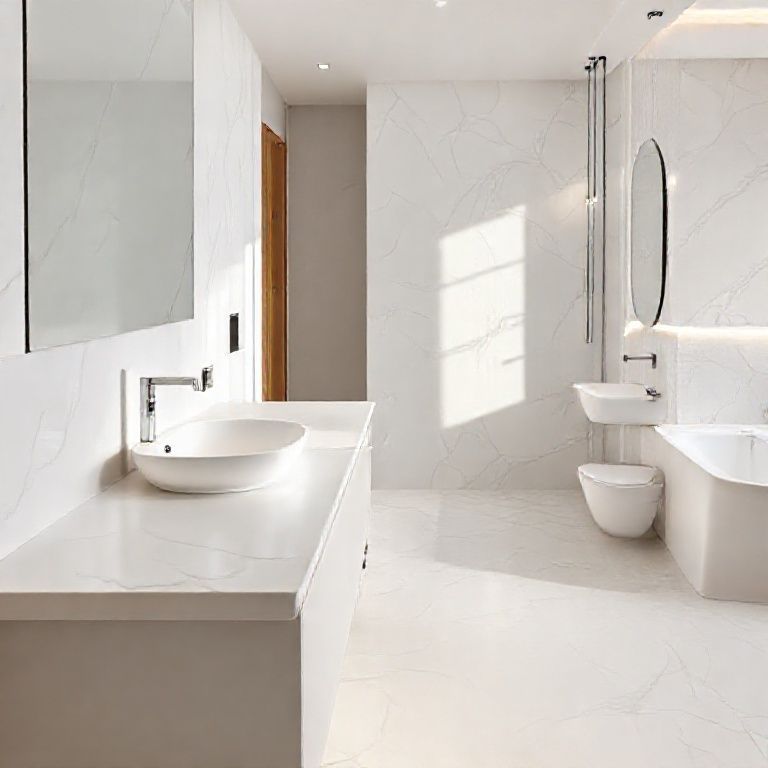
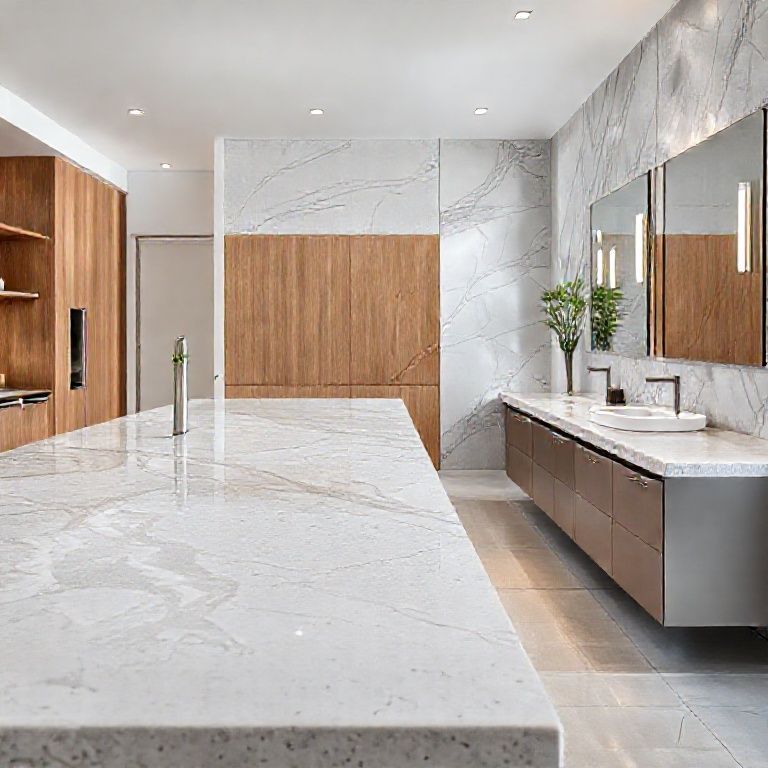
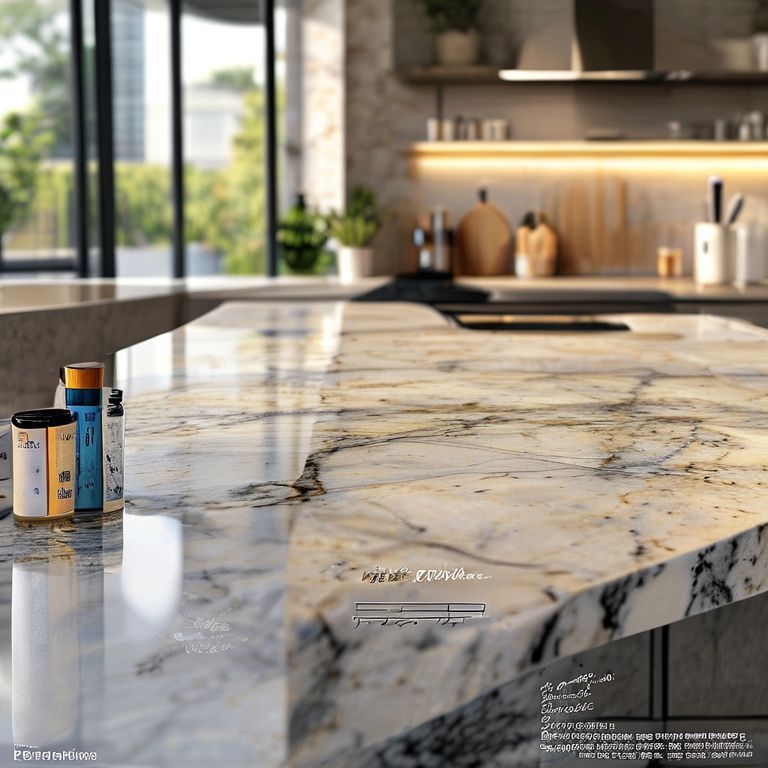
In the realm of high-end interior design, few materials exude the timeless elegance and sophistication of genuine marble. Known for its stunning natural patterns and versatility, marble has long been a preferred choice for architects, designers, and homeowners seeking to elevate their spaces. However, the allure of marble comes with a price, and understanding the true cost of genuine marble per square meter is essential for making informed decisions.

Factors Influencing Marble Prices
The cost of genuine marble can vary significantly based on several factors:
Quality and Type of Marble: Different types of marble possess unique characteristics that influence their cost. Marbles like Carrara, Travertine, and Bianco Statuario are renowned for their exquisite patterns and superior quality, thus commanding higher prices. The purity and uniformity of the stone, as well as its resistance to staining and scratching, are critical determinants of its value.
Color and Pattern: Marble comes in an array of colors and patterns, each with its own aesthetic appeal. While classic white marbles are timeless and versatile, more exotic colors and intricate patterns often come at a premium. Marbles with rare and unique patterns can be particularly expensive due to their rarity and the difficulty in sourcing them.
Thickness and Size: The thickness and size of the marble slabs also impact their cost. Thicker slabs require more material and labor to cut and install, thus increasing their price. Larger slabs, which reduce the number of cuts needed, often have a lower cost per square meter compared to smaller, more fragmented pieces.
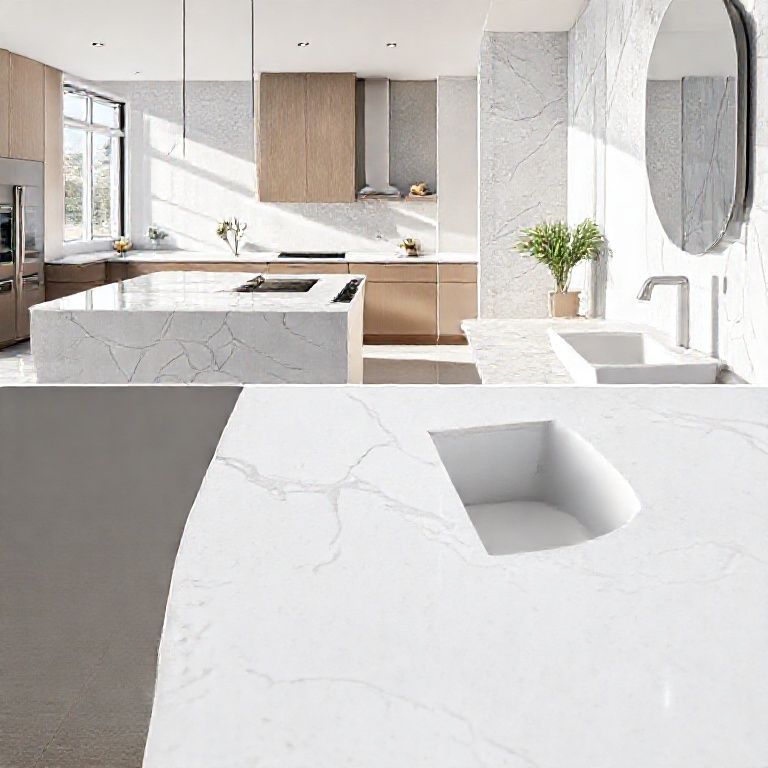
Geographical Source: Marble sourced from renowned quarries, such as those in Italy, Greece, or Turkey, tends to be more expensive due to the high demand and the meticulous craftsmanship involved in their extraction and processing.
Cutting and Polishing: The techniques used to cut and polish marble play a significant role in its final price. High-quality cuts and finishes, which enhance the marble’s natural beauty and durability, require skilled labor and advanced machinery, thereby driving up the cost.
Transport and Logistics: The distance the marble must be transported can also affect its cost. Marble is a heavy material, and transporting it over long distances incurs additional expenses that are factored into the final price.
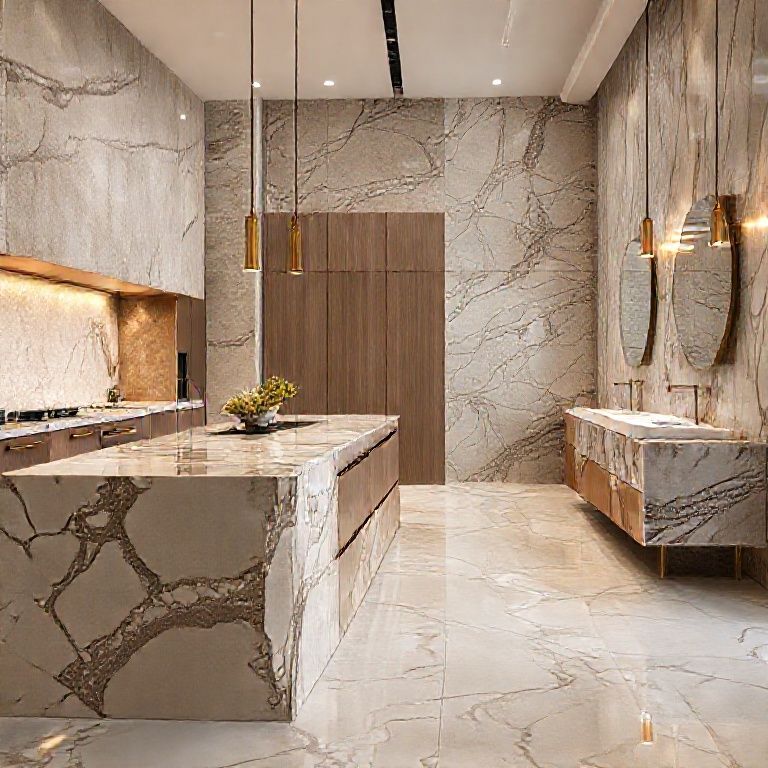
Popular Types of Genuine Marble
To provide a clearer picture of what influences the cost, let’s explore some of the most popular types of genuine marble and their typical price ranges per square meter:
Carrara Marble: Known for its pure white color and fine grain, Carrara marble is one of the most prestigious marbles globally. Prices for Carrara marble typically range from $100 to $300 per square meter, depending on the quality and size of the slabs.
Travertine Marble: Travertine is a unique type of limestone that has a marble-like appearance. It features a beautiful, natural pattern and comes in various colors, including cream, beige, and gray. Prices for travertine marble generally range from $50 to $150 per square meter.
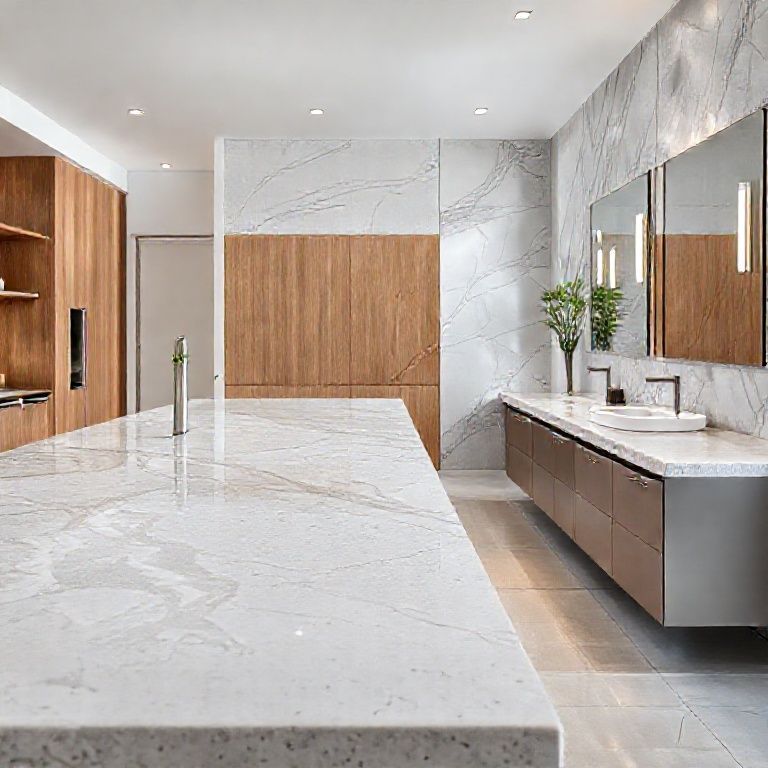
Bianco Statuario Marble: This marble is highly valued for its stunning white color and large, veined patterns. It is often used in high-end projects due to its luxurious appearance. Bianco Statuario marble prices typically range from $150 to $350 per square meter.
Emperor Marble: Known for its rich, dark colors and striking veining, Emperor marble is popular in contemporary and modern designs. Prices for Emperor marble usually range from $70 to $200 per square meter.
The Aesthetic and Functional Benefits of Genuine Marble
Beyond its price, genuine marble offers numerous aesthetic and functional benefits that make it a worthwhile investment for luxury interiors:
Timeless Elegance: Marble’s natural beauty and elegance are timeless, making it a perfect choice for both classic and modern designs. Its rich colors and intricate patterns add a touch of luxury and sophistication to any space.
Durability: Genuine marble is known for its durability and resilience. When properly installed and maintained, marble can last for decades, providing a long-lasting and enduring beauty.
Easy Maintenance: Marble is relatively easy to clean and maintain. Regular cleaning with a mild soap and water solution, followed by a marble-specific polish, can keep the stone looking pristine and vibrant.
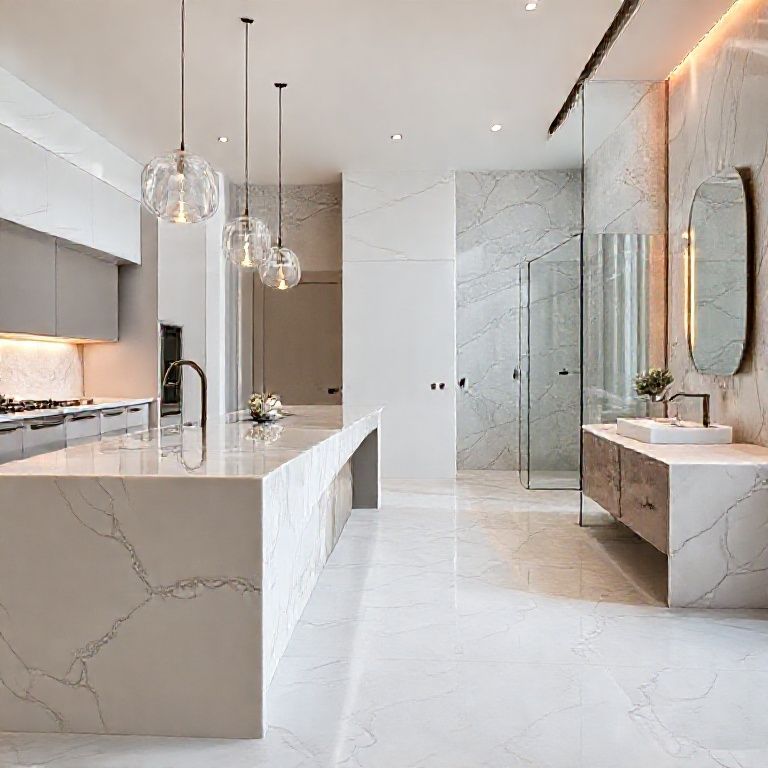
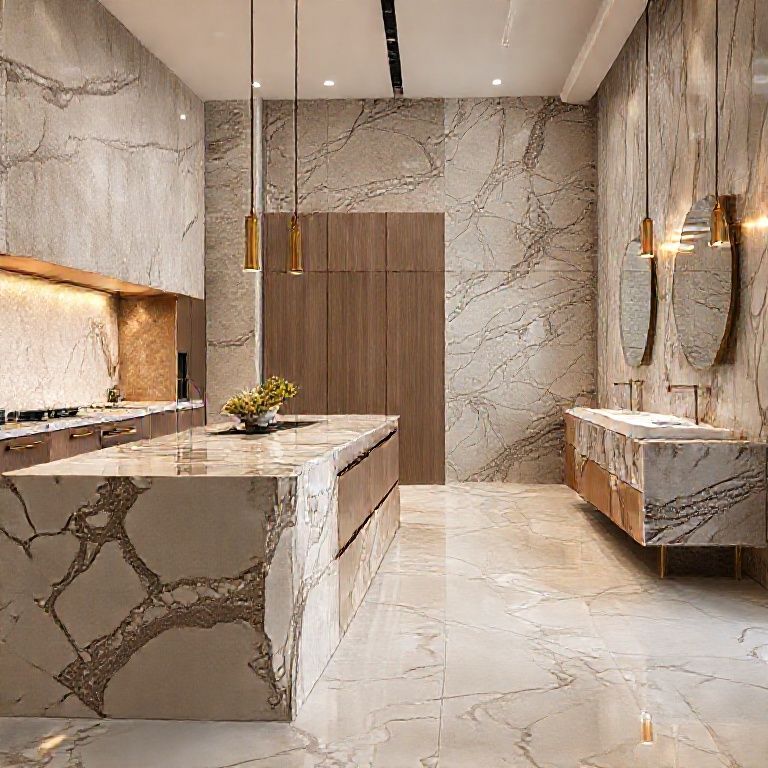
Versatility: Marble’s versatility allows it to be used in a wide range of applications, from flooring and countertops to wall cladding and decorative elements. Its adaptability makes it suitable for various interior design styles and settings.
Sustainability: Marble is a natural stone that is renewable and sustainable. Quarries around the world produce marble continuously, ensuring a steady supply for future projects.
Conclusion
Understanding the true cost of genuine marble per square meter involves considering various factors such as quality, type, color, and source. While genuine marble can be a significant investment, its timeless elegance, durability, and versatility make it a worthwhile choice for those looking to enhance their interior spaces with a touch of luxury. In the next part of this series, we will delve deeper into the installation process, maintenance tips, and the latest trends in marble usage for modern interiors.
In the previous part of our series, we explored the factors influencing the cost of genuine marble per square meter and highlighted the aesthetic and functional benefits of this luxurious material. In this second part, we will focus on the installation process, maintenance tips, and the latest trends in marble usage for modern interiors. We will also provide insights into budgeting for marble projects and choosing the right type of marble for your specific needs.
Marble Installation: Expert Tips and Techniques
Proper installation is crucial to ensure the longevity and beauty of marble in your interior design. Here are some expert tips and techniques for marble installation:
Professional Expertise: Always hire experienced professionals for marble installation. Skilled installers understand the nuances of different marble types and have the expertise to ensure a flawless finish.
Preparation and Planning: Proper preparation and planning are essential before installation. This includes cleaning the surface, ensuring it is level and free of any imperfections, and selecting the appropriate adhesive and grout for the marble type.
Cutting and Fitting: Precise cutting and fitting of marble slabs are critical to ensure a seamless look. Use high-quality saws and tools to achieve clean cuts and fit the pieces accurately.
Grouting and Sealing: After installation, grouting the joints and sealing the marble will protect it from stains and moisture. Use high-quality grout and sealer that are suitable for the specific type of marble.
Finishing Touches: Pay attention to the finishing touches, such as polishing and sealing, to enhance the marble’s natural beauty and durability.
Maintenance Tips for Genuine Marble
Maintaining marble requires careful attention to ensure its beauty and longevity. Here are some essential maintenance tips:
Regular Cleaning: Clean marble regularly with a mild soap and water solution. Avoid using abrasive cleaners or sponges that can scratch the surface.
Avoid Acidic Substances: Keep acidic substances, such as vinegar and citrus juices, away from marble surfaces. These can cause staining and etching over time.
Immediate Cleaning of Spills: Clean up spills immediately to prevent staining. Use a soft cloth or paper towel to blot up spills gently.
Use Marble-Specific Products: Use products specifically designed for marble maintenance, such as marble cleaners and polishes. These products are formulated to enhance the marble’s natural beauty without causing damage.
Regular Sealing: Reseal the marble periodically to maintain its protective barrier against stains and moisture. Follow the manufacturer’s instructions for the best results.
Latest Trends in Marble Usage for Modern Interiors
Marble continues to be a popular choice in modern interior design due to its timeless elegance and versatility. Here are some of the latest trends in marble usage:
Sustainable and Ethical Marble: With a growing emphasis on sustainability, many designers are opting for marble that is sourced ethically and sustainably. Look for marble that is harvested from responsible quarries and has a minimal environmental impact.
Custom and Unique Patterns: Custom marble with unique and intricate patterns is gaining popularity. Designers are creating bespoke marble pieces that showcase the natural beauty of the stone in innovative ways.
Marble in Contemporary Design: Marble is being integrated into contemporary design in creative and unexpected ways. From sleek marble countertops to marble-clad furniture, the possibilities are endless.
Multi-Functional Spaces: In modern homes, marble is being used在多功能空间中,大理石的使用不仅能够提升整体美感,还能提供实用性。例如,在现代厨房中,大理石台面不仅耐污损,而且易于清洁,使其成为厨房设计的热门选择。
大理石在办公室、餐厅和酒店等商业空间中,能够带来高档、专业的氛围,增加客户的满意度。
如何有效预算大理石
预算规划: 在决定使用大理石之前,需要对项目进行详细的预算规划。了解大理石的价格区间,并考虑到安装费用、可能的修复费用等。
选择合适的大理石: 根据预算选择合适的大理石类型。有些大理石如卡拉拉石灰岩虽然极其漂亮,但价格也相对较高。而一些较为平民化的大理石如玛瑙,也可以满足中低预算的需求。
局部使用: 如果预算有限,可以考虑局部使用大理石,例如只在厨房台面或浴室台面上使用,而不是整个空间。
二手市场: 考虑购买二手大理石,这是一种节省成本的方法,特别是对于一些老式建筑或者旧家具。
安装与维护
专业安装: 确保大理石由专业人员安装,这样可以保证其耐用性和美观性。不当的安装可能会导致未来的裂缝或者其他问题。
定期维护: 大理石虽然耐用,但仍需要定期维护。使用适当的清洁产品,并避免使用强酸、强碱等可能损害大理石的物质。
护理小贴士:
避免放置尖锐物品于大理石上,以防划伤。 使用不锈钢或木制餐具,避免使用铁制或其他可能导致划痕的物品。 定期检查大理石表面是否有污渍,及时清理。
通过合理的预算规划、选择合适的大理石以及专业的安装和维护,您可以在家庭或商业空间中有效地使用大理石,同时保持其美观和耐用性。