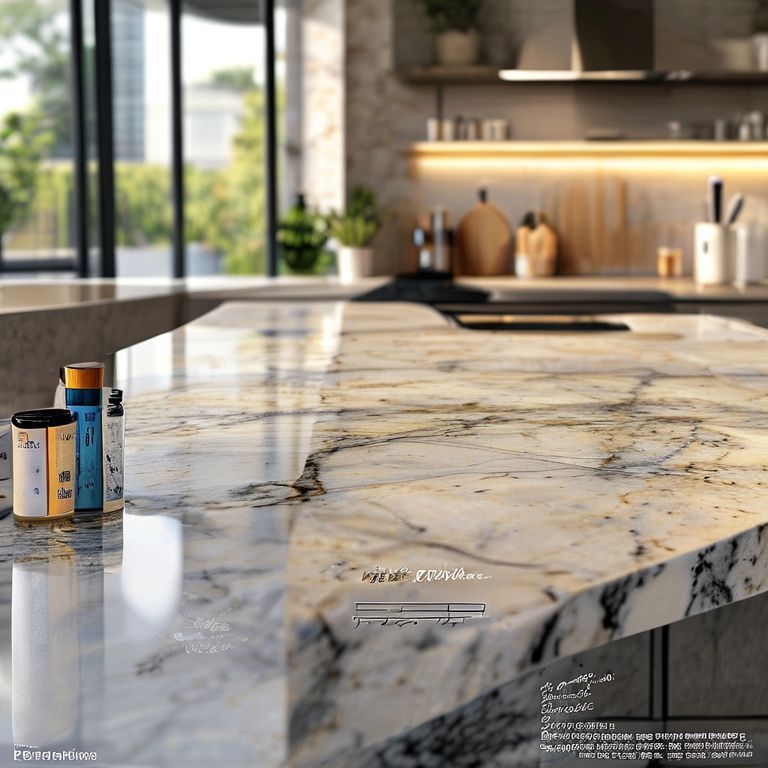
Dive deep into the world of marble with our comprehensive guide that breaks down the cost of marble per square meter. From understanding different marble types to the factors influencing prices, this article aims to provide you with all the information you need to make an informed decision.

marble cost, marble price per square meter, marble types, marble installation, marble maintenance, marble benefits, marble trends, luxury flooring, high-end decor
Unveiling the True Cost of Marble per Square Meter: A Comprehensive Guide
Marble, a timeless material renowned for its elegance and durability, is a popular choice for high-end interior and exterior decor. Whether you’re planning to renovate your home or designing a commercial space, understanding the cost of marble per square meter is crucial. In this part of our guide, we’ll explore various factors that influence marble prices, the different types available, and how to get the best value for your investment.
Factors Influencing Marble Prices
When it comes to marble, there are several factors that can significantly impact its cost per square meter:
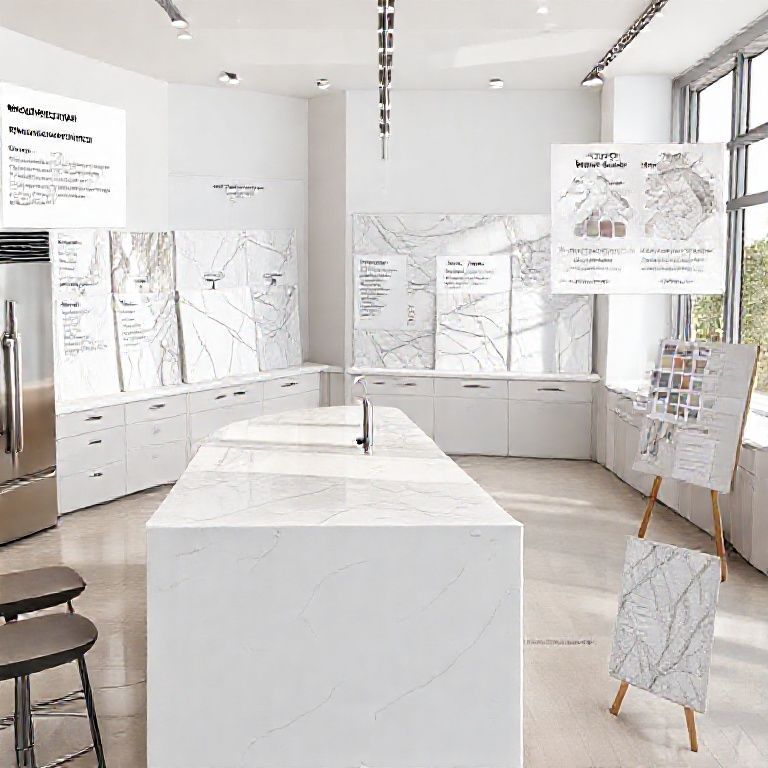
Quality and Source: The quality and origin of the marble play a pivotal role in its price. Marble sourced from renowned regions like Italy, India, and Turkey tends to be more expensive due to its superior quality and historical significance. High-quality marble that is rich in veins and colors commands a higher price.
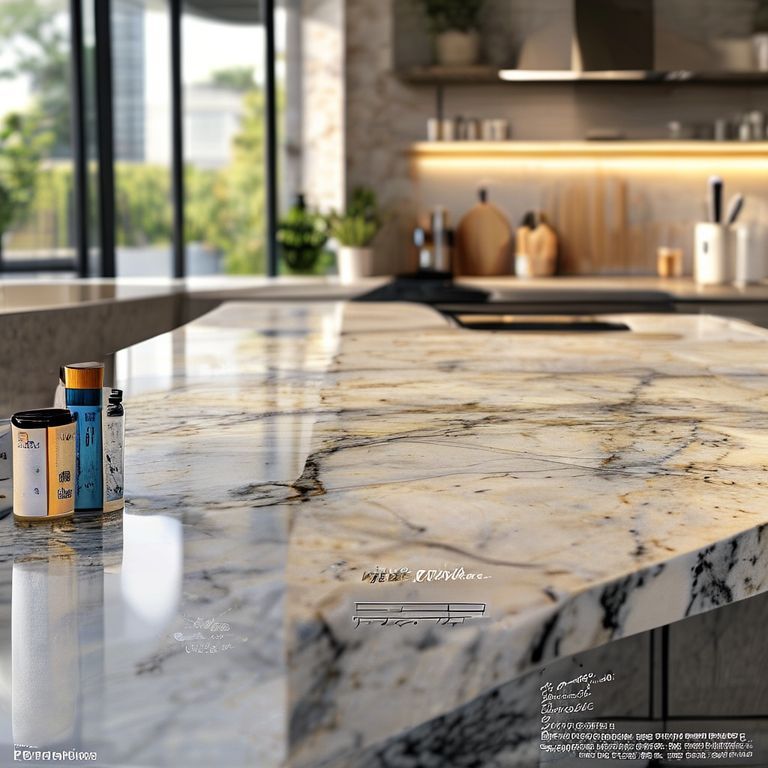
Color and Veining: Marble comes in a wide array of colors and veining patterns, and these visual attributes contribute to its cost. Marble with unique, intricate veining and rich colors tends to be more expensive than those with more uniform patterns.
Polishing and Finishing: The level of polishing and finishing also affects the cost. Marble that undergoes high-quality polishing and finishes like honed, brushed, or flamed will typically cost more than those with a basic finish.
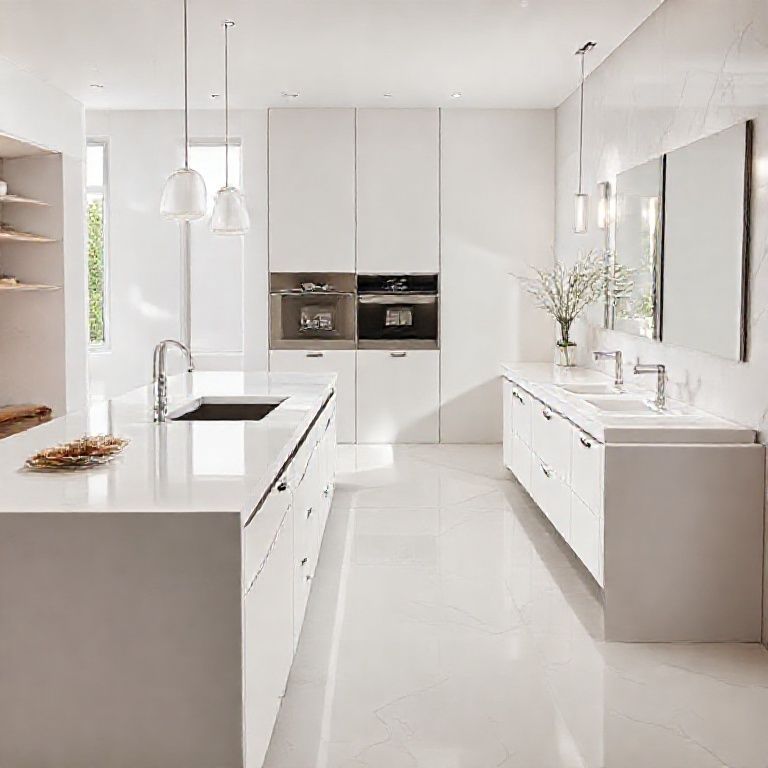
Installation and Labor Costs: The complexity of the installation process can also affect the overall cost. Marble installations that require intricate designs or additional labor might incur higher costs.
Transportation: Depending on the distance from the quarry to the installation site, transportation costs can add to the overall price. Marble transported long distances usually incurs higher costs.
Types of Marble
Marble is available in numerous varieties, each with its unique characteristics, benefits, and price range. Here are some popular types:
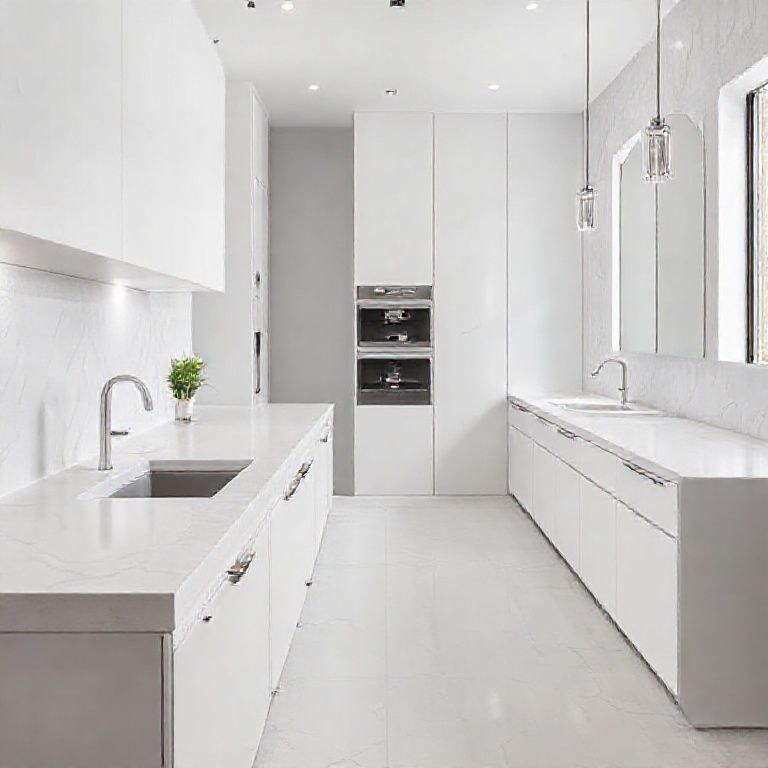
Italian Marble: Renowned for its classic beauty, Italian marble like Botticino, Carrara, and Trevira is highly sought after for its rich colors and intricate veining. Prices for Italian marble range from $15 to $40 per square meter.
Indian Marble: India is home to some of the finest marble quarries in the world. Marbles like Rajasthani, Makrana, and Chuna Lathi are known for their unique hues and patterns. Prices generally range from $10 to $30 per square meter.
Turkish Marble: Turkish marble, including varieties like Selcuk and Afshar, is celebrated for its fine-grained texture and rich colors. Prices typically range from $10 to $35 per square meter.
Chinese Marble: China offers marble varieties like Hengshan and Xiangshan, known for their durability and vibrant colors. Prices can range from $8 to $25 per square meter.
Benefits of Marble
Marble offers several benefits that make it a popular choice for both residential and commercial spaces:
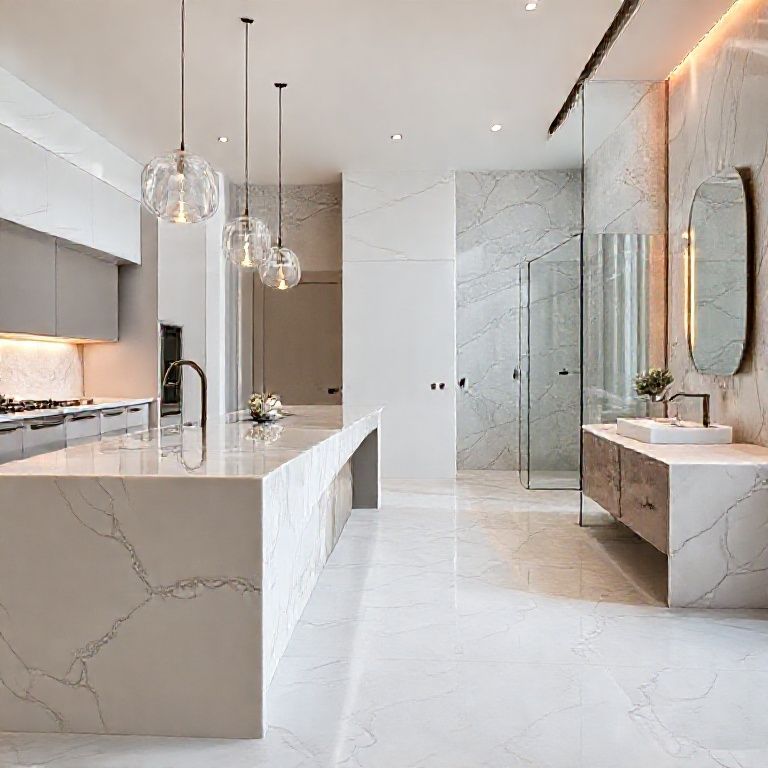
Elegance and Luxury: Marble’s timeless beauty adds a touch of elegance and luxury to any space. Its natural beauty and high-end appearance make it a perfect choice for upscale interiors.
Durability: High-quality marble is incredibly durable and can withstand heavy use without showing signs of wear. Its natural hardness makes it resistant to scratches and stains.
Easy Maintenance: Marble is relatively easy to clean and maintain. Regular cleaning with a mild soap solution and a soft cloth can keep its natural beauty intact.
Versatility: Marble can be used in various applications, including flooring, countertops, wall cladding, and decorative elements, making it incredibly versatile.
Making the Right Choice
When selecting marble for your project, consider the following tips to ensure you get the best value for your investment:
Set a Budget: Determine your budget before you start looking at different marble types. This will help you narrow down your options and avoid overspending.
Research: Invest time in researching different marble types, their prices, and reviews. This will give you a better understanding of what you can expect in terms of quality and cost.
Consult Experts: Consulting with professionals who specialize in marble installation can provide valuable insights and help you make an informed decision.
Check for Certifications: Ensure that the marble you choose is sourced from certified quarries to guarantee its quality and authenticity.
In the next part of our guide, we will delve deeper into the installation process, maintenance tips, and the latest trends in marble usage, ensuring you have all the information needed to make an enlightened choice.
Unveiling the True Cost of Marble per Square Meter: A Comprehensive Guide (Continued)
Continuing from where we left off, this part of our guide will explore the installation process, maintenance tips, and the latest trends in marble usage. We will also provide you with more detailed insights into the cost of marble per square meter to help you make an informed decision.
The Installation Process
Marble installation requires precision and expertise to achieve the best results. Here’s a detailed look at the installation process:
Preparation: The first step involves preparing the surface where the marble will be installed. This includes cleaning the area thoroughly and ensuring that the surface is level and free of any imperfections.
Laying Out the Marble: Before starting the installation, a layout of the marble tiles or slabs is done to ensure a symmetrical and aesthetically pleasing design. This step helps in identifying any issues early on.
Cutting and Fitting: Marble is cut to fit the space accurately using specialized tools. Precision is crucial to ensure that the pieces fit together seamlessly without gaps.
Adhesive Application: A high-quality adhesive is applied to the surface to which the marble will be fixed. The adhesive should be spread evenly to ensure a strong bond.
Placing the Marble: The marble pieces are placed carefully on the adhesive, starting from one corner and working your way across. Proper alignment is essential to achieve a uniform look.
Grouting: Once the marble is fixed in place, gaps between the pieces are filled with grout. The grout is then smoothed and polished to blend seamlessly with the marble.
Sealing: To protect the marble and extend its lifespan, a sealant is applied. Sealants not only enhance the appearance but also provide a protective layer against stains and moisture.
Maintenance Tips
Proper maintenance of marble ensures its longevity and maintains its pristine appearance. Here are some essential tips:
Regular Cleaning: Marble should be cleaned regularly using a soft, damp cloth and a mild soap solution. Avoid using harsh chemicals that can damage the marble surface.
Avoiding Abrasive Cleaners: Using abrasive cleaners or scrubbers can scratch the marble. Opt for non-abrasive cleaning tools to keep the surface intact.
Immediate Stain Treatment: Any spills or stains should be treated immediately. Use a marble cleaner or a solution of vinegar and water to wipe away the stain promptly.
Sealing Regularly: Depending on the usage and exposure, marble should be resealed periodically. A good rule of thumb is to reseal every 1-2 years to maintain its protective layer.
Latest Trends in Marble Usage
Marble continues to be a popular choice in interior and exterior design due to its timeless appeal and versatility. Here are some of the latest trends in marble usage:
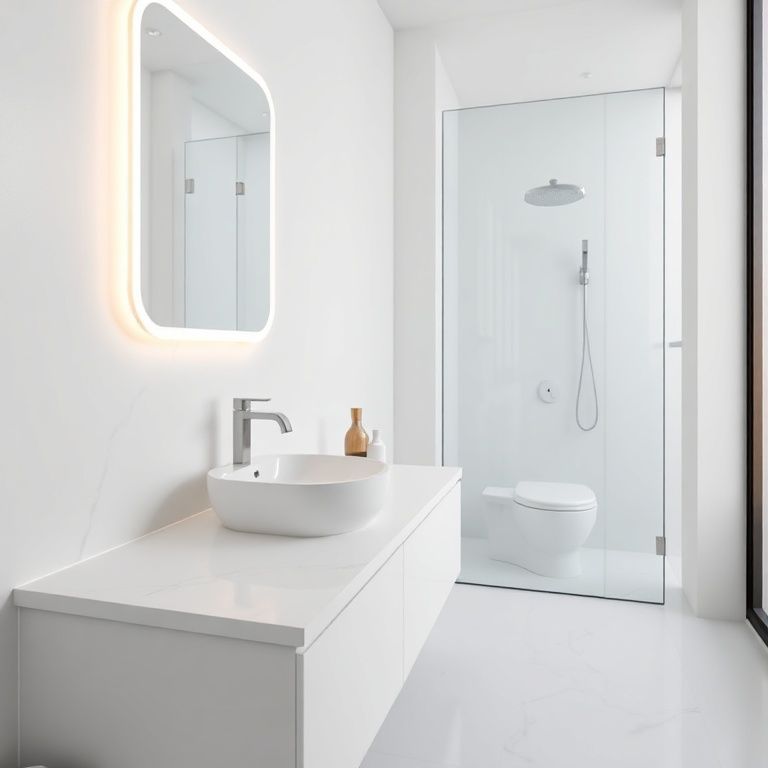
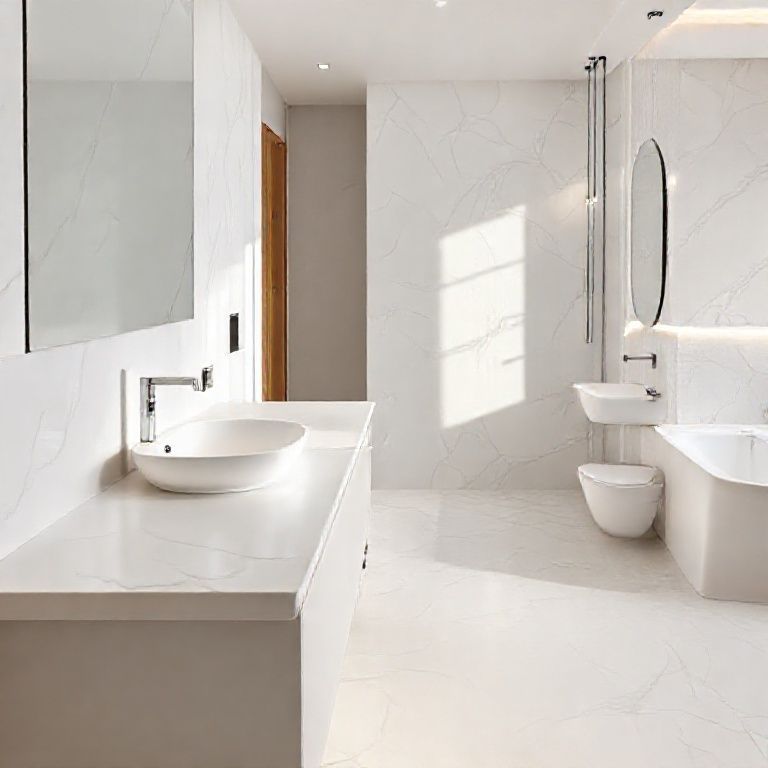
Minimalist Designs: In recent years, minimalist designs have gained popularity. Simple, clean lines with monochromatic marble slabs or tiles are favored for their modern and sleek look.
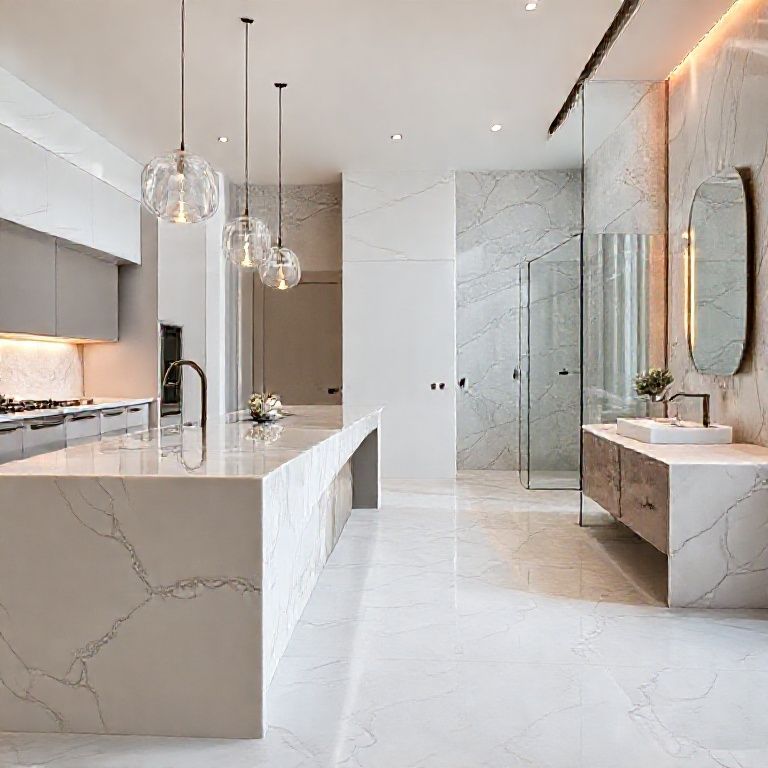
Natural Patterns: There is a growing appreciation for the natural beauty of marble. Designs that highlight the unique patterns and colors of the marble are in vogue.
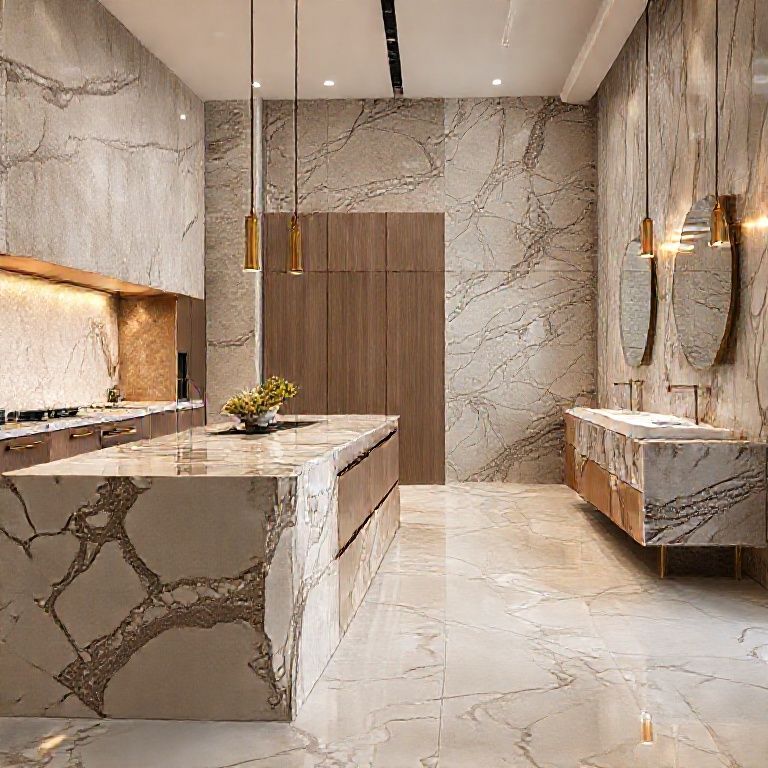
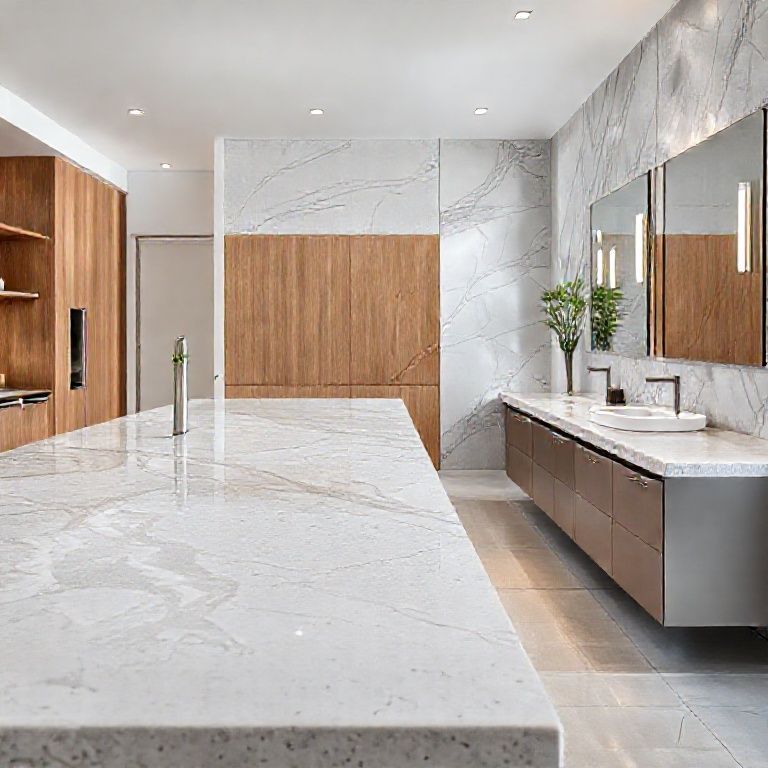
Mixed Materials: Combining marble with other materials like wood, metal, or glass is a popular trend. This creates a unique texture and visual contrast that adds depth to the design.
Sustainable Marble: With a growing emphasis on sustainability, there is an increased use of recycled marble and eco-friendly installations. This trend is gaining traction among environmentally conscious designers and homeowners.
Customization: Custom marble designs tailored to individual preferences are becoming more common. From unique veining to bespoke patterns, customization offers endless possibilities.
Cost Considerations
Understanding the cost of marble per square meter is crucial for budgeting your project. Here’s a more detailed breakdown:
Basic Costs: Basic marble installations, including common types and simple designs, can range from $8 to $25 per square meter.
Premium Costs: High-end marble like Italian Botticino or Turkish Selcuk can cost between $15 and $40 per square meter. These prices reflect their superior quality and intricate veining.
Complex Installations: Installations that involve intricate designs, custom cuts, or additional labor can add to the cost. These projects might range from $20 to $50 per square meter or more.
大理石的应用领域
建筑与室内设计: 地板和墙面:大理石常用于高端建筑和室内设计中的地板和墙面,因其美观和耐用性而受到欢迎。 家具:高端家具,如餐桌、茶几和书柜,常用大理石制作台面和其他精细部位。 浴室和厨房:大理石台面和洗手盆在浴室和厨房中广泛应用,因其易于清洁和持久耐用而备受青睐。
商业建筑: 办公室:高档办公楼和商业大楼常用大理石装饰,以提升整体的档次和吸引客户。 商场和零售店:大理石用于地板、橱窗和其他展示区域,以提升购物体验和品牌形象。 公共设施: 机场、火车站和地铁站:大理石经常用于这些公共设施的地板和墙面,因其耐用性和美观性。
博物馆和图书馆:大理石常用于展示区和其他需要高耐用性的区域。 装饰艺术: 雕塑和雕刻:大理石因其雕刻性能好,历来是雕塑艺术的主要材料。著名的例子包括米开朗基罗的《大卫》和《最后的审判》。 壁炉和壁饰:大理石常用于壁炉和壁饰,增添庄重和高雅的气息。
大理石的优点和缺点
优点:
美观:大理石具有独特的天然纹理和色彩,赋予空间高雅和奢华的感觉。 耐用性:经过精心处理后,大理石表面能够形成一层保护膜,使其具有很高的耐磨性和耐污性。 易于维护:大理石表面光滑,不易沾染污渍,只需用温水和中性清洁剂即可清洁。
缺点:
易碎:虽然大理石耐用,但它也是一种脆性材料,容易在受到强烈冲击时破裂。 需要定期维护:虽然大理石表面易于清洁,但需要定期密封处理,以防止污渍和磨损。 成本高:高品质的大理石及其安装费用较高,这可能会增加项目的总成本。
大理石的选择和购买
在选择和购买大理石时,需要考虑以下几个因素:
品质:选择经过专业认证的大理石,以确保其质量和耐用性。 颜色和纹理:根据设计风格选择适合的颜色和纹理,确保与整体设计协调。 供应商和价格:选择信誉良好的供应商,并比较不同供应商的价格,以获得最佳性价比。 安装:选择专业的安装团队,以确保大理石的正确安装和长期使用。
大理石因其独特的美感和优异的性能,在建筑和装饰领域占据重要地位。了解其特点和维护方法,能够帮助您在选择和使用大理石时做出更明智的决定。