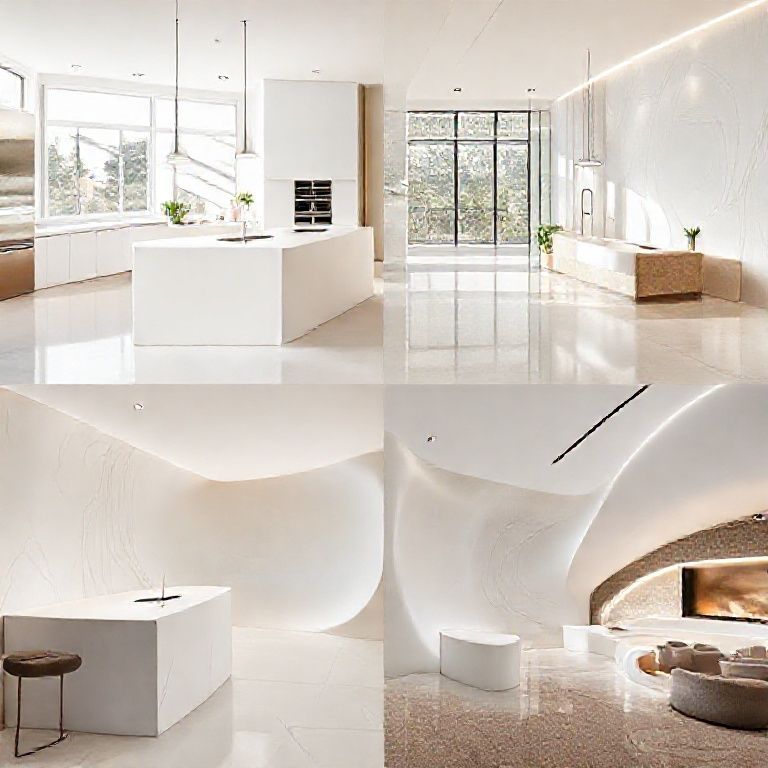
The Intricacies and True Value of Marble Stone Materials Per Square Meter
In the world of luxury and elegance, few materials stand out as profoundly as marble. This timeless stone has been a cornerstone in the world of interior and exterior design for centuries, known for its exquisite beauty and durability. However, when it comes to marble stone materials, understanding the cost per square meter is crucial for making informed decisions.

Understanding the Basics: What is Marble?
Marble is a metamorphic rock that is formed from the transformation of limestone due to high pressure and temperature. This process imparts a unique crystalline structure to the stone, giving it its characteristic beauty and durability. Marble is celebrated for its natural veining, smooth finish, and high polish, which make it a favorite in both residential and commercial spaces.
Factors Influencing Marble Stone Cost Per Square Meter
The price of marble stone per square meter can vary significantly based on several factors. Understanding these can help you navigate the complex pricing landscape of marble materials.
Type of Marble
The type of marble plays a significant role in its cost. Marble comes in a wide variety of colors, patterns, and textures, each with its own unique appeal. Here are some of the popular types:
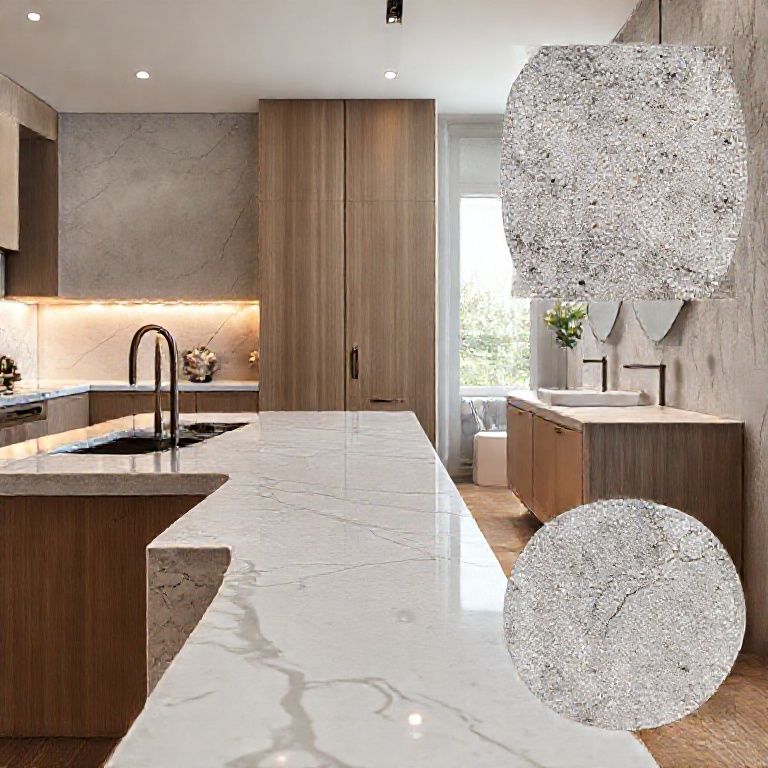
Italian Marble: Known for its high quality and stunning appearance, Italian marble such as Carrara and Botticino is often the most expensive due to its refined look and extensive use in high-end projects.
Indian Marble: India is one of the largest producers of marble, offering a range of colors and patterns. Marbles like Makrana and Rajasthani marble are popular due to their affordability and beauty.
Turkish Marble: Turkish marble is renowned for its durability and unique veining patterns. Varieties such as Zeliha and Akcansa are popular choices.
Quality and Grade
The quality and grade of marble also impact its cost. Higher-grade marble features fewer inclusions and a more uniform color, making it more desirable and pricier. The quality of marble can be assessed based on its texture, color consistency, and overall appearance.
Thickness and Size
The thickness and size of marble slabs or tiles can affect pricing. Thicker marble slabs tend to be more durable and offer a more substantial appearance but come at a higher cost. Similarly, larger slabs or tiles are often more expensive due to the higher material and labor costs involved in cutting and installation.
Processing and Polishing
The way marble is processed and polished also influences its cost. High-quality marble that undergoes meticulous cutting, polishing, and finishing processes will naturally cost more. Polished marble, which has been given a high shine finish, is generally more expensive than non-polished marble.
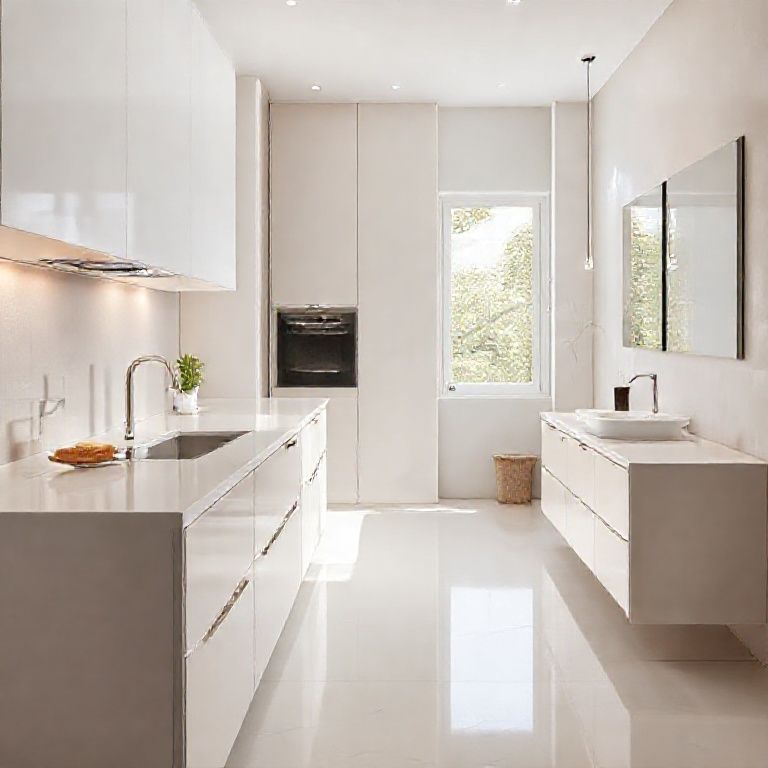
Geographical Location
The cost of marble can vary depending on its geographical location. Marble sourced from traditional and renowned regions like Italy, India, or Turkey might have a higher transportation cost, which can influence the final price. Additionally, local availability and demand can affect pricing.
Applications of Marble Stone Materials
Marble’s versatility makes it suitable for a wide range of applications. Here are some of the most common uses:
Interior Design
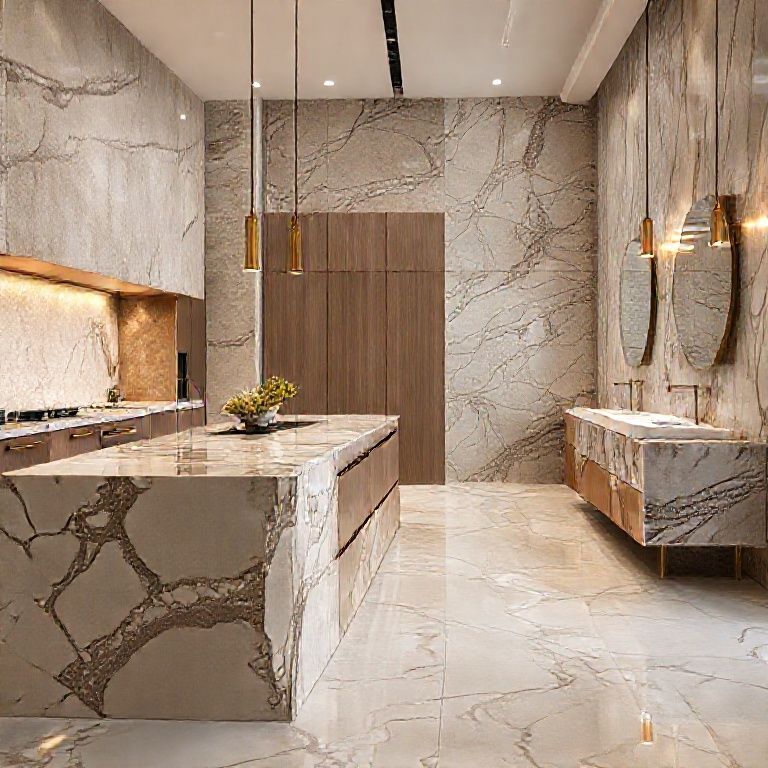
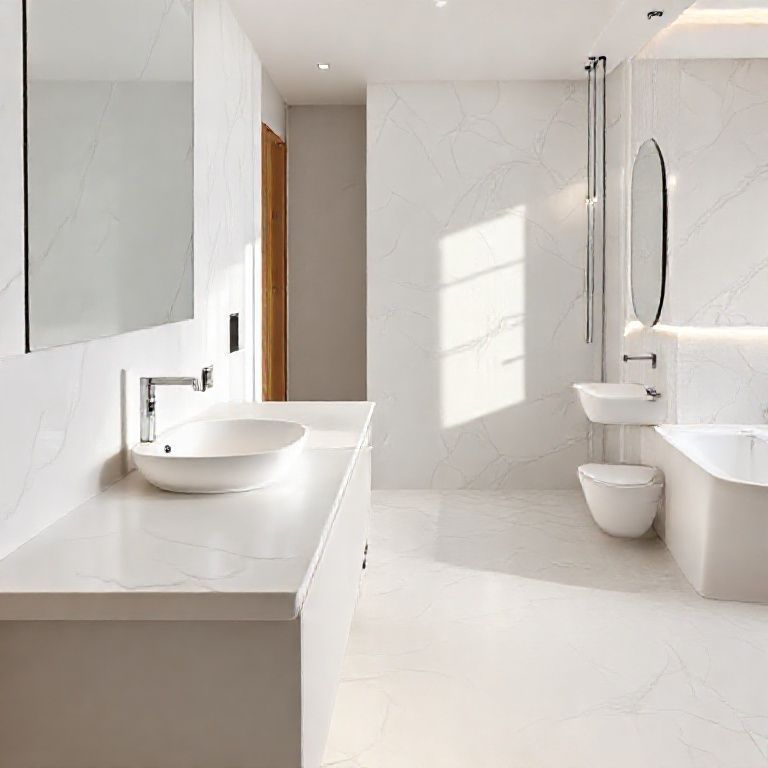
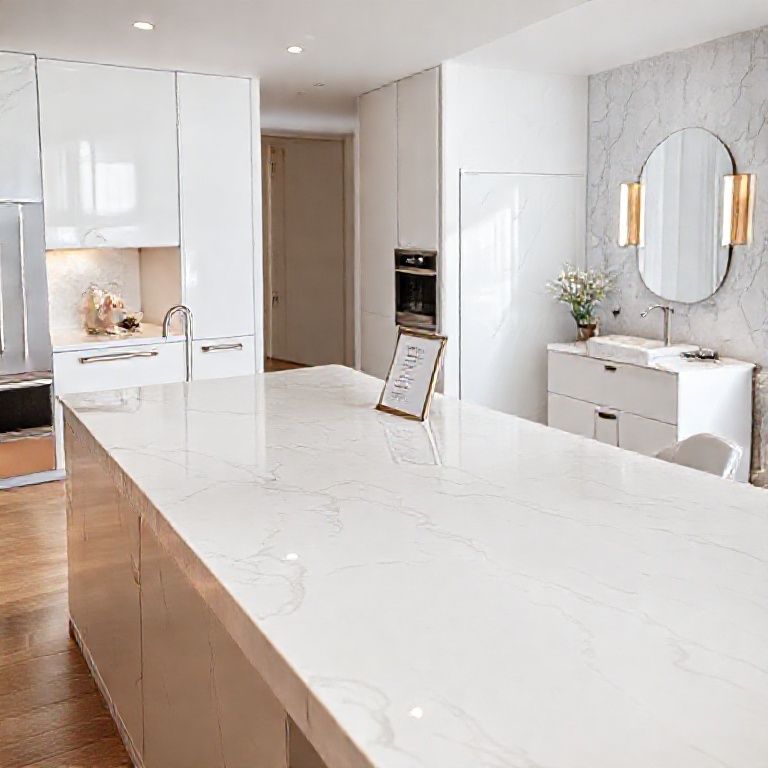
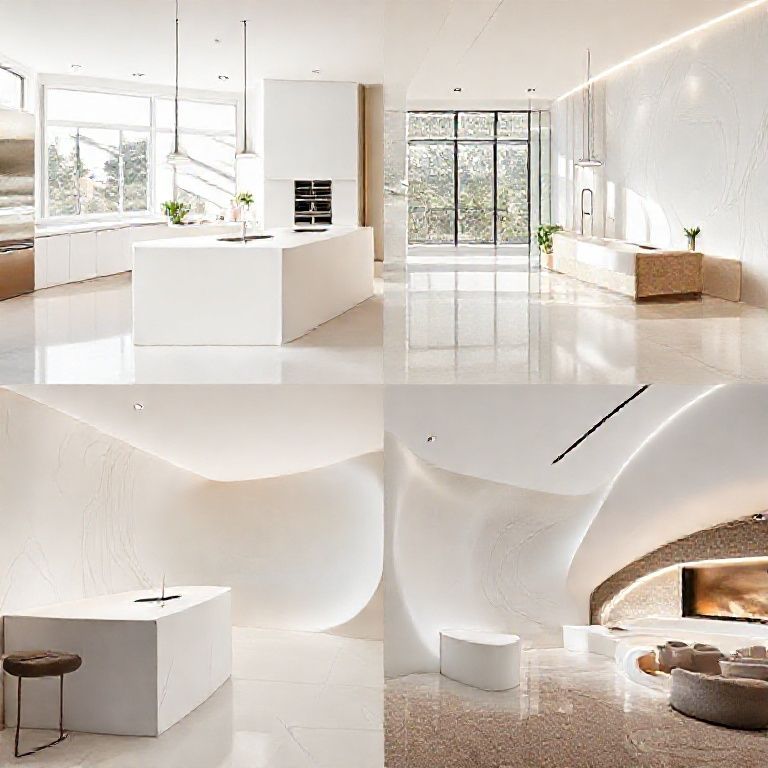
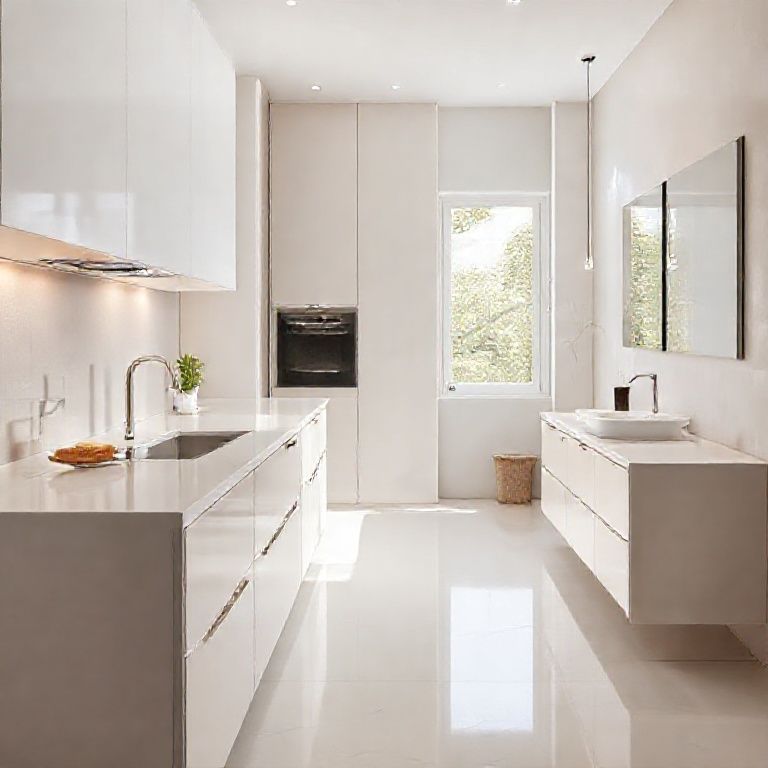
Marble is a popular choice for interior design due to its elegance and durability. It is commonly used for flooring, countertops, walls, and decorative features. Marble’s natural beauty adds a touch of luxury and sophistication to any space.
Exterior Design
Marble is also widely used in exterior designs, particularly for facades, columns, and fountains. Its durability and aesthetic appeal make it an excellent choice for outdoor structures that can withstand weather conditions.
Furniture
High-end furniture manufacturers often use marble for tabletops, benchtops, and decorative elements. The stone’s unique appearance and durability make it a premium choice for furniture.
Monuments and Statues
Marble’s timeless beauty and workability have made it a preferred material for sculptures, statues, and monuments. Its ability to be finely carved and polished allows for intricate designs and detailed craftsmanship.
Conclusion
Understanding the cost of marble stone per square meter involves considering several factors, including the type, quality, thickness, processing, and geographical location. Marble’s versatility and timeless appeal make it a valuable choice for both interior and exterior design, offering a blend of luxury, elegance, and durability. By comprehending these nuances, you can make informed decisions that align with your design vision and budget.
Stay tuned for the second part of our guide, where we will delve deeper into specific marble types, their unique characteristics, and the best practices for selecting and maintaining marble stone materials.
Exploring Specific Marble Types and Best Practices for Marble Stone Materials
In the previous section, we explored the basics of marble stone materials and the factors influencing their cost per square meter. Now, let’s delve deeper into specific types of marble, their unique characteristics, and the best practices for selecting and maintaining these luxurious materials.
Detailed Look at Specific Marble Types
Each type of marble has its own unique set of characteristics that make it ideal for different applications. Here’s a detailed look at some of the most popular marble types:
Carrara Marble Origin: Italy Characteristics: Known for its pure white color and fine grain, Carrara marble is highly valued for its beauty and polishability. It is often used in high-end interior and exterior designs. Applications: Carrara marble is commonly used for countertops, flooring, and sculptures due to its fine texture and easy workability. Botticino Marble Origin: Italy Characteristics: Botticino marble is similar to Carrara but slightly less refined. It features a creamy white color with subtle gray and green veins. Applications: This type of marble is popular for flooring, walls, and decorative elements in both residential and commercial spaces. Makrana Marble Origin: India Characteristics: Makrana marble is known for its unique veining patterns, which include shades of green, black, and grey. It is highly durable and offers a natural, earthy appeal. Applications: Makrana marble is widely used for flooring, countertops, and exterior designs due to its durability and aesthetic appeal. Rajasthan Marble Origin: India Characteristics: Rajasthan marble is characterized by its intricate veining and unique color palette, including shades of pink, grey, and green. Applications: This marble is commonly used for flooring, walls, and decorative features in both traditional and modern designs. Travertine Marble Origin: Various regions, including Italy and Turkey Characteristics: Travertine marble features a natural, honeycomb-like pattern and comes in various colors, including cream, beige, and grey. Applications: Travertine is popular for flooring, countertops, and decorative elements due to its unique texture and natural beauty.
Best Practices for Selecting Marble Stone Materials
Choosing the right type of marble for your project requires careful consideration of several factors. Here are some best practices to guide you:
Define Your Design Vision
Before selecting a marble type, clearly define your design vision. Consider the overall aesthetic you want to achieve and the specific features you want to highlight. This will help you choose a marble that complements your vision.
Consider Durability and Maintenance
Different marble types have varying levels of durability and maintenance requirements. For high-traffic areas, opt for more durable marble types. Regular maintenance, such as sealing and cleaning, is essential to preserve the beauty and longevity of marble surfaces.
Evaluate Cost and Budget
While marble offers unmatched beauty, it can also come with a significant price tag. Assess your budget and consider the cost per square meter of different marble types. Balance quality with affordability to achieve the best value for your project.
Sample and Visualize
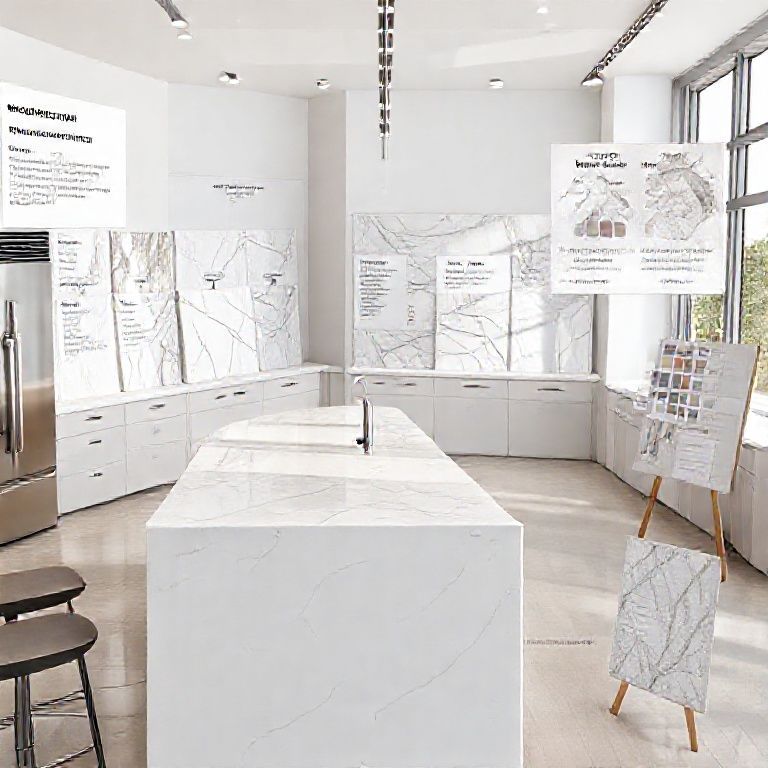
Whenever possible, view samples of marble in person and visualize how they will look in your space. This can help you make a more informed decision and ensure that the chosen marble aligns with your design goals.
Consult with Professionals
Working with professionals, such as architects and interior designers, can provide valuable insights and recommendations. They can guide you in selecting the right type of marble and help you understand the best practices for installation and maintenance.
Maintenance and Care of Marble Stone Materials
Proper maintenance is crucial to preserving the beauty and longevity of marble surfaces. Here are some best practices for caring for marble:
Regular Cleaning
Marble should be cleaned regularly to remove dirt and stains. Use a soft, dry cloth to wipe surfaces gently. For tougher stains, use a mild, pH-neutral cleaner specifically designed for marble.
Avoid Acidic Products
Acidic products, such as vinegar and citrus-based cleaners, can etch and damage marble. Avoid using these products on marble surfaces.
Sealing
Sealing marble surfaces can protect them from stains and spills. Use a high-quality, pH-neutral继续保护和维护大理石材料的最佳实践包括以下几点:
使用适当的护理用品
使用专为大理石设计的清洁和护理产品。这些产品通常是pH中性的,可以有效清洁而不会对大理石表面造成损害。
避免放置重物
在大理石表面放置重物会导致压痕和裂缝。在大理石桌面、柜台或其他表面上放置重物时,建议使用护垫或垫片。
及时处理溢出和泼洒物
大理石对于液体有较高的敏感性,液体溢出或泼洒应及时清理,否则可能导致污渍和颜色变化。使用干布迅速擦拭干净,然后用湿布再次擦拭。
定期检查和维护
定期检查大理石表面的状况,及时修复任何微小的裂缝或损伤。这可以延长大理石的使用寿命并保持其美观。
总结
大理石是一种极具价值和美观的建筑和装饰材料。了解其成分、价格因素以及正确的维护方法,可以帮助您在选择和使用大理石时做出明智的决策。无论您是在装修家居还是商业空间,大理石都能为环境增添一份高雅和永恒的魅力。
如果您有关于大理石的更多问题或需要进一步的建议,欢迎继续提问。希望这些信息对您有所帮助!