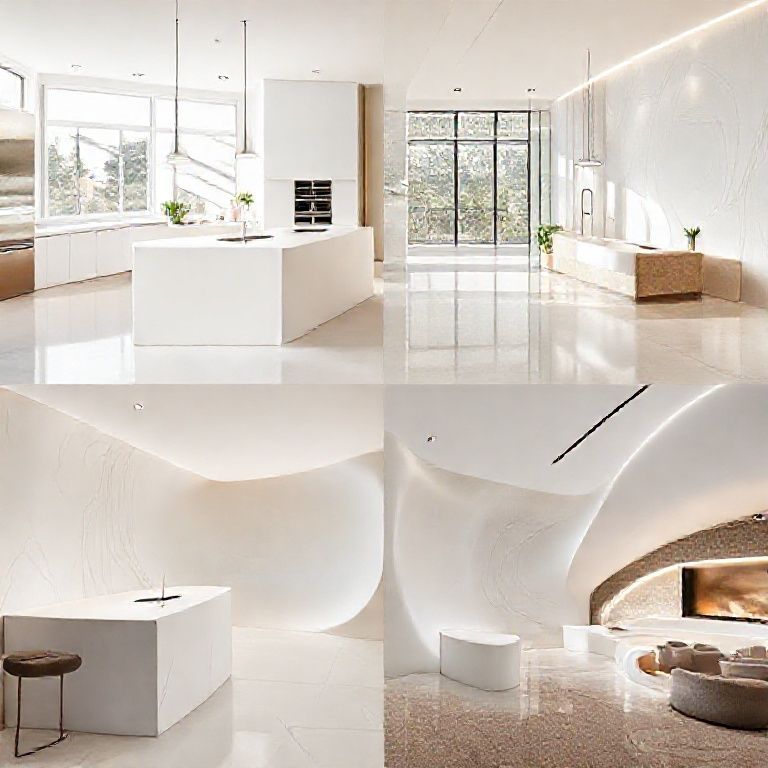
Introduction to Corian: A Revolutionary Material
Corian, a brand name for a type of solid surface material, has revolutionized the way we think about kitchen and bathroom countertops. First introduced by DuPont in the 1970s, Corian has grown in popularity due to its versatility, durability, and aesthetic appeal. But what exactly is Corian, and how does it stack up against other materials like quartz?

Understanding Corian’s Composition
To address the question, “Is Corian really quartz?” it’s essential to understand what Corian is made from. Corian is a type of solid surface made from a mixture of acrylic resin and mineral fillers. This combination creates a material that is incredibly strong and resistant to scratches, stains, and impact.
Unlike quartz, which is a natural stone composed of silicon dioxide, Corian is a man-made product. The process of creating Corian involves heating and mixing the acrylic resin with minerals until it forms a solid, homogeneous mass. This process results in a material that can be molded into virtually any shape and size.
Corian vs. Quartz: Material Composition
One of the primary differences between Corian and quartz lies in their composition and origin. Quartz is a natural stone that has been formed over millions of years through geological processes. It is composed entirely of crystalline silica and is known for its hardness and beauty. In contrast, Corian is an engineered material that combines acrylic resin with various minerals.
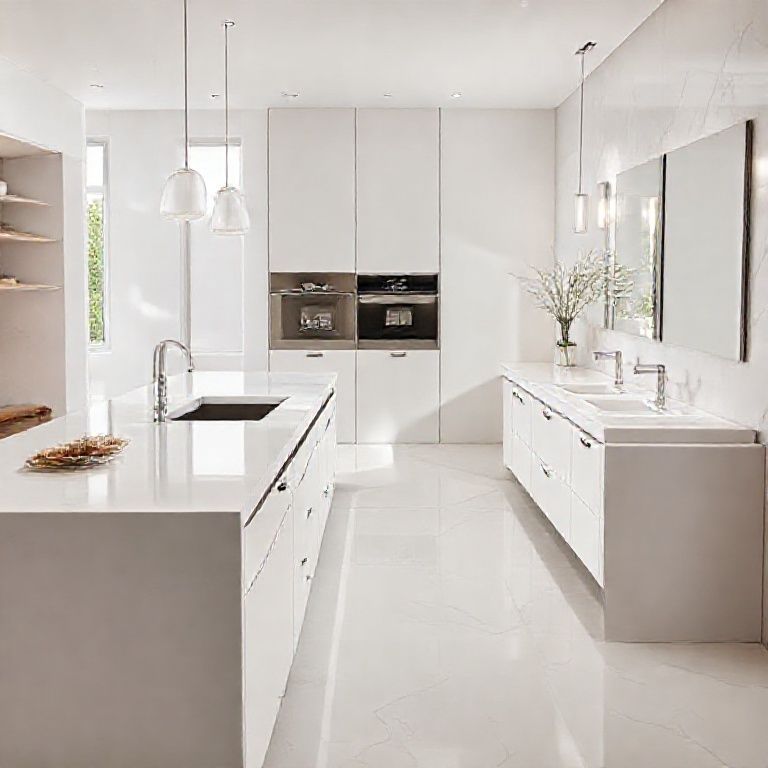
This distinction is crucial when considering the properties and applications of each material. While quartz is prized for its natural beauty and durability, Corian offers unique advantages, such as its ability to be produced in a wide range of colors and patterns, making it highly customizable for modern design needs.
Durability and Maintenance: Corian vs. Quartz
When it comes to durability, Corian and quartz both have their strengths. Quartz is renowned for its hardness, which makes it highly resistant to scratches and stains. It also has a timeless, natural aesthetic that many homeowners find appealing. However, quartz countertops require periodic sealing to maintain their protective surface layer and prevent staining.
Corian, on the other hand, offers superior durability in many ways. Because it is a solid surface material, Corian does not have seams or joints, which means it is less prone to cracking and staining compared to natural stone. Additionally, Corian’s surface is smooth and non-porous, which makes it incredibly easy to clean and maintain. Unlike quartz, Corian does not need to be sealed regularly, as it does not develop a surface layer that can wear away.
Aesthetic Appeal: Corian’s Versatility
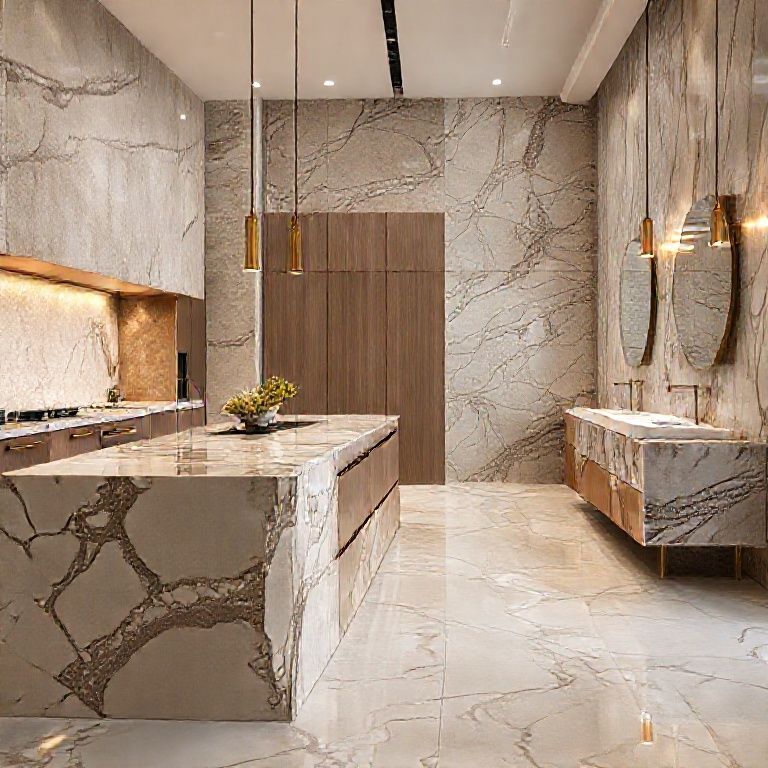
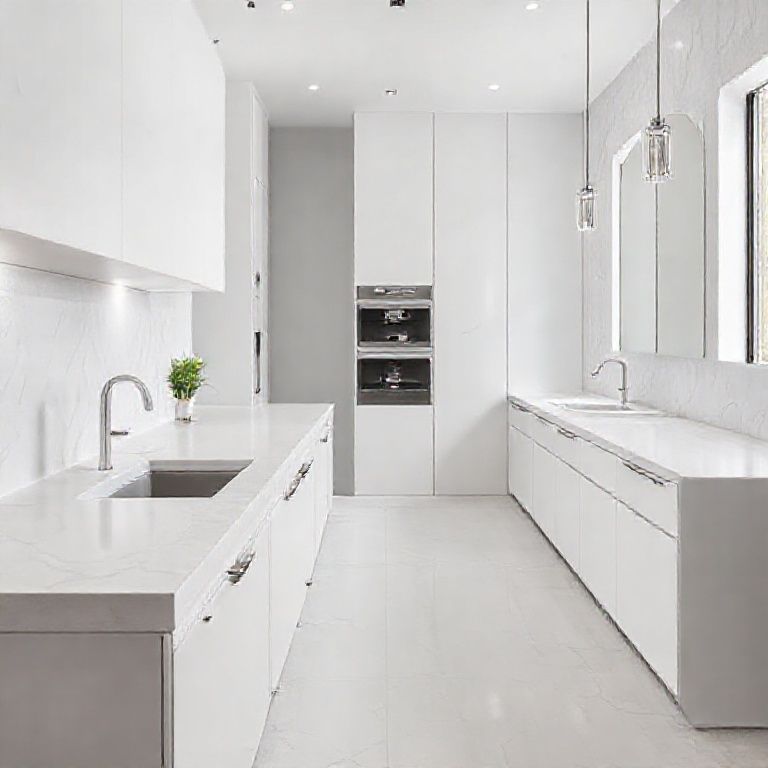
One of the significant advantages of Corian is its versatility in terms of design. Because it is a solid surface material, Corian can be manufactured in an almost infinite variety of colors and patterns. This makes it possible to create countertops, sinks, and other surfaces that mimic the appearance of natural stone, wood, and even metal.
For example, Corian can be designed to look like marble, granite, or even exotic woods, offering homeowners the opportunity to achieve a high-end aesthetic without the cost and maintenance challenges of using natural stone. This flexibility makes Corian an attractive option for designers and homeowners looking for innovative and customizable design solutions.
Installation and Customization
Another aspect where Corian shines is in installation and customization. Because it is a solid surface material, Corian can be easily cut and shaped to fit any space or design requirement. This flexibility allows for the creation of custom curves, angles, and contours that would be difficult or impossible to achieve with natural stone.
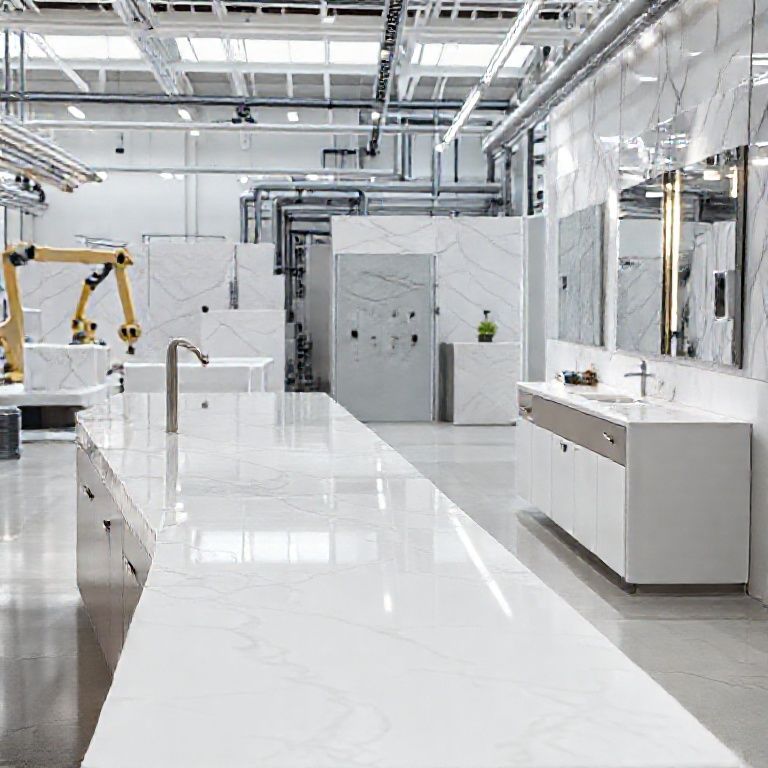
Moreover, Corian can be installed over a variety of substrates, including concrete, wood, and metal. This versatility makes it suitable for both new construction and renovation projects. The installation process for Corian is straightforward, often requiring less labor than installing natural stone, which can involve complex cutting and fitting.
Cost Considerations
When comparing Corian to quartz, cost is another critical factor to consider. While quartz countertops can be expensive due to their natural origin and the costs associated with mining and processing, Corian offers a more budget-friendly alternative. The price of Corian can vary based on the desired color, pattern, and design complexity, but it generally remains more affordable than high-end natural stone options.
Additionally, because Corian requires less maintenance and does not need to be sealed regularly, the long-term cost savings can be significant. This makes Corian an attractive option for homeowners looking for a durable, low-maintenance material without the premium price tag of quartz.
Conclusion: The Verdict on Corian as Quartz
In conclusion, the question “Is Corian really quartz?” hinges on the definition of “quartz.” While Corian is not made from natural quartz stone, it offers many advantages that make it a compelling alternative. Corian’s durability, ease of maintenance, design versatility, and cost-effectiveness make it a top choice for modern kitchen and bathroom remodeling projects.
Whether you’re seeking the timeless beauty of natural stone or the innovative design possibilities of a solid surface material, Corian provides a high-quality, customizable option that meets the needs of both designers and homeowners. As we continue to explore the material in the next part of this article, we’ll delve deeper into its applications and why it’s becoming a favorite in the world of remodeling.
Applications of Corian: From Kitchens to Bathrooms
Expanding Beyond Countertops
While Corian is most commonly associated with kitchen countertops, its applications extend far beyond this single use. In this section, we’ll explore how Corian is utilized in various spaces, highlighting its versatility and why it’s gaining popularity across different sectors.
Bathroom Renovations: Corian’s Role
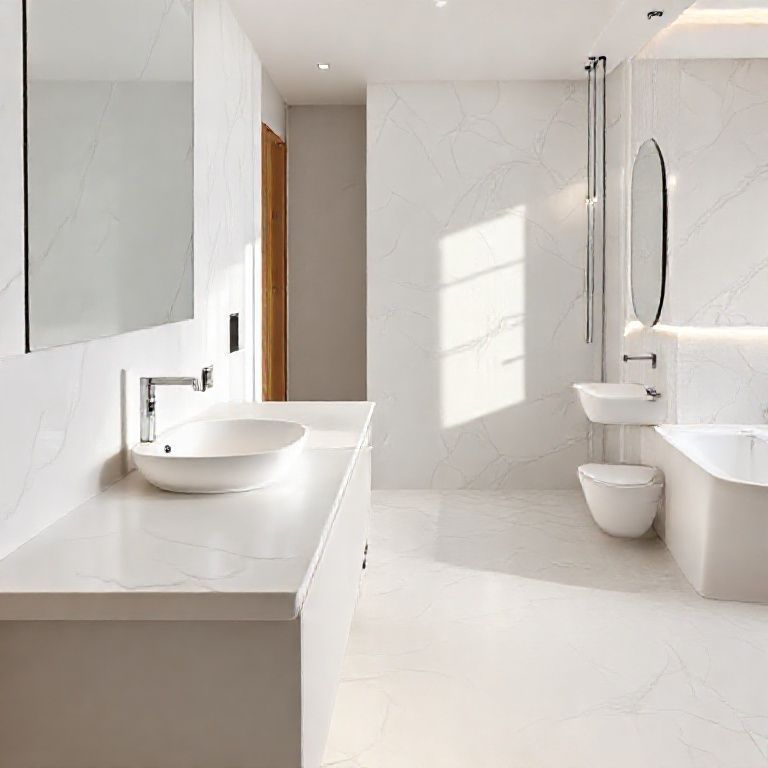
One of the most exciting applications of Corian is in bathroom renovations. Traditional bathroom materials like natural stone, ceramic tiles, and even some composite materials can be challenging to maintain due to moisture and daily use. Corian’s non-porous, durable surface makes it an excellent choice for bathroom environments.
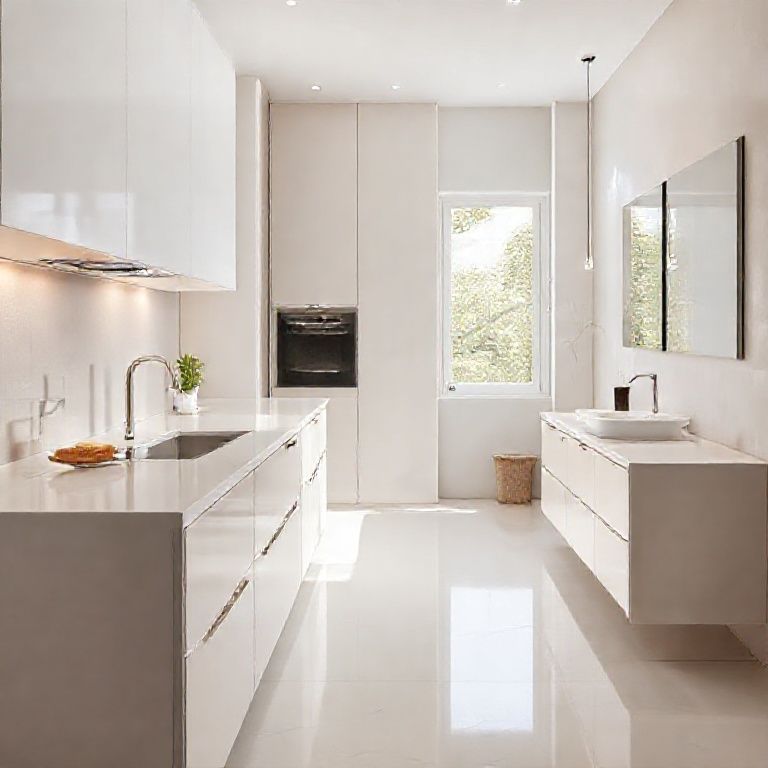
In bathrooms, Corian can be used for countertops, sinks, vanities, backsplashes, and even bathtubs. Its ability to withstand moisture and resist staining ensures that bathrooms with Corian surfaces remain clean and attractive over time. Moreover, Corian’s smooth surface is easy to clean, which is a significant advantage in a space where spills and splashes are common.
Vanities and Sinks: A Perfect Fit
Corian’s strength and durability also make it an ideal material for vanities and sinks. Unlike natural stone, which can develop cracks over time and require regular sealing, Corian vanities and sinks are virtually maintenance-free. This makes Corian a practical choice for busy household environments where sinks are used frequently.
Corian’s versatility allows it to be crafted into various shapes and designs, providing homeowners with the ability to choose vanities and sinks that perfectly match their bathroom’s aesthetic. Whether you prefer a sleek, modern design or a more traditional look, Corian can be tailored to fit your specific needs.
Corian in Outdoor Spaces
While traditionally used indoors, Corian is also finding its way into outdoor spaces like patios, decks, and even outdoor kitchens. Its durability makes it suitable for areas exposed to the elements, including rain, sun, and occasional foot traffic. Corian’s non-porous surface ensures that it remains stain-resistant and easy to clean, even in outdoor settings.
Outdoor Corian surfaces can include dining tables, bar tops, and other areas that require both durability and a clean, modern look. The ability to create custom outdoor designs using Corian adds an extra layer of appeal, allowing homeowners to extend the elegance of their indoor spaces to the great outdoors.
Commercial Applications: Corian in Retail and Hospitality
In the commercial sector, Corian is widely used in retail spaces, hospitality, and other high-traffic areas. Its durability, ease of cleaning, and design flexibility make it an excellent choice for environments where surfaces are subjected to constant wear and tear.
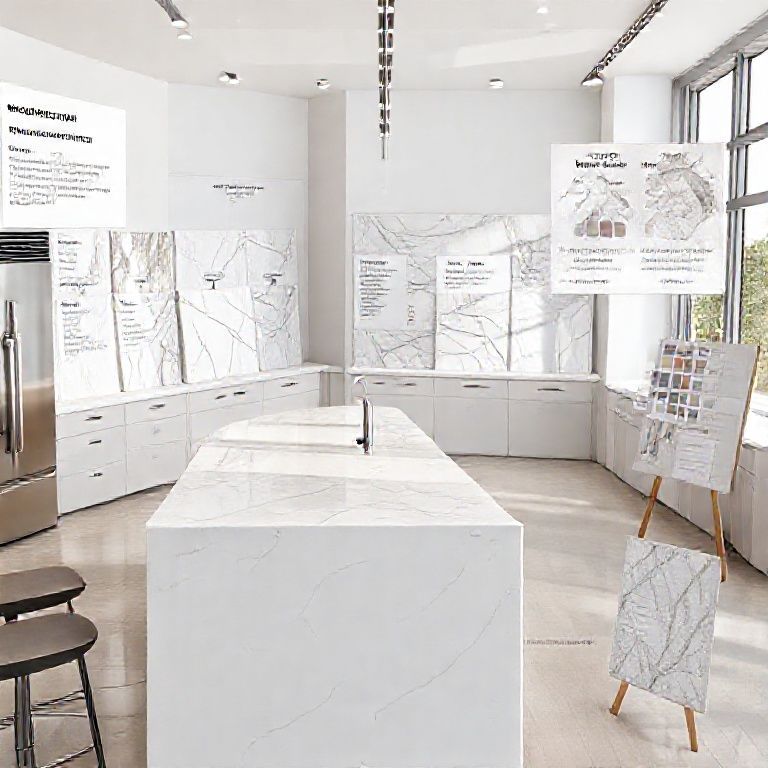
In retail, Corian is often used for display cases, shelving, and countertops. Its non-porous surface ensures that it remains clean and hygienic, which is crucial for maintaining a professional appearance in retail environments. In hospitality, Corian is used in everything from restaurant kitchens to hotel bathrooms, providing surfaces that are both attractive and easy to maintain.
Design Innovations: Corian’s Creative Potential
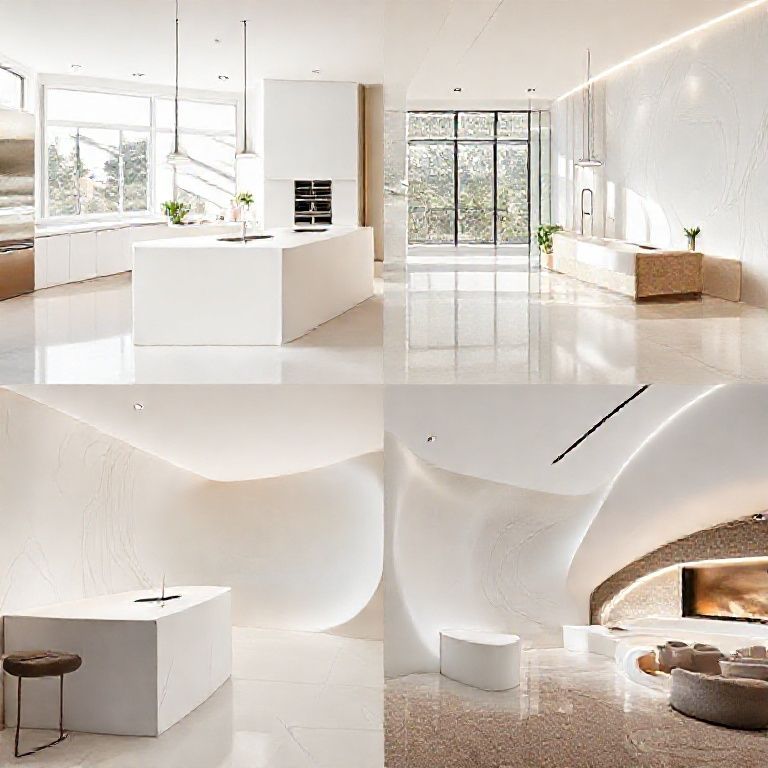
One of the most compelling aspects of Corian is its creative potential. The ability to mold and shape Corian into any form allows designers to push the boundaries of traditional design. This creativity is evident in both residential and commercial projects, where Corian is used to create unique and innovative designs.
For example, Corian can be crafted into intricate shapes, such as spirals, curves, and geometric patterns, which would be impossible to achieve with natural stone. This flexibility allows designers to create custom pieces that are both functional and aesthetically stunning.
Environmental Impact: Corian’s Sustainability
As the world becomes more conscious of environmental issues, the sustainability of materials当然,可以继续探讨关于Corian的更多方面,特别是它在可持续性和环境影响方面的表现。
可持续性与环境影响
生产过程的环保性
Corian的生产过程在环保方面也有一定的优势。相比于开采和加工自然石材,Corian的制造过程通常更为环保。生产过程中使用的化学成分虽然存在,但这些成分在高温下被完全燃烧,使得排放的有害物质大大减少。Corian的生产过程中不会产生大量的废弃物,这与开采自然石材的过程相比,显得更加环保。
材料回收和再利用
虽然Corian是一种工程材料,其回收再利用的途径相对有限,但它的耐用性和低维护特性可以减少频繁更换的需求,从而间接降低了资源消耗和环境影响。一些制造商也在研究如何更好地回收和再利用Corian材料,以进一步减少其环境足迹。
对比其他材料的环境影响
与其他常见的台面材料相比,Corian在环境影响方面有一些明显的优势。例如,天然石材如花岗岩和大理石的开采和运输过程会产生大量的碳排放和环境破坏。而Corian的制造过程相对简单,不需要大规模的开采,因此其对自然环境的影响较小。
低VOC排放
Corian的制造过程中不含有害挥发性有机化合物(VOCs),这意味着在使用和维护过程中,Corian不会释放有害气体,对室内空气质量有益。相比之下,一些其他的固体表面材料可能会在生产、使用或维护过程中释放VOCs,对室内空气质量和人体健康产生不利影响。
结论
虽然Corian不是天然石材,但在多个方面都展现出其独特的优势。其制造过程相对环保,材料耐用性和低维护特性可以减少频繁更换,从而减少资源消耗。Corian的低VOC排放对室内空气质量有积极影响。这些特点使得Corian成为一种在现代建筑和装修中越来越受欢迎的材料。