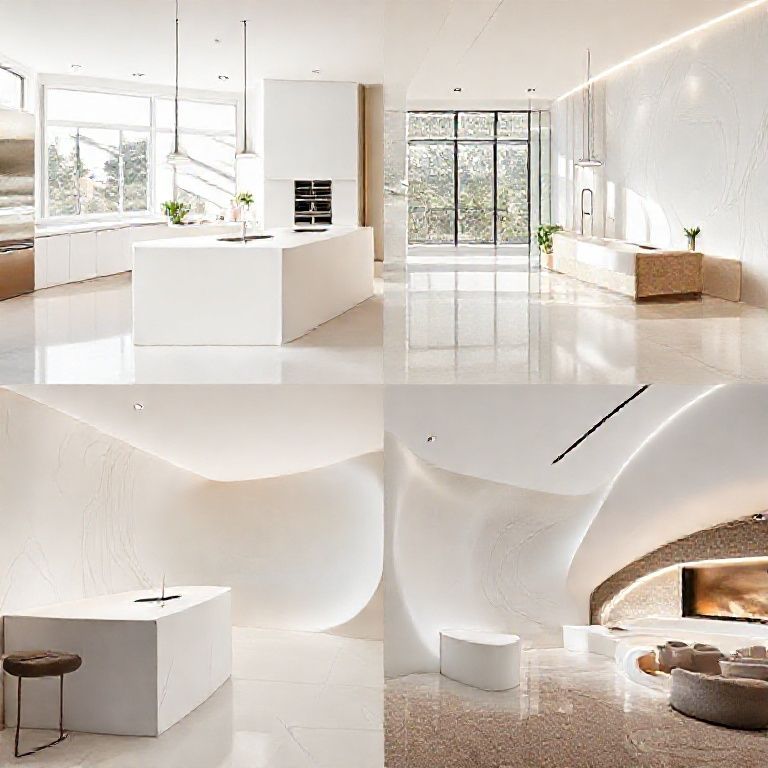
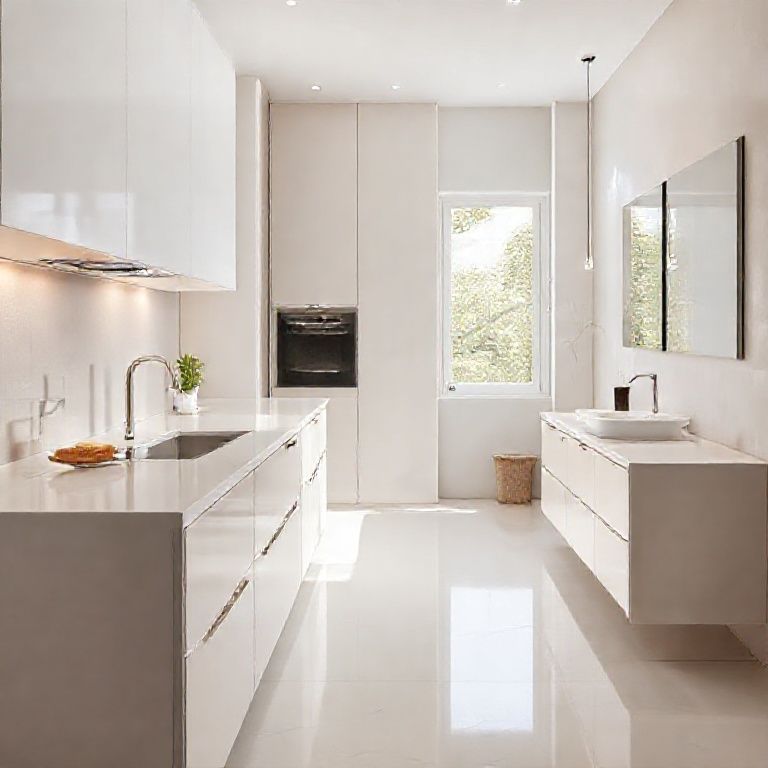
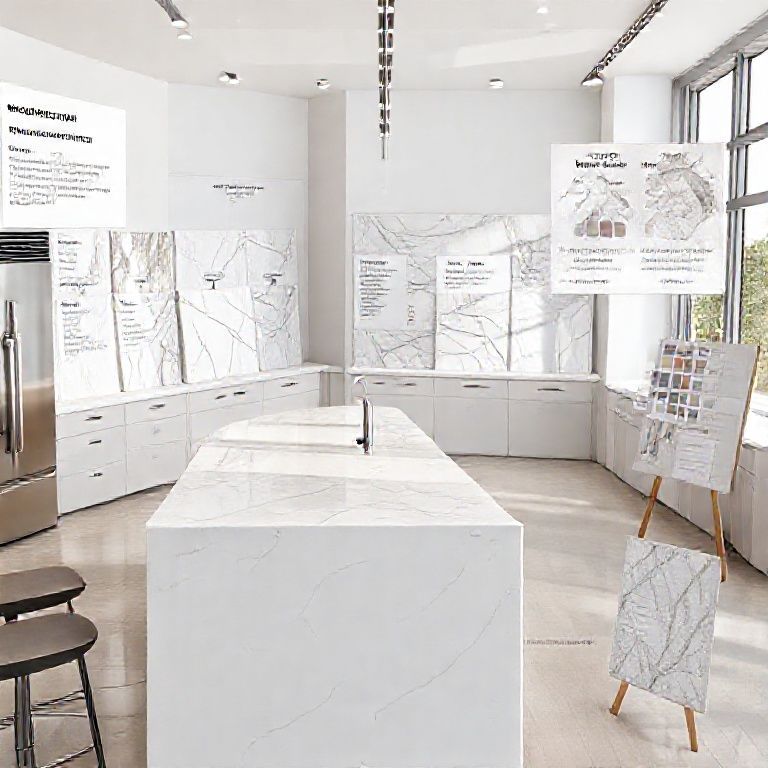
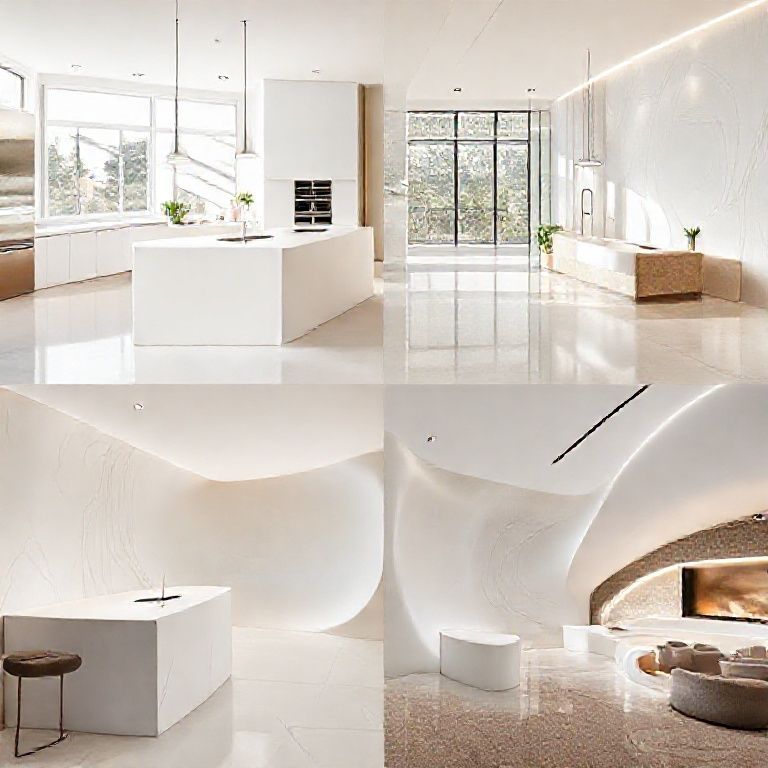
Synthetic Marble: The Modern Marvel of Home Design
When it comes to home design, the choice of materials for countertops, flooring, and other surfaces plays a crucial role in shaping both aesthetics and functionality. One material that has been gaining immense popularity over the last decade is synthetic marble, often referred to as artificial stone. This revolutionary material has been praised for its durability, beauty, and versatility, making it an ideal choice for both residential and commercial spaces.

What is Synthetic Marble?
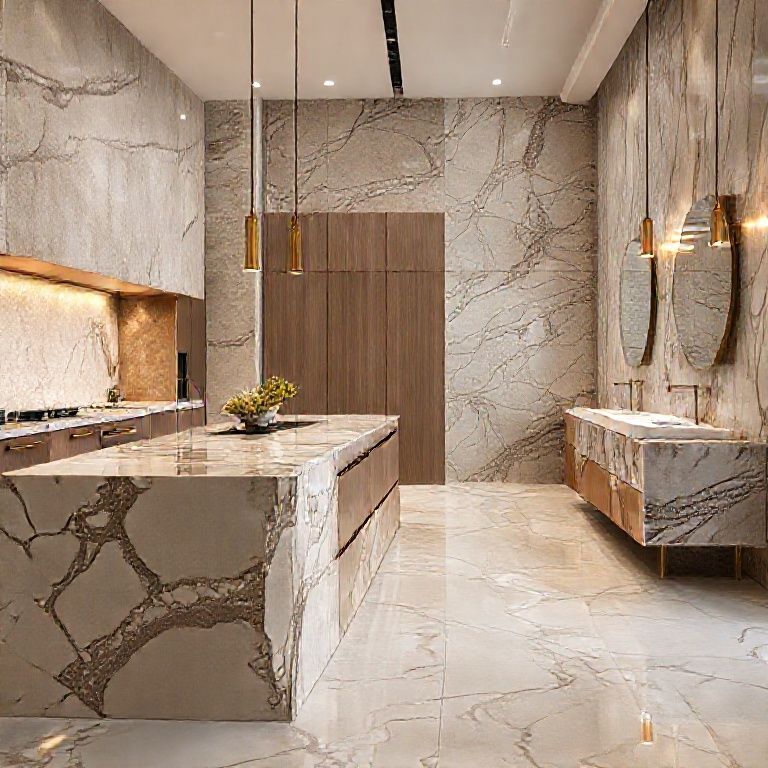
Synthetic marble, also known as artificial stone, is a composite material made from natural stone powders, bonding agents, and various additives. Unlike traditional marble, which is a natural stone formed through geological processes, synthetic marble is created through industrial processes that mix crushed stone with resins and other substances. The result is a material that closely mimics the appearance and texture of natural marble but offers superior performance characteristics.
The Benefits of Synthetic Marble
Durability and Longevity: One of the most significant advantages of synthetic marble is its exceptional durability. It is highly resistant to scratches, chips, and stains, making it an ideal choice for high-traffic areas like kitchens and dining rooms. Its strength and resilience mean it can withstand heavy use without showing signs of wear and tear.
Customization and Design Flexibility: Synthetic marble offers unparalleled design flexibility. It can be engineered to match the exact color, pattern, and texture of natural marble or any other desired design. This customization capability allows designers and homeowners to achieve unique and personalized aesthetics that would be challenging or impossible to replicate with natural stone.
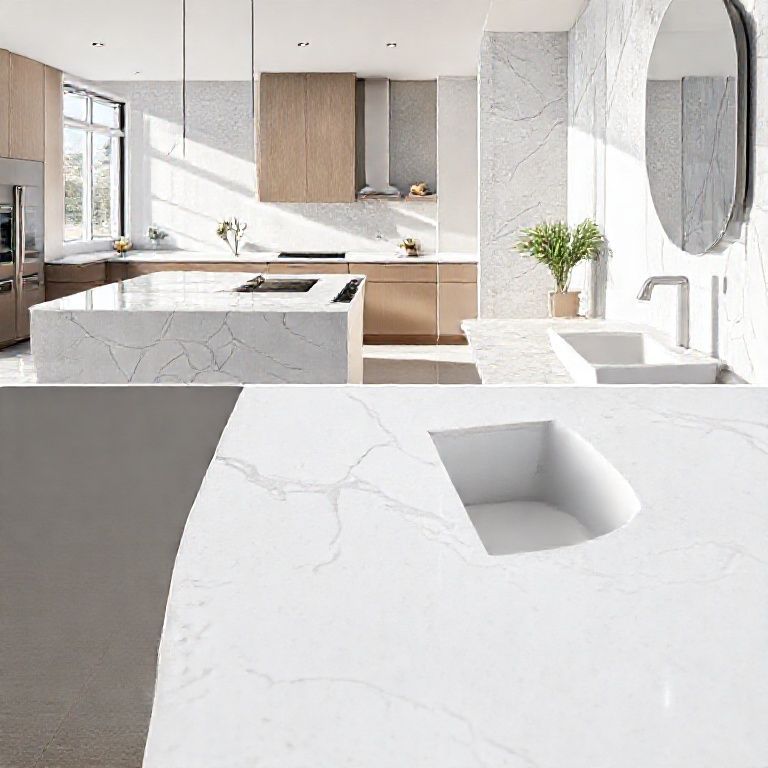
Cost-Effectiveness: Compared to natural marble, synthetic marble is significantly more affordable. The lower cost is due to the absence of mining and transportation expenses and the ability to mass-produce the material. This makes synthetic marble an excellent option for budget-conscious homeowners and businesses.
Addressing Radiation Concerns: The Myths and Facts
Despite its numerous benefits, synthetic marble has been the subject of some concern regarding potential radiation. This topic has sparked curiosity and raised questions among consumers about the safety of using this material in their homes. To understand this concern better, it is essential to delve into the science behind synthetic marble and radiation.
Understanding Radiation
Radiation, in a scientific context, refers to the emission of energy in the form of waves or particles. This phenomenon can be categorized into two main types: ionizing and non-ionizing radiation. Ionizing radiation, such as X-rays and gamma rays, has enough energy to remove tightly bound electrons from atoms, creating ions. Non-ionizing radiation, on the other hand, like visible light and radio waves, does not have the same level of energy and does not cause ionization.
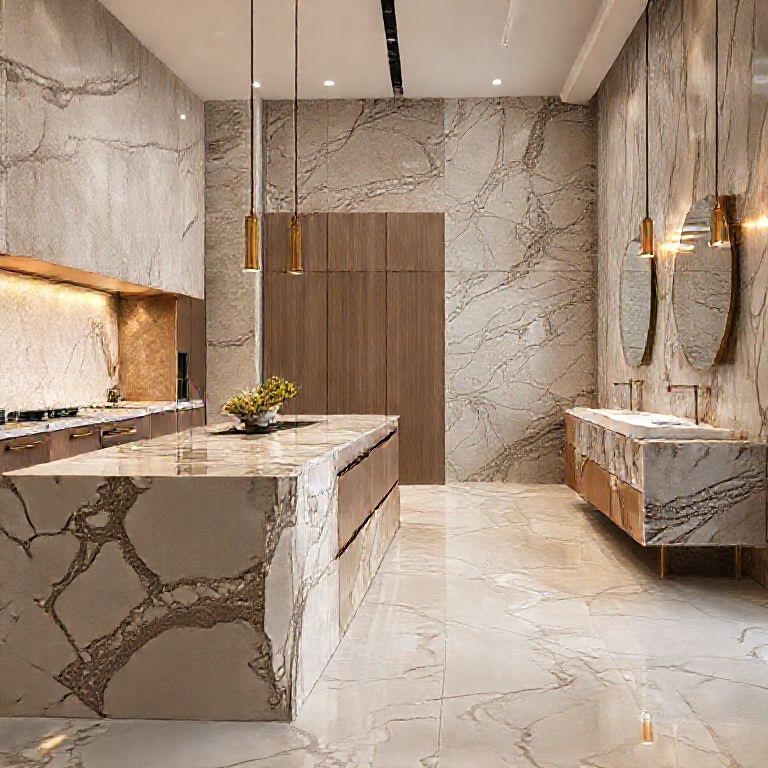
Synthetic Marble and Its Composition
Synthetic marble is primarily composed of natural stone powders, resins, and other additives. The stone powders used are typically quartz, calcite, or other natural minerals. The bonding agents, usually polymers or resins, hold these minerals together to form the stone. The additives might include colorants, stabilizers, and other substances that enhance the material’s properties.
Radiation from Synthetic Marble: The Myths
The idea that synthetic marble might emit radiation has been fueled by misconceptions and misinformation. Some people believe that the resins and additives used in the manufacturing process could lead to harmful radiation levels. However, it is crucial to note that synthetic marble is not a radioactive material. The materials used in its production do not inherently possess radioactive properties.
Scientific Evidence and Safety Standards
To further clarify any concerns, it is important to review the scientific evidence and the safety standards governing synthetic marble production. Studies conducted by reputable institutions have shown that synthetic marble does not emit ionizing radiation. The materials used are non-radioactive, and the manufacturing processes do not introduce any radioactive elements.
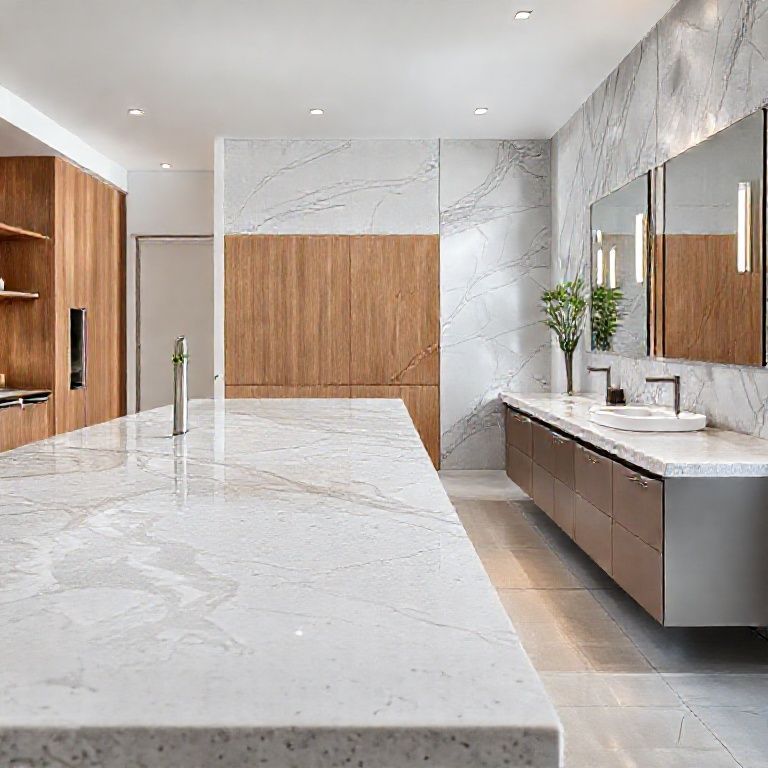
Regulatory bodies such as the Environmental Protection Agency (EPA) and the International Organization for Standardization (ISO) have established strict safety standards for the production and use of synthetic materials. These standards ensure that products like synthetic marble are safe for use in residential and commercial settings.
Real-World Applications and Safety
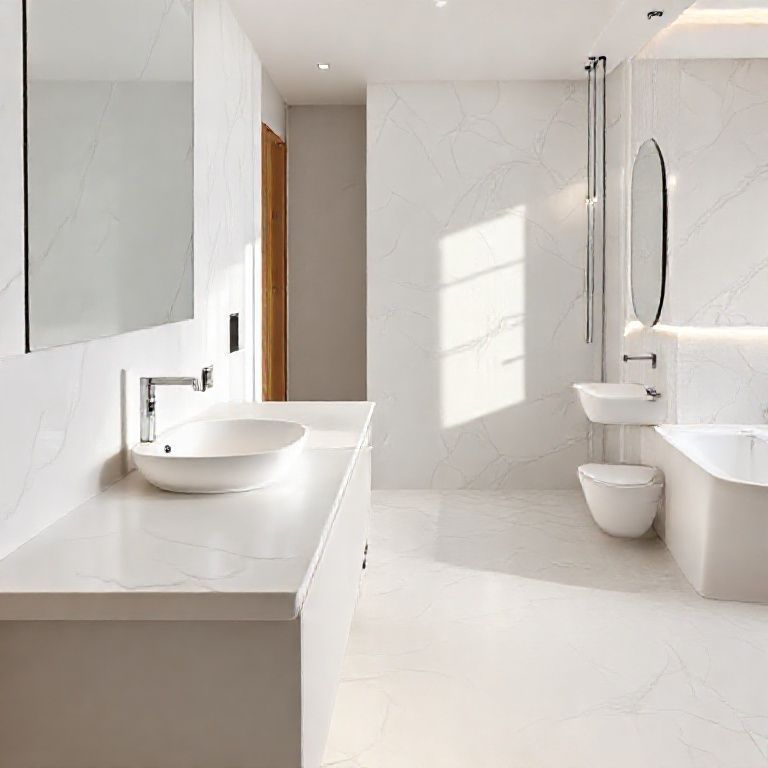
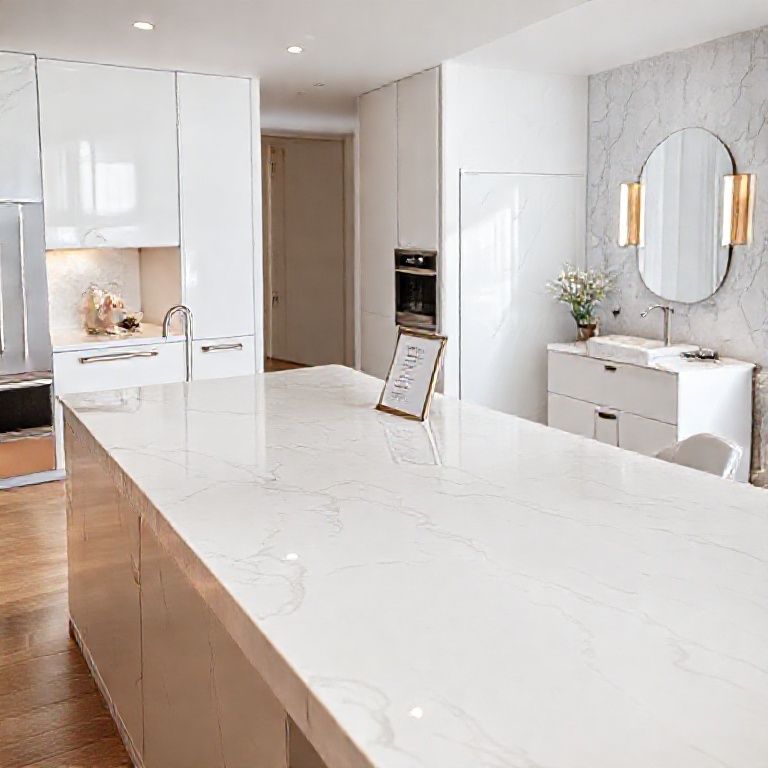
In practical terms, synthetic marble is used in various applications, including countertops, sinks, bathtubs, and other surfaces. Extensive testing and real-world usage have not reported any adverse health effects linked to its use. The material’s safety is further supported by its widespread use in homes, schools, hospitals, and other public spaces.
Conclusion
In conclusion, synthetic marble is a remarkable material that offers a blend of beauty, durability, and versatility. The concerns about radiation are largely unfounded, as synthetic marble does not emit ionizing radiation and is composed of non-radioactive materials. With rigorous safety standards in place and extensive real-world usage, synthetic marble remains a safe and reliable choice for modern home design.
In the next part of this article, we will delve deeper into the environmental impact of synthetic marble, its sustainability aspects, and how it compares to natural marble in terms of eco-friendliness. We will also explore innovative advancements in synthetic marble technology that continue to enhance its appeal and performance.
Sustainability and Environmental Impact of Synthetic Marble
When considering the environmental impact of synthetic marble, it is essential to compare it with natural marble and other materials commonly used in home design. Sustainability has become a critical factor in modern construction and design, and understanding the environmental footprint of different materials helps make informed choices.
Manufacturing Process and Environmental Impact
The production of synthetic marble involves the use of natural stone powders and resins. While the environmental impact of synthetic marble is generally lower than that of natural marble, it is important to consider the entire lifecycle of the material, from raw material extraction to manufacturing and disposal.
Resource Extraction: Unlike natural marble, which requires mining and significant environmental disruption, synthetic marble uses recycled stone powders. The stone powders can be sourced from discarded natural stone or industrial by-products, reducing the need for new resource extraction. This practice minimizes the environmental footprint associated with quarrying and mining activities.
Manufacturing Efficiency: The manufacturing process for synthetic marble is energy-efficient and controlled. The use of additives and resins in a factory setting allows for precise control over the quality and consistency of the product. This efficiency translates into lower energy consumption compared to the processes involved in extracting and shaping natural marble.
Waste Reduction: The production of synthetic marble can contribute to waste reduction. By using recycled stone powders and minimizing waste during manufacturing, synthetic marble helps reduce the overall waste generated in the construction industry.
Comparing Synthetic Marble to Natural Marble
Natural marble is a beautiful and historically significant material, but it comes with significant environmental costs. The extraction of natural marble involves extensive quarrying, which can lead to habitat destruction, soil erosion, and other ecological impacts. Additionally, the transportation of natural marble from its source to construction sites adds to its carbon footprint.
In contrast, synthetic marble offers a more sustainable alternative. Its production process is less invasive, and its use of recycled materials contributes to a reduction in the overall environmental impact. Furthermore, synthetic marble’s durability means that it requires less frequent replacement, further lowering its long-term environmental footprint.
Innovations in Synthetic Marble Technology
Advancements in synthetic marble technology have led to significant improvements in its performance and sustainability. These innovations not only enhance the material’s aesthetic appeal but also make it more environmentally friendly.
Eco-Friendly Additives: Modern synthetic marble formulations incorporate eco-friendly additives and resins that reduce the environmental impact of the manufacturing process. These additives are designed to be non-toxic and have minimal environmental footprint, further ensuring the material’s safety and sustainability.
Low VOC Emissions: Volatile Organic Compounds (VOCs) are chemicals that can be released from certain materials, contributing to indoor air pollution. Synthetic marble manufacturers have developed formulations that minimize VOC emissions, ensuring a healthier indoor environment.
Enhanced Durability and Performance: Continuous research and development have led to synthetic marble with improved durability and performance characteristics. This means that synthetic marble can better withstand wear and tear, reducing the need for frequent replacement and further minimizing its environmental impact.
Health and Safety Assurance
In addition to its sustainability aspects, synthetic marble offers significant health and safety benefits. As discussed earlier, synthetic marble does not emit ionizing radiation, and the materials used are non-toxic. The manufacturing processes adhere to strict safety standards, ensuring that the final product is safe for use in various settings.
Real-World Applications and Testimonials
Synthetic marble’s versatility and safety make it a popular choice in various applications. From residential homes to commercial buildings, synthetic marble is used in countertops, sinks, bathtubs, and other surfaces. Real-world installations and user testimonials consistently highlight the material’s durability, beauty, and safety.
Conclusion
Synthetic marble stands out as一种既环保又实用的建筑材料。在现代建筑设计中,随着环保意识的增强和对健康安全的关注,人们对于建筑材料的选择变得越来越谨慎。而在这些材料中,人造大理石以其独特的优点和无可挑剔的安全性,成为了众多设计师和消费者的首选。
未来展望与发展趋势
随着科技的进步和环保理念的深入人心,人造大理石的未来发展前景广阔。未来的人造大理石材料将会更加注重环保和可持续性,通过使用更多的再生资源和创新的制造工艺,进一步减少对环境的影响。随着人们对个性化设计需求的增加,未来的人造大理石也将在材质和外观上实现更多的多样化和定制化。
环保和可持续发展
再生资源的利用:未来的人造大理石材料将更多地利用再生资源,比如使用回收的玻璃、塑料和其他建筑废料,减少对自然资源的依赖。 低污染工艺:新的制造工艺将更加注重减少工业排放和污染,使用更加环保的添加剂和胶结剂,确保材料的安全性。 循环利用:未来的人造大理石产品可能会设计为可循环利用的材料,减少建筑废弃物,实现资源的再利用。
创新设计与个性化定制
更多的颜色和纹理选择:未来的人造大理石将提供更加丰富的颜色和纹理选择,以满足不同消费者的审美需求和设计理念。 定制化服务:越来越多的制造商将提供定制化服务,根据客户的具体需求,设计和制造独特的人造大理石产品。 智能化功能:随着智能家居的发展,未来的人造大理石可能会集成一些智能功能,如自清洁、传感器等,提升使用体验。
市场前景
随着全球对环保和可持续发展的重视程度不断提高,人造大理石在全球市场的需求将持续增长。特别是在新兴市场如亚洲、非洲等地区,由于城市化进程的加快,对高品质、环保建筑材料的需求将进一步增加。
人造大理石作为一种高性能、环保且经济实惠的建筑材料,其优势和发展潜力无疑将继续推动其在全球市场中的广泛应用。通过不断的技术创新和设计优化,人造大理石将在未来的建筑行业中扮演更加重要的角色,为实现绿色、可持续的建筑梦想贡献力量。