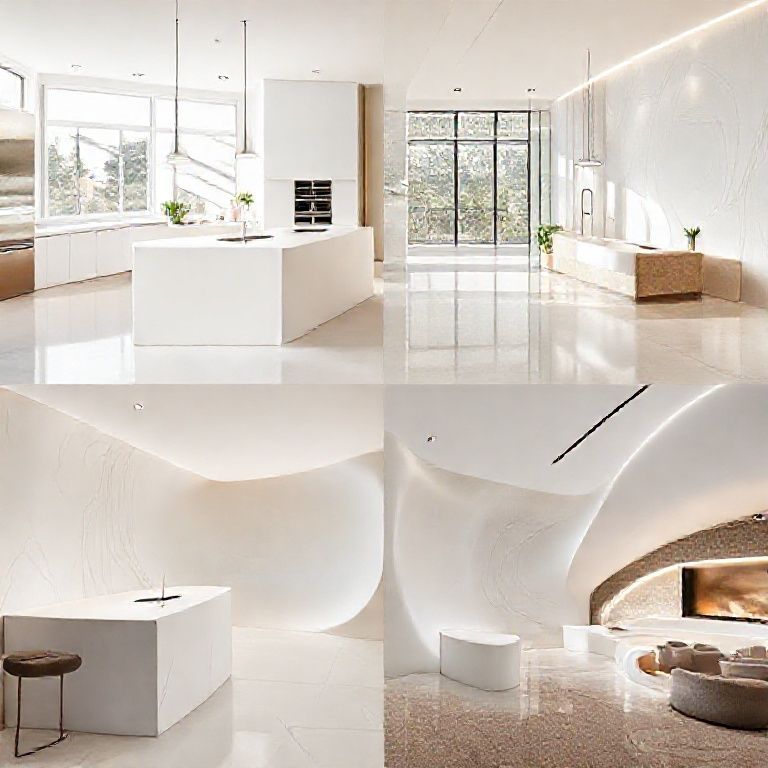
Understanding Artificial Marbles and Their Composition
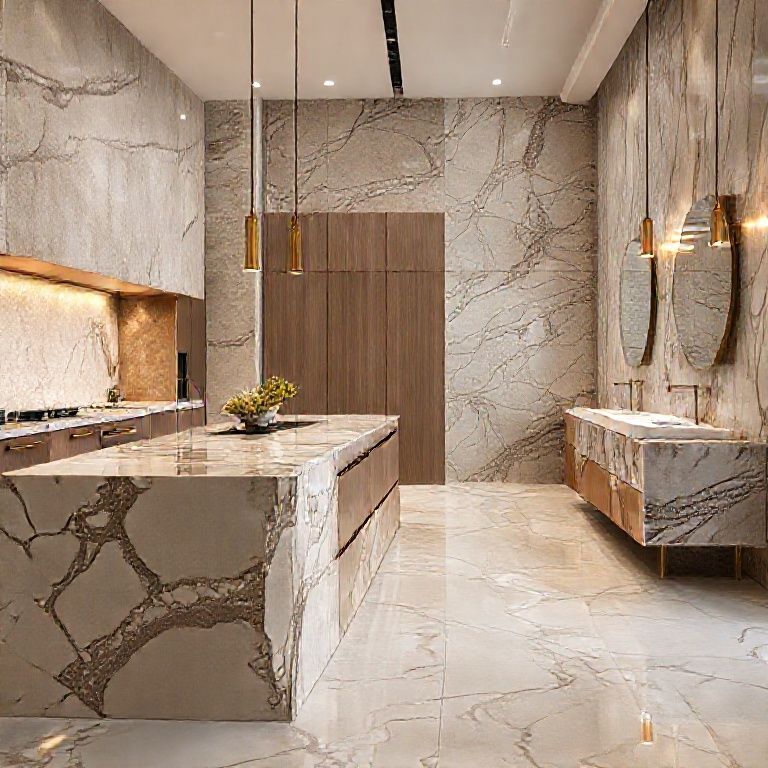
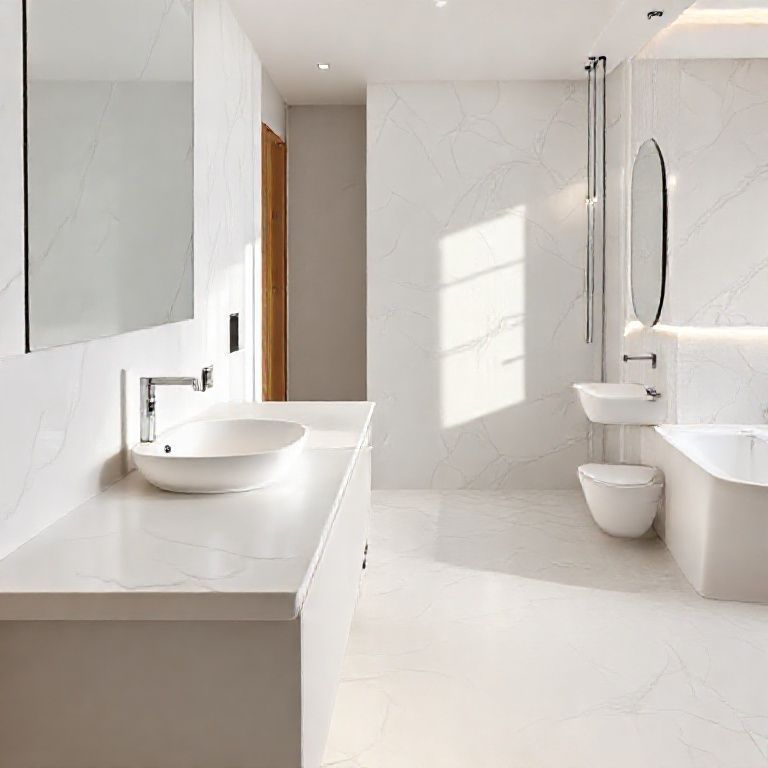
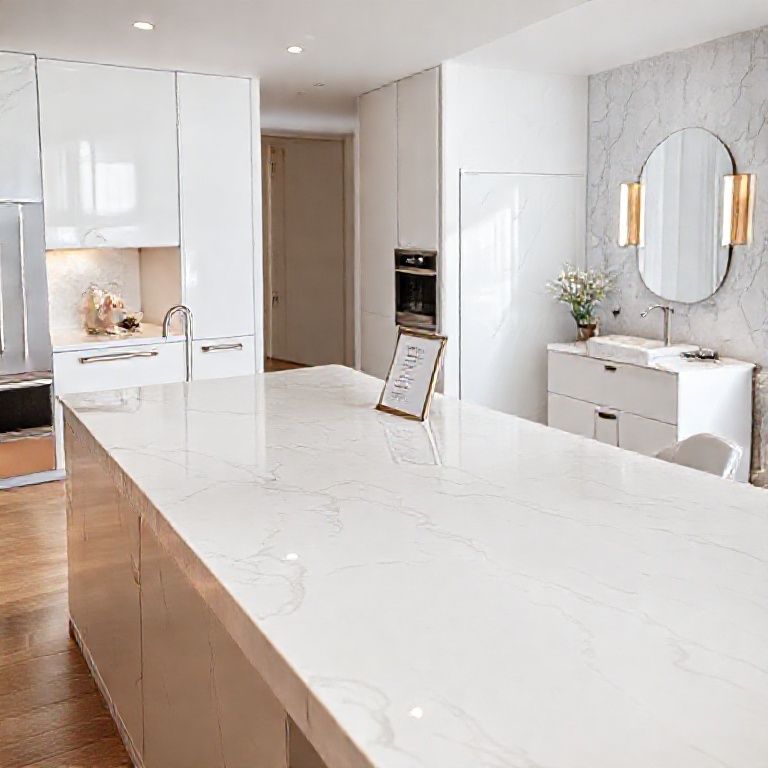
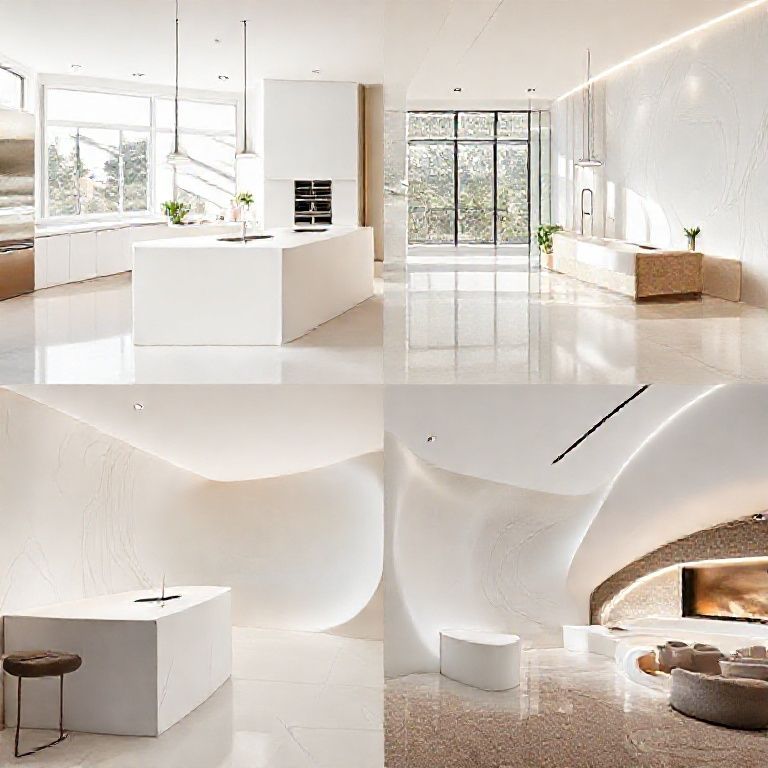
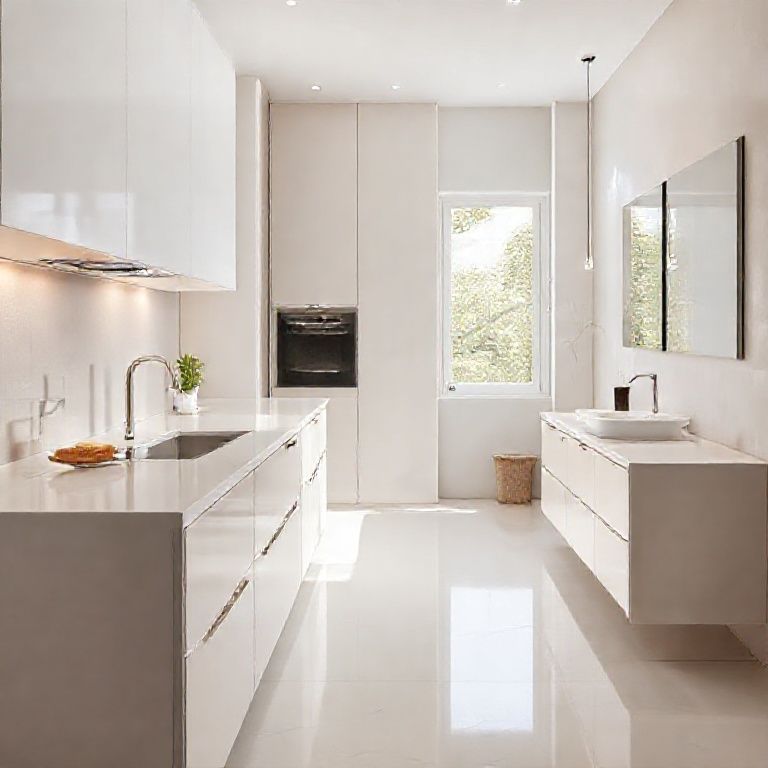
Artificial marbles have revolutionized the world of interior design and construction, offering a stunning, durable alternative to natural stone. These materials, also known as cultured marble or synthetic stone, combine minerals, resins, and pigments to create a robust, aesthetic surface. Their popularity stems from their impressive durability, aesthetic versatility, and cost-effectiveness.

The Composition of Artificial Marbles
Artificial marbles are primarily composed of:
Calcium carbonate: This is the main mineral that forms the bulk of the material. It is sourced from natural deposits and lends the material its strength. Resins: These act as a binding agent, holding the calcium carbonate and other minerals together to create a solid structure. Pigments: To mimic the natural look of marble, various pigments are mixed into the composition.
While artificial marbles are praised for their durability and aesthetic appeal, questions about their safety, particularly concerning radiation, have been raised. To address these concerns, it’s essential to understand the nature of radiation and how it relates to artificial marbles.
Radiation and Its Types
Radiation is a form of energy that travels through space or matter in the form of waves or particles. It is categorized into two main types:
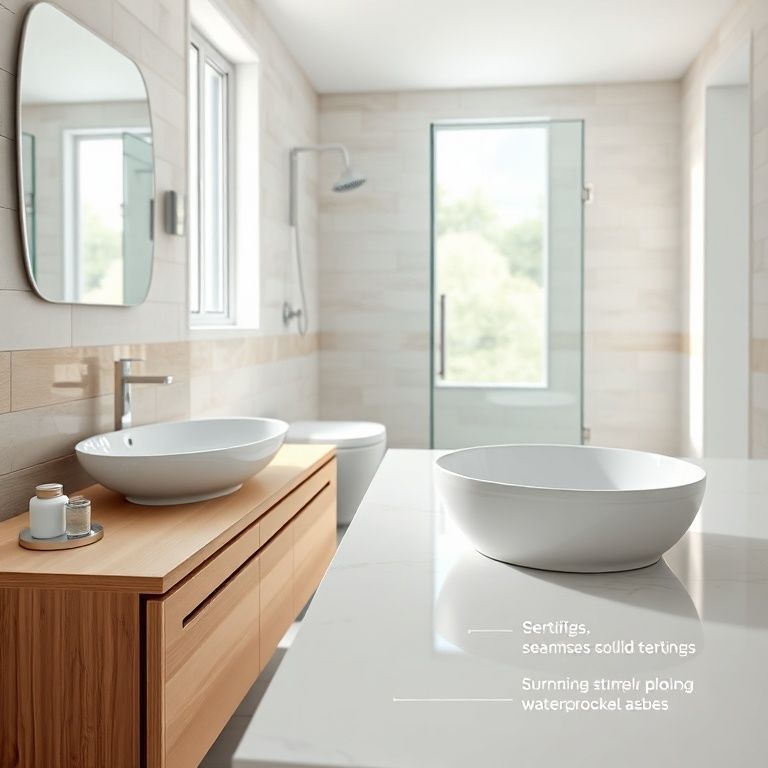
Ionizing radiation: This type has enough energy to remove tightly bound electrons from atoms, creating ions. It includes alpha particles, beta particles, and gamma rays. Non-ionizing radiation: This type does not have enough energy to ionize atoms or molecules but can still cause energy changes within atoms. Examples include ultraviolet (UV) radiation, visible light, infrared radiation, microwaves, radio waves, and low-frequency electromagnetic waves.
Artificial Marbles and Radiation
The primary concern regarding artificial marbles and radiation centers around the potential release of radon gas, a naturally occurring radioactive gas found in soil, rock, and water. Radon is an example of ionizing radiation, and prolonged exposure can lead to health issues, including lung cancer.
However, artificial marbles are not a significant source of radon. The materials used to create artificial marbles do not contain the same radioactive elements found in natural stone, such as granite. Therefore, the likelihood of artificial marbles emitting radon or any other form of ionizing radiation is extremely low.
Manufacturing Process and Quality Control
To ensure safety, manufacturers of artificial marbles adhere to stringent quality control processes. These processes include:
Material Selection: Only non-radioactive minerals and resins are used in the creation of artificial marbles. Testing and Certification: Artificial marbles undergo rigorous testing to verify their safety and compliance with health and safety standards. These tests often involve measuring any potential radiation levels.
Environmental and Health Benefits
Artificial marbles offer several environmental and health benefits:
Durability: They are highly resistant to scratches, stains, and impact, reducing the need for frequent replacements. Water Resistance: Unlike natural stone, artificial marbles are not porous, making them easier to clean and maintain. Non-Toxic: The resins and pigments used are typically non-toxic, minimizing the risk of harmful chemical exposure. Sustainable: The production of artificial marbles can be more sustainable compared to quarrying natural stone, as it requires fewer natural resources.
Conclusion
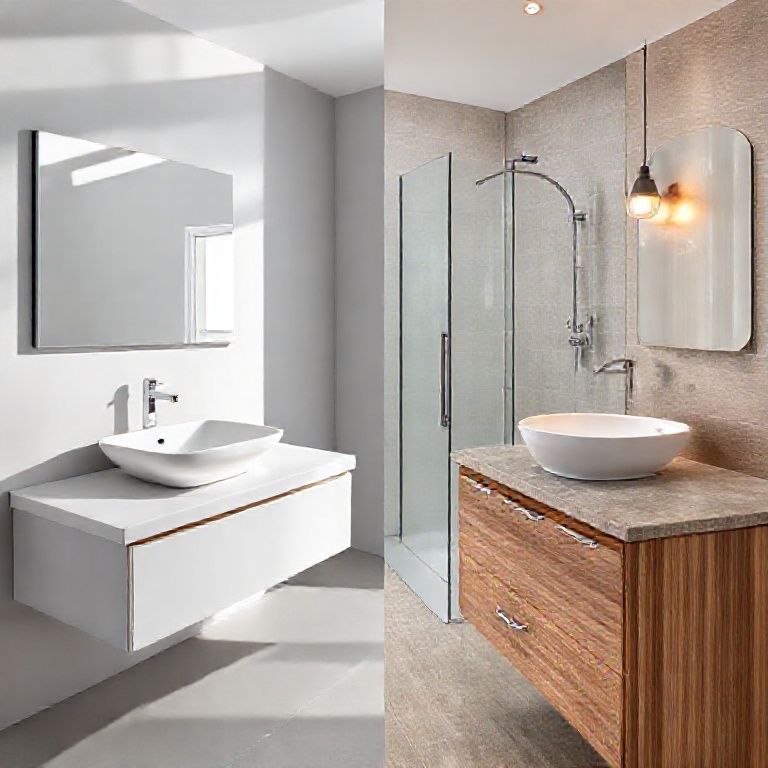
In summary, artificial marbles are not a significant source of radiation. Their composition and manufacturing processes ensure that they do not emit harmful ionizing radiation like radon gas. As a result, they pose minimal health risks compared to natural stone alternatives. In the next part, we will explore common misconceptions about artificial marbles, their long-term effects on human health, and how to ensure their safe use in your home and workspace.
Debunking Myths and Ensuring Safe Use of Artificial Marbles
While artificial marbles have garnered praise for their durability and aesthetic appeal, they also come with a set of myths and misconceptions that can cause undue concern. This part aims to debunk these myths, address common questions, and provide practical tips to ensure the safe use of artificial marbles.
Debunking Common Myths
Myth 1: Artificial Marbles Emit Toxic Fumes
One of the most persistent myths is that artificial marbles emit toxic fumes, especially during installation and curing. However, modern manufacturing techniques ensure that the materials used in artificial marbles are non-toxic and do not emit harmful chemicals.
Fact: The resins and pigments used in artificial marbles are formulated to be safe for indoor environments. During the curing process, any potential off-gassing is minimal and does not pose a health risk.
Myth 2: Artificial Marbles Are Unstable and Prone to Cracking
Another myth is that artificial marbles are less stable and more prone to cracking than natural stone. In reality, artificial marbles are known for their exceptional durability.
Fact: Artificial marbles are designed to be highly resistant to scratches, stains, and impact. They can withstand significant wear and tear, making them a reliable choice for countertops, sinks, and other high-traffic areas.
Myth 3: Artificial Marbles Are Not as Aesthetic as Natural Stone
Some people believe that artificial marbles lack the natural beauty and unique character of natural stone. However, advancements in material science have made artificial marbles incredibly realistic.
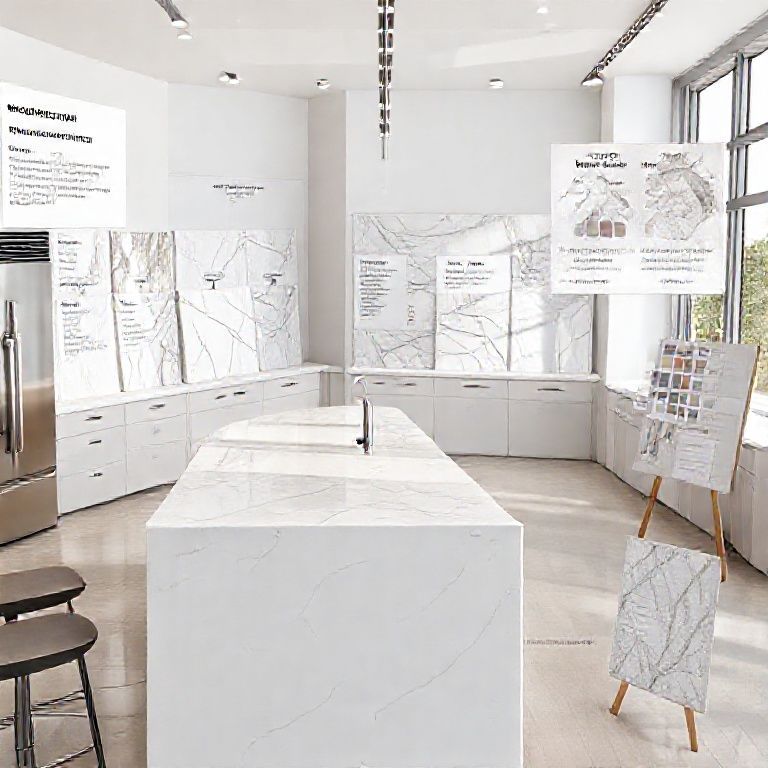
Fact: Artificial marbles are crafted to mimic the appearance of natural stone with stunning accuracy. They come in a wide range of colors and patterns, allowing for versatile and elegant designs.
Ensuring Safe Use of Artificial Marbles
Proper Installation
The installation of artificial marbles is crucial to ensure their longevity and safety. Here are some tips for proper installation:
Choose Qualified Professionals: Hire experienced installers who are familiar with the specific type of artificial marble you have chosen. Follow Manufacturer Guidelines: Adhere to the manufacturer’s instructions for installation, including curing times and temperature requirements. Use Appropriate Adhesives: Employ the correct adhesives and sealants recommended by the manufacturer to ensure a secure bond.
Maintenance
Regular maintenance is essential to keep artificial marbles looking their best and to ensure they remain safe for use.
Cleaning: Use mild soap and water to clean artificial marbles. Avoid using harsh chemicals or abrasive cleaners that can scratch the surface. Avoiding Damage: Place protective mats under items that generate heat, such as hot pots or pans, to prevent damage to the surface. Sealing: While artificial marbles are not porous, sealing them can provide an extra layer of protection against stains and spills.
Monitoring Indoor Air Quality
While artificial marbles themselves do not emit harmful radiation or fumes, it’s still important to monitor indoor air quality to ensure a healthy living environment.
Ventilation: Ensure proper ventilation in areas where artificial marbles are installed to minimize any potential off-gassing. Air Purifiers: Consider using air purifiers to maintain clean air, especially in rooms with extensive artificial marble use. Regular Inspections: Regularly inspect artificial marbles for any signs of damage or deterioration, addressing issues promptly to prevent potential hazards.
Long-Term Health Effects
The long-term health effects of using artificial marbles are generally positive due to their non-toxic nature and durable construction.
Non-Toxic Materials: The materials used in artificial marbles are chosen for their safety, reducing the risk of harmful chemical exposure. Durability: The durability of artificial marbles means fewer replacements, minimizing the need for frequent chemical treatments or new installations. Cleaning and Maintenance: With proper care, artificial marbles remain clean and safe to use, further reducing health risks.
Environmental Impact
Artificial marbles offer several environmental benefits compared to natural stone:
Resource Conservation: The production of artificial marbles requires fewer natural resources, as it does not rely on quarrying, which can be environmentally destructive. Energy Efficiency: The manufacturing process for artificial marbles is often more energy-efficient than that of natural stone. Recyclability: Some components of artificial marbles can be recycled, contributing to a more sustainable production cycle.
Conclusion
In conclusion, artificial marbles are a safe and sustainable choice for various applications. They are not a source of radiation and are crafted from non-toxic materials. Proper installation, regular maintenance, and vigilance in monitoring indoor air quality will ensure their safe and long-lasting use. By understanding the facts and dispelling myths, you can confidently choose artificial marbles for your home or workspace, knowing that they offer both aesthetic beauty and health benefits. Artificial marbles are not just a modern alternative to natural stone; they are a responsible and durable choice for a healthier, more sustainable future.