The Composition and Safety of Artificial Marble
Introduction
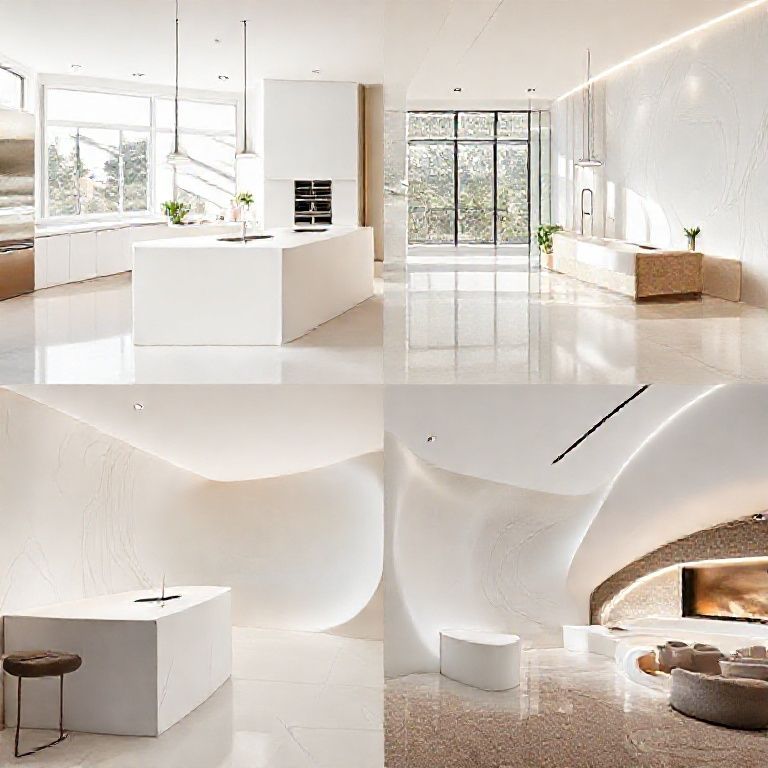
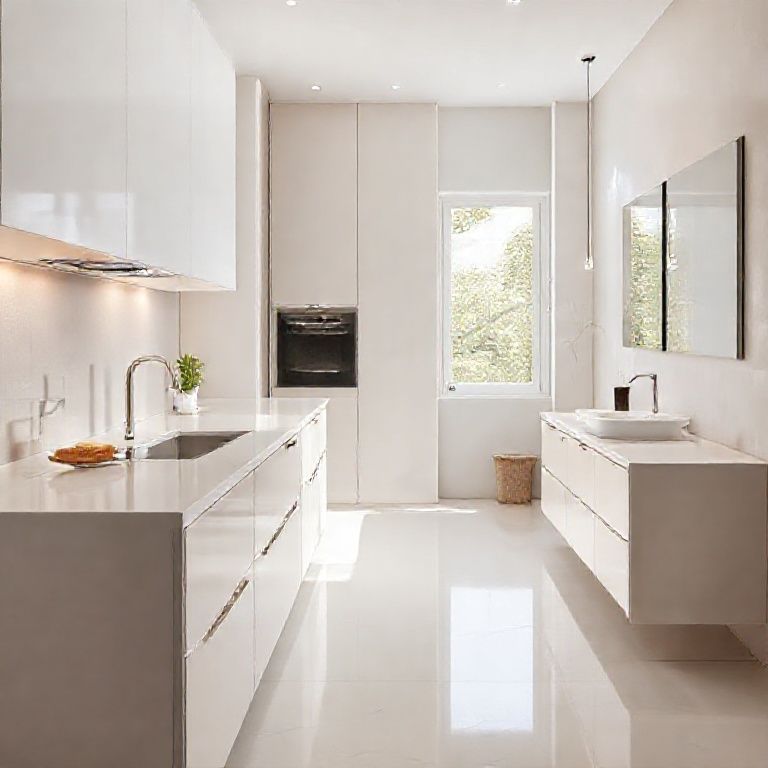
In the realm of modern home and commercial interiors, artificial marble has emerged as a popular choice for countertops, decorative surfaces, and architectural elements. Known for its durability, aesthetic appeal, and cost-effectiveness, artificial marble is a preferred material for many. However, one pressing concern that often surfaces is its potential emission of formaldehyde—a compound linked to various health issues. In this first part, we will unravel the composition of artificial marble, examine the science behind its manufacturing, and scrutinize the formaldehyde question to provide clarity and assurance.
What is Artificial Marble?
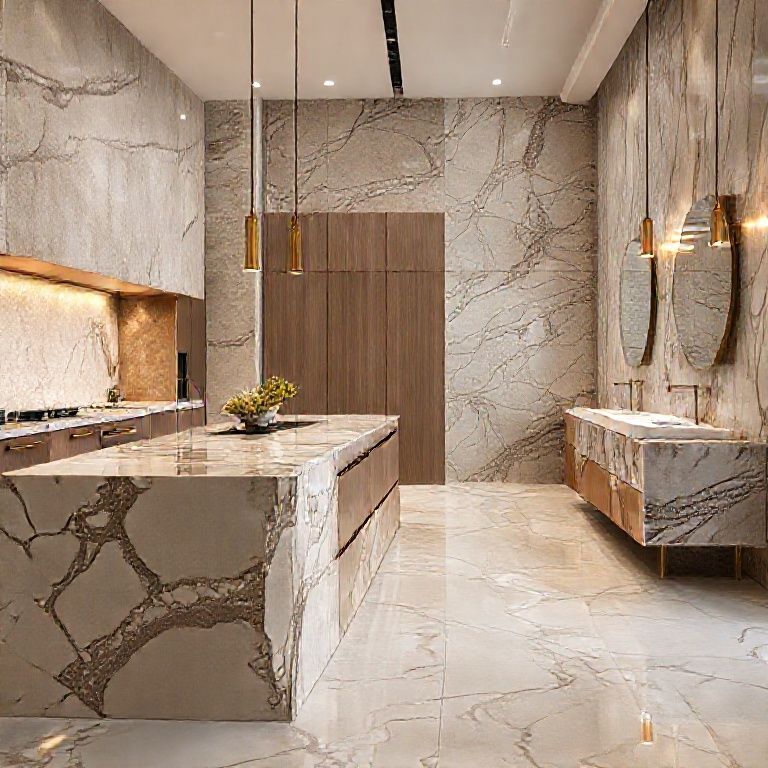
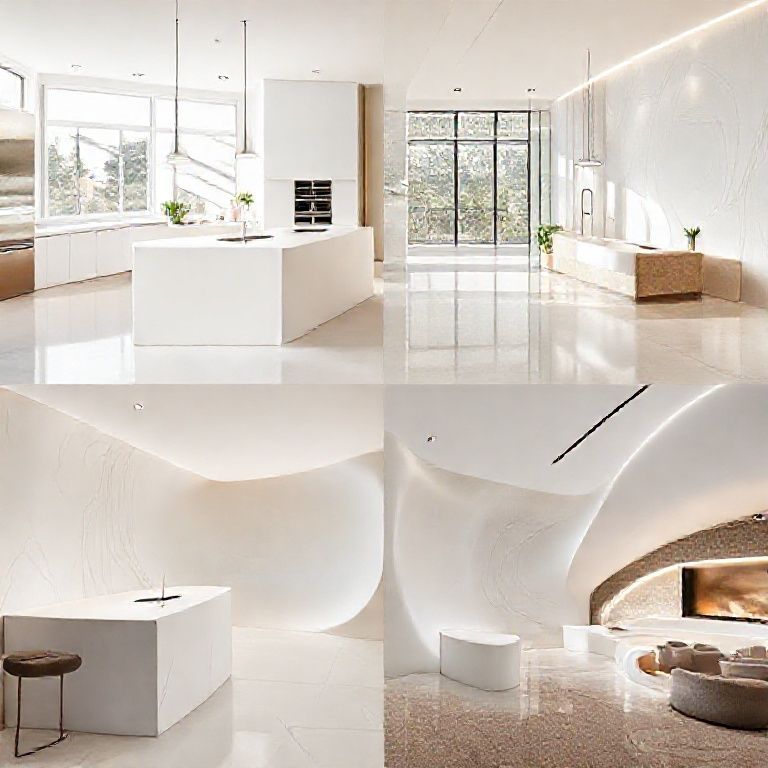
Artificial marble, also referred to as synthetic marble, is a composite material made from natural minerals like quartz, calcite, and dolomite, combined with a polymer resin binder. The process of creating artificial marble involves mixing these natural minerals with a resin to form a high-density mixture. The mixture is then poured into molds and subjected to high pressure and temperature to fuse the components together.
Material Composition
The primary components of artificial marble include:
Quartz: Provides strength and durability. Calcium carbonate (calcite and dolomite): Contributes to the marble-like appearance and texture. Polymer resin: Acts as a binding agent to hold the minerals together, forming a cohesive structure.
Manufacturing Process
The production of artificial marble involves several steps:
Mixing: Natural minerals are ground into fine powders and mixed with a polymer resin. Molding: The mixture is poured into molds and shaped into the desired form. Curing: The material is subjected to high pressure and temperature to cure, binding the minerals together. Finishing: The cured material is polished and finished to achieve the desired aesthetic.
Addressing the Formaldehyde Concern
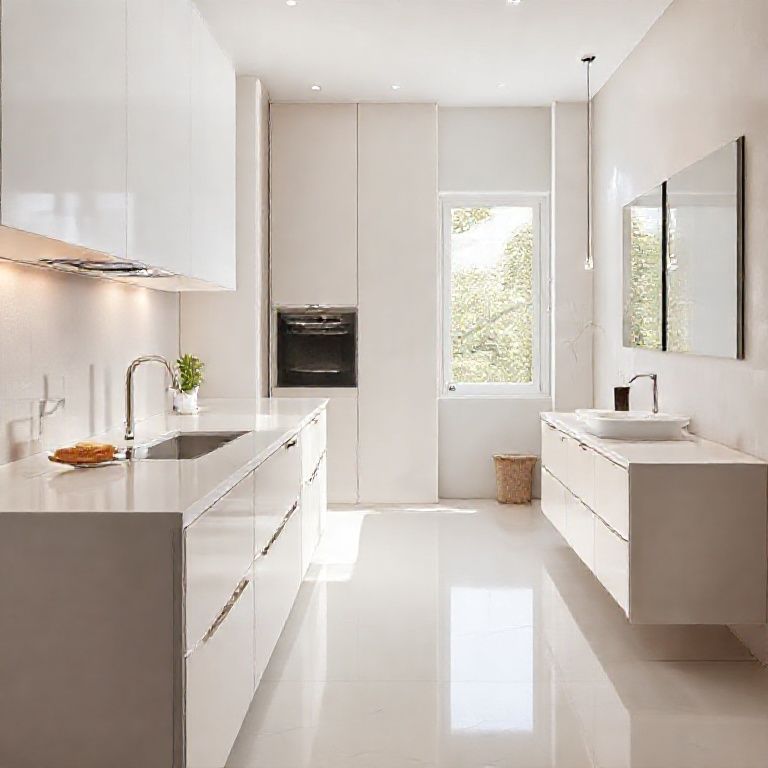
The formaldehyde concern with artificial marble primarily stems from the polymer resin used in its production. Formaldehyde is a volatile organic compound (VOC) that can be emitted from various materials, including synthetic composites. The question arises: does artificial marble emit formaldehyde, and if so, to what extent?
Science Behind Emissions
Formaldehyde can be emitted from both natural and synthetic materials due to the presence of resins and other chemical additives. However, the emission levels largely depend on the quality of the material and the manufacturing process.
Regulations and Standards
To ensure safety, several international standards regulate the emission of VOCs from building materials:
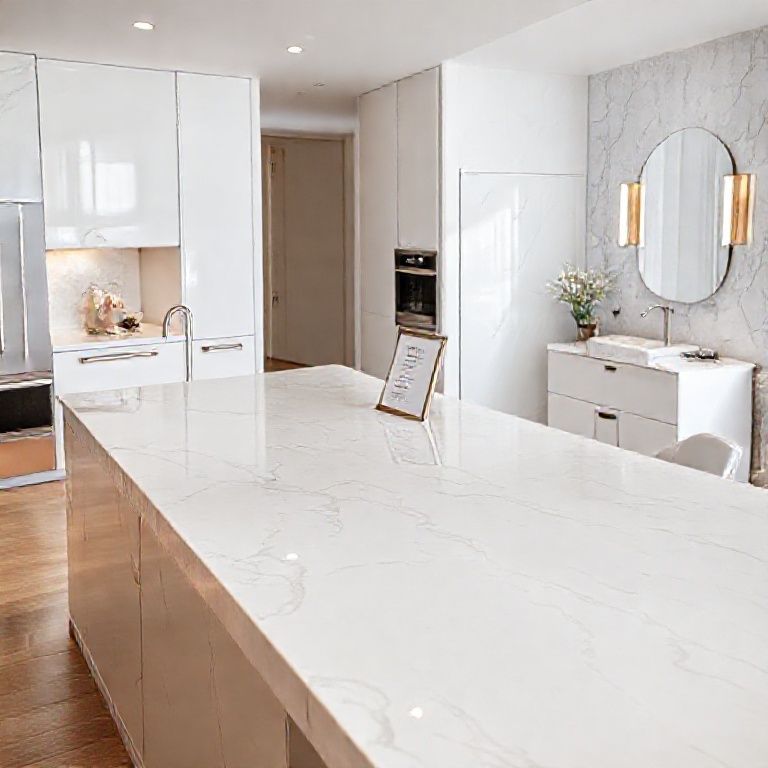
European Standard EN 13499: Limits formaldehyde emissions from materials used in indoor applications. Chinese Standard GB/T 18580: Specifies requirements for low formaldehyde emission from building materials.
Testing and Certification
Manufacturers of artificial marble often subject their products to rigorous testing to ensure compliance with these standards. Products that pass these tests are certified as low-emission or formaldehyde-free, providing assurance to consumers regarding their safety.
Conclusion
In summary, artificial marble is a meticulously crafted composite material known for its durability and aesthetic appeal. While the formaldehyde concern is valid, it primarily hinges on the quality of the resin used and adherence to regulatory standards. By choosing high-quality artificial marble products that meet safety certifications, consumers can enjoy the benefits of this material without undue health worries.
Environmental Impact and Long-term Benefits of Artificial Marble
Introduction
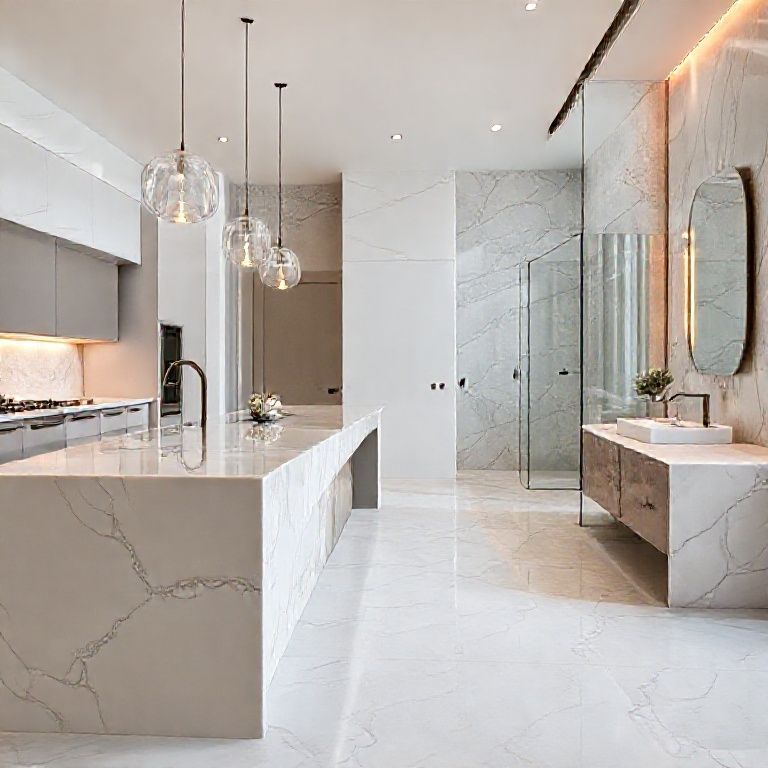
Having explored the composition and safety of artificial marble in the first part, we now turn our attention to its environmental impact and the long-term benefits that make it a favored choice in modern construction and decoration. This comprehensive examination will delve into how artificial marble compares to natural marble in terms of sustainability, its lifecycle, and the advantages it offers in terms of maintenance and durability.
Environmental Impact
Resource Conservation
One of the most significant advantages of artificial marble over natural marble is its contribution to resource conservation:
Reduced Quarrying: The production of artificial marble does not require extensive quarrying, thereby reducing the environmental footprint associated with extracting natural marble. Minimal Waste: The manufacturing process of artificial marble results in minimal waste compared to the mining and processing of natural stone.
Sustainable Production
The production of artificial marble is designed to be more sustainable:
Recyclable Materials: Many components of artificial marble, such as the resin and minerals, can be recycled or reused in the manufacturing process. Lower Energy Consumption: The curing process in artificial marble production typically requires less energy compared to the cutting and polishing processes of natural marble.
Lifecycle and Durability
Longevity
Artificial marble is renowned for its durability:
Resistance to Chips and Cracks: Unlike natural marble, which is prone to chipping and cracking, artificial marble maintains its integrity over time. High-Impact Resistance: It can withstand high-impact conditions, making it suitable for high-traffic areas.
Maintenance
The maintenance requirements for artificial marble are minimal:
Easy Cleaning: Artificial marble surfaces can be easily cleaned with mild detergents, unlike natural marble, which requires specific cleaning products and regular sealing to prevent staining and etching. Resistant to Stains: It is highly resistant to stains and etching caused by acidic substances, offering a long-lasting, pristine appearance.
Economic Benefits
Cost-Effectiveness
Artificial marble offers significant economic benefits:
Lower Initial Costs: The production cost of artificial marble is generally lower than that of natural marble, translating to more affordable prices for consumers. Long-term Savings: Although the initial cost might be higher than some cheaper alternatives, the durability and low maintenance of artificial marble result in long-term savings on repairs and upkeep.
Market Demand and Popularity
The demand for artificial marble has been on the rise due to its multifaceted benefits:
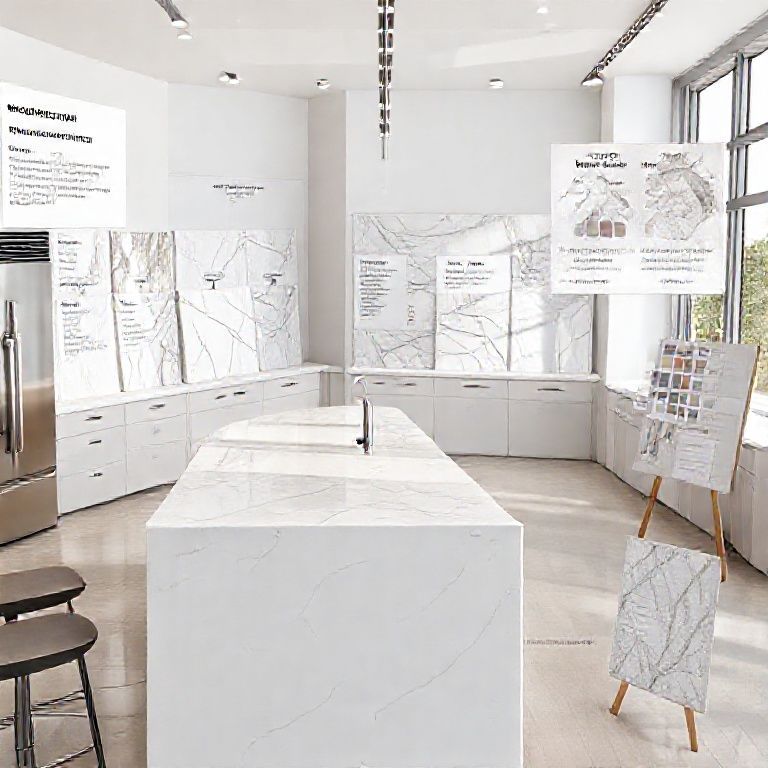
Versatility: Its wide range of colors and designs allows for creative freedom in interior and exterior design. Trendy Aesthetics: Artificial marble has become a popular choice in modern design trends, appealing to a broad spectrum of tastes.
Conclusion
In conclusion, artificial marble stands out not only for its aesthetic and functional benefits but also for its positive environmental impact and long-term durability. With its resource-conserving production process, minimal maintenance requirements, and economic advantages, artificial marble proves to be a sustainable and practical choice for modern construction and decoration. While concerns about formaldehyde emissions are valid, high-quality products that adhere to safety standards provide a safe and reliable option for consumers. By embracing artificial marble, we can enjoy its many benefits while contributing to a more sustainable future.