Introduction to Synthetic Marble and Its Popularity
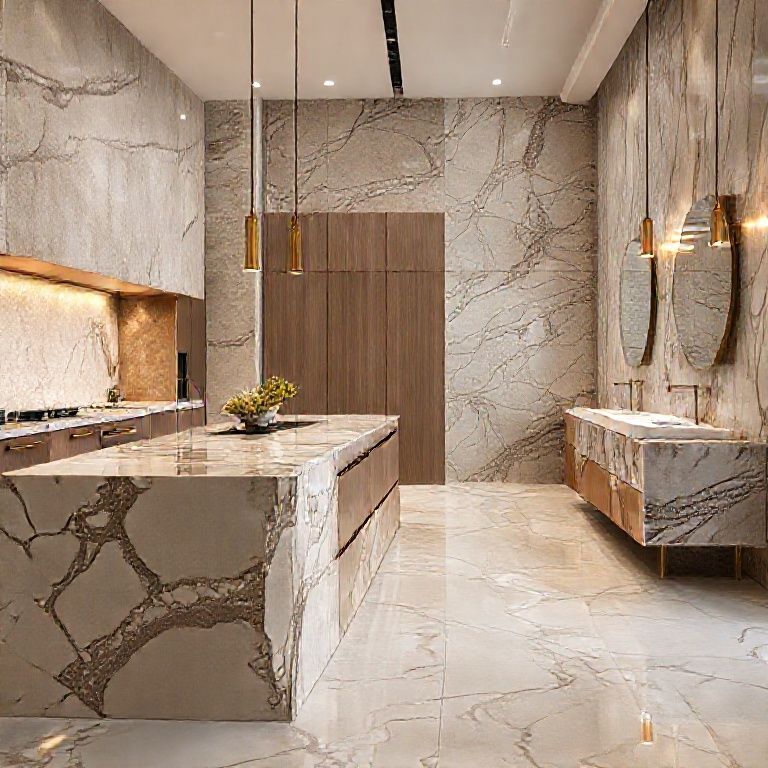
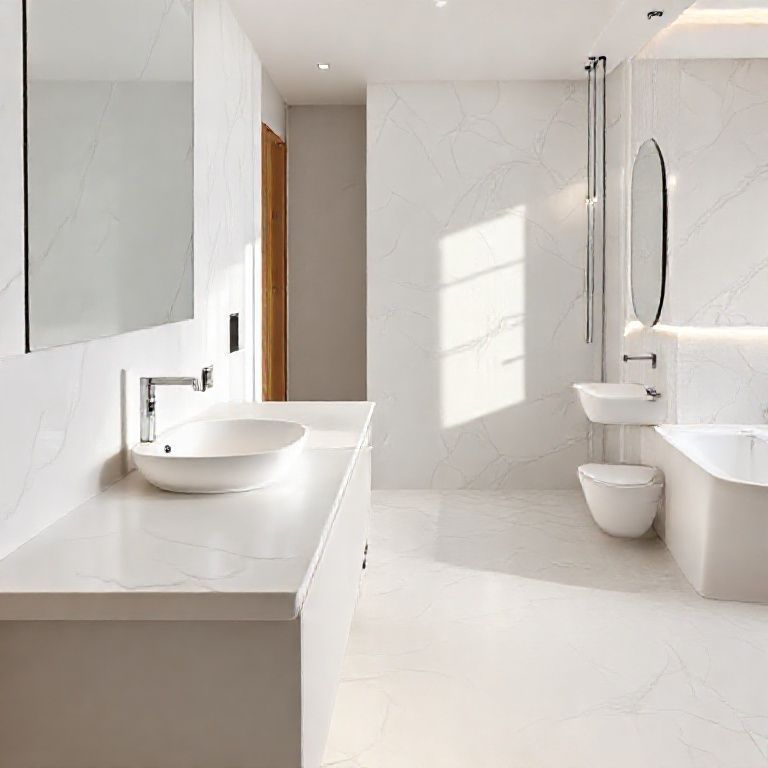
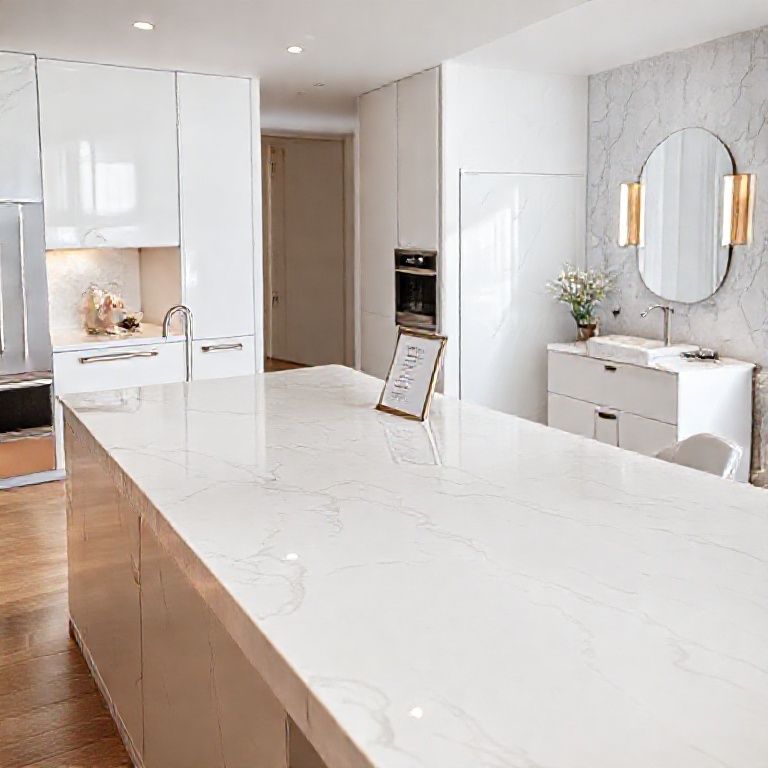
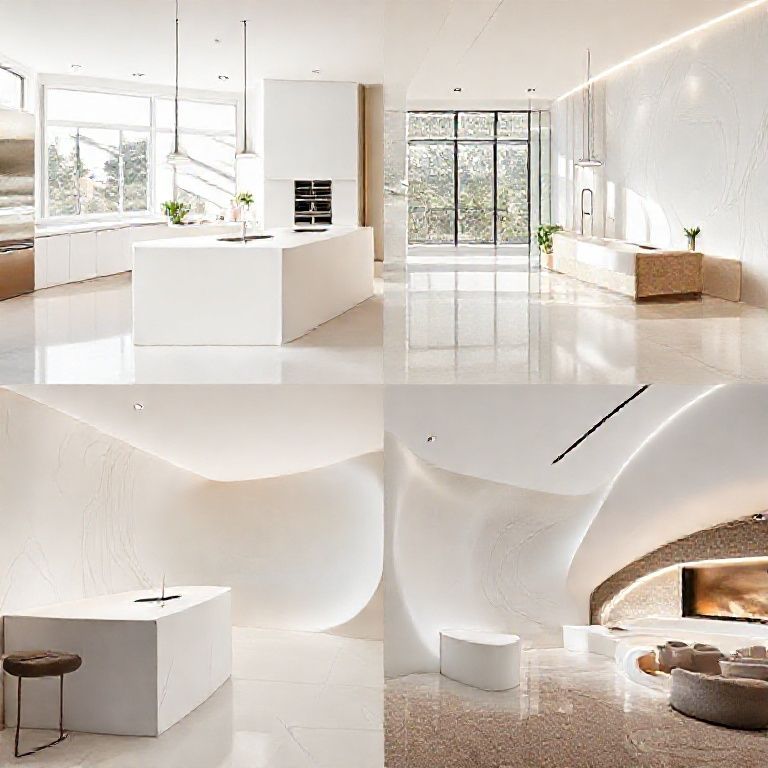
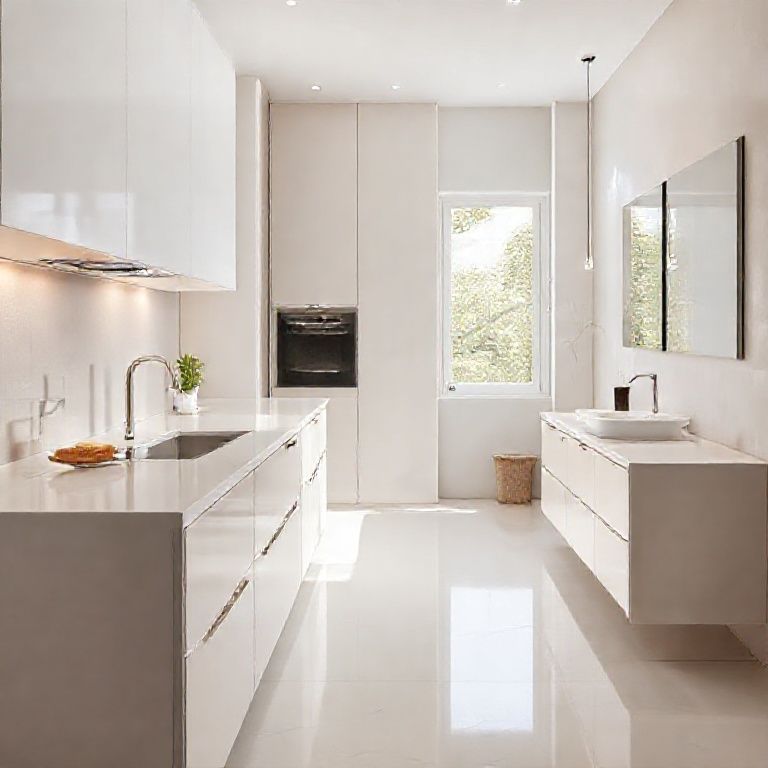
In the realm of modern interior design and architecture, synthetic marble has emerged as a popular choice for countertops, flooring, and decorative elements. Its striking aesthetic appeal, coupled with durability and cost-effectiveness, has made it a preferred option over traditional marble and other natural stones. However, with the growing awareness of health and safety concerns, questions have arisen regarding whether synthetic marble poses any radiation risks.
Understanding Synthetic Marble
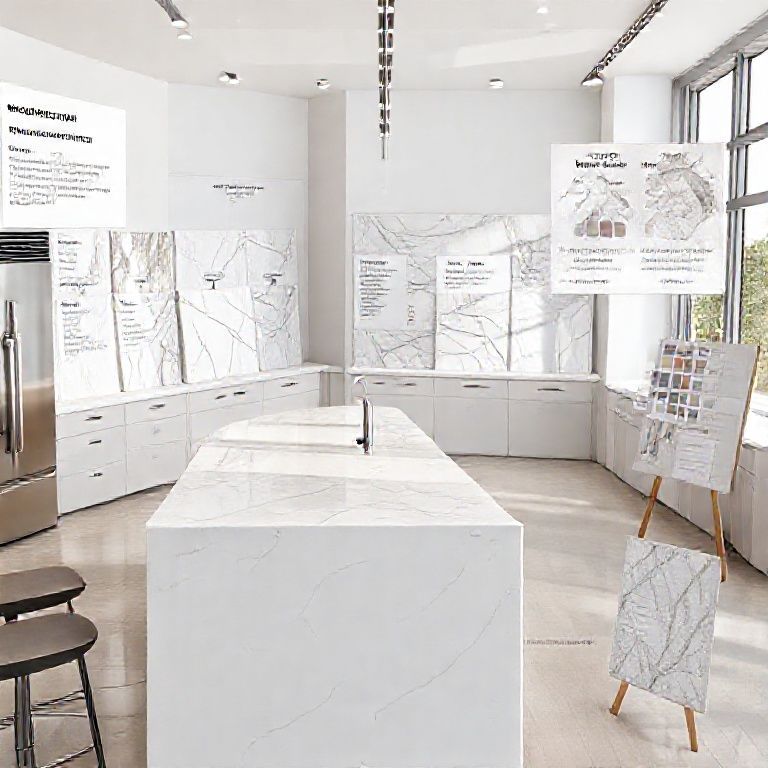
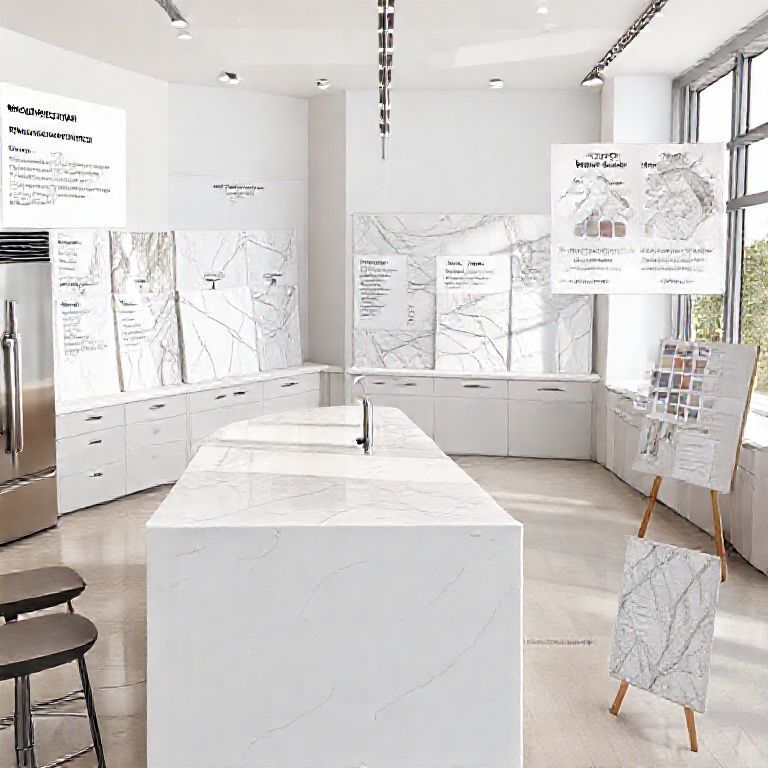
Synthetic marble, also known as artificial or cultured marble, is a composite material made from a combination of natural marble dust, limestone, quartz, and a polymer resin binder. This material is manufactured through a meticulous process that involves mixing these components and then curing them under high pressure and temperature to create a solid, stone-like surface. The result is a versatile material that closely mimics the look and feel of natural marble without the environmental and cost implications.
The Radiation Myth
One of the most pervasive myths surrounding synthetic marble is its potential to emit radiation. This misconception often stems from a lack of understanding about the materials used in its creation and the processes involved in its production. To address this concern, it’s crucial to explore the nature of radiation and how it relates to synthetic marble.
What is Radiation?
Radiation refers to the emission of energy in the form of waves or particles, including ionizing radiation which has enough energy to remove tightly bound electrons from atoms. Sources of radiation include natural elements like uranium and thorium, which are found in various materials. In the context of building materials, radiation concerns typically relate to naturally occurring radioactive materials (NORM).

Analyzing Synthetic Marble’s Composition
Synthetic marble is primarily composed of inert materials such as marble dust, limestone, and quartz, which are bound together by a polymer resin. None of these components are radioactive in their natural state. During the manufacturing process, the conditions—high pressure and temperature—do not introduce radiation into the material. Thus, synthetic marble does not contain radioactive elements that could emit radiation.
Scientific Studies and Findings
Several studies have been conducted to examine the radiation levels in synthetic marble. These studies consistently show that synthetic marble does not emit radiation. For instance, the United States Environmental Protection Agency (EPA) and other regulatory bodies have evaluated various synthetic materials and found no significant radiation levels that pose a health risk. This scientific consensus underscores the safety of synthetic marble when used in typical indoor environments.
Why the Myth Persists
Despite the scientific evidence, the myth of synthetic marble emitting radiation persists. This can be attributed to several factors:

Misinformation: The internet and media can sometimes spread unverified information, leading to widespread confusion.
Perception of New Materials: As with any new technology, there is often a period of skepticism and scrutiny before widespread acceptance.
Fear of the Unknown: People are naturally cautious about new materials, especially when they are unfamiliar with the science behind them.
Addressing Safety Concerns
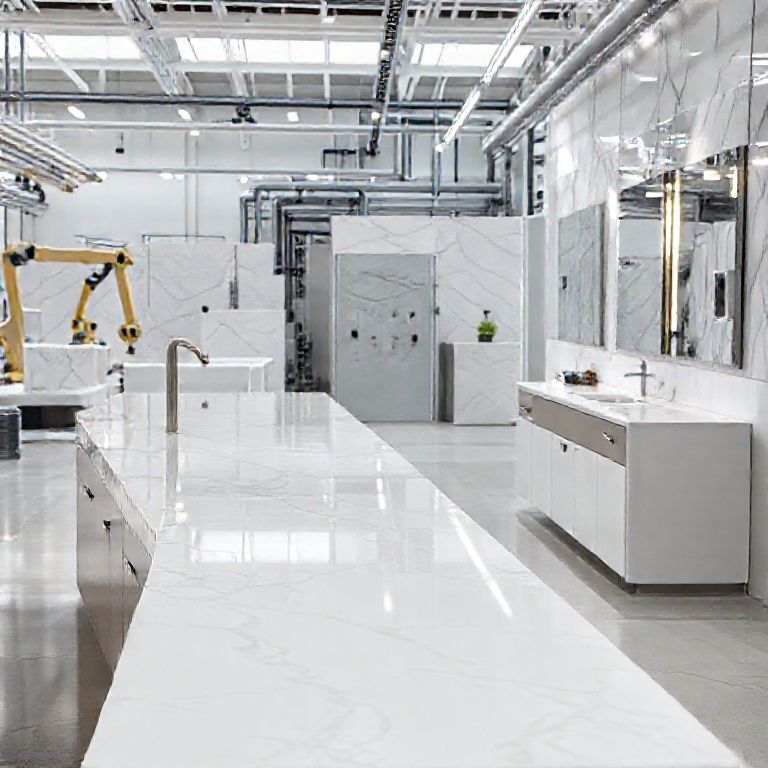
For those still concerned about synthetic marble’s safety, it’s important to understand the comprehensive measures taken to ensure its safety. Manufacturers follow stringent quality control processes to verify that the material is free from harmful substances. Additionally, third-party testing and certifications provide further assurance of the material’s safety.
Conclusion to Part 1
In conclusion, synthetic marble does not pose radiation risks. The material’s composition and manufacturing processes do not introduce radioactive elements. Scientific studies and regulatory evaluations have confirmed this fact, providing a solid foundation for its safe use in various applications. As we move forward, it’s crucial to rely on verified information and scientific evidence to dispel myths and make informed decisions about the materials we choose for our homes and workplaces.
Environmental and Health Benefits of Synthetic Marble
Sustainable and Eco-Friendly
One of the most compelling reasons to choose synthetic marble is its environmental benefits. Traditional marble mining is a resource-intensive process that can have significant ecological impacts, including habitat destruction and water pollution. In contrast, synthetic marble is produced in a controlled manufacturing environment where waste and emissions can be closely monitored and minimized.
Resource Conservation
The production of synthetic marble conserves natural resources. Instead of extracting large quantities of natural stone, synthetic marble utilizes recycled marble dust and other abundant materials. This not only reduces the demand for natural marble but also minimizes the environmental footprint associated with quarrying.
Non-Toxic and Safe for Health
In addition to being radiation-free, synthetic marble is non-toxic and safe for health. The materials used in its production are carefully selected to avoid harmful chemicals and substances. The polymer resin binder used in synthetic marble is food-safe, making it an excellent choice for kitchens and other areas where food preparation occurs.
Durability and Low Maintenance
Synthetic marble is renowned for its durability and low maintenance requirements. Unlike natural stone, which can be prone to staining, chipping, and cracking, synthetic marble is highly resistant to these issues. Its surface is smooth and non-porous, making it easy to clean and maintain. This durability ensures that synthetic marble retains its appearance and functionality for many years, providing excellent value over time.
Versatility and Design Flexibility
The versatility of synthetic marble allows for endless design possibilities. It can be molded into various shapes and sizes, enabling architects and designers to create unique and innovative spaces. The color and texture options are vast, allowing for a wide range of aesthetic choices. This flexibility makes synthetic marble an ideal material for both residential and commercial projects.
Economic Advantages
Choosing synthetic marble can also offer significant economic benefits. The cost of natural stone can be prohibitively expensive, especially for large-scale projects. Synthetic marble, on the other hand, is more affordable due to the efficiency of its manufacturing process and the use of recycled materials. This cost-effectiveness makes synthetic marble an attractive option for budget-conscious consumers.
Regulatory Compliance and Certifications
Manufacturers of synthetic marble adhere to strict regulatory standards to ensure the material’s safety and quality. Many synthetic marble products undergo rigorous testing and receive certifications from recognized organizations. These certifications provide additional assurance of the material’s safety and compliance with industry standards.
Addressing Common Concerns
While synthetic marble offers numerous benefits, some concerns still linger. Here, we address common queries and misconceptions:
Chemical Resistance: Some people worry about the chemical resistance of synthetic marble. However, the polymer resin used in its creation is highly resistant to most household cleaning products and chemicals, making it an excellent choice for kitchens and bathrooms.
Heat Resistance: Another concern is how synthetic marble handles heat. Unlike natural stone, synthetic marble can withstand high temperatures without cracking or warping, making it suitable for areas exposed to heat, such as cooktops.
Allergies: For individuals with allergies, synthetic marble is a safe option as it does not emit volatile organic compounds (VOCs) that can trigger allergic reactions.
Conclusion to Part 2
In summary, synthetic marble is not only radiation-free but also offers a host of environmental, health, and economic benefits. Its sustainability, durability, and versatility make it an excellent choice for various applications. By choosing synthetic marble, consumers can enjoy the aesthetic appeal and functionality of natural stone while being confident in the material’s safety and eco-friendliness. As we continue to advance in materials science, it’s essential to embrace innovative solutions that prioritize both performance and sustainability.
Final Thoughts
In the grand scheme of material choices, synthetic marble stands out as a responsible, safe, and versatile option. Its benefits extend beyond mere aesthetics, touching upon environmental conservation, health safety, and economic efficiency. By understanding the science behind synthetic marble and the myths surrounding it, we can make informed decisions that benefit both our spaces and the planet. As the world moves toward more sustainable practices, synthetic marble exemplifies the kind of innovation that can drive positive change in the materials industry.