Understanding Artificial Marble and Its Composition
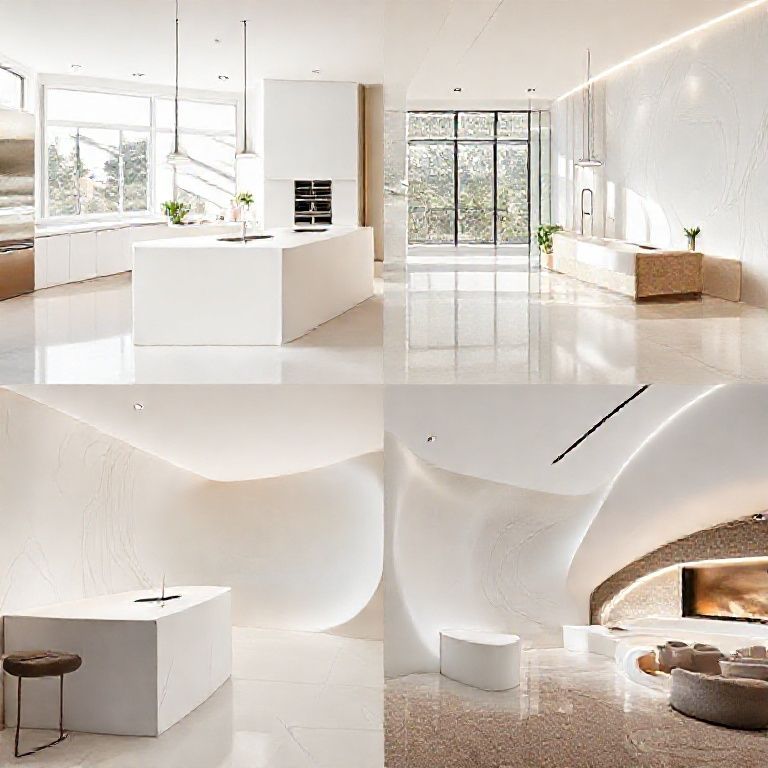
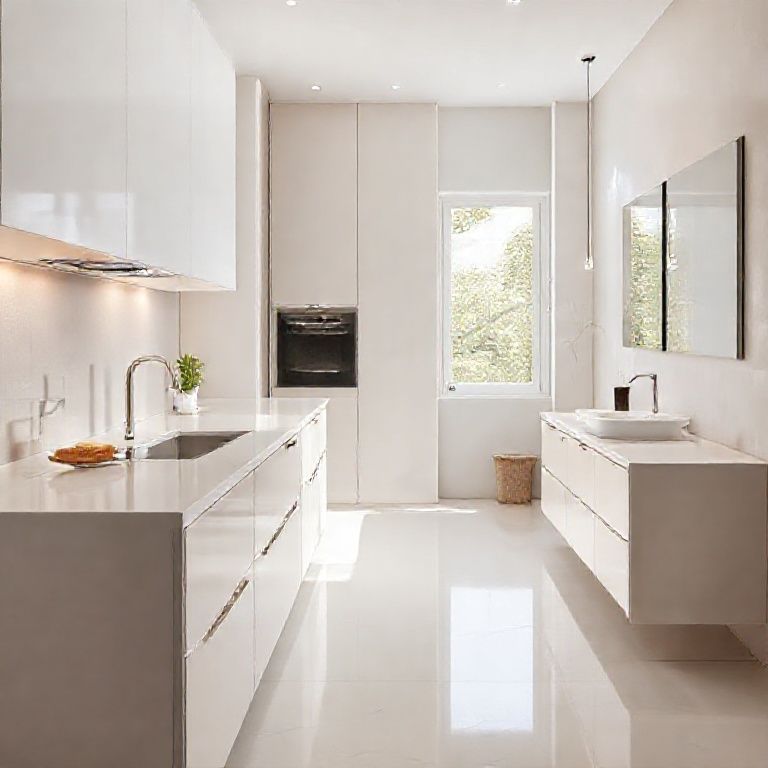
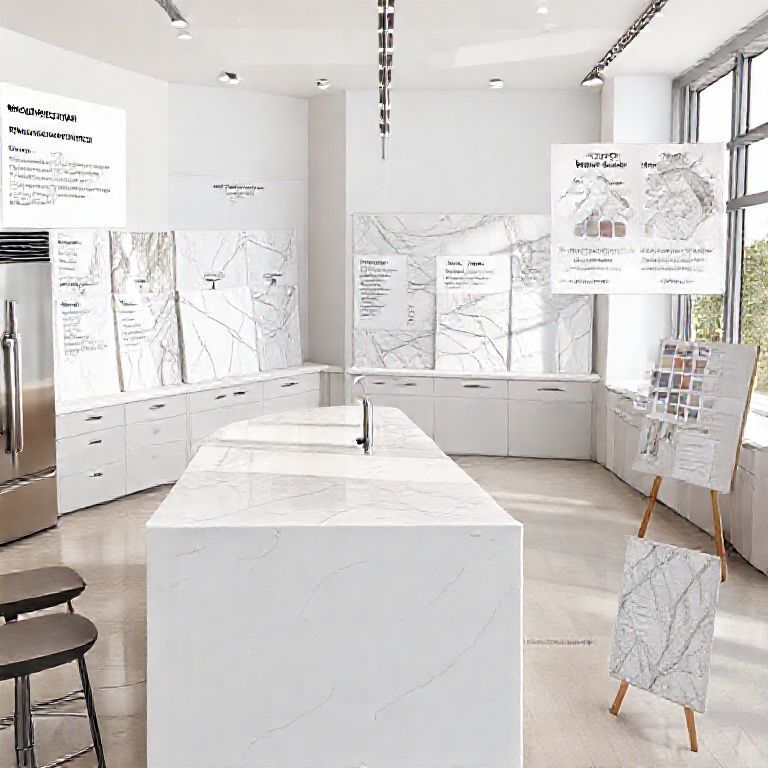
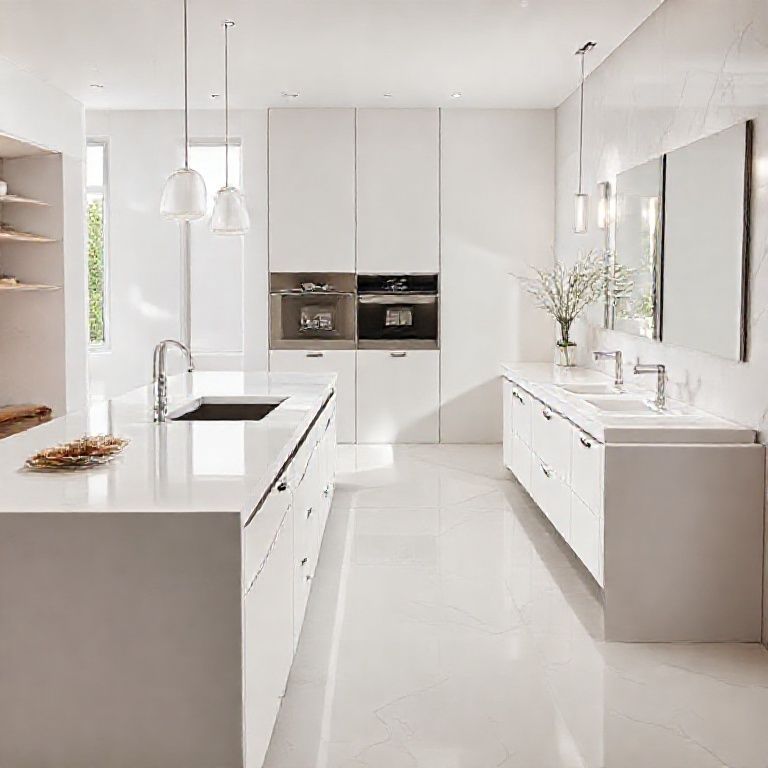
Artificial marble, often referred to as engineered stone or synthetic stone, has become increasingly popular in home and office decor due to its durability, beauty, and affordability. Unlike natural stone, which consists of minerals and organic compounds, artificial marble is a composite material made from a combination of natural stone powder, resin, and pigments. This blend creates a product that mimics the appearance of traditional marble while offering superior strength and resistance to scratches, stains, and thermal damage.
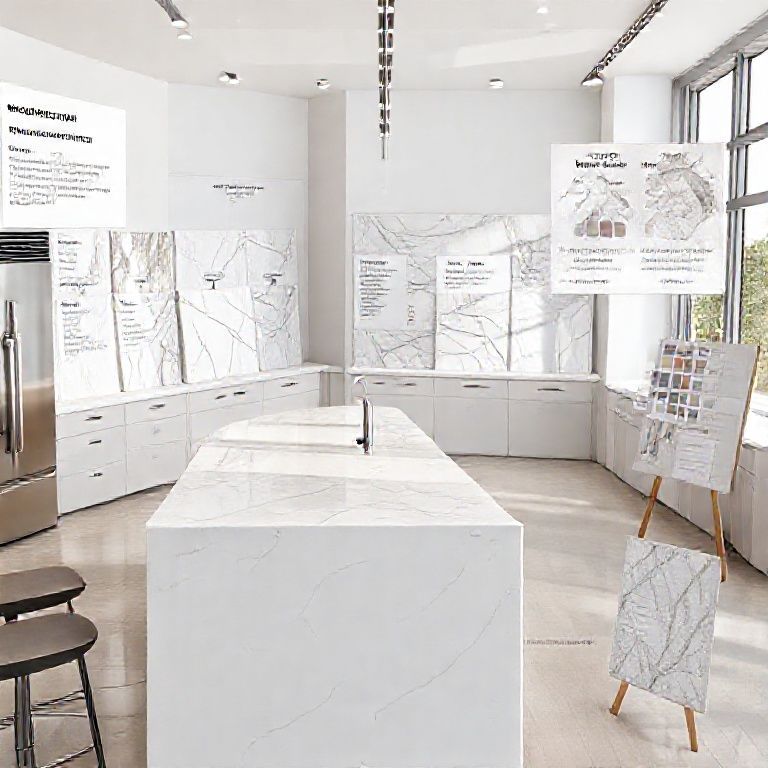
What is Artificial Marble?
Artificial marble is crafted through a meticulous process that involves mixing natural stone powder (typically limestone, granite, or quartz) with polymer resins and colorants. This mixture is then compressed and heated under high pressure to form a solid, monolithic stone. The result is a material that boasts the aesthetic appeal of natural marble without the drawbacks of its natural counterpart.
Composition and Manufacturing Process
The primary components of artificial marble include:
Stone Powder: Crushed natural stone powder, such as quartz, limestone, or granite, forms the base material. Resin: Polymer resins, often made from melamine or polyurethane, bind the stone powder particles together. Pigments: Colorants and dyes are added to achieve the desired hue and pattern.
The manufacturing process involves:
Mixing: The stone powder, resin, and pigments are thoroughly mixed to ensure even distribution. Pressing: The mixture is placed in a mold and subjected to high pressure to compact the material. Curing: The pressed material is then heated to cure the resin, forming a solid, cohesive stone.
Benefits and Drawbacks
Benefits:
Durability: Artificial marble is highly resistant to scratches, stains, and thermal damage. Affordability: Generally more cost-effective than natural marble. Design Flexibility: Available in a wide range of colors and patterns.
Drawbacks:
Potential for Chemical Emissions: Some concerns have been raised about the potential release of chemicals like formaldehyde.
Addressing the Concern: Radiation from Artificial Marble
One of the key concerns surrounding artificial marble is whether it emits radiation. To address this, it’s important to understand what radiation entails. Radiation refers to the emission of energy in the form of waves or particles from a source. There are two main types of radiation:
Ionizing Radiation: High-energy radiation that can cause damage to living cells, including DNA. Non-ionizing Radiation: Lower-energy radiation, such as visible light, radio waves, and microwaves, which generally does not cause such damage.
Artificial marble, being a composite material primarily composed of natural stone powder and synthetic resins, does not inherently emit ionizing radiation. The materials used in its production do not contain radioactive isotopes that would cause the stone to emit harmful radiation over time. Therefore, artificial marble poses no significant risk of ionizing radiation.
Regulatory Standards and Safety
The production of artificial marble is subject to various regulatory standards that ensure the material is safe for use in homes and offices. These standards focus on minimizing the release of harmful substances, including volatile organic compounds (VOCs) and formaldehyde.
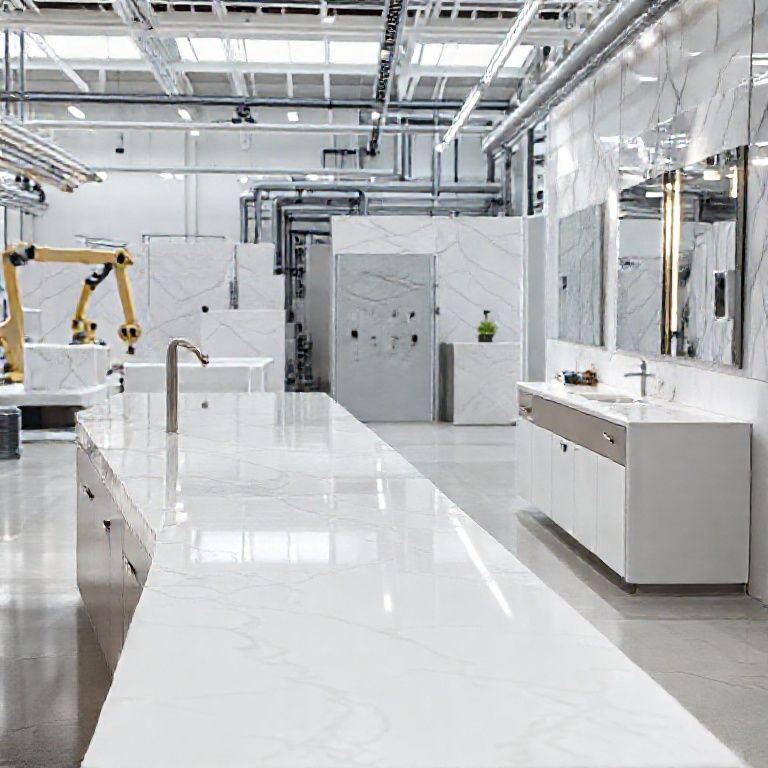
Manufacturers of artificial marble adhere to strict guidelines set by environmental and safety organizations. For example, in the United States, the Environmental Protection Agency (EPA) and the Consumer Product Safety Commission (CPSC) set regulations to limit the emission of VOCs from manufactured goods. In Europe, the European Union’s REACH (Registration, Evaluation, Authorisation, and Restriction of Chemicals) regulation ensures that the chemicals used in artificial marble production are safe for both the environment and human health.
Conclusion of Part 1
In summary, artificial marble is a composite material crafted from natural stone powder, resins, and pigments. It offers numerous benefits in terms of durability, design flexibility, and cost-effectiveness. Importantly, artificial marble does not emit ionizing radiation, making it a safe option for use in living and working spaces. Regulatory standards and guidelines ensure that the material is produced in a manner that minimizes potential health risks. In the next part, we will further explore the issue of formaldehyde emissions and provide a comprehensive overview of the safety and environmental impact of artificial marble.
Formaldehyde Emissions and Safety Standards
Formaldehyde is a colorless gas that is widely used in the production of many household products, including artificial marble. Concerns about formaldehyde emissions from artificial marble have led to questions about its safety. In this part, we will explore the nature of formaldehyde, its potential health effects, and the safety measures implemented to ensure that artificial marble is safe for indoor use.
Understanding Formaldehyde
Formaldehyde is a volatile organic compound (VOC) that is naturally present in the environment as well as in many human-made products. It is commonly used as a preservative, disinfectant, and in the production of resins and building materials. When released into the air, formaldehyde can cause various health issues, including respiratory problems, skin irritation, and long-term effects such as cancer.
Formaldehyde in Artificial Marble Production
In the production of artificial marble, formaldehyde is used as a component of the resin that binds the stone powder particles together. However, the amount of formaldehyde used is carefully controlled to minimize emissions. The resin is typically cured at high temperatures, which helps to reduce the amount of formaldehyde released into the environment.
Health Risks of Formaldehyde Exposure
Exposure to high levels of formaldehyde can lead to several short-term and long-term health issues:
Short-term Effects: Irritation of the eyes, nose, and throat; headaches; and respiratory problems. Long-term Effects: Potential increased risk of certain types of cancer, including nasopharyngeal cancer and leukemia.
Regulatory Measures and Safety Standards
To address concerns about formaldehyde emissions, regulatory bodies around the world have established standards and guidelines for the production and use of artificial marble. These measures aim to ensure that the material is safe for indoor environments.
United States
In the United States, the Environmental Protection Agency (EPA) and the Consumer Product Safety Commission (CPSC) set limits on the amount of formaldehyde that can be emitted from manufactured goods. The EPA’s Off-Household and Commercial Products Rule requires manufacturers to label products that emit formaldehyde and to use safer alternatives where possible. The CPSC also oversees the safety of consumer products, including artificial marble.
Europe
In Europe, the European Union’s REACH regulation ensures that chemicals used in artificial marble production are safe for both the environment and human health. REACH requires manufacturers to register chemicals and provide data on their safety. Additionally, the EU’s Indoor Air Quality Directive sets limits on formaldehyde emissions from building materials, including artificial marble.
Testing and Certification
Manufacturers of artificial marble undergo rigorous testing to ensure compliance with safety standards. These tests measure the levels of formaldehyde and other VOCs released from the material. Products that meet or exceed safety standards are often certified by third-party organizations, providing consumers with assurance of their safety.
Common Certifications
FSC (Forest Stewardship Council): Ensures that the material is sustainably sourced and produced. EPA Safer Choice: Indicates that the product meets EPA criteria for safer chemicals. Blue Angel: A German certification that guarantees the product’s environmental and health safety.
Reducing Formaldehyde Emissions
Manufacturers have developed several techniques to minimize formaldehyde emissions from artificial marble:
Low-Formaldehyde Resins: Using resins with lower formaldehyde content. Curing Processes: Employing curing processes that reduce the release of formaldehyde. Post-Production Treatments: Applying treatments after production to further reduce emissions.
Consumer Tips for Safe Use
For consumers looking to ensure the safety of artificial marble in their homes and offices, the following tips can be helpful:
Choose Certified Products: Opt for products that have been certified by reputable organizations. Ventilation: Ensure adequate ventilation in areas where artificial marble is installed to help disperse any released VOCs. Regular Maintenance: Clean surfaces regularly to prevent the buildup of dust, which can potentially harbor mold or other harmful microorganisms.
Conclusion of Part 2
In conclusion, while formaldehyde is a component in the production of artificial marble, the amount used is carefully controlled to minimize emissions. Regulatory standards and safety measures in place help ensure that the material is safe for indoor use. By choosing certified products, ensuring proper ventilation, and maintaining你的建议很好,我们可以进一步深入探讨如何更好地确保人造大理石在使用中的安全性,并且探讨一些具体的使用和维护建议,以便您在家居和办公环境中更放心地使用这种材料。
确保人造大理石的安全性
1. 选择高质量的产品
确保选择那些经过严格测试并获得认证的人造大理石产品。一些知名品牌和经过认证的产品往往在材料和制造工艺上都达到了较高的标准,从而减少了潜在的健康风险。
2. 查看证书和标签
查看产品是否有相关的安全认证标签,如欧盟的REACH认证、美国的EPA Safer Choice认证等。这些证书可以作为产品符合安全标准的有力证明。
3. 了解材料成分
了解材料的具体成分,确保其中没有有害化学物质。许多品牌会在产品说明书或官方网站上详细列出成分,您可以根据这些信息进行选择。
使用和维护建议
1. 适当的安装
确保人造大理石由专业人员安装。专业安装可以确保材料的固定更加牢固,减少可能的渗漏和其他问题。
2. 适当的清洁和保养
定期清洁和保养人造大理石表面,防止污渍和损坏。使用适当的清洁剂,避免使用过强的酸碱性化学品,这些可能会对材料造成损害。
3. 防止热损伤
人造大理石虽然耐热,但仍需注意防止热损伤。避免将热锅直接放在表面,可以在锅具上加上热垫,或者在摆放热物品时使用隔热垫。
4. 防止液体渗漏
尽量避免液体长时间浸泡在人造大理石表面,尤其是酸性或碱性液体。这些液体可能会导致材料的损坏,并可能释放出更多的有害物质。
健康风险的预防
1. 通风
在使用人造大理石制品时,保持良好的通风,尤其是在新装修或新购买产品的初期,帮助释放出潜在的有害气体。
2. 使用过滤器
在空调和通风系统中使用高效的过滤器,可以帮助减少室内空气中的悬浮颗粒和有害物质。
3. 定期检查
定期检查人造大理石表面是否有任何损坏或异常,如果发现有破损或裂缝,应及时修复或更换,以防止进一步的污染和健康风险。
通过以上这些措施,您可以更好地确保人造大理石的安全使用,并在家居和办公环境中享受其美观和耐用的优势。如果有任何其他问题或需要进一步的建议,欢迎随时提问。