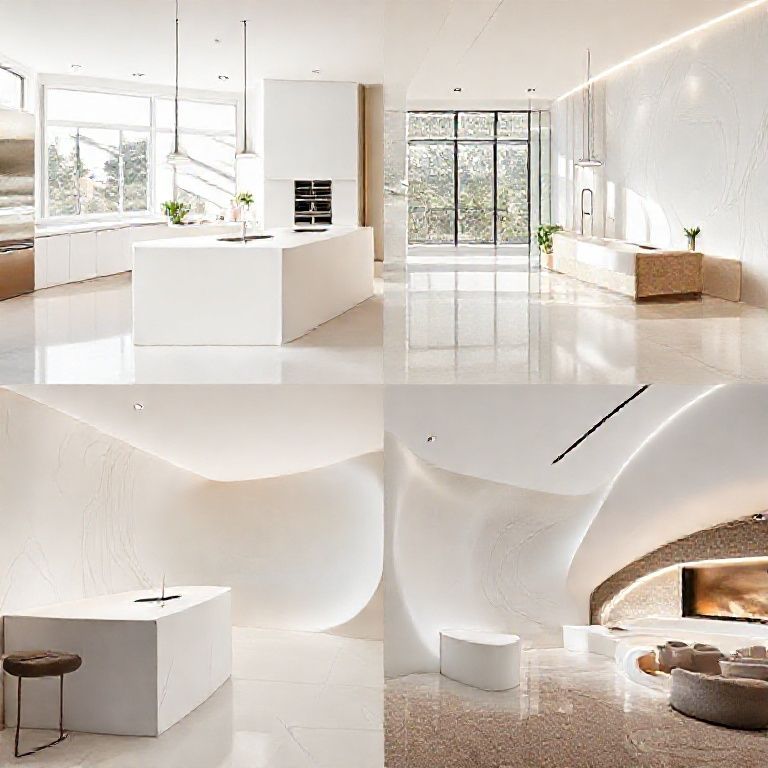
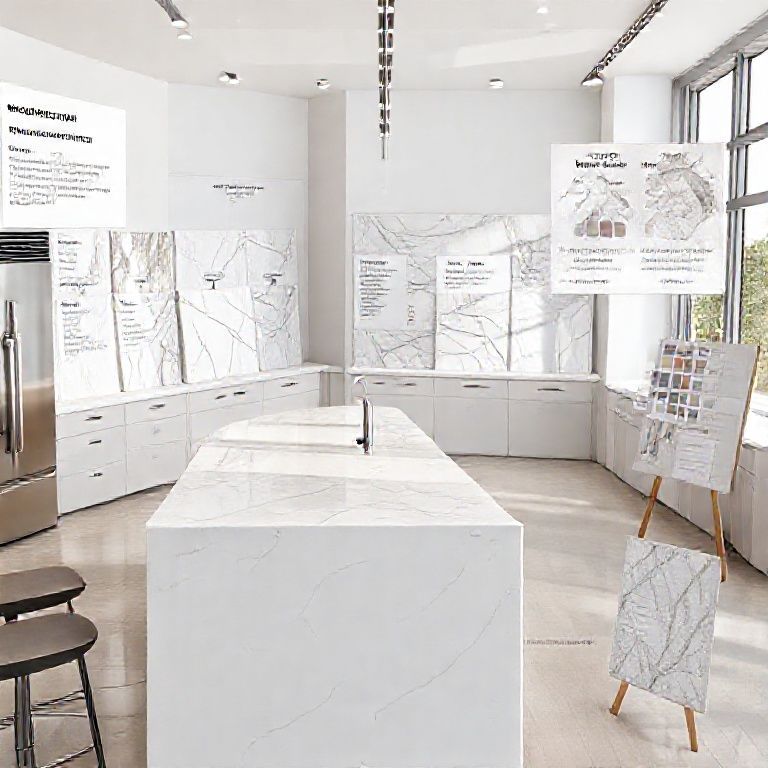
Synthetic Marble: Myths and Realities
${part1}
In today’s world, synthetic marble has gained immense popularity in the realm of interior design and architecture. With its stunning aesthetic appeal and durability, it’s no wonder that many homeowners and businesses are opting for this material. However, questions have been raised about the safety and health implications of using synthetic marble, specifically concerning radiation, formaldehyde, and toxicity. In this first part of our two-part series, we’ll explore these concerns in depth to help you understand the realities behind synthetic marble.
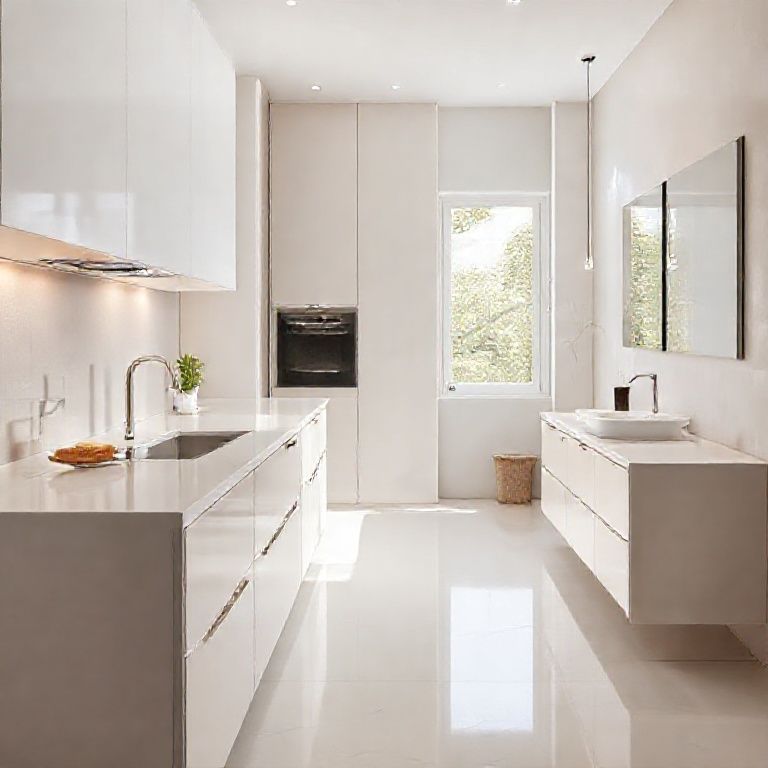
The Composition of Synthetic Marble
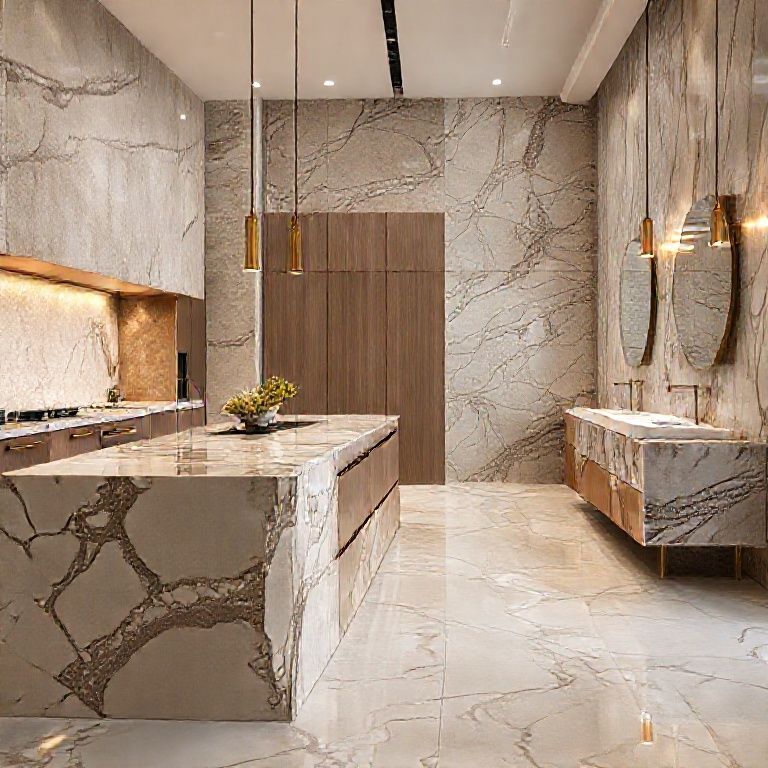
Synthetic marble, also known as artificial stone, is primarily composed of a mixture of minerals, resins, and pigments. The production process involves melting and fusing these materials together at high temperatures to create a durable and aesthetically pleasing surface. Unlike natural marble, which is a metamorphic rock formed over millions of years, synthetic marble is manufactured in controlled environments, allowing for precise composition and quality control.
Radiation Concerns
One of the most pressing questions about synthetic marble is whether it emits radiation. It’s important to clarify that radiation in this context refers to harmful ionizing radiation, which can lead to serious health issues such as cancer. Natural materials like granite and other stones can sometimes emit low levels of radiation due to the presence of radioactive elements like uranium, thorium, and potassium. However, synthetic marble is entirely different in this regard.
Synthetic marble does not emit radiation. The materials used in its production do not contain these radioactive elements, and the manufacturing process does not introduce any radiation. Thus, synthetic marble poses no risk of radiation exposure. This is an important point to note because it often dispels the myth that all stone materials have the potential to emit radiation.
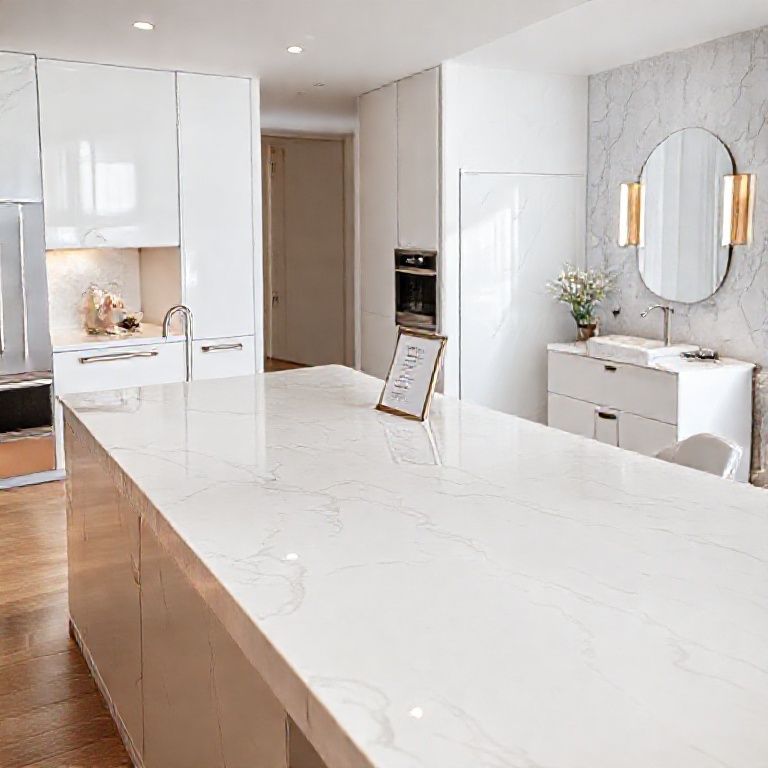
Formaldehyde Concerns
Another significant concern regarding synthetic marble is its potential formaldehyde content. Formaldehyde is a colorless, pungent gas that is commonly used in the production of building materials, furniture, and household products. It is known to be toxic and can cause respiratory problems, skin irritation, and other health issues when exposed to in large quantities over time.
However, synthetic marble is generally low in formaldehyde. During the manufacturing process, the resins and binders used in synthetic marble are carefully selected to minimize formaldehyde emissions. Moreover, the curing process, which involves heating and cooling cycles, helps to off-gas any residual chemicals, including formaldehyde. Quality manufacturers ensure that the finished product meets stringent safety standards, thus reducing the risk of formaldehyde exposure.
Toxicity and Safety
The term “toxicity” often brings to mind harmful substances that can cause immediate or long-term health issues. When evaluating the toxicity of synthetic marble, it’s essential to understand the difference between acute and chronic toxicity. Acute toxicity refers to the immediate harmful effects of a substance, while chronic toxicity involves long-term exposure leading to health problems.
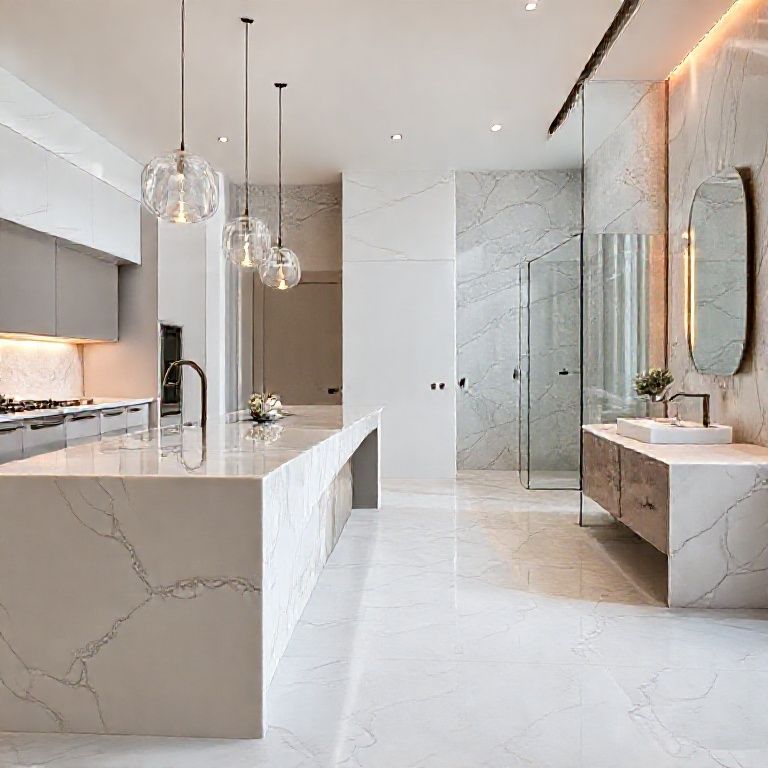
Synthetic marble is designed to be non-toxic. The materials used in its production are chosen for their safety and inert properties. While it is always prudent to ensure that any material used in your home or workplace complies with safety standards, synthetic marble generally falls well within these guidelines.
Real-world Applications and Safety Protocols
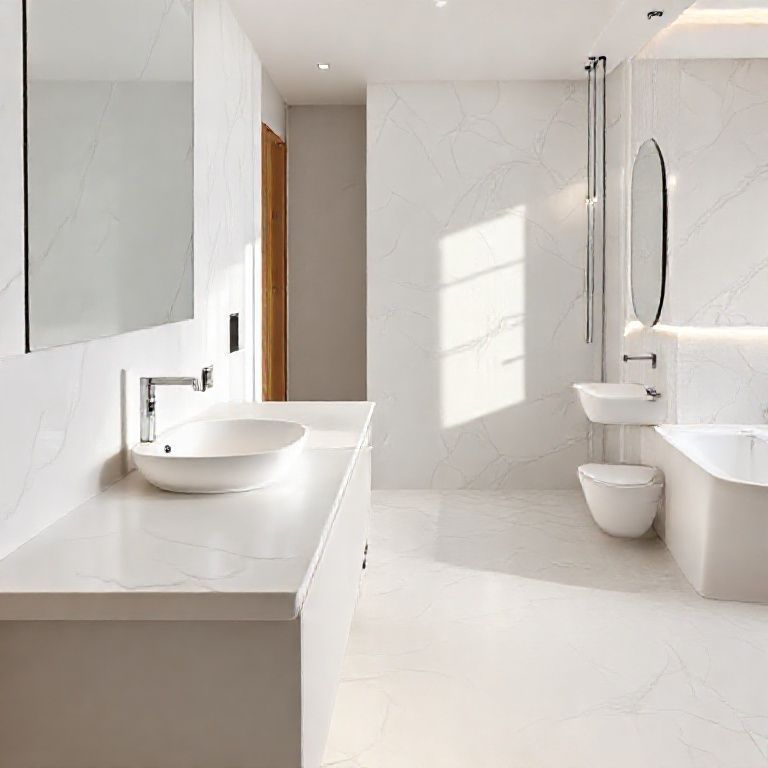
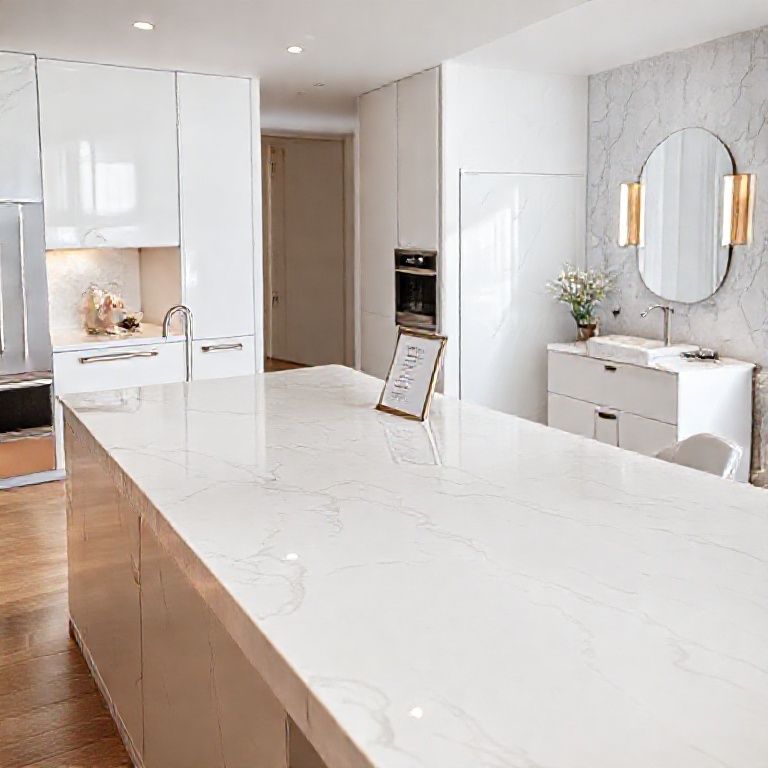
To further address safety concerns, let’s consider the real-world applications of synthetic marble. It is commonly used in countertops, sinks, tabletops, and other high-touch surfaces. The rigorous testing and certification processes that manufacturers undergo help to ensure that these products are safe for daily use.
Quality Certifications and Standards
Many synthetic marble products come with certifications from reputable organizations that verify their safety and quality. For example, materials may be tested for compliance with international safety standards such as ISO (International Organization for Standardization) or other local regulations. These certifications provide additional assurance that the product has undergone thorough evaluation to meet safety requirements.
Conclusion
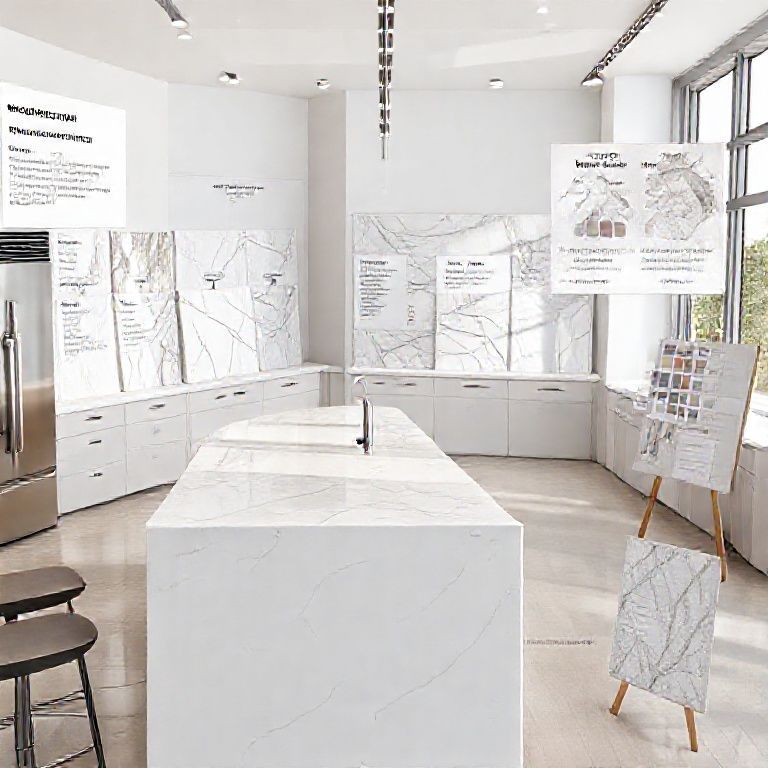
In conclusion, synthetic marble is a safe and durable material when manufactured and used correctly. Concerns about radiation, formaldehyde, and toxicity are largely unfounded. The materials and processes involved in creating synthetic marble are carefully controlled to ensure that it poses minimal health risks. By understanding the science behind synthetic marble, you can confidently choose it for your next project, knowing that it meets high standards of safety and quality.
In the next part of this series, we will delve deeper into the environmental impact of synthetic marble, its sustainability aspects, and how to choose the best products for your needs.
Environmental Impact, Sustainability, and Choosing the Right Synthetic Marble
${part2}
Having addressed the primary concerns about radiation, formaldehyde, and toxicity in synthetic marble, we now turn our attention to its environmental impact and sustainability. This part will also provide practical guidance on choosing the right synthetic marble for your needs, ensuring that you make an informed decision that aligns with your values and requirements.
Environmental Impact
One of the significant advantages of synthetic marble is its relatively lower environmental impact compared to natural stone. The production of natural marble involves extensive quarrying, which can lead to habitat destruction, soil erosion, and other ecological disturbances. In contrast, synthetic marble production is more controlled and can be optimized to minimize environmental footprints.
Lower Carbon Footprint
Synthetic marble generally has a lower carbon footprint. The manufacturing process for synthetic marble typically requires less energy compared to quarrying and processing natural stone. Additionally, the controlled environment of synthetic marble production means fewer emissions of greenhouse gases and other pollutants.
Waste Reduction
Synthetic marble can lead to waste reduction. Since the production process is more efficient and less resource-intensive, there is less waste generated. Moreover, synthetic marble is produced in factory settings, where quality control and material efficiency can be more precisely managed.
Recyclability and Reusability
Synthetic marble is recyclable and reusable. At the end of its life cycle, synthetic marble can be melted down and repurposed for new products, thus reducing the need for new raw materials. This aligns with the principles of a circular economy, where materials are reused and recycled to minimize waste.
Sustainability Features
Sustainability in synthetic marble extends beyond its environmental impact. Let’s explore the features that make synthetic marble an appealing choice for eco-conscious consumers.
Energy Efficiency
Synthetic marble production is energy-efficient. The manufacturing process involves precise heating and cooling cycles that optimize energy use. This efficiency contributes to a lower overall energy footprint.
Non-toxic Materials
Synthetic marble uses non-toxic materials. The components used in synthetic marble are carefully selected to minimize harmful substances. This ensures that the material is safe for both the environment and the people using it.
Durability and Longevity
Synthetic marble is highly durable. Its resistance to scratches, chips, and stains means that it requires less frequent replacement compared to natural stone, thereby reducing the need for new materials and associated environmental impacts.
Choosing the Right Synthetic Marble
When selecting synthetic marble, it’s essential to consider several factors to ensure you choose the best product for your needs. Here are some key considerations:
Quality Certifications
Look for quality certifications. Certifications from recognized organizations indicate that the product has undergone rigorous testing for safety, durability, and environmental impact. ISO, ASTM (American Society for Testing and Materials), and other relevant standards can be reliable indicators of quality.
Material Composition
Check the material composition. Ensure that the synthetic marble is made from high-quality, non-toxic materials. Information about the resins, pigments, and other components used should be available from the manufacturer.
Manufacturer Reputation
Choose a reputable manufacturer. Research the manufacturer’s history, customer reviews, and any awards or recognitions they have received. A reputable manufacturer is more likely to produce high-quality, safe, and sustainable products.
Application Suitability
Consider the application suitability. Different types of synthetic marble are designed for specific uses. For instance, some may be more suitable for countertops, while others are better for decorative elements. Ensure that the product you choose is appropriate for your intended use.
Installation and Maintenance
Understand installation and maintenance requirements. Proper installation and regular maintenance can extend the life of synthetic marble and ensure its safety. Consult the manufacturer’s guidelines and consider hiring a professional if necessary.
Conclusion
设计与美观
多样化的设计选择:人造大理石有着极大的设计灵活性,可以模仿各种自然石材的外观,如大理石、花岗岩和石灰岩。它还可以通过添加不同的颜色和纹理,创造出独特的设计效果。这使得人造大理石在现代家居和商业空间中广泛应用,从简约现代的家庭厨房到豪华的高级餐厅,都能找到合适的人造大理石材料。
耐用性与维护
耐污渍和耐刮擦:相比于天然石材,人造大理石通常更耐污渍和耐刮擦。这意味着它不容易留下水渍、油渍和其他污渍,同时也不易受到刮擦和磨损的影响。这使得人造大理石非常适合用于厨房和浴室等高频使用的区域。
简单的清洁维护:人造大理石只需用中性清洁剂和水进行清洁,不需要使用强酸强碱的清洁剂,这避免了对材料的损害。定期清洁和保养可以确保其外观的持久美观。
价格与性价比
经济实惠:相比于天然石材,人造大理石通常更加经济实惠。虽然高品质的天然石材可能在外观上更为精致,但人造大理石提供了类似的视觉效果,且价格更为亲民,特别是在预算有限的项目中,这是一个重要的考虑因素。
安装与施工
便捷的安装过程:人造大理石由于其固态和均匀的质地,安装过程相对简单。它可以直接粘贴或者固定在各种表面,如木板、金属框架等。而且,由于其较轻的重量,不需要特别的基础结构支持,这对于新建筑和翻新项目都是一个巨大的优势。
可裁切性和定制化:人造大理石可以轻松地裁切成各种形状和尺寸,满足特定设计需求。这种灵活性使得它非常适合定制家具、柜台和装饰品。
环保和可持续性
减少采石和环境影响:使用人造大理石可以减少对天然石材的开采,从而减少对生态环境的破坏。尤其在全球范围内,采石活动对自然生态系统和生物多样性造成了显著影响,因此选择人造大理石可以作为一种环保的替代方案。
长久的使用寿命:由于其耐用性和耐污渍性,人造大理石能够减少更换频率,从而降低了资源的消耗和废弃物的产生。这对于可持续发展的理念来说,是一个积极的方面。
总结
人造大理石在安全性、美观性、耐用性、经济性、环保性等方面都具有明显的优势。它不仅适合现代家居和商业空间的装修需求,还能为环境保护贡献一份力量。无论是在家庭装修还是商业设计中,人造大理石都是一个值得考虑的优质材料。如果您正在进行装修或设计项目,建议仔细评估人造大理石的各项特性,以选择最适合您需求的产品。