Part 1
Introduction to Natural Marble: A Timeless Choice
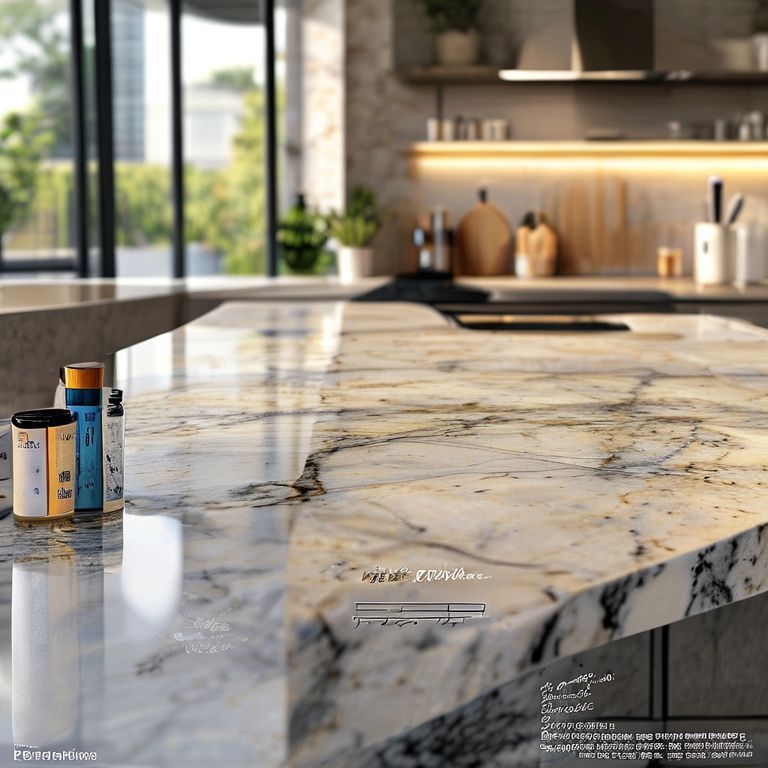
Natural marble has long been revered for its elegance, durability, and timeless appeal. Used in everything from high-end countertops to luxurious flooring, marble’s natural beauty and sophistication make it a popular choice for both residential and commercial spaces. However, as consumers become increasingly conscientious about the materials they use, questions about the safety and environmental impact of natural marble arise. In particular, concerns about radiation and formaldehyde often surface. This article aims to shed light on these issues, ensuring you have the information you need to make an informed decision.

The Myths Surrounding Marble: Radiation Concerns
Firstly, let’s address the misconception about marble and radiation. It’s essential to understand that natural marble is a natural stone, composed primarily of calcium carbonate. While it is true that some natural stones can contain trace amounts of naturally occurring radioactive materials like radium, uranium, and thorium, the levels are typically minimal.
Marble, specifically, is not significantly radioactive. The radiation levels in marble are often below detectable limits and pose no health risk to occupants. Regulatory bodies, such as the Environmental Protection Agency (EPA) in the United States, monitor these levels and confirm that natural stone products, including marble, are safe for use in buildings and homes. The radiation emitted by marble, if any, is negligible compared to other common sources like radon gas found in some homes.
Understanding Formaldehyde: A Closer Look at Off-Gassing
Formaldehyde, a volatile organic compound (VOC), is another concern often associated with building materials. However, natural marble does not produce formaldehyde. Marble is an inorganic material, meaning it does not contain any of the synthetic compounds that typically release formaldehyde. This makes natural marble a healthier choice compared to certain composite materials and engineered stones that might contain additives or resins that could off-gas formaldehyde.
Marble’s Environmental Footprint: Sustainable Sourcing and Production
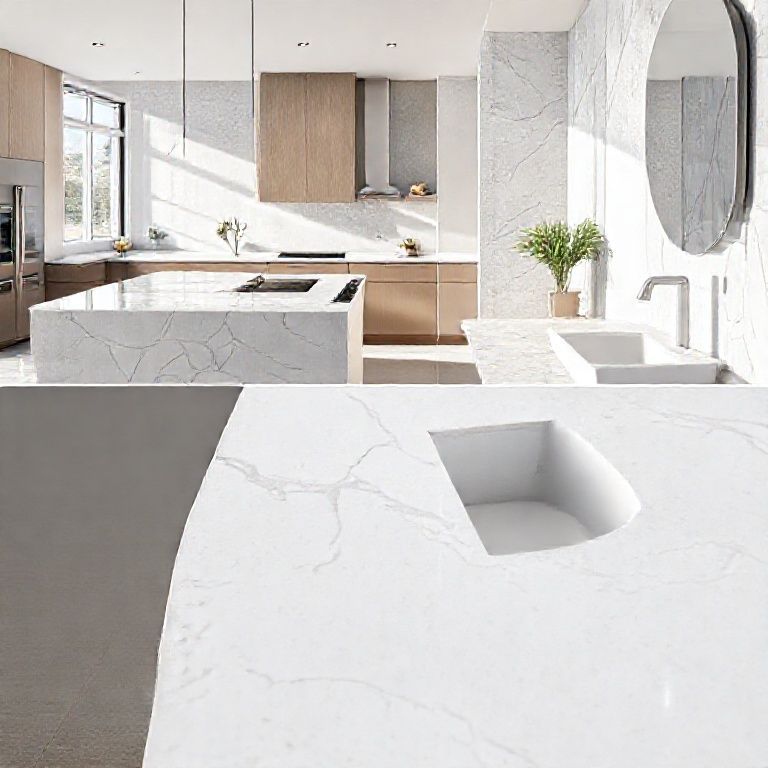
In an era where sustainability is paramount, it’s crucial to consider the environmental impact of the materials we choose. Natural marble is a sustainable option when sourced responsibly. Many marble quarries implement environmentally friendly practices to minimize their impact on local ecosystems. Quarrying and processing marble are done with careful consideration for environmental conservation, including measures to protect water sources and reduce waste.
Additionally, the durability of marble ensures that it requires less frequent replacement compared to synthetic materials, further reducing waste. When choosing high-quality marble from reputable sources, you are opting for a product that has a long lifespan and low environmental impact.
Health Benefits of Natural Marble
The use of natural marble in interior design can offer more than just aesthetic benefits. Studies suggest that natural stone surfaces, including marble, can contribute to a cleaner indoor environment. Unlike synthetic materials that may trap pollutants and bacteria, natural stone surfaces are inherently cleaner and more hygienic. This is because they do not harbor microorganisms as well as some composite materials can.
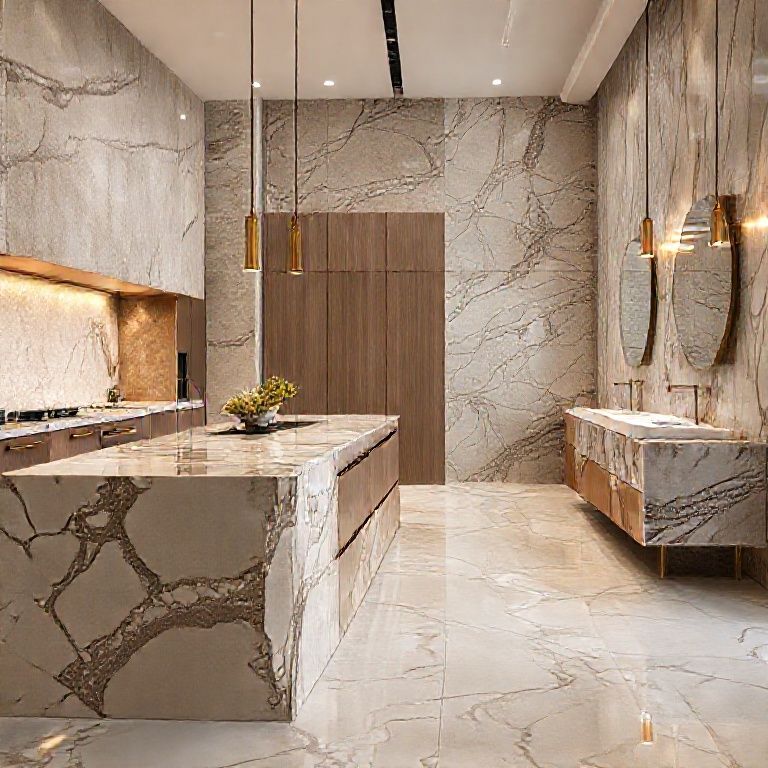
Furthermore, the process of installing marble, including sealing, helps to reduce dust and airborne particles, contributing to better indoor air quality. When marble is properly sealed, it forms a barrier that minimizes the entry of dust and other pollutants, offering a healthier living space.
Marble in Modern Interior Design: A Blend of Tradition and Innovation
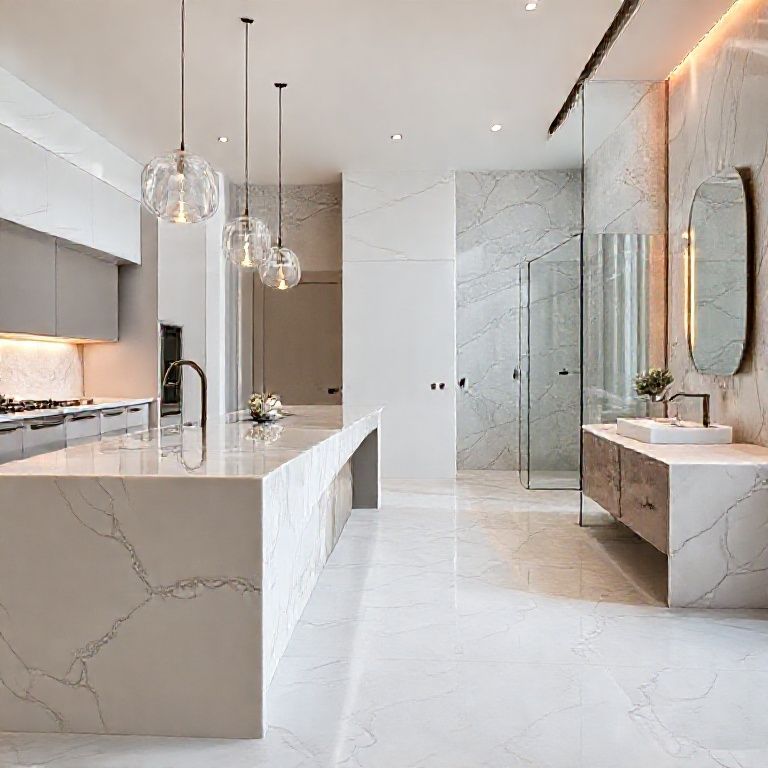
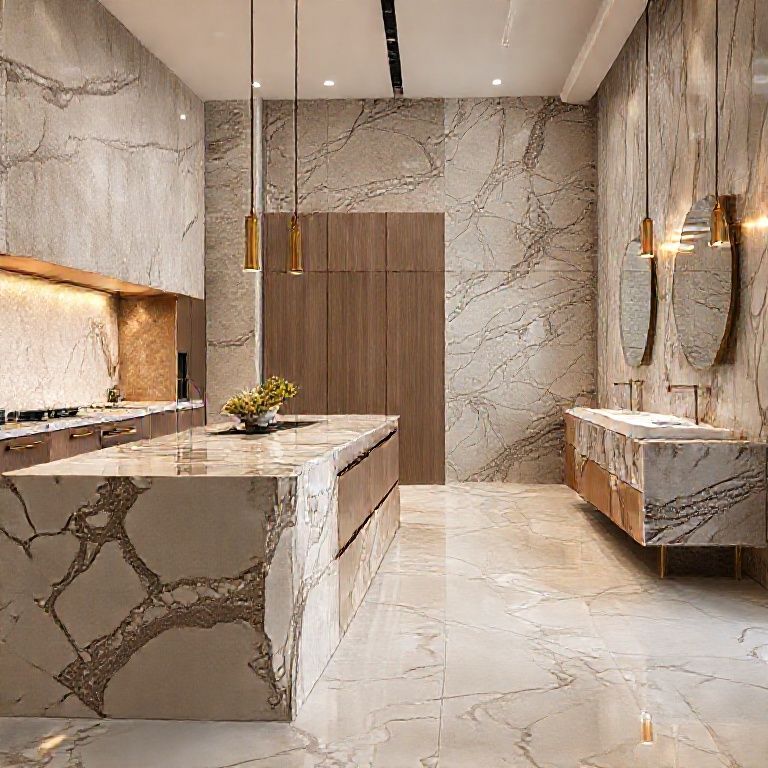
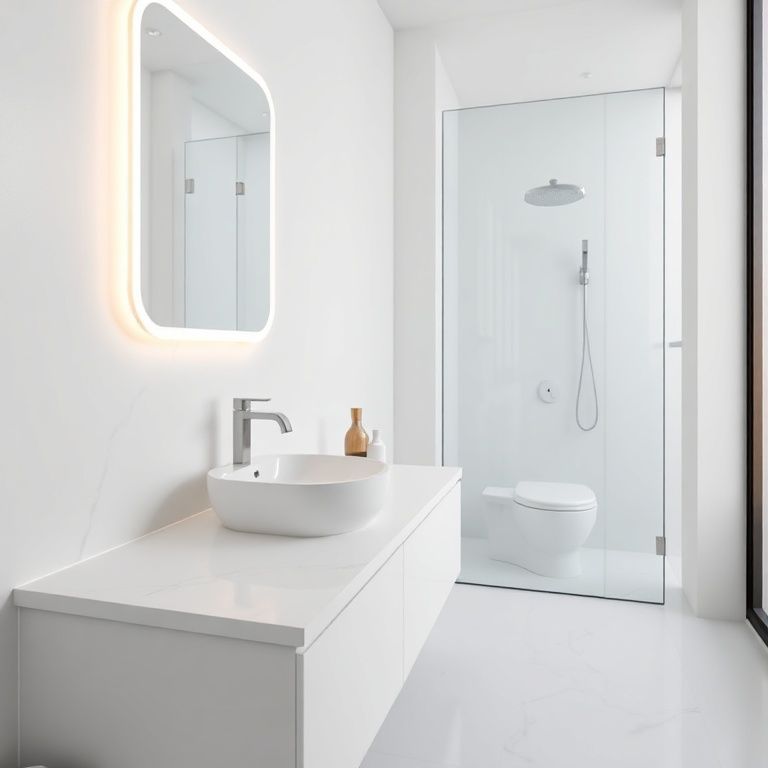
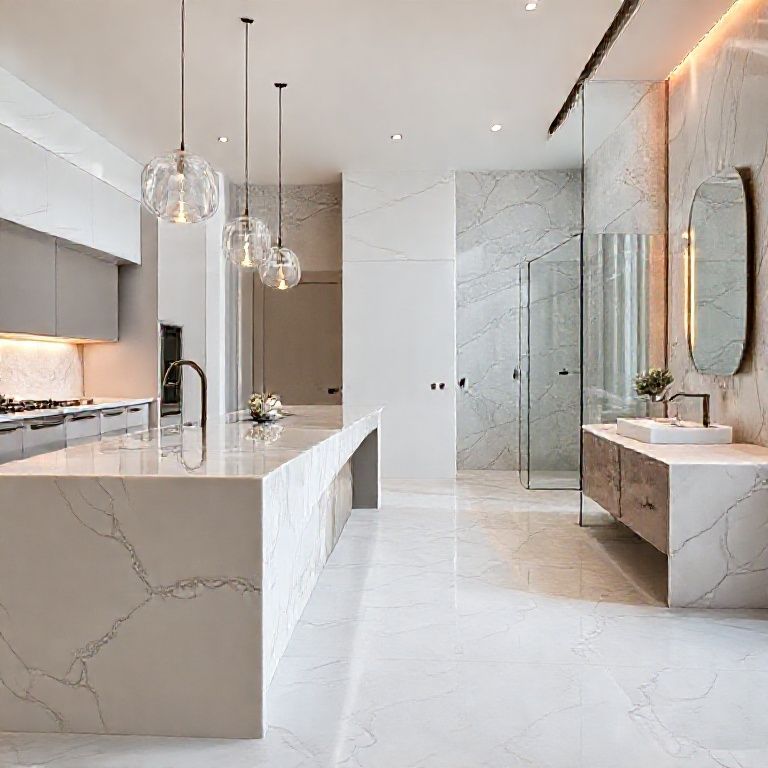
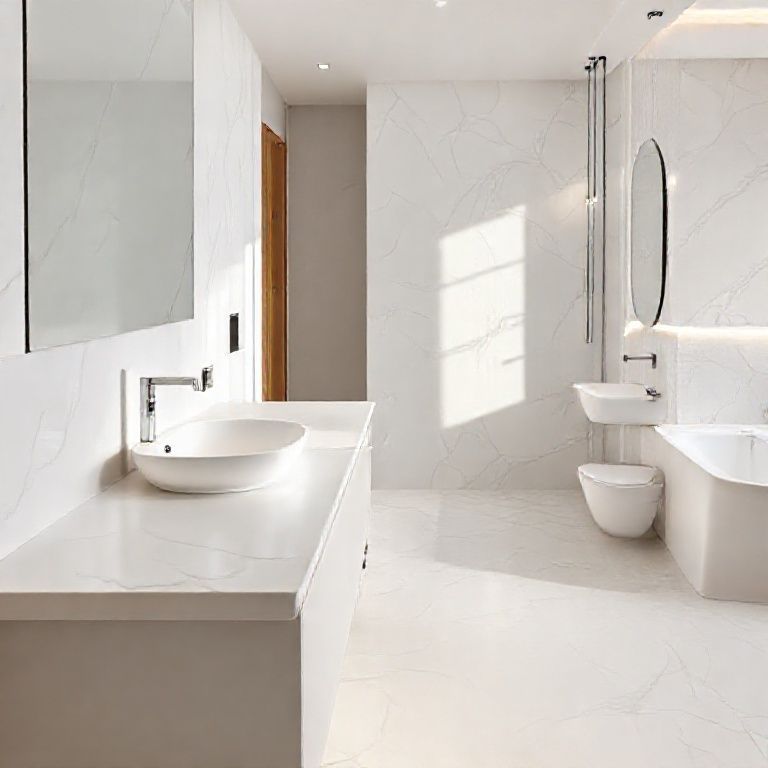
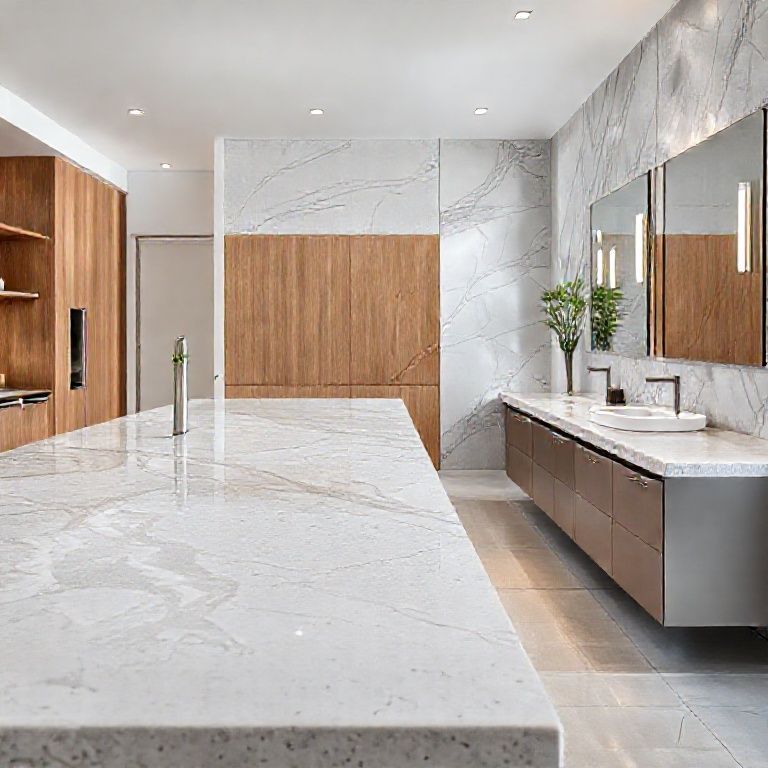
Natural marble continues to be a staple in modern interior design, blending traditional aesthetics with contemporary innovation. Its versatility allows it to be used in various applications, from kitchen countertops to bathroom vanities, and even in high-end furniture. The unique veining and color variations in marble add character and personality to any space, making it a favorite among architects and designers.
Conclusion to Part 1
In conclusion, natural marble is a safe, durable, and environmentally friendly choice for your home or commercial space. Contrary to popular myths, marble does not pose radiation or formaldehyde risks. Its sustainability, health benefits, and timeless beauty make it a superior option for those seeking both elegance and practicality in their design choices. In the next part of this article, we will further explore the environmental and health benefits of natural marble, and how to maintain its pristine condition for years to come.
Part 2
Part 2
Maintaining and Caring for Natural Marble: Ensuring Longevity and Cleanliness
Now that we have addressed the primary concerns about radiation and formaldehyde, it’s important to understand how to properly maintain and care for natural marble to ensure its longevity and cleanliness. Proper maintenance not only preserves the beauty of marble but also enhances its durability and performance.
Proper Sealing and Regular Cleaning
One of the most crucial aspects of maintaining marble is sealing it properly. When marble is first installed, it should be sealed to protect the surface from stains and spills. Over time, the sealant can break down, so it is essential to reseal the marble periodically. A quality marble sealer creates a protective barrier that repels water and acids, preventing damage and maintaining the stone’s natural luster.
Regular cleaning is also vital. Use a mild pH-neutral cleaner and a soft cloth or microfiber towel to clean marble surfaces. Avoid using abrasive cleaners or sponges that can scratch the stone. For tougher stains, a specialized marble cleaner can be used, following the manufacturer’s instructions carefully to avoid damaging the stone.
Dealing with Spills and Stains
Immediate action is key when dealing with spills and stains on marble. Water, acids, and alkaline substances can cause damage if left to sit on the surface. Neutralize any spills as soon as possible. For instance, if a spill contains an acid (like lemon juice or vinegar), apply a mild base (such as baking soda mixed with water) to neutralize it. For general spills, blot the area with a clean cloth to absorb as much liquid as possible, then clean with a pH-neutral cleaner.
Avoiding Harmful Products
To maintain the integrity of marble, avoid using harsh chemicals, bleach, or any cleaners that contain ammonia or abrasive particles. These substances can etch and discolor the stone. Instead, opt for specialized marble care products that are designed to clean and protect without causing damage.
The Long-Term Benefits of Natural Marble
Choosing natural marble for your home or business offers long-term benefits that extend beyond its immediate aesthetic appeal. One of the most significant advantages is its durability. Unlike many synthetic materials, marble is resistant to scratches and stains, provided it is properly maintained. This means fewer repairs and replacements over time, leading to significant cost savings.
Environmental and Health Benefits
The environmental benefits of natural marble continue to be evident in its low maintenance requirements and long lifespan. With proper care, marble can last for decades, reducing the need for frequent replacements and thus minimizing waste. This aligns with modern sustainability goals, promoting a reduction in resource consumption and environmental impact.
From a health perspective, the low off-gassing properties of marble contribute to a cleaner indoor environment. As mentioned earlier, marble does not emit formaldehyde or other harmful VOCs. Instead, it offers a cleaner, healthier surface that is less likely to harbor bacteria and pollutants compared to synthetic materials.
Marble in Contemporary Design Trends
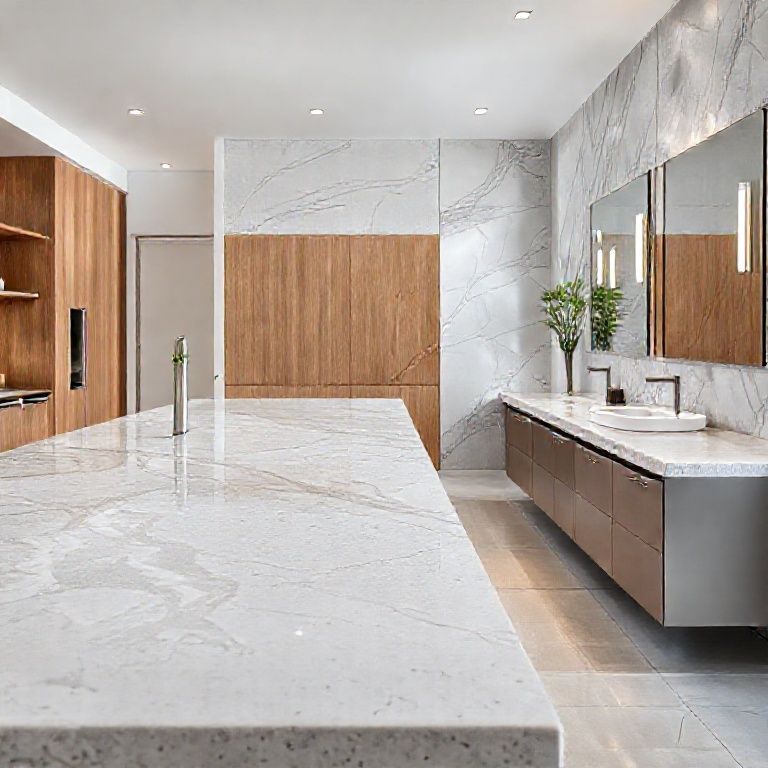
Natural marble continues to be a cornerstone in contemporary design trends. Its timeless beauty and versatility allow it to complement a wide range of styles, from minimalist to ornate. In modern kitchens, marble countertops provide a sleek, sophisticated look that enhances functionality and aesthetics. In bathrooms, marble tiles and vanities add a touch of elegance and durability, resisting the wear and tear of daily use.
Choosing the Right Marble for Your Space
When selecting marble for your home or business, it’s important to consider the specific characteristics and qualities of different marble types. Each type of marble has unique veining, color, and texture, which can significantly affect its appearance and suitability for various applications. Common types of marble include:
Carrara Marble: Known for its pure white color and fine veining, Carrara marble is a classic choice for high-end applications. Breccia Coral Marble: Featuring a striking pattern that resembles coral, this type of marble is ideal for bold, statement pieces. Imperial Marble: This marble has a unique, colorful pattern that adds vibrancy to any space. Onyx Marble: While technically not a true marble, onyx is a popular choice for its sleek, black appearance and durability.
Conclusion to Part 2
天然大理石的选择与设计应用
厨房台面: 优点:耐热、耐污渍、易清洁。 缺点:需要定期密封处理以防止污渍渗入。 推荐类型:常用的有卡拉拉大理石、帕伦斯大理石和白色大理石,这些类型颜色纯净,适合高档厨房设计。 浴室台面和墙面: 优点:高耐用性,适合潮湿环境。 缺点:需要定期维护以防止水渍和霉菌。
推荐类型:意大利大理石、巴西大理石,这些类型的大理石具有良好的防水性能。 地板和墙面: 优点:高美观性,触感舒适。 缺点:容易留下划痕和污渍,需要定期保养。 推荐类型:新西兰大理石、法国大理石,这些类型的大理石颜色丰富,纹理复杂,非常适合地板和墙面装饰。
公共场所和商业空间: 优点:高档观感,耐用性强。 缺点:维护成本高,需要专业的清洁和保养。 推荐类型:纯色大理石,如白色、灰色等,能够提升整体空间的档次。
天然大理石的安装与维护
安装前的准备: 测量与设计:在安装前,需要根据空间测量并设计合理的布局,以确保大理石的美观和实用性。 选择合适的粘合剂:选用高质量的粘合剂,确保大理石与基底的牢固连接。 安装过程: 切割与锯磨:使用专业的切割设备对大理石进行切割和锯磨,确保每块大理石的尺寸精确。
粘合与定位:使用粘合剂将大理石固定在预定位置,并用夹具保持定位,等待粘合剂干燥。 维护与保养: 日常清洁:用中性清洁剂和软布进行日常清洁,避免使用强酸强碱清洁剂。 定期密封:每6个月到1年需要进行一次密封处理,以防止污渍渗入。 特殊保养:对于高曝光区域,可以使用专业的大理石保护剂进行定期保养。
天然大理石的文化与历史
天然大理石在人类历史上有着深厚的文化底蕴。它曾是古罗马、古希腊等文明的重要建筑材料,被用于宫殿、神庙、陵墓等重要建筑。在现代,天然大理石仍然是高端建筑和装饰的重要材料,象征着奢华和高品质。
环保与可持续性
随着环保意识的增强,天然大理石的采掘和加工也在逐步向可持续发展方向转变。许多大理石矿场和加工厂采取了环保措施,如减少采掘过程中的废水排放、优化能源使用等。现代建筑技术的发展也使得大理石的使用更加环保,如减少材料浪费、提高材料利用率等。
结论
天然大理石以其独特的美观和高品质,在建筑装饰中占据重要地位。尽管需要定期维护和保养,但其长久的耐用性和美观性使其成为许多人心目中的首选材料。无论是家庭装修还是商业空间设计,天然大理石都能为环境增添一抹高雅和奢华。希望这些信息能够对您有所帮助。
如果有更多具体问题或需要进一步探讨的方面,欢迎继续提问。