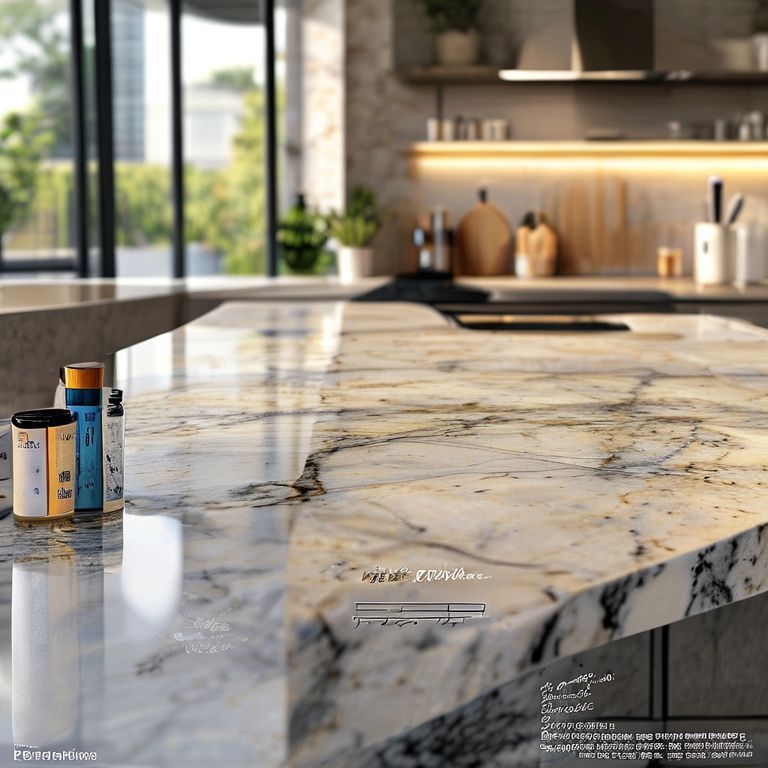
Artificial Marble vs. Natural Marble: A Visual Exploration
When it comes to countertops, flooring, and decorative elements in home design, marble is often at the top of the list for its timeless elegance and luxurious appeal. However, the term “marble” is frequently associated with natural stone, which can be expensive and prone to damage. This is where artificial marble steps in as a compelling alternative.

What is Artificial Marble?
Artificial marble, often referred to as cultured marble or quartz, is a composite material made from a mixture of resin, pigments, and stones. It’s crafted in a lab to mimic the look and feel of natural marble while offering superior durability and design flexibility.
Key Characteristics of Artificial Marble:
Durability: Unlike natural marble, artificial marble is resistant to stains, scratches, and etching, making it an excellent choice for high-traffic areas. Design Flexibility: Available in an extensive array of colors and patterns, artificial marble can mimic any natural stone, from classic marble to exotic woods. Cost-Effectiveness: Generally more affordable than natural marble, making it a practical choice for many budgets. Maintenance: Requires minimal maintenance, simply a wipe with a damp cloth to keep it looking pristine.
Visual Comparison: Artificial Marble vs. Natural Marble
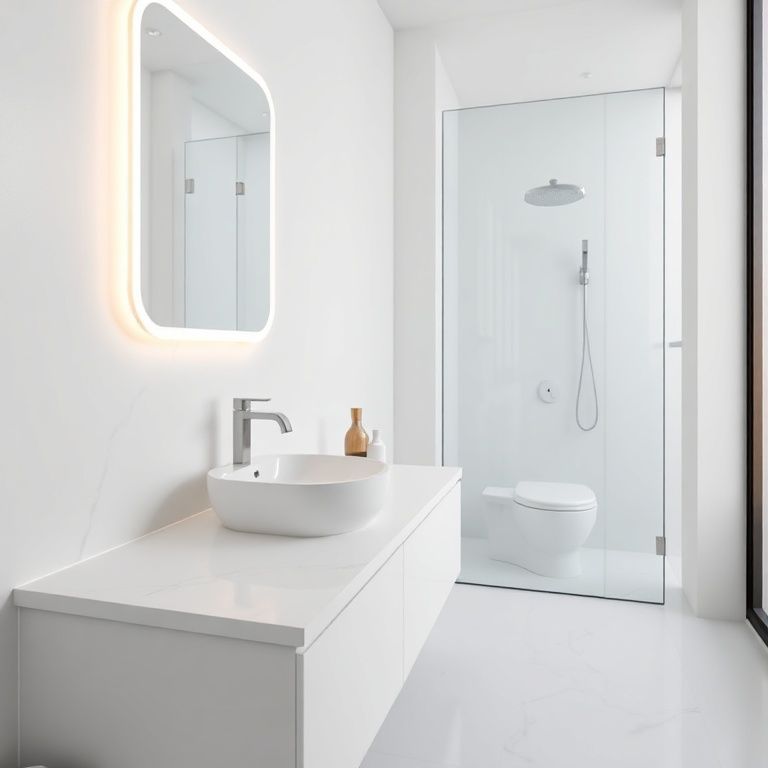
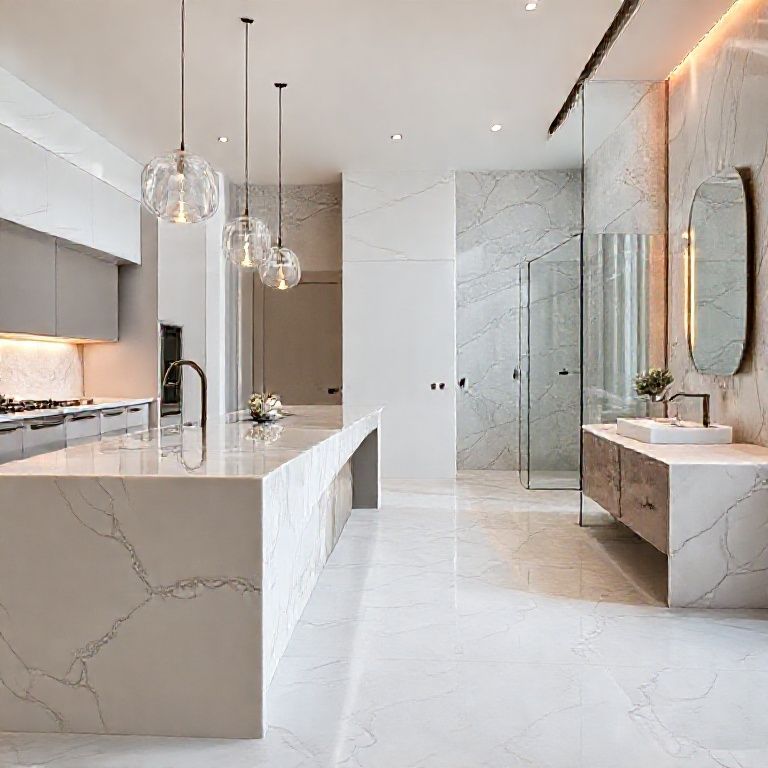
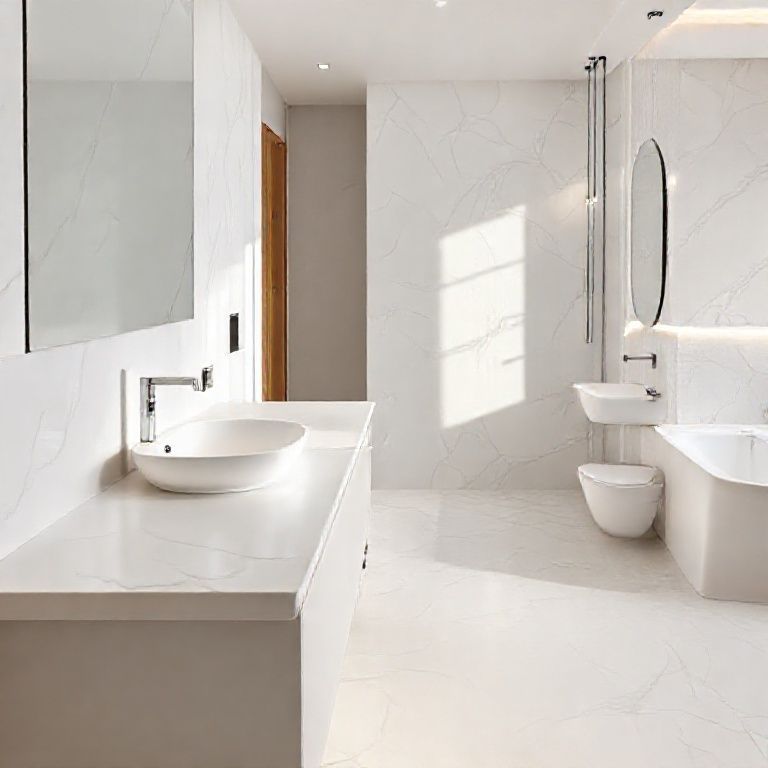
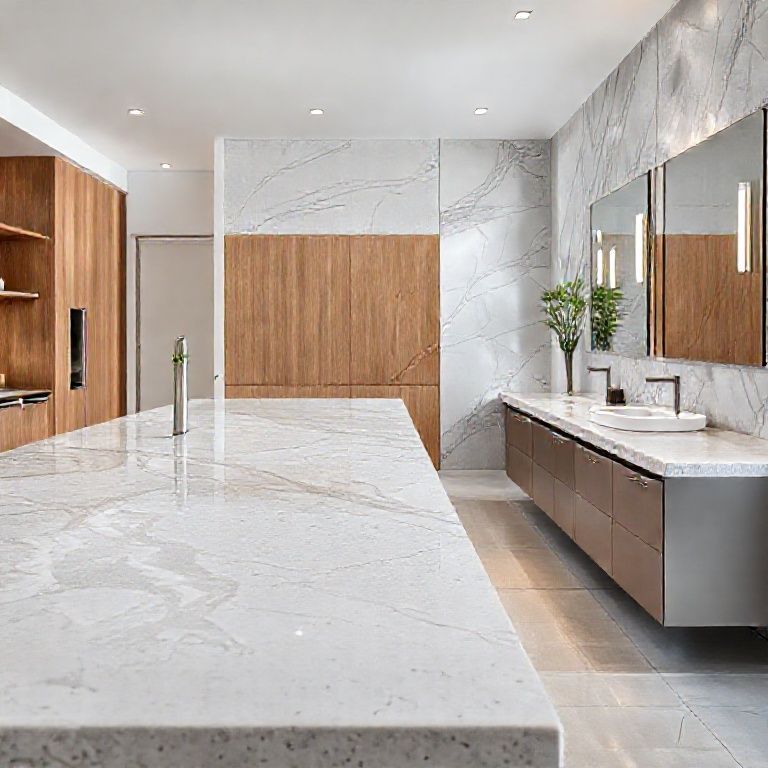
To truly appreciate the differences and similarities between artificial and natural marble, it’s essential to see them side by side. Below are some stunning images that showcase the striking resemblance of artificial marble to its natural counterpart while highlighting the unique benefits of this man-made material.
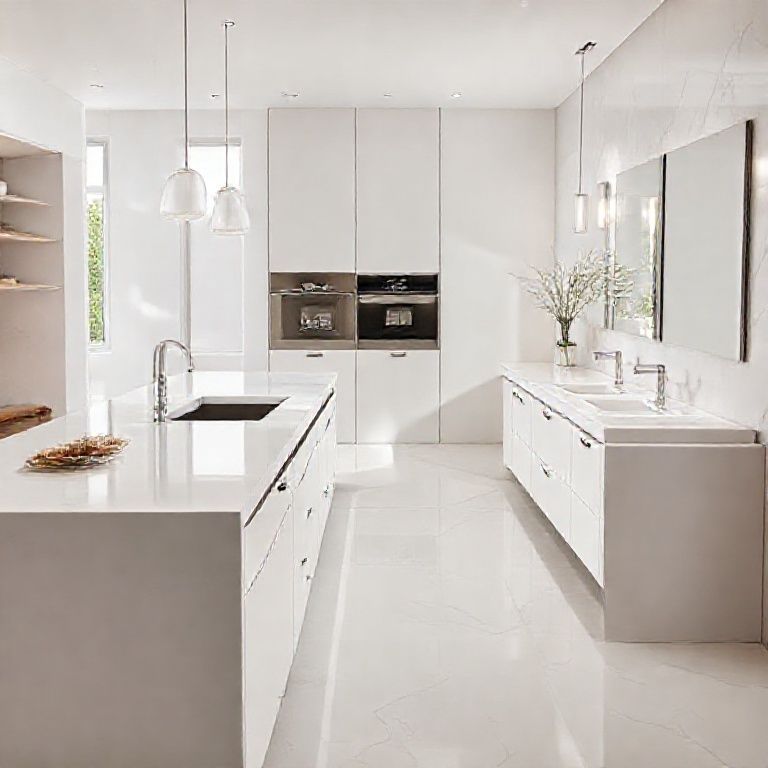
Part 1 Visuals:
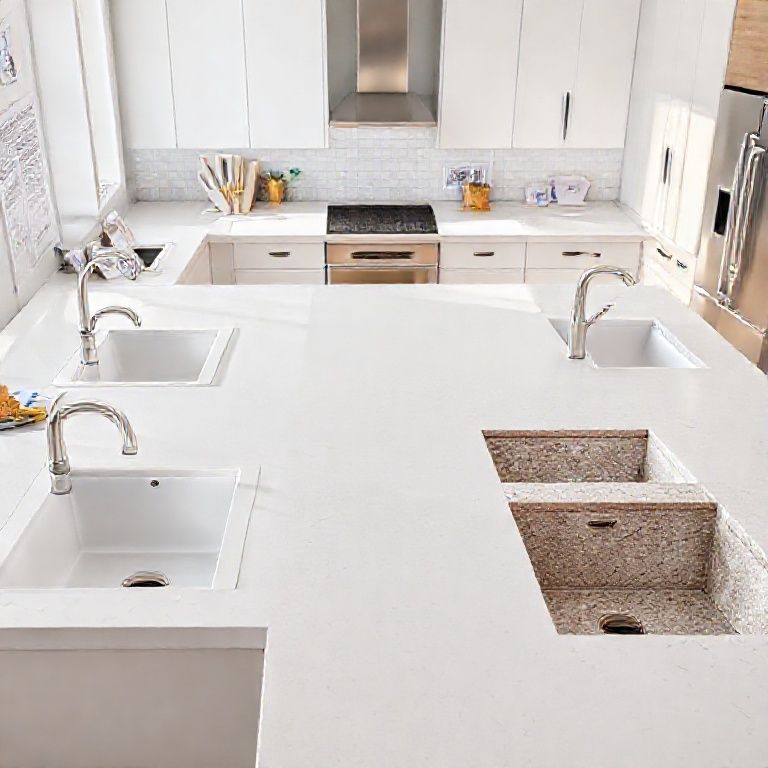
Picture 1: A sleek kitchen countertop crafted from artificial marble, displaying a rich veining pattern that closely mimics natural marble.
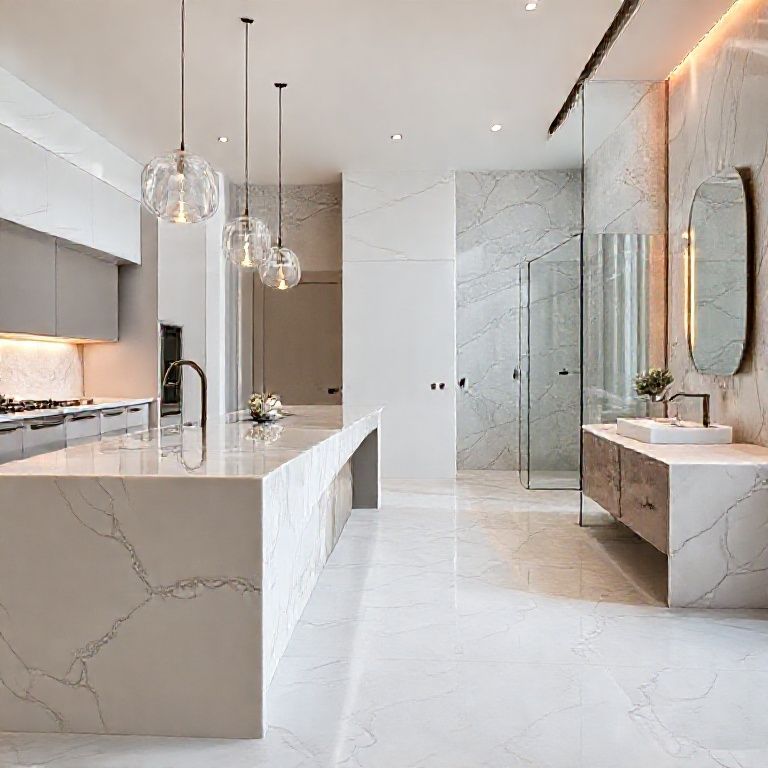
Picture 2: An elegant bathroom vanity made from artificial marble, showing a high-gloss finish that reflects light beautifully, reminiscent of the shine in natural marble.
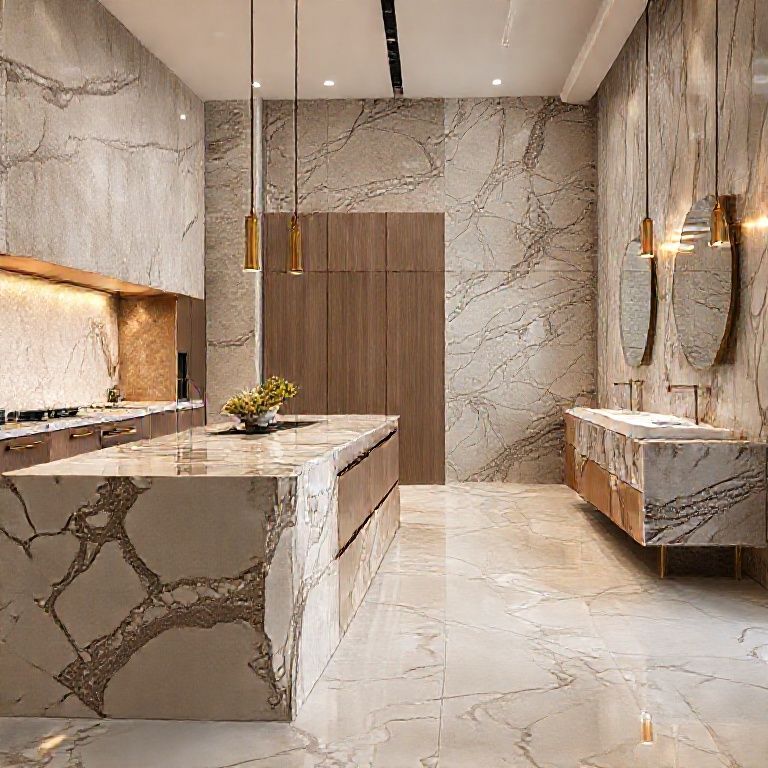
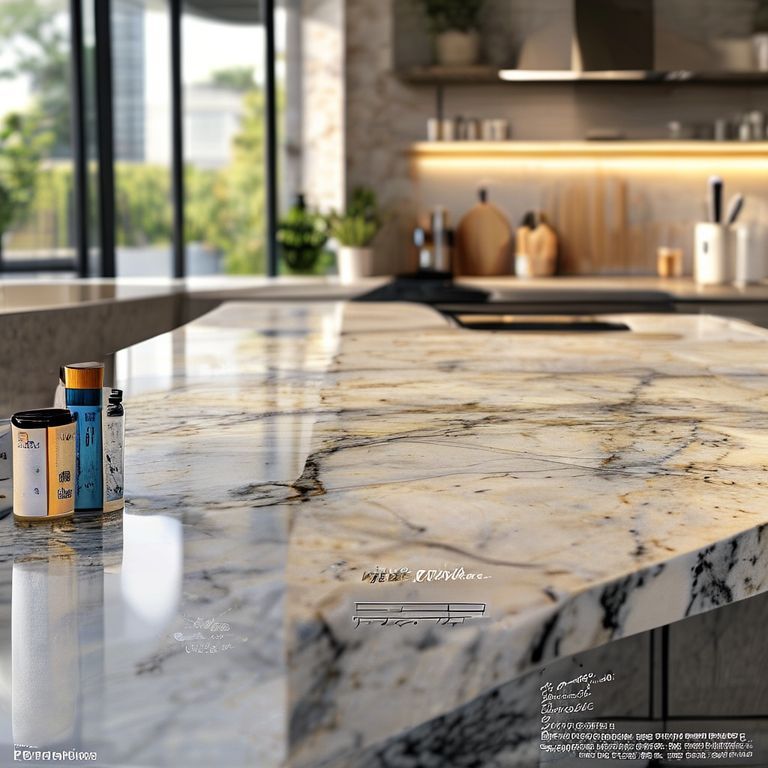
Picture 3: A detailed close-up of artificial marble, showcasing its intricate texture and color distribution, nearly indistinguishable from genuine marble.
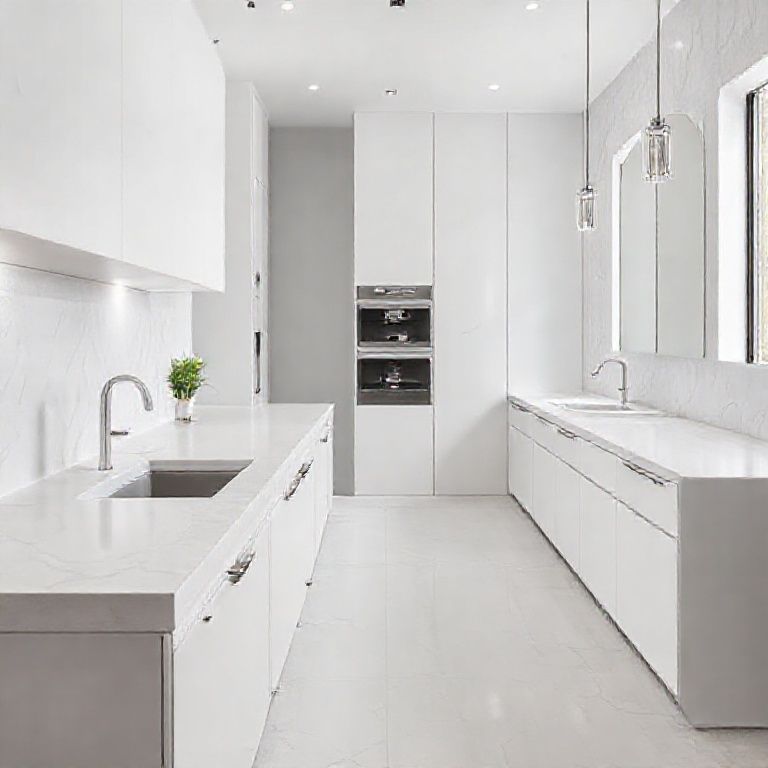
The Aesthetic Appeal of Artificial Marble
Artificial marble has made a significant impact in the interior design world due to its ability to replicate the aesthetic appeal of natural marble without the drawbacks. It offers a luxurious, sophisticated look that can elevate any space, whether it’s a modern kitchen, a chic bathroom, or an upscale dining area.
Transformative Uses of Artificial Marble
Kitchens: Artificial marble countertops are a popular choice for kitchens due to their durability and resistance to the daily wear and tear of cooking and food preparation. The ability to recreate any pattern or color makes it a versatile option for both traditional and contemporary kitchen designs.
Bathrooms: From vanity tops to bathtubs and showers, artificial marble can bring a touch of elegance and durability to bathroom spaces. Its stain resistance makes it ideal for areas where moisture and spills are common.
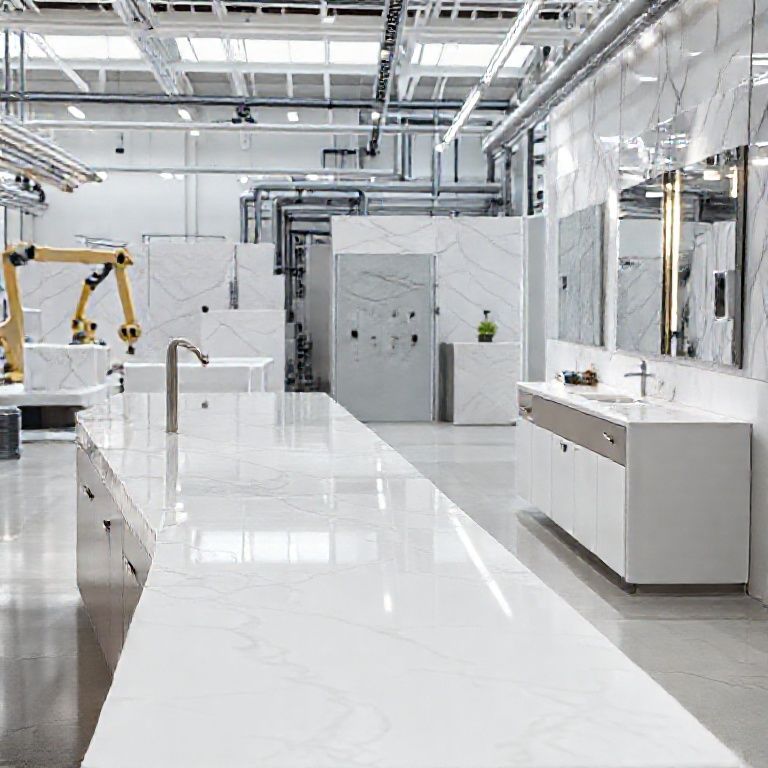
Interior Decor: Artificial marble isn’t just for functional surfaces. It’s also used in decorative elements like wall cladding, fireplace surrounds, and even furniture. Its versatility allows designers to create stunning, cohesive looks across various interior elements.
Why Choose Artificial Marble?
Choosing artificial marble over natural marble often comes down to a balance between cost, durability, and design flexibility. Here are a few reasons why artificial marble is an excellent choice:
Cost-Effective: While natural marble can be prohibitively expensive, artificial marble offers a more budget-friendly alternative without compromising on appearance. Durability: Artificial marble’s resistance to scratches, stains, and etching makes it a low-maintenance option, ideal for high-traffic areas. Customization: With artificial marble, you can achieve any design you envision, from intricate patterns to unique colors, offering a level of customization that is often not possible with natural stone. Sustainability: Since artificial marble is a lab-created product, it avoids the environmental impact associated with mining and transporting natural stone.
Conclusion of Part 1
In summary, artificial marble is a remarkable alternative to natural marble, offering many of the same aesthetic benefits while surpassing it in terms of durability and cost-effectiveness. The next time you’re contemplating a marble countertop or decorative element, consider the stunning options available in artificial marble and how it can bring elegance and practicality into your space.
The Science Behind Artificial Marble
To understand why artificial marble is such a compelling alternative to natural marble, it’s important to delve into the science behind its creation. Artificial marble is a composite material made from a blend of resin, pigments, and stone fragments. This mixture is heated and pressed to form a solid, durable surface that can closely mimic the appearance of natural marble.
Manufacturing Process:
Mixing: The process begins with the mixing of a resin base with various stone powders and pigments. This mixture creates a composite material that can be colored and patterned to resemble natural marble. Molding: The mixture is then poured into molds and subjected to high heat and pressure, which bonds the materials together, creating a solid, cohesive material. Finishing: Once the material has set, it undergoes a polishing process to achieve the desired finish, from matte to high-gloss.
Benefits of Artificial Marble
Durability: Artificial marble is incredibly tough and resistant to scratches, stains, and etching. This makes it an excellent choice for high-traffic areas like kitchens and bathrooms. Design Flexibility: The versatility of artificial marble lies in its ability to be molded into any desired pattern or color. Designers can create unique, custom designs that mimic any natural stone or even go beyond to create entirely new looks. Cost-Effectiveness: Artificial marble is generally more affordable than natural marble, offering a luxurious appearance at a fraction of the cost. Low Maintenance: Unlike natural marble, artificial marble requires minimal upkeep. A simple wipe with a damp cloth can keep it looking pristine.
Visual Comparison: Artificial Marble vs. Natural Marble
Picture 4: A stunning dining table crafted from artificial marble, showcasing a realistic marble veining pattern.
Picture 5: A luxurious bathtub made from artificial marble, displaying a glossy finish that rivals the sheen of natural marble.
Picture 6: A detailed close-up of artificial marble, highlighting its intricate texture and realistic color depth.
The Aesthetic Appeal of Artificial Marble
Artificial marble continues to revolutionize interior design with its ability to mimic the timeless elegance of natural marble. Whether it’s used in kitchens, bathrooms, or as decorative elements, artificial marble brings a sense of luxury and sophistication to any space.
Transformative Uses of Artificial Marble
Dining Areas: Artificial marble is an excellent choice for dining tables and countertops. Its durability ensures it can withstand the rigors of daily use, while its aesthetic appeal enhances the overall look of the dining area.
Bathrooms: In bathrooms, artificial marble can be used for sinks, vanities, and even as wall cladding. Its stain resistance and low maintenance make it ideal for this high-moisture area.
Interior Decor: Beyond functional surfaces, artificial marble can be used in various decorative elements. From fireplace surrounds to shelving units, it adds a touch of elegance and can be customized to fit any design vision.
Why Choose Artificial Marble?
The choice of artificial marble over natural marble is often influenced by practical considerations as well as aesthetic preferences. Here are some compelling reasons to choose artificial marble:
Cost-Effective: Artificial marble provides a luxurious look at a lower cost compared to natural marble, making it accessible for a wide range of budgets. Durability: Artificial marble is designed to be more durable than natural marble, offering long-lasting performance and resistance to everyday wear and tear. Customization: With artificial marble, you have the freedom to choose any color, pattern, or design you desire, providing endless possibilities for creative expression. Sustainability: Since artificial marble is lab-created, it reduces the environmental impact associated with mining and transporting natural stone.
The Future of Artificial Marble
As technology advances, the production of artificial marble continues to improve, offering even more realistic and durable options. Innovations in material science are pushing the boundaries of what artificial marble can achieve, making it an increasingly attractive option for both designers and homeowners.
Conclusion of Part 2
In conclusion, artificial marble stands as a remarkable alternative to natural marble, combining the aesthetic appeal of luxury stone with the practicality of durability and cost-effectiveness. Whether for functional surfaces or decorative elements,继续探讨人造大理石(artificial marble)与天然大理石(natural marble)的对比,我们可以进一步分析其在实际应用中的表现和影响。
实际应用中的人造大理石
厨房台面:人造大理石台面因其耐污渍、抗污染、耐高温等特性,成为现代厨房设计中的流行选择。相比之下,天然大理石虽然美观,但容易出现划痕和污渍,需要定期保养。
浴室装饰:在浴室,人造大理石可以用于制造洗手池、浴缸、甚至整个浴室的墙面装饰。其抗湿性和耐刮擦性使其在潮湿环境中表现出色,而天然大理石则需要特别处理以防止霉菌和水渍。
地板和墙面:尽管人造大理石主要用于台面和装饰,但也有可能应用于地板和墙面。其耐用性和多样化的设计使其在高档装修中占有一席之地。
环保与可持续性
材料来源:人造大理石由人工合成,减少了对天然石材的开采,降低了环境破坏。相比之下,天然大理石的开采对生态系统有一定影响。
生产过程:人造大理石的生产过程中,通过控制材料和工艺,可以减少有害物质的排放,更加环保。
未来趋势
随着科技的发展,人造大理石的制作工艺和材料配方不断改进,使其在外观和性能上越来越接近天然大理石。随着人们环保意识的增强,人造大理石作为一种可持续发展的选择,将在未来的建筑和装饰领域扮演更重要的角色。
结论
人造大理石在耐用性、设计灵活性和环保性方面具有明显优势,正在逐渐取代天然大理石成为现代建筑和装饰的首选材料。对于那些追求天然材料独特美感和历史价值的人来说,天然大理石仍然不可替代。选择哪种材料,应根据具体需求、预算和环保意识来决定。
无论选择哪种材料,了解其优缺点和正确的维护方法,都是确保其最佳表现和长久使用的关键。