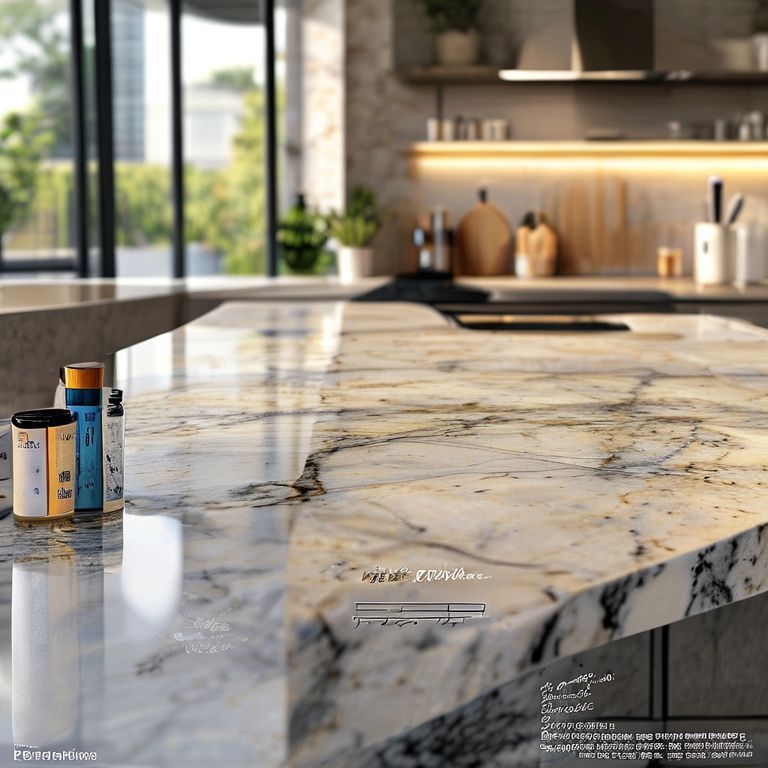
Understanding Artificial Marble and Its Composition
In the realm of modern home decor, artificial marble has emerged as a popular choice for countertops, tabletops, and other surfaces. Its appealing aesthetics, durability, and cost-effectiveness make it an attractive option for many. However, a lingering question among consumers is whether artificial marble contains formaldehyde, a chemical compound often scrutinized for its health implications.

What is Artificial Marble?
Artificial marble, also known as synthetic stone, is a composite material created by combining various substances. The most common formulation includes quartz, resins, pigments, and other additives. Manufacturers mold and cure these materials to create a stone-like surface that mimics the appearance and texture of natural marble. This process involves high pressure and temperature to ensure that the quartz particles are evenly dispersed within the resin matrix.
The Composition of Artificial Marble
To address the question of formaldehyde in artificial marble, it’s crucial to understand the material’s composition. Artificial marble is predominantly made from:
Quartz: This natural mineral is ground into fine particles and mixed with a resin binder. Quartz contributes to the stone’s durability and resistance to scratches.
Resins: These synthetic polymers act as the binding agent that holds the quartz particles together. Common resins used include urea-formaldehyde, melamine-formaldehyde, and epoxy resins.
Pigments and Additives: These enhance the color and texture of the stone, making it resemble natural marble.
Formaldehyde in Resins
The key concern regarding formaldehyde in artificial marble revolves around the type of resin used in its creation. Urea-formaldehyde and melamine-formaldehyde resins are known to contain formaldehyde. However, the production processes for artificial marble have evolved to minimize or eliminate the use of these resins in favor of alternatives that pose fewer health risks.
Health Implications of Formaldehyde
Formaldehyde is a volatile organic compound (VOC) that can be released into the air from various sources, including building materials, household products, and indoor plants. When present in indoor environments, formaldehyde can contribute to poor indoor air quality, leading to symptoms such as:
Irritation of the eyes, nose, and throat Respiratory problems Skin irritation Allergic reactions
Given these health concerns, many manufacturers are shifting toward low-formaldehyde or formaldehyde-free resins to produce artificial marble that is safer for indoor environments.
Regulatory Standards and Safety Measures
Various regulatory bodies have established guidelines to limit formaldehyde emissions from building materials. For instance, the European Union has implemented strict standards under the EU-VOC directive, which sets limits on the amount of formaldehyde that can be released by construction products. In the United States, the Environmental Protection Agency (EPA) and the Consumer Product Safety Commission (CPSC) also provide regulations to ensure the safety of indoor materials.
Emerging Alternatives
The push for safer materials has led to the development of alternative resins with lower formaldehyde content. Innovations in material science have resulted in the creation of resins that provide the necessary binding properties while minimizing health risks. These alternatives include:
Epoxy Resins: While some epoxy resins can contain formaldehyde, there are low-formaldehyde or formaldehyde-free variants that are increasingly being adopted in the production of artificial marble.
Bio-based Resins: These are derived from natural sources and offer a sustainable option with reduced formaldehyde emissions.
Silicone-based Resins: Some manufacturers are exploring silicone-based resins as a viable alternative that provides the durability and aesthetic appeal of artificial marble without the associated formaldehyde concerns.
Consumer Choices and Certifications
When selecting artificial marble for home decor, consumers should look for products that meet safety certifications and standards. Labels such as “formaldehyde-free,” “low VOC,” or certifications from recognized organizations like the American National Standards Institute (ANSI) or the European Standards Committee (CEN) can provide assurance that the material is safe for indoor use.
Conclusion to Part 1
Artificial marble is a complex composite material primarily composed of quartz, resins, and pigments. While early versions of this material may have contained formaldehyde, modern advancements have led to the development of safer alternatives. Understanding the composition and production processes of artificial marble helps demystify the question of whether there is formaldehyde in artificial marble. As we move forward, it’s clear that consumer awareness and regulatory standards play pivotal roles in ensuring the safety of materials used in home decor.
In the next part, we will delve deeper into the health implications of formaldehyde exposure, explore real-world case studies, and discuss practical steps to ensure safe usage of artificial marble in your home.
Ensuring Safety: Practical Steps to Use Artificial Marble Without Formaldehyde Concerns
In our previous exploration, we examined the composition of artificial marble and the efforts to minimize formaldehyde content in modern manufacturing processes. Now, it’s time to take a closer look at practical steps to ensure the safe usage of artificial marble in your home, addressing health implications and providing actionable advice for consumers.
Understanding Health Implications of Formaldehyde Exposure
Formaldehyde is a known carcinogen, and prolonged exposure to high levels of this VOC can lead to serious health issues. It is important to understand the ways in which formaldehyde exposure occurs and how it can affect indoor air quality.
Sources of Formaldehyde Exposure
Formaldehyde can be released from various sources, including:
Building Materials: Wood products, particle boards, and artificial marble are common sources.
Household Products: Paints, cleaning agents, and personal care products often contain formaldehyde.
Indoor Plants: Some indoor plants can absorb and release formaldehyde.
Ventilation: Inadequate ventilation can exacerbate the concentration of formaldehyde in indoor environments.
Symptoms and Long-term Effects
The symptoms of formaldehyde exposure can vary but often include:
Eye, nose, and throat irritation Respiratory problems Skin rashes and irritation Headaches and dizziness
Long-term exposure to formaldehyde is linked to more serious health issues, including respiratory diseases and certain types of cancer. Therefore, it’s crucial to minimize exposure whenever possible.
Real-World Case Studies
To better understand the practical implications, let’s look at some real-world case studies where the use of artificial marble was scrutinized for formaldehyde emissions.
Case Study 1: Urban Apartment Renovation
In a recent urban apartment renovation project, the builders opted for artificial marble for countertops. Initial concerns about formaldehyde led to rigorous testing of the material. The results showed that the manufacturer had used a low-formaldehyde resin, and the installation followed best practices for ventilation. Over time, indoor air quality tests confirmed that formaldehyde levels remained within safe limits.
Case Study 2: Office Building Implementation
An office building decided to incorporate artificial marble for its reception area. To address formaldehyde concerns, the project team conducted a thorough selection process, opting for certified, formaldehyde-free artificial marble. Regular monitoring of indoor air quality ensured that formaldehyde levels remained minimal, contributing to a healthier work environment.
Practical Steps to Ensure Safe Usage
Here are some actionable steps to ensure the safe usage of artificial marble in your home:
Step 1: Choose Certified Products
When selecting artificial marble, look for products that have been certified by reputable organizations. Certifications such as ANSI/HPS or CEN indicate that the product meets safety standards for indoor use.
Step 2: Verify Manufacturer’s Claims
Research the manufacturer’s claims regarding formaldehyde content. Look for transparent information about the resins used and any certifications that confirm low or zero formaldehyde emissions.
Step 3: Ensure Proper Ventilation
Proper ventilation is crucial to minimize indoor formaldehyde levels. When installing artificial marble, ensure that the space has adequate airflow to disperse any VOCs that may be released during the curing process.
Step 4: Regular Indoor Air Quality Monitoring
Consider investing in indoor air quality monitoring devices to measure formaldehyde levels over time. This can provide peace of mind and ensure that your home environment remains safe.
Step 5: Maintain Cleanliness
Regular cleaning of artificial marble surfaces can help reduce the concentration of any residual chemicals. Use mild, non-abrasive cleaners recommended by the manufacturer to maintain the integrity of the surface and minimize chemical exposure.
Step 6: Avoid Excessive Heat
Heat can cause some materials to release more formaldehyde. Avoid exposing artificial marble to excessive heat from stoves, ovens, or other heat sources to prevent the release of any trapped chemicals.
Step 7: Use Quality Installation Practices
Ensure that artificial marble is installed by qualified professionals who follow best practices. Proper installation techniques can help minimize the risk of当然,我会继续提供关于如何确保使用人造大理石时的安全性的建议。
Step 8: Understand Product Life Cycle
Understanding the product life cycle of artificial marble can also provide insight into its safety. Materials that undergo longer curing periods are often safer as they allow time for any residual chemicals to dissipate. Check if the artificial marble product you are considering has undergone a sufficient curing process.
Step 9: Opt for Natural Ventilation
Whenever possible, utilize natural ventilation to further reduce indoor formaldehyde levels. Open windows and doors when weather permits to allow fresh air to circulate through the space.
Step 10: Educate Yourself on Product Lifecycle and Maintenance
Stay informed about the product lifecycle and maintenance requirements for artificial marble. Understanding how long it takes for the material to fully cure and how to properly maintain it can help in ensuring its safe use over time.
Step 11: Look for Eco-friendly Options
In the quest for safety, it’s also beneficial to look for eco-friendly options that prioritize not just formaldehyde-free materials but also sustainable production practices. This can contribute to a healthier environment and a safer home.
Step 12: Consult with Professionals
When in doubt, consult with professionals who have expertise in interior design and material safety. They can provide tailored advice based on your specific environment and needs.
Step 13: Review Product Documentation
Always review the product documentation provided by the manufacturer. This often includes detailed information on the materials used, safety certifications, and guidelines for safe usage and installation.
Step 14: Stay Informed about Regulations
Regulations regarding indoor air quality and material safety are continually evolving. Stay informed about any new regulations that may affect the use of materials like artificial marble in your home.
Conclusion
By taking these practical steps, you can ensure that the use of artificial marble in your home is as safe as possible. While the material itself has come a long way in terms of safety, it’s important to remain vigilant and proactive in maintaining a healthy indoor environment.
Remember, safety is a continuous process that involves choosing the right materials, proper installation, regular monitoring, and maintaining a clean and well-ventilated space. By following these guidelines, you can enjoy the beauty and benefits of artificial marble without compromising your health or the well-being of your loved ones.
If you have any specific questions or need further details on any of the points mentioned, feel free to ask!