Understanding Synthetic Marble and Its Composition
In the realm of modern home improvement and design, synthetic marble has emerged as a popular alternative to traditional natural stone. This versatile material, often referred to as artificial or cultured marble, offers a blend of aesthetic appeal and practical benefits. But amidst its growing popularity, questions have arisen about whether synthetic marble contains radiation, raising concerns about its safety. Let’s dive deep into understanding synthetic marble and address these questions head-on.

What is Synthetic Marble?
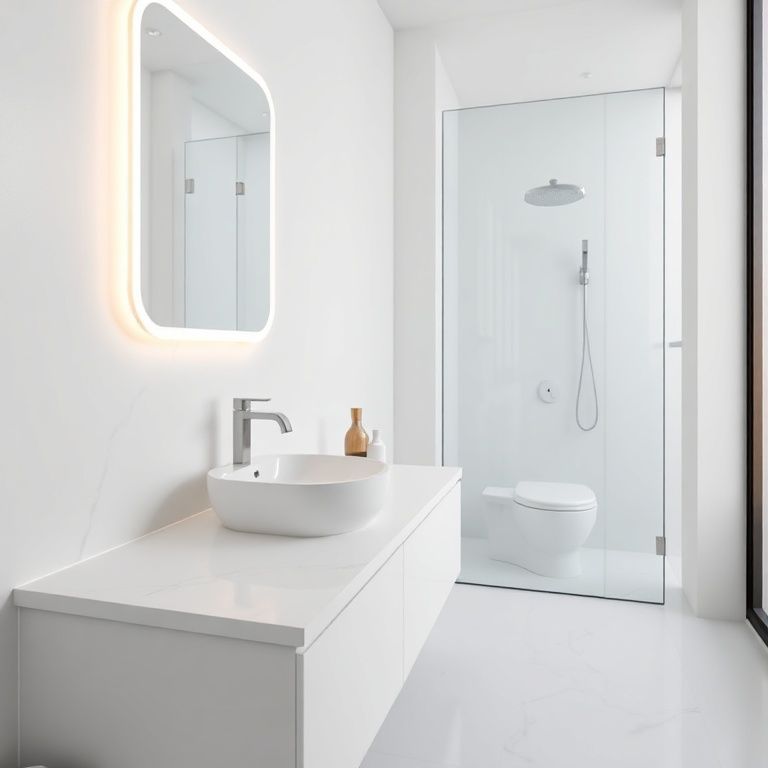
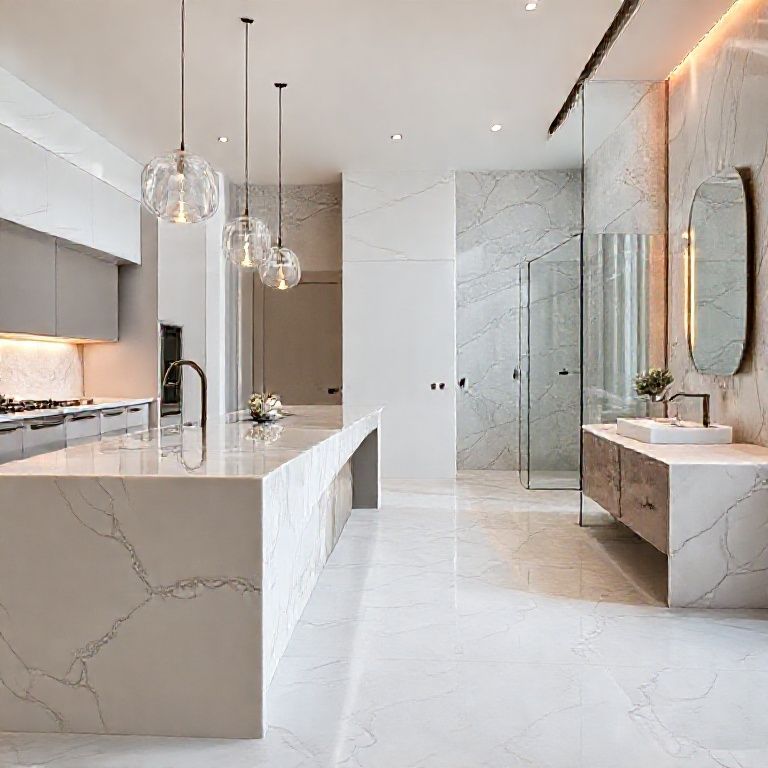
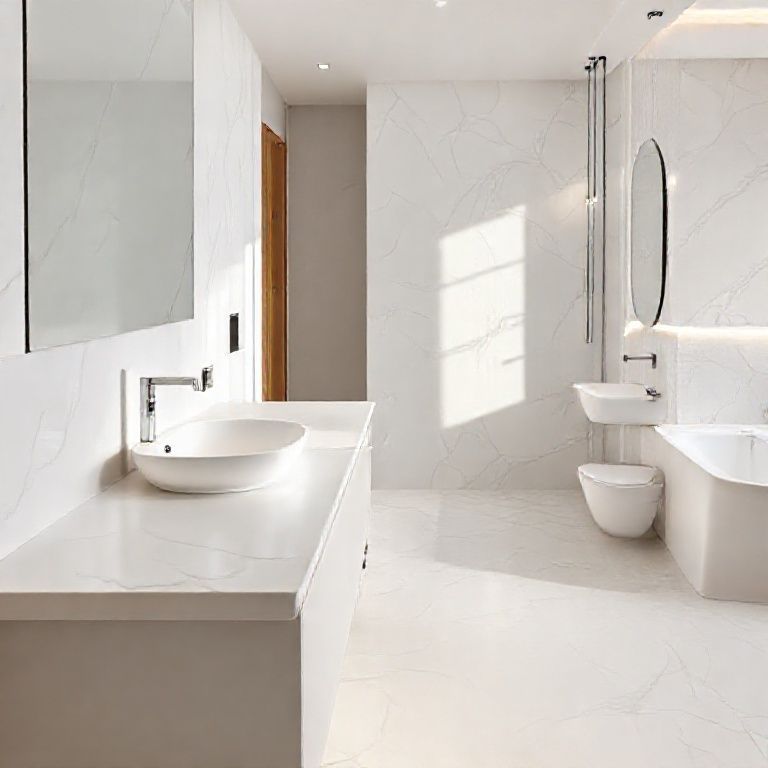
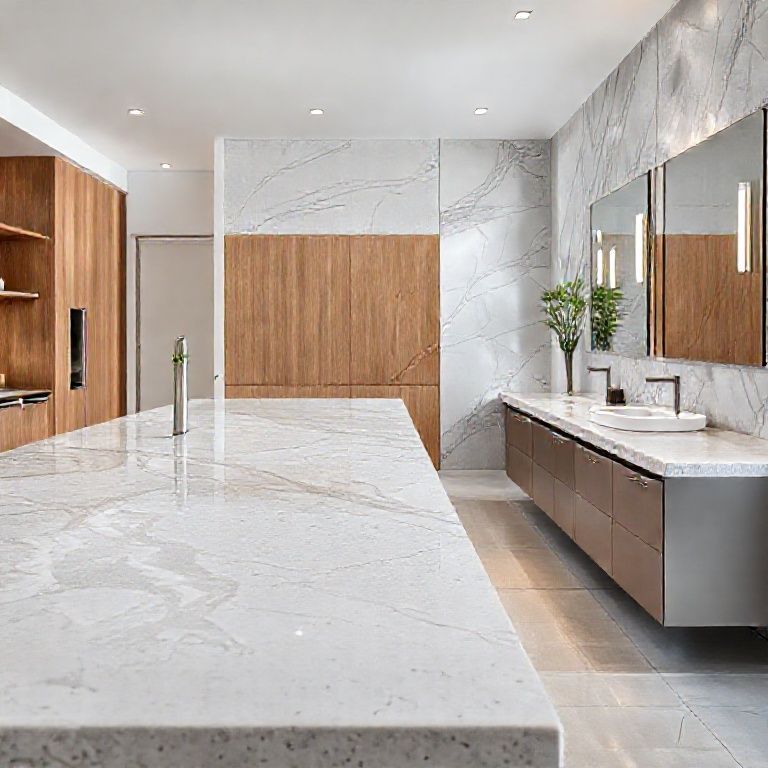
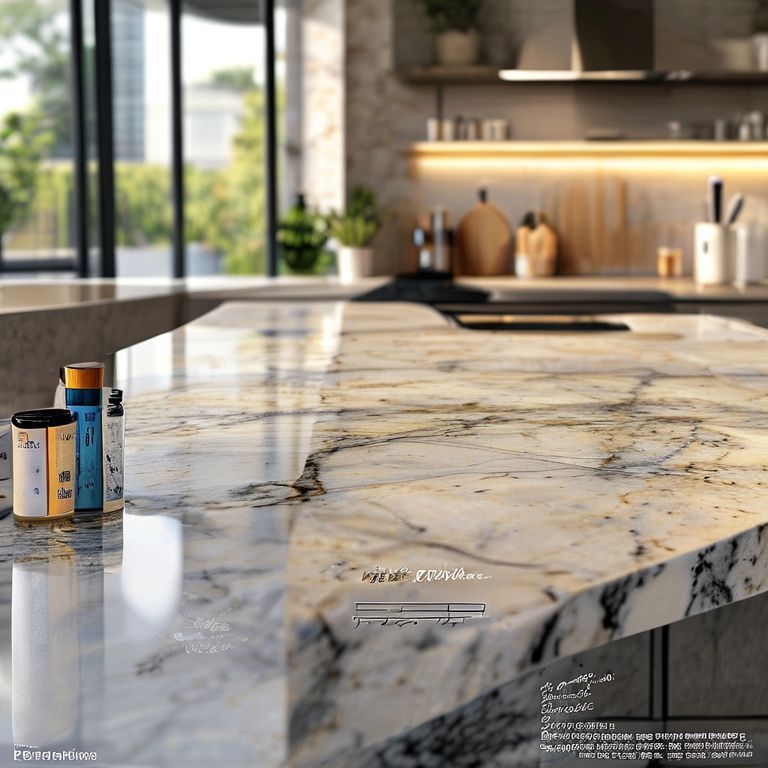
Synthetic marble, or cultured marble, is a composite material created by combining resins, pigments, and other additives to mimic the look and feel of natural marble. This material is formed through a meticulous process where a resin base is infused with marble dust or crushed stone and colored pigments. The mixture is then poured into molds and cured under heat and pressure, resulting in a durable, solid surface that can replicate the intricate patterns of natural stone.
Composition of Synthetic Marble
The primary components of synthetic marble include:
Resin: The base material, typically made from melamine or acrylic, which provides the structural integrity of the stone. Marble Dust: Finely ground natural marble or other stones that give the material its characteristic look. Pigments: Colorants that are mixed into the resin and marble dust to create the desired hues and patterns. Fillers and Additives: Substances like fiberglass, which are added to enhance the material’s strength and durability.
Safety and Non-Toxic Nature
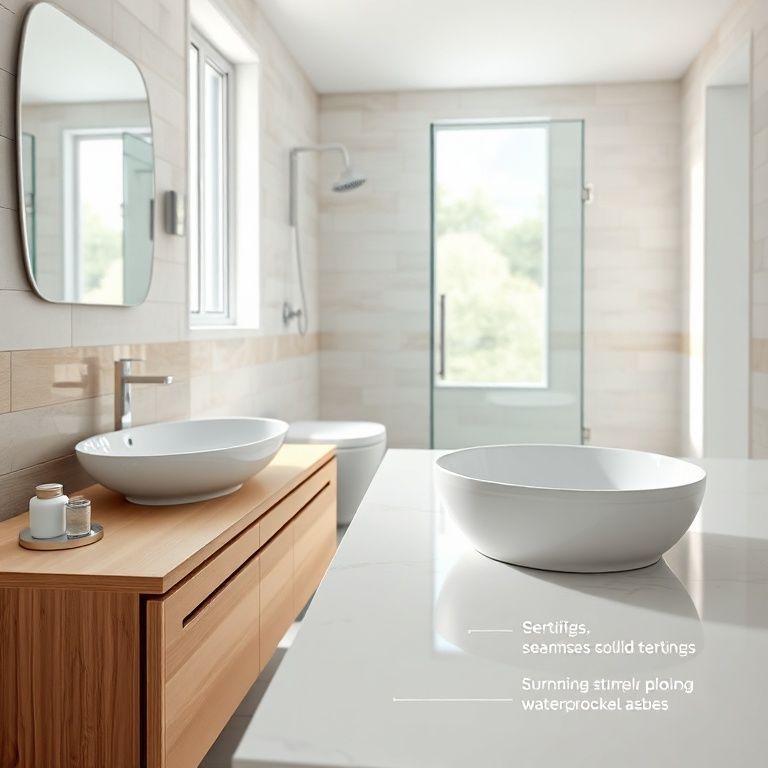
One of the most compelling reasons for the popularity of synthetic marble is its safety. Unlike natural stone, which can contain trace amounts of radioactive elements like uranium, synthetic marble does not contain these hazardous materials. The resin base used in synthetic marble is non-toxic and free from radioactive substances. This makes it a safe choice for home interiors, especially in areas where people spend a lot of time, such as kitchens and bathrooms.
Radiation Concerns
The concern about radiation often stems from misconceptions about what constitutes a “natural” material. Natural marble, composed of calcium carbonate, can indeed contain trace amounts of naturally occurring radioactive materials (NORM), such as uranium and thorium. However, these levels are generally minimal and pose no significant health risks.
On the other hand, synthetic marble, being a man-made product, does not incorporate any radioactive elements into its composition. The manufacturing process does not introduce any harmful radiation into the material. Therefore, synthetic marble can be confidently regarded as safe in terms of radiation exposure.
Benefits of Synthetic Marble
The advantages of synthetic marble extend beyond its safety. Here are some key benefits:
Durability: Synthetic marble is highly resistant to scratches, stains, and chips, making it an excellent choice for high-traffic areas. Maintenance: Unlike natural stone, synthetic marble does not require sealing or regular maintenance to prevent staining. Customizability: It offers a wide range of colors, patterns, and designs, allowing for limitless customization to match any aesthetic preference. Cost-Effectiveness: Synthetic marble is often more affordable than natural stone, offering a cost-effective alternative without compromising on quality.
Common Misconceptions
There are several common misconceptions about synthetic marble that need to be addressed:
Quality and Authenticity: Some people believe that synthetic marble lacks the quality and authenticity of natural stone. However, advancements in material science have resulted in synthetic marble that closely mimics the look and texture of natural marble, often surpassing it in durability.
Safety Concerns: As discussed, synthetic marble does not contain radioactive materials. Its safety profile is superior to that of certain natural stones due to the absence of harmful substances.
Environmental Impact: While natural stone mining has environmental drawbacks, the production of synthetic marble also has its environmental considerations. However, the overall environmental footprint can be managed through responsible manufacturing practices.
Conclusion
Synthetic marble is a remarkable innovation in the world of material science, offering a blend of beauty, durability, and safety. The notion that it contains radiation is unfounded, as synthetic marble is free from any radioactive elements. Its safety and non-toxic nature make it an excellent choice for modern interiors, providing a reliable and long-lasting alternative to natural stone. As we proceed to Part 2, we will further explore the broader implications and future trends in synthetic marble, ensuring a well-rounded understanding of this versatile material.
The Future of Synthetic Marble: Trends, Innovations, and Long-Term Implications
Having covered the foundational aspects of synthetic marble in Part 1, we now turn our attention to its future. This section will explore emerging trends, technological innovations, and the long-term implications of using synthetic marble in various applications. Understanding these elements will provide a comprehensive view of why synthetic marble is not just a temporary trend but a sustainable and forward-thinking choice.
Emerging Trends in Synthetic Marble
The world of synthetic marble is continually evolving, driven by advancements in technology and changes in consumer preferences. Here are some of the emerging trends:
Advanced Materials: Researchers are developing new resins and composite materials that enhance the strength, durability, and aesthetic appeal of synthetic marble. These advancements aim to push the boundaries of what synthetic marble can achieve, making it even more versatile and realistic.
Sustainable Practices: With increasing environmental awareness, manufacturers are focusing on sustainable production methods. This includes reducing waste, minimizing energy consumption, and using eco-friendly materials where possible. Sustainable practices not only benefit the environment but also appeal to eco-conscious consumers.
Customization and Personalization: The ability to customize synthetic marble to suit individual tastes and design requirements continues to grow. Innovations in pigment technology and pattern creation allow for highly personalized and unique designs, catering to specific aesthetic preferences.
Smart Integration: As smart home technology becomes more prevalent, synthetic marble is being integrated with smart features. This includes the incorporation of sensors and other technologies that enhance functionality and user experience.
Technological Innovations
Technological advancements are at the forefront of the synthetic marble industry, driving innovation and improving product quality. Some notable innovations include:
Nanotechnology: The use of nanotechnology in synthetic marble manufacturing is leading to materials with superior strength, durability, and resistance to wear and tear. Nano-coatings can also enhance the material’s resistance to stains and scratches.
3D Printing: The integration of 3D printing technology in synthetic marble production is opening new possibilities for complex designs and intricate patterns that were previously difficult to achieve. This technology also allows for rapid prototyping and customization.
Smart Materials: Research into smart materials for synthetic marble includes the development of materials that can change color, respond to heat, or even conduct electricity. These innovations could lead to new applications in various fields, including art, architecture, and consumer electronics.
Long-Term Implications
The long-term implications of synthetic marble extend beyond its immediate benefits, influencing various aspects of society and industry. Here are some key considerations:
Environmental Impact: The production of synthetic marble has an environmental footprint, but ongoing research and development aim to minimize this impact through sustainable practices. The environmental benefits of synthetic marble also include the reduction of natural stone mining, which can have significant ecological consequences.
Economic Impact: Synthetic marble offers economic advantages by providing a cost-effective alternative to natural stone. This can lead to more affordable housing and interior design options, making high-quality materials accessible to a broader audience.
Health and Safety: The non-toxic and radiation-free nature of synthetic marble ensures long-term health and safety benefits. This is particularly important as awareness of material safety continues to grow.
Cultural Impact: As synthetic marble becomes more popular, it challenges traditional notions of luxury and craftsmanship associated with natural stone. This shift could lead to a reevaluation of what constitutes high-quality and desirable materials in interior design and architecture.
Future Prospects
The future of synthetic marble looks promising, with several exciting prospects on the horizon:
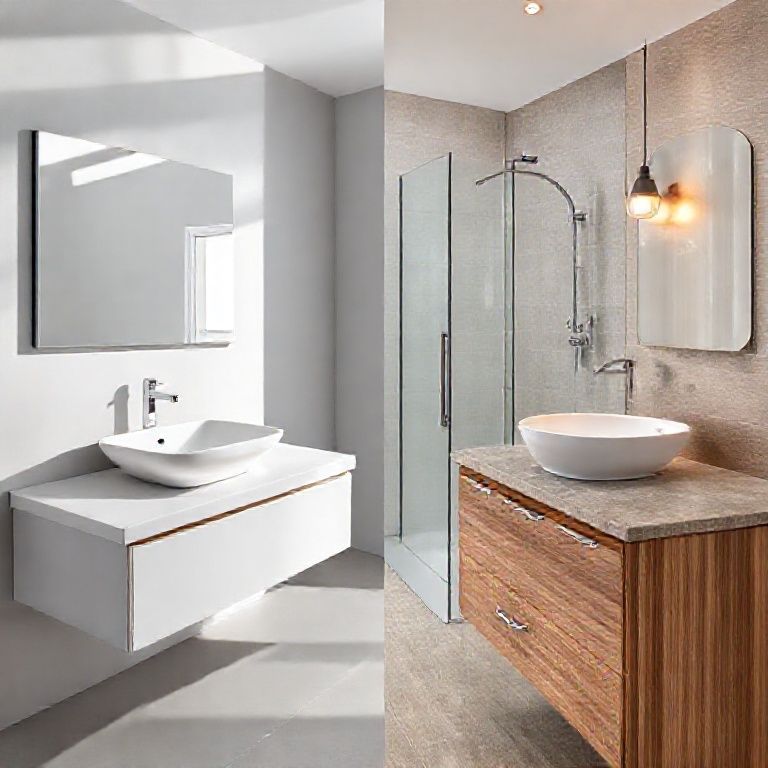
Broader Applications: Synthetic marble’s versatility means it can be used in a wide range of applications beyond countertops and bathroom vanities. Potential uses include flooring, wall cladding, and even large-scale architectural projects.
Enhanced Aesthetics: With ongoing research and innovation, synthetic marble is likely to offer even more realistic and aesthetically pleasing options, further blurring the line between natural and synthetic materials.
Global Adoption: As awareness of synthetic marble’s benefits grows, it is expected to see increased adoption globally. This will lead to a more widespread acceptance and integration into various industries and sectors.
Conclusion
Synthetic marble represents a remarkable intersection of technology, design, and sustainability. From its non-toxic, radiation-free composition to its potential for future innovation, synthetic marble offers numerous advantages that make it a compelling choice for modern interiors. As we look to the future, the continued evolution of synthetic marble promises to bring even more benefits, making it a sustainable and forward-thinking option for years to come.
By understanding the science, benefits, and future trends of synthetic marble, we can appreciate its value and make informed decisions that enhance our living spaces while prioritizing health, safety, and environmental responsibility.