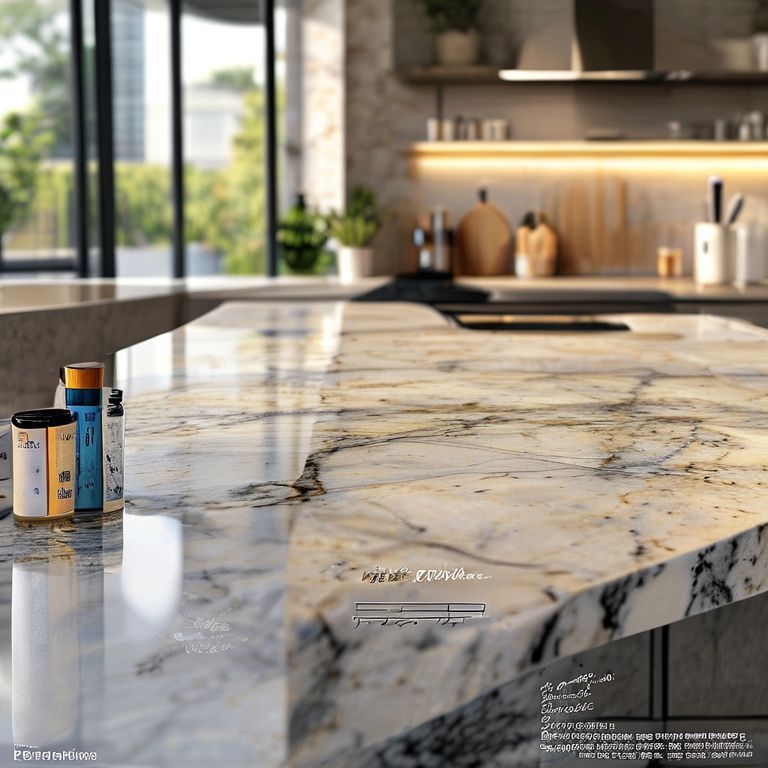
The Composition and Potential Health Risks of Artificial Marble
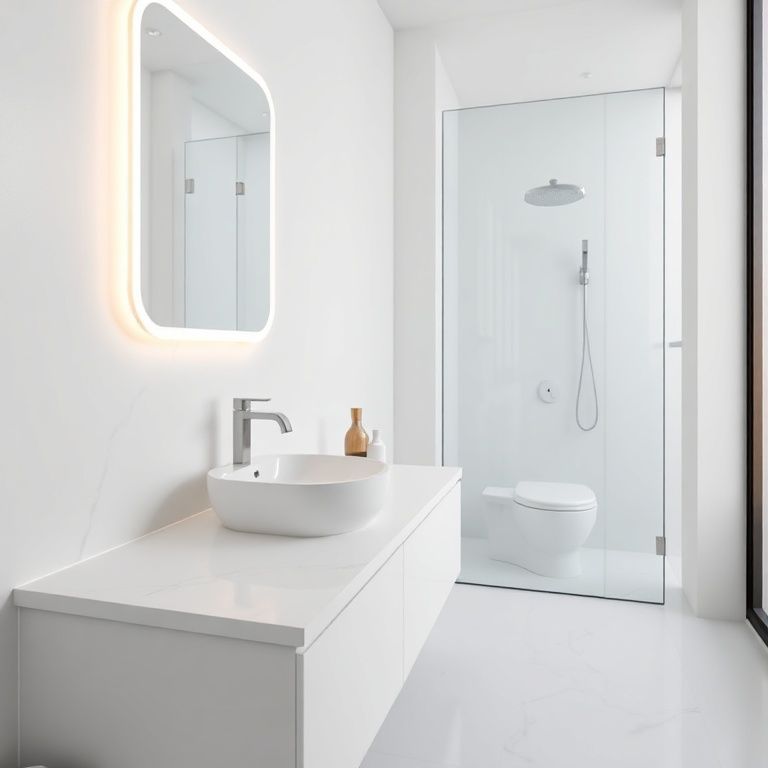
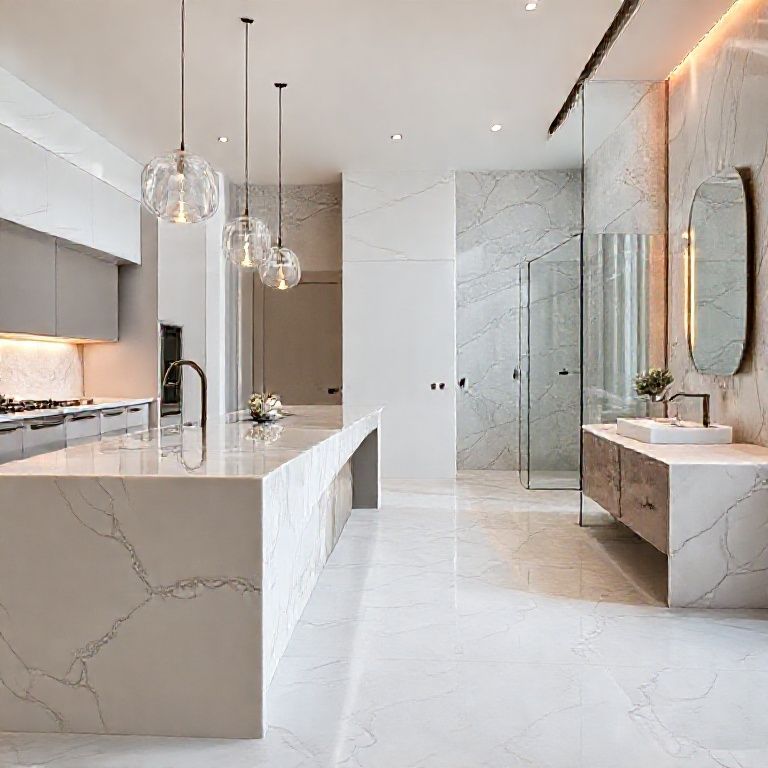
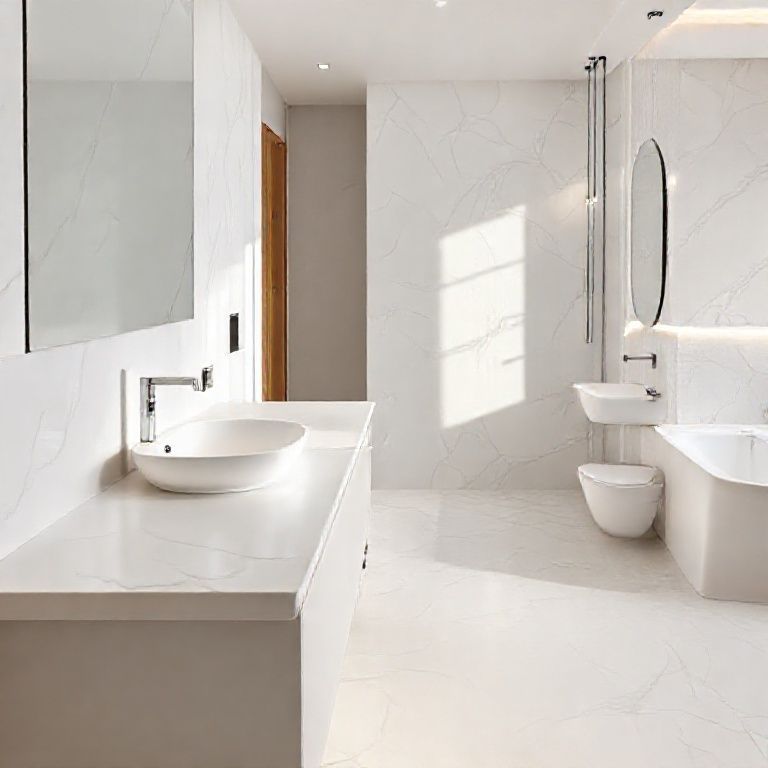
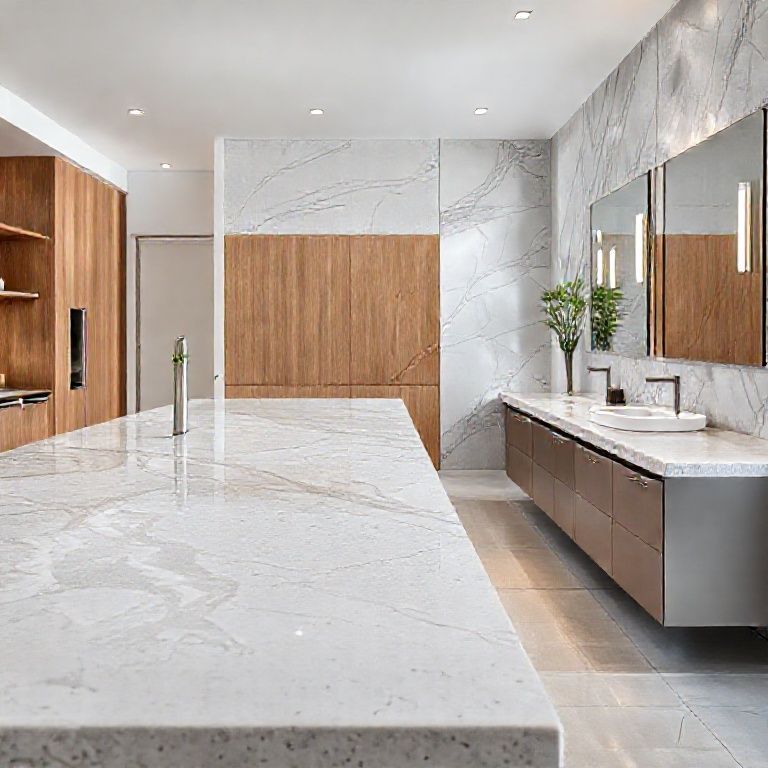
Artificial marble, often known as cultured stone or synthetic marble, has gained immense popularity over the past few decades due to its aesthetic appeal and cost-effectiveness. This material is a composite made from a mixture of minerals, resins, and pigments, which is then polished to achieve a marble-like appearance. While it offers several advantages, such as durability and low maintenance, it is essential to understand the potential health risks associated with its use.

Chemical Composition and Health Concerns
Artificial marble’s primary components include calcium carbonate (marble dust), silica, resins, and various pigments. While these materials are generally considered safe in small quantities, their safety can be questionable when exposed to large amounts over extended periods. Here are some specific concerns:
Resins and Additives: Many artificial marble products contain formaldehyde, a known carcinogen. Formaldehyde is used in the resins that bind the stone’s components together. During the manufacturing and curing process, formaldehyde can off-gas into the air, posing a health risk. Prolonged exposure to formaldehyde fumes can lead to respiratory problems, skin irritation, and even long-term risks like cancer.
Heavy Metals: Depending on the pigments used, artificial marble may contain heavy metals like chromium, lead, and cadmium. These metals can leach out over time, especially if the stone is damaged or improperly installed. Heavy metal exposure can cause serious health issues, including neurological problems, kidney damage, and respiratory diseases.
Dust and Particles: During the installation and maintenance of artificial marble, dust and particles can become airborne. Inhalation of these particles can lead to respiratory issues, especially in individuals with pre-existing conditions such as asthma or allergies. It is essential to ensure proper ventilation and dust control during any work involving artificial marble.
Environmental Impact
While the immediate health risks of artificial marble are concerning, the environmental impact also warrants attention. The production process for artificial marble involves energy-intensive methods and the use of non-renewable resources. Here’s a closer look at the environmental footprint:
Resource Consumption: The extraction and processing of minerals like calcium carbonate and silica contribute to environmental degradation. Quarrying activities can lead to habitat destruction, soil erosion, and water pollution.
Chemical Usage: The production of artificial marble involves various chemicals that can have detrimental effects on the environment. The release of these chemicals into the air, water, and soil can lead to pollution and harm ecosystems.
Waste Generation: The manufacturing process generates waste materials that require proper disposal. Improper disposal can lead to environmental contamination, further exacerbating the ecological footprint of artificial marble.
Regulatory Standards and Safety Measures
To address these concerns, various regulatory bodies have established guidelines and safety standards for the production and use of artificial marble. These regulations aim to minimize health and environmental risks associated with the material. However, adherence to these standards can vary across different regions and manufacturers.
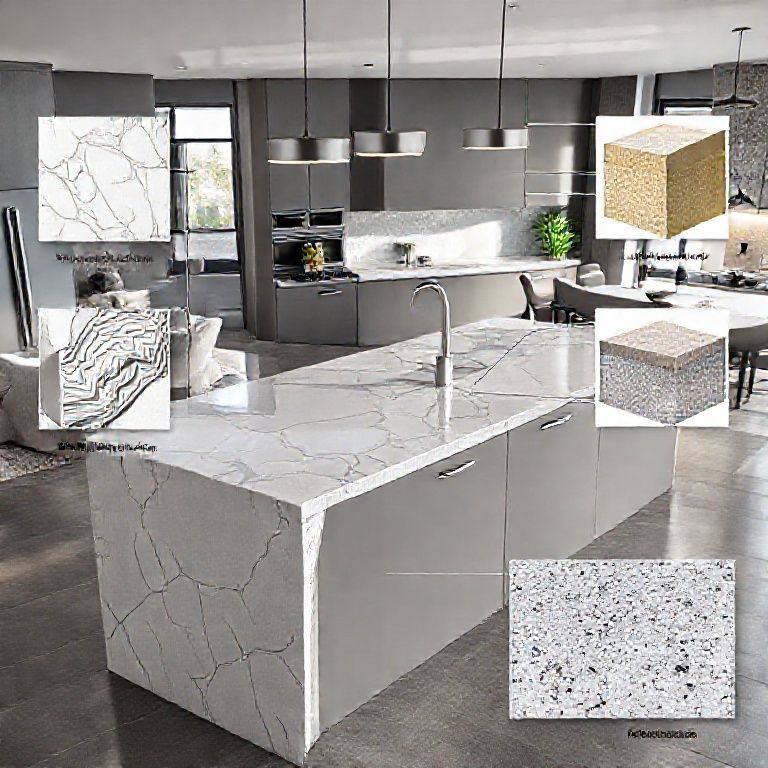
Formaldehyde Emissions: Many countries have set limits on formaldehyde emissions from composite materials. Manufacturers are required to ensure that their products comply with these limits to reduce the risk of off-gassing.
Heavy Metal Content: Regulations also govern the permissible levels of heavy metals in construction materials. Compliance with these standards helps ensure that artificial marble does not pose a significant health risk due to metal leaching.
Dust Control: Proper installation and maintenance practices are crucial in minimizing dust exposure. Guidelines often recommend the use of protective equipment and proper ventilation during installation to mitigate health risks.
Conclusion
In conclusion, while artificial marble offers numerous benefits in terms of aesthetics and cost-effectiveness, it is imperative to consider the potential health risks and environmental impact associated with its use. Understanding the material’s composition, the chemicals involved, and the associated regulations can help you make informed decisions when incorporating artificial marble into your interior design.
In the next part, we will explore alternative materials and sustainable design options that can provide similar aesthetic benefits without compromising health and environmental standards. Stay tuned for a comprehensive guide on safe and sustainable interior design choices.
Sustainable Alternatives and Safer Design Choices for Your Home
While artificial marble has its benefits, it is important to weigh these against the potential risks it poses. Fortunately, there are several sustainable and safer alternatives that can offer the same aesthetic appeal without compromising health and environmental standards. In this part, we will explore these alternatives and discuss how you can make safer design choices for your home.
Natural Stone: A Healthier and Environmentally Friendly Option
Natural stone, such as real marble, granite, and quartzite, has been a popular choice for centuries due to its timeless beauty and durability. While natural stone can be more expensive and requires more maintenance, it offers significant advantages in terms of health and sustainability.
Health Benefits: Natural stone is composed of naturally occurring minerals and does not contain synthetic resins or additives. This means that there is no risk of formaldehyde off-gassing or heavy metal leaching. Real marble, granite, and quartzite are also hypoallergenic, making them a safer choice for individuals with respiratory issues or allergies.
Sustainability: Natural stone mining has a lower environmental impact compared to the production of artificial marble. Sustainable quarrying practices can further minimize the ecological footprint. Additionally, natural stone is a renewable resource, as it can be extracted and used in a way that does not deplete the earth’s resources.
Durability and Maintenance: While natural stone requires more maintenance than artificial marble, its durability ensures a long-lasting solution. Regular cleaning and sealing can help maintain its beauty and protect it from stains and scratches.
Other Sustainable Alternatives
In addition to natural stone, there are several other sustainable alternatives that can provide a stunning aesthetic without compromising health and environmental standards.
Bamboo: Bamboo is a rapidly renewable resource that grows quickly and can be harvested sustainably. It is a durable material that can be used for countertops, flooring, and even furniture. Bamboo is also resistant to mold and pests, making it a hygienic choice for indoor spaces.
Recycled Materials: Using recycled materials in interior design is a sustainable and responsible choice. Recycled concrete, reclaimed wood, and recycled metal can be transformed into beautiful and functional pieces for your home. These materials not only reduce waste but also offer a unique and eclectic aesthetic.
Low-VOC Products: Low-VOC (volatile organic compounds) products are an excellent alternative to traditional materials that may emit harmful chemicals. Low-VOC paints, adhesives, and finishes can help reduce indoor air pollution and improve overall air quality in your home.
Sustainable Design Practices
Incorporating sustainable design practices into your interior design can significantly reduce the environmental impact and health risks associated with your home. Here are some key practices to consider:
Local Sourcing: Sourcing materials locally can reduce the carbon footprint associated with transportation. Local materials also support the local economy and often have a lower environmental impact compared to imported materials.
Minimal Waste: Designing with minimal waste in mind can help reduce construction and demolition waste. This can be achieved through careful planning, precise measurements, and the use of materials with longer life spans.
Energy Efficiency: Incorporating energy-efficient design elements, such as proper insulation, energy-efficient appliances, and smart lighting, can help reduce your home’s overall energy consumption. This not only lowers your carbon footprint but also reduces utility costs.
Water Conservation: Implementing water-saving practices, such as low-flow fixtures and rainwater harvesting systems, can help conserve water and reduce the environmental impact of your home.
Conclusion
In conclusion, while artificial marble offers aesthetic and cost advantages, it is important to consider the potential health risks and environmental impact associated with its use. By exploring sustainable alternatives like natural stone, bamboo, and recycled materials, you can create a beautiful and safe interior space without compromising your health or the environment.
In making safer design choices, prioritizing local sourcing, minimizing waste, and incorporating energy-efficient and water-saving practices can further enhance the sustainability of your home. By taking these steps, you can enjoy the beauty of your interior design while ensuring the well-being of yourself and the planet.
Thank you for joining us on this comprehensive exploration of the potential dangers of artificial marble and the sustainable alternatives available. Stay tuned for more insights on creating safe and eco-friendly interiors.