The Composition and Benefits of Synthetic Marble
When considering the aesthetics and practicality of home and commercial spaces, synthetic marble stands out as a versatile and durable option. Understanding the weight of one square meter of artificial marble is essential for any project that involves installation, planning, or design. Here, we explore the composition and benefits of this modern marvel, breaking down what makes it an excellent choice for various applications.

The Composition of Synthetic Marble
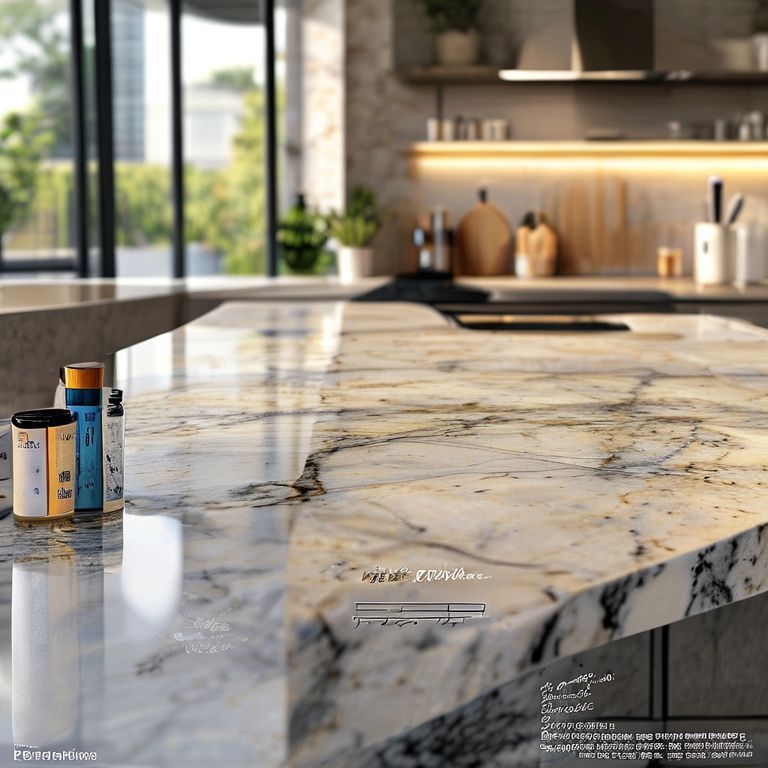
Synthetic marble, often referred to as artificial marble or engineered stone, is a composite material made primarily from natural minerals, such as quartz, and combined with resins and dyes. This blend creates a product that closely mimics the appearance and texture of traditional marble while offering superior durability and maintenance-free properties.
Key Ingredients
Quartz: A significant component of synthetic marble, quartz provides the material with its strength and resistance to scratching and staining. Resins: These bind the quartz particles together, enhancing the overall durability and giving the material its cohesive structure. Dyes: High-quality dyes are used to achieve the rich, varied colors found in natural marble, ensuring a visually appealing finish.
The Benefits of Using Synthetic Marble
Durability: Unlike natural marble, synthetic marble is resistant to scratches, stains, and chips, making it a long-lasting choice for high-traffic areas. Maintenance: One of the most significant advantages of synthetic marble is its low maintenance. It does not require sealing or special cleaning products, unlike natural stone. Customization: The ability to customize colors and patterns makes synthetic marble a versatile option for various design projects. Weight: Generally, synthetic marble is lighter than natural marble, which simplifies installation and reduces transportation costs.
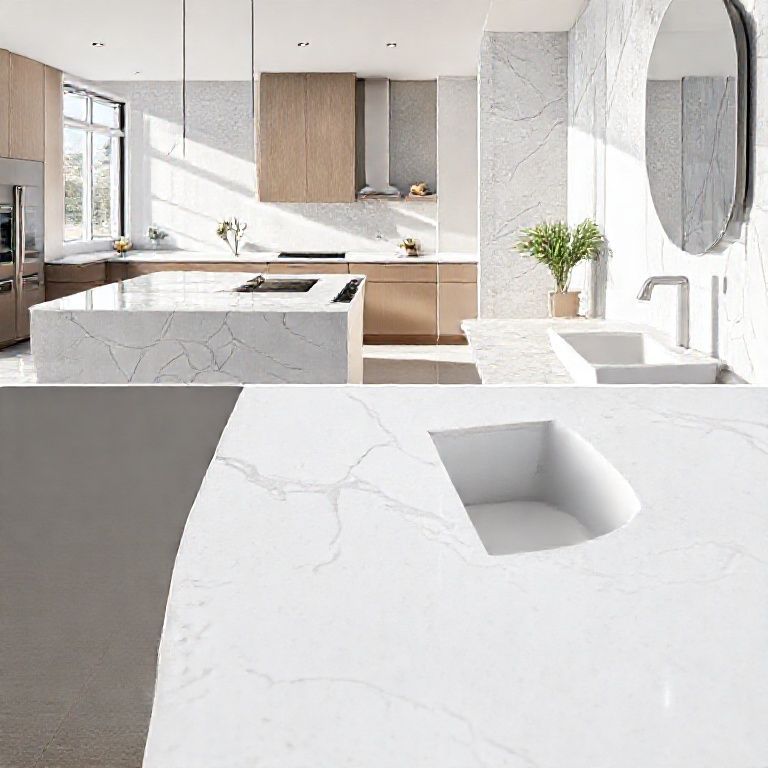
Weight Per Square Meter
To determine the weight of one square meter of artificial marble, it’s essential to consider the specific thickness and density of the material. Typically, a standard thickness for artificial marble slabs is around 2 cm (0.79 inches). Given the average density of synthetic marble, we can estimate its weight.
Average Density of Synthetic Marble
The density of synthetic marble generally ranges between 2.2 to 2.4 grams per cubic centimeter (g/cm³). For our calculation, we’ll use an average density of 2.3 g/cm³.
Calculating the Weight
To find the weight of one square meter of 2 cm thick synthetic marble, we need to convert the dimensions into cubic meters and then multiply by the density.
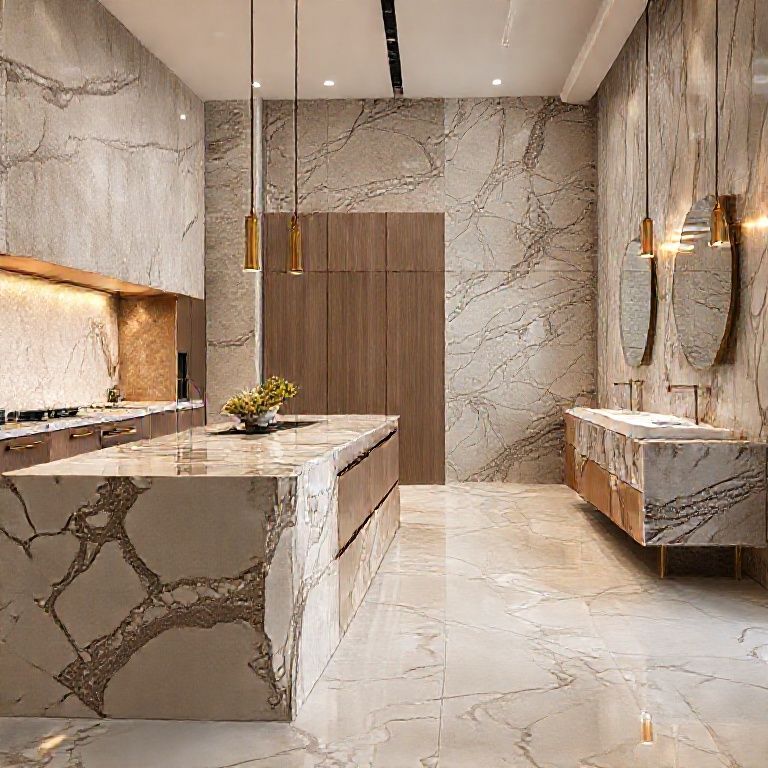
Convert square meters to cubic meters: 1 square meter = 1 m² Thickness = 2 cm = 0.02 meters Volume per square meter = 1 m² * 0.02 m = 0.02 m³ Calculate weight: Density = 2.3 g/cm³ = 2300 kg/m³ (since 1 g/cm³ = 1000 kg/m³) Weight = Volume * Density = 0.02 m³ * 2300 kg/m³ = 46 kg
Thus, one square meter of 2 cm thick synthetic marble weighs approximately 46 kilograms.
Why Synthetic Marble is a Preferred Choice
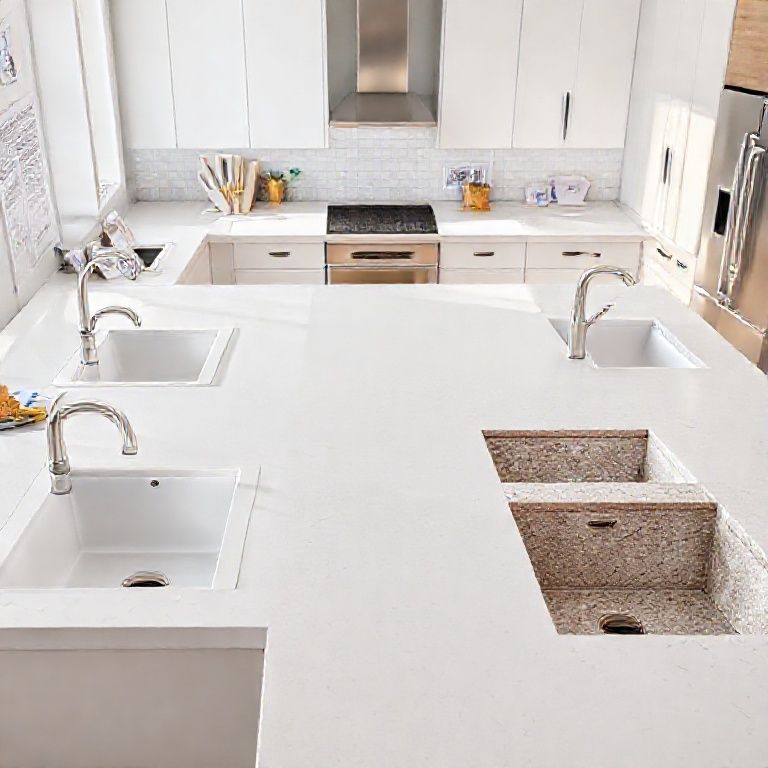
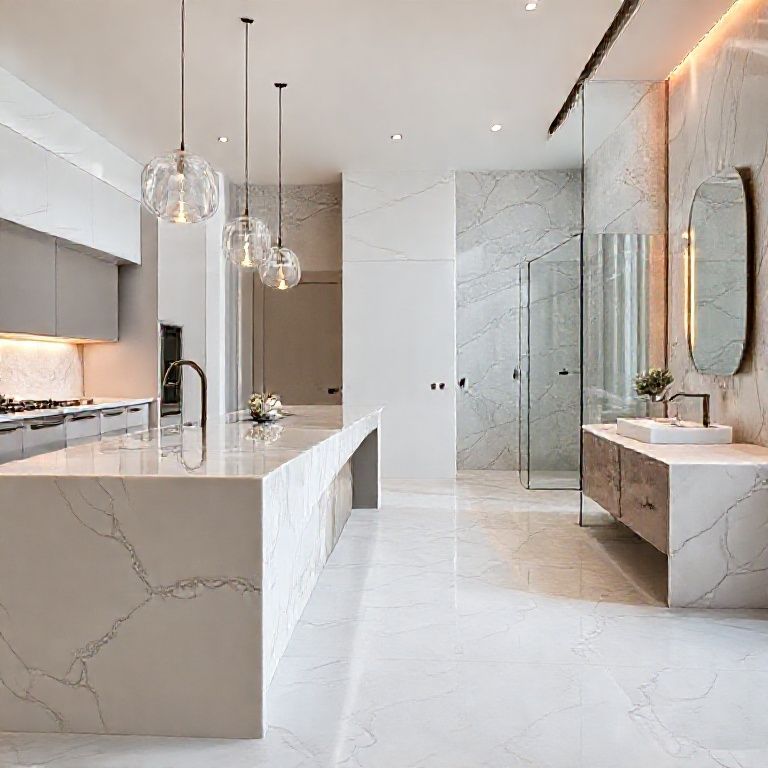
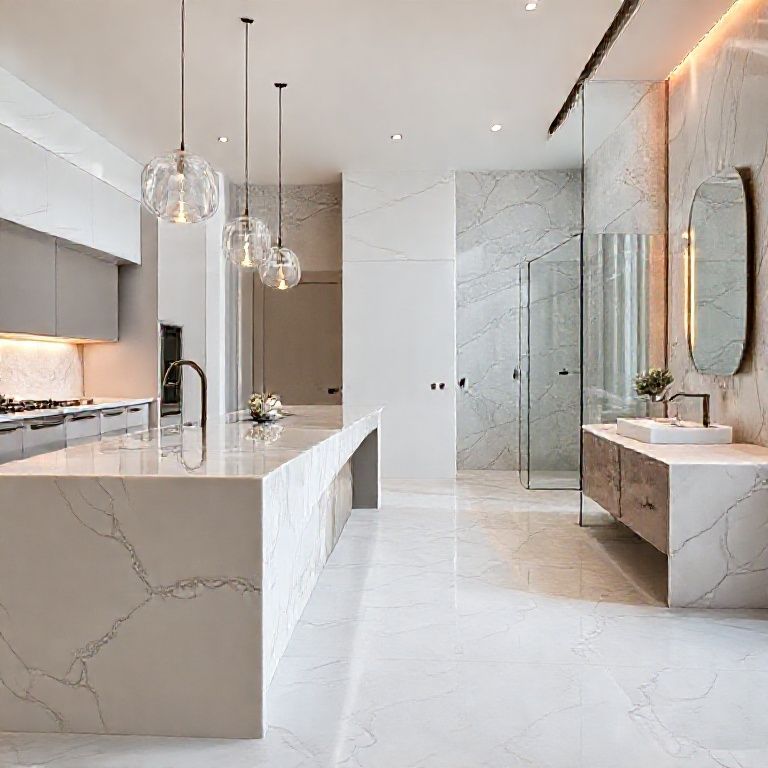
Synthetic marble offers a luxurious look at a fraction of the cost and weight of natural marble. Its durability, coupled with ease of maintenance, makes it an attractive option for both residential and commercial projects. From countertops to flooring, the versatility of synthetic marble ensures it can seamlessly integrate into various design schemes.
Conclusion
Understanding the weight of one square meter of artificial marble provides valuable insight for anyone involved in architectural design or interior decoration. With an average weight of around 46 kilograms for a 2 cm thick slab, synthetic marble stands out as a practical and cost-effective alternative to natural marble.
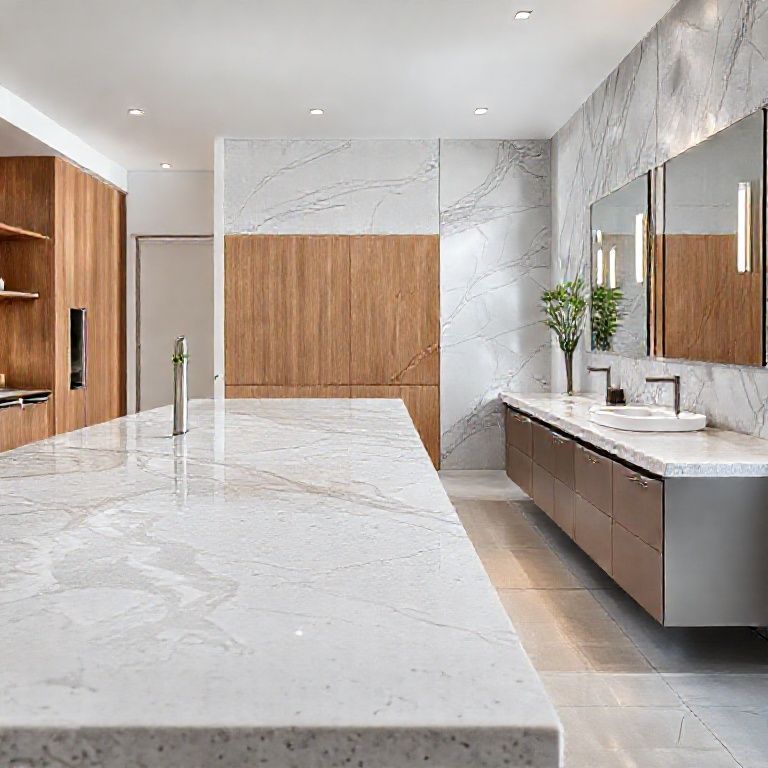
In the next part, we will delve deeper into the installation process, maintenance tips, and additional benefits of using synthetic marble in various applications.
Installation, Maintenance, and Additional Benefits of Synthetic Marble
Continuing our exploration into the world of synthetic marble, this section focuses on the installation process, maintenance tips, and additional benefits that make this material a top choice for modern design projects. We’ll also further discuss how its weight and other properties influence its use in various settings.
Installation of Synthetic Marble
Installing synthetic marble is relatively straightforward, but it does require careful planning and execution to ensure a flawless finish. Here’s a step-by-step guide to help you understand the process.
Preparation
Surface Preparation: Ensure that the surface where the synthetic marble will be installed is clean, level, and free from any grease or debris. Any imperfections can affect the adhesion of the marble. Substrate Selection: Choose an appropriate substrate that can support the weight of the synthetic marble. For most installations, a plywood or cement board substrate works well. Cutting: Use a tile cutter or saw to cut the synthetic marble slabs to fit the space accurately. Precision is crucial for a seamless look.
Adhesion and Installation
Adhesive: Use a high-quality adhesive recommended for synthetic stone. Apply the adhesive evenly onto the substrate. Laying the Slabs: Place the synthetic marble slabs onto the adhesive, starting from one corner. Press down firmly to ensure good adhesion. Use spacers to maintain even gaps between the slabs. Grouting: Once the slabs are set, apply a grout that matches the color of the synthetic marble. Clean the surface with a damp sponge to remove excess grout. Curing: Allow the adhesive and grout to cure as per the manufacturer’s instructions. This usually takes a few days.
Maintenance Tips for Synthetic Marble
Maintaining synthetic marble is easier compared to natural marble due to its non-porous nature. Here are some maintenance tips to keep your synthetic marble looking pristine:
Cleaning: Use a mild detergent or a specialized cleaner for synthetic marble. Avoid using acidic or abrasive cleaners that can damage the surface. Stain Prevention: Synthetic marble is resistant to most stains, but it’s still important to clean up spills immediately to prevent any potential discoloration. Avoiding Sharp Objects: Although synthetic marble is durable, using sharp or heavy objects can cause scratches. Use coasters and trivets to protect the surface.
Additional Benefits of Synthetic Marble
Beyond its weight and installation ease, synthetic marble offers several other benefits that make it a preferred choice for many designers and homeowners.
Aesthetic Versatility
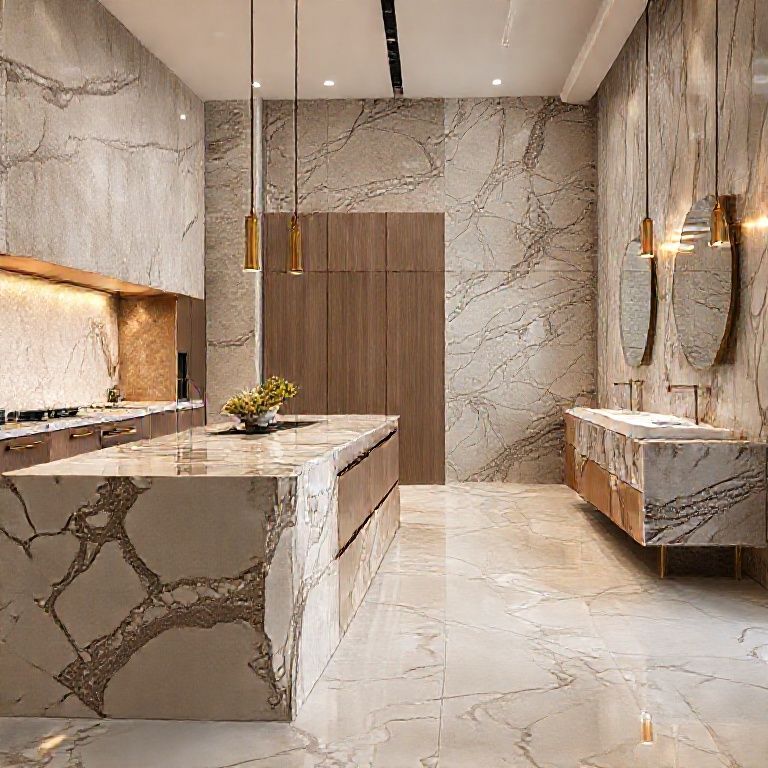
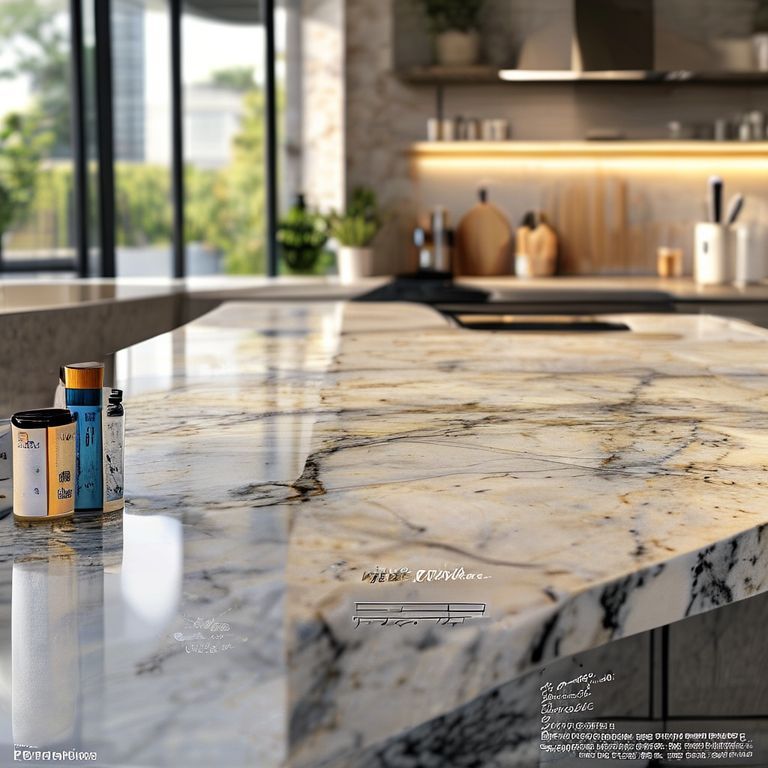
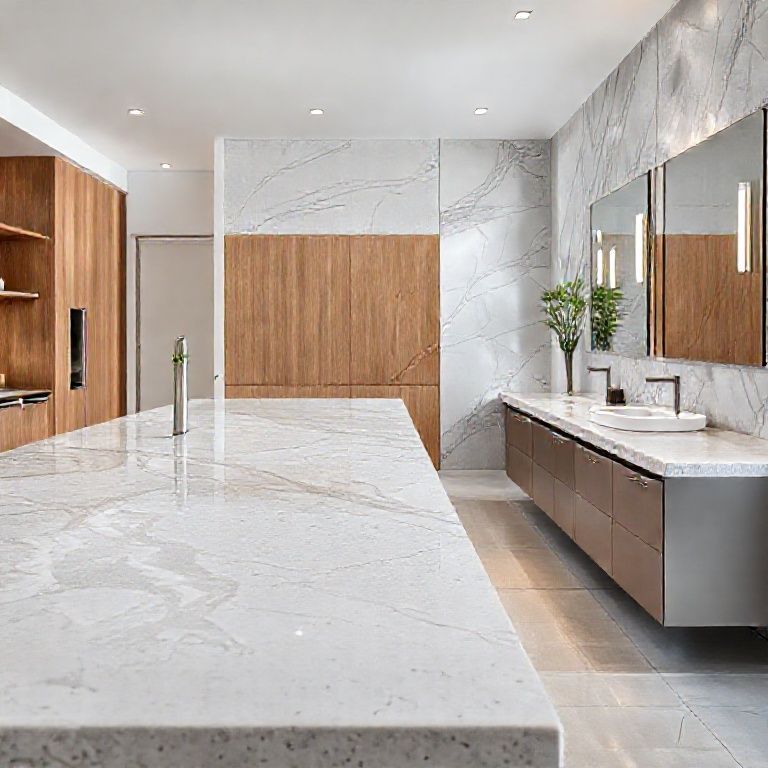
Synthetic marble can be produced in an array of colors, patterns, and textures that closely mimic natural marble. This versatility allows designers to create unique and customized designs that suit any aesthetic preference.
Cost-Effectiveness
While the initial cost of synthetic marble might be higher than some other materials, its durability and low maintenance make it a cost-effective option in the long run. It eliminates the need for expensive repairs and frequent cleaning.
Environmental Impact
Synthetic marble is a more sustainable option compared to natural marble. It does not require the extraction of natural resources and has a lower environmental impact. Additionally, many manufacturers use recycled materials in the production process.
Flexibility in Design
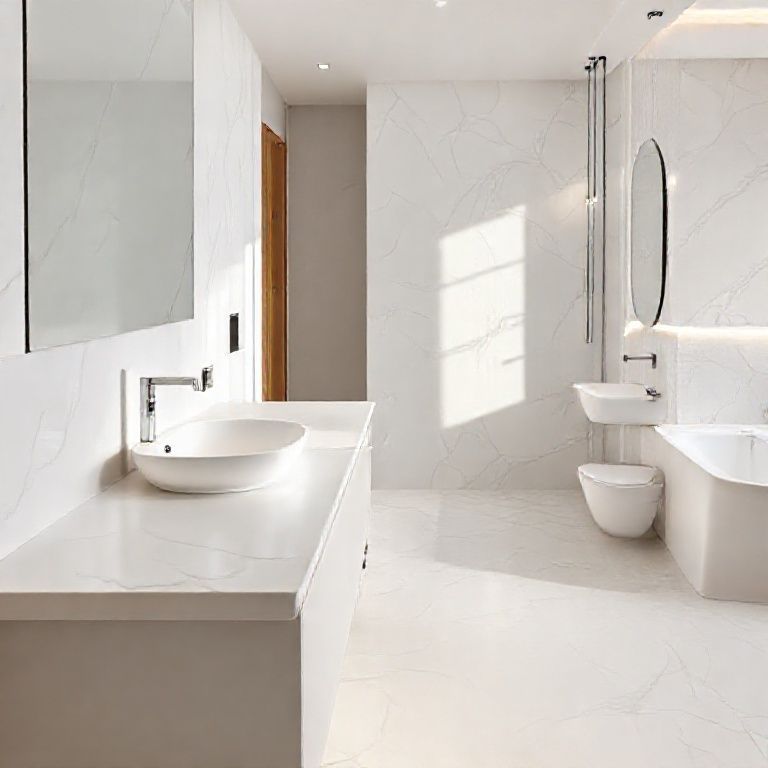
The ability to mold and shape synthetic marble makes it ideal for custom designs. Whether it’s a unique countertop, a bespoke bathtub, or intricate wall cladding, synthetic marble can be customized to meet specific design requirements.
Conclusion
In conclusion, synthetic marble offers a compelling combination of aesthetic appeal, durability, and ease of maintenance, making it a superior choice for both residential and commercial projects. With an average weight of around 46 kilograms per square meter for a 2 cm thick slab, synthetic marble not only provides a luxurious look but also practical benefits that simplify installation and reduce long-term costs.
By understanding the weight and properties of synthetic marble, you can make informed decisions that enhance your design projects while ensuring a beautiful, durable, and low-maintenance finish.
Whether you’re a designer, contractor, or homeowner, the benefits of synthetic marble are clear. Its versatility, combined with its manageable weight, makes it a standout material for contemporary architecture and interior design.
This concludes our comprehensive exploration of synthetic marble, focusing on its composition, benefits, installation, maintenance, and additional advantages. For any further queries or specific project needs, consider consulting with professionals who specialize in synthetic marble applications.