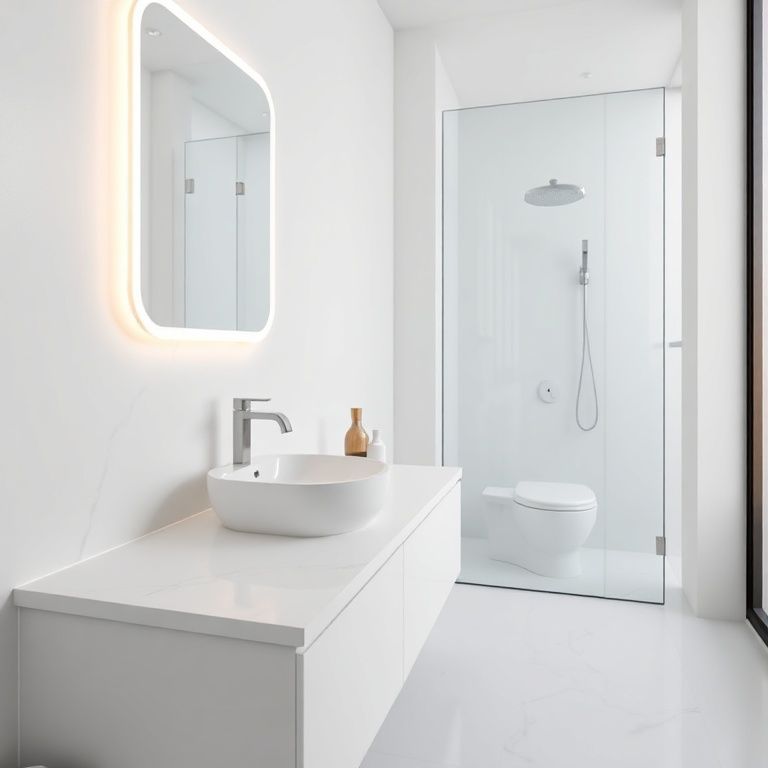
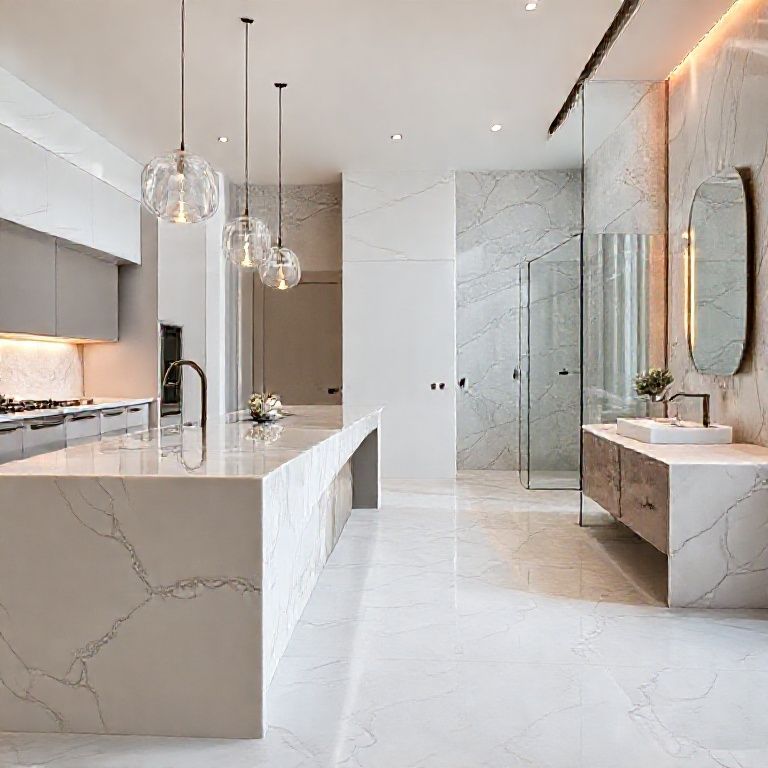
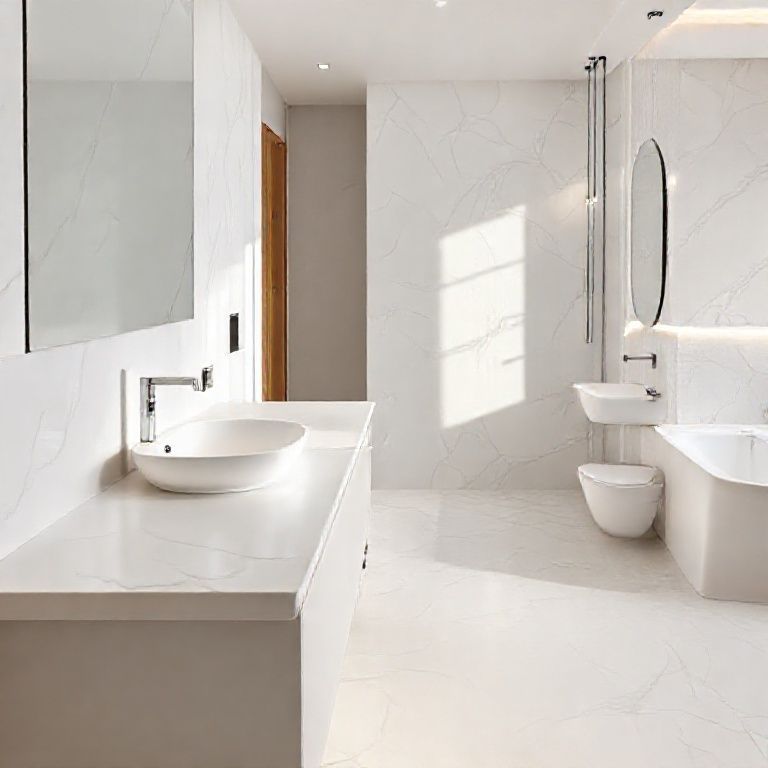
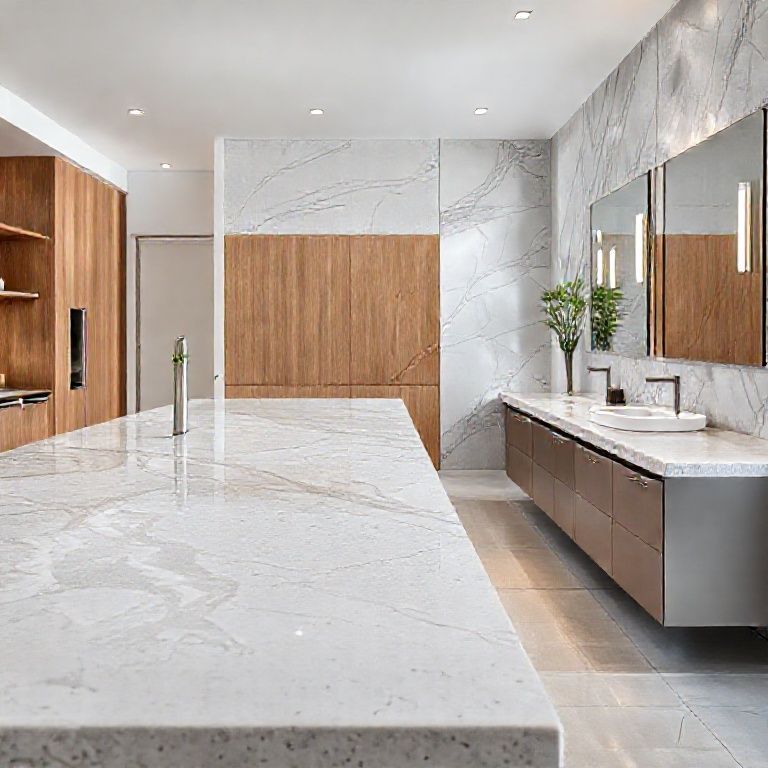
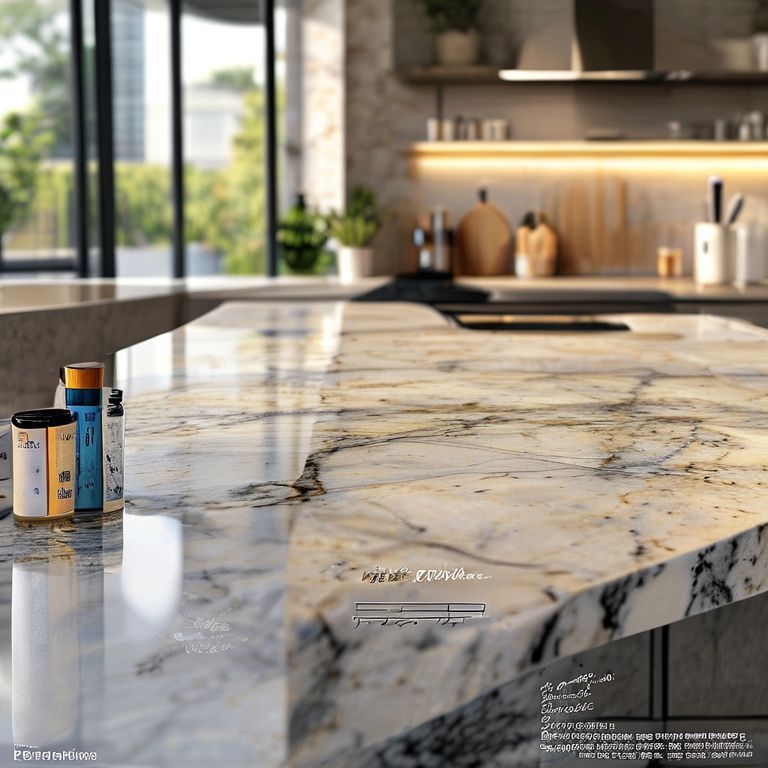
Dive into the intricate world of artificial marble with our in-depth exploration. From its unparalleled aesthetics to its practical limitations, we uncover everything you need to know about this modern marvel. Whether you’re a designer, homeowner, or simply curious, this article offers a thorough analysis of the pros and cons of artificial marble, ensuring you make an informed decision.

artificial marble, pros and cons of artificial marble, benefits of artificial marble, drawbacks of artificial marble, synthetic stone, modern decor, durable countertops, maintenance, artificial stone advantages, artificial stone disadvantages
Unveiling the Wonders and Drawbacks of Artificial Marble: A Comprehensive Exploration
In the realm of contemporary design and construction, artificial marble, also known as engineered stone or synthetic stone, has emerged as a highly sought-after material. Its appeal lies in a combination of aesthetic beauty, durability, and cost-effectiveness. However, like any material, it has its own set of advantages and disadvantages that merit careful consideration. Let’s delve into the myriad benefits of artificial marble to understand why it has become a favorite among designers and homeowners alike.
Aesthetic Allure
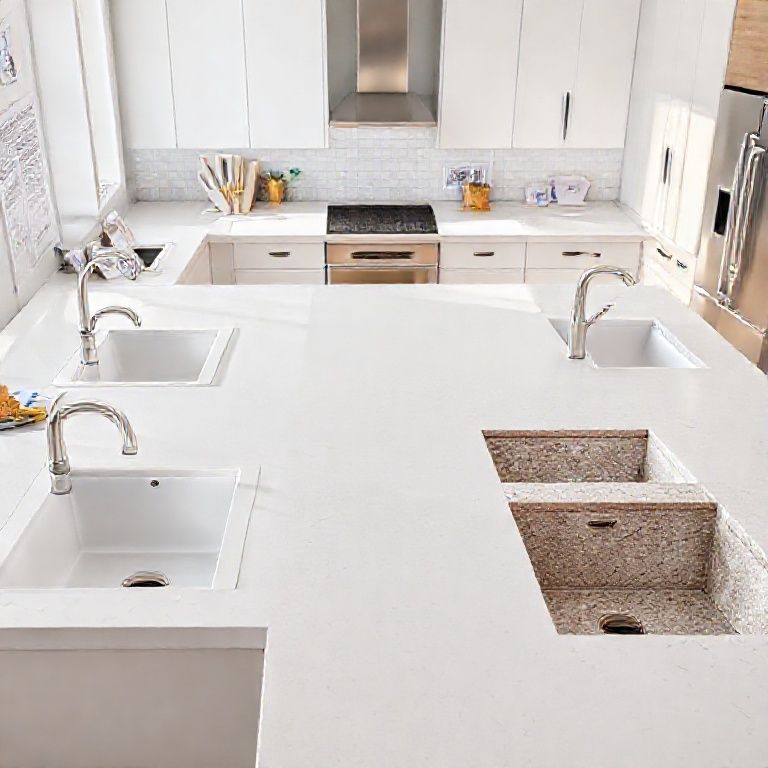
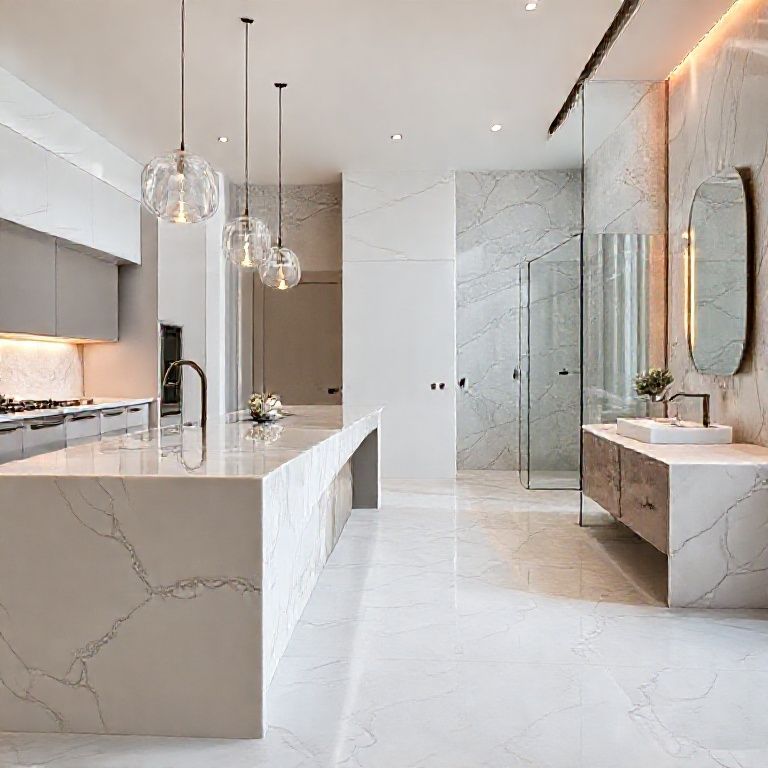
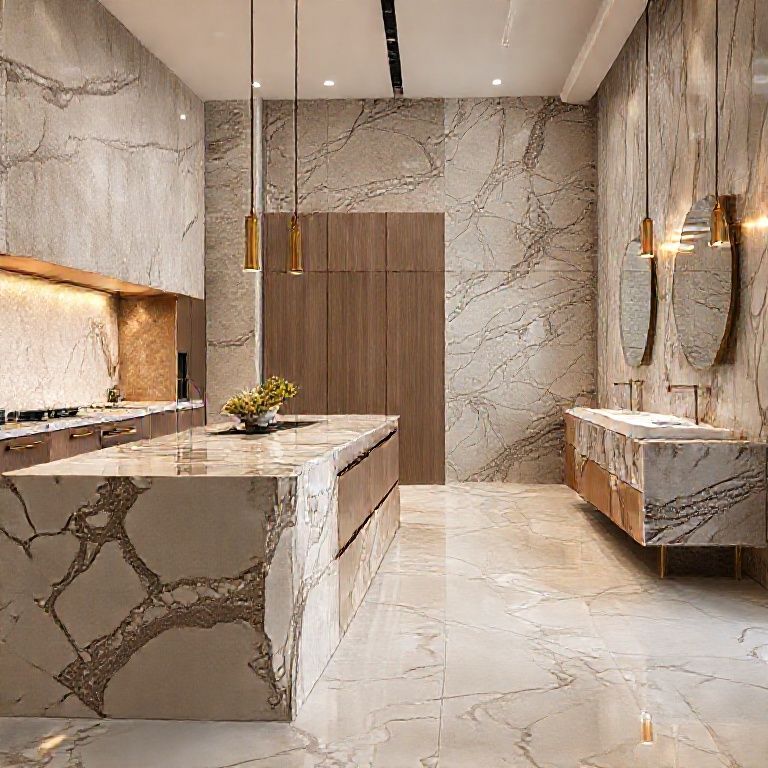
One of the primary reasons for the popularity of artificial marble is its stunning visual appeal. Unlike natural stone, artificial marble offers an almost limitless range of colors, patterns, and finishes. It can mimic the appearance of traditional marble, granite, and even wood with exceptional fidelity. This versatility makes it a perfect choice for various design applications, from countertops and sinks to tabletops and decorative elements.
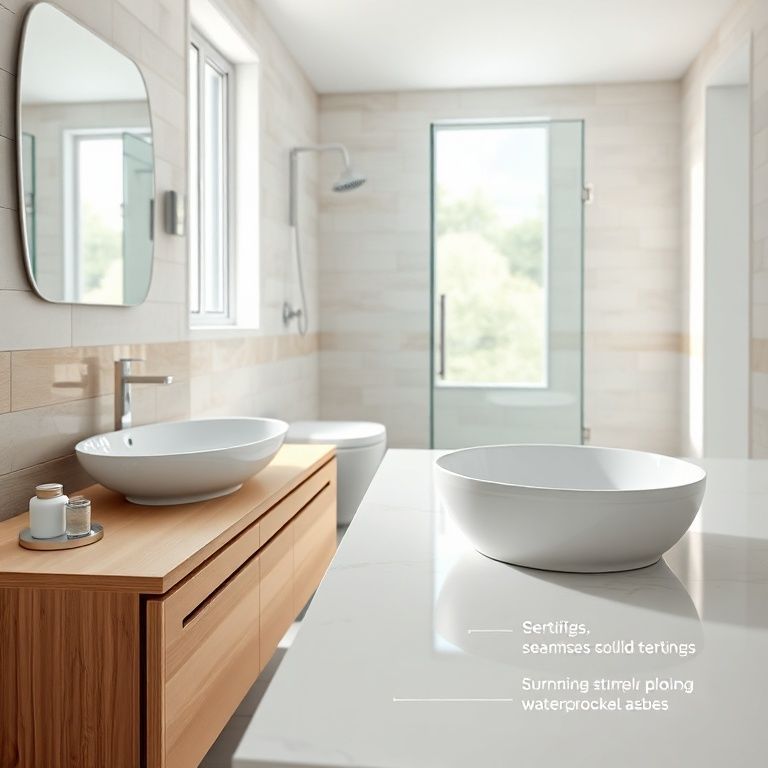
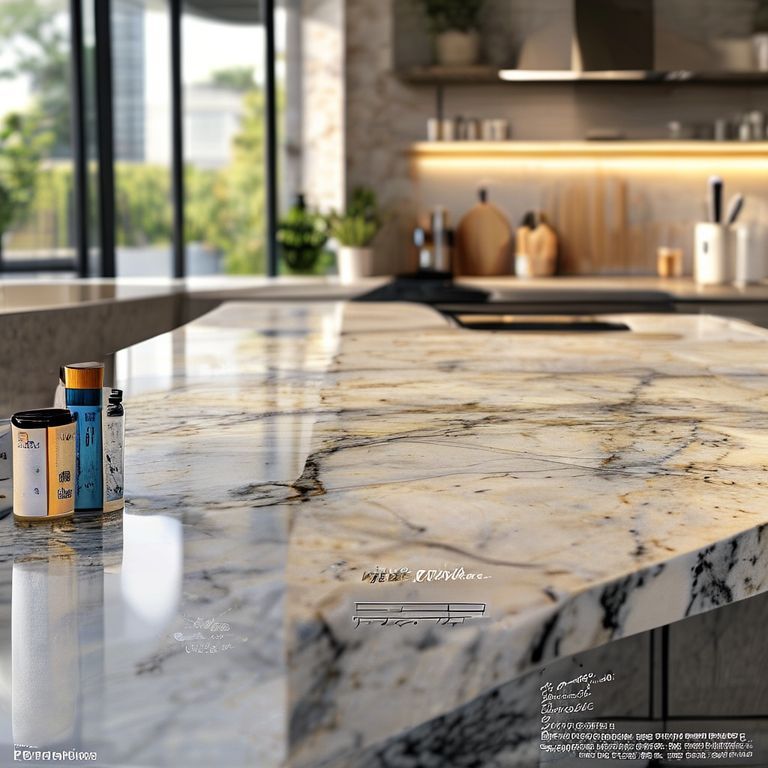
The aesthetic flexibility of artificial marble is further enhanced by its high-gloss finish. This finish not only makes it visually appealing but also helps to showcase intricate designs and patterns in stunning detail. Moreover, artificial marble can be customized to suit specific design requirements, providing a bespoke solution that aligns perfectly with your vision.
Durability and Strength
Artificial marble is renowned for its exceptional durability. It is made from a composite of minerals, polymers, and pigments that are bonded together using advanced manufacturing techniques. This composition results in a material that is incredibly strong and resistant to impact, scratches, and dents. Unlike natural stone, which can be prone to these issues, artificial marble maintains its integrity under heavy use and daily wear.
One of the standout features of artificial marble is its resistance to stains and chemicals. It does not absorb liquids or moisture, making it ideal for high-traffic areas like kitchens and bathrooms. This stain-resistant property also means that cleaning is a breeze, requiring only a simple wipe with a damp cloth and mild soap. The durability and low maintenance of artificial marble make it an excellent choice for long-lasting, hassle-free surfaces.
Cost-Effectiveness
Another significant advantage of artificial marble is its cost-effectiveness. While natural stone can be prohibitively expensive, artificial marble offers a more affordable alternative without compromising on quality or aesthetics. The production process of artificial marble is more controlled, allowing manufacturers to offer a consistent product at a lower cost.
Moreover, the longevity of artificial marble reduces the need for frequent replacements, further contributing to its economic appeal. Its resilience to damage means that it will not require costly repairs or replacements as often as natural stone, ensuring that your investment continues to pay off over time.
Versatility in Applications
The versatility of artificial marble extends beyond its aesthetic and functional qualities. It can be used in a wide range of applications, from residential to commercial spaces. In homes, it is commonly used for kitchen countertops, bathroom vanities, and tabletops. Its use in commercial settings includes restaurant tables, bar tops, and office desks. The material’s ability to withstand the rigors of daily use makes it an ideal choice for both residential and commercial environments.
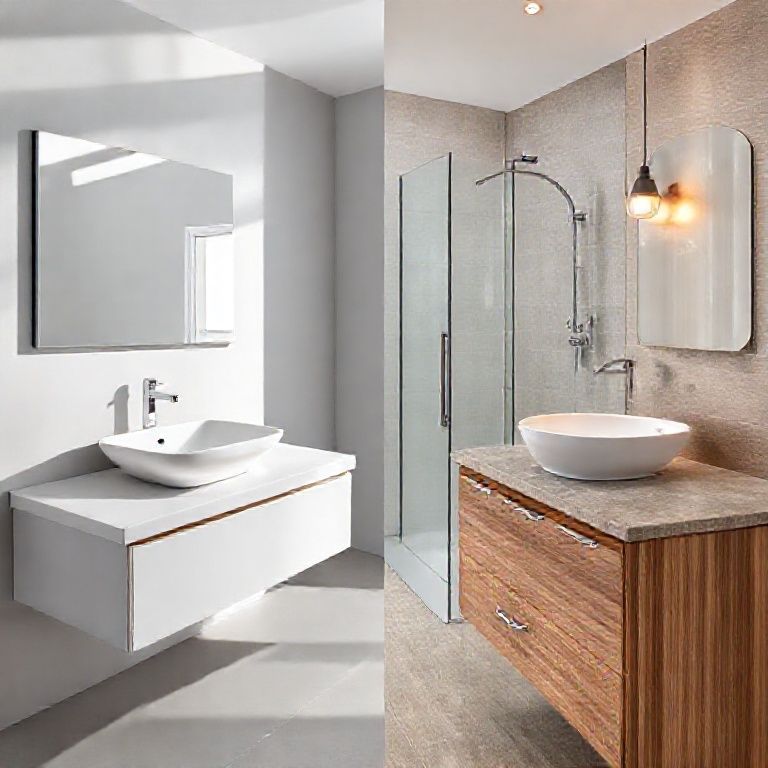
Artificial marble can also be easily cut, shaped, and installed, making it a preferred choice for custom designs and intricate installations. Whether you need a large slab for a countertop or a smaller piece for a unique decorative element, artificial marble can be tailored to meet your specific needs.
Environmental Considerations
In an era where sustainability is a top priority, artificial marble offers an environmentally friendly option. It is produced using fewer natural resources compared to traditional stone, reducing the environmental impact associated with mining and quarrying. Additionally, the manufacturing process of artificial marble generates less waste and pollution, making it a greener choice for eco-conscious consumers.
Furthermore, artificial marble does not require the extensive transportation logistics associated with natural stone, which often involves long-distance shipping and significant carbon emissions. This localized production reduces the overall environmental footprint, making artificial marble a sustainable option for modern design.
Unveiling the Wonders and Drawbacks of Artificial Marble: A Comprehensive Exploration
While artificial marble boasts numerous advantages, it is essential to consider its drawbacks to make a well-informed decision. Understanding these limitations will help you weigh the pros and cons and determine whether this material is the right fit for your project.
Initial Cost and Installation
Despite its long-term cost-effectiveness, artificial marble can have a higher initial cost compared to some other materials. The advanced manufacturing processes and the quality control involved in producing artificial marble contribute to its premium price tag. Additionally, the installation of artificial marble may require specialized skills, which can add to the overall cost.
For those on a tight budget, this initial investment might be a deterrent. However, it is important to remember that the long-term savings in maintenance and repairs often offset the higher upfront cost, making it a worthwhile investment in the long run.
Heat Resistance
One of the significant drawbacks of artificial marble is its limited heat resistance. While it is highly resistant to stains, chemicals, and scratches, it is not designed to withstand high temperatures. Exposure to extreme heat can cause artificial marble to warp, crack, or even melt, depending on the specific formulation and temperature.
This limitation means that artificial marble is not ideal for areas where hot pots, pans, or appliances are frequently placed directly on the surface. For example, placing a hot kettle on a kitchen countertop made of artificial marble could lead to damage. Therefore, it is crucial to use heat-resistant trivets or other protective measures to prevent heat-related damage.
Durability Concerns
Although artificial marble is known for its durability, it is not indestructible. While it is more resistant to scratches and dents than natural stone, it can still be damaged under certain conditions. For instance, sharp objects can scratch the surface, and aggressive cleaning agents can degrade the material over time.
The degree of durability can vary depending on the specific formulation of the artificial marble and the quality of the manufacturing process. It is essential to choose a reputable manufacturer and ensure that the product is installed and maintained properly to maximize its longevity.
Aesthetic Limitations
While artificial marble offers a wide range of colors and patterns, it still has some aesthetic limitations compared to natural stone. The patterns and colors in artificial marble are created through a synthetic process, which can result in a slightly different appearance compared to the natural, organic patterns found in stone.
For those seeking the unique beauty of natural stone, artificial marble might not fully capture the character and authenticity that natural stone provides. However, advancements in manufacturing technology continue to improve the visual fidelity of artificial marble, making it increasingly difficult to distinguish from natural stone in many cases.
Environmental Impact
Although artificial marble is more environmentally friendly than traditional stone in terms of resource usage and waste generation, it is not entirely free of environmental concerns. The production process involves the use of synthetic materials and chemicals, which can have environmental implications.
Moreover, the disposal of artificial marble at the end of its lifecycle poses challenges, as it is not biodegradable. Proper recycling and disposal methods are essential to minimize its environmental impact. However, ongoing advancements in sustainable manufacturing practices are helping to address these concerns.
Maintenance and Care
While artificial marble is known for its low maintenance, it still requires some care to ensure its longevity and appearance. Regular cleaning with mild soap and water is sufficient for most surfaces, but avoiding harsh chemicals and abrasive cleaners is crucial to prevent damage.
It is also important to protect artificial marble from prolonged exposure to direct sunlight, as this can cause fading over time. Using UV-protective covers or placing the material in shaded areas can help maintain its vibrant appearance.
Conclusion
In conclusion, artificial marble offers a compelling combination of aesthetics, durability, and cost-effectiveness, making it a popular choice for various design and construction projects. Its versatility, low maintenance, and resistance to stains and chemicals are significant advantages that cater to both residential and commercial needs.
However, it is essential to consider its limitations, including the higher initial cost, limited heat resistance, and potential for damage from sharp objects or harsh chemicals. Understanding these drawbacks will help you make an informed decision and ensure that artificial marble is the right fit for your specific project.
By weighing the pros and cons, you can appreciate the full spectrum of benefits and limitations of artificial marble, enabling you to harness its full potential while mitigating its drawbacks. Whether you are a designer, homeowner, or simply curious, this comprehensive exploration provides valuable insights to guide your decision-making process in the world of modern materials.