In the realm of luxury and design, few materials stand out as strikingly as engineered marble. This remarkable substance has been transforming homes, offices, and public spaces, bringing a touch of elegance and sophistication that rivals natural stone. But what exactly is engineered marble made of? To understand its allure, we must delve into the intricate science and technology behind its creation.
The Composition of Engineered Marble
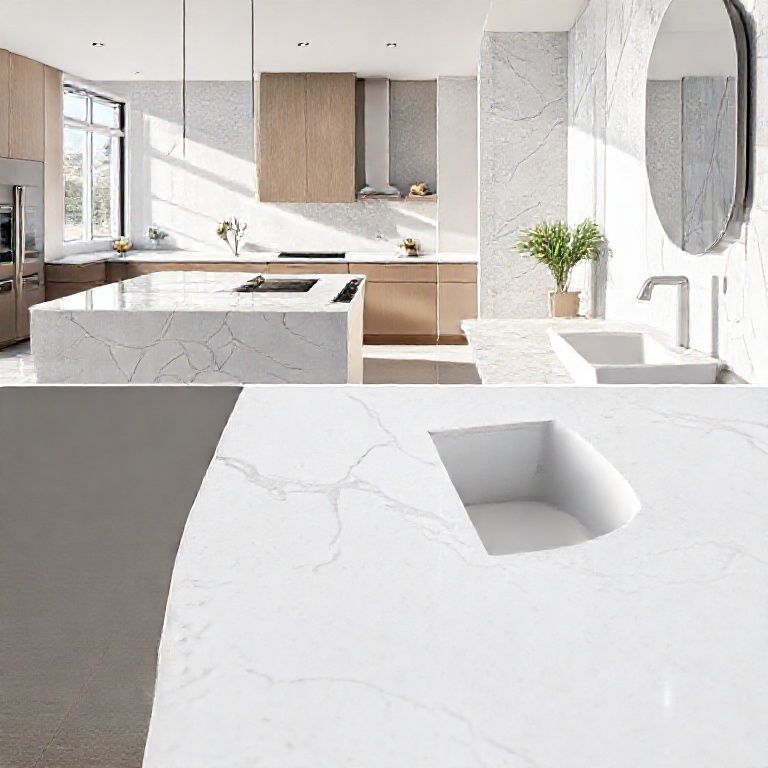
Engineered marble, often referred to as artificial or cultured marble, is a composite material crafted through a meticulous process that mimics the beauty and texture of natural marble. Unlike natural stone, which is mined directly from the earth, engineered marble is created in a controlled environment, allowing designers and manufacturers to achieve precise aesthetic results.
The primary components of engineered marble are:
Resin: A critical element in engineered marble is resin, typically a polymer made from acrylic or melamine. The resin acts as the binding agent that holds the mixture together. It provides strength, flexibility, and a smooth finish, allowing the material to mimic the natural look of marble.
Stone Aggregate: To achieve the characteristic veining and color of marble, stone aggregates such as quartz, limestone, or granite are mixed into the resin. These aggregates contribute to the authentic appearance of the material and add to its durability.
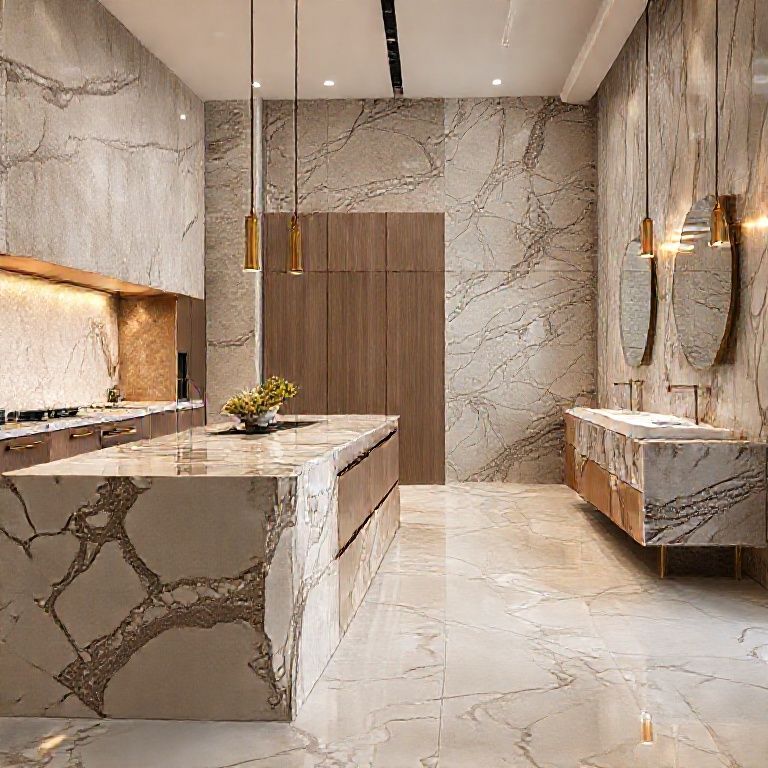
Colorants and Pigments: To replicate the intricate patterns found in natural marble, colorants and pigments are carefully blended into the resin. These colorants can be natural minerals or synthetic dyes, and they are mixed to create the desired hues and patterns.
Fillers and Additives: Fillers such as calcium carbonate or talc are often added to enhance the material’s texture and strength. Additives like UV stabilizers may also be included to protect against fading and discoloration caused by prolonged exposure to sunlight.
The Manufacturing Process
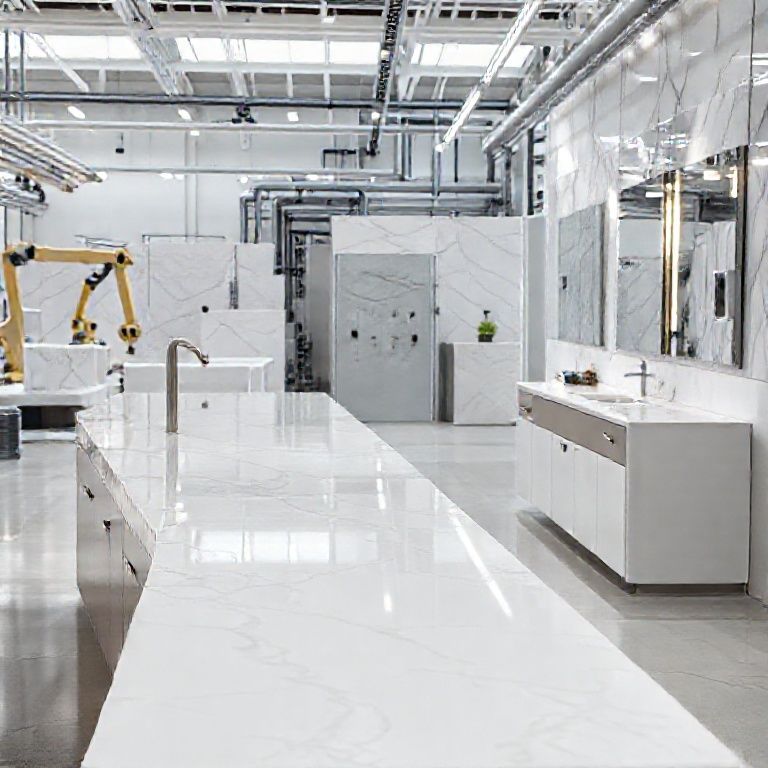
Creating engineered marble involves a series of carefully controlled steps to ensure that the final product is both beautiful and functional. Here’s an overview of the manufacturing process:
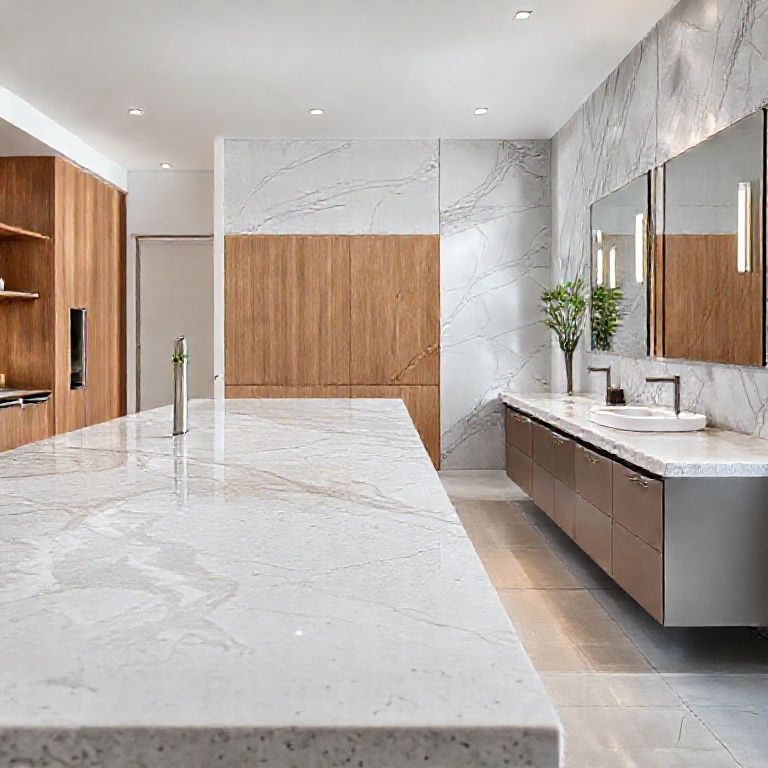
Mixing: The resin and stone aggregates are thoroughly mixed to form a homogeneous slurry. Colorants and pigments are added at this stage to achieve the desired marble effect.
Molding: The slurry is poured into molds that have been designed to replicate the intricate patterns found in natural marble. The molds are usually made from stainless steel and can be reused multiple times.
Curing: Once the slurry has been poured into the molds, it undergoes a curing process where it is left to harden. This curing process can take several hours and involves controlled temperature and humidity conditions to ensure that the material sets correctly.
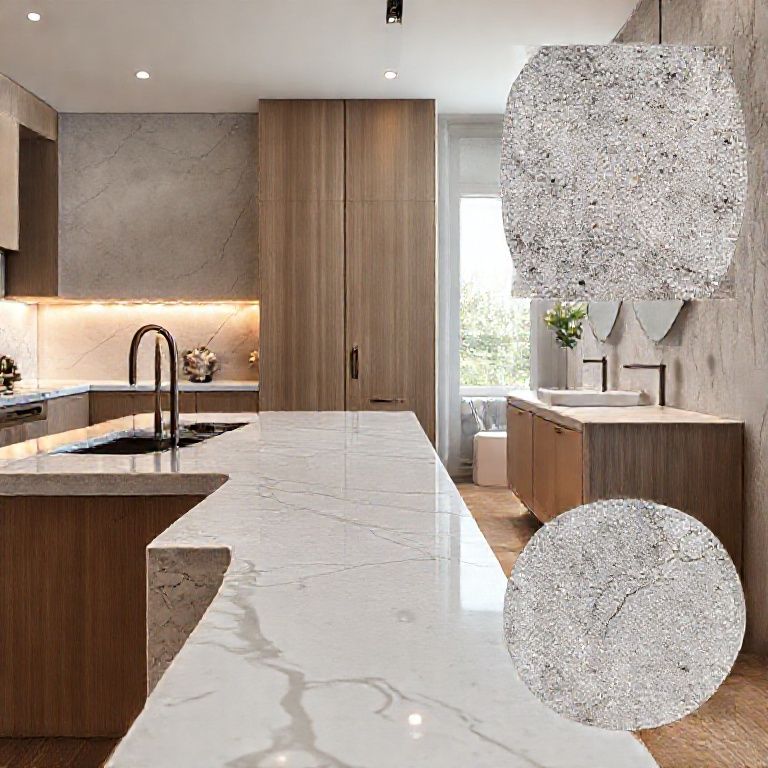
Finishing: After curing, the engineered marble slabs are trimmed and polished to achieve a smooth, flawless surface. This finishing process may involve sanding, polishing, and applying protective coatings to enhance durability and resistance to wear.
Why Engineered Marble is a Game Changer
Engineered marble offers several advantages over natural stone, making it a preferred choice for many modern designs:
Durability: Engineered marble is significantly more durable than natural stone. The resin binding agent provides superior resistance to scratches, stains, and chips, making it ideal for high-traffic areas where durability is paramount.
Aesthetic Versatility: The ability to replicate the intricate patterns and colors of natural marble while also allowing for unique customizations makes engineered marble incredibly versatile. Designers can create one-of-a-kind pieces or large, cohesive installations that match any aesthetic vision.
Sustainability: Engineered marble is an eco-friendly alternative to natural stone. The manufacturing process does not require the extraction of natural resources, reducing the environmental impact associated with quarrying and mining.
Cost-Effectiveness: While the initial cost of engineered marble may be higher than some other materials, its longevity and low maintenance requirements often result in significant long-term savings. It also allows for more budget flexibility in design projects.
Applications of Engineered Marble
Engineered marble’s versatility extends across a wide range of applications:
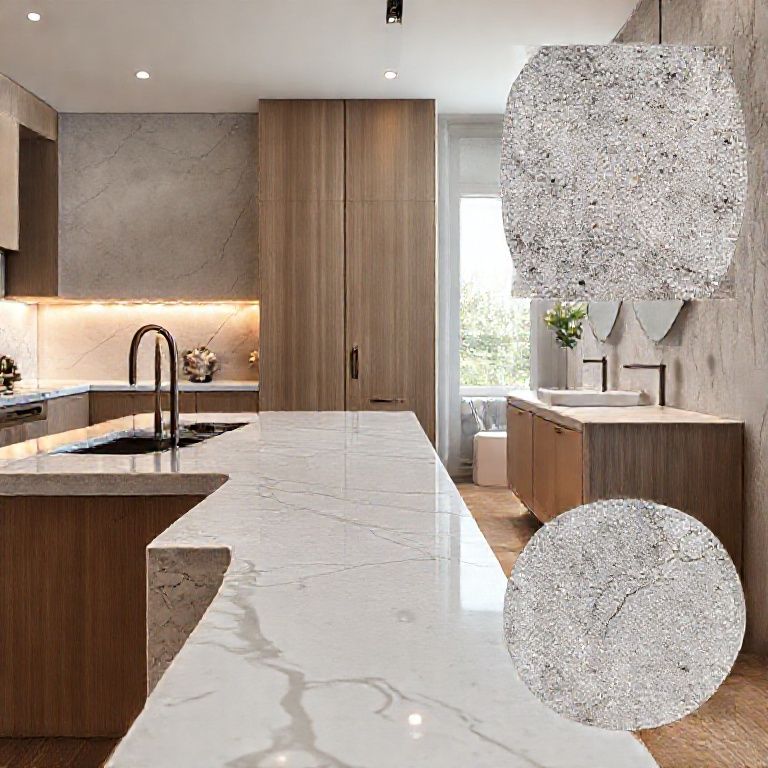
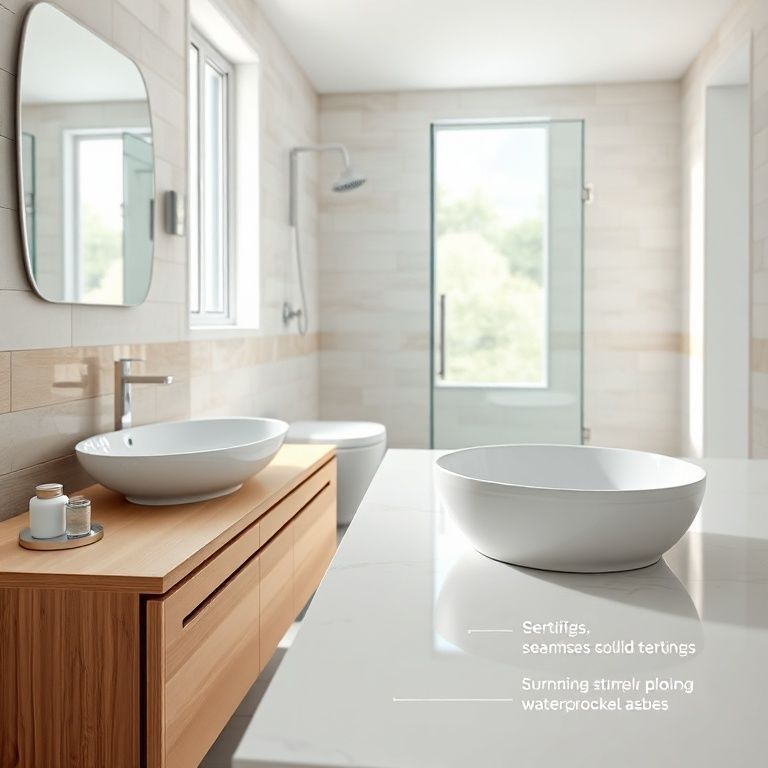
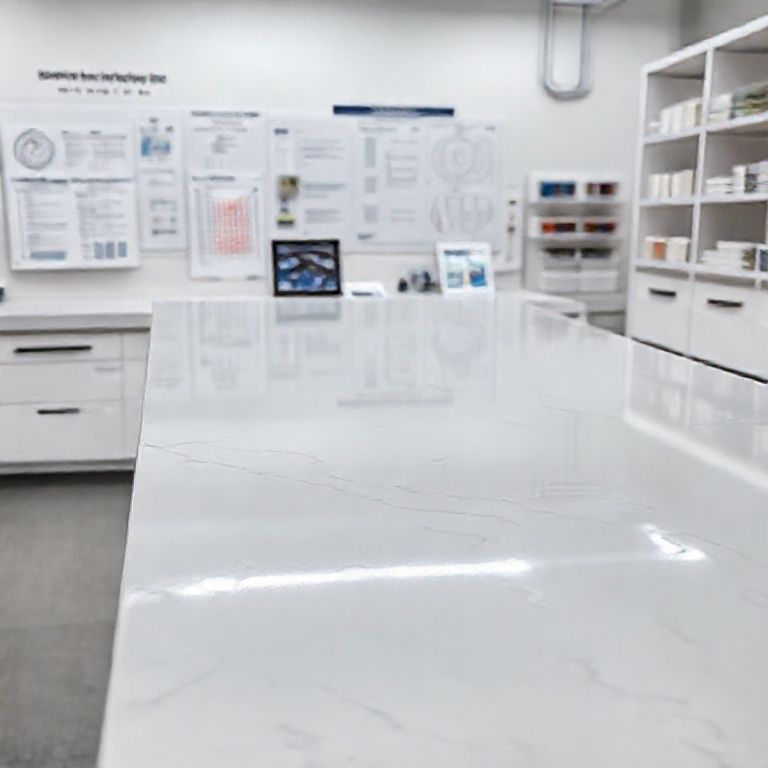
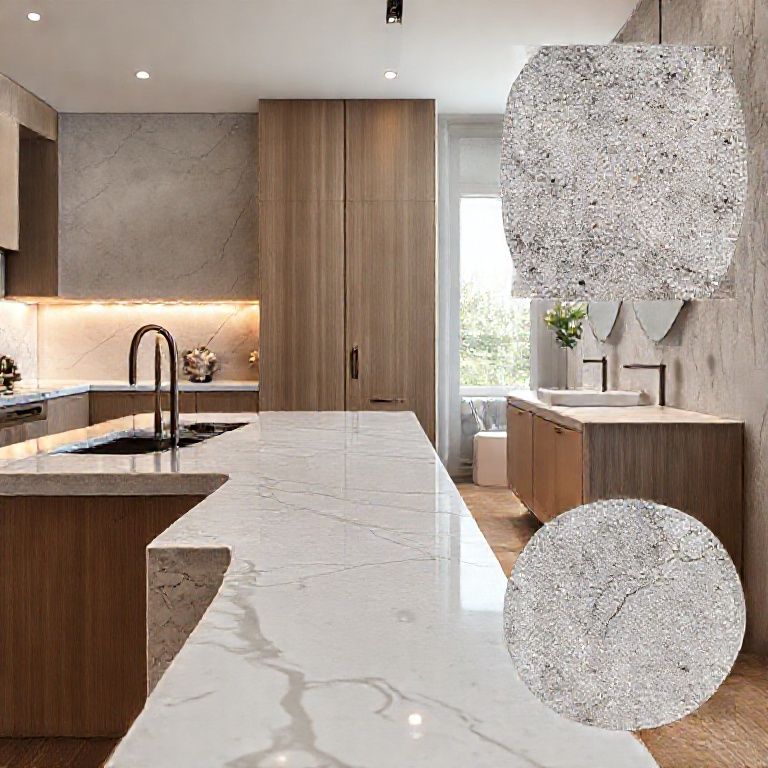
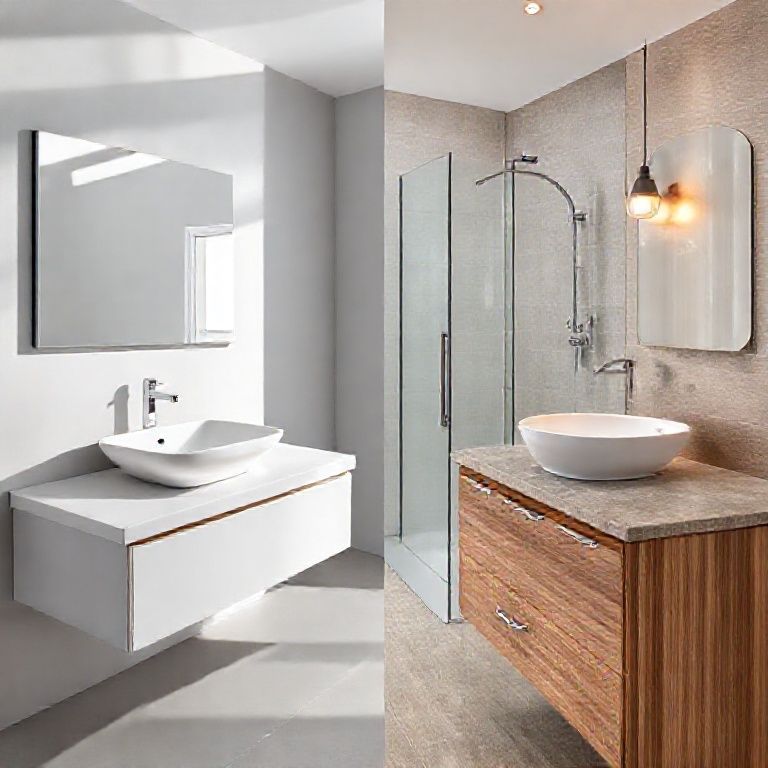
Interior Design: Engineered marble is a popular choice for countertops, sinks, and backsplashes in kitchens and bathrooms. Its resistance to stains and ease of cleaning make it a practical and elegant option for home and commercial spaces.
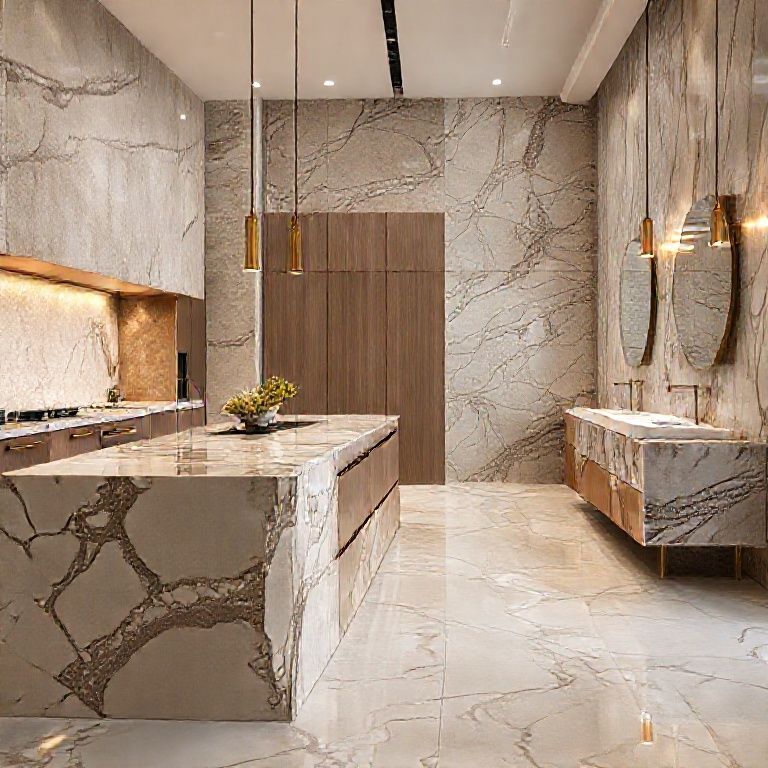
Architecture: In architectural applications, engineered marble can be used for flooring, wall cladding, and decorative elements. Its ability to replicate the look of natural stone while offering enhanced durability makes it ideal for both interior and exterior projects.
Furniture: High-quality engineered marble can be used to create stunning pieces of furniture, from dining tables to decorative shelving units. Its strength and aesthetic appeal ensure that these pieces are both functional and visually stunning.
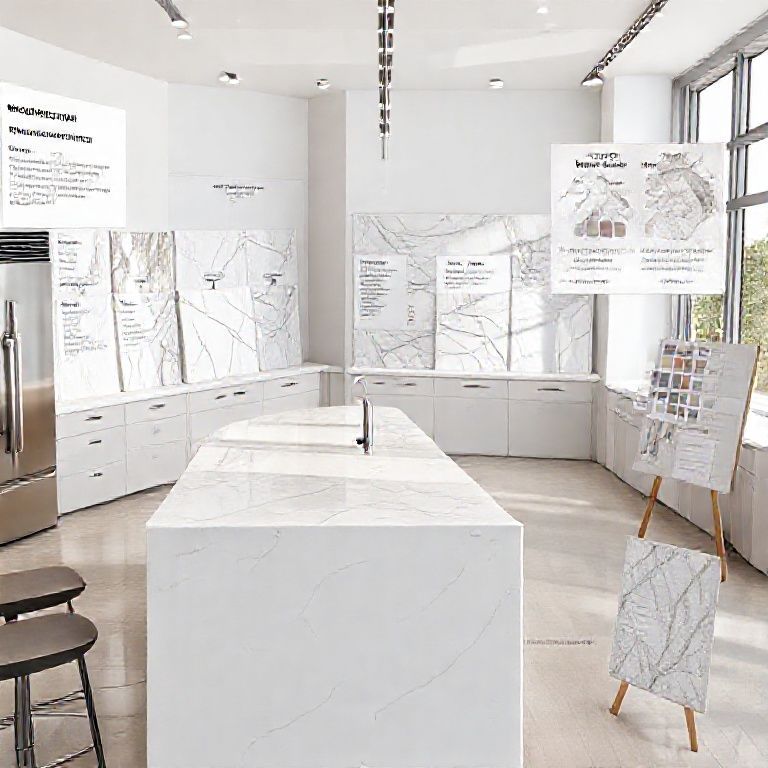
Commercial Spaces: Offices, restaurants, and public spaces often utilize engineered marble for its aesthetic appeal and practical benefits. It provides a luxurious and cohesive look that enhances the overall ambiance of the space.
Conclusion
Engineered marble is a testament to human ingenuity and creativity in the world of materials. Its combination of beauty, durability, and versatility has made it a cornerstone in modern design. As we explore its composition and applications, it’s clear that engineered marble is not just a material but a revolution in how we think about and use stone in our lives.
Stay tuned for part two, where we will delve deeper into the environmental and economic benefits of engineered marble, as well as its future innovations and advancements in the material science field.
Environmental and Economic Benefits
The rise of engineered marble has not only transformed the aesthetic landscape of design but has also introduced significant environmental and economic benefits that position it as a forward-thinking choice for modern builders and designers.
Sustainability
One of the most compelling reasons to choose engineered marble is its sustainability. Unlike natural stone, which requires extensive quarrying and mining processes, engineered marble production does not deplete natural resources. This aspect alone positions engineered marble as an eco-friendly alternative, reducing the environmental impact associated with traditional stone extraction.
Reduction in Carbon Footprint
The production of engineered marble involves less energy consumption compared to mining and processing natural stone. The controlled manufacturing process in a factory setting allows for more efficient use of raw materials and reduces waste. Consequently, the carbon footprint of engineered marble is significantly lower than that of natural stone, making it an excellent choice for environmentally conscious projects.
Waste Reduction
The controlled environment of engineered marble production allows for precise material usage, resulting in minimal waste. In contrast, natural stone quarrying often leads to significant waste due to the need to remove large amounts of rock to extract relatively small amounts of usable stone. Engineered marble’s ability to use materials more efficiently contributes to a reduction in overall waste.
Economic Benefits
Engineered marble also offers substantial economic benefits, making it an attractive option for both designers and consumers.
Cost Efficiency
While the initial cost of engineered marble may be higher than some other materials, its durability and low maintenance requirements often result in significant long-term savings. Engineered marble’s resistance to stains, scratches, and chips means that it requires less frequent replacement and minimal upkeep, which can save money over time.
Flexibility in Design
Engineered marble offers unparalleled flexibility in design, allowing for the creation of unique and customized pieces that can match any aesthetic vision. This flexibility often translates to cost savings, as it eliminates the need for multiple materials or the additional costs associated with sourcing specific natural stone varieties.
Innovations in Material Science
The field of material science is constantly evolving, and engineered marble is at the forefront of these advancements. Here are some of the cutting-edge innovations that are shaping the future of engineered marble:
Nanotechnology
Nanotechnology is revolutionizing the production of engineered marble by enhancing its properties at a microscopic level. By incorporating nanoscale materials into the resin and aggregates, manufacturers can create marble with superior strength, durability, and resistance to environmental factors such as UV radiation and temperature fluctuations.
Advanced Composites
The development of advanced composites has led to the creation of engineered marble with unique characteristics and functionalities. For example, researchers are exploring the use of bio-based resins derived from natural sources to produce environmentally friendly marble. These composites can mimic the appearance of traditional marble while offering enhanced performance and sustainability.
Smart Materials
The integration of smart materials into engineered marble is opening new possibilities for interactive and responsive design. Smart marble can be embedded with sensors and electronic components to create surfaces that change color, texture, or functionality in response to environmental stimuli. This innovation has significant implications for both interior and exterior design, offering dynamic and adaptive surfaces.
Applications of Innovative Engineered MarbleApplications of Innovative Engineered Marble
The cutting-edge innovations in engineered marble are not just limited to its material composition but are also finding exciting applications in various fields. Here’s a closer look at how these advancements are transforming industries and enhancing everyday life.
1. Smart Building Technology
Engineered marble with embedded sensors and electronic components can revolutionize building technology. These smart surfaces can monitor environmental conditions such as temperature, humidity, and air quality, providing real-time data that helps optimize building systems for energy efficiency and occupant comfort.
For example, a smart marble floor in an office building could detect when the space is unoccupied and automatically adjust lighting and heating to conserve energy. Similarly, marble surfaces in public spaces could monitor cleanliness levels and trigger automatic cleaning protocols to maintain hygiene standards.
2. Interactive and Responsive Design
Interactive engineered marble can respond to touch and environmental changes, creating dynamic and engaging user experiences. These surfaces can display information, change colors, or even project images, making them ideal for both commercial and residential settings.
In retail environments, interactive marble displays could showcase product information, special offers, or even allow customers to customize products on-the-spot. In educational settings, these surfaces could serve as interactive whiteboards or digital canvases, enhancing the learning experience.
3. Advanced Aesthetics and Textures
The ability to create highly customized and complex patterns and textures in engineered marble has led to new aesthetic possibilities. Nanotechnology and advanced composites are enabling the production of marble with unprecedented levels of detail and realism.
Architectural designers can now create façades and interior features that mimic the intricate patterns of natural marble while offering superior durability and maintenance-free performance. These advanced aesthetics not only enhance the visual appeal of buildings but also contribute to their structural integrity and longevity.
4. Health and Safety Innovations
The integration of health-promoting materials into engineered marble is addressing critical concerns related to hygiene and safety. Antimicrobial coatings and UV-resistant properties are being incorporated to create surfaces that are easier to clean and maintain, reducing the spread of germs and enhancing safety in high-traffic areas.
For instance, in healthcare facilities, antimicrobial engineered marble can significantly reduce the risk of hospital-acquired infections by providing a cleaner, safer environment for patients and staff. Similarly, in public transportation systems, these materials can help maintain high standards of cleanliness and safety.
5. Sustainable Design
The sustainable design aspect of engineered marble is gaining momentum as the demand for eco-friendly building materials increases. Innovations in material science are focusing on creating marble that is not only aesthetically pleasing but also environmentally responsible.
Bio-based resins and recycled aggregates are being explored to reduce the environmental impact of marble production. Additionally, the ability to recycle and reuse engineered marble components offers a sustainable solution for end-of-life management, reducing waste and promoting a circular economy in the construction industry.
Future Trends and Innovations
As we look to the future, several trends and innovations are likely to shape the evolution of engineered marble:
1. Enhanced Performance Materials
The ongoing research into nanotechnology and advanced composites will likely lead to the development of engineered marble with even greater strength, durability, and functionality. These materials could offer unprecedented resistance to wear, chemicals, and environmental factors, expanding their applications across various industries.
2. Customization and Personalization
The trend towards customization and personalization will continue to drive advancements in engineered marble. Designers and manufacturers will explore new ways to create bespoke marble pieces that cater to individual tastes and specific project requirements, further enhancing the versatility and appeal of this material.
3. Integration with Digital Technologies
The integration of digital technologies with engineered marble will open new possibilities for smart and interactive surfaces. As the Internet of Things (IoT) becomes more prevalent, engineered marble could become a key component in smart buildings, providing connectivity and interactivity that enhance both functionality and user experience.
4. Increased Focus on Sustainability
With the growing emphasis on sustainability, the development of eco-friendly engineered marble will remain a priority. Innovations aimed at reducing the environmental impact, such as the use of renewable resources and recyclable materials, will continue to evolve, contributing to a more sustainable future for the construction industry.
Conclusion
Engineered marble is not just a material but a dynamic and evolving industry that combines aesthetics, functionality, and sustainability. The combination of advanced material science, innovative applications, and a commitment to environmental responsibility positions engineered marble as a forward-thinking choice for the modern world.
As we continue to explore its potential, it is clear that engineered marble is not only transforming the way we design and build but also contributing to a more sustainable and innovative future. The future of engineered marble is bright, promising even greater advancements and applications that will continue to shape the world around us.
In this comprehensive exploration of engineered marble, we have uncovered its composition, benefits, and the cutting-edge innovations that are driving its future. Whether for residential, commercial, or architectural applications, engineered marble stands out as a versatile, durable, and sustainable material that is revolutionizing the world of design.